Artwork
Samuel Hughes of Llwyn-y-Brain
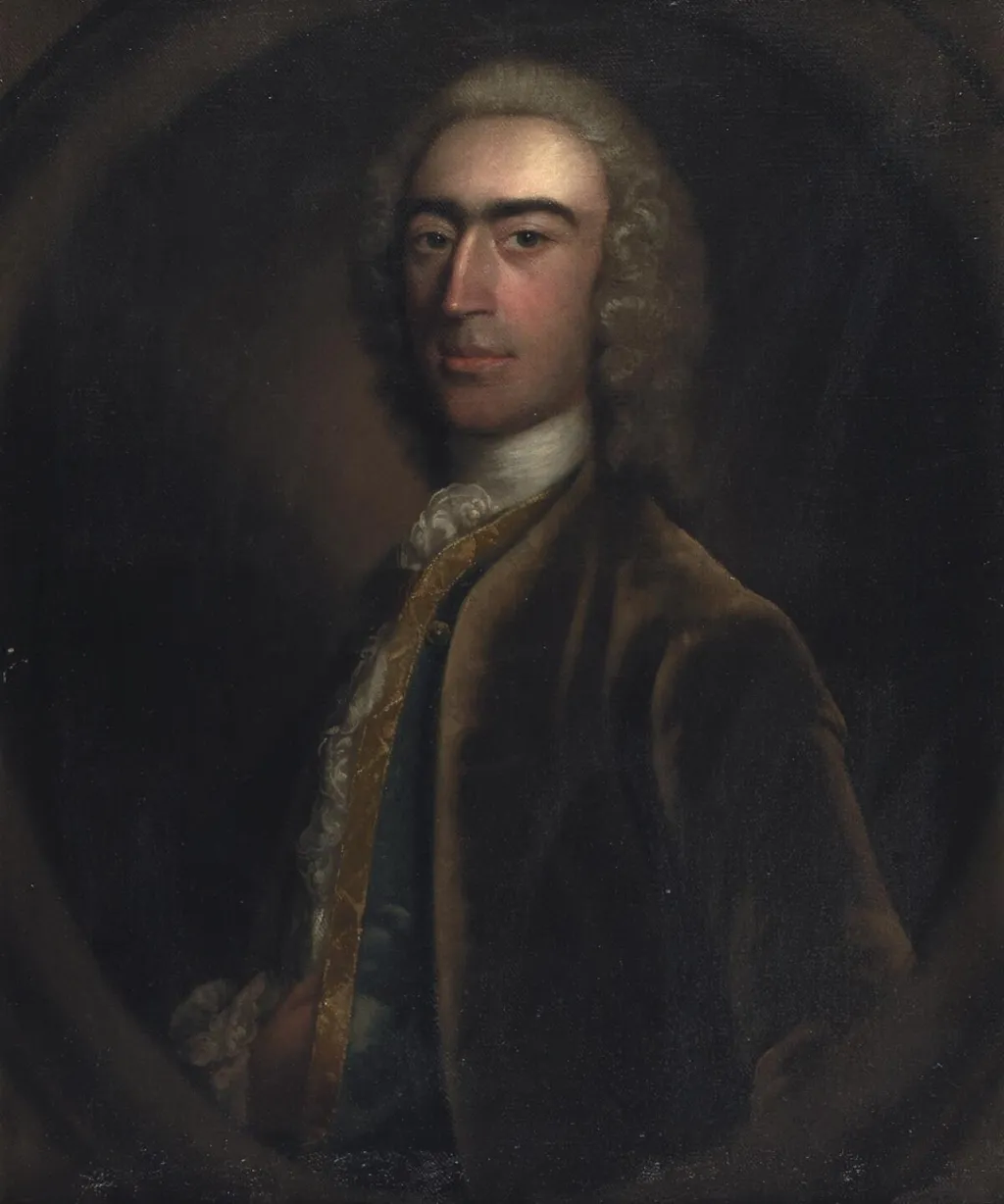
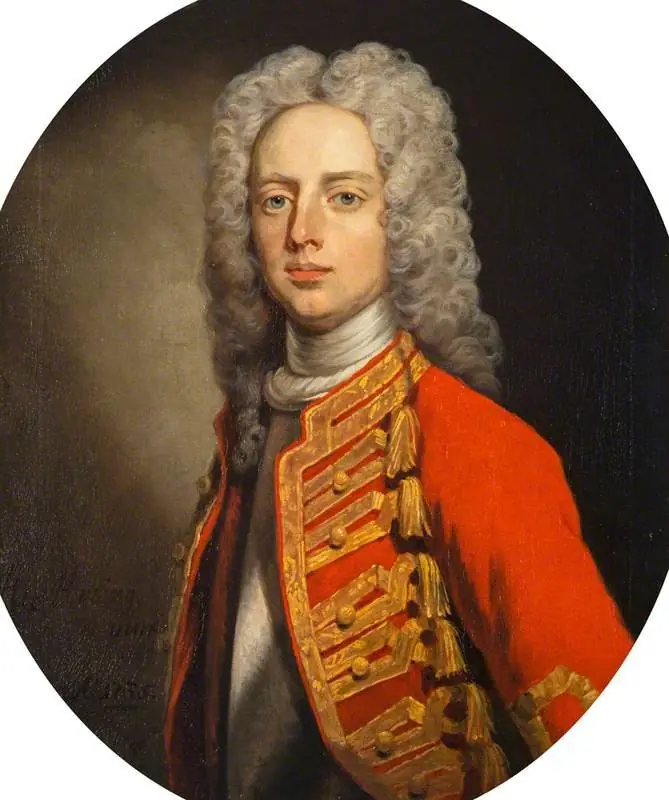
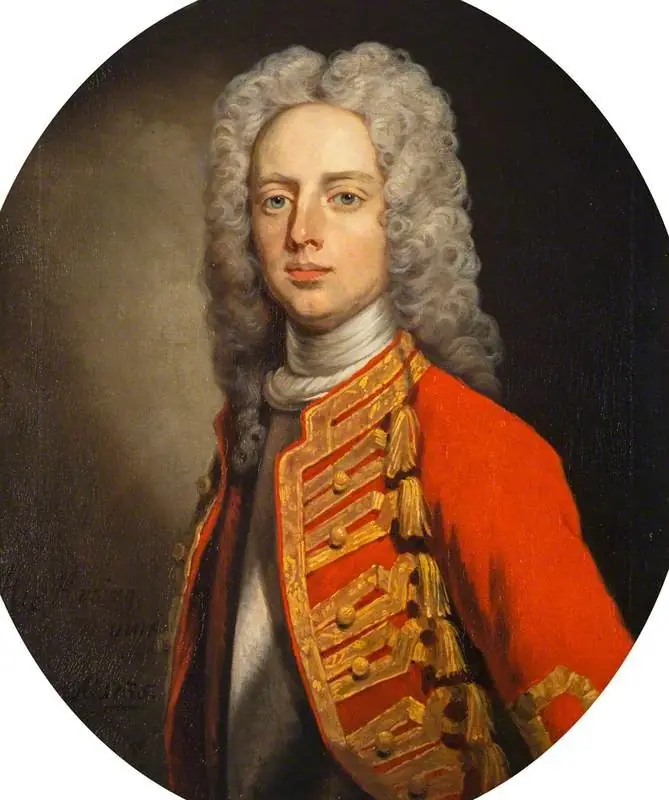
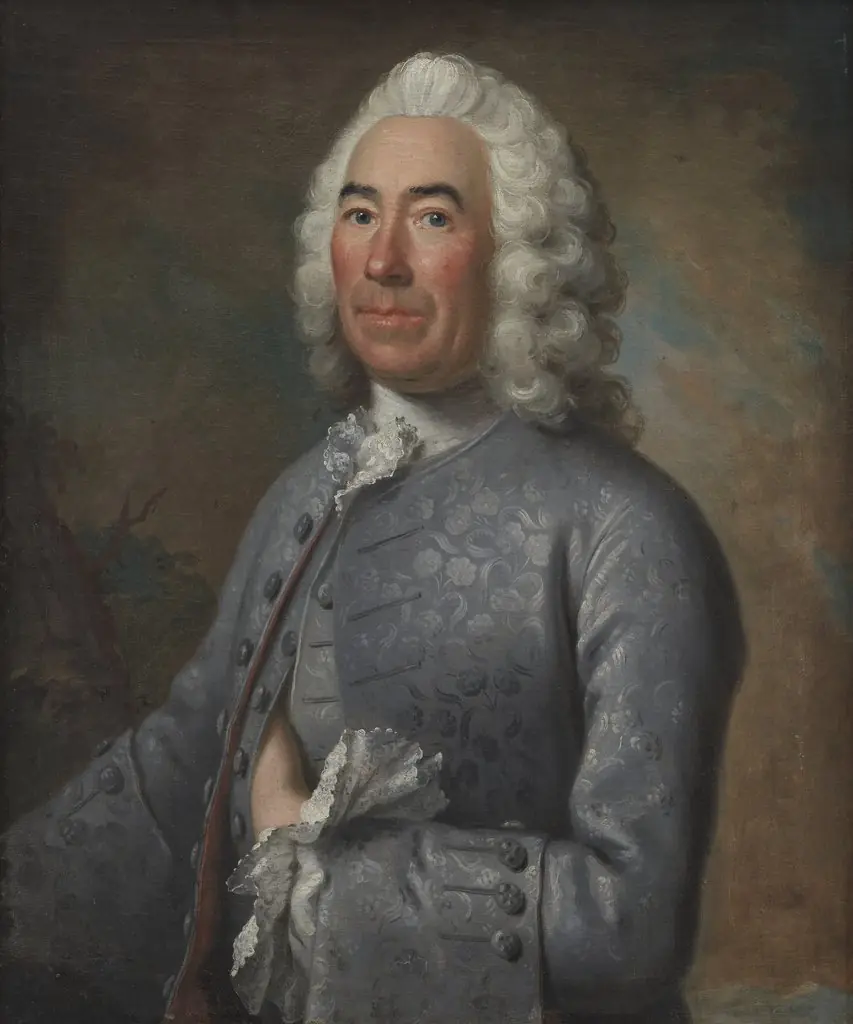
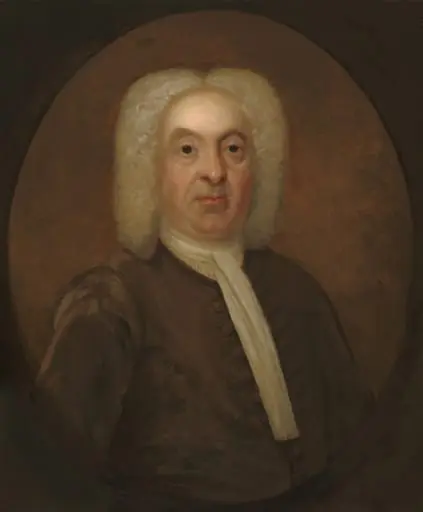
Samuel Hughes of Llwyn-y-Brain is an oil painting by the Rococo painting artist Hans Hysing. It dates from 1737 and is held in the collection of the National Library of Wales.
About this work
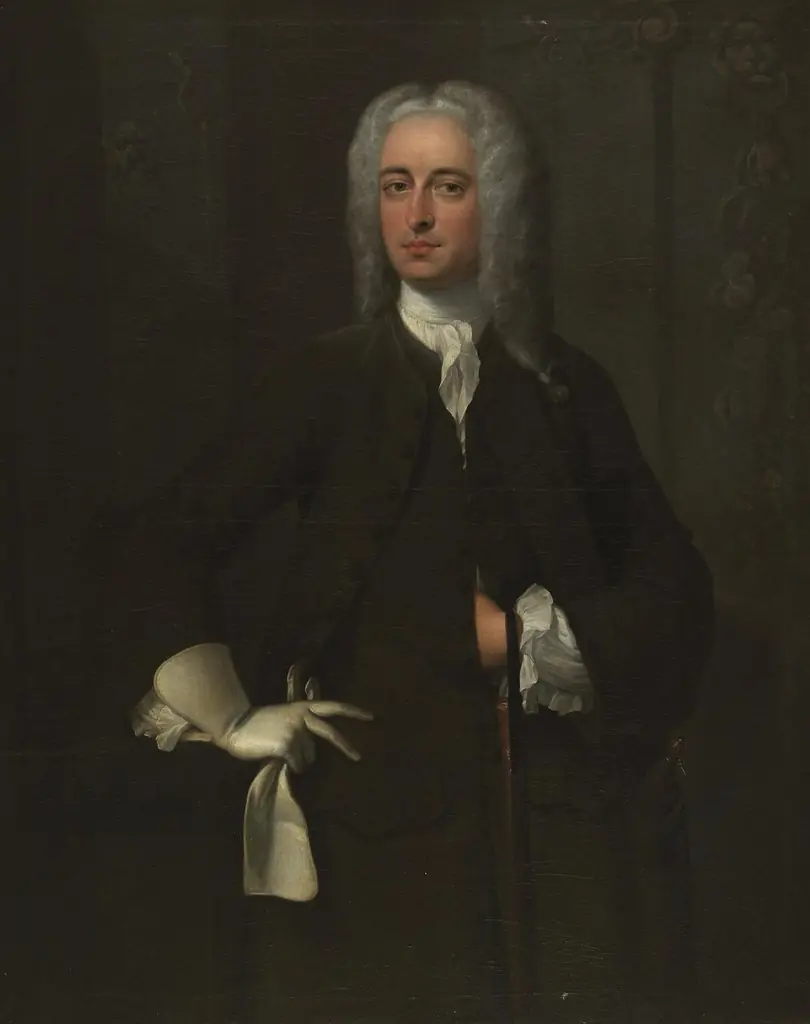
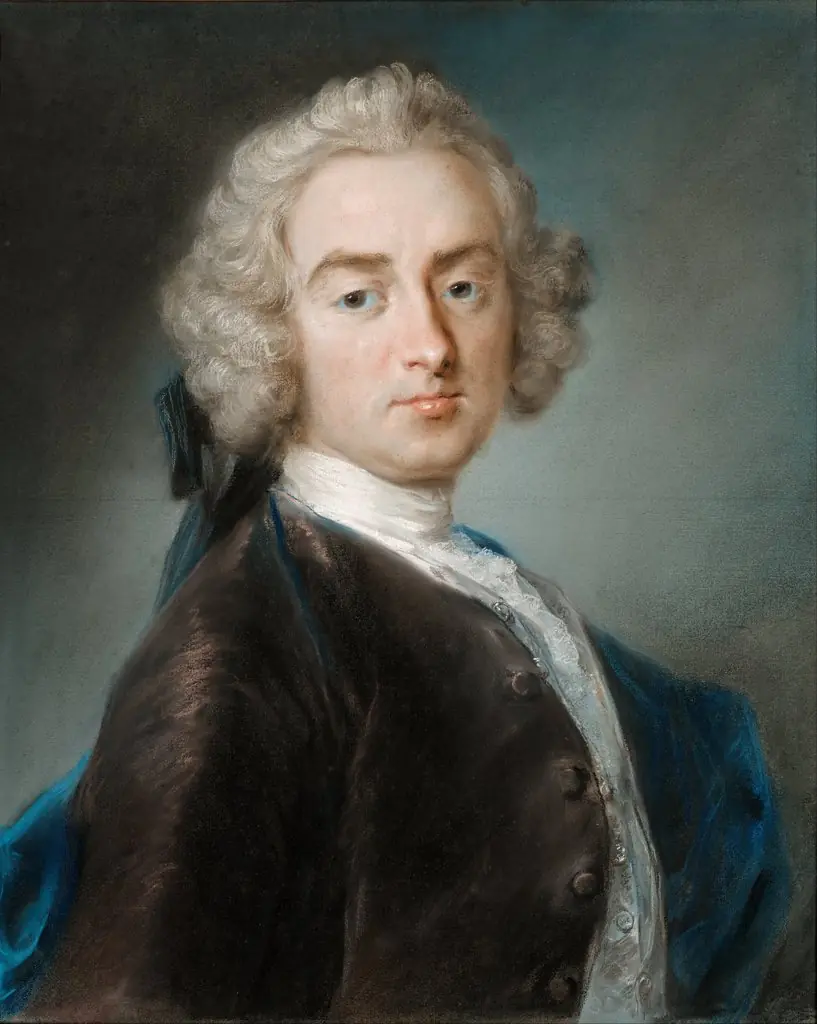
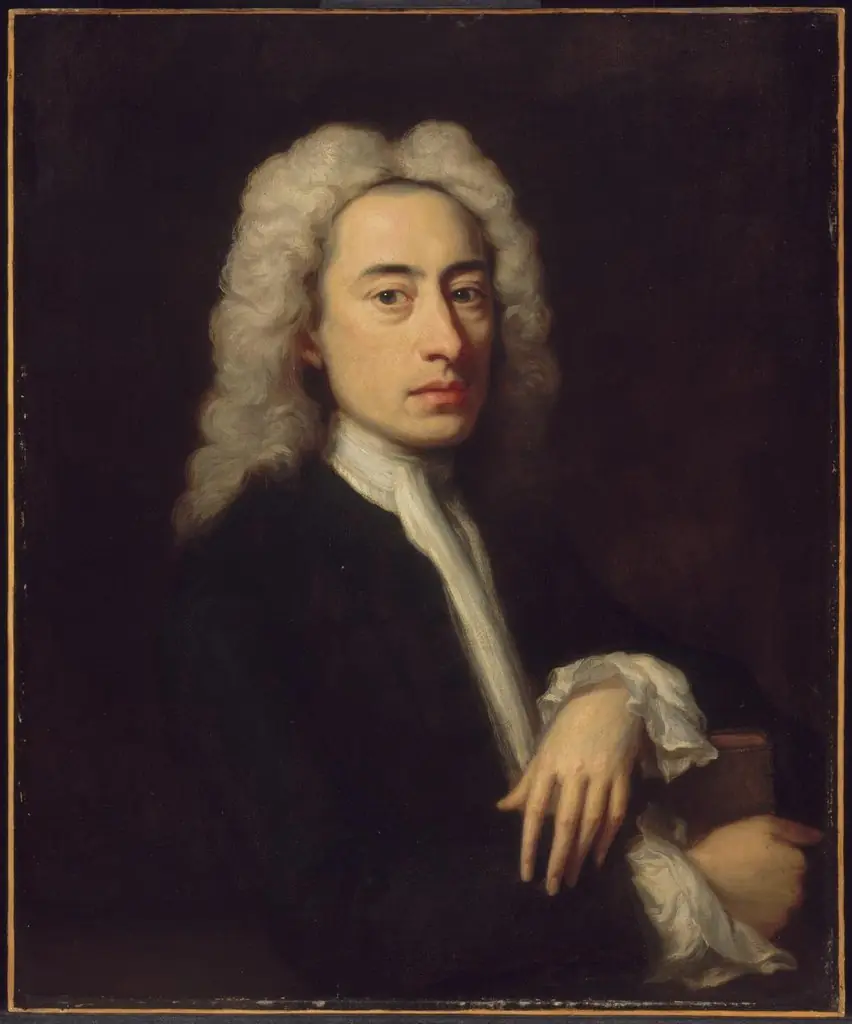
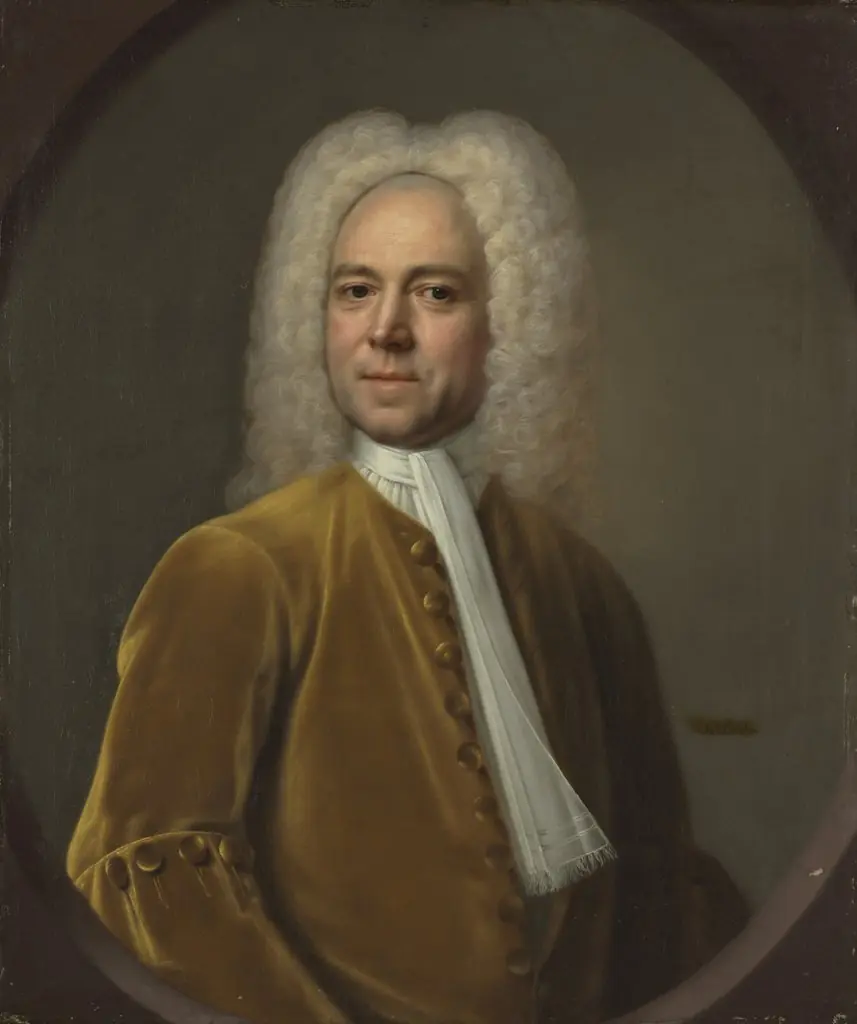
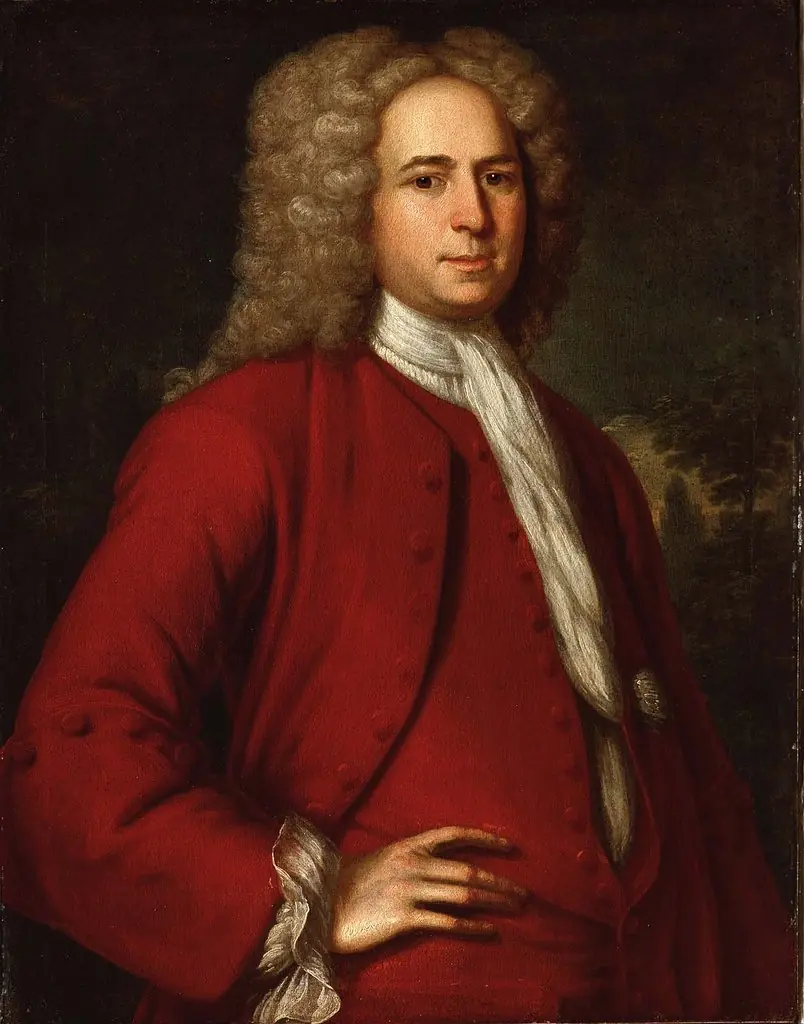
The man's attire suggests he is from the 18th century, and his serious expression adds to the formal atmosphere of the portrait.
This portrait painting features a man with curly, light-colored hair, wearing a brown coat over a blue vest and white cravat. His gaze is directed to the left side of the image.
The man's attire suggests he is from the 18th century, and his serious expression adds to the formal atmosphere of the portrait. The artist has used oil paint to create a detailed and realistic representation of the subject.
If you're interested in learning more about the artist behind this portrait, you might want to look up Hans Hysing.
Overview
Painted in 1737 by Swedish artist Hans Hysing, this oil portrait depicts Samuel Hughes of Llwyn-y-Brain, a Welsh landowner. The work is part of the National Library of Wales collection, where it has been held since its acquisition. Rendered in the formal conventions of early 18th-century portraiture, the painting captures its subject with quiet precision, reflecting the social standing and personal demeanor of its sitter.
Subject & Meaning
Samuel Hughes, identified by his estate name, appears as a figure of local prominence. His composed expression and restrained posture convey dignity rather than flamboyance. The absence of symbolic objects or elaborate settings shifts focus to his presence alone, suggesting an emphasis on personal character over status markers. The portrait functions as a record of identity within a provincial elite context.
Technique & Style
Hysing employed oil paint to achieve subtle tonal gradations and fine detail in the textures of fabric and hair. The brown coat, blue vest, and white cravat are rendered with attention to light and fold, while the soft rendering of curly hair adds naturalism. The composition is tightly framed, with the subject’s gaze directed off-canvas, reinforcing a sense of introspection and formality typical of the period’s portraiture.
History & Provenance
The painting entered the National Library of Wales’ collection through documented acquisition, though its earlier ownership history remains unclear. It was likely commissioned by Hughes or his family shortly after its completion in 1737. No evidence suggests it was widely exhibited before its institutional preservation, indicating a private origin with later public significance.
Context
Hans Hysing, a Swedish painter active in Britain, worked within a network of transnational artists serving the gentry. This portrait reflects the influence of continental techniques on British portraiture, even in regional commissions. Hughes’s attire and demeanor align with Welsh landowners of the era who sought to align themselves with broader aristocratic visual norms, despite geographic distance from London.
Legacy
The portrait endures as a representative example of provincial 18th-century portraiture in Wales. It offers insight into the visual culture of local elites and the reach of foreign-trained artists in Britain. While not widely known outside institutional circles, it remains a valuable resource for understanding regional identity and artistic practice in early modern Wales.
Artist & collection