Artwork
H Beard Print Collection
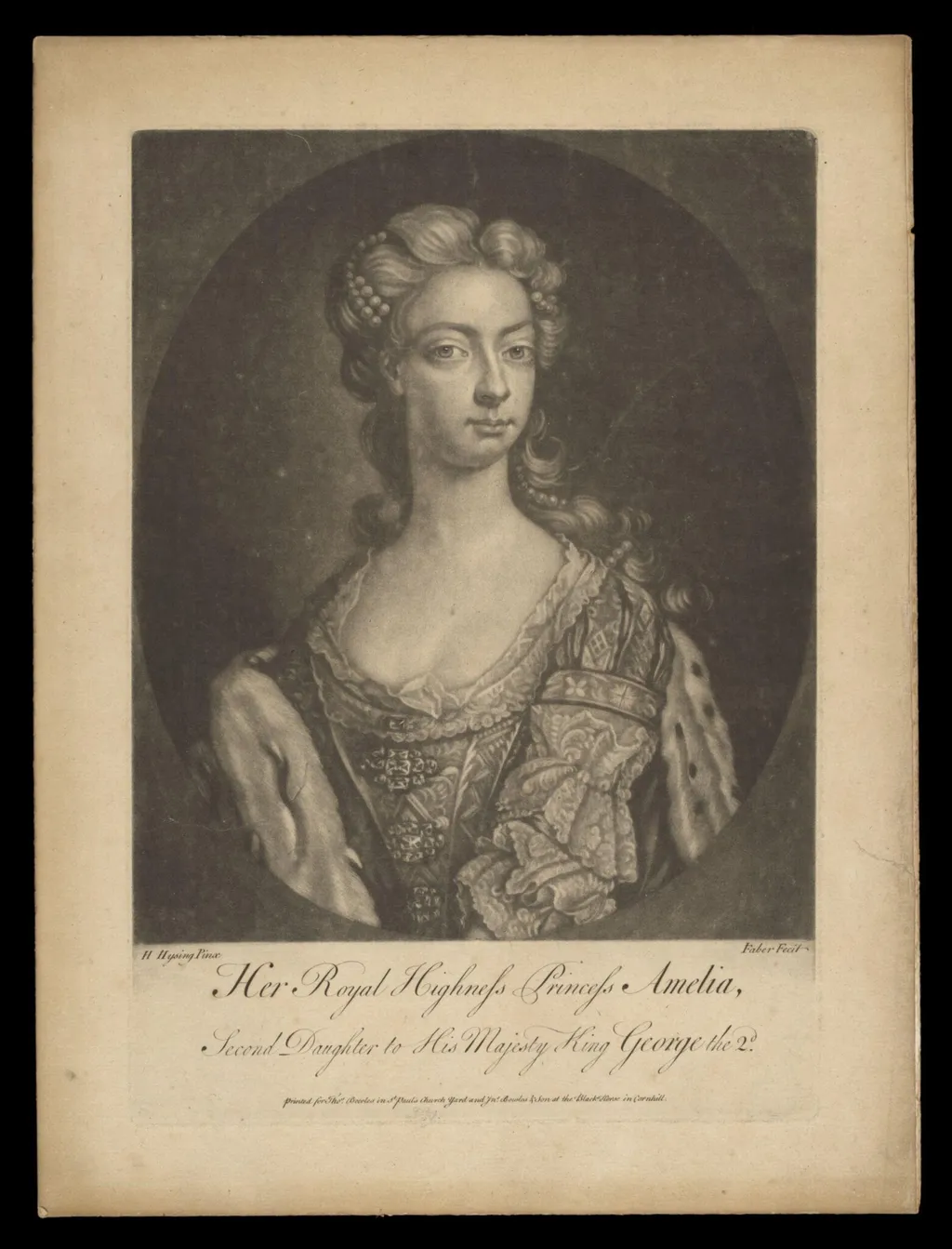
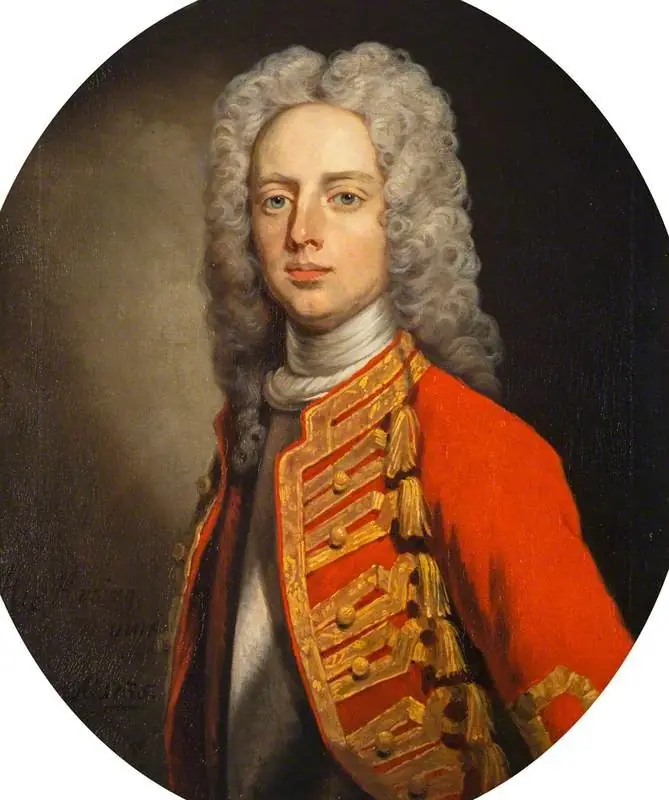
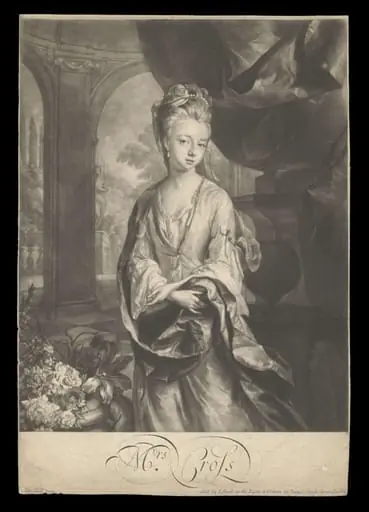
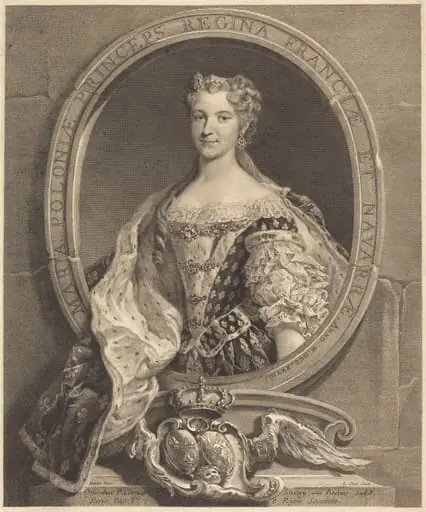
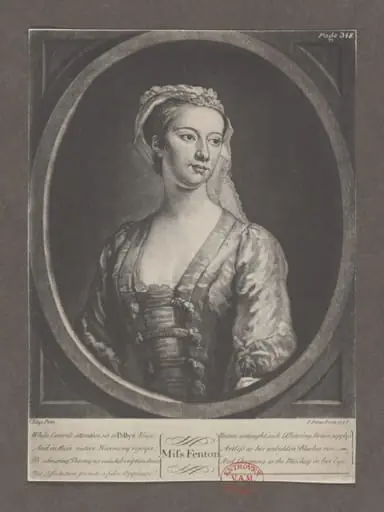
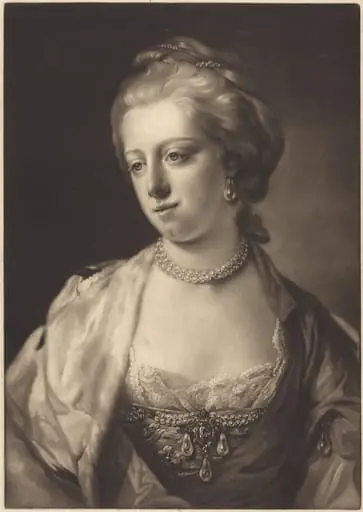
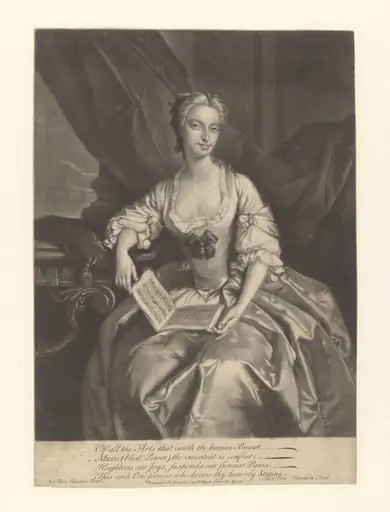
H Beard Print Collection is a print by Hans Hysing. It dates from 1750 and is held in the collection of the Victoria and Albert Museum. This print, part of the H.
About this work
The print is titled H Beard Print Collection.
It depicts Princess Amelia, published by Thomas Bowles.
The print is held at the Victoria and Albert Museum, and was created by Hans Hysing in the mid 18th century.
The fact that it was published by Thomas Bowles suggests it was meant for wider circulation.
You can learn more about similar prints by visiting the Victoria and Albert Museum.
Overview
This print, part of the H. Beard Print Collection, portrays Princess Amelia of Great Britain. Created in the mid-18th century by Swedish-born artist Hans Hysing, it was published by Thomas Bowles, a prominent London print seller. Its production indicates an intent for broad distribution among the British public, reflecting the era’s growing market for engraved portraiture.
Subject & Meaning
Such portraits functioned as both personal commemoration and political representation during a time when print media shaped public perception of monarchy.
Princess Amelia, daughter of King George II, is depicted in formal attire befitting her royal status. The image serves as a visual affirmation of her position within the Hanoverian dynasty, intended to reinforce public familiarity with the royal family. Such portraits functioned as both personal commemoration and political representation during a time when print media shaped public perception of monarchy.
Technique & Style
Executed as an engraved print, the work employs fine linear detail typical of 18th-century reproductive engraving. Hysing’s rendering emphasizes facial features and textile textures with precision, adhering to conventions of courtly portraiture. The composition is restrained, avoiding dramatic flair in favor of dignified clarity, aligning with contemporary expectations of royal imagery.
History & Provenance
The print entered the Victoria and Albert Museum’s collection as part of the H. Beard Print Collection, a significant assemblage of British graphic art. Its publication by Thomas Bowles places it within a network of commercial print distribution active in London during the 1740s–1760s. The print’s survival and preservation reflect its historical value as a cultural artifact of Georgian Britain.
Context
In mid-18th-century Britain, engraved portraits of royalty were widely circulated to cultivate public loyalty and visibility. Print sellers like Bowles capitalized on this demand, making royal imagery accessible beyond aristocratic circles. Hysing’s work fits within this trend, illustrating how print technology democratized visual access to the monarchy while reinforcing its symbolic authority.
Legacy
As a surviving example of Georgian-era reproductive engraving, this print contributes to the study of visual culture and royal representation. Its presence in the V&A’s collection underscores its role in documenting the intersection of art, commerce, and monarchy. It remains a reference point for understanding how portraiture functioned in public life before the age of photography.
Artist & collection