Artwork
Adam
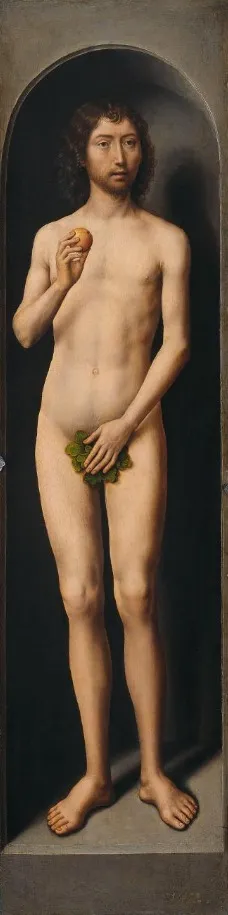
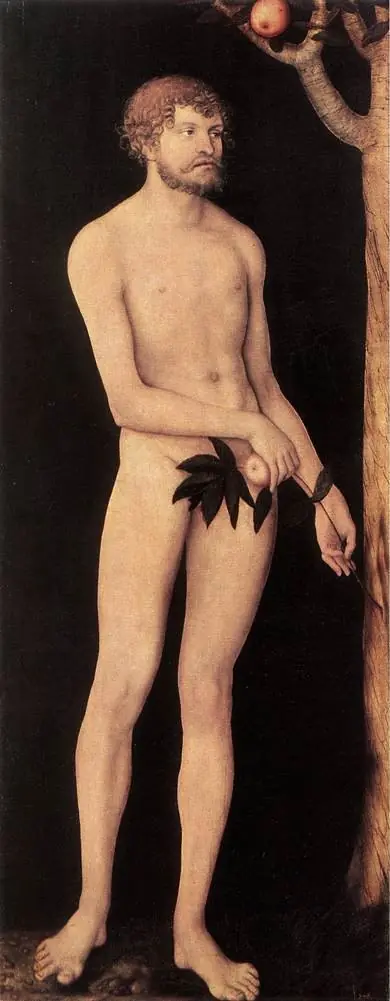
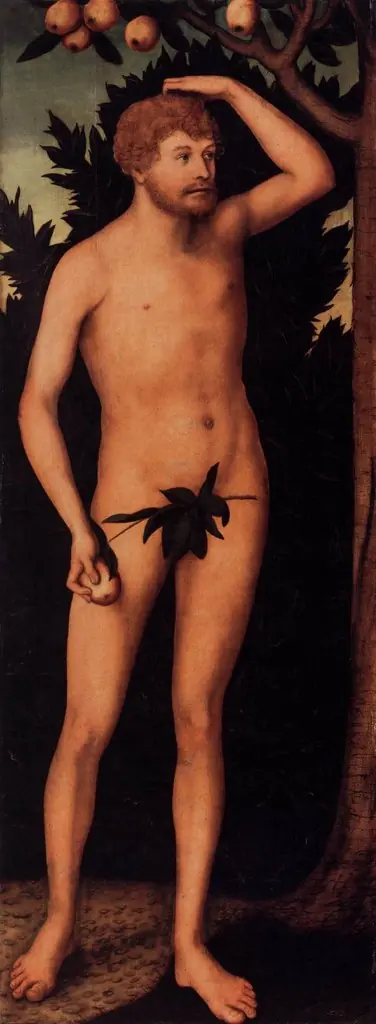
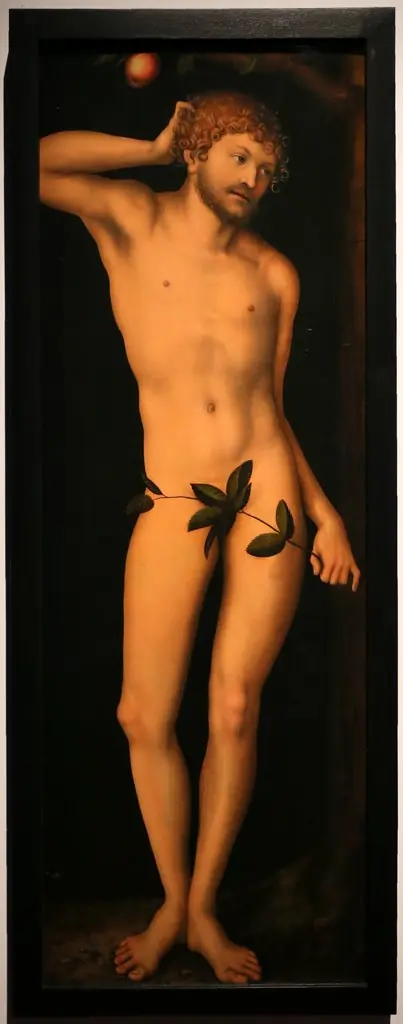
Adam is an oil painting by the Northern Renaissance artist Hans Memling. It dates from 1493 and is held in the collection of the Kunsthistorisches Museum.
About this work
Overview
Painted in 1493 by Hans Memling, this oil-on-panel work portrays the biblical figure Adam in solitary contemplation. Executed during the Northern Renaissance, it reflects the period’s emphasis on naturalism and spiritual introspection. The painting is part of the Kunsthistorisches Museum’s collection in Vienna, where it has remained since at least the 19th century.
Subject & Meaning
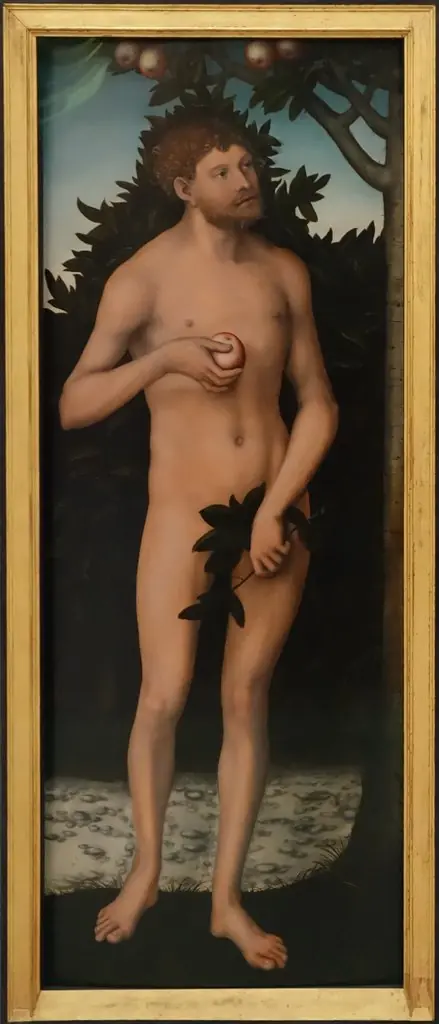
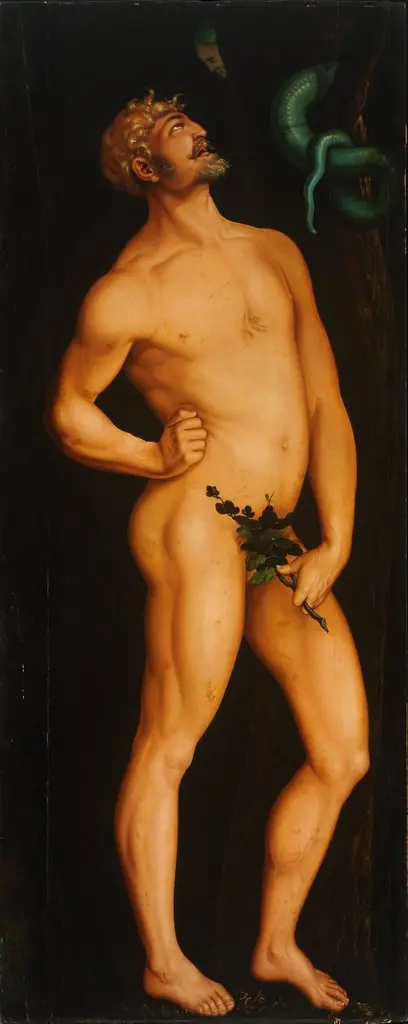
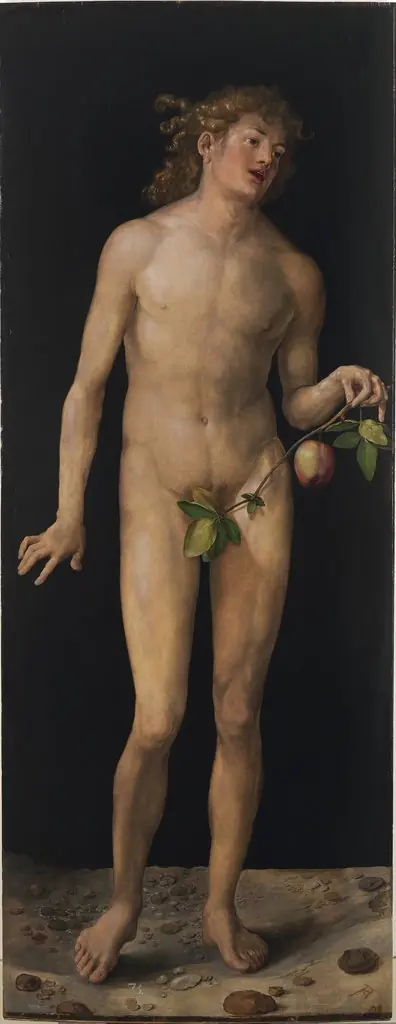
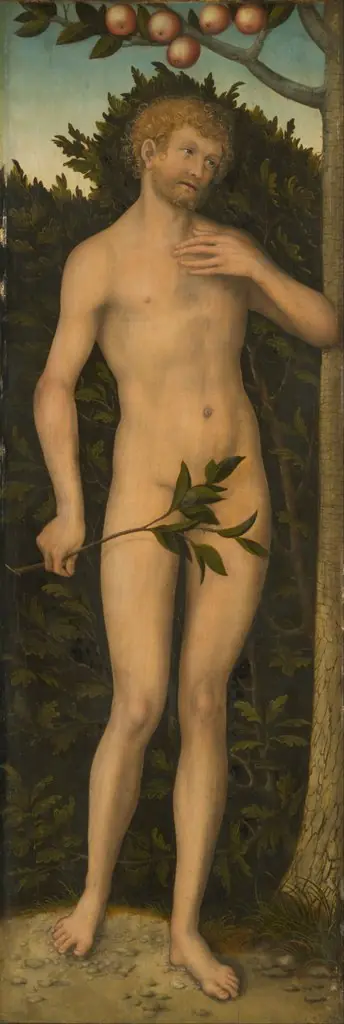
The figure of Adam stands naked in a stone archway, clutching an apple in his right hand and a fig leaf in his left.
The figure of Adam stands naked in a stone archway, clutching an apple in his right hand and a fig leaf in his left. His bare feet and tousled hair suggest a primal state, while his downcast gaze implies awareness of transgression. The composition isolates him from any narrative context, focusing attention on internal conflict rather than external action, aligning with devotional themes of guilt and consequence.
Technique & Style
Memling employed oil glazes to achieve subtle gradations of skin tone and a luminous surface quality. The dark, undefined background enhances the figure’s three-dimensionality, while fine brushwork renders the texture of hair, flesh, and leaf with quiet precision. The lighting is soft and directional, casting a faint shadow behind Adam that deepens the sense of spatial depth without dramatic contrast.
History & Provenance
The painting entered the Kunsthistorisches Museum’s holdings in the 19th century, likely through imperial Austrian collections. Its origin prior to that is undocumented, though its style and date align with Memling’s late workshop output in Bruges. No clear evidence links it to a larger altarpiece, suggesting it may have been a standalone devotional image.
Context
Created during a period of heightened religious introspection in the Low Countries, the image reflects a shift toward personal piety and psychological depth in religious art. Unlike earlier depictions of Adam as part of a grand narrative, this solitary portrait invites quiet meditation, consistent with contemporary devotional practices that emphasized individual sin and redemption.
Legacy
Memling’s restrained portrayal of Adam influenced later Northern artists who favored intimate, psychologically nuanced religious figures. While not widely reproduced in its time, the painting remains a key example of how oil technique could convey spiritual gravity through subtlety rather than spectacle, contributing to the evolution of portrait-like sacred imagery in the Renaissance.
Artist & collection
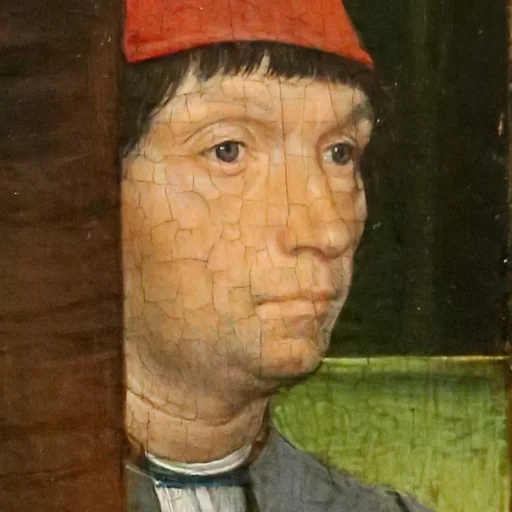
Artist
Hans Memling was a German-Flemish painter who worked in the tradition of Early Netherlandish painting.

![Saint Veronica [obverse], by Hans Memling](https://artifactworldgallery.com/img/hans-memling--saint-veronica-obverse--5a649fd8b09c96b9-w320.webp)