Artwork
The Fall of Man: Adam
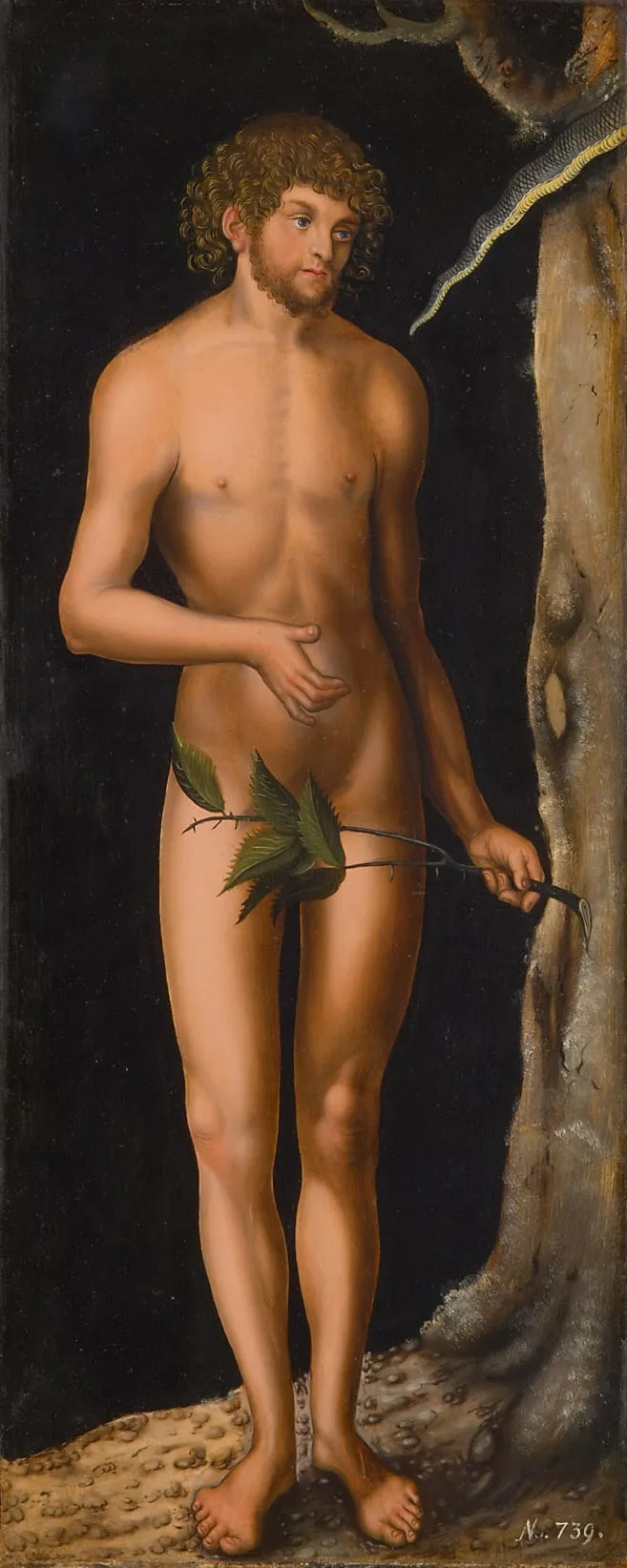
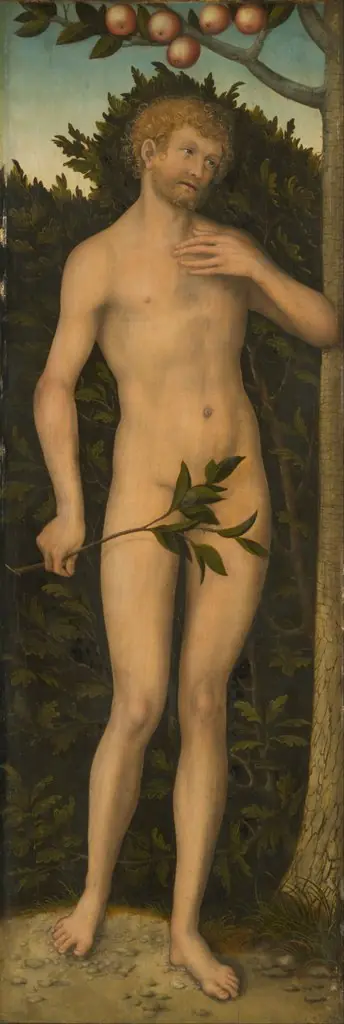
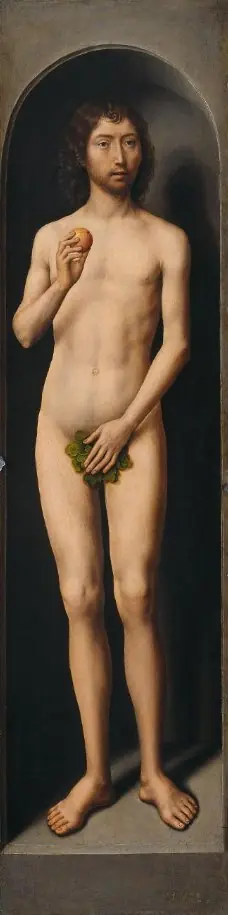
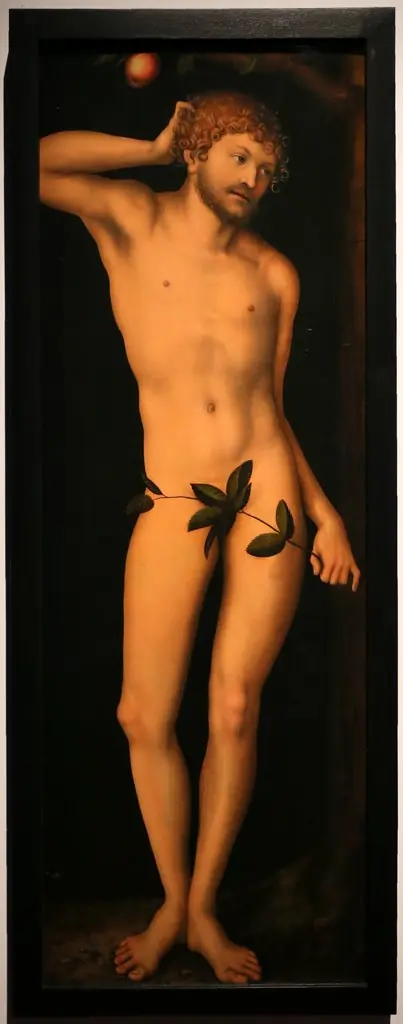
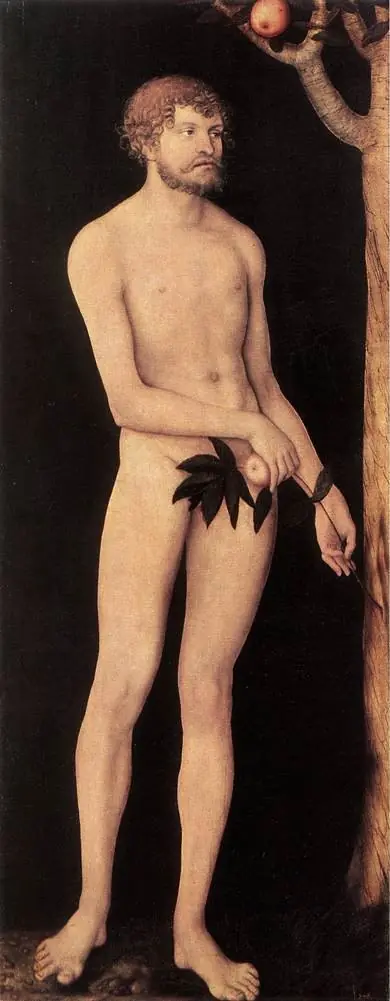
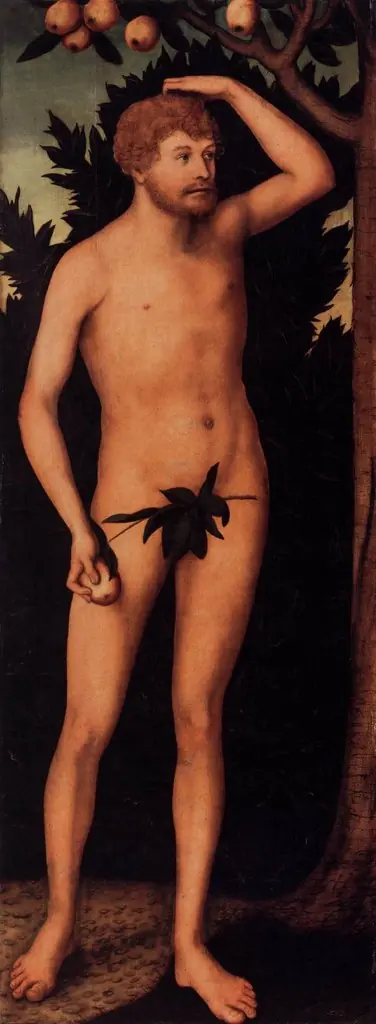
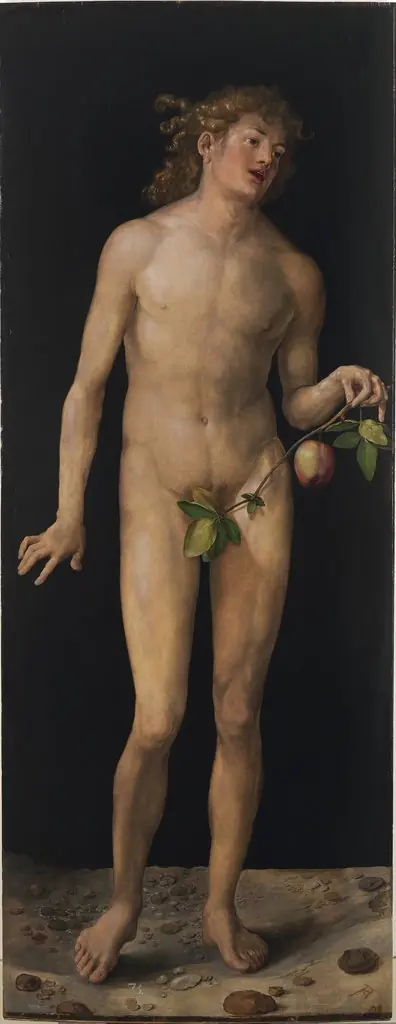
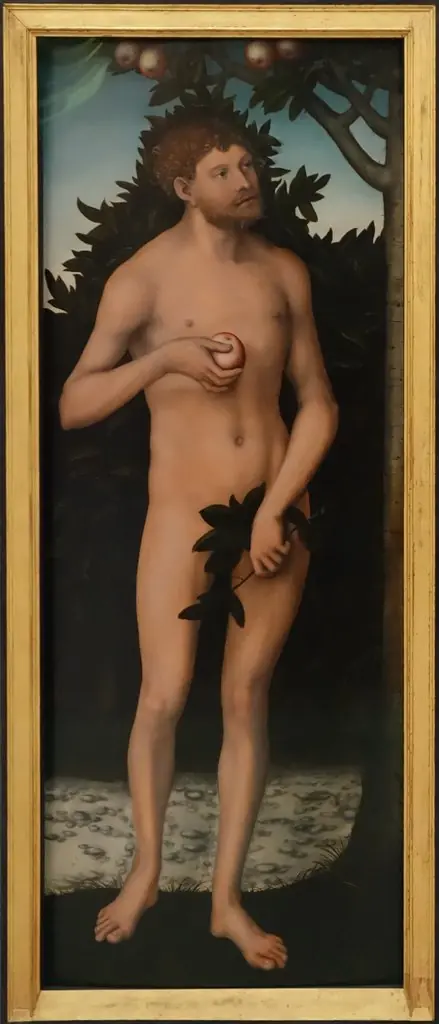
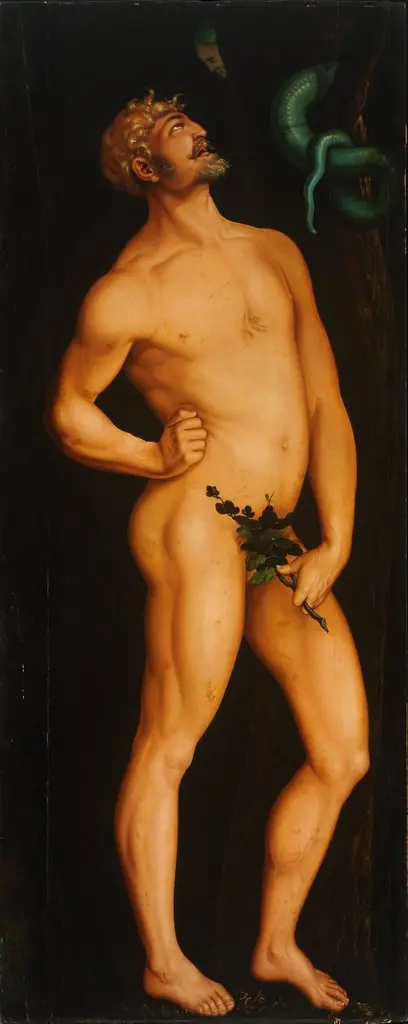
The Fall of Man: Adam is an unspecified painting by the Northern Renaissance artist Unknown. It dates from 1520 and is held in the collection of the Kunsthistorisches Museum. The canvas presents a nude male figure set against a stark, craggy backdrop.
About this work
Overview
The canvas presents a nude male figure set against a stark, craggy backdrop. His curly hair and light beard frame a face that gazes outward, while his left hand rests on his hip and his right hand grips a bow with an arrow already placed on the string. A thorny branch bearing green leaves is looped through his belt, adding a subtle narrative element.
Subject & Meaning
The work alludes to the biblical account of the first humans, positioning the figure as a representation of Adam before the fall. The inclusion of the bow and arrow, together with the thorny branch, suggests an impending act of choice or transgression, echoing themes of temptation and the loss of innocence that define the story.
Technique & Style
The artist employs pronounced chiaroscuro, using strong contrasts of light and dark to model the body’s musculature and to separate the figure from the surrounding gloom. The illumination catches the smoothness of the skin, while deep shadows carve out the contours, creating a three‑dimensional effect that makes the subject appear to emerge from the darkness.
Context
Created within a tradition that often revisited biblical narratives, the painting reflects a period when artists explored dramatic lighting to convey psychological tension. The dark, rocky setting and the stark lighting align with contemporaneous works that sought to dramatize sacred stories through naturalistic human forms.
Artist & collection

 Domestic Scene
 Giacomo and Cardinal Marco, investing Andrea, Abbot of San Zeno, with his Benefice
 The Nymph of Fontainebleau
 Portrait of a Woman
 Madonna and Child with Saints in the Enclosed Garden
 Venus and Minerva
 Family Group of Four on Sofa
 Wall painting from Room H of the Villa of P. Fannius Synistor at Boscoreale