Artwork
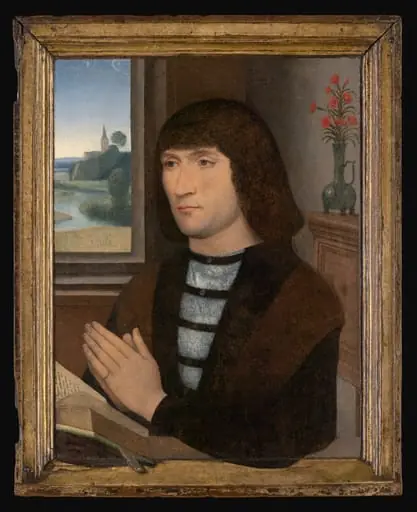
Portrait of a Man in Prayer
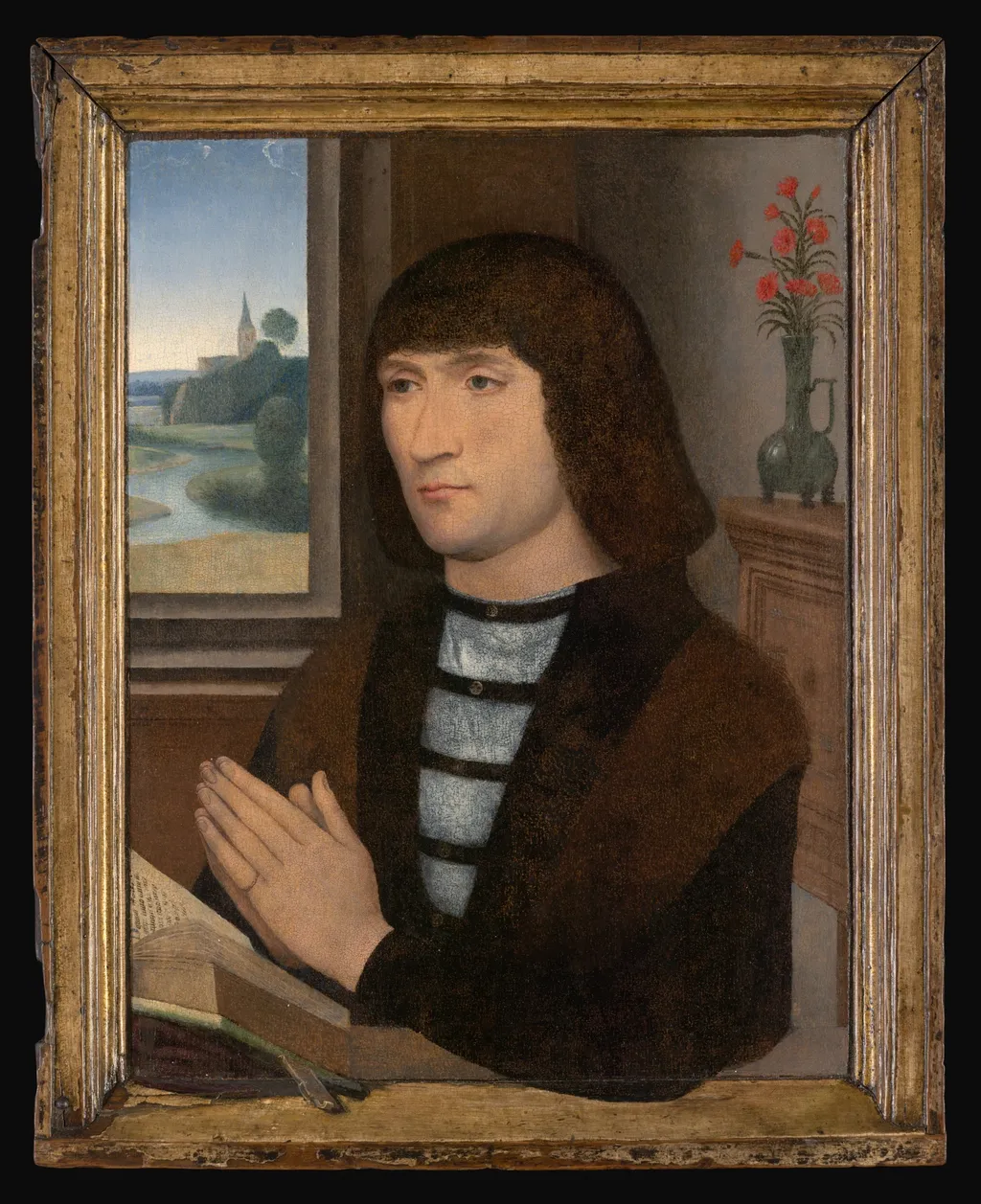
Portrait of a Man in Prayer is an unspecified painting by the Northern Renaissance artist Hans Memling. It dates from 1493 and is held in the collection of the Art Institute of Chicago.
About this work
Overview
Painted in 1493 by Hans Memling, this panel portrait depicts a man in quiet devotion. Executed in oil on wood, it reflects the Northern Renaissance emphasis on intimate observation and meticulous detail. The work is part of the collection at the Art Institute of Chicago, where it is recognized for its restrained composition and psychological presence.
Subject & Meaning
The figure, dressed in dark clerical attire, is shown in mid-prayer with hands folded, suggesting a moment of personal reflection. The open book and scissors beside him imply scholarly or liturgical activity, possibly indicating a religious official engaged in manuscript preparation. The scene conveys solemnity rather than theatrical piety, emphasizing inner contemplation over public display.
Technique & Style
Memling employs fine brushwork to render textures: the weave of fabric, the grain of wood, and the sheen of metal scissors. The lighting is soft and even, modeling the face and hands with subtle gradations. The window behind reveals a distant landscape rendered in delicate atmospheric perspective, enhancing the sense of spatial depth without distracting from the figure’s stillness.
History & Provenance
The painting was likely commissioned as a private devotional image, common among wealthy patrons in late 15th-century Bruges. It entered the Art Institute of Chicago’s collection in the early 20th century, having passed through several European private holdings. Its attribution to Memling has been consistently supported by stylistic analysis and documentary evidence from the period.
Context
In the late 1400s, Bruges was a center of artistic production where portraiture increasingly served both personal and spiritual functions. Memling, trained in the tradition of van Eyck, catered to an international clientele seeking realistic, morally grounded images. This work aligns with contemporaneous devotional portraits that merged secular likeness with religious intent.
Legacy
The portrait exemplifies Memling’s influence on Northern European portraiture through its balance of psychological realism and quiet dignity. While not widely reproduced, it remains a key reference for understanding how private devotion was visually articulated in the late Middle Ages, influencing later generations of artists focused on interiority and detail.
Artist & collection
Artist
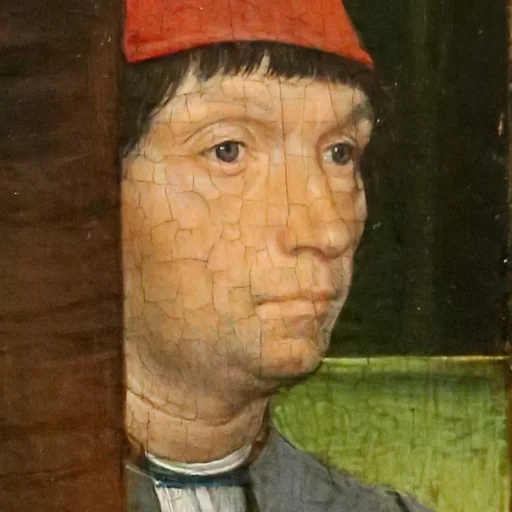
Hans Memling was a German-Flemish painter who worked in the tradition of Early Netherlandish painting.

![Saint Veronica [obverse], by Hans Memling](https://artifactworldgallery.com/img/hans-memling--saint-veronica-obverse--5a649fd8b09c96b9-w320.webp)
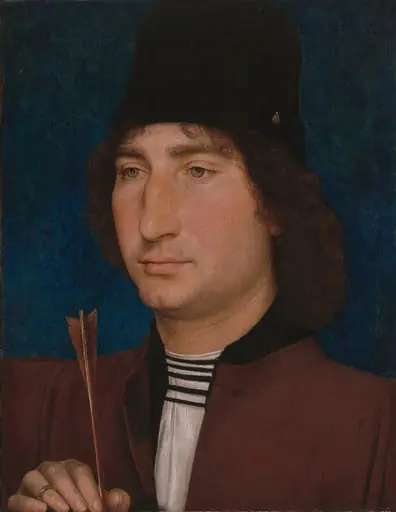
 Portrait of a Donor (recto); Saint Anthony of Padua (verso)
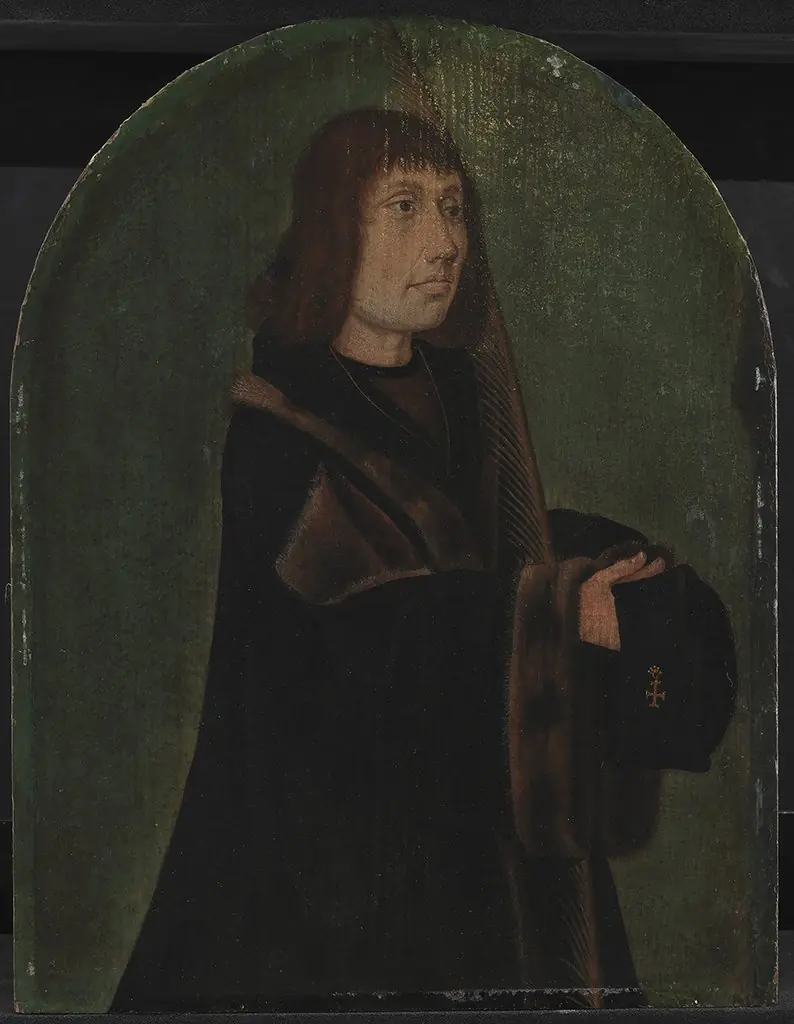 Portrait of a Man
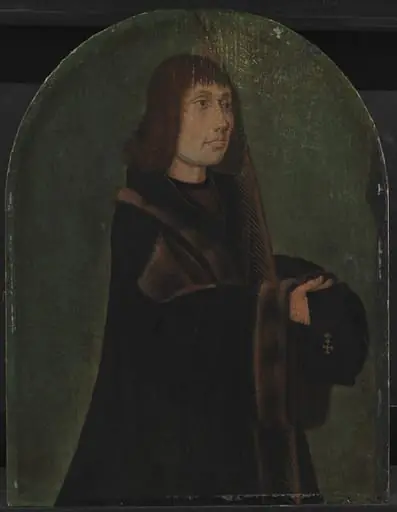 Portrait of a Man
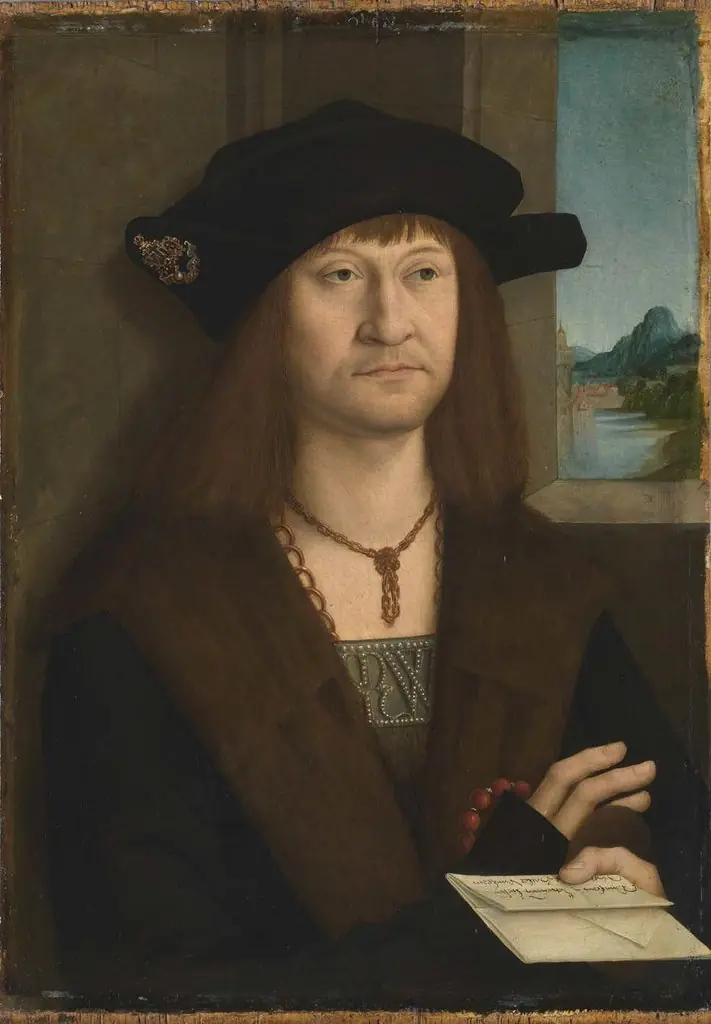 Bildnis des Hieronymus II. Haller zu Kalchreuth
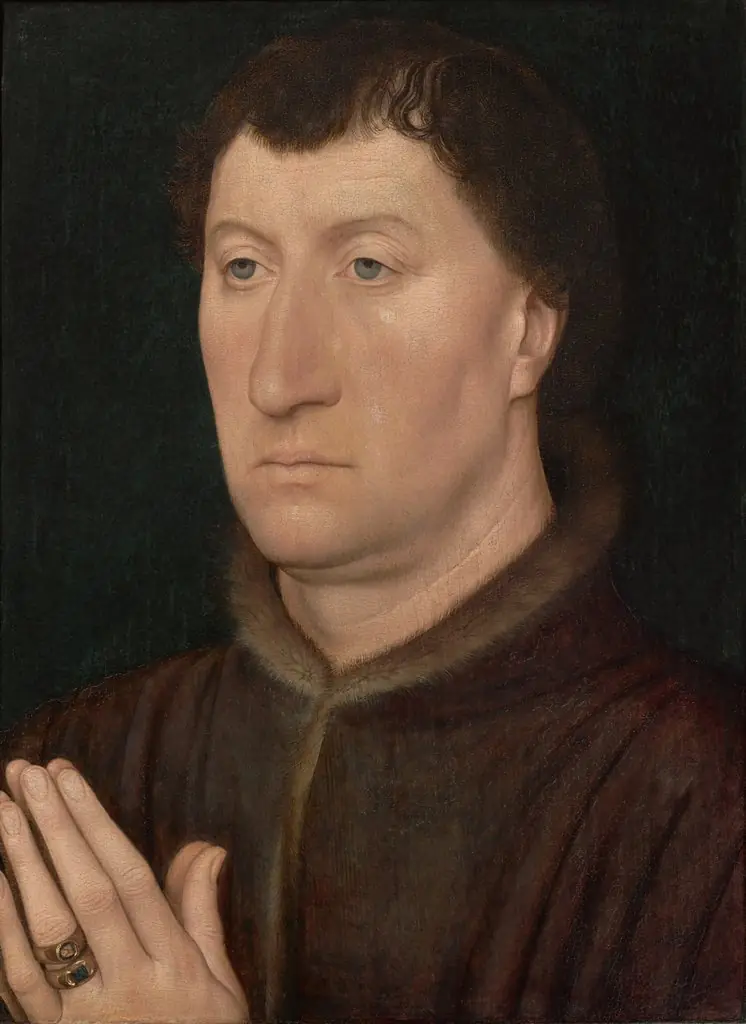 The Canon Gilles Joye
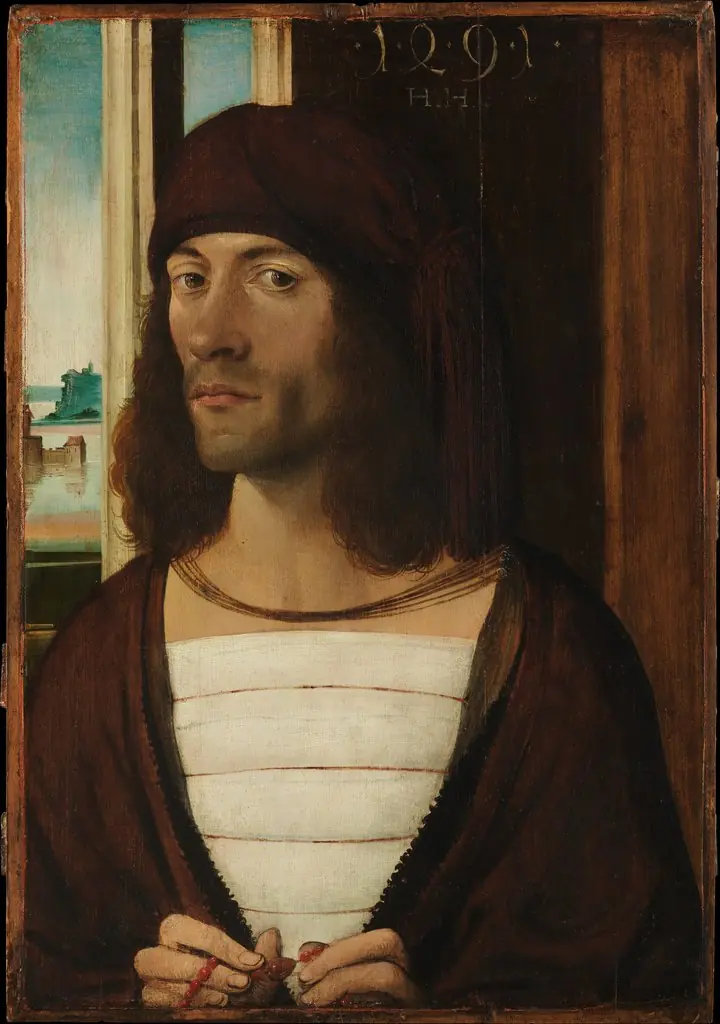 Portrait of a Man
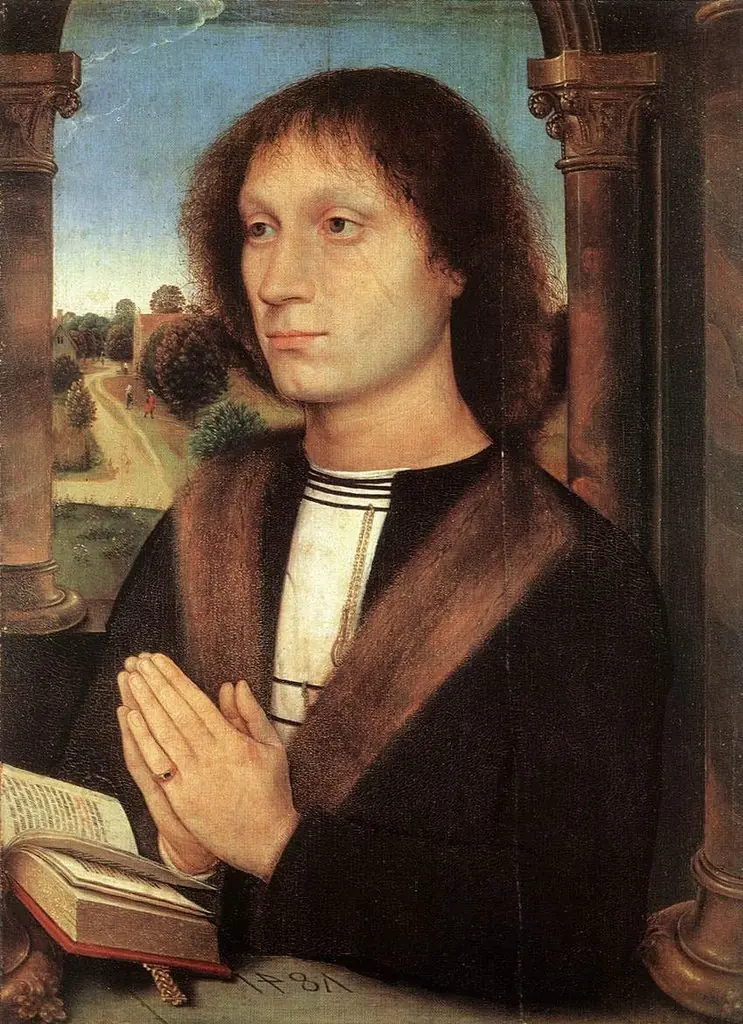 Benedetto Portinari triptych: Right wing, Portrait of a Praying Man
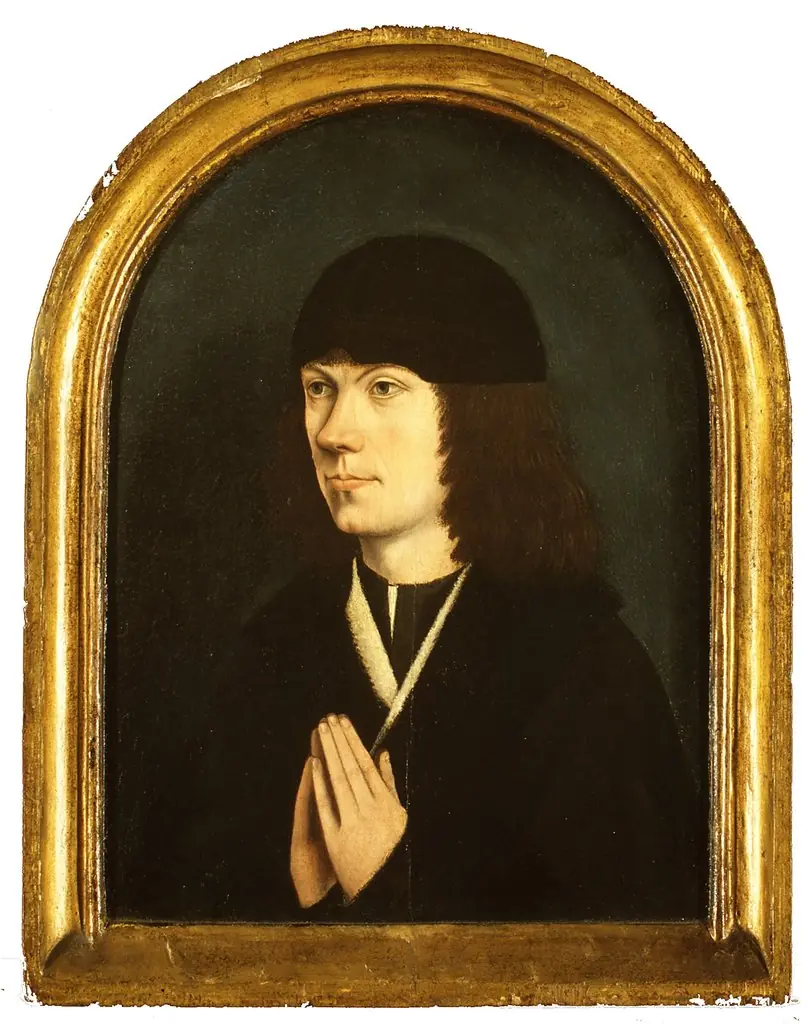 Portrait of a Young Man
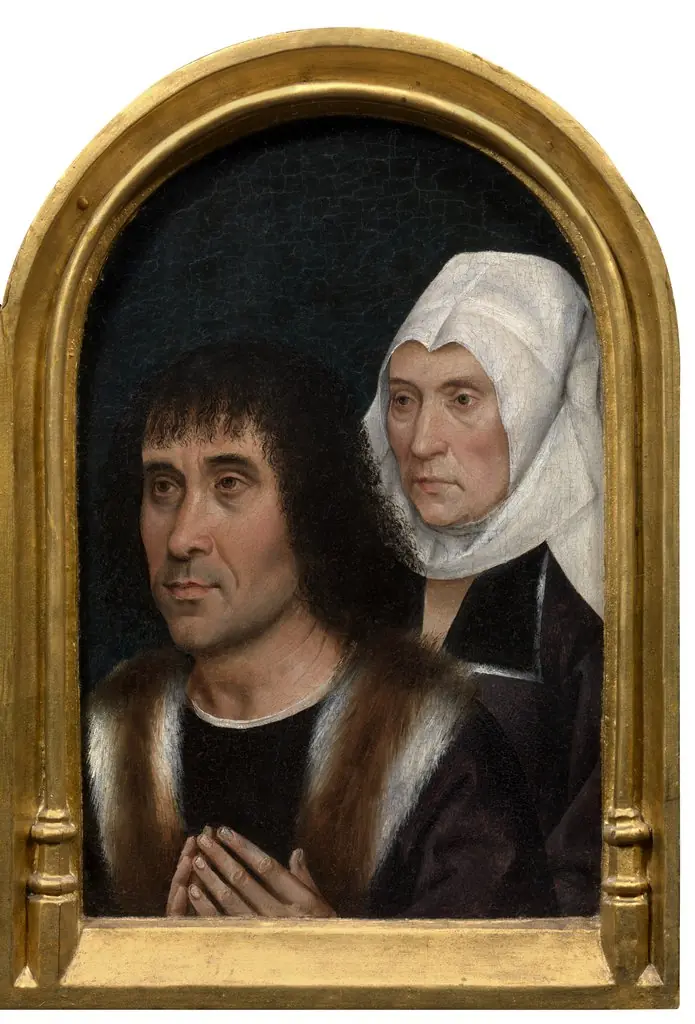 Two donors (interior right wing)
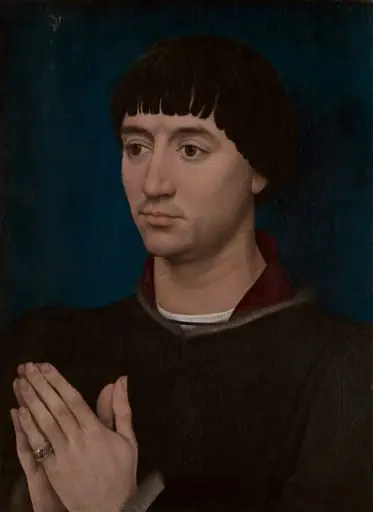 Portrait of Jean Gros (recto); Coat of Arms of Jean Gros (verso)