Artwork
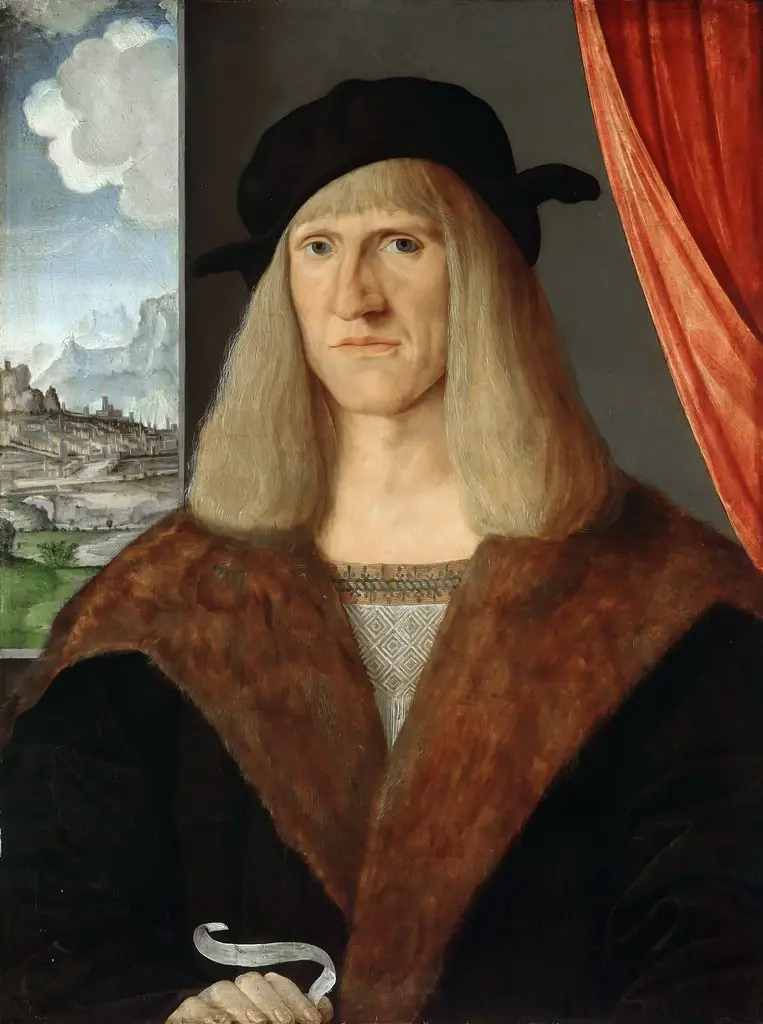
Bildnis des Hieronymus II. Haller zu Kalchreuth
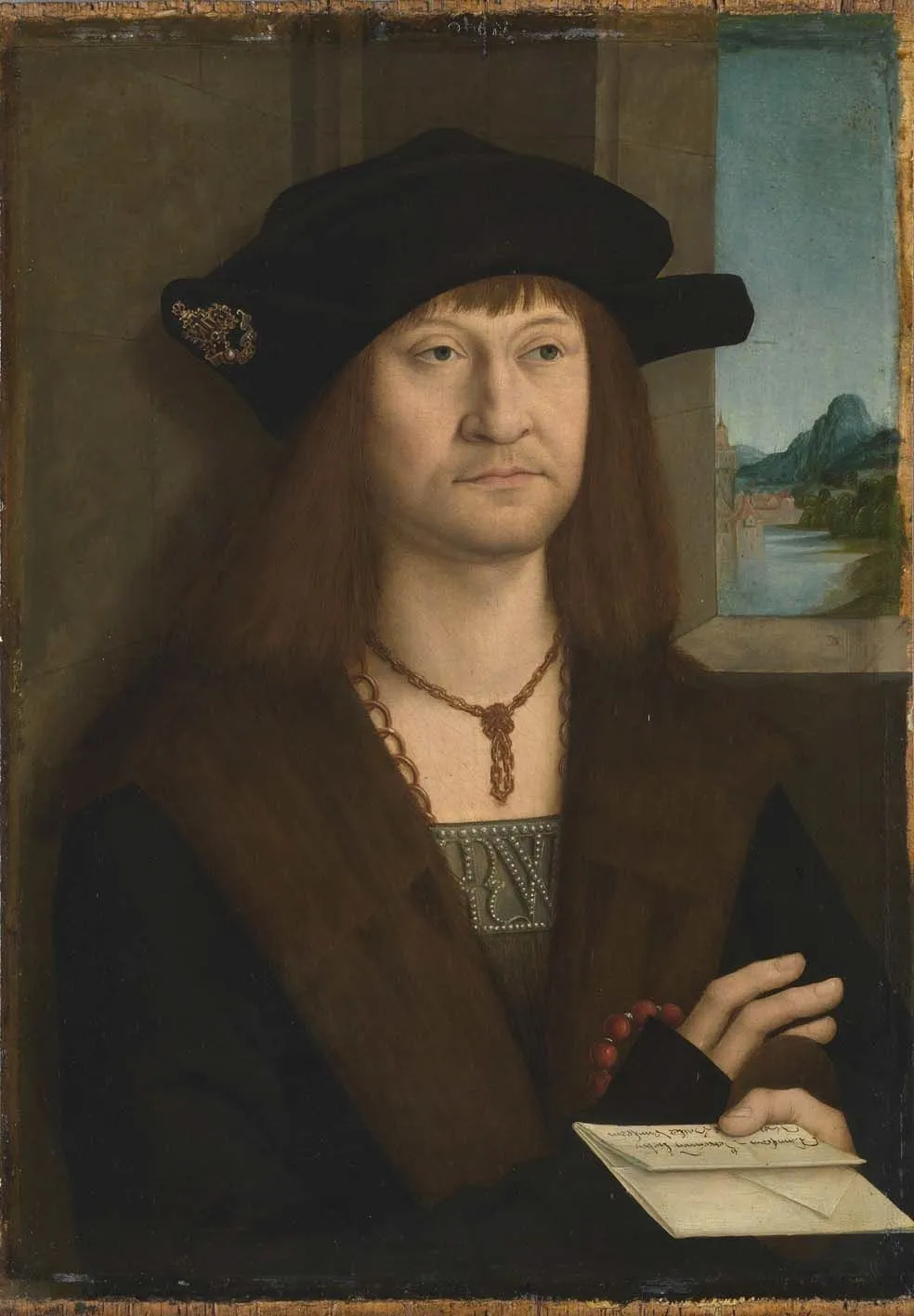
Bildnis des Hieronymus II. Haller zu Kalchreuth is an unspecified painting by the Northern Renaissance artist Bernhard Strigel. It dates from 1503 and is held in the collection of the Bavarian State Painting Collections.
About this work
Overview
Created in 1503, this oil portrait depicts Hieronymus II Haller of Kalchreuth, a German nobleman, rendered by the Swabian painter Bernhard Strigel.
Created in 1503, this oil portrait depicts Hieronymus II Haller of Kalchreuth, a German nobleman, rendered by the Swabian painter Bernhard Strigel. The composition places the sitter against a muted backdrop, allowing the details of his attire and expression to dominate the visual field. The work is presently housed in Munich’s Alte Pinakothek, representing an example of early‑16th‑century Northern Renaissance portraiture.
Subject & Meaning
Hieronymus II Haller is presented with a solemn demeanor, his long reddish hair and finely detailed clothing signalling status. Elements such as the gold‑set hat pin, fur‑trimmed collar, and jeweled chain underscore his rank, while the modest paper in his right hand may allude to his administrative duties or literacy. The restrained setting suggests a focus on personal identity rather than narrative context.
Technique & Style
Strigel employs a careful modulation of light and shadow to model the sitter’s face, achieving a lifelike flesh tone that contrasts with the dark background. The crisp rendering of textiles, metalwork, and the subtle landscape visible through a window reflects the Northern Renaissance’s attention to material detail and realism. The composition balances a flat, frontal pose with a faint sense of depth.
History & Provenance
Born circa 1461 in Memmingen, Bernhard Strigel built a reputation as a portraitist and history painter, eventually serving Emperor Maximilian I. The portrait of Haller entered the Alte Pinakothek’s collection, where it has been displayed as part of the museum’s holdings of German Renaissance art. Its provenance traces back to the Haller family before acquisition by the museum.
Context
The painting emerges from the Swabian school’s tradition of courtly portraiture, where artists catered to the emerging bourgeois and noble clientele of the Holy Roman Empire. In the early 1500s, such works functioned both as status symbols and as visual records of lineage. Strigel’s approach aligns with contemporaneous Northern artists who emphasized precise detail and individualized likeness.
Artist & collection
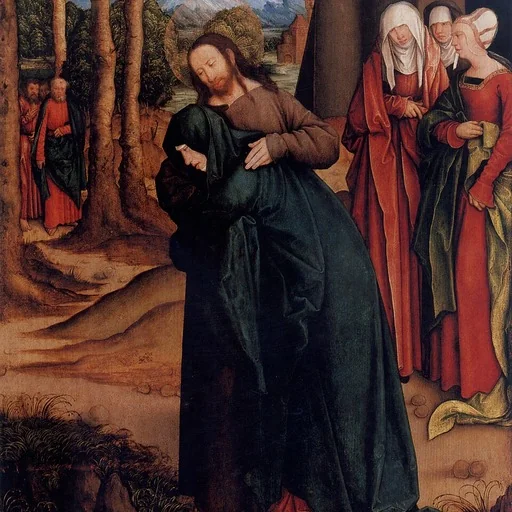
Artist
Bernhard Strigel (c. 1461 – 4 May 1528) was a German portrait and historical painter of the Swabian school, the most important of a family of artists established at Memmingen. He was born at Memmingen and was probably a…

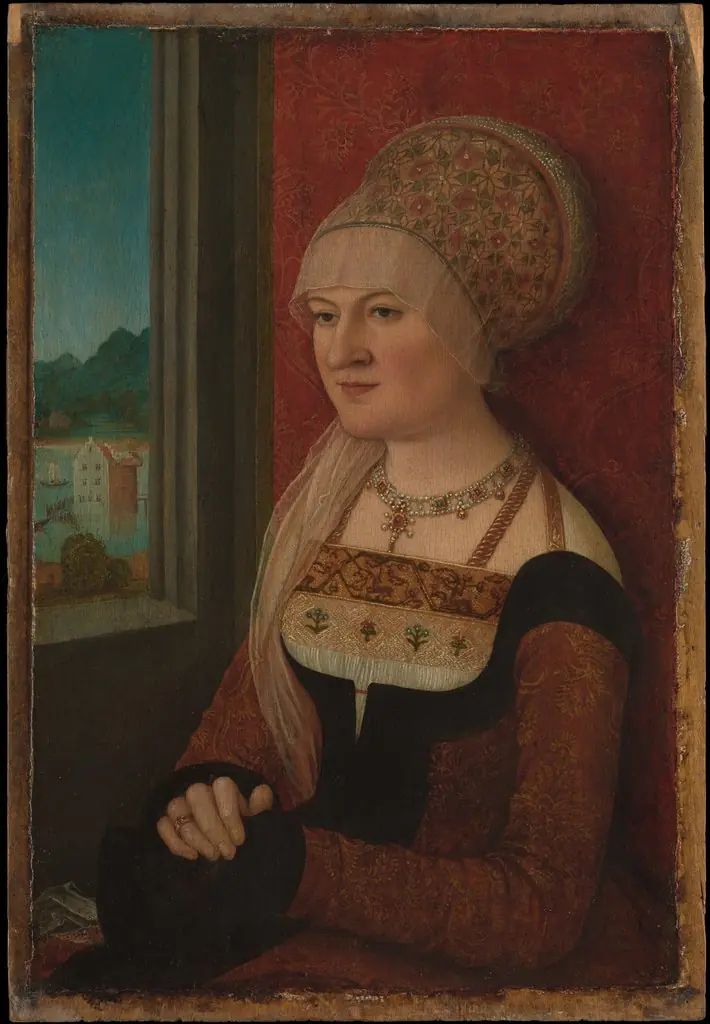
![Margarethe Vöhlin [reverse], by Bernhard Strigel](https://artifactworldgallery.com/img/bernhard-strigel--margarethe-vohlin-reverse--01f4c80425fbb8fe-w320.webp)
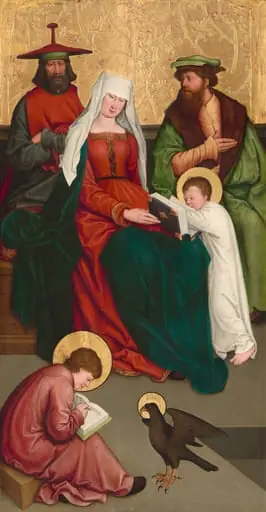
![Margarethe Vöhlin [obverse], by Bernhard Strigel](https://artifactworldgallery.com/img/bernhard-strigel--margarethe-vohlin-obverse--435992056faaebf8-w320.webp)
![Hans Roth [obverse], by Bernhard Strigel](https://artifactworldgallery.com/img/bernhard-strigel--hans-roth-obverse--9904e8cf2692db0d-w320.webp)
![Hans Roth [reverse], by Bernhard Strigel](https://artifactworldgallery.com/img/bernhard-strigel--hans-roth-reverse--9e98efc46bbdf23c-w320.webp)
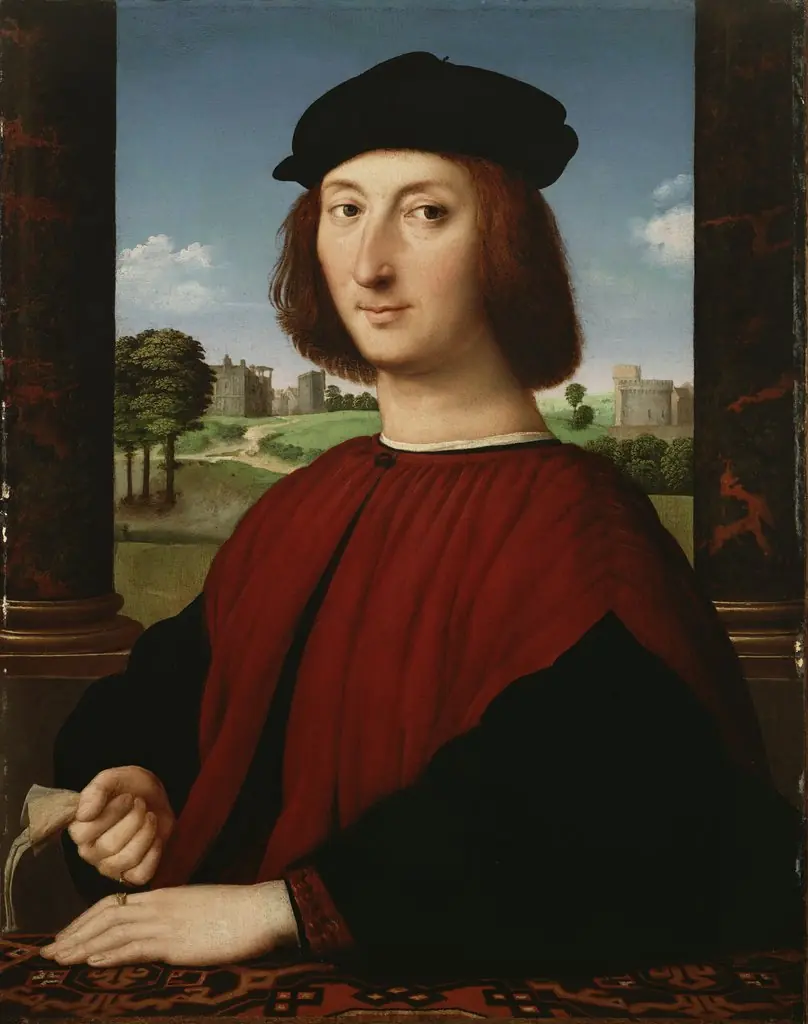 Portrait of a Young Man in Red
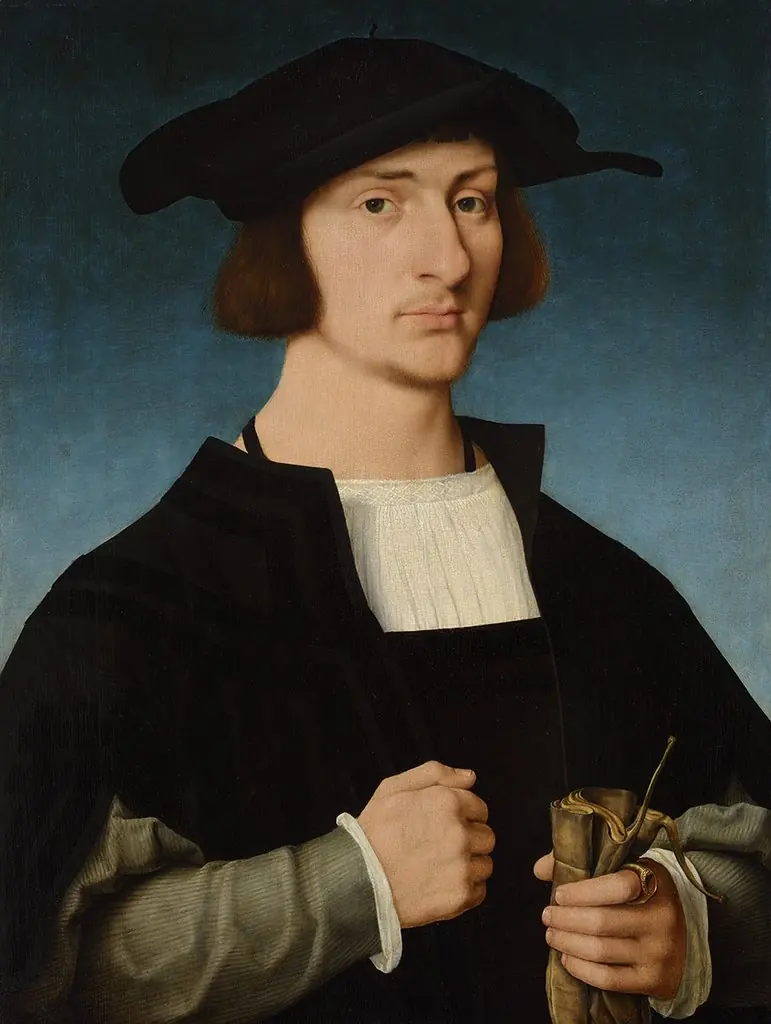 Portrait of a Young Man (Lyons)
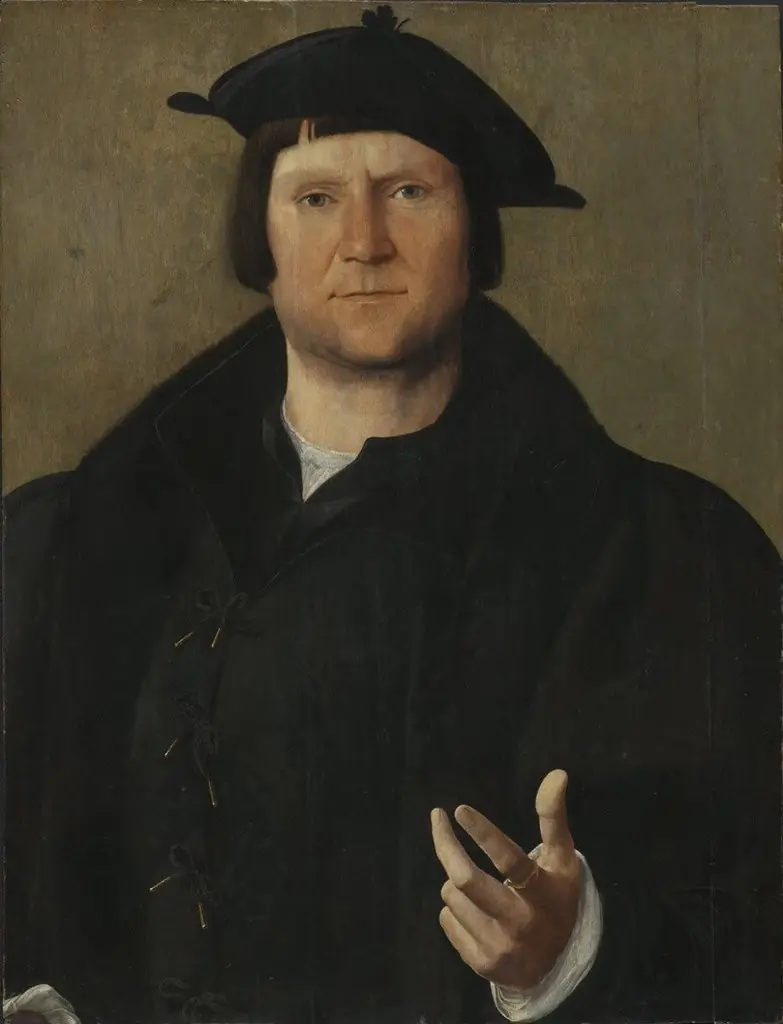 Bildnis eines Mannes (zugeschrieben)
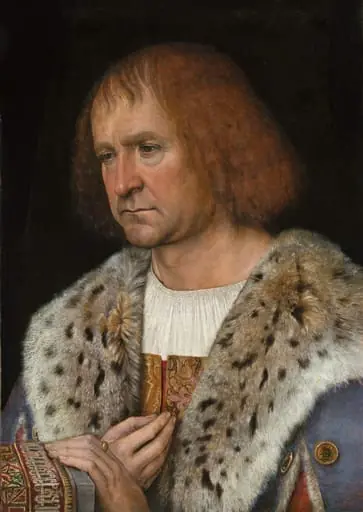 Portrait of Diego de Guevara (?)
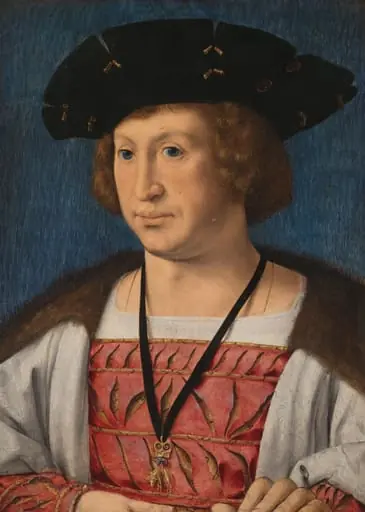 Untitled
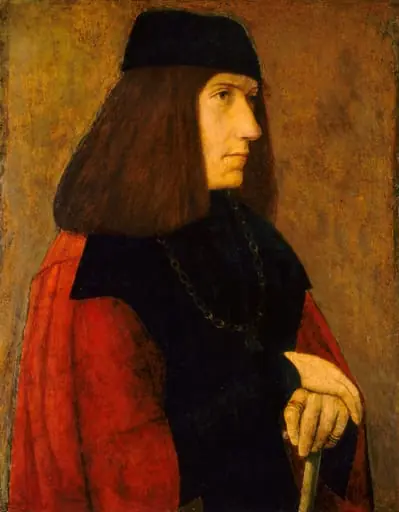 A Knight of the Golden Fleece
 Portrait of a German
 Portrait of Floris van Egmond (1469-1539), Count of Buren and Leerdam
 Emperor Maximilan I. (1459-1519)
 Portrait of a beardless man
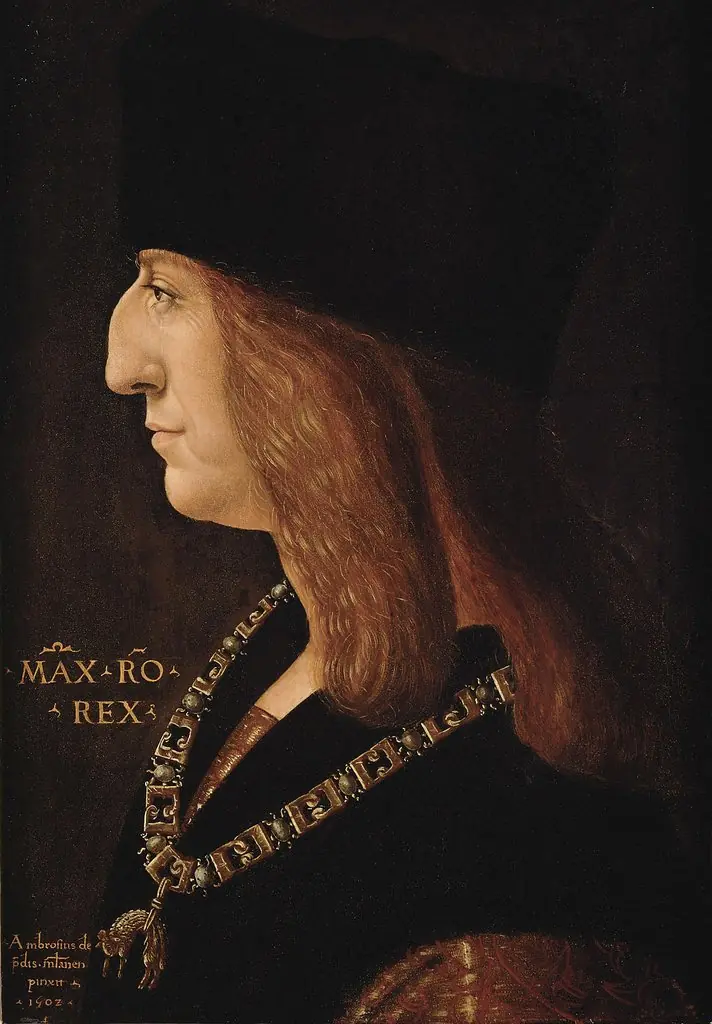 Emperor Maximilian I
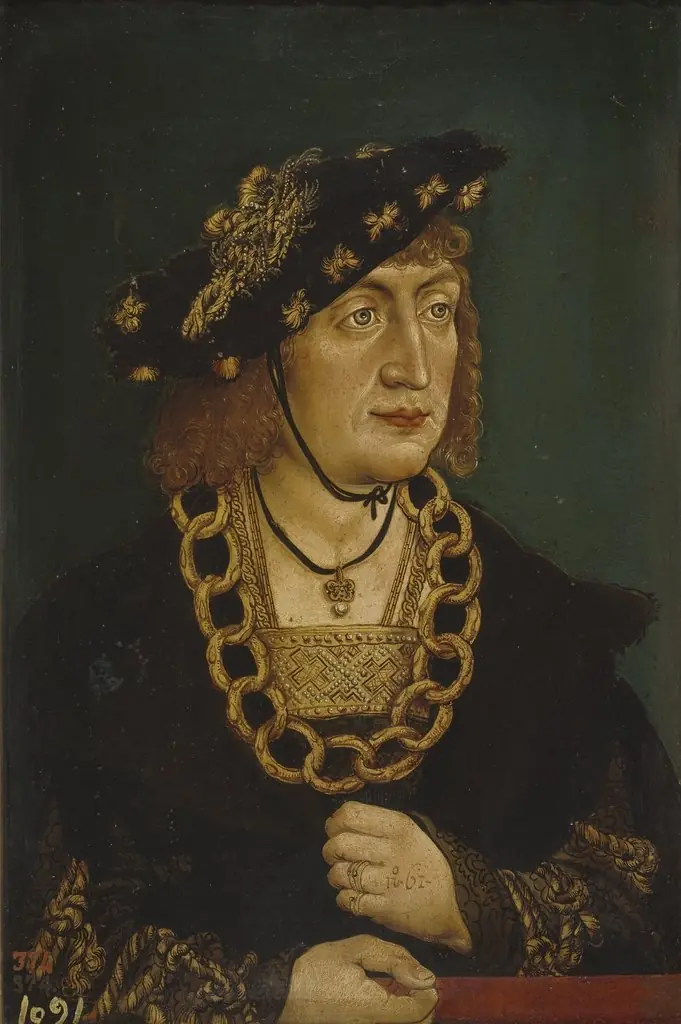 Frederick III