Artwork
Portrait of Maria Kitscher, Frau von Freyberg
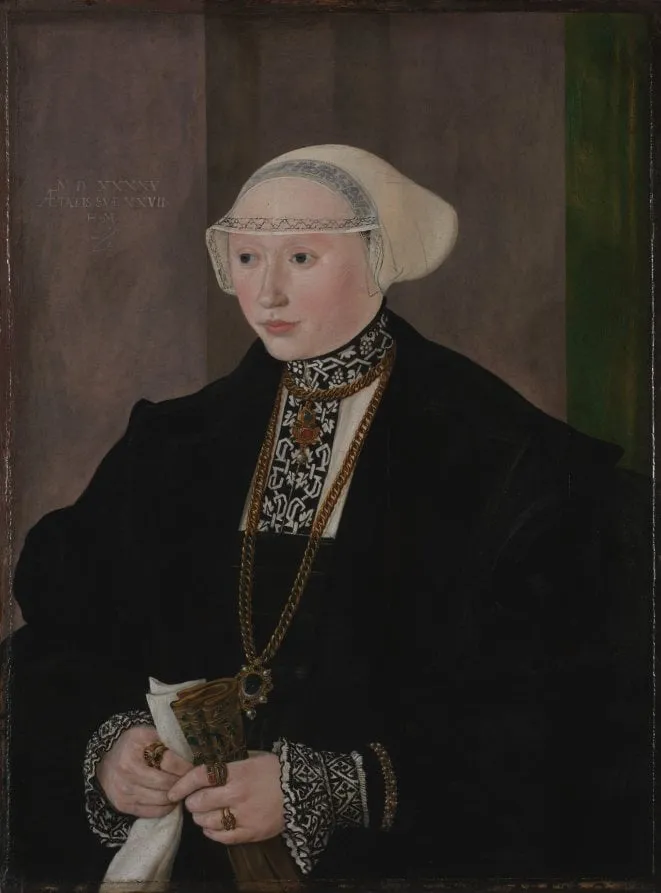
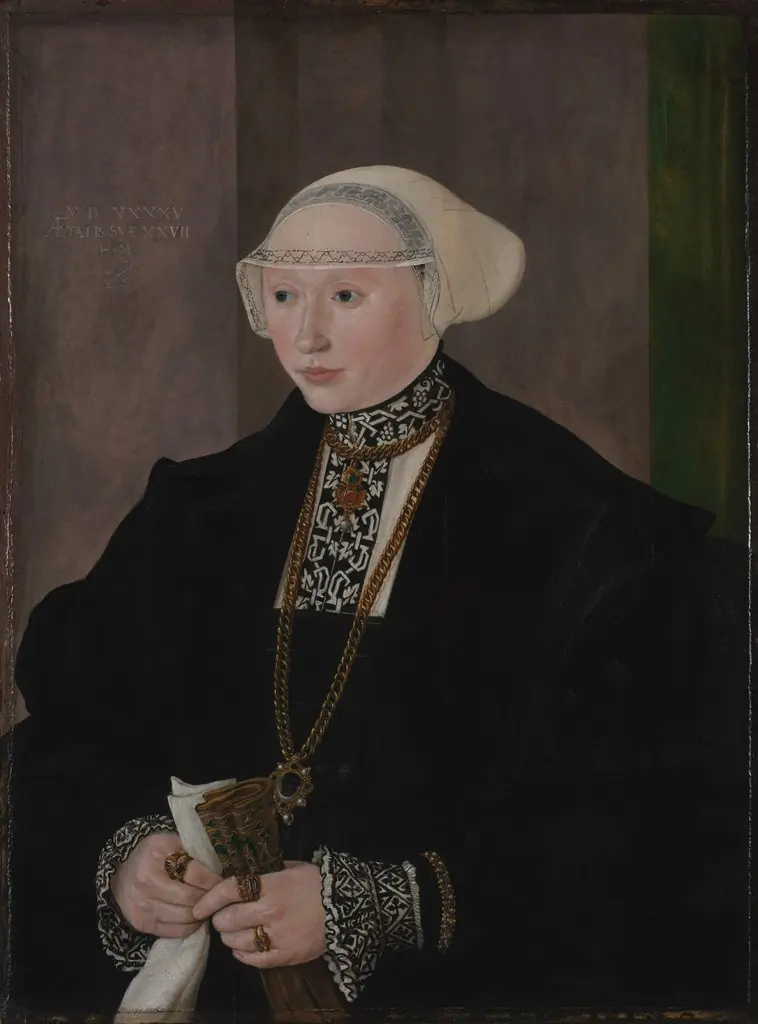
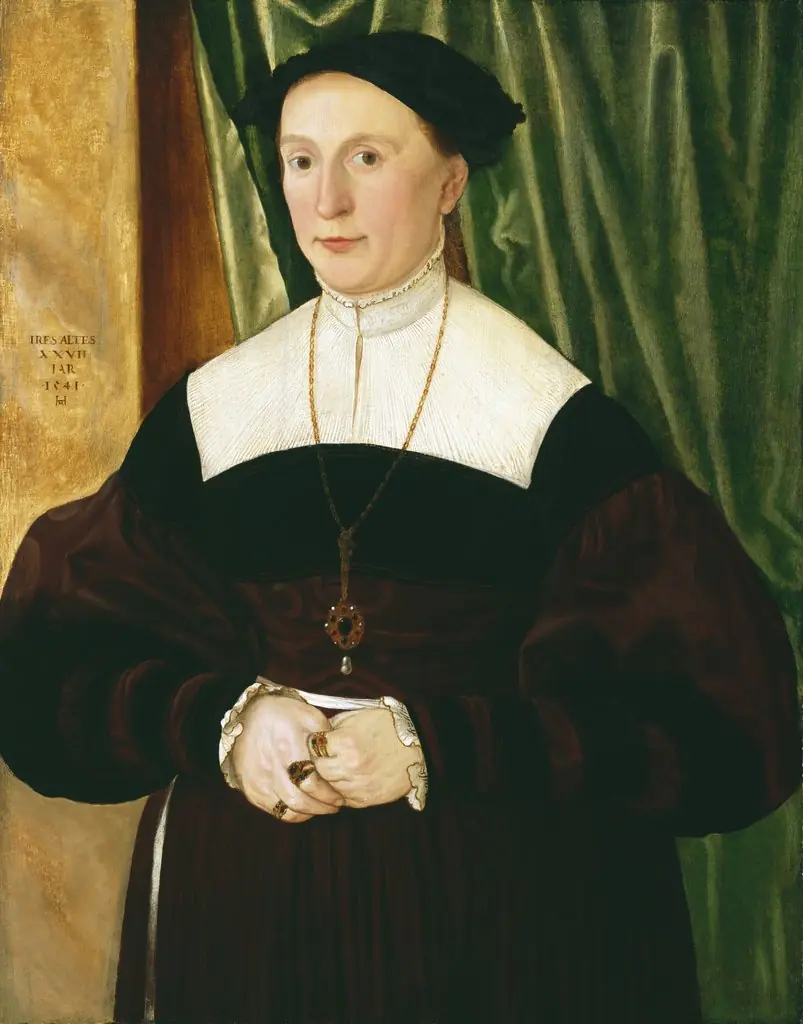
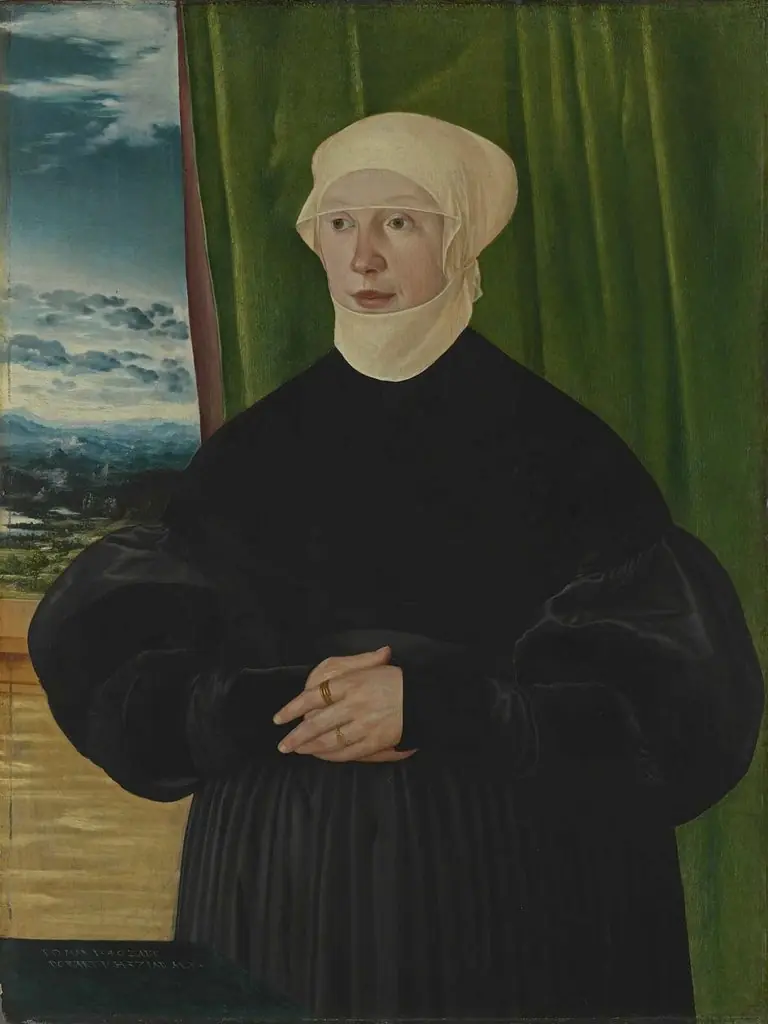
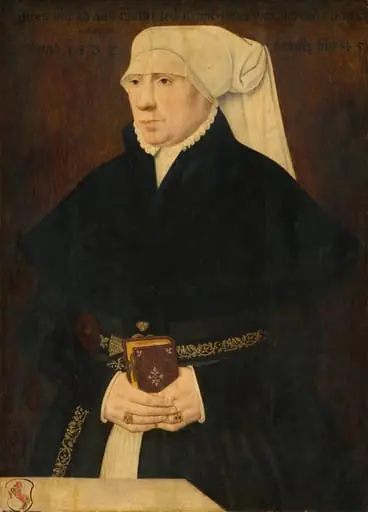
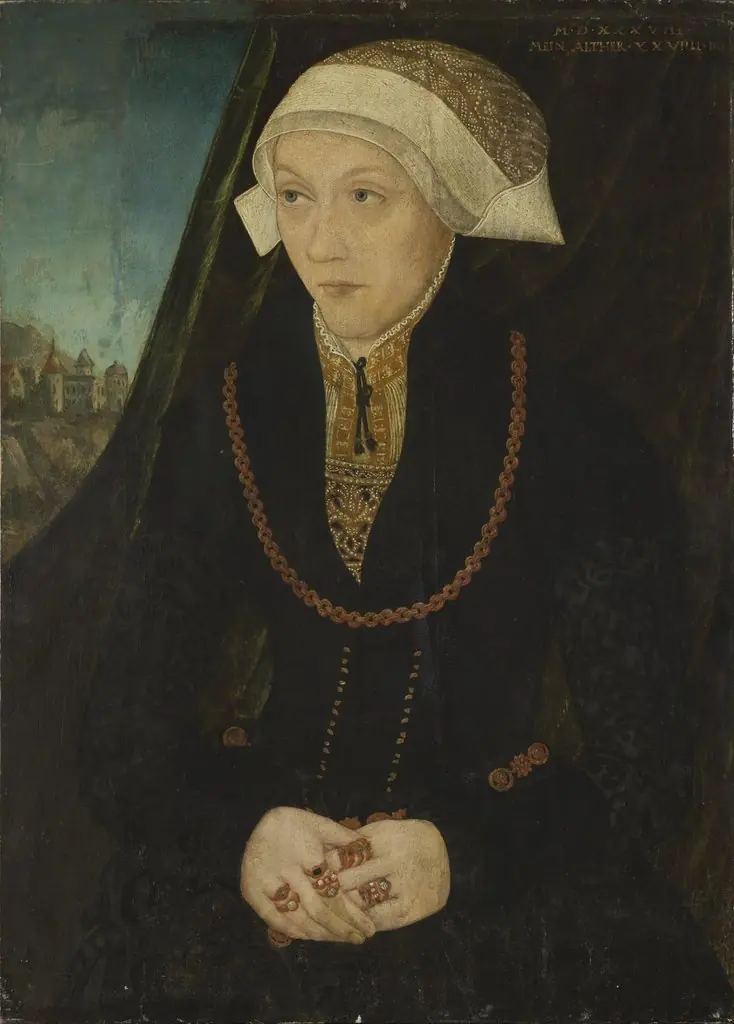
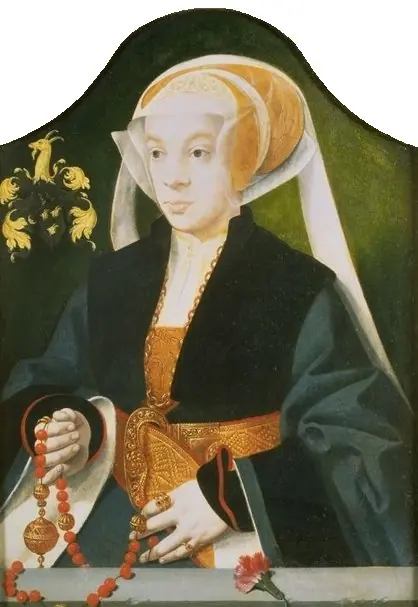
Portrait of Maria Kitscher, Frau von Freyberg is an unspecified painting by the Renaissance artist Hans Muelich. It dates from 1545 and is held in the collection of the Cleveland Museum of Art. This portrait depicts Maria Kitscher, Frau von Freyberg, a noblewoman connected to the Bavarian court during the late 16th century.
About this work
Overview
The work is notable for its precise rendering of personal adornments, suggesting both wealth and the artist’s role as a documentarian of courtly possessions.
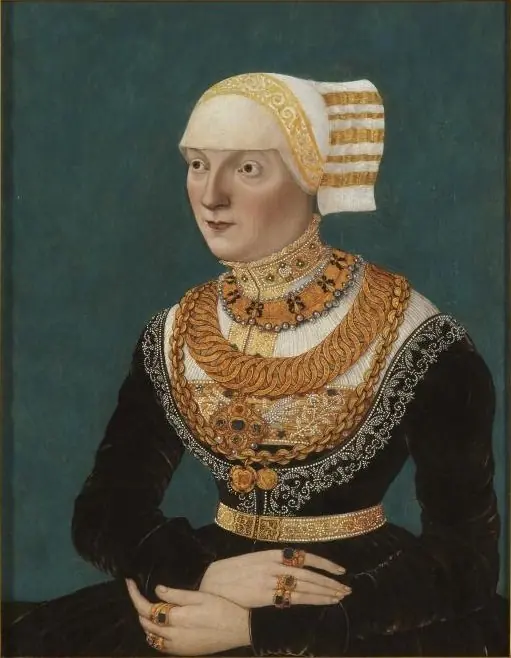
This portrait depicts Maria Kitscher, Frau von Freyberg, a noblewoman connected to the Bavarian court during the late 16th century. Painted by Hans Mielich, it captures her in formal attire adorned with an array of jewelry, reflecting her status before her family’s decline in influence. The work is notable for its precise rendering of personal adornments, suggesting both wealth and the artist’s role as a documentarian of courtly possessions.
Subject & Meaning
Maria von Freyberg, a Lutheran, belonged to a family that once held prominence under Duke Albert V of Bavaria. As Catholic authority solidified, her household lost political standing. The portrait, while presenting her in dignified splendor, may subtly encode resilience—her jewelry, especially the gemstone ring designed to conceal a private message, could symbolize hidden loyalties or personal identity amid shifting religious power.
Technique & Style
Hans Mielich rendered the portrait with meticulous attention to surface detail, particularly the textures of metal, gemstones, and fabric. The jewelry is depicted with near-archival precision, reflecting his experience documenting the duchess’s collection. While the face is rendered with restrained modeling, the focus remains on the material wealth surrounding the sitter, avoiding dramatic chiaroscuro in favor of controlled, observational clarity.
History & Provenance
Commissioned during Maria’s time at the Munich court, the painting likely originated as part of Mielich’s duties recording the duchess’s possessions. After the Freybergs’ fall from favor due to their Protestant faith, the portrait remained in private hands, preserving a visual record of a displaced aristocratic family. Its survival offers rare insight into the material culture of Bavarian nobility during religious upheaval.
Context
Painted in the decades following the Reformation, the portrait reflects the tension between Catholic consolidation in Bavaria and the lingering presence of Lutheran elites. Jewelry, often used as portable wealth and symbols of allegiance, took on added significance during this period. Mielich’s detailed approach aligns with broader courtly practices of inventory and documentation, where art served administrative as well as commemorative ends.
Legacy
The portrait endures as a quiet testament to the intersection of personal identity and political change. Its emphasis on material detail, rather than emotional expression, reflects the function of court portraiture in an era when status was encoded in possessions. It remains a key example of how art preserved the presence of families whose influence was waning, offering historians a tangible link to a marginalized aristocracy.
Artist & collection