Artwork
Adoration of the Magi
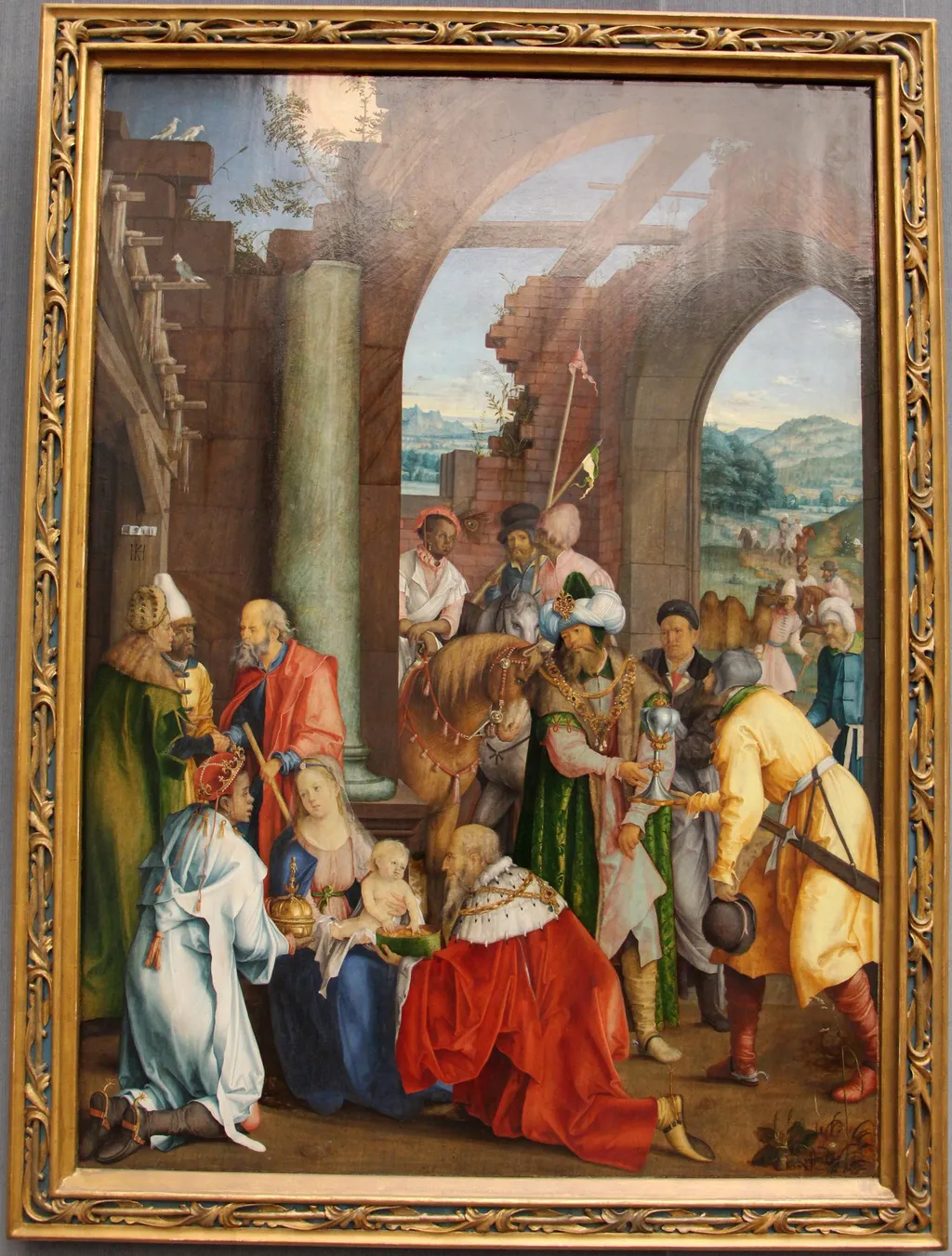
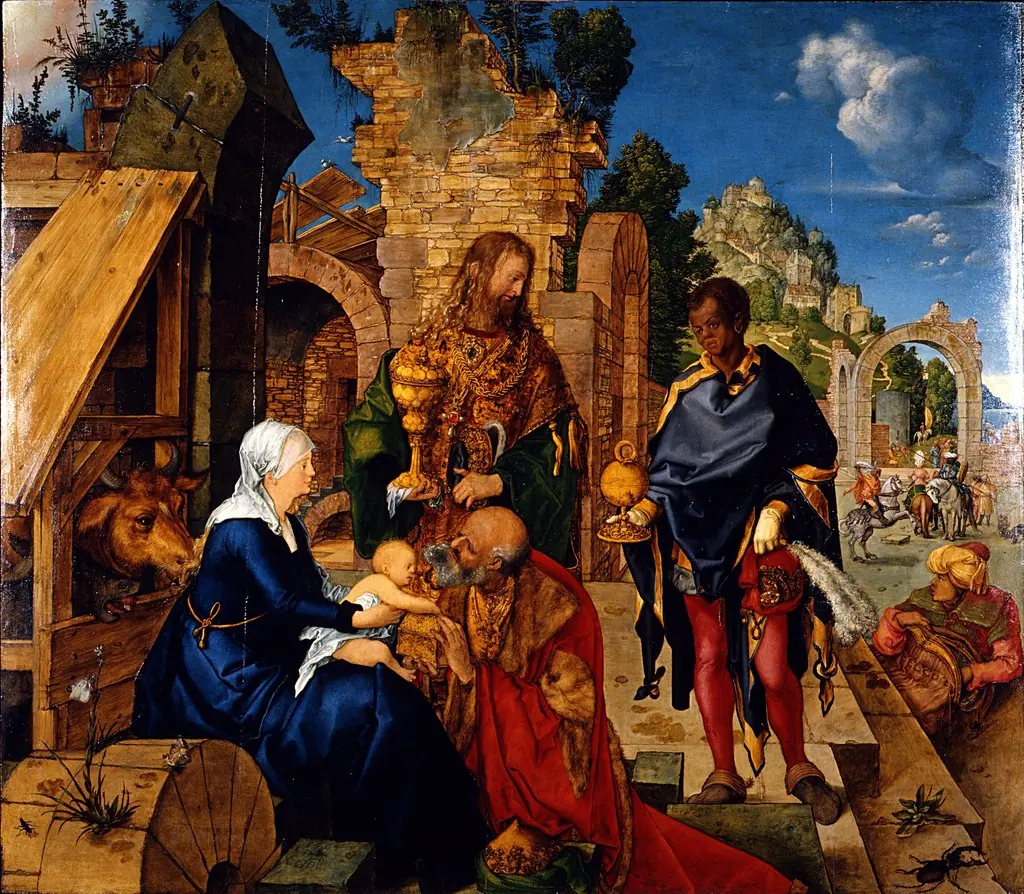
Adoration of the Magi is a paint painting by the Northern Renaissance artist Hans von Kulmbach. It dates from 1511 and is held in the collection of the Gemäldegalerie Berlin.
About this work
Overview
Hans von Kulmbach completed this oil-on-panel painting in 1511, during his active years in the German-speaking regions of Central Europe.
Hans von Kulmbach completed this oil-on-panel painting in 1511, during his active years in the German-speaking regions of Central Europe. Though sometimes associated with Poland due to regional political ties, he was primarily based in Nuremberg. The work belongs to the Gemäldegalerie’s collection in Berlin, where it has remained since the 19th century, representing early 16th-century Northern European religious art.
Subject & Meaning
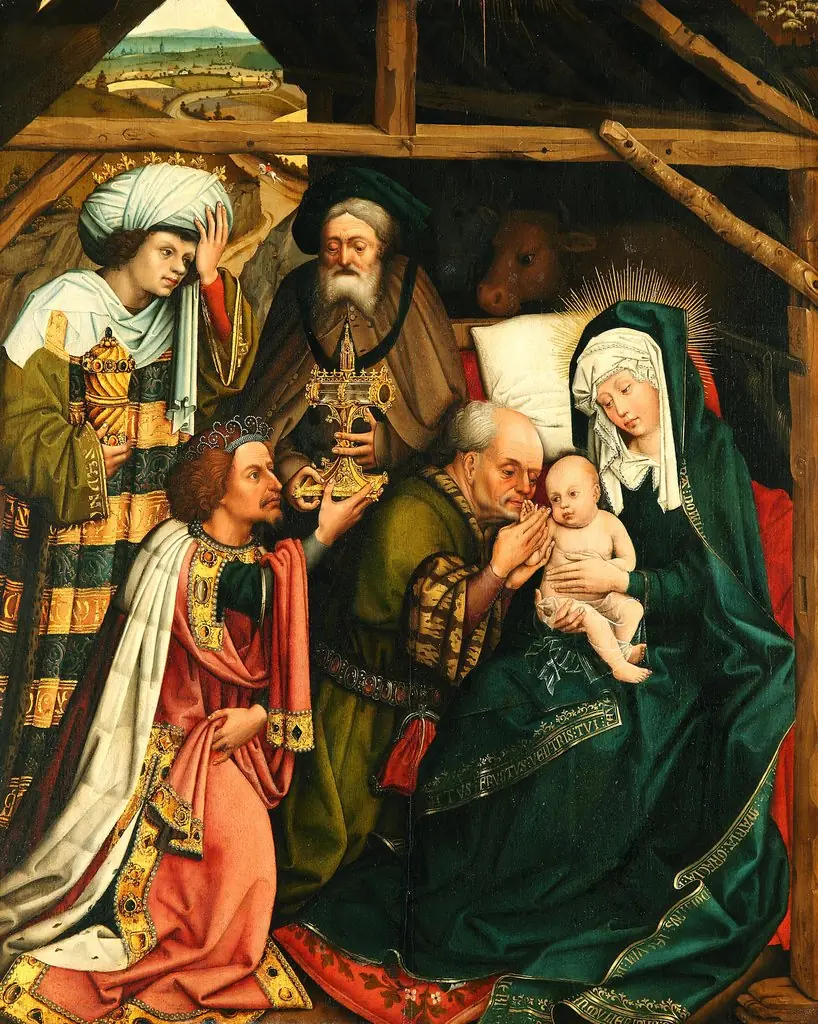
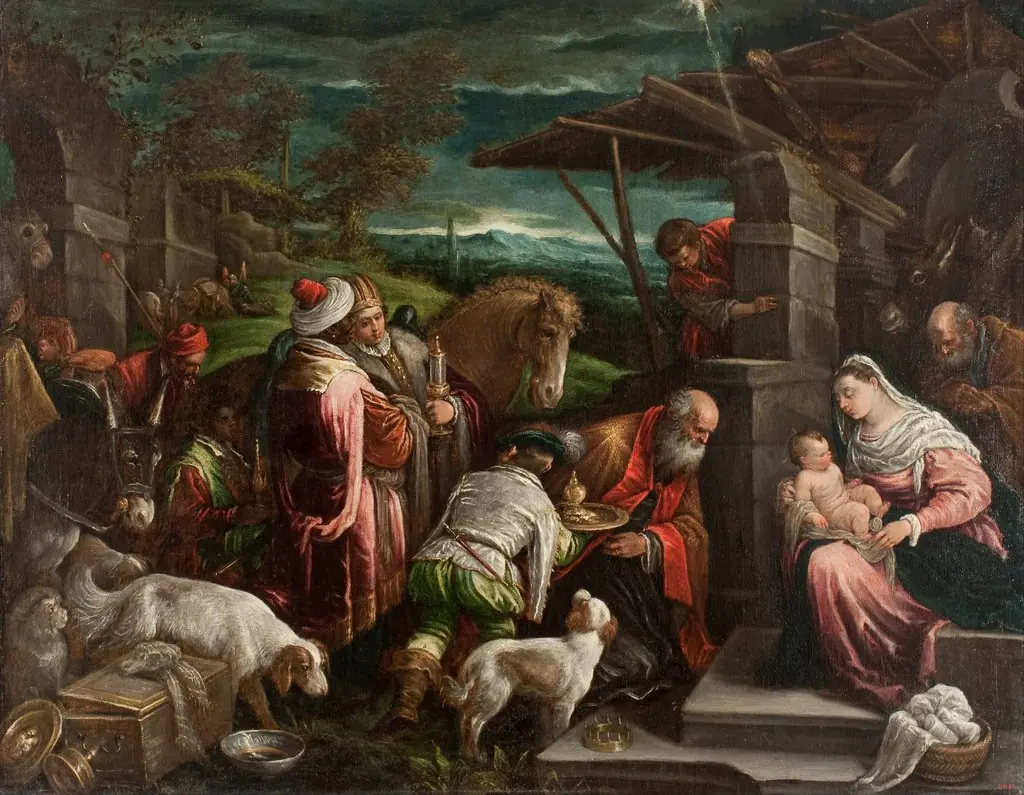
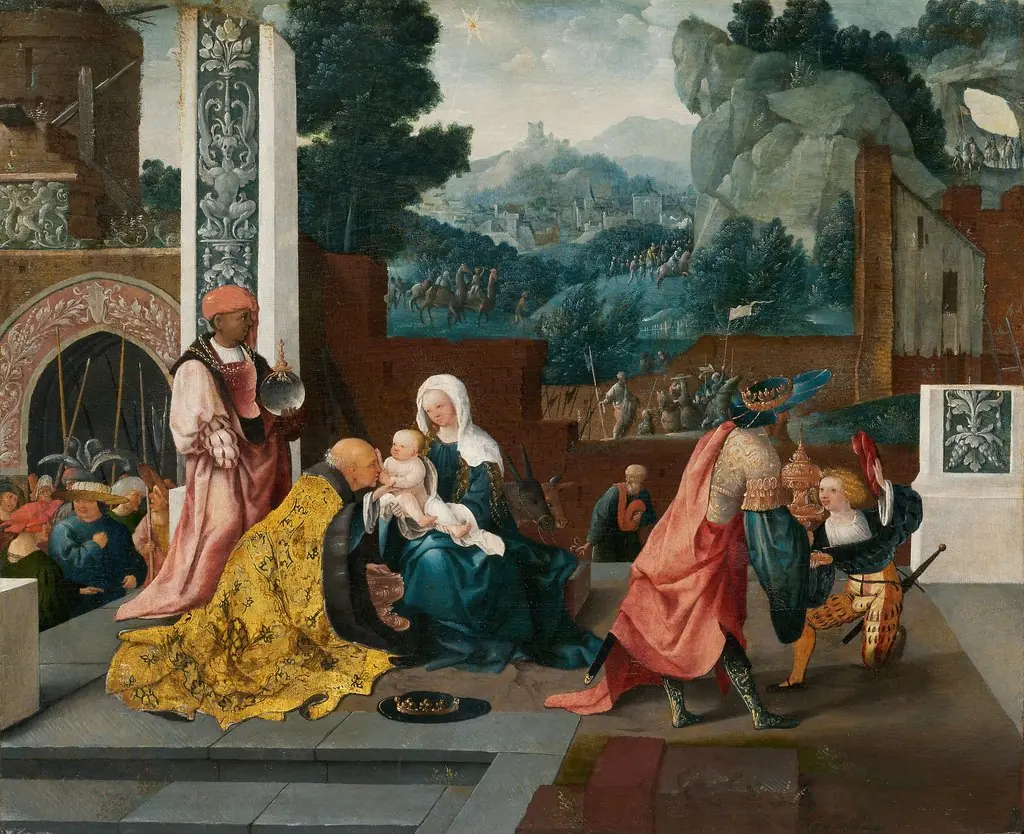
The painting illustrates the biblical moment when the Three Magi present gifts to the infant Christ, a scene symbolizing the recognition of Jesus as king by the Gentile world. Figures surround the Virgin and Child in a structured composition, each expressing reverence through gesture and posture. The inclusion of attendants, servants, and onlookers expands the narrative beyond the central trio, emphasizing the universal significance of the event.
Technique & Style
Kulmbach used oil paint on a wooden panel, allowing for fine detail and luminous color transitions. The garments display carefully rendered textures—velvets, silks, and brocades—each fold and thread meticulously observed. The architectural setting, with its arched stone portal and distant mountain range, reflects Northern Renaissance interest in spatial depth and naturalistic environment, despite the symbolic rather than literal perspective.
History & Provenance
Created for a devotional context, likely a private chapel or civic altar, the painting entered the Berlin collection in the 1800s through established acquisitions of German Renaissance works. Its attribution to Kulmbach has been consistently supported by stylistic analysis and archival records. No major restorations are documented, preserving its original surface and tonal harmony.
Context
Painted during the early Reformation, the work reflects a Catholic devotional tradition still dominant in southern Germany. Kulmbach’s style shows influence from Albrecht Dürer and the Nuremberg school, blending northern attention to detail with emerging humanist ideals. The scene’s formality and rich materials align with the tastes of urban patrons who commissioned religious art as both piety and status.
Legacy
Though not among Kulmbach’s most widely reproduced works, the painting remains a key example of early 16th-century German panel painting. It contributes to understanding how biblical narratives were visually codified in the decades before widespread religious upheaval. Its preservation in a major public collection ensures continued scholarly and public engagement with Northern Renaissance aesthetics.
Artist & collection
Artist
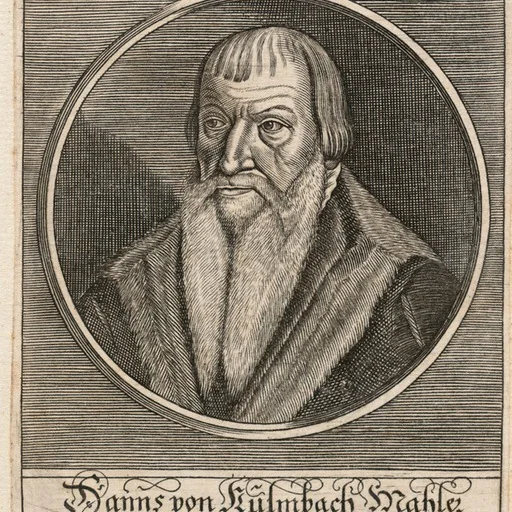
Hans Suess, known as Hans von Kulmbach (1480 in Kulmbach, Franconia – prior to 3 December 1522 in Nuremberg), was a German artist active in Poland. Hans von Kulmbach was the artist who created the Kraków St John's Altar.

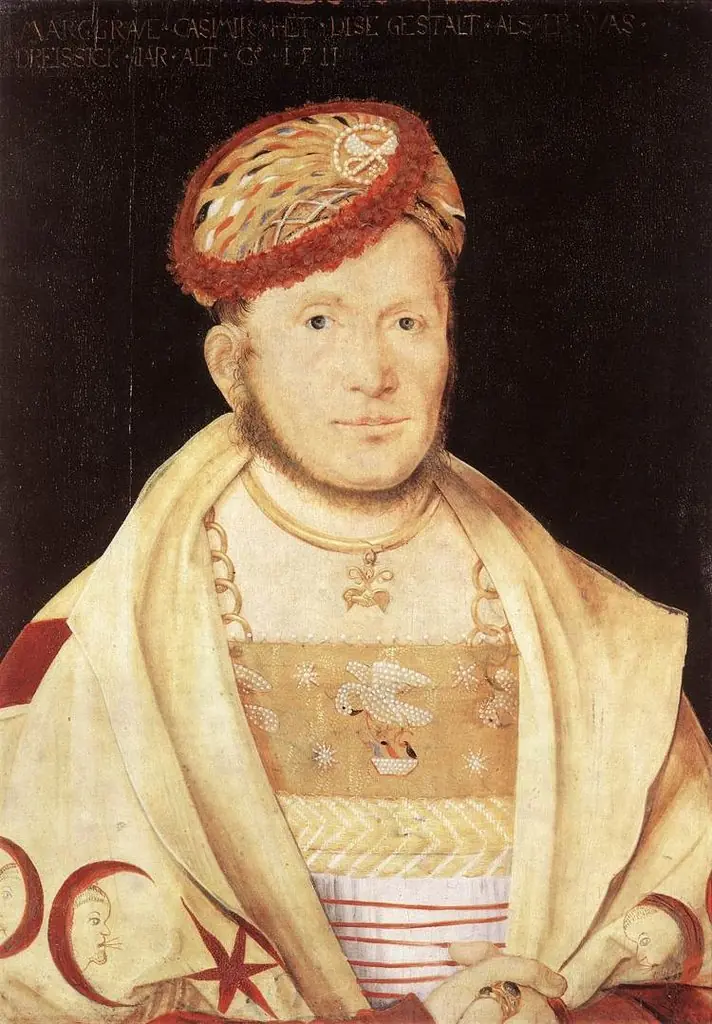
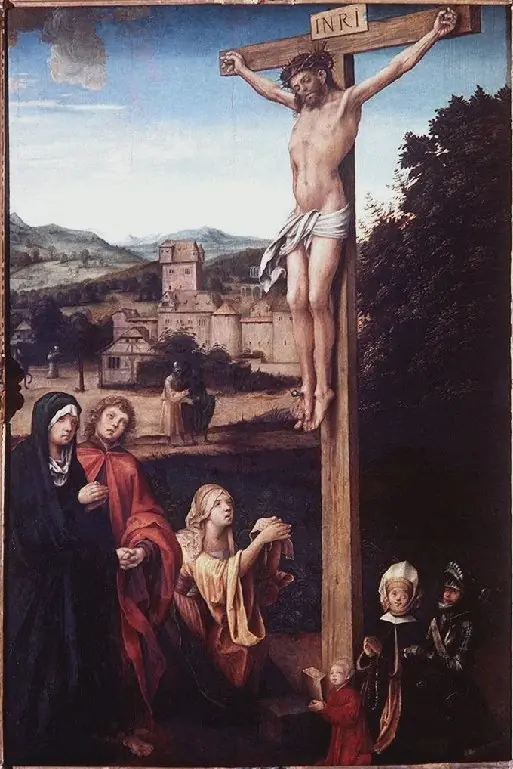
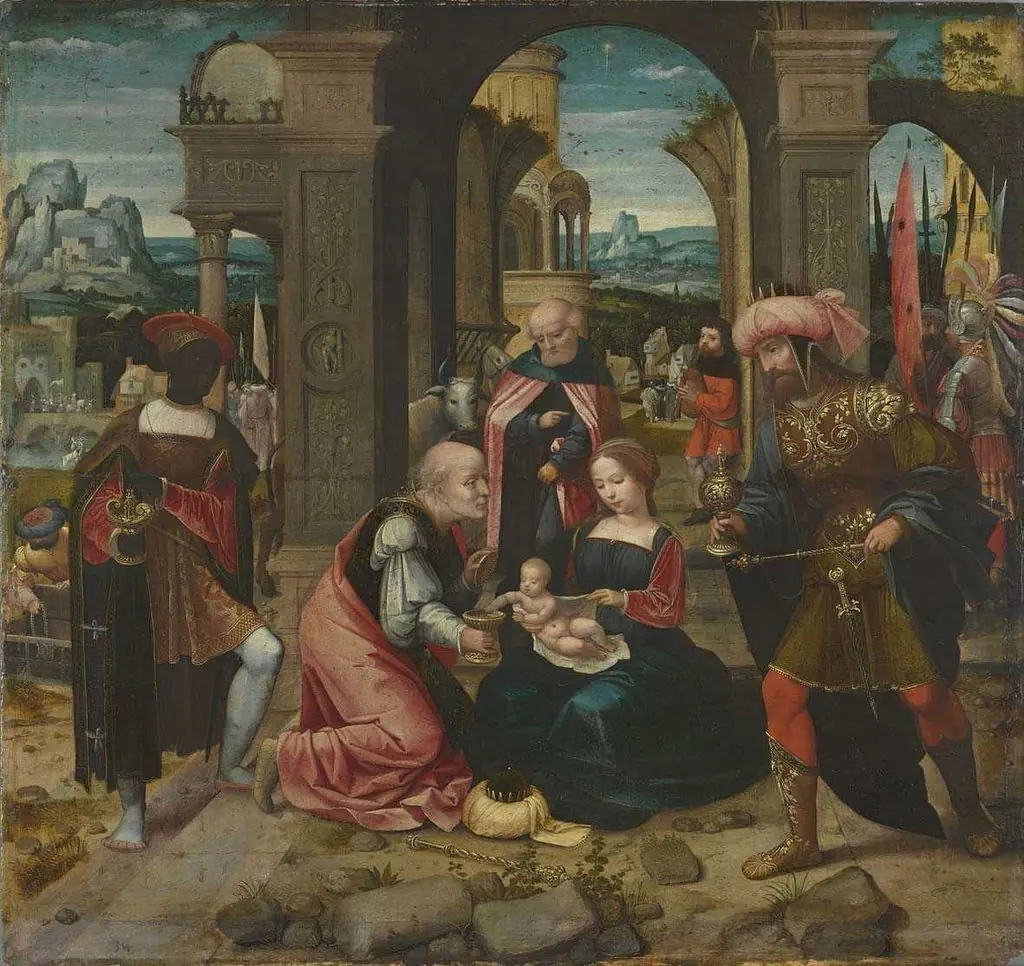 Adoration of the Magi
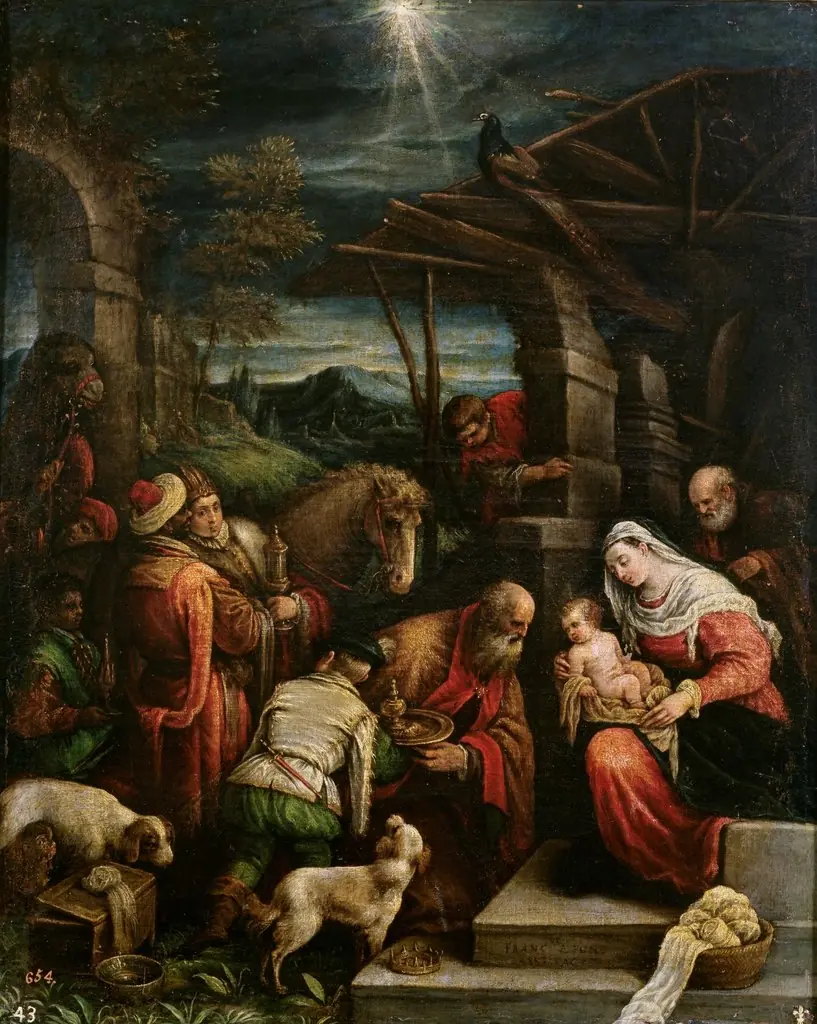 Adoration of the Magi
 Adoration of the Magi
 Adoration of the Magi
 Adoration of the Magi
 Adoration of the Magi
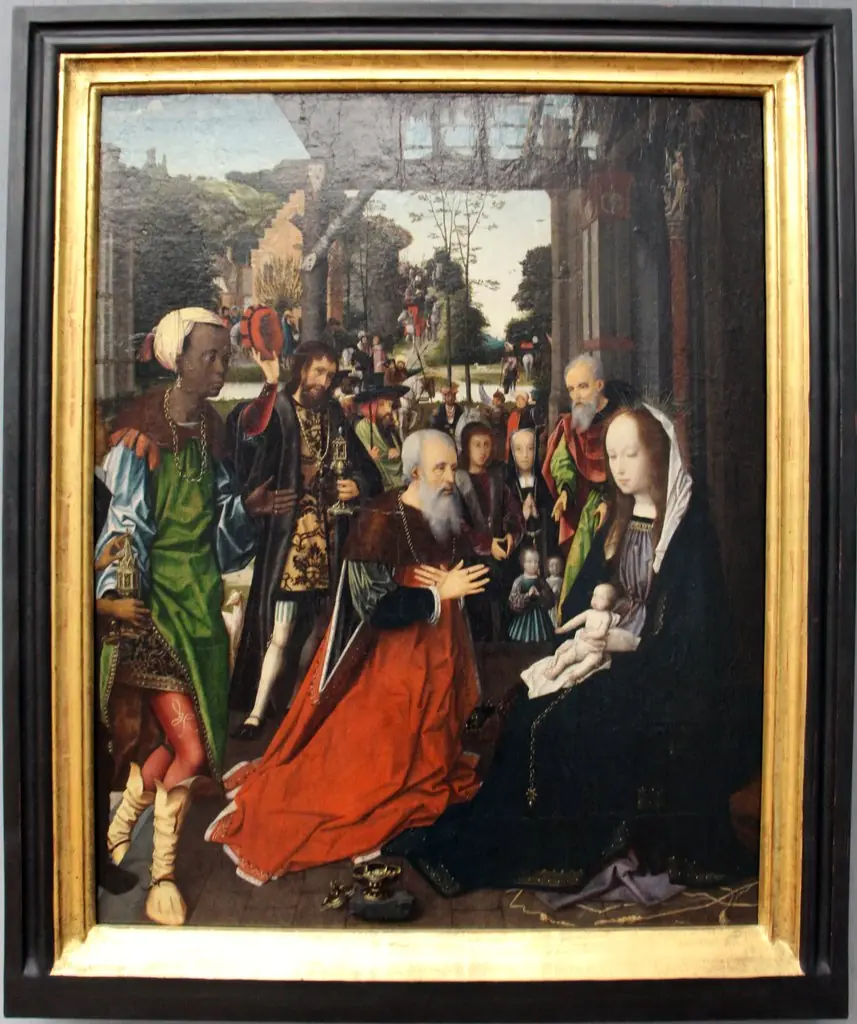 Adoration of the Magi
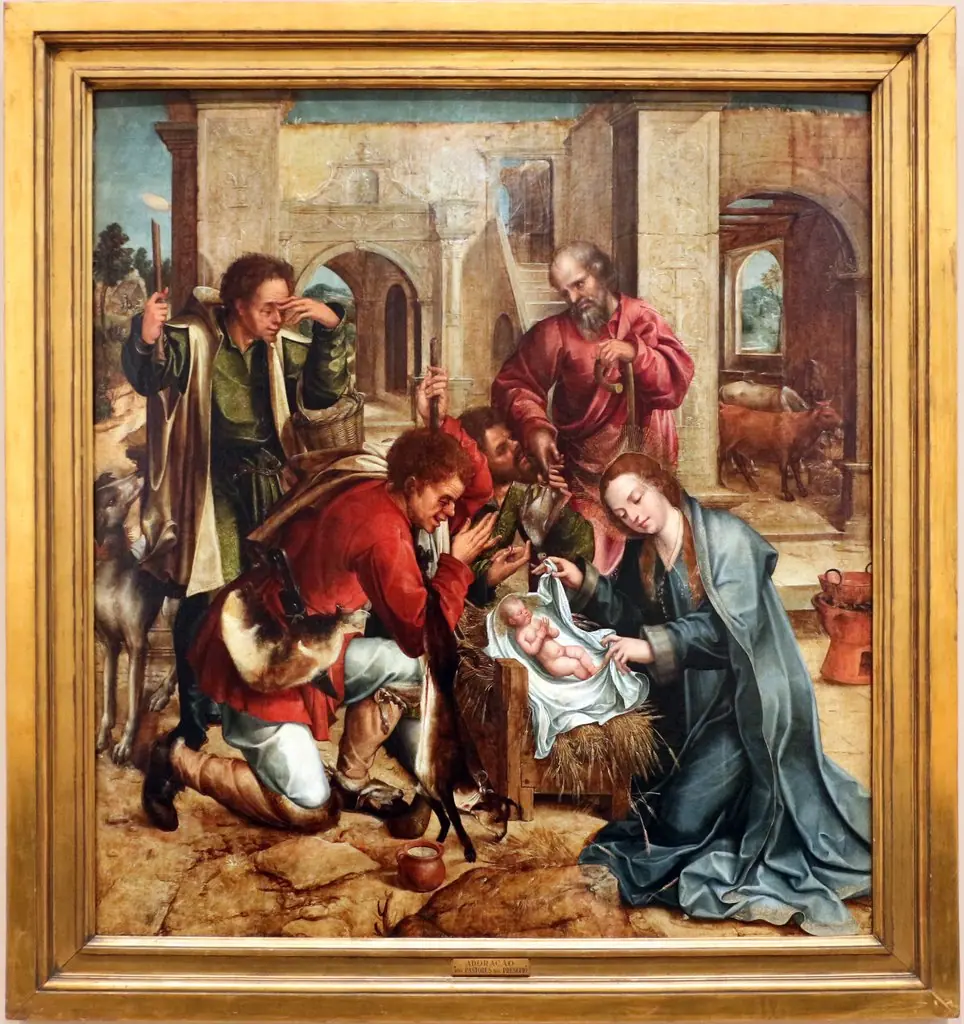 Adoração dos Pastores
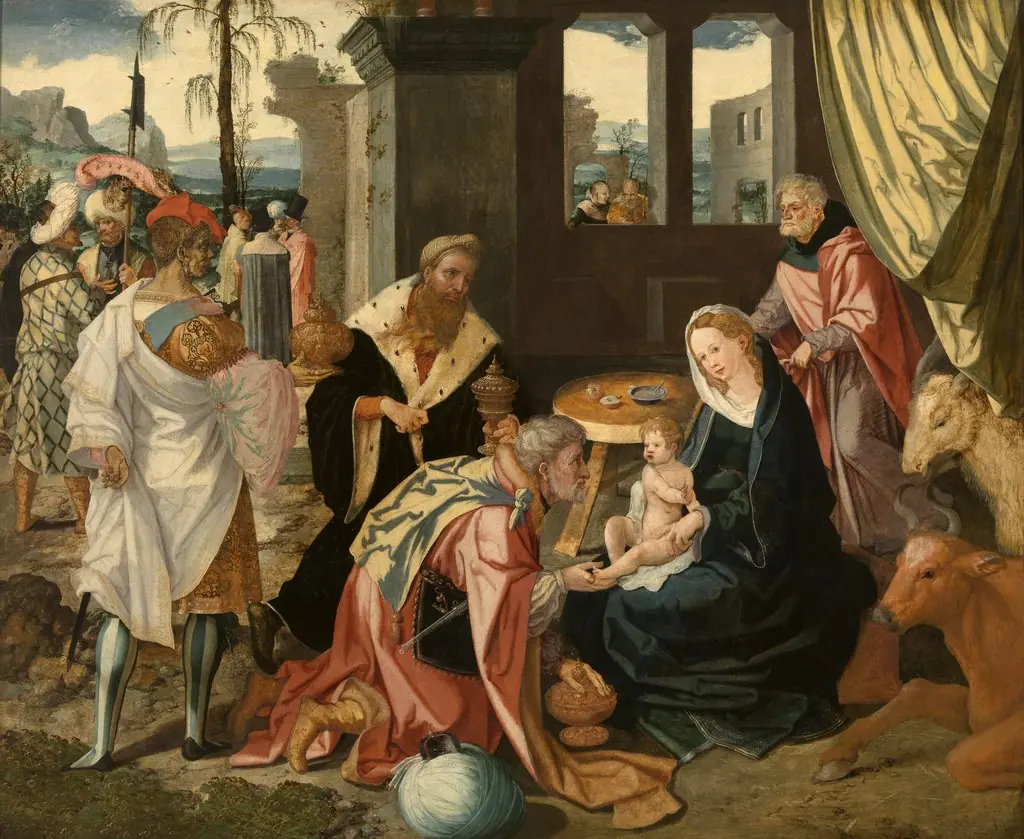 The Adoration of the Magi
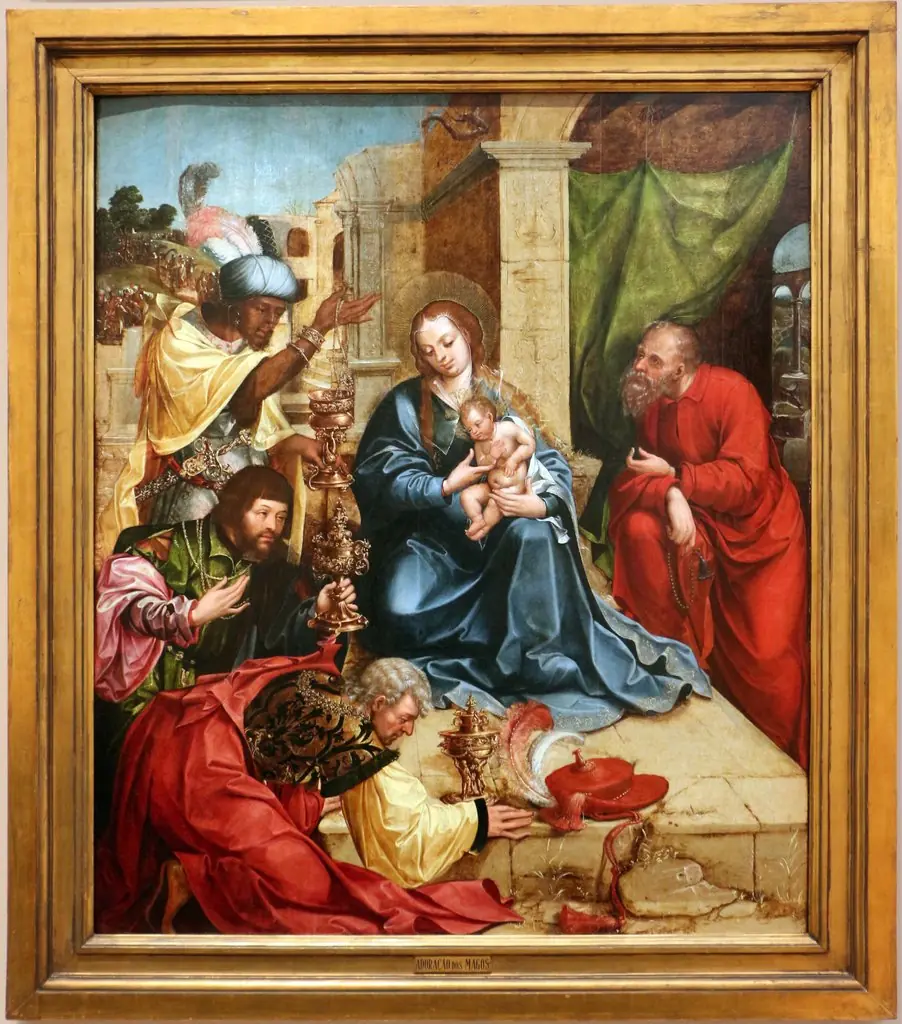 Adoração dos Reis Magos
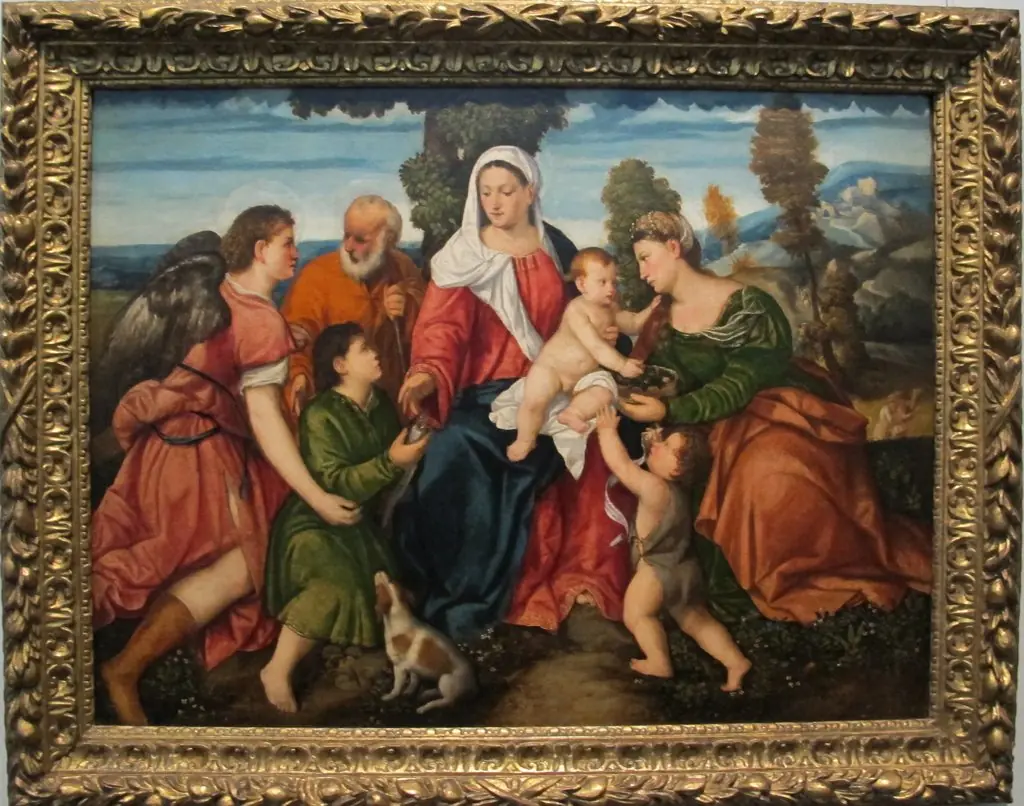 The Holy Family with Tobias and the Angel, Sts. Dorothy, and Infant John the Baptist
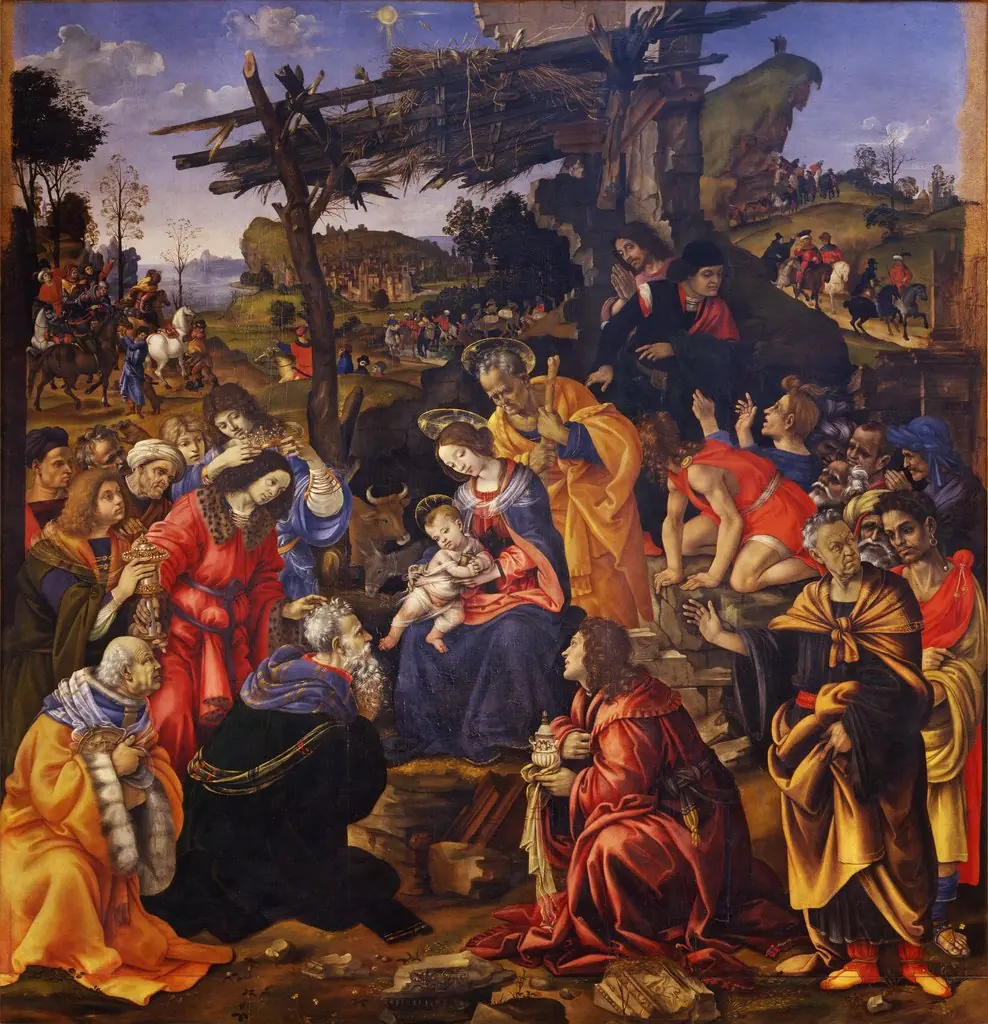 Adoration of the Magi