Artwork
Adoration of the Magi
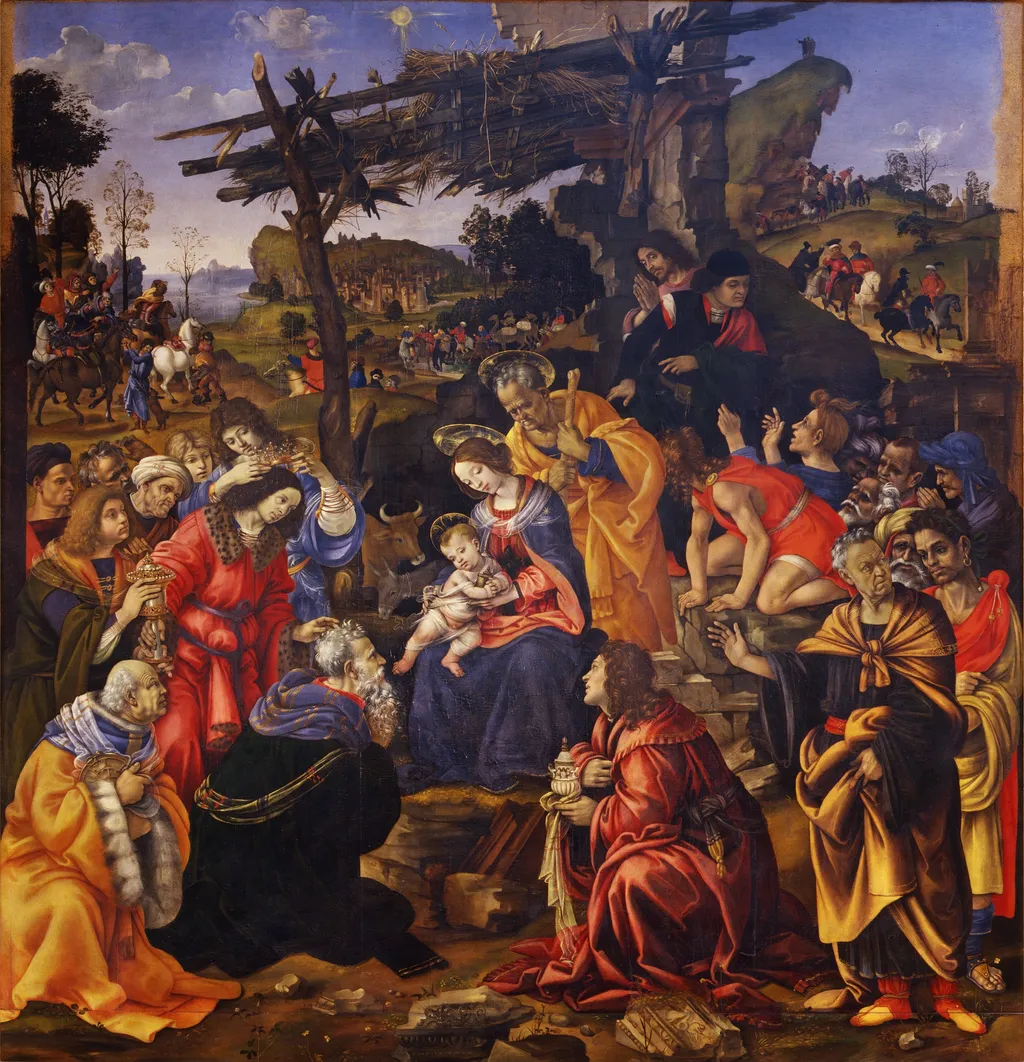
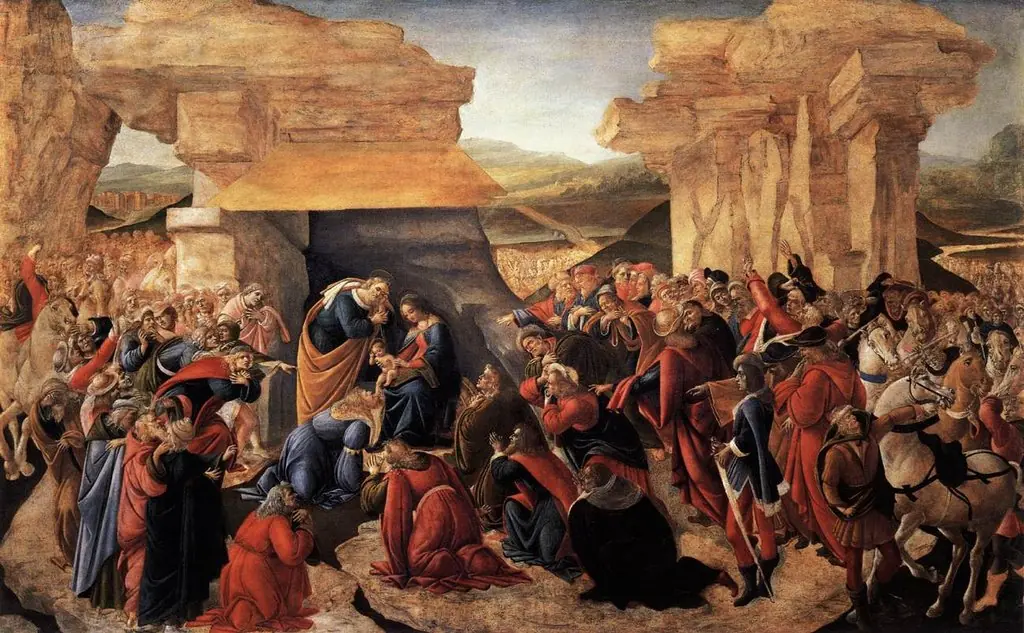
Adoration of the Magi is an oil painting by the Early Renaissance artist Filippino Lippi. It dates from 1496 and is held in the collection of the Uffizi Gallery.
About this work
It shows the Adoration of the Magi in oil, not tempera like the Wikipedia note says—so it's an unusual version.
This is a religious painting from the Renaissance. Filippino Lippi painted it around 1496. It shows the Adoration of the Magi in oil, not tempera like the Wikipedia note says—so it's an unusual version.
Lippi signed and dated it. That was rare for the time. The painting ended up at the Uffizi Gallery in Florence.
It’s a big Bible scene. Want to see another old church painting? Check out Filippino Lippi.
Overview
Filippino Lippi’s Adoration of the Magi, executed in 1496, is an oil on panel that presents the biblical episode of the three wise men presenting gifts to the infant Christ. The composition centers the Holy Family beneath a vaulted canopy, surrounded by a crowd of figures that includes contemporary Florentine patrons. The work measures roughly 200 × 150 cm and remains on display in the Uffizi Gallery, Florence.
Subject & Meaning
The painting visualizes the traditional narrative of the Magi’s homage, emphasizing the theological theme of universal recognition of Christ’s divinity. By placing the Virgin and Child in a richly draped setting, Lippi underscores their sanctity, while the varied gestures of the onlookers convey a spectrum of devotion, curiosity, and social status, reflecting the layered meanings attached to the scene in late‑15th‑century devotional practice.
Technique & Style
Lippi employs a luminous oil medium that allows for subtle modelling of flesh and intricate detailing of textiles. The composition shows a heightened attention to decorative elements—fur‑trimmed robes, jeweled crowns, and an astrolabe—characteristic of his late period. A dynamic, almost restless rhythm animates the figures, linking the work to the expressive tendencies of the Florentine Renaissance while retaining Lippi’s personal delicacy.
History & Provenance
Originally commissioned for the monastery of San Donato in Scopeto as a replacement for an unfinished Leonardo da Vinci altarpiece, the painting entered the Medici collection when Cardinal Carlo de’ Medici acquired it in 1529. After remaining in the family’s holdings, it was transferred to the Uffizi in 1666 as part of the last Medici bequest to the city, where it has stayed ever since.
Context
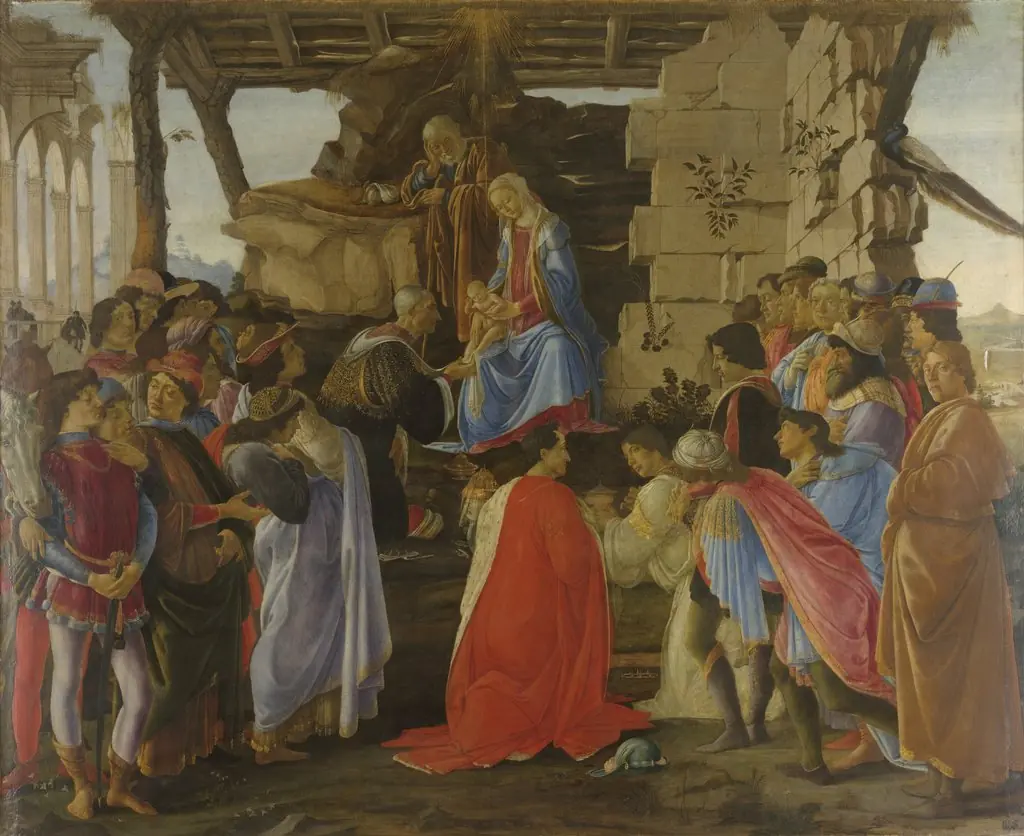
Lippi’s composition draws on Leonardo’s earlier setting and mirrors Botticelli’s own Adoration of the Magi, also housed in the Uffizi. The inclusion of Medici relatives—such as the posthumous portrait of Pierfrancesco de’ Medici and his sons—reflects the practice of embedding patrons within sacred scenes. Their presence also signals the family’s political alignment with the Savonarolan Republic during the painting’s creation.
Own this work as a print
Artist & collection
Artist
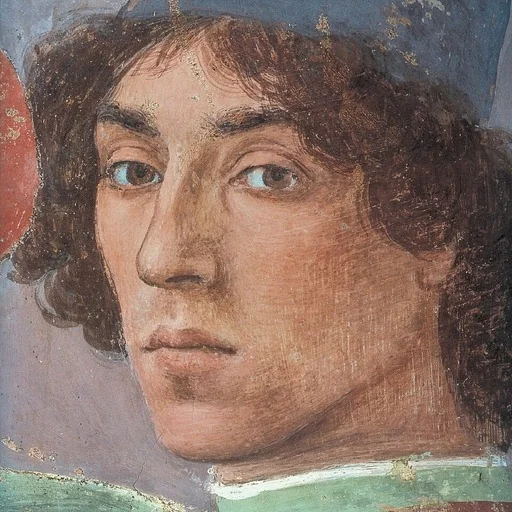
Filippino Lippi (probably 1457 – 18 April 1504) was an Italian Renaissance painter mostly working in Florence, Italy during the later years of the Early Renaissance and first few years of the High Renaissance.

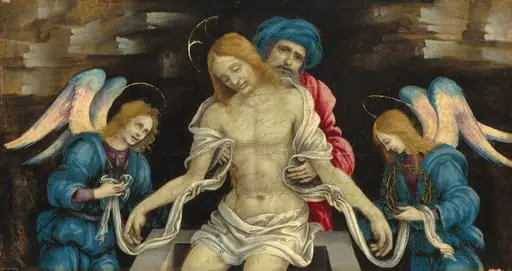 Pietà (The Dead Christ Mourned by Nicodemus and Two Angels)
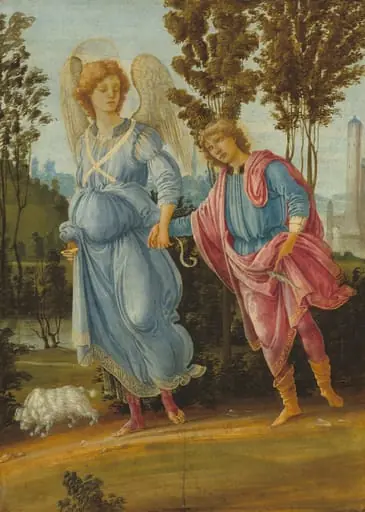 Tobias and the Angel
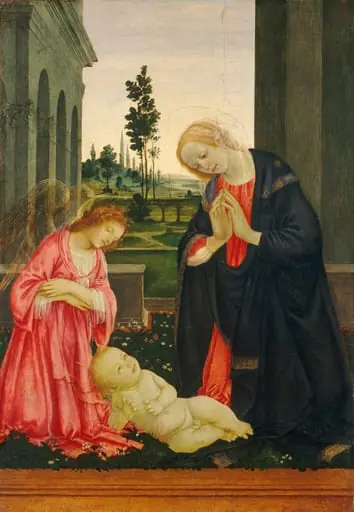 The Adoration of the Child
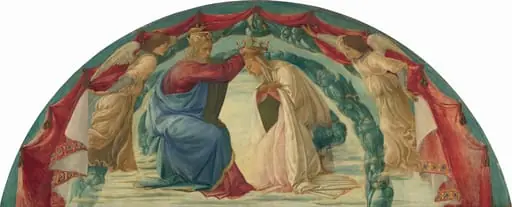 The Coronation of the Virgin
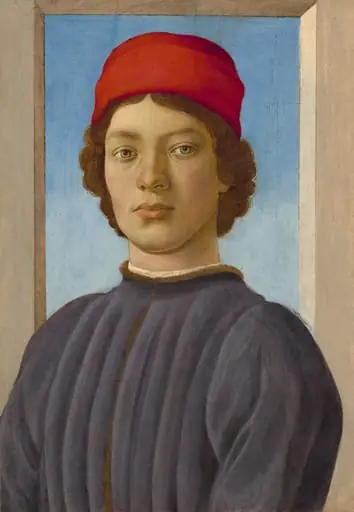 Portrait of a Youth
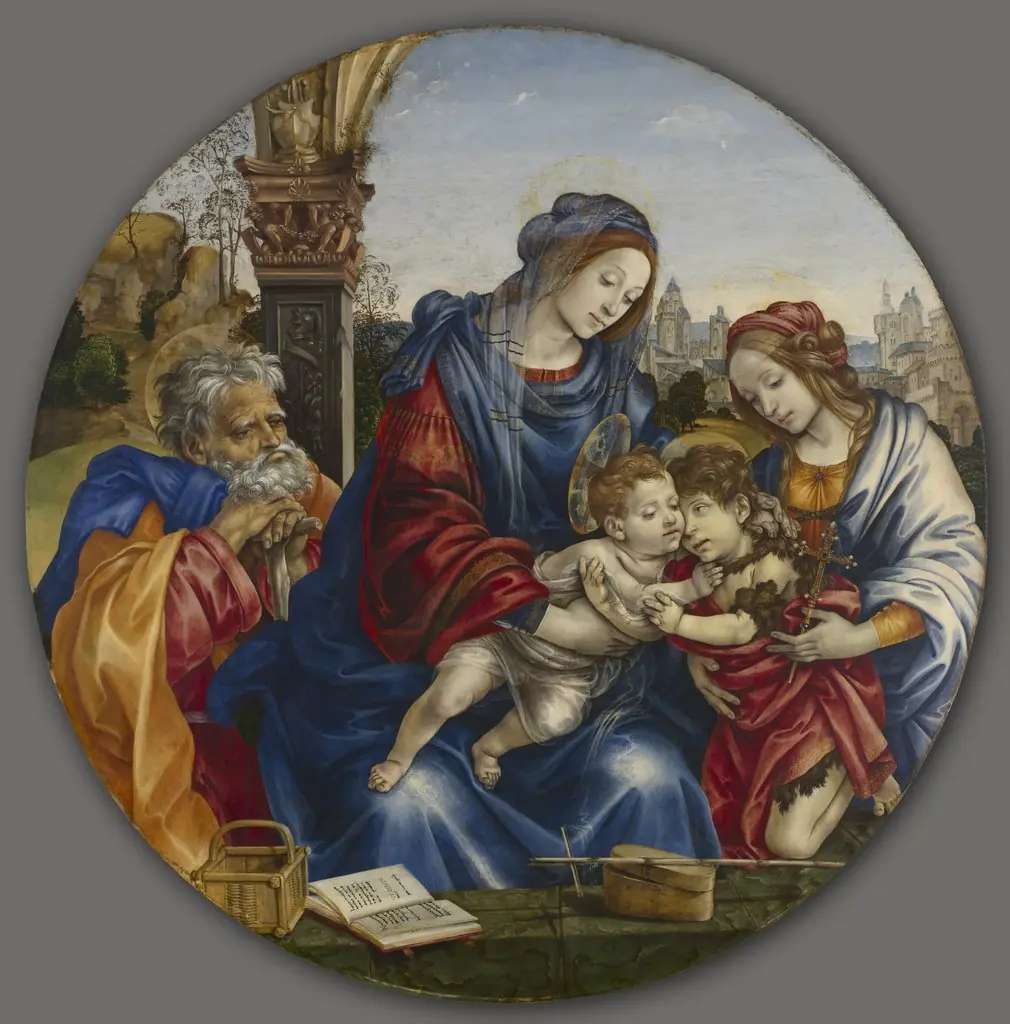 The Holy Family with Saint John the Baptist and Saint Margaret
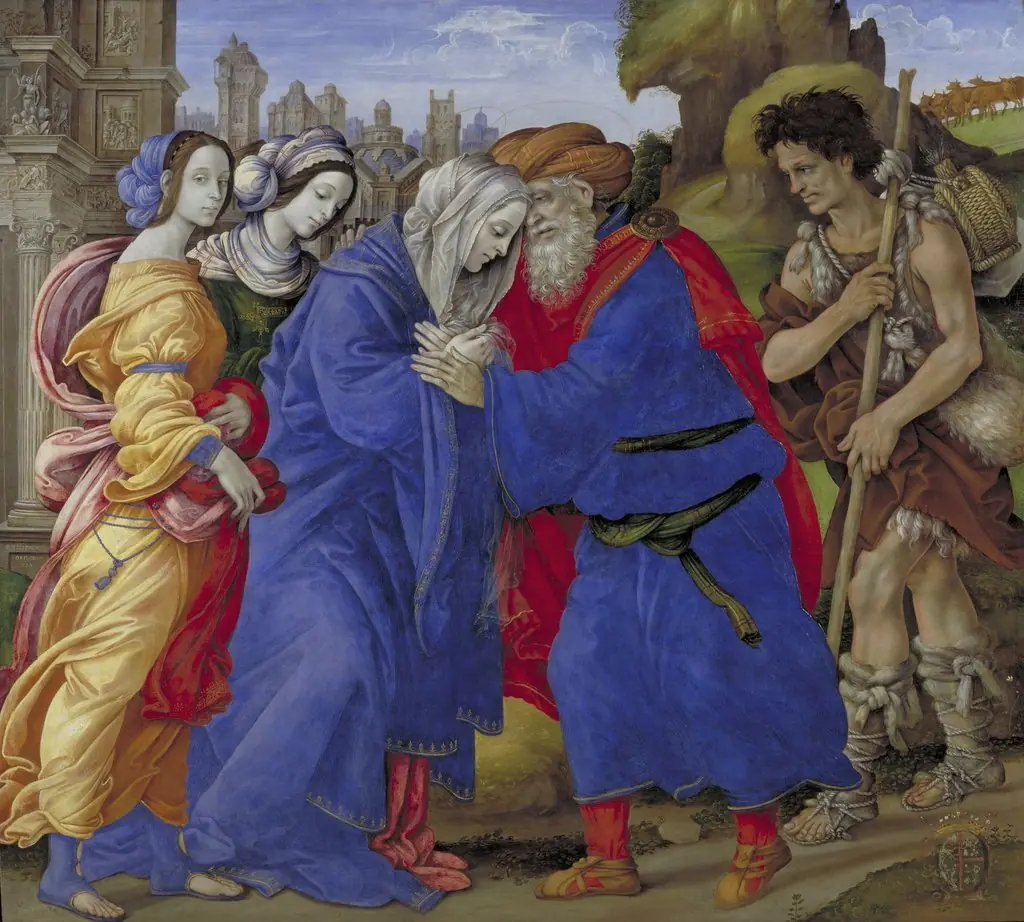 The Meeting of Joachim and Anne outside the Golden Gate of Jerusalem
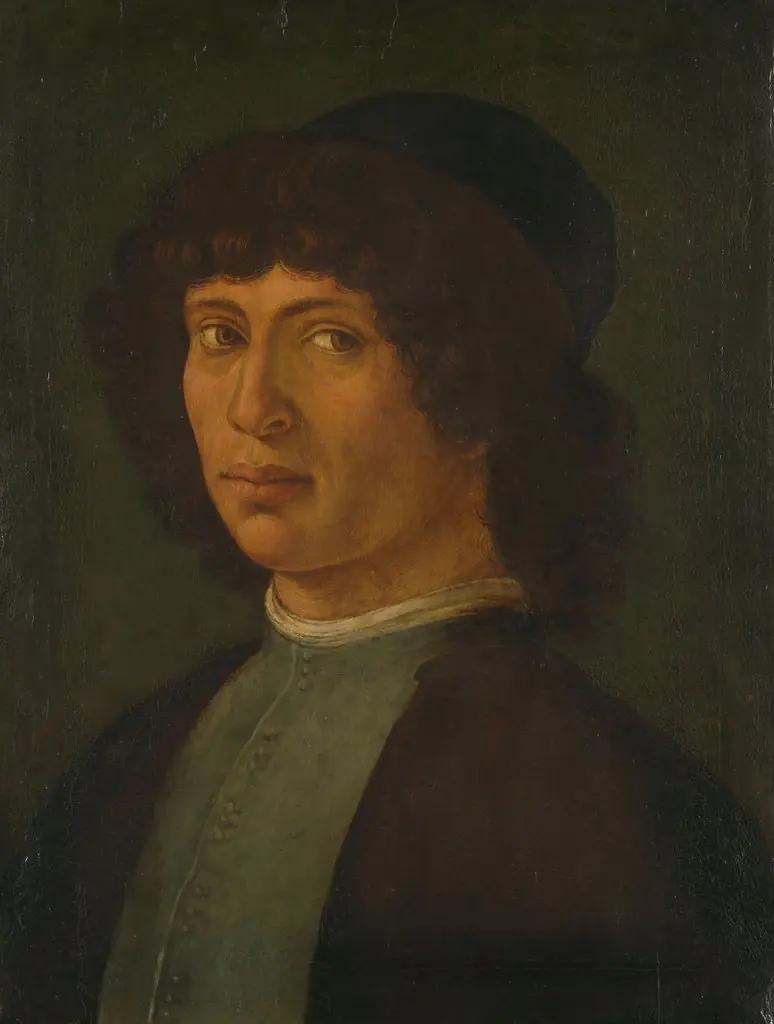 Portrait of a young man