Artwork
Still Life of Fruit on a Ledge
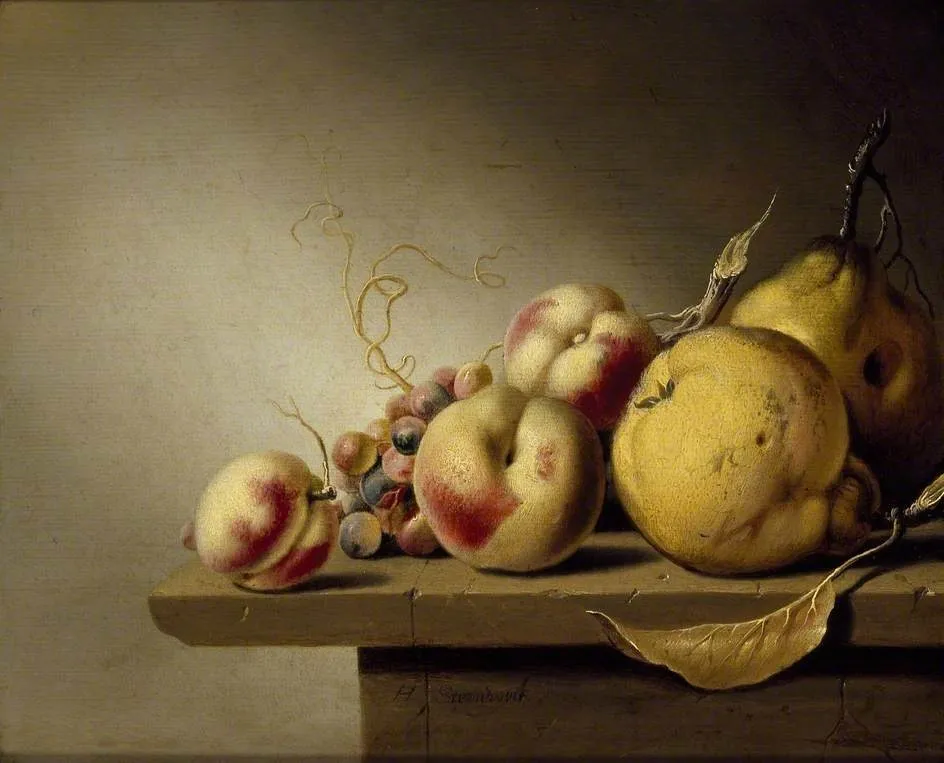
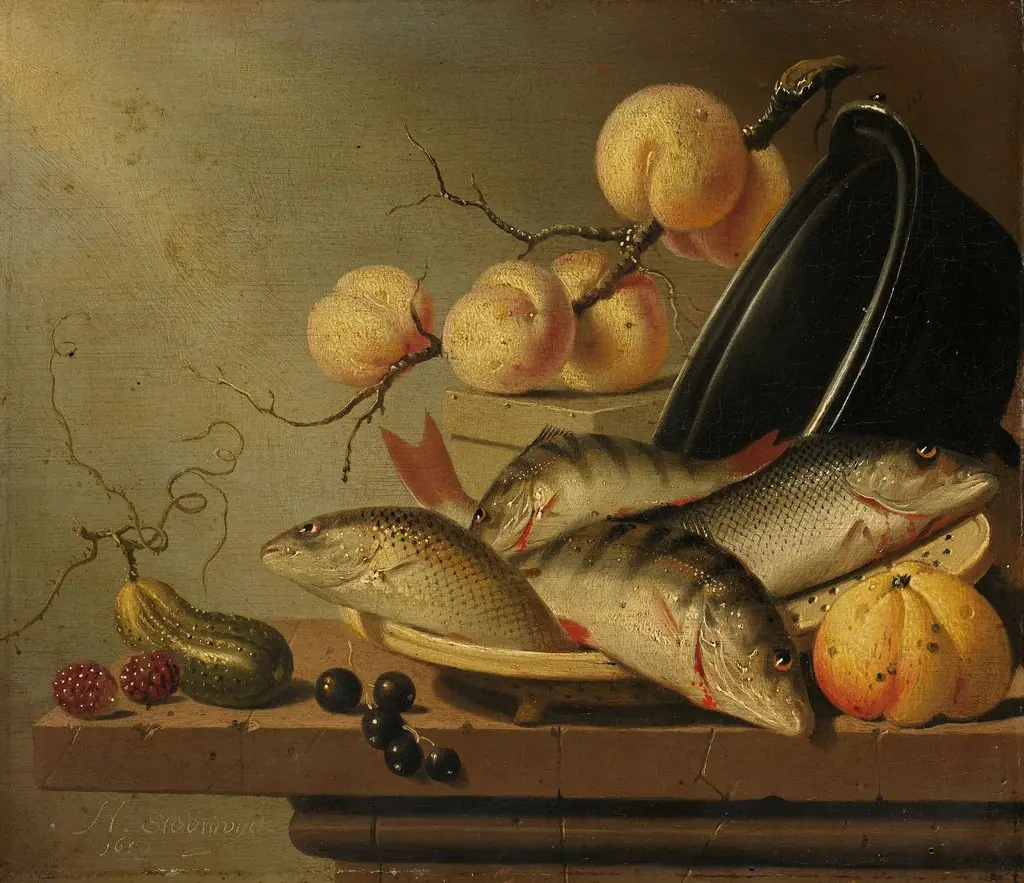
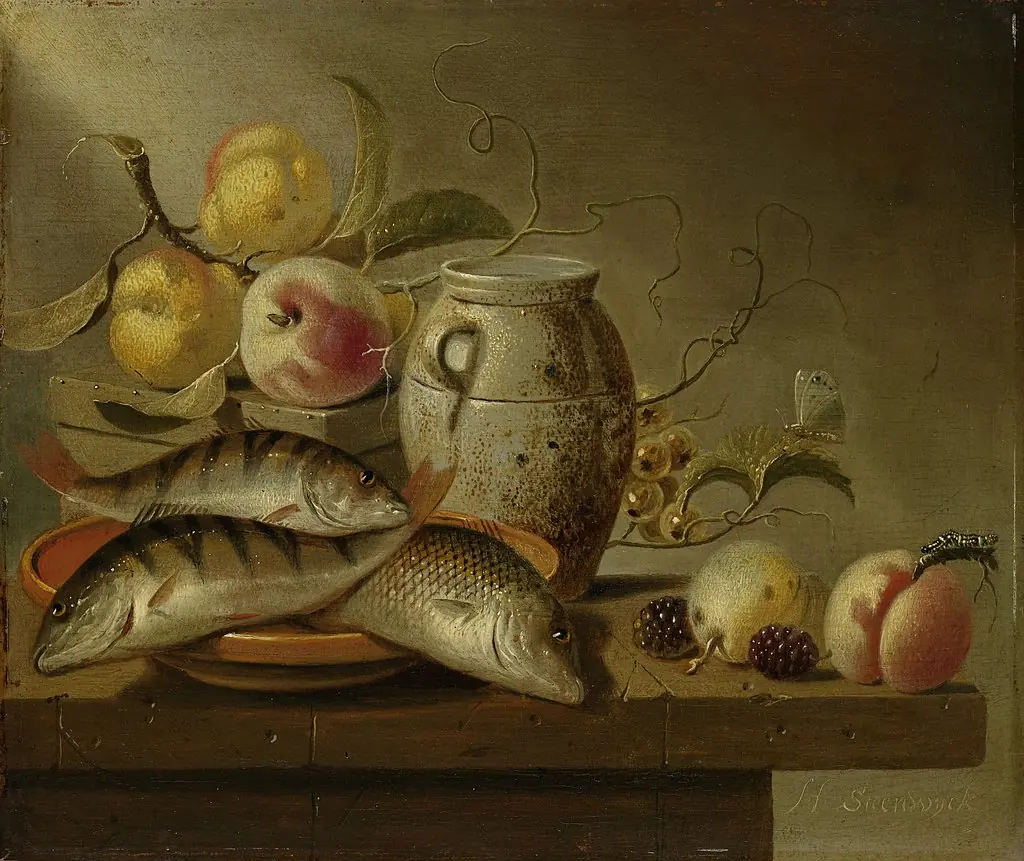
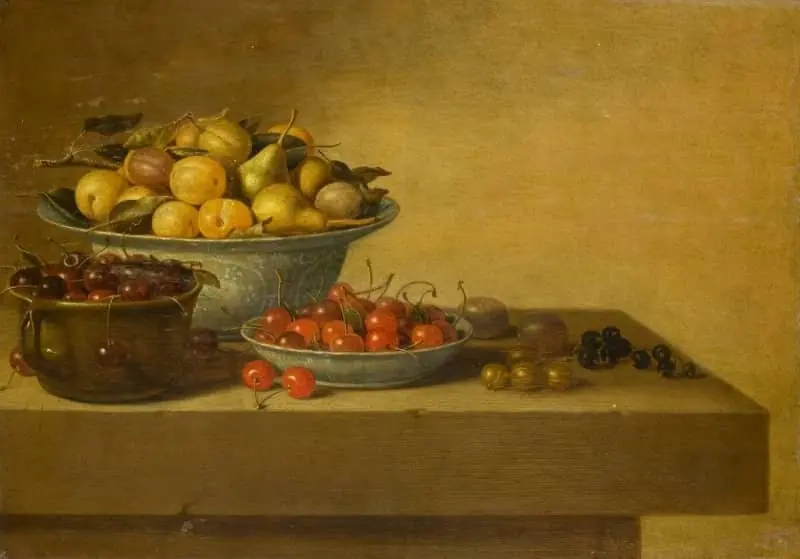
Still Life of Fruit on a Ledge is an oil painting by the Dutch Golden Age artist Harmen Steenwijck. It dates from 1644 and is held in the collection of the Ashmolean Museum.
About this work
Overview
Still Life of Fruit on a Ledge is a 17th-century oil painting by Harmen Steenwijck, a Dutch Golden Age artist known for still life and vanitas works. Created circa 1644, the piece showcases Steenwijck's adherence to the Dutch still life tradition.
Subject & Meaning
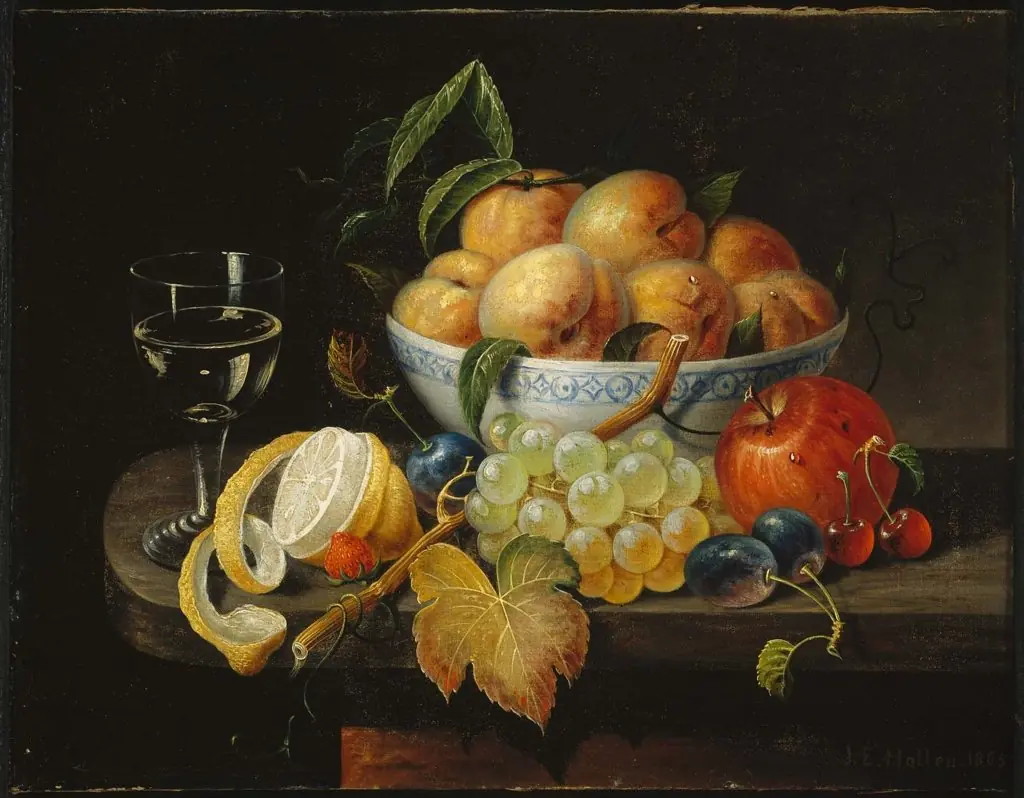
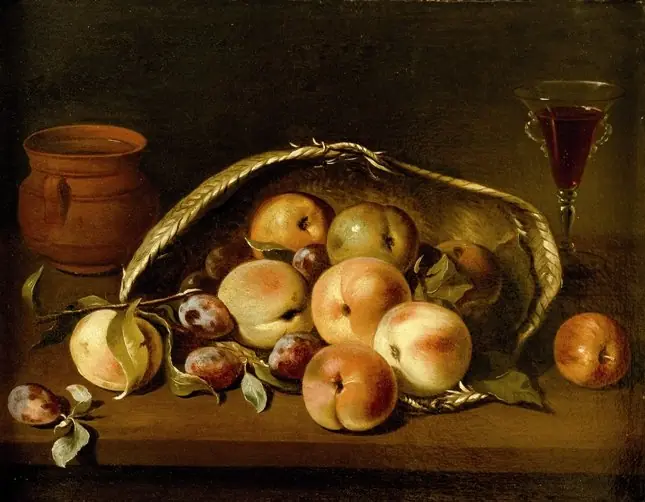
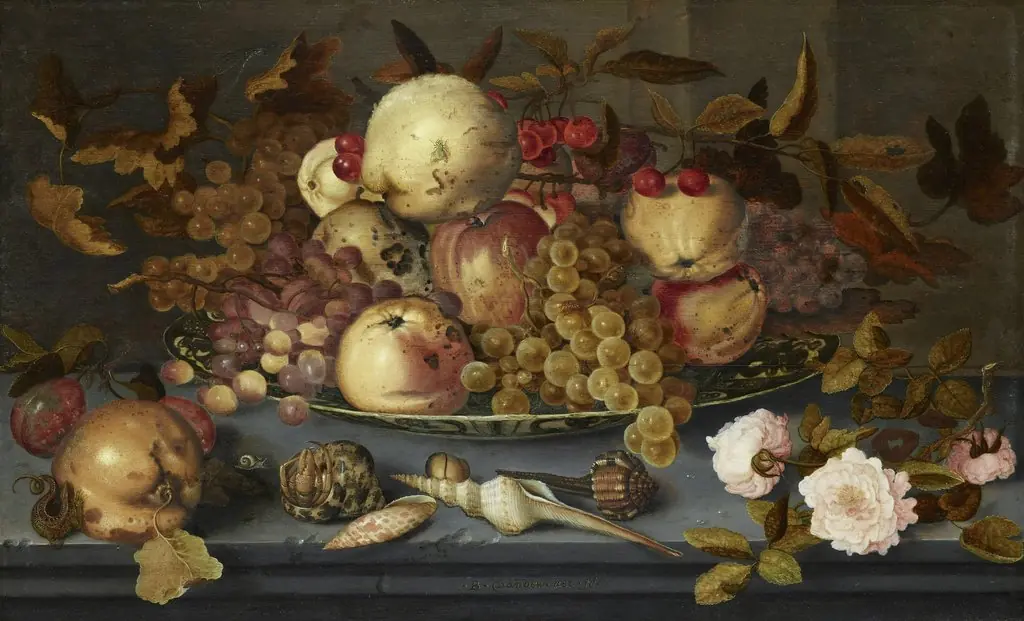
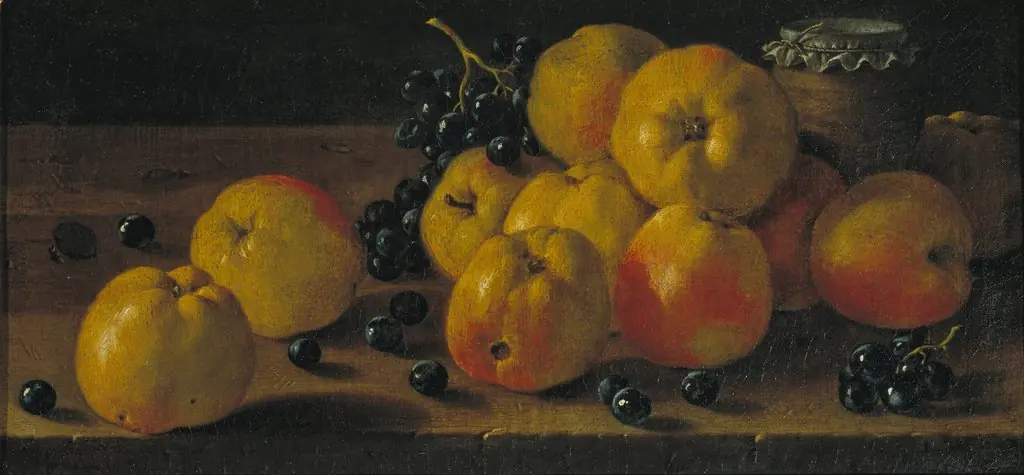
The painting features a meticulously arranged display of fruit (including a pear, apple, and grapes) on a ledge. While the subject appears straightforward, the work likely embodies symbolic themes common in vanitas paintings, inviting contemplation on transience and mortality.
Technique & Style
Steenwijck employed detailed realism, capturing the varied textures of the fruit and their stages of ripeness. A muted color palette (dominated by yellows, greens, and browns) and effective use of chiaroscuro create depth and draw the viewer into the scene.
History & Provenance
The exact provenance of *Still Life of Fruit on a Ledge* before its acquisition by the Ashmolean Museum is not detailed here, but it is currently part of the museum's collection.
Context
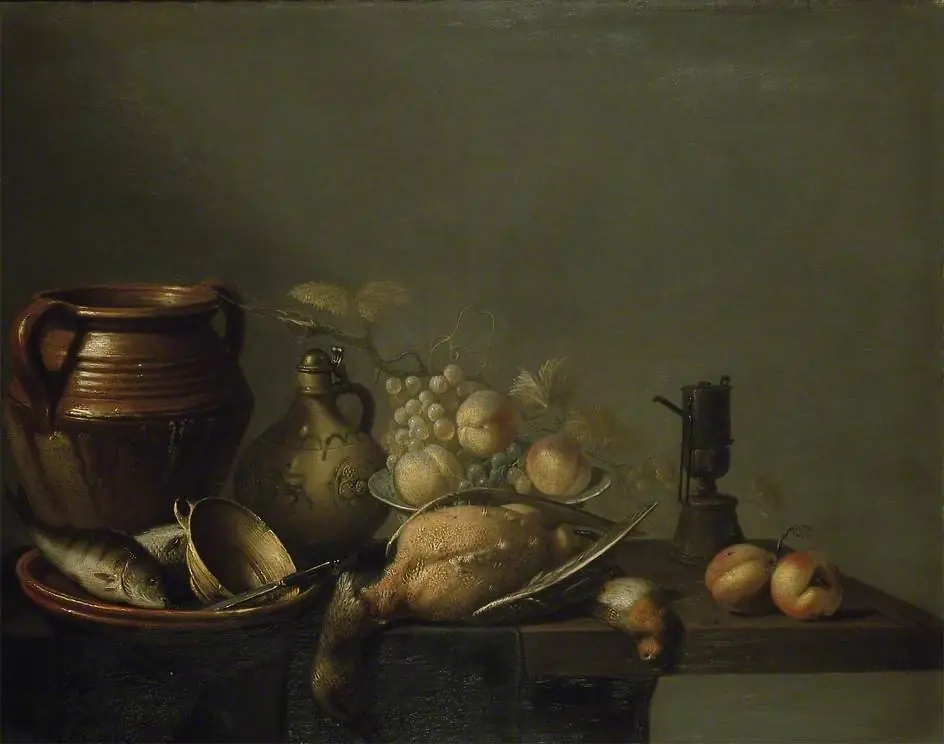
This work reflects the broader Dutch Golden Age still life tradition, characterized by meticulous attention to detail and often layered with symbolic meaning. Steenwijck's style aligns with contemporaries who emphasized realism and thematic depth in still life compositions.
Legacy
As a representative of 17th-century Dutch still life painting, *Still Life of Fruit on a Ledge* contributes to the understanding and appreciation of the genre's development and the role of symbolism within it.
Artist & collection
Artist
Harmen Steenwijck or Harmen Steenwyck (c. 1612 – after 1656) was a Dutch Golden Age painter who specialised in still life painting, especially in the style of Dutch vanitas.