Artwork
A Sprig of Plums
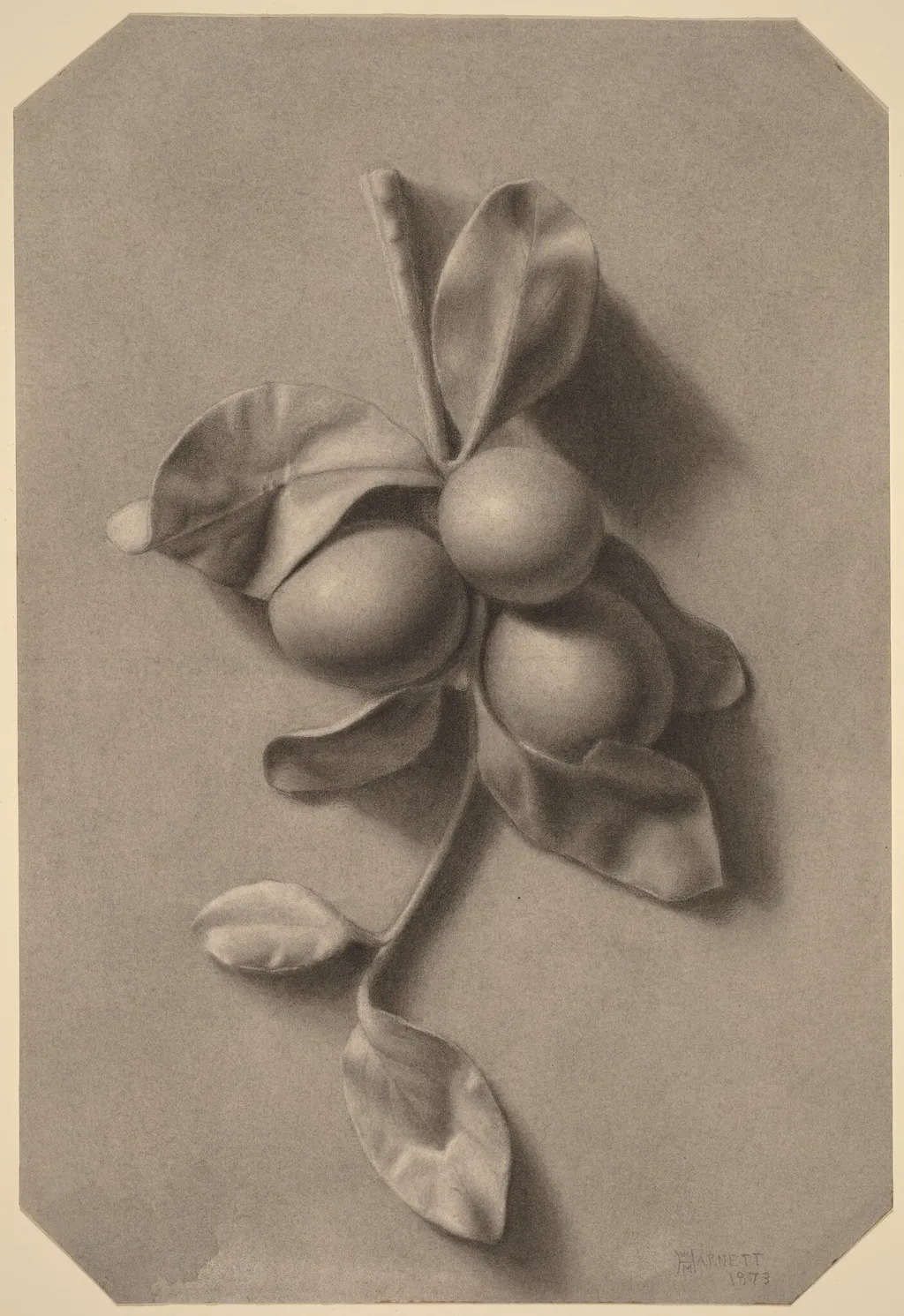
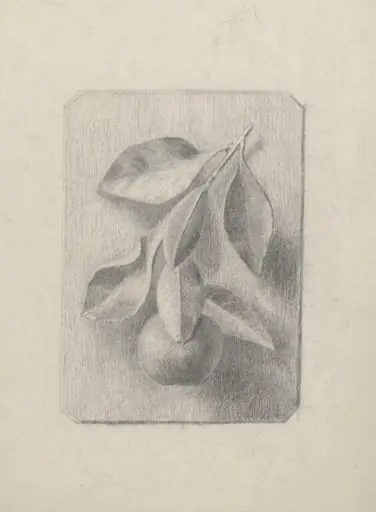
A Sprig of Plums is a chalk drawing by the Impressionist artist William Michael Harnett. It dates from 1873 and is held in the collection of the National Gallery of Art.
About this work
Overview
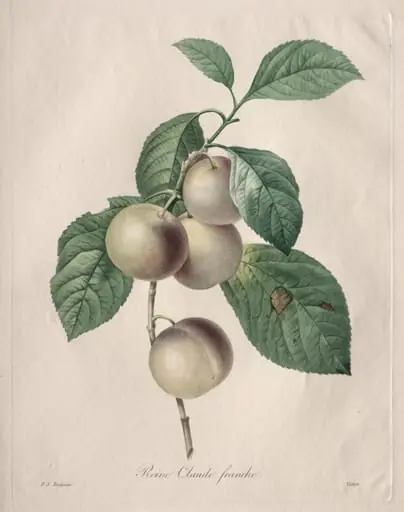
Created in 1873, “A Sprig of Plums” is a drawing by American artist William Michael Harnett. Executed on cream‑wove paper, the work measures a modest size and presents a single branch bearing three plums—two fully ripened and one still green—set against a neutral background.
Subject & Meaning
The composition isolates a humble fruit cluster, inviting close observation of its natural forms. By juxtaposing ripe and unripe fruit, Harnett subtly references the cycle of growth and the fleeting quality of harvest, while the quiet stillness of the study suggests a meditative appreciation of everyday objects.
Technique & Style
Harnett employs charcoal and black chalk, manipulating the medium through stumping, rubbing, and deliberate scratching. Soft, blended edges on the leaves contrast with sharply incised lines that define the fruit’s skin and shadows. The creamy tone of the paper acts as a mid‑range value, allowing the dark marks to emerge with clarity and depth.
History & Provenance
The drawing was produced during Harnett’s early career, a period when he was establishing his reputation for meticulous realism. While specific ownership records are limited, the piece has been catalogued among his works that explore still‑life subjects through drawing rather than his more widely known oil paintings.
Context
In the 1870s, American art saw a growing interest in trompe‑l’œil and hyperrealistic representation. Harnett’s focus on ordinary objects aligns with this trend, positioning “A Sprig of Plums” as a study in precision that anticipates his later, more elaborate painted still‑lifes.
Artist & collection