Artwork
Chinese dates
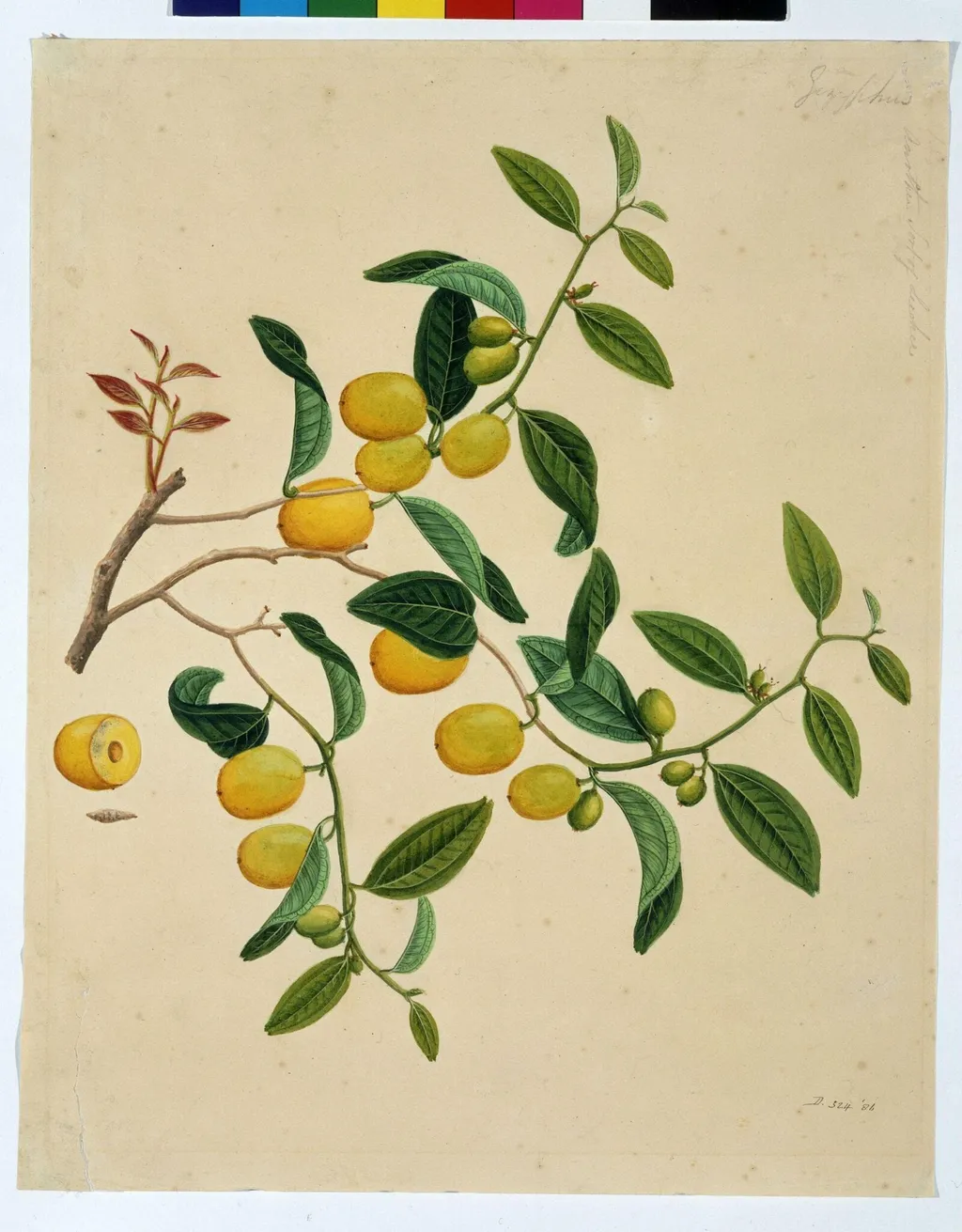
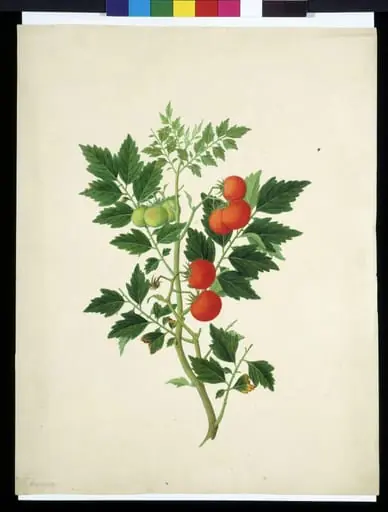
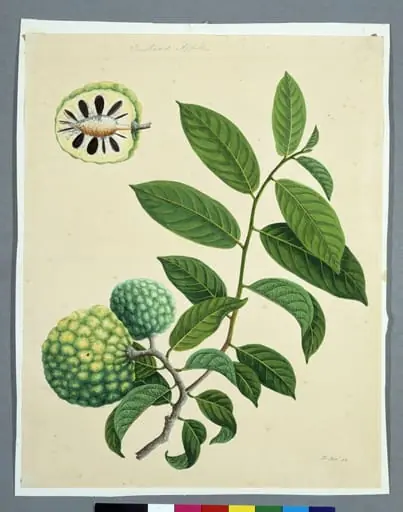
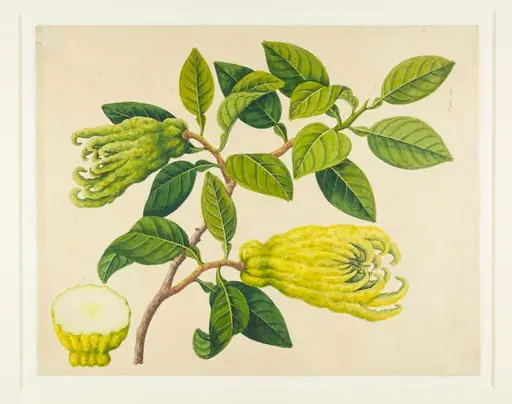
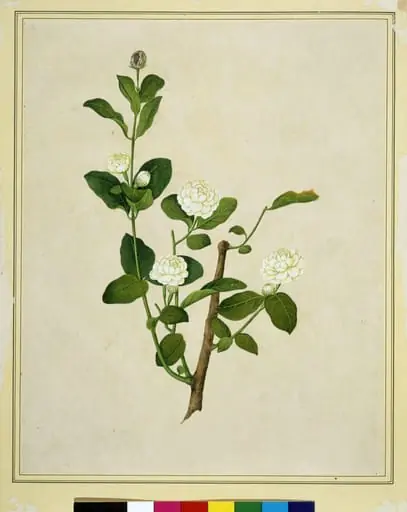
Chinese dates is a paint painting by the Romanticist artist Unknown. It dates from 1831 and is held in the collection of the Victoria and Albert Museum.
About this work
Overview
Its existence suggests Chinese artists adapted foreign media to depict native botanical subjects for international audiences.
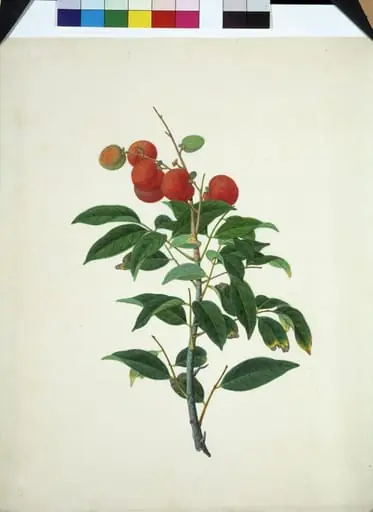
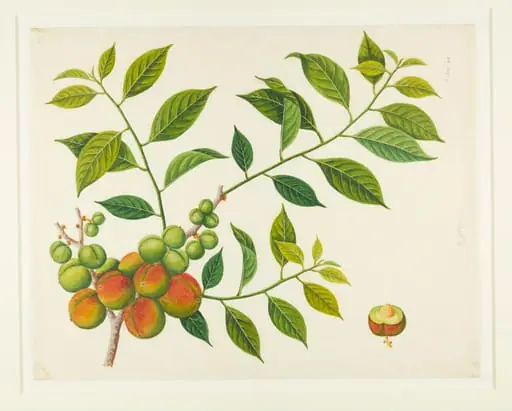
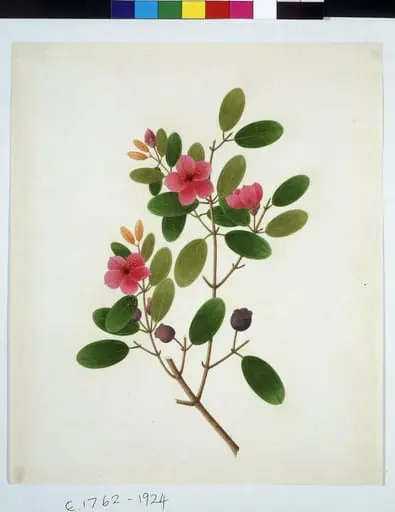
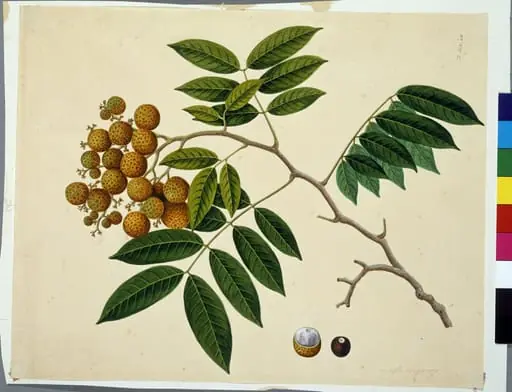
This watercolor depicts a branch of Chinese dates, rendered with delicate brushwork and soft tonal transitions. The work was executed on thick European paper, imported to China for its durability and surface quality, reflecting the cross-cultural exchange of materials during the 18th and 19th centuries. Its existence suggests Chinese artists adapted foreign media to depict native botanical subjects for international audiences.
Subject & Meaning
The subject—a single branch of Chinese dates—emphasizes natural form over symbolic narrative. The fruit, rendered in pale pink, appears ripe and tactile, inviting attention to its texture and ripeness. Unlike traditional Chinese flower-and-bird painting, which often carried allegorical meaning, this work prioritizes observational accuracy, aligning with Western botanical illustration practices of the period.
Technique & Style
The painting employs translucent watercolor washes to capture the subtle gradations of color and light on the fruit and leaves. Some leaves curl naturally at the edges, while others lie flat, suggesting careful study from life. The technique avoids bold outlines, favoring gentle blending, a hallmark of European botanical art, yet retains the fluidity characteristic of Chinese watercolor traditions.
History & Provenance
The use of imported European paper indicates the painting was likely made for export, possibly commissioned by British traders or collectors interested in exotic flora. Such works circulated through commercial networks connecting China with Europe, where they served as both scientific records and decorative objects. The paper’s origin points to a deliberate choice by the artist to meet foreign expectations of quality and permanence.
Context
During the 18th and 19th centuries, British naturalists and collectors cultivated a fascination with Asian plant species, often acquiring paintings rather than live specimens due to logistical challenges. Chinese artists responded by producing detailed botanical studies tailored to this market. These works bridged scientific curiosity and aesthetic appreciation, becoming part of a broader global exchange of visual knowledge.
Legacy
This painting exemplifies a quiet but significant shift in Chinese art production: adaptation to foreign demand without abandoning local visual sensibilities. It stands as evidence of how artistic practice evolved through cross-cultural trade, influencing both Western botanical documentation and the global perception of Chinese art beyond traditional themes.
Artist & collection

 Domestic Scene
 Giacomo and Cardinal Marco, investing Andrea, Abbot of San Zeno, with his Benefice
 The Nymph of Fontainebleau
 Portrait of a Woman
 Madonna and Child with Saints in the Enclosed Garden
 Venus and Minerva
 Family Group of Four on Sofa
 Wall painting from Room H of the Villa of P. Fannius Synistor at Boscoreale