Artwork
Untitled
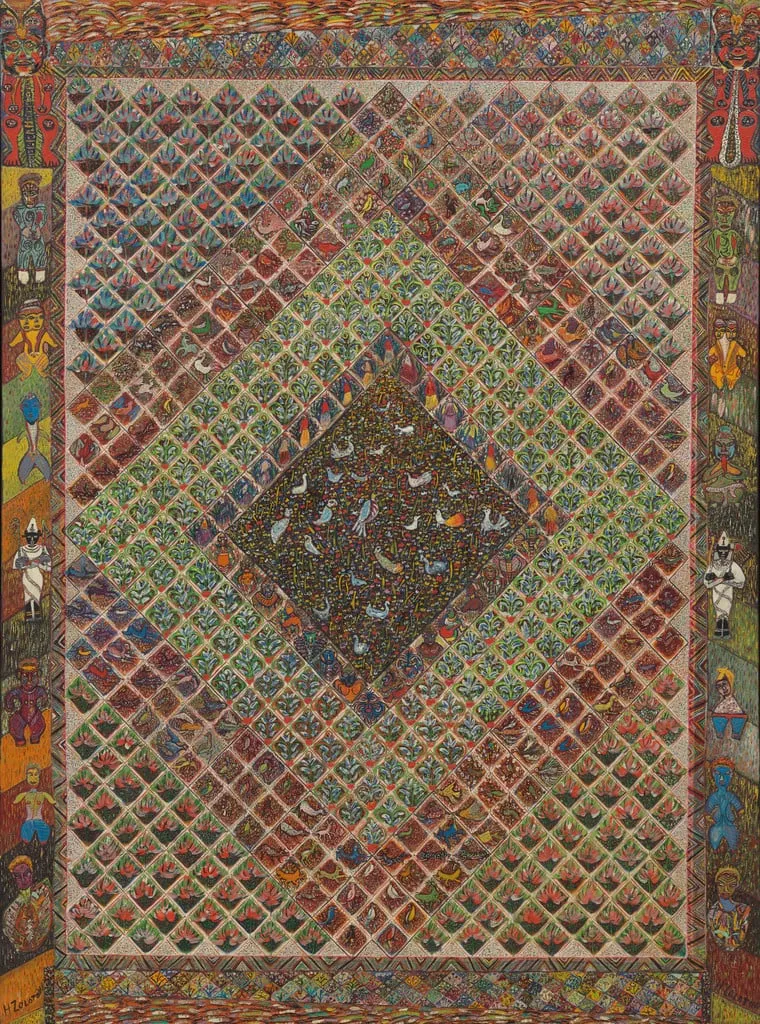
Untitled is an oil painting by the Abstract Expressionist artist Harry Zolotow. It dates from 1946 and is held in the collection of the Museum of Modern Art.
About this work
The way light and dark play here shows how chiaroscuro can work even without a clear subject.
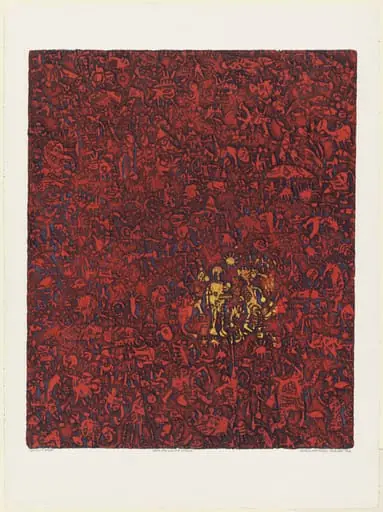
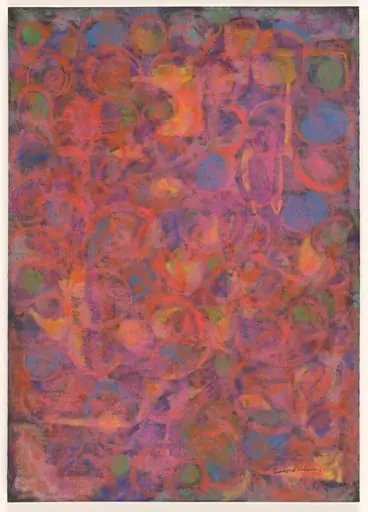
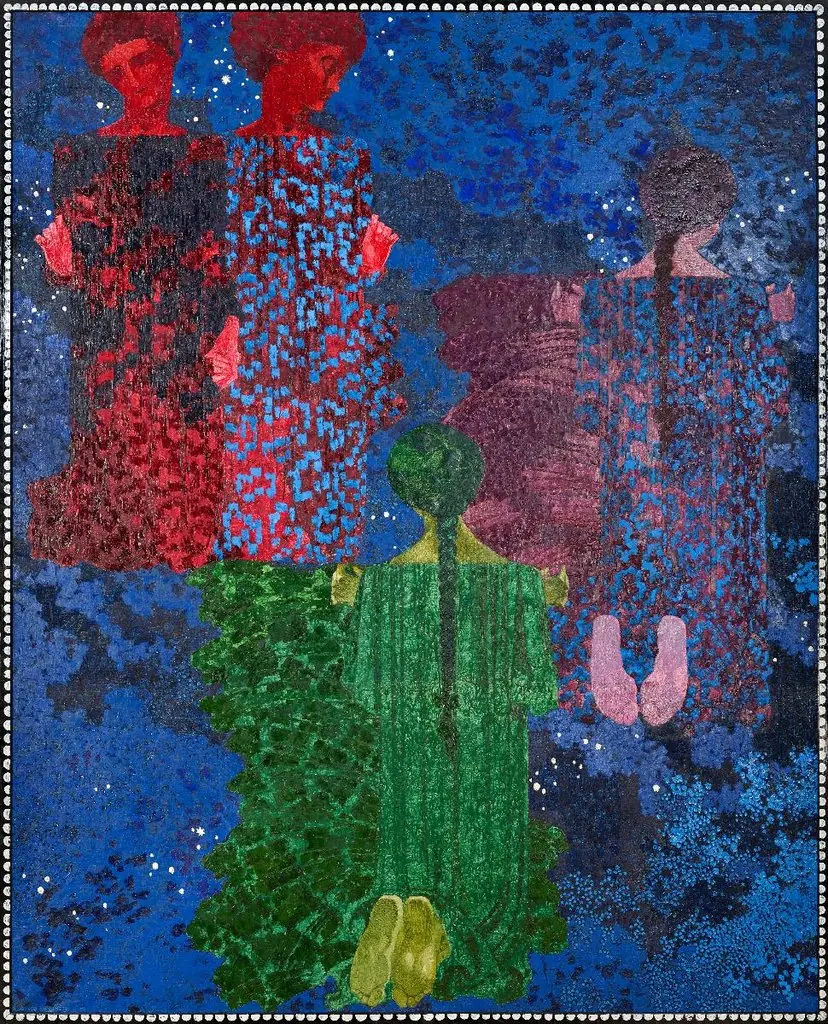
A red shape floats above a dark blue field, with rough edges and a warm glow. Thick paint covers the canvas in patches, like layers of old walls.
This painting has no people, no objects—just color and texture. Harry Zolotow made it in 1946, a time when many artists were turning away from realism. He used bold, uneven brushwork to build depth and mood.
The way light and dark play here shows how chiaroscuro can work even without a clear subject. (98 words)
Overview
Created in 1946, this oil on canvas work by Harry Zolotow is a nonrepresentational composition held in The Museum of Modern Art’s collection. It eschews figuration entirely, relying on color and materiality to convey presence. The painting’s surface is built through dense, irregular applications of paint, suggesting accumulation rather than depiction. Its scale and texture invite close observation, emphasizing the physicality of the medium over narrative content.
Subject & Meaning
The painting contains no recognizable forms, figures, or symbols. A vivid red form, roughly defined and glowing at its edges, hovers above a deeper blue ground. The absence of identifiable subject matter shifts focus to emotional resonance through hue and texture. The interaction of warm and cool tones suggests tension and quiet luminescence, evoking mood without storytelling or symbolism.
Technique & Style
Zolotow applied oil paint in thick, uneven layers, building the surface like weathered plaster. Brushstrokes are deliberate yet unrefined, creating a tactile, almost architectural quality. The edges of the red shape are blurred and fractured, dissolving into the surrounding field. This method rejects smooth finish in favor of material presence, aligning with postwar explorations of paint as substance rather than illusion.
History & Provenance
Painted in 1946, the work entered The Museum of Modern Art’s collection shortly after its creation. It reflects a moment when American artists were moving beyond traditional representation, influenced by European modernism and the psychological weight of the postwar era. Though Zolotow was not a central figure in the Abstract Expressionist movement, this piece aligns with its broader ethos of personal expression through abstraction.
Context
In the mid-1940s, many artists in New York abandoned realism to explore inner experience through abstraction. Zolotow’s work emerged alongside figures like Rothko and Still, who prioritized emotional tone over form. While less known than his contemporaries, his use of color fields and textured surfaces reflects a shared interest in the spiritual potential of paint, responding to a cultural climate seeking new modes of expression after global conflict.
Legacy
Though Zolotow did not achieve widespread recognition, this painting contributes to the broader narrative of postwar American abstraction. Its quiet intensity and material focus prefigure later developments in Color Field painting and process-based art. The work remains a quiet example of how abstraction, even in modest scale and form, could convey depth without representation, influencing how later generations approached paint as a carrier of feeling.
Artist & collection