Artwork
Principele Domnitor Carol I
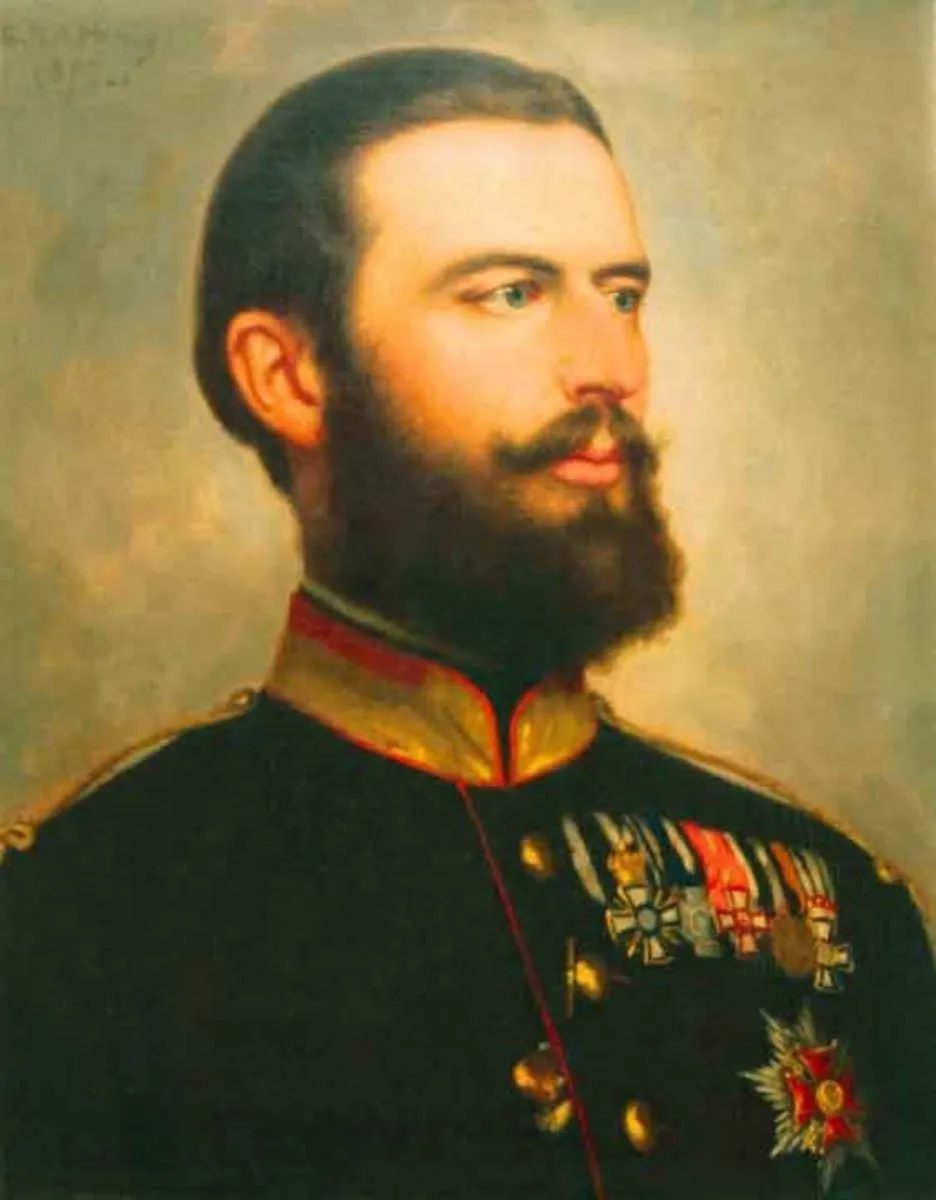
Principele Domnitor Carol I is an unspecified painting by the Impressionist artist George Peter Alexander Healy. It dates from 1873 and is held in the collection of the National Museum of Art of Romania.
About this work
Overview
George Peter Alexander Healy’s 1873 oil portrait presents a bearded man in a dark military uniform, his red collar contrasting with a muted green background. The figure’s chest is adorned with an array of medals and ribbons, indicating a distinguished rank, while his expression remains composed and unguarded.
Subject & Meaning
The sitter, identified as Prince Carol I, later the ruling Prince of Romania, is depicted in full regalia, emphasizing his military authority and emerging political stature. The calm demeanor and restrained pose convey a sense of measured leadership rather than overt triumphalism.
Technique & Style
Healy employs smooth, blended brushwork to model the facial features, achieving a subtle transition between light and shadow. The limited palette—dark uniform, red accents, and a soft green field—focuses attention on the subject’s visage, while the precise rendering of medals reflects a realist attention to detail.
History & Provenance
Completed in 1873, the portrait was likely commissioned during Carol’s early reign to affirm his legitimacy. It entered the Romanian royal collection and has remained in state holdings, serving as a visual record of the nation’s first ruler.
Context
Created at a time when European portraiture favored realistic representation of political figures, the work aligns with mid‑nineteenth‑century conventions that combined personal likeness with symbols of authority, such as military dress and honors.
Legacy
Healy’s portrait of Carol I continues to be referenced in scholarly discussions of Romanian nation‑building and the visual culture of monarchy, illustrating how portraiture functioned as both documentation and propaganda in the era.
Artist & collection


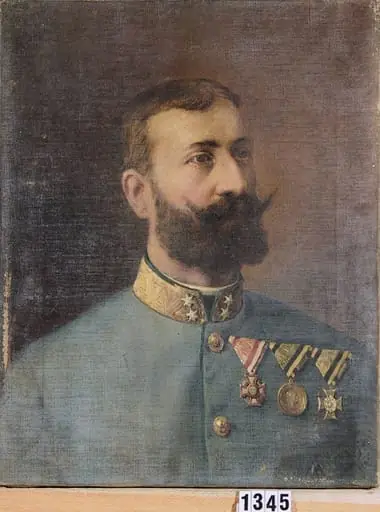 Locotenent colonel Baitz
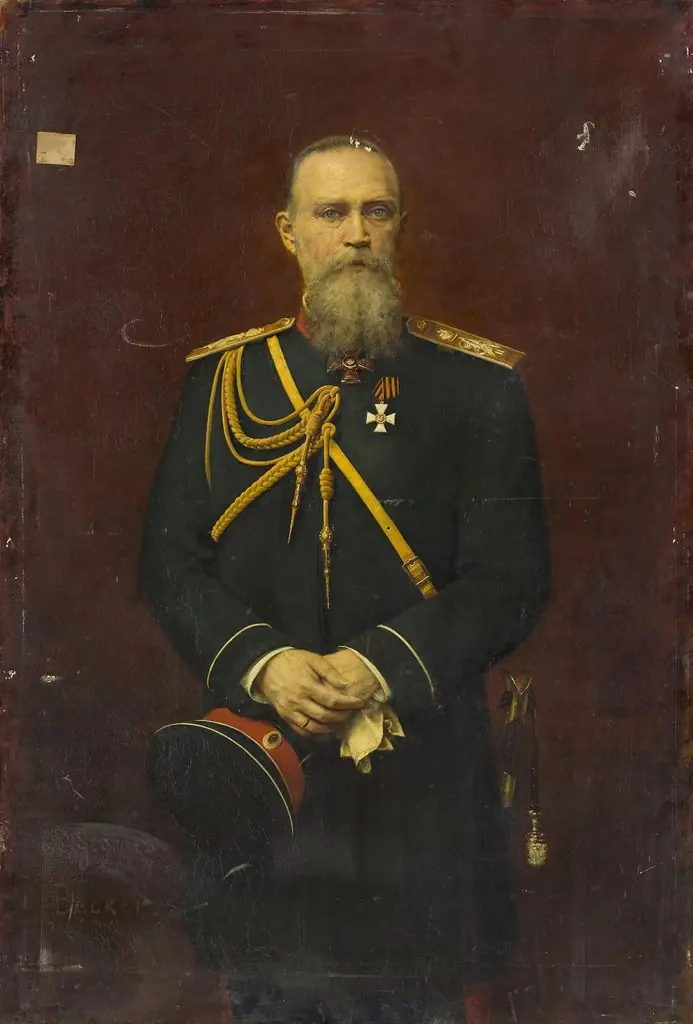 Portrait of General Mikhail Chertkov
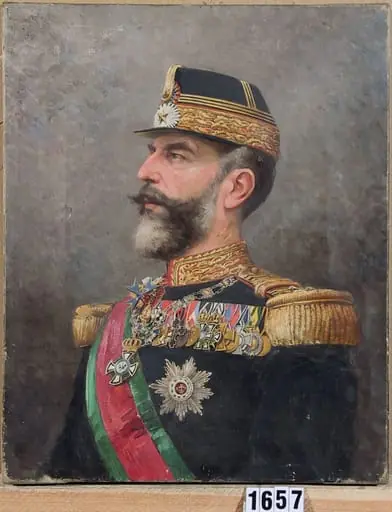 Regele Carol I
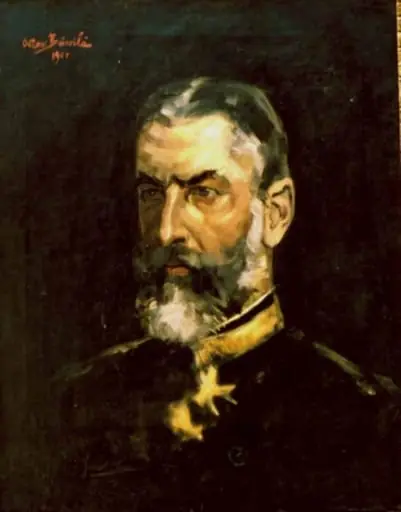 Regele Carol I
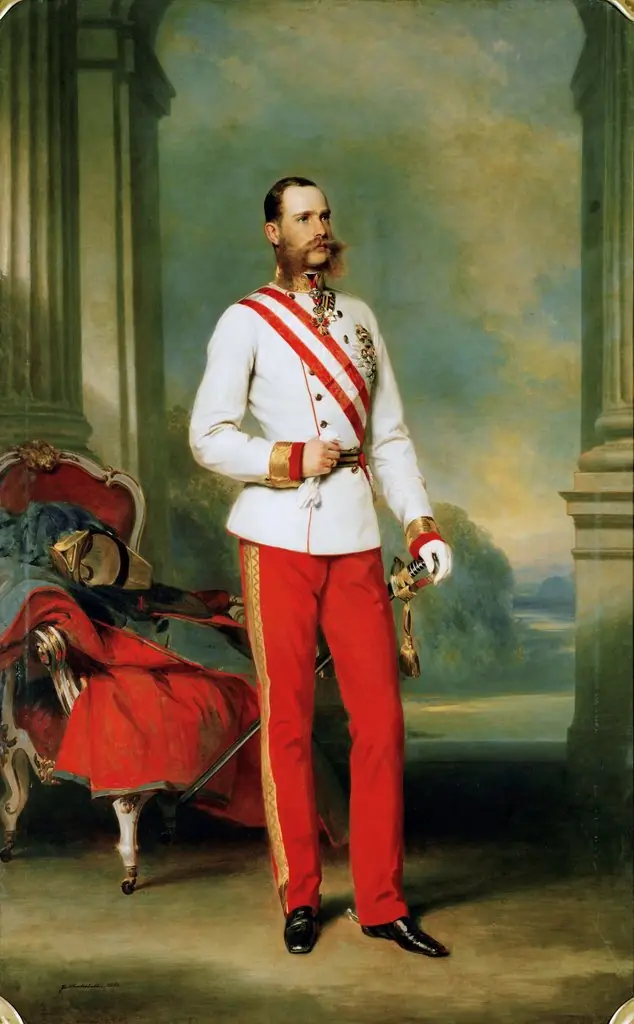 Franz Joseph I, Emperor of Austria wearing a Field Marshal uniform with the Great Star of the Military Order of Maria Theresa
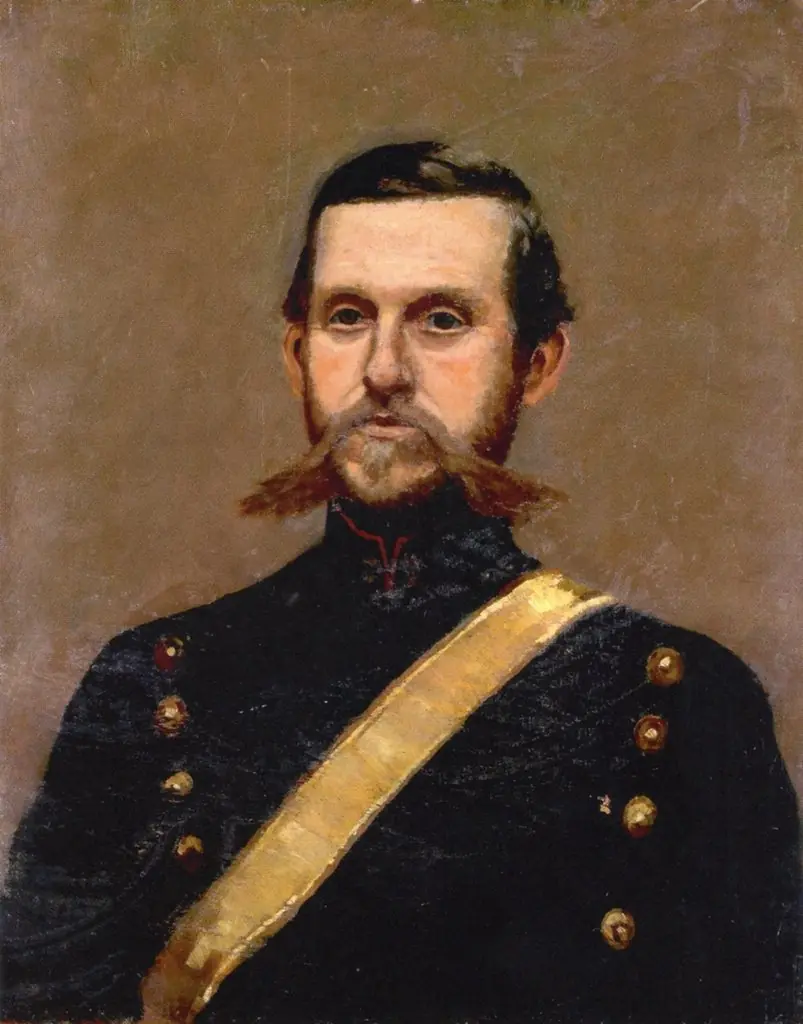 Otto Linthoe
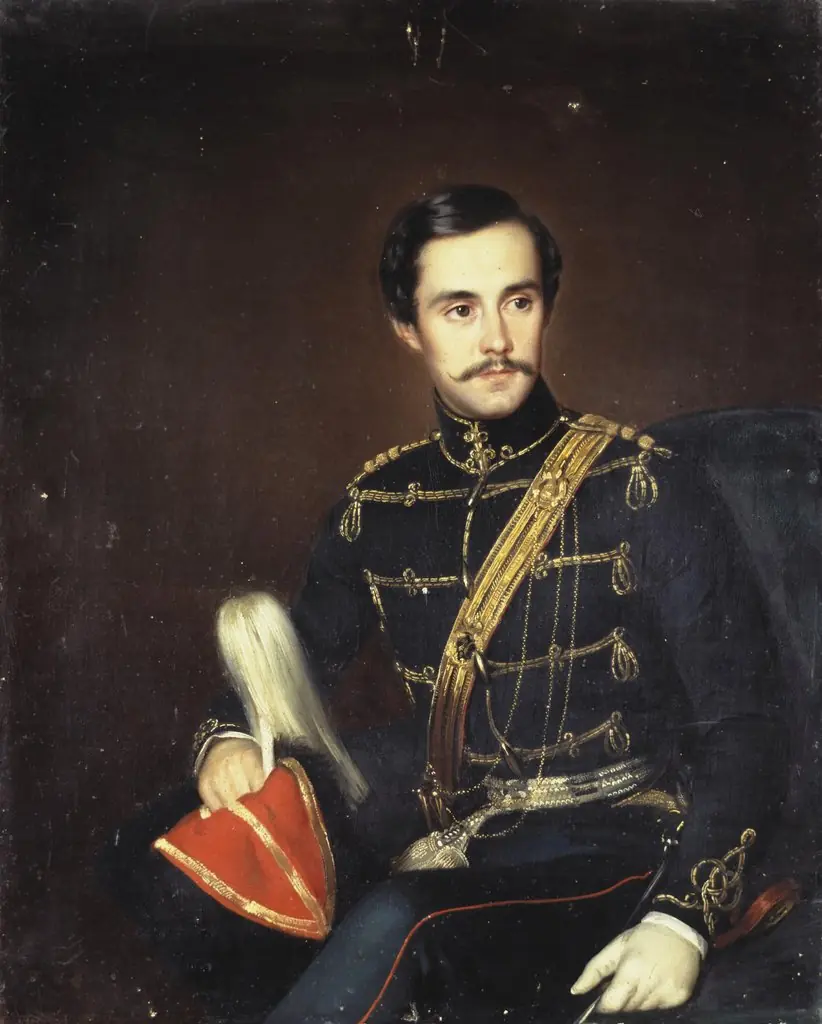 Portrait of Nikolai Monsey
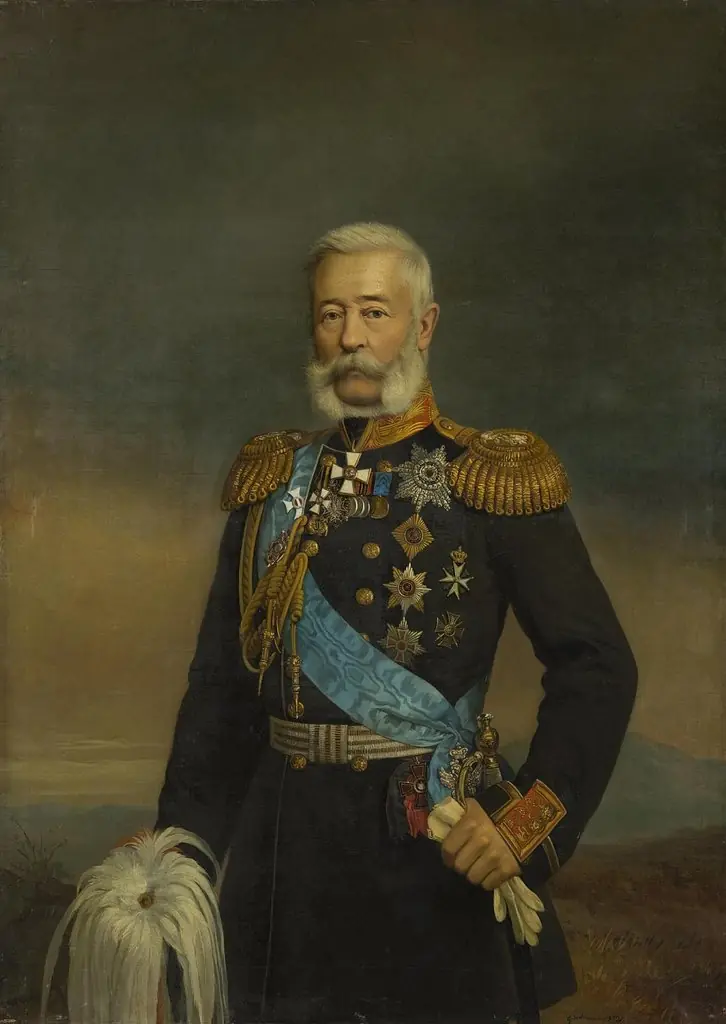 Portrait of Adjutant-General Alexander Liders
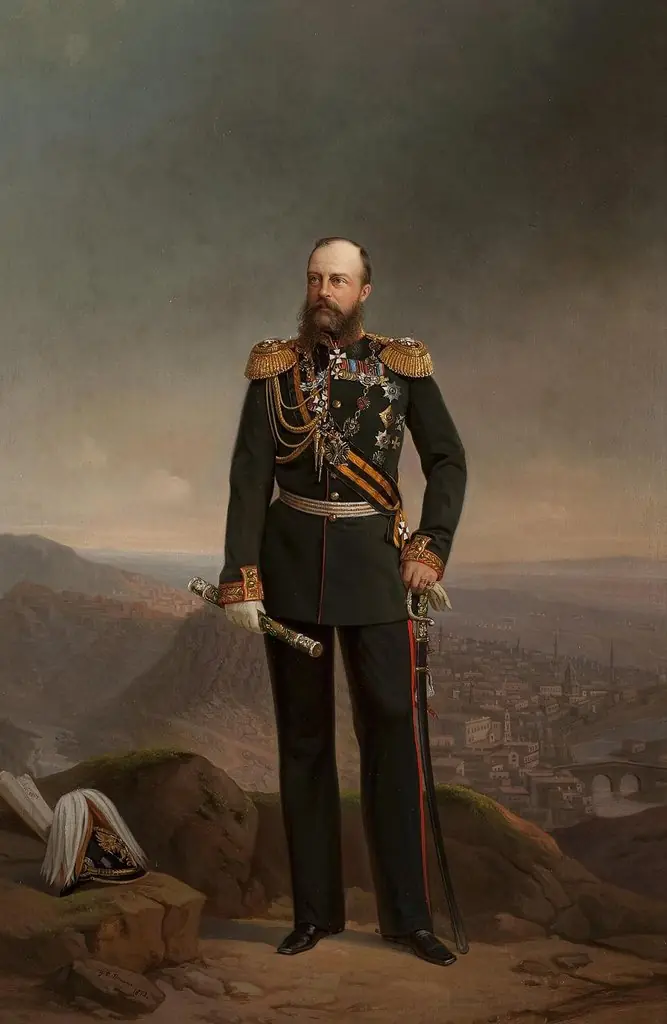 Portrait of Grand Duke Mikhail Nikolayevich
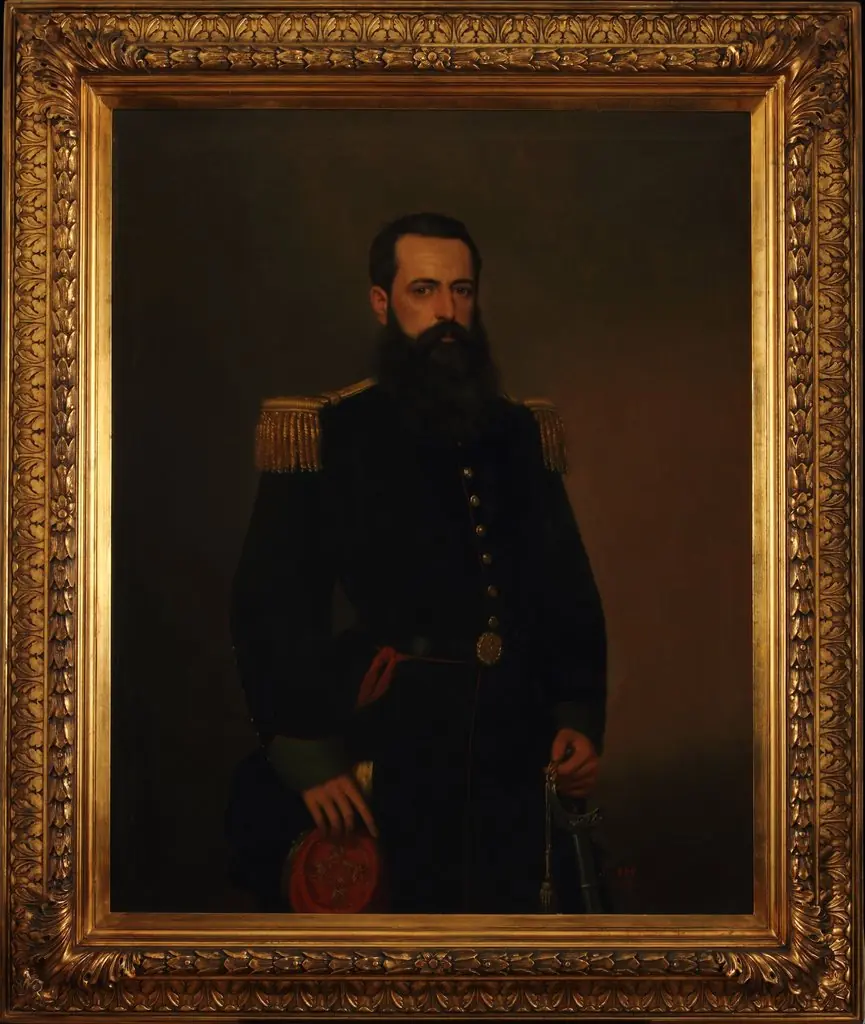 Coronel Alvaro Barros