Artwork
Principesa Elisabeta
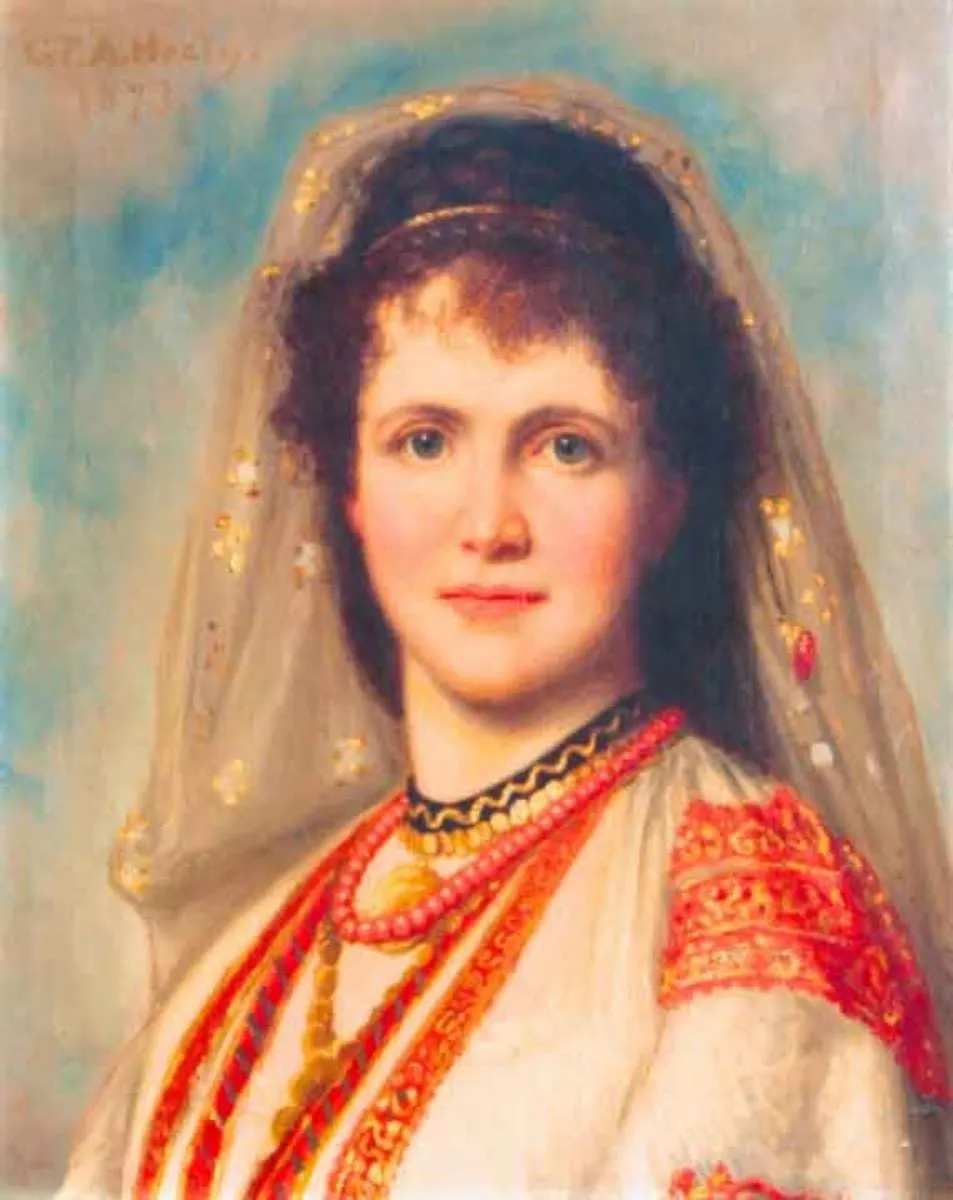
Principesa Elisabeta is an unspecified painting by the Impressionist artist George Peter Alexander Healy. It dates from 1873 and is held in the collection of the National Museum of Art of Romania.
About this work
Overview
Healy’s technique reflects his training in academic portraiture, prioritizing clarity and formal elegance over dramatic flair.
Painted in 1873 by George Peter Alexander Healy, this portrait depicts a woman identified as Princess Elisabeth. The composition centers on her poised presence, rendered with careful attention to costume and expression. The soft, muted background contrasts with the intricate details of her attire, emphasizing her dignified demeanor. Healy’s technique reflects his training in academic portraiture, prioritizing clarity and formal elegance over dramatic flair.
Subject & Meaning
The subject, Princess Elisabeth, is portrayed in traditional dress, suggesting cultural or royal identity. Her veiled head and embroidered garments indicate adherence to ceremonial or regional customs, possibly Romanian or Eastern European. Her direct gaze conveys composure and quiet authority, avoiding overt sentimentality. The portrait functions as a record of status and heritage rather than a personal revelation, aligning with 19th-century conventions of aristocratic representation.
Technique & Style
Healy employed fine brushwork to render the textile patterns of the blouse and the texture of the beaded necklace with precision. The background is softly blended in blue and white, creating a gentle atmospheric depth without distracting from the figure. Lighting is even and diffused, highlighting contours without casting strong shadows. The restrained palette and controlled handling reflect academic training, prioritizing clarity and refinement over expressive brushwork.
History & Provenance
Commissioned in 1873, the portrait was likely created during Healy’s European travels, a period when he painted numerous members of royal and noble families. Its early provenance remains undocumented, but it was acquired by a private collector in the late 19th century and later entered a public collection. No significant alterations or restorations are recorded, preserving the original surface and tonal harmony.
Context
Healy painted this work amid a wave of European portraiture that sought to document aristocratic identities through costume and demeanor. While Impressionism was emerging in France, Healy remained committed to the academic tradition, favoring detailed realism. The portrait reflects a broader 19th-century interest in cultural specificity, particularly in regions undergoing political change, such as the Romanian principalities.
Legacy
Though not widely exhibited, the portrait remains a representative example of Healy’s work in royal and aristocratic portraiture. It contributes to the historical record of Eastern European nobility during a period of national consolidation. Its preservation underscores the value placed on visual documentation of cultural identity in the late 19th century, beyond the dominant Western European narratives of the time.
Artist & collection


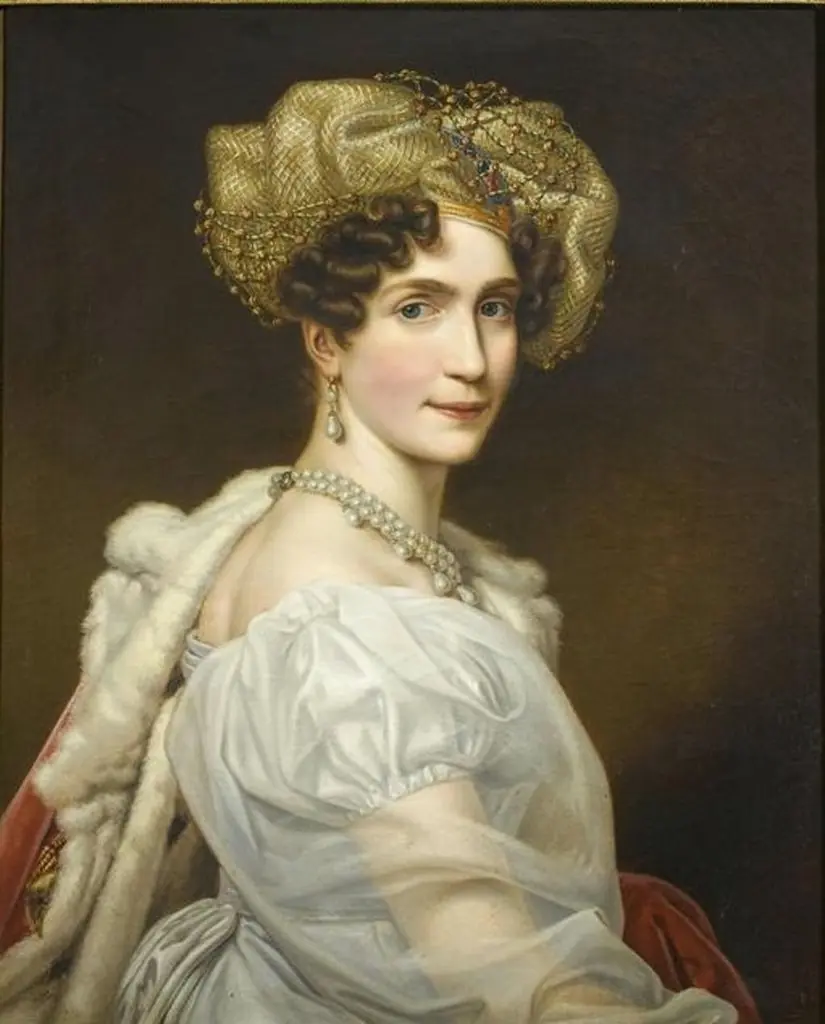 Augusta of Bavaria, Duchess of Leuchtenberg
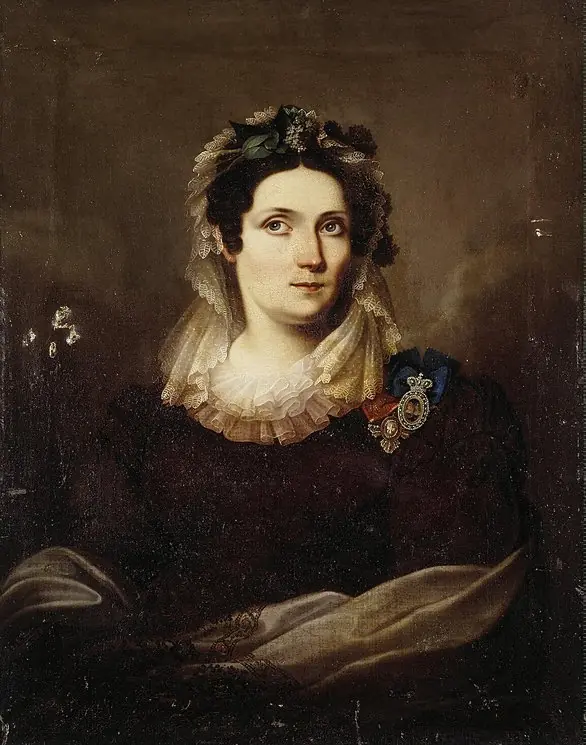 Portrait of the Dame of the Order of St. Catherine
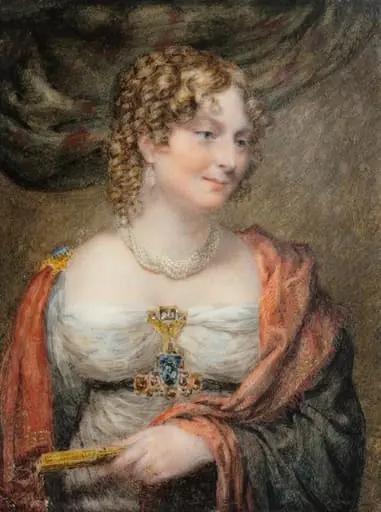 Portrait of Anne Law (née Towry), 1st Lady Ellenborough
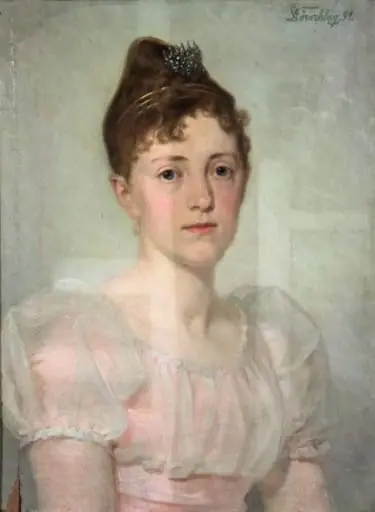 Tinera Anna Dorschlag
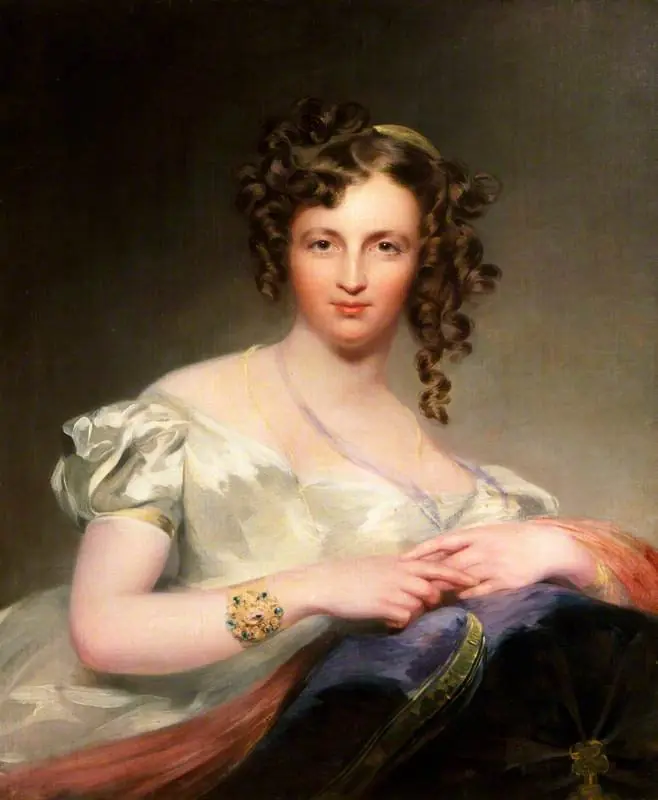 Portrait of a Young Lady
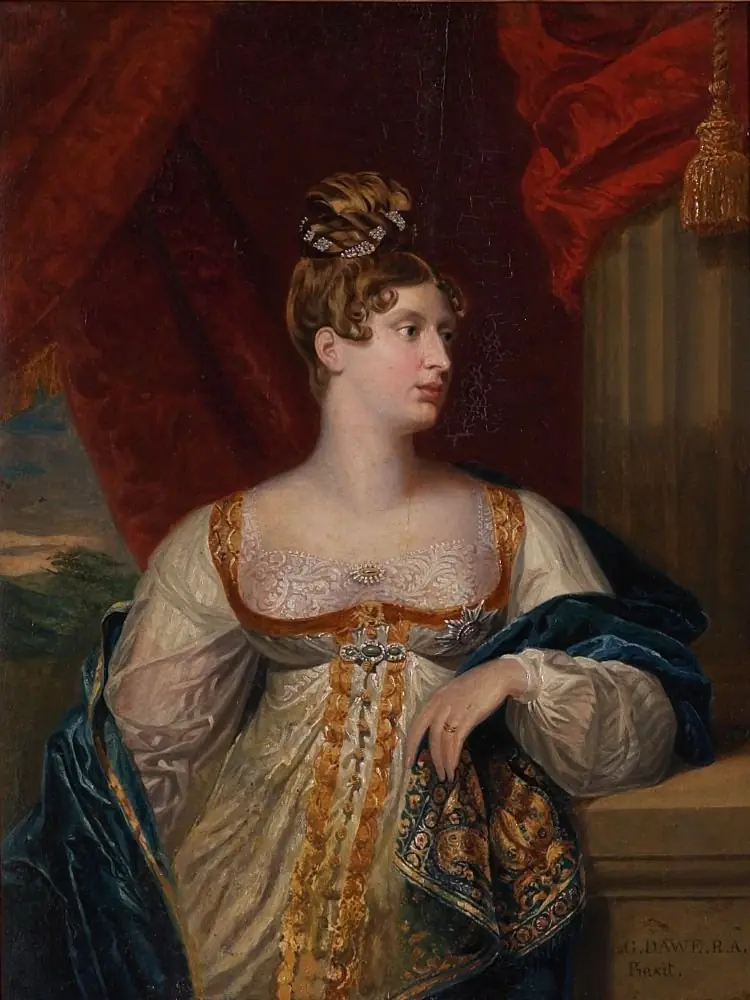 Portrait of Princess Charlotte of Wales
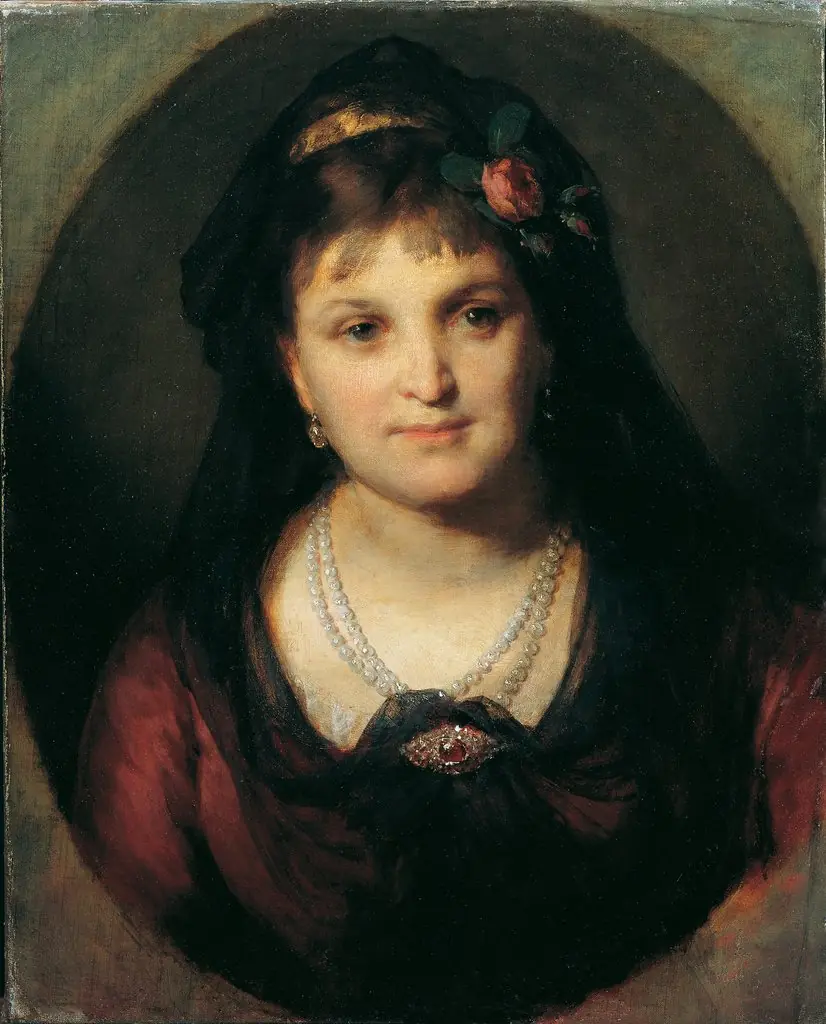 Rosalia Hermann
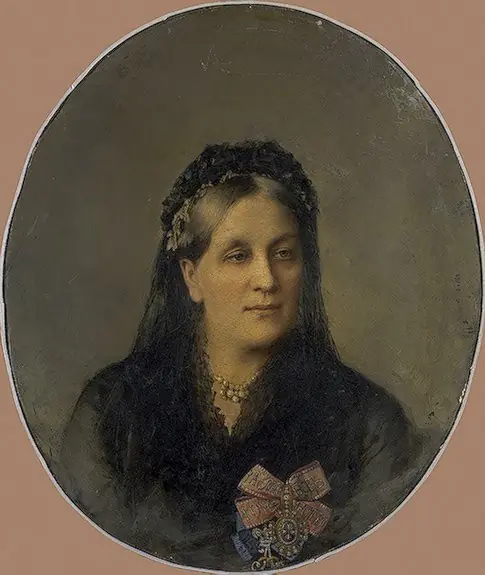 Portrait of Princess M. Dolgorukaya
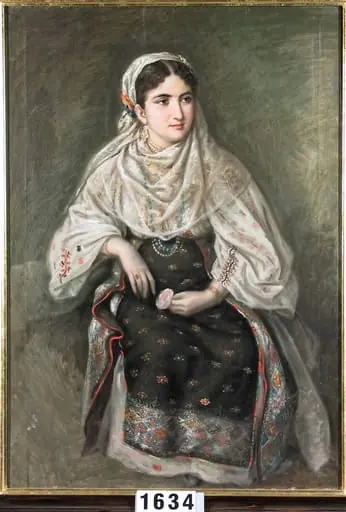 Portret de femeie din Câmpulung (Doamna Georgescu)
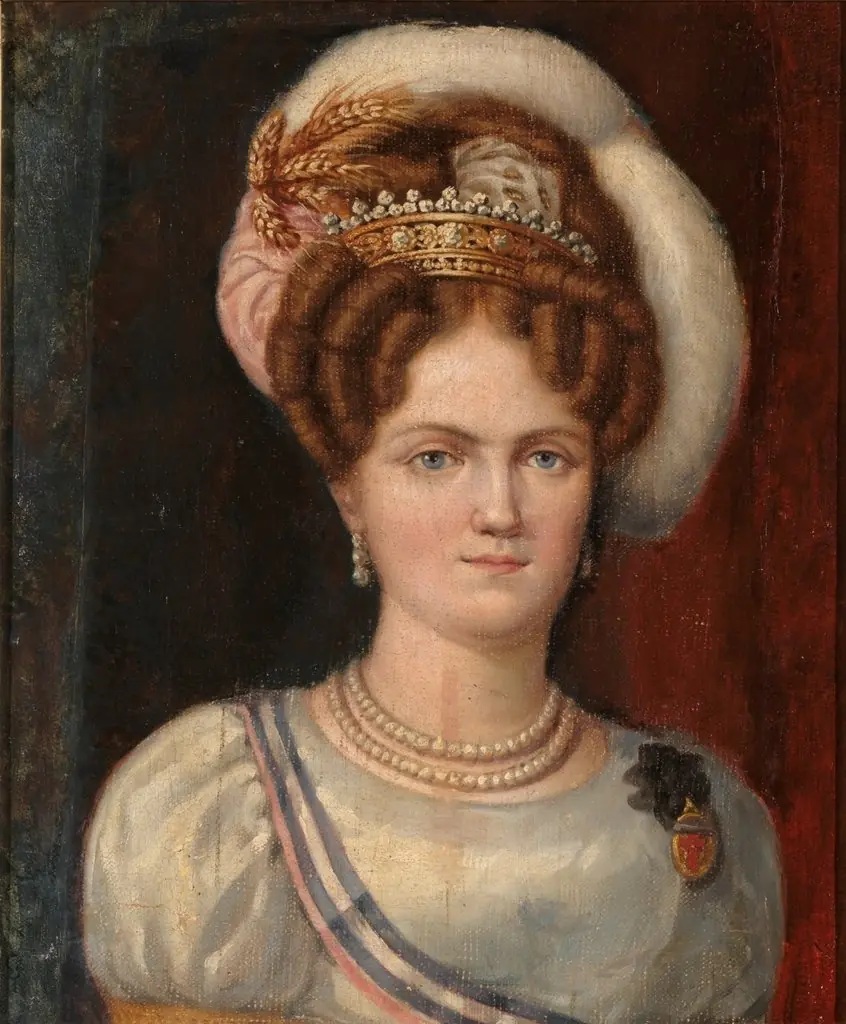 Maria Amalia of Saxony, Queen of Spain
 Portrait of Empress Alexandra Feodorovna
 Portretul Alexandrinei Assan