Artwork
Otto Linthoe
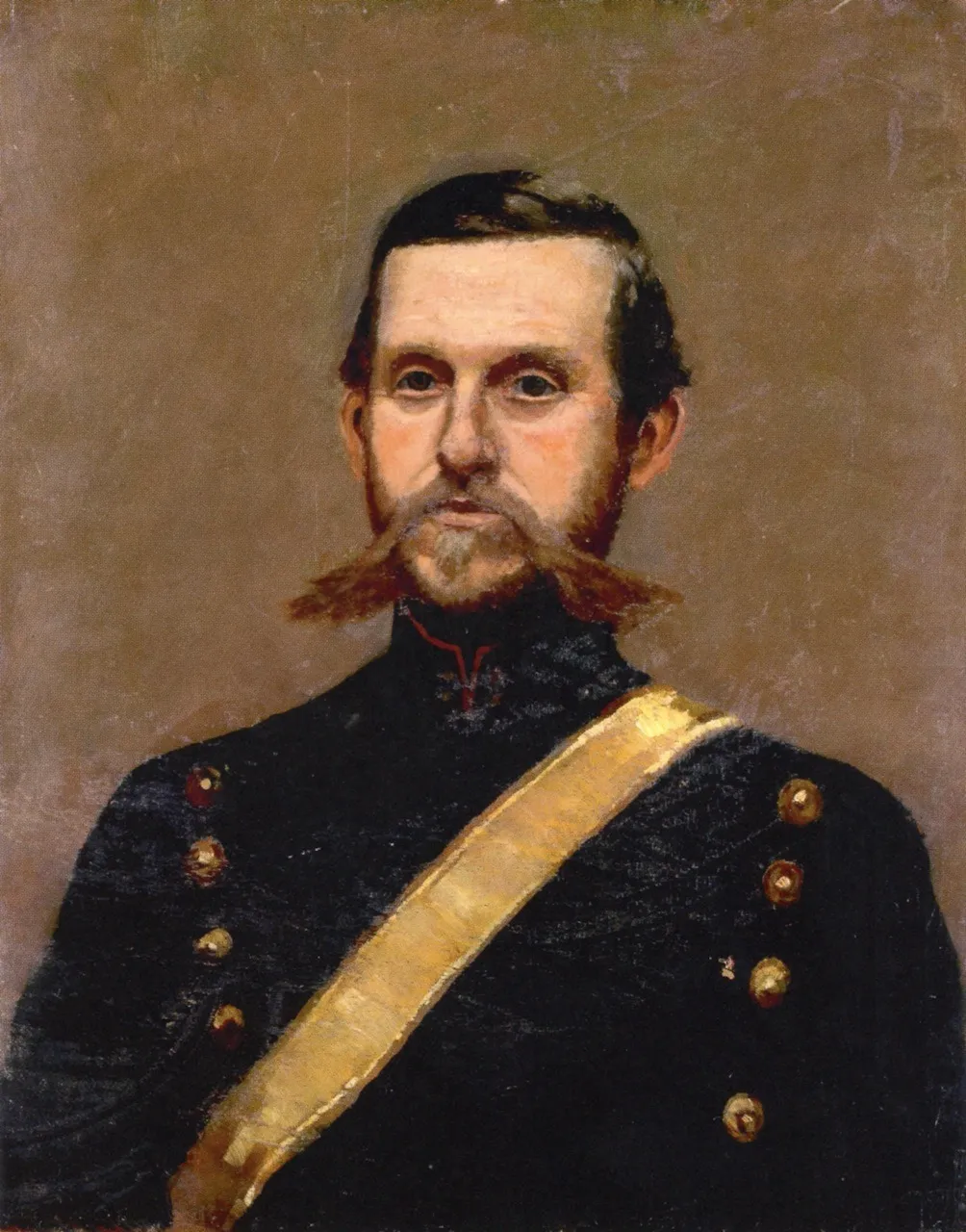
Otto Linthoe is an oil painting by the Post-Impressionist artist Edvard Munch. It dates from 1892 and is held in the collection of the Munch Museum.
About this work
Overview
Painted in 1892 by Edvard Munch, *Otto Linthoe* is an oil portrait of a man dressed in a formal military uniform.
Painted in 1892 by Edvard Munch, *Otto Linthoe* is an oil portrait of a man dressed in a formal military uniform. The work reflects Munch’s interest in psychological depth over physical realism, emerging from his time at the Royal School of Art and Design in Kristiania and his engagement with radical intellectual circles. Its restrained palette and intense gaze anchor the figure in a mood of quiet solemnity.
Subject & Meaning
The subject, Otto Linthoe, is rendered with a stern, frontal gaze that confronts the viewer directly. His military attire—dark fabric with gold trim, a sash, and precise buttons—suggests authority or institutional role. Munch does not idealize the figure; instead, the portrait conveys emotional weight, possibly reflecting broader anxieties about duty, identity, or the psychological burden of social roles in late 19th-century Norway.
Technique & Style
Munch employs chiaroscuro to model the figure against a muted brown background, using sharp contrasts between shadow and light to define form and evoke tension. Brushwork is deliberate but not overly refined, favoring expressive texture over smooth finish. The limited color range—dominated by darks with minimal highlights—enhances the painting’s introspective tone, aligning with post-impressionist tendencies toward emotional resonance over naturalism.
History & Provenance
Created during a period of intense personal and artistic development for Munch, the portrait entered the collection of the Munch Museum in Oslo, where it remains today. While little is documented about Linthoe’s identity beyond his name, the painting’s preservation within Munch’s own archive suggests personal or thematic significance to the artist, possibly tied to his broader exploration of human presence and inner life.
Context
In the early 1890s, Munch was deeply influenced by the existential writings of Hans Jæger and the broader Nordic nihilist movement, which questioned societal norms and emphasized inner turmoil. This portrait aligns with his shift away from academic conventions toward art that prioritized psychological states. The formal uniform, rendered without heroism, reflects a cultural moment where authority figures were being re-examined through a lens of psychological realism.
Legacy
Though less widely known than Munch’s *The Scream*, *Otto Linthoe* exemplifies his early commitment to portraying emotional truth through controlled, somber imagery. It contributes to a body of work that redefined portraiture in modern art—not as a record of status, but as a window into the psyche. The painting remains a quiet but potent example of how personal and cultural anxieties were visualized in late 19th-century Scandinavian art.
Artist & collection
Artist
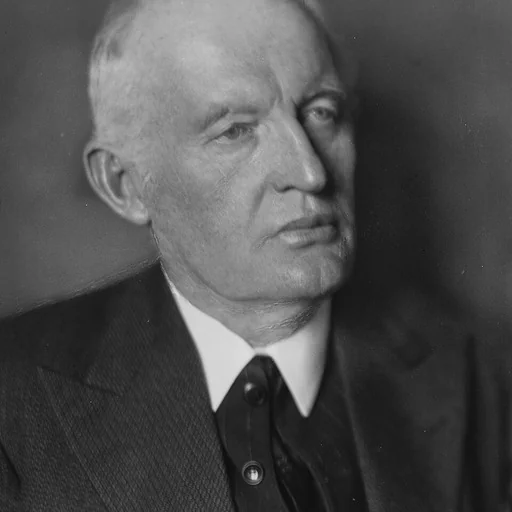
Edvard Munch ( MUUNK; Norwegian: ; 12 December 1863 – 23 January 1944) was a Norwegian painter.

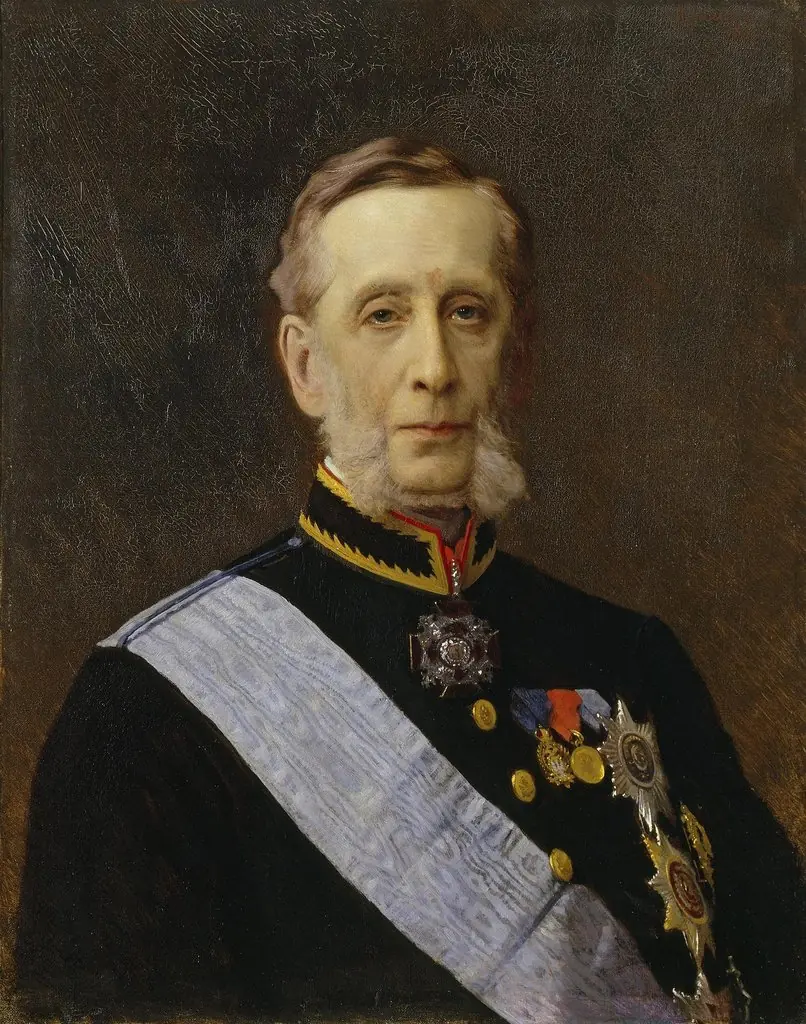 Portrait of Count Piotr Valuyev
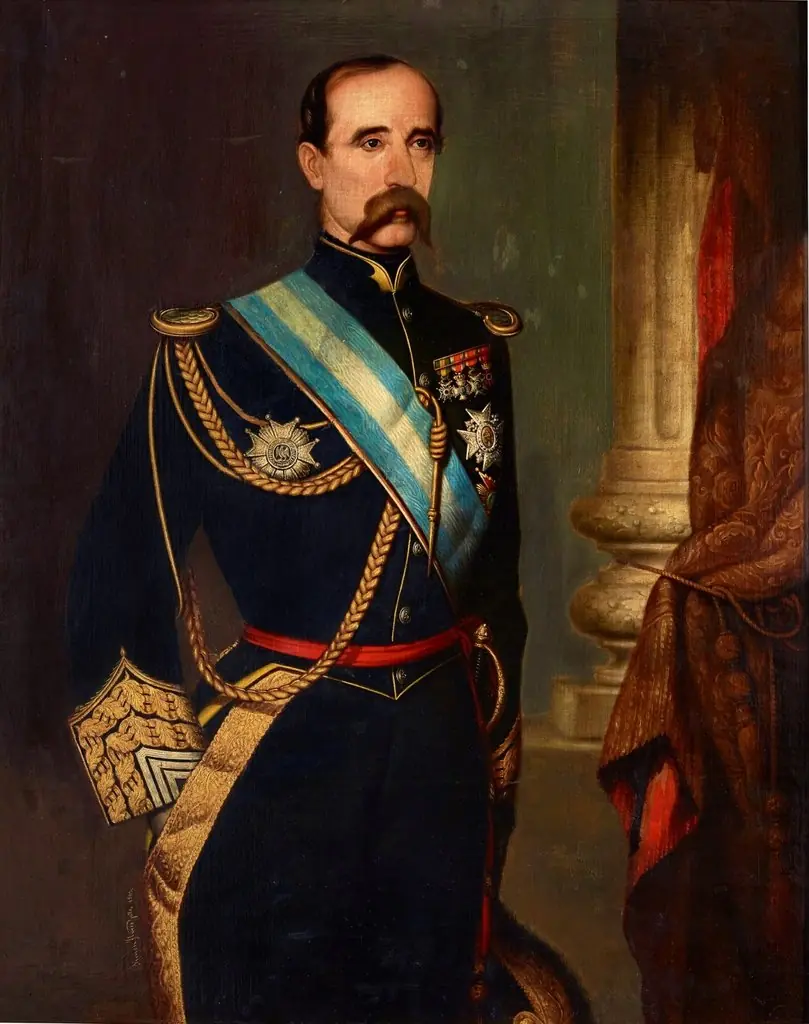 José Lemery e Ibarrola Ney y González
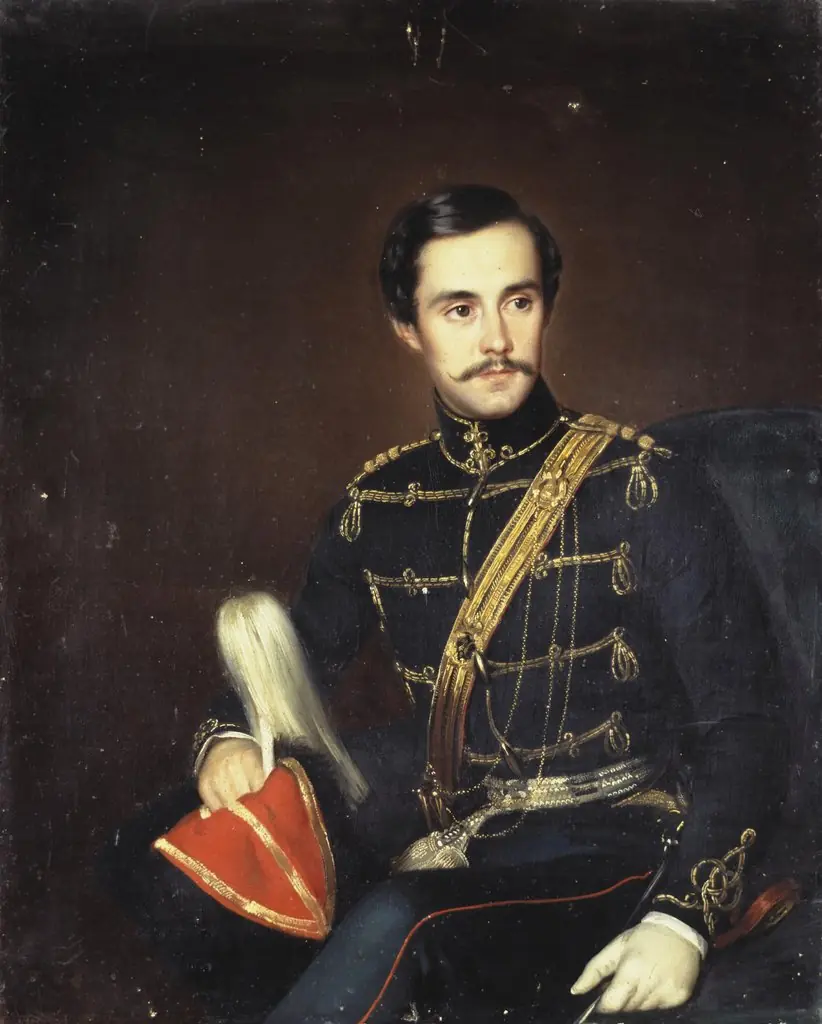 Portrait of Nikolai Monsey
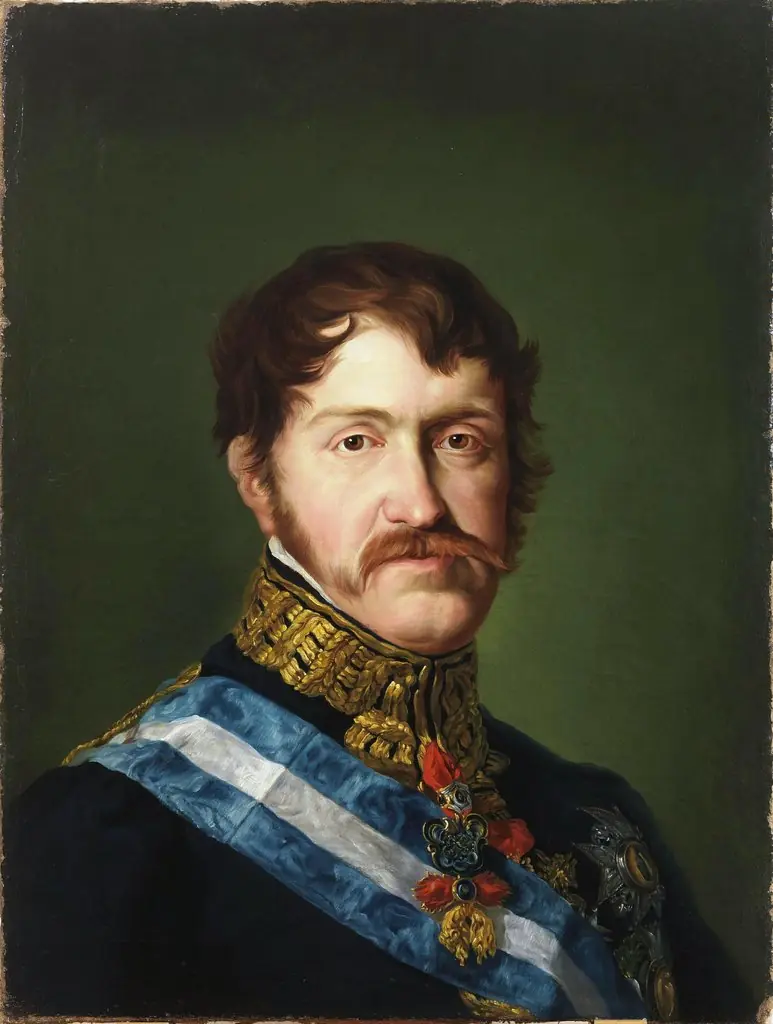 El infante Carlos María Isidro de Borbón
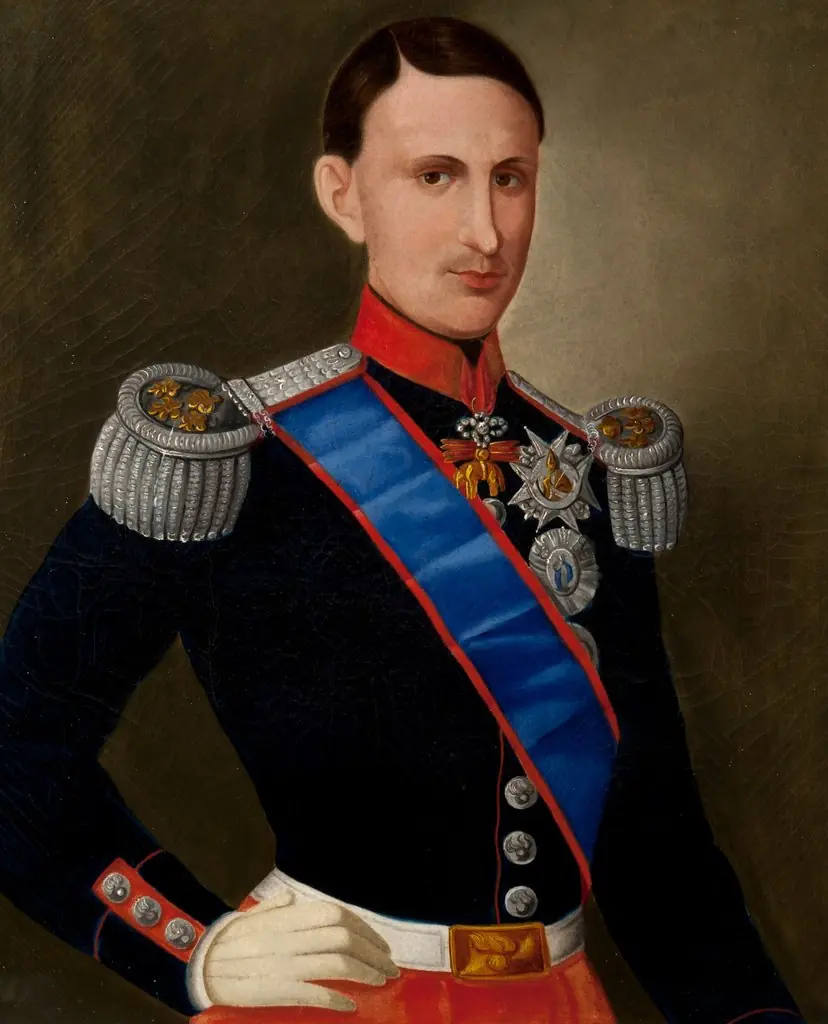 Ritratto di Francesco II di Borbone
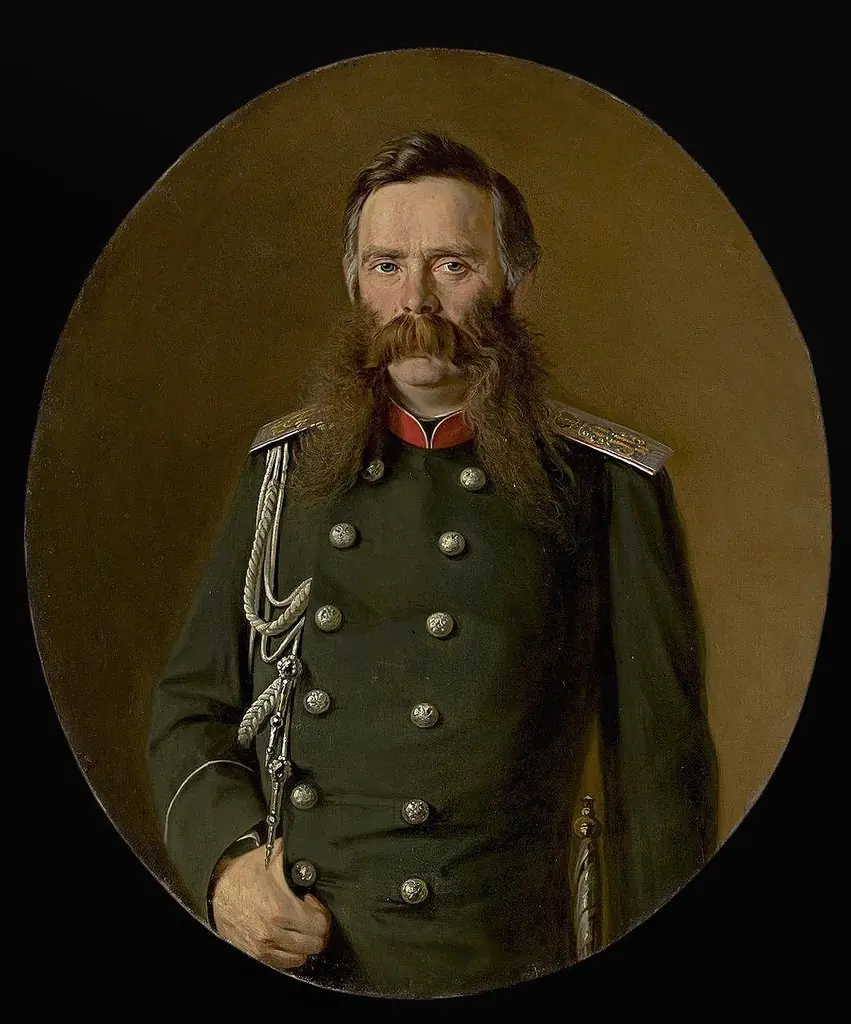 Portrait of Adjutant-General Count Alexei Bobrinskiy
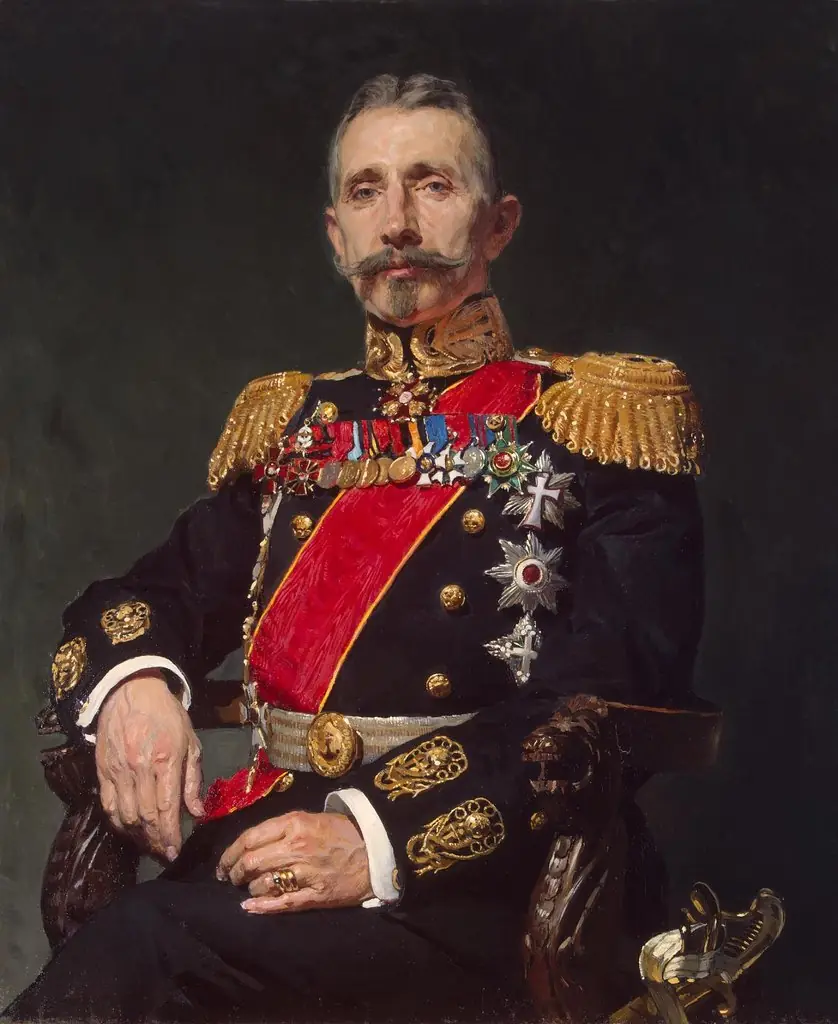 Portrait of Admiral A. I. Rusin
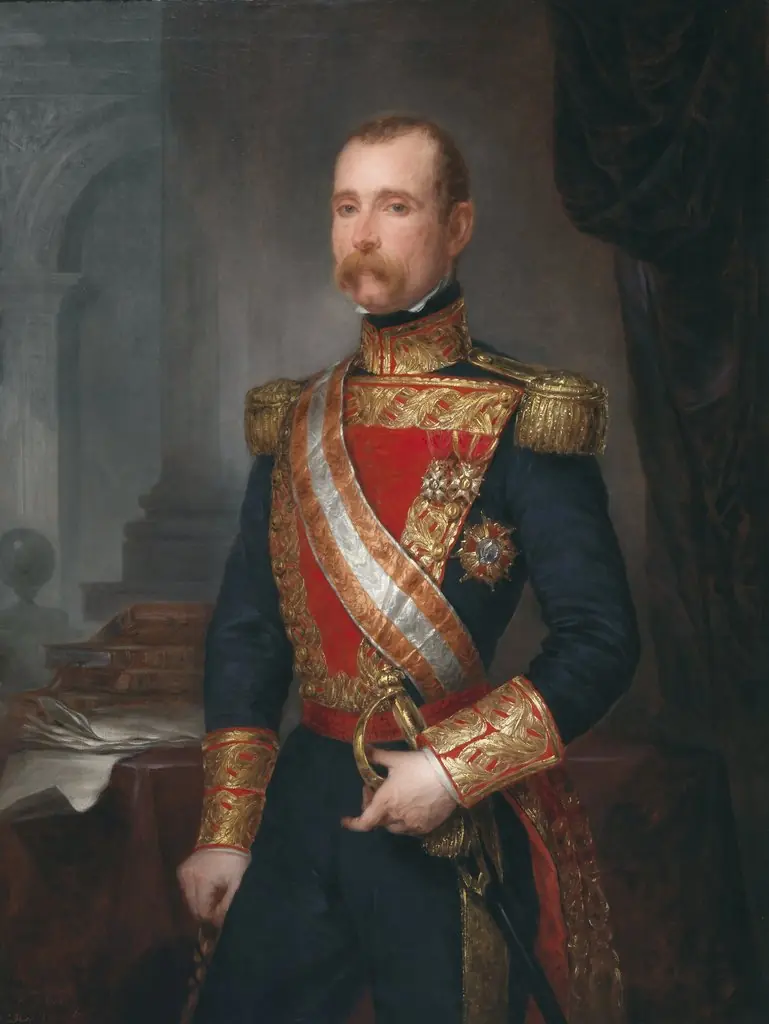 Antonio Ros Olano ministro de Comercio Instrucción y Obras Públicas
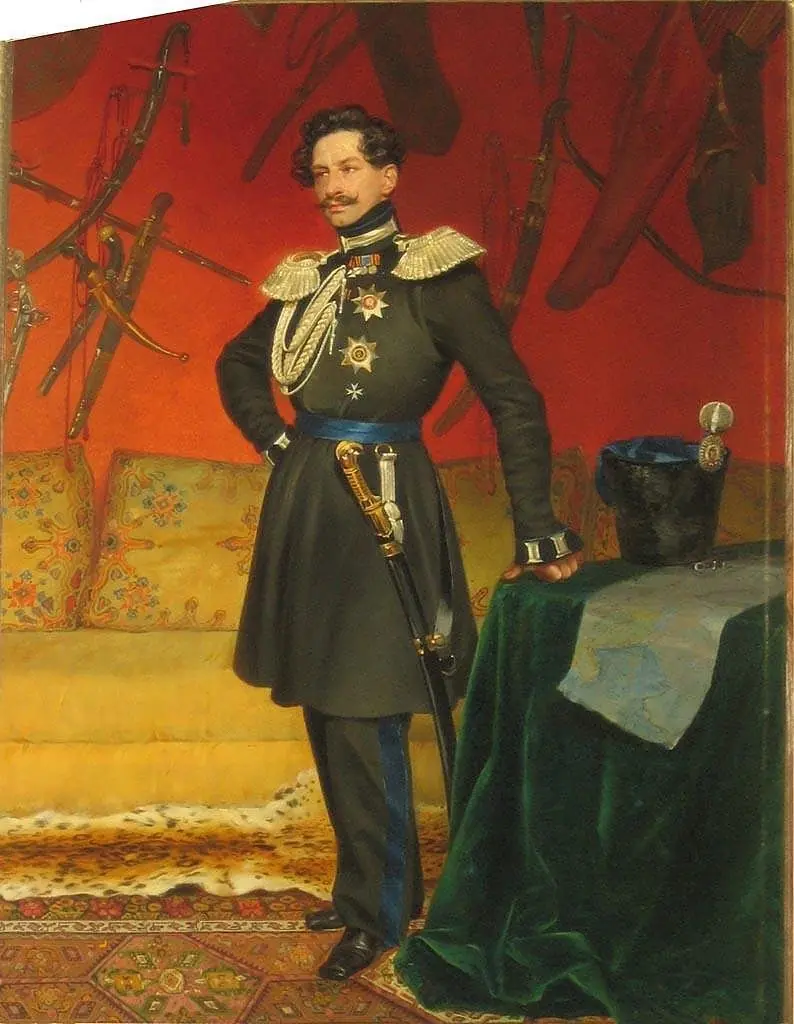 Portrait of General Count V.А.Perovsky
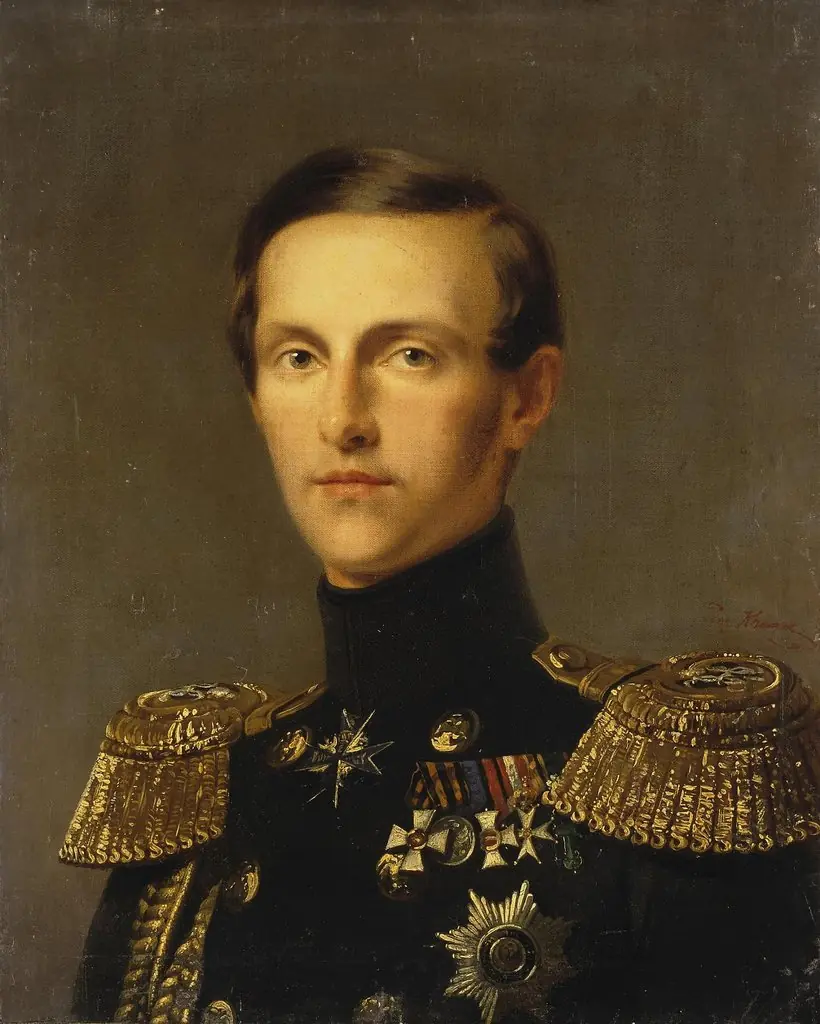 Portrait of Grand Duke Konstantin Nikolayevich
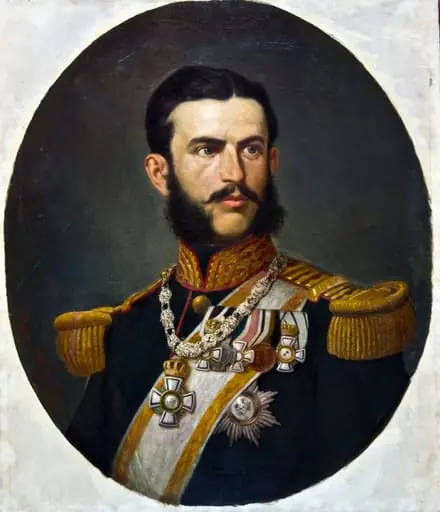 Domnitorul Carol I
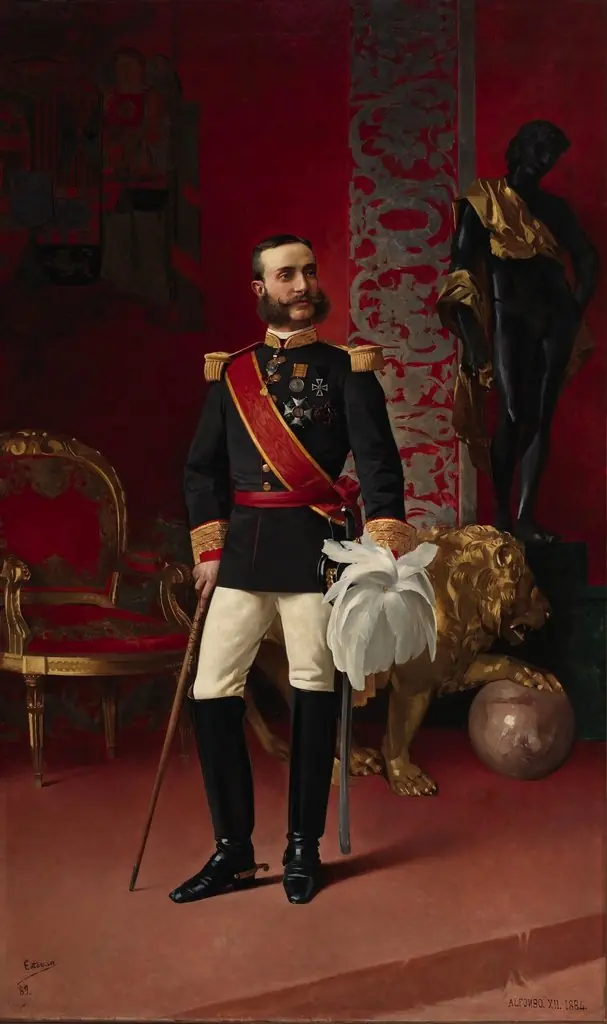 Alfonso XII