Artwork
H Beard Print Collection
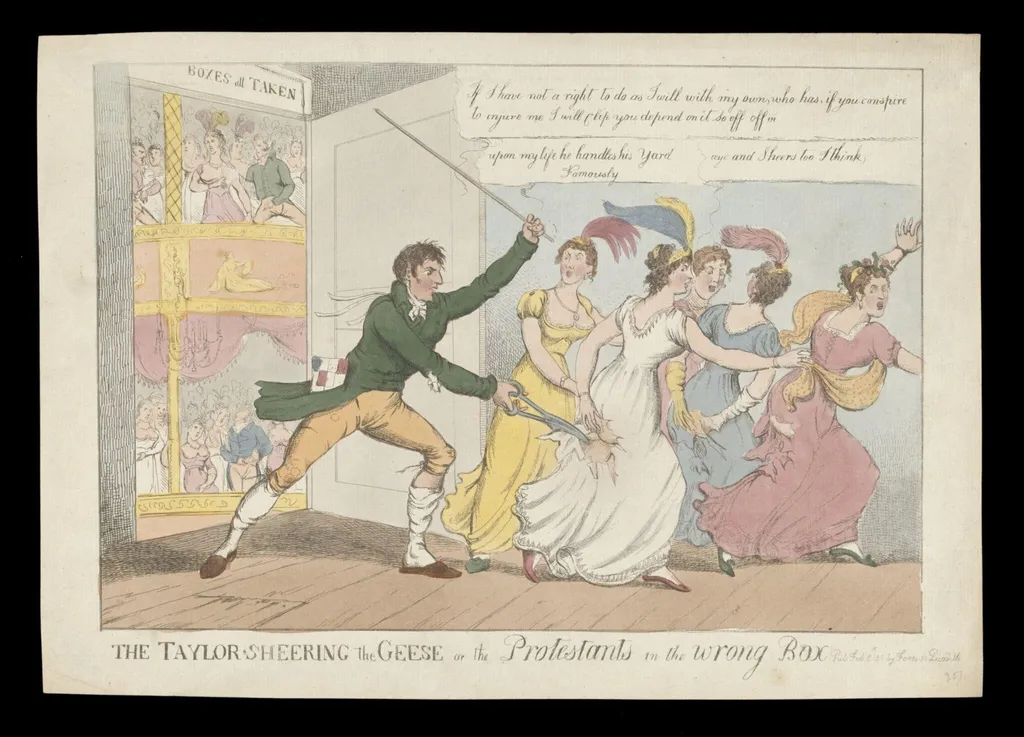
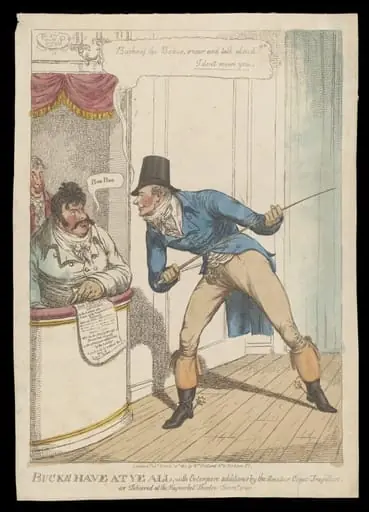
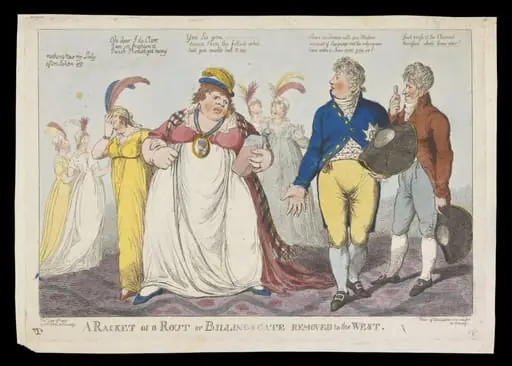
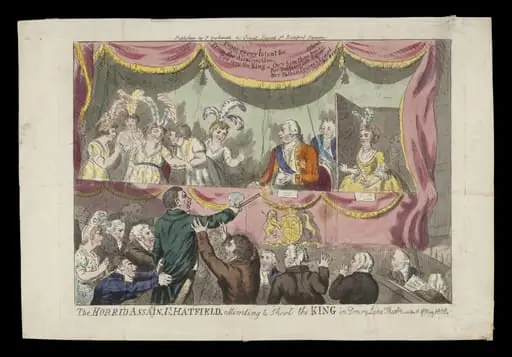
H Beard Print Collection is a print by the Romanticist artist W. Heath. It dates from 8 and is held in the collection of the Victoria and Albert Museum. This 1811 satirical print, published by Fores in London, depicts a chaotic moment at the King’s Theatre.
About this work
This print shows a crowded London theater scene from 1811. It’s a sharp satire—William Taylor, the theater manager, looks ridiculous while others react. Heath used Romanticism’s dramatic flair to mock real people.
The scene pokes fun at power and public opinion. Taylor’s downfall was big news back then.
Check out the Victoria and Albert Museum for more prints like this.
Overview
The work belongs to a broader tradition of British graphic satire that used visual humor to comment on contemporary figures and institutions.
This 1811 satirical print, published by Fores in London, depicts a chaotic moment at the King’s Theatre. It centers on William Taylor, the recently dismissed manager, portrayed in a comically diminished light. The scene captures public reaction to his downfall, blending theatrical spectacle with political ridicule. The work belongs to a broader tradition of British graphic satire that used visual humor to comment on contemporary figures and institutions.
Subject & Meaning
The print targets William Taylor’s mismanagement of the King’s Theatre, which led to public outcry and his removal. By placing him in a disheveled, isolated position amid a crowd of reacting spectators, the image frames his fall as both personal and symbolic. The title’s reference to 'Protestants in the wrong box' alludes to religious and class tensions, suggesting his failure was not merely professional but moral in the eyes of the public.
Technique & Style
Executed in the manner of Romantic-era caricature, the print employs exaggerated gestures, dramatic lighting, and dense composition to heighten emotional impact. Details like facial expressions and costume are rendered with precision to convey character and social standing. The artist, likely Heath, uses theatrical staging to amplify the absurdity of the scene, turning real-life scandal into a visually arresting critique.
History & Provenance
Created shortly after Taylor’s dismissal in 1811, the print was part of a wave of published satires responding to his controversial tenure. Published by Fores, a prominent London print dealer known for political caricatures, it circulated widely among urban audiences. Copies survive in major collections, including the Victoria and Albert Museum, where it is held as an example of Regency-era social commentary.
Context
In early 19th-century London, theater management was a public affair, and failures were met with fierce scrutiny. The King’s Theatre, a hub for opera and elite culture, was especially sensitive to scandal. Taylor’s missteps—financial and artistic—became fodder for the press and printmakers. This print reflects a culture in which visual satire served as a form of civic accountability, bridging entertainment and political discourse.
Legacy
The print endures as a document of how public opinion was shaped through visual media in the pre-photographic era. It exemplifies the power of caricature to influence perception and memorialize transient figures. While Taylor faded from public memory, such prints preserved the cultural moment of his downfall, offering later generations insight into the dynamics of fame, failure, and public judgment in Regency England.
Artist & collection
Artist
This British printmaker turned the early 1800s into vivid snapshots with sharp lines and everyday scenes.