Artwork
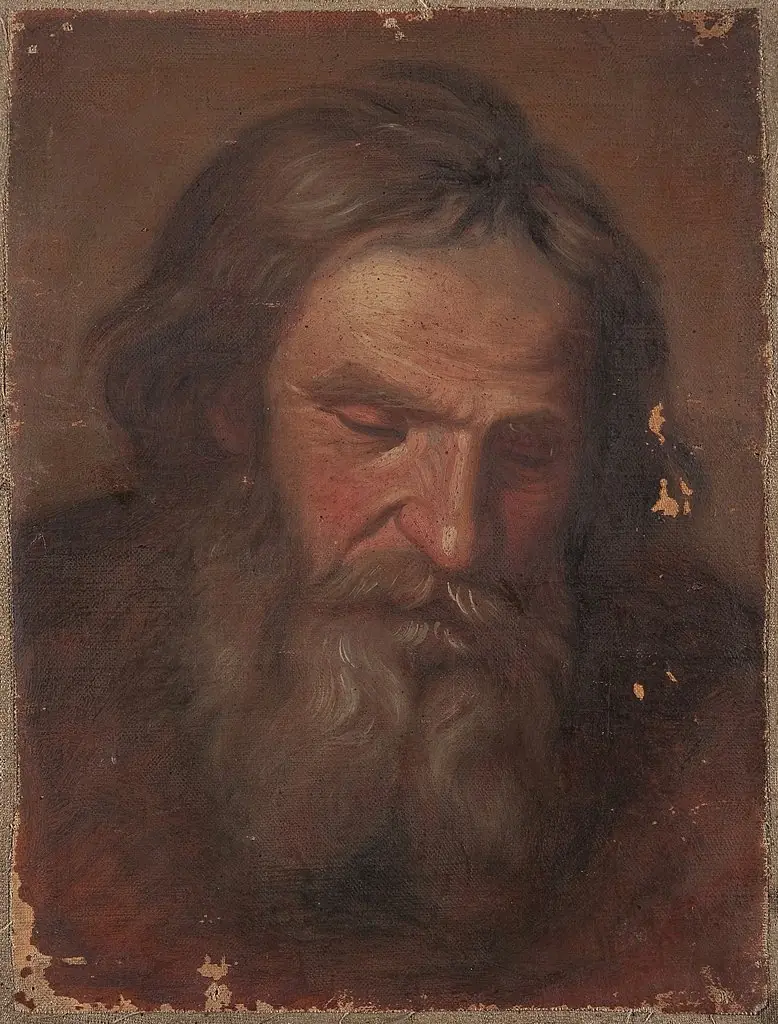
Capul lui Hristos
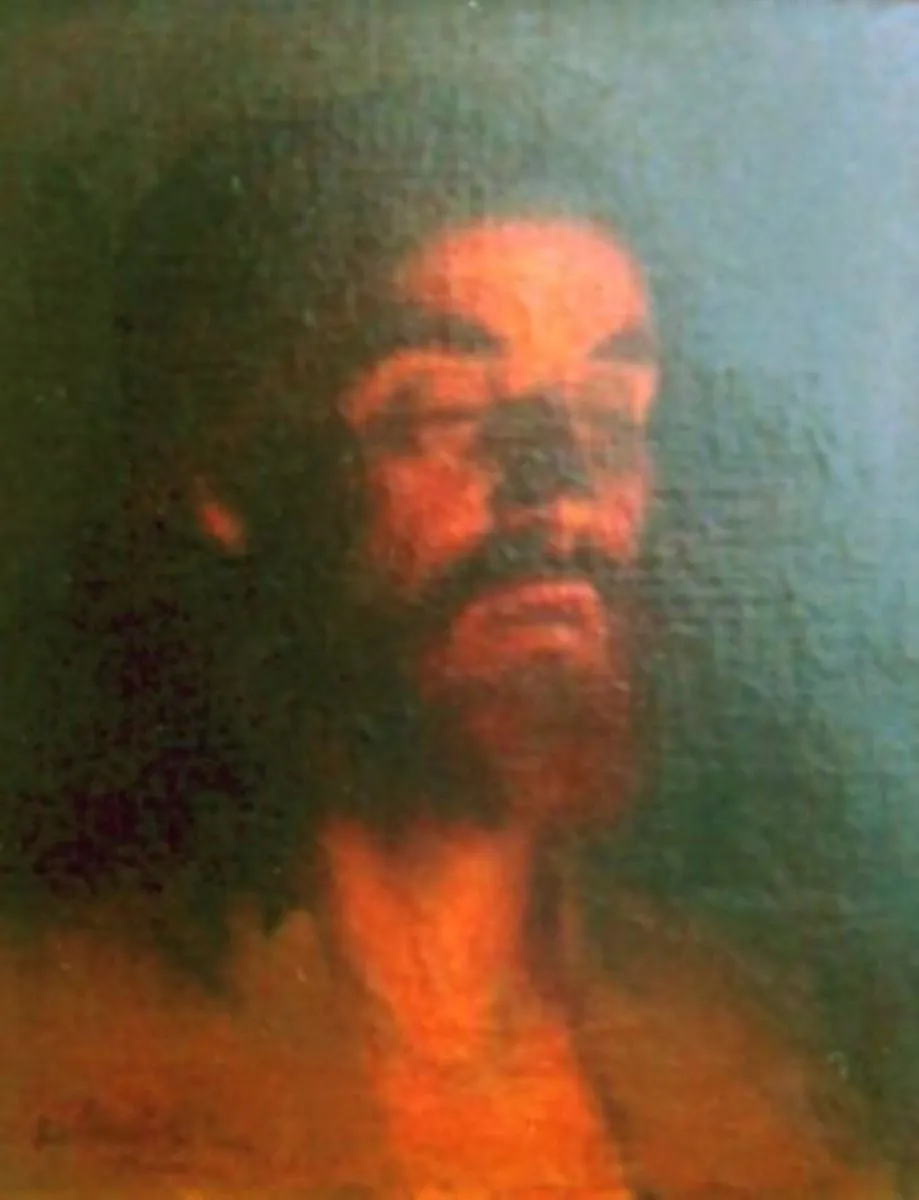
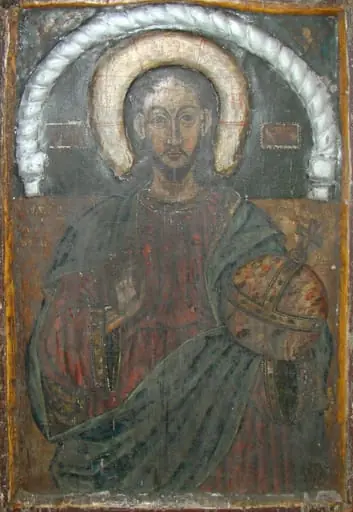
Capul lui Hristos is an unspecified painting by the Byzantine icon painting artist László Hegedüs. It dates from 1905 and is held in the collection of the Mureș County Museum - Art Museum.
About this work
Overview
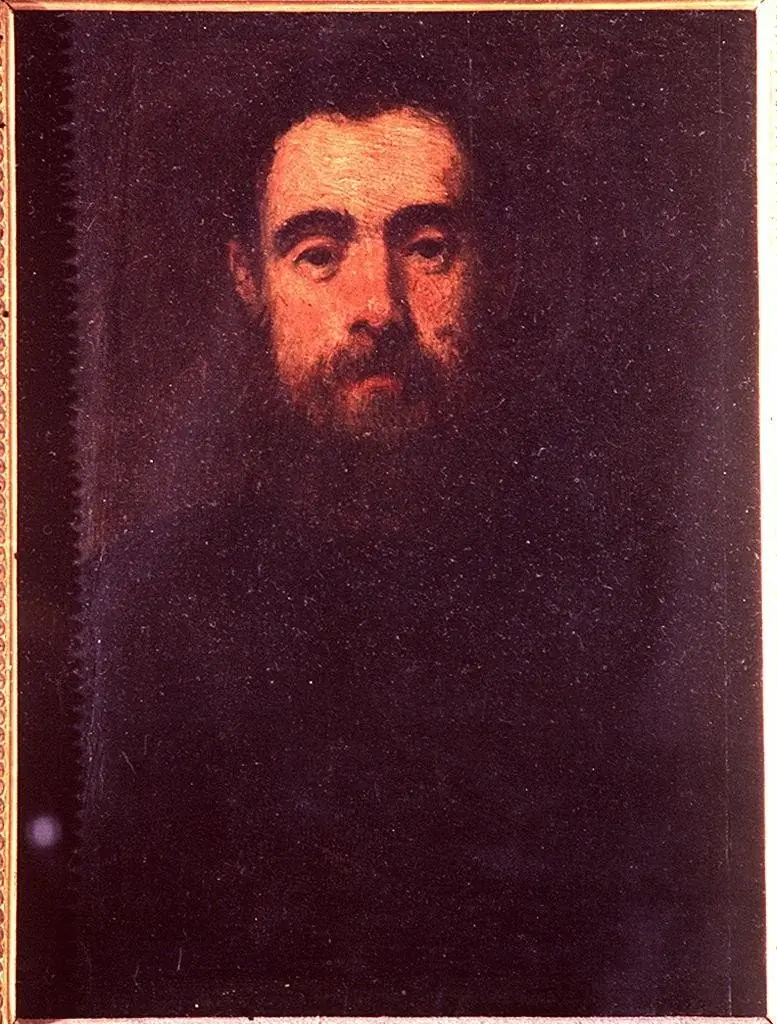
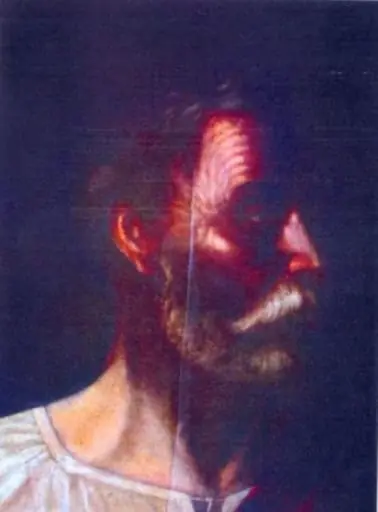
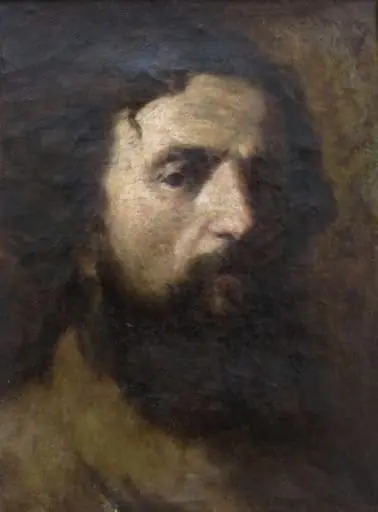
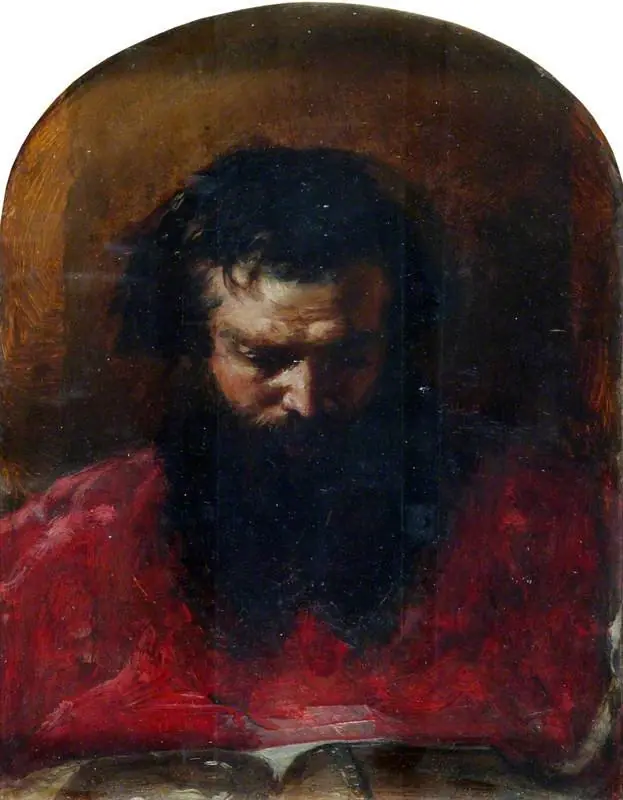
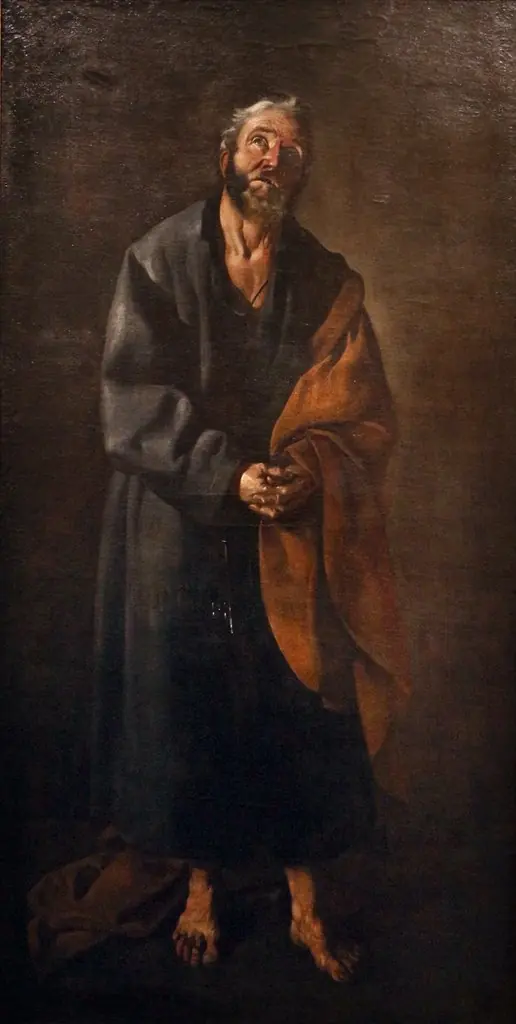
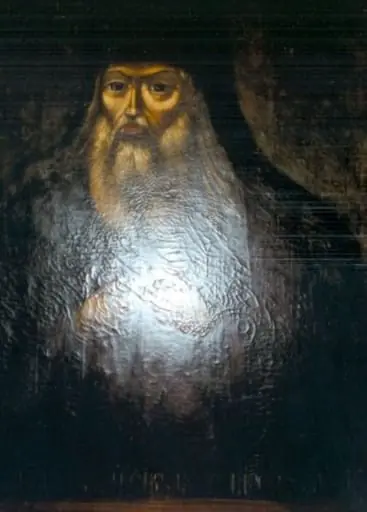
Created in 1905 by Hungarian painter László Hegedüs, “Capul lui Hristos” is an oil work that forms part of the collection of the Museum of Ethnography. The piece presents a close‑up portrait of a bearded man, rendered in a restrained palette of dark tones with selective illumination from the right.
Subject & Meaning
The figure’s solemn expression and forward gaze suggest a contemplative or devotional mood, consistent with the title’s reference to the head of Christ. The subdued lighting and muted colors reinforce a sense of introspection rather than narrative action.
Technique & Style
Hegedüs employs a loose, slightly blurred handling of paint, allowing forms to emerge from softened edges. The contrast between the dark background and the lighter modeling of the face and clothing creates a modest chiaroscuro effect, typical of early twentieth‑century portraiture in Central Europe.
History & Provenance
Since its creation, the painting has remained within public holdings, eventually entering the Museum of Ethnography’s inventory. No record of private ownership or sales has been documented, indicating a relatively stable institutional provenance.
Context
The work dates from a period when Hungarian artists were engaging with both national themes and broader European trends. Hegedüs’s focus on a singular, introspective figure aligns with contemporary explorations of identity and spirituality in portraiture.
Artist & collection
Artist
László Hegedüs painted quiet, unhurried scenes rooted in local life. In 1905 he completed *Capul lui Hristos*, a single canvas that keeps its mood without fanfare. Without movement labels or contemporaries on record,…