Artwork
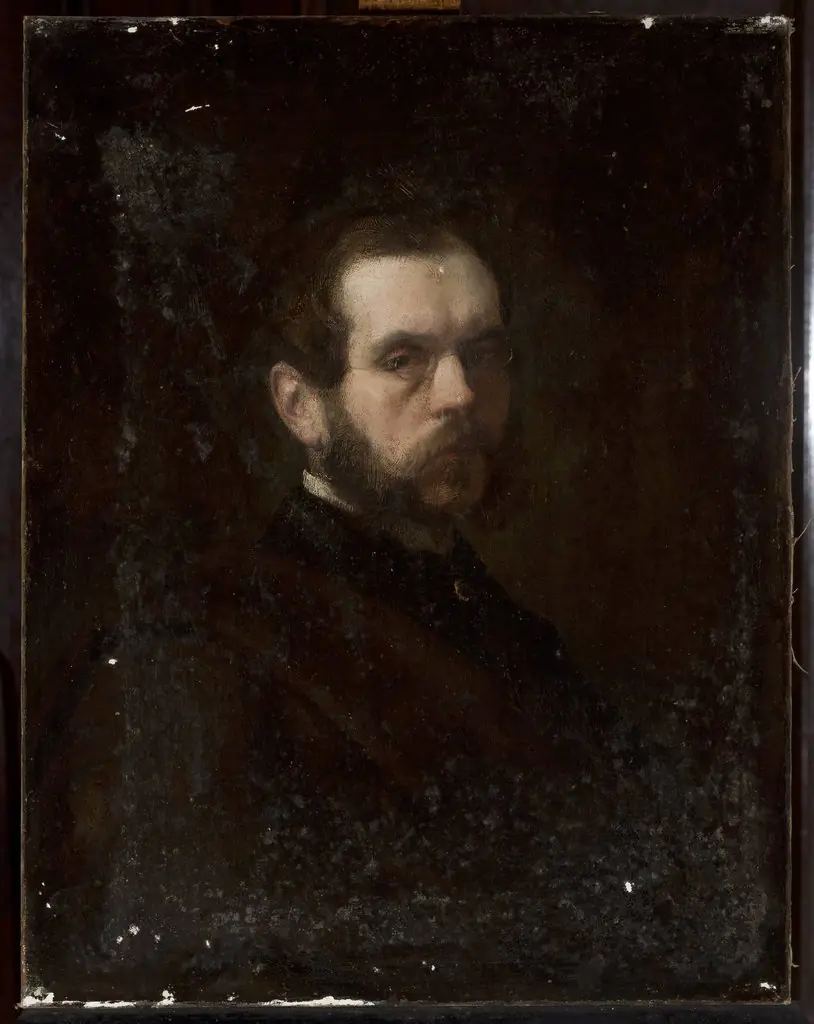
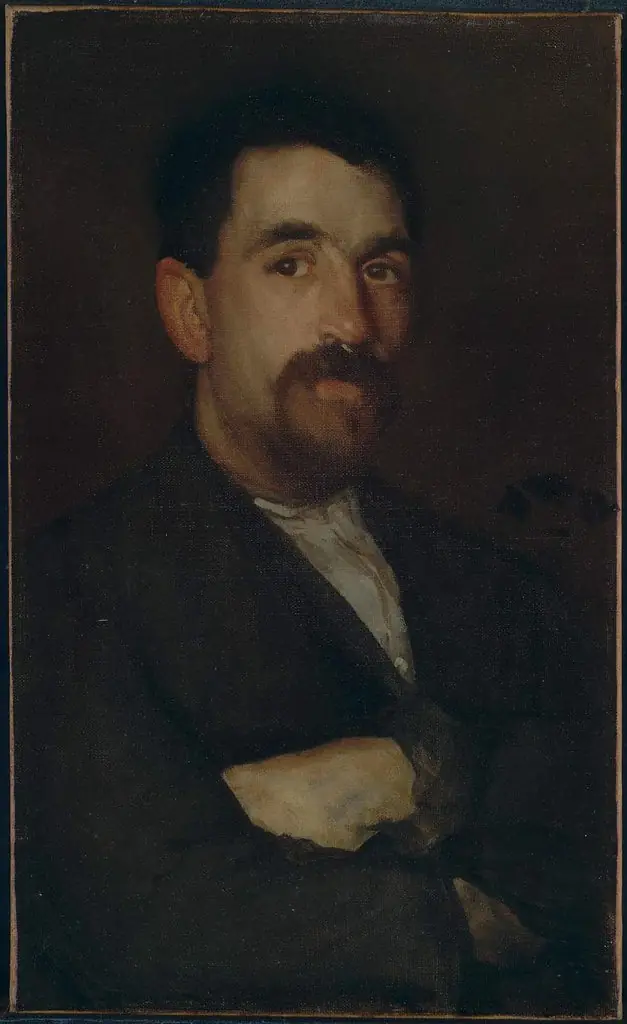
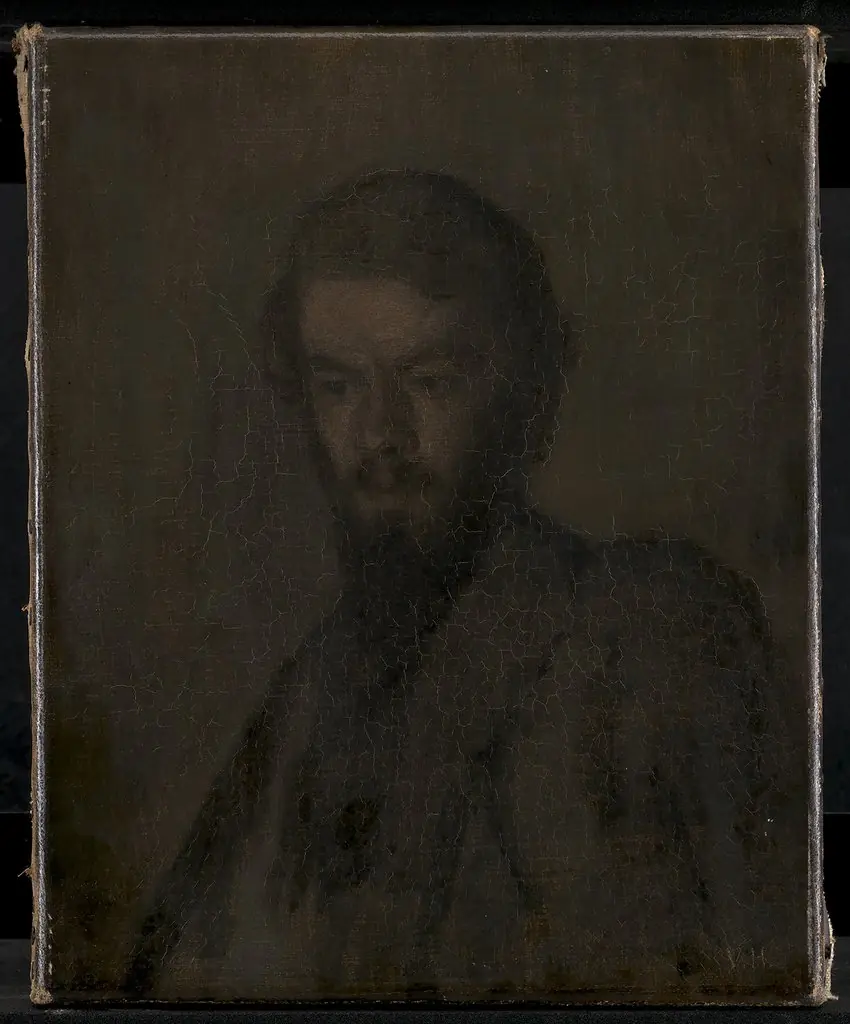
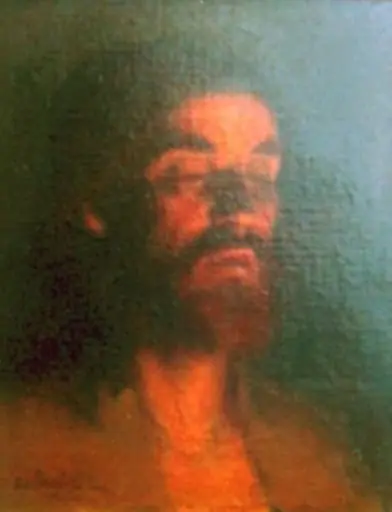
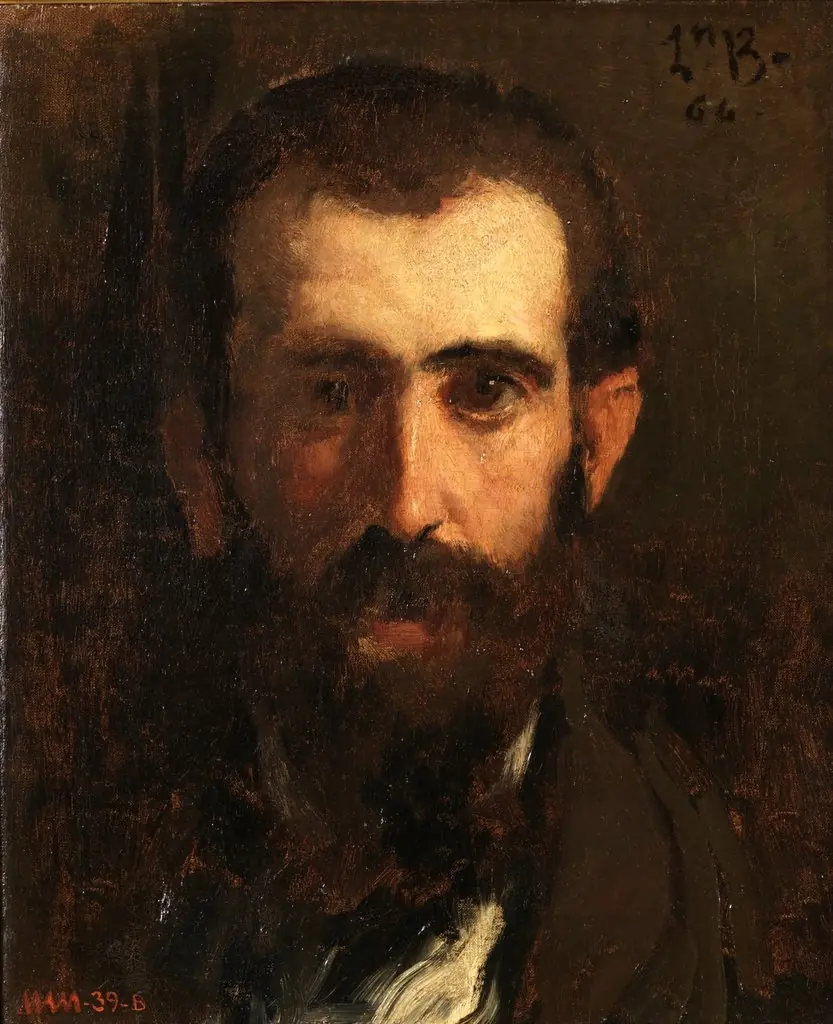
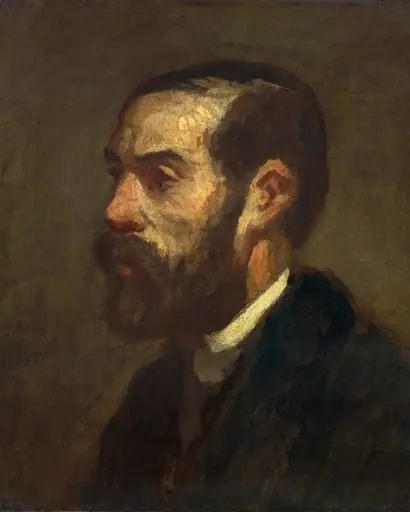
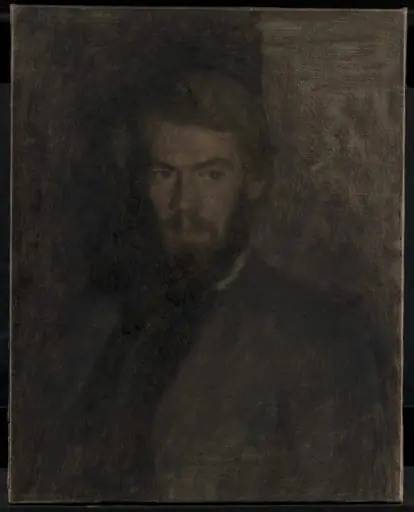
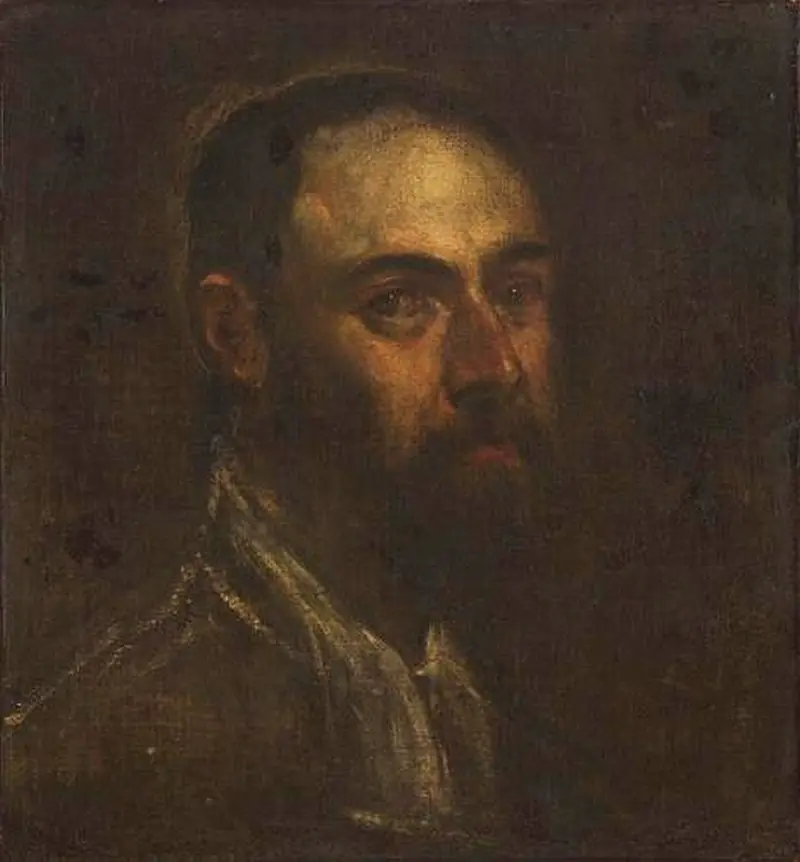
Portrait of a man
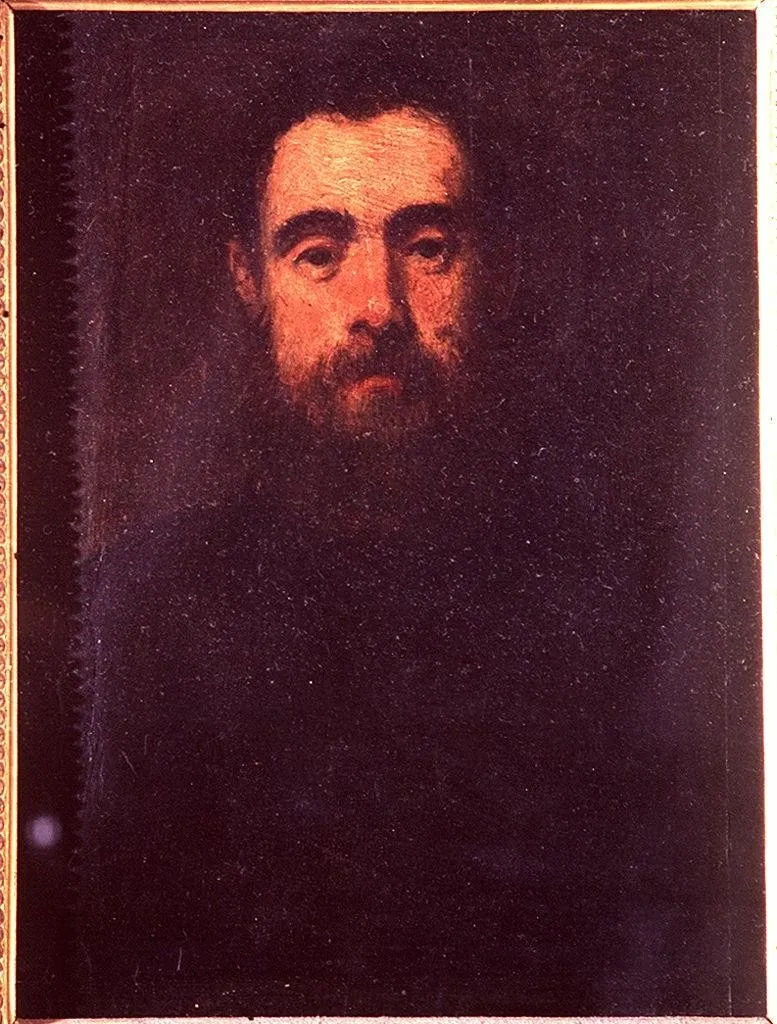
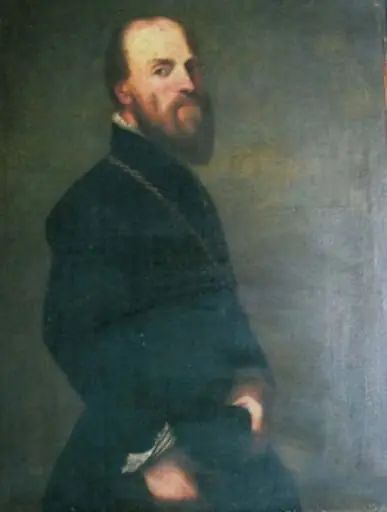
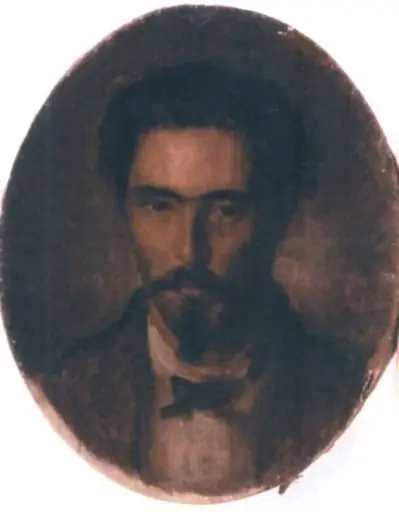
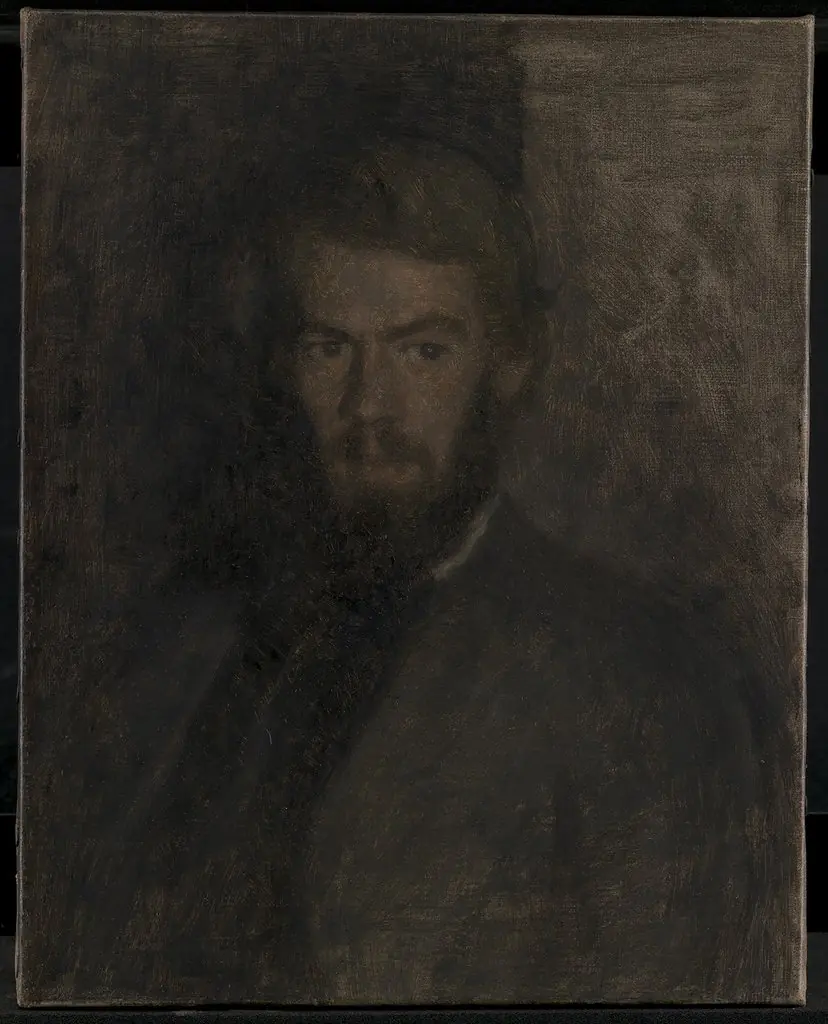
Portrait of a man is an unspecified painting by the Mannerist artist Jacopo Tintoretto. It dates from 1546 and is held in the collection of the Uffizi Gallery.
About this work
Overview
Executed in oil on canvas, it exemplifies the Venetian Mannerist tradition, emphasizing psychological depth over idealized form.
Painted in 1546, this portrait by Jacopo Tintoretto captures a man in quiet intensity against a dark, undefined background. Executed in oil on canvas, it exemplifies the Venetian Mannerist tradition, emphasizing psychological depth over idealized form. The work resides in the Uffizi Gallery, Florence, and reflects Tintoretto’s signature focus on emotional presence and dynamic lighting, distinguishing it from the more serene portraiture of his contemporaries.
Subject & Meaning
The sitter, identified only by his presence, wears somber attire and bears a beard and dark hair, suggesting a man of mature age and social standing. His direct, unsmiling gaze conveys introspection rather than vanity. Unlike ceremonial portraits of the period, this image avoids symbols of status, instead foregrounding inner gravity. The absence of context or props intensifies the psychological weight, aligning with Mannerist interests in emotional complexity over narrative clarity.
Technique & Style
Tintoretto employs chiaroscuro with striking precision, using sharp contrasts between light and shadow to model the face and hands, lending them sculptural volume. The light source is implied, not depicted, heightening the sense of mystery. Brushwork is vigorous yet controlled, with loose strokes in the clothing contrasting with the finely rendered features. This tension between refinement and energy defines his Mannerist approach, prioritizing expressive impact over polished finish.
History & Provenance
The painting entered the Uffizi’s collection in the 18th century, likely as part of the Medici holdings. Its early history before that remains undocumented, though its style and date place it within Tintoretto’s mid-career period in Venice. It was not widely exhibited or reproduced in its time, suggesting it was a private commission rather than a public statement. Its survival and eventual institutional acquisition reflect its enduring resonance among collectors of Venetian art.
Context
In mid-16th century Venice, portraiture was evolving beyond formal representation toward psychological insight. Tintoretto, influenced by Titian’s colorism and Michelangelo’s muscular forms, pushed this further with dramatic lighting and emotional immediacy. While other artists favored symmetry and decorum, Tintoretto embraced asymmetry and tension, aligning with broader Mannerist trends that questioned Renaissance harmony in favor of expressive dissonance.
Legacy
This portrait exemplifies Tintoretto’s influence on later Baroque painters who adopted his dramatic lighting and psychological intensity. Though less celebrated than his large-scale religious works, this small-scale portrait reveals his mastery of human presence through light and gesture. It remains a key reference for understanding how Venetian artists redefined portraiture by prioritizing emotional truth over social convention.
Artist & collection
Artist
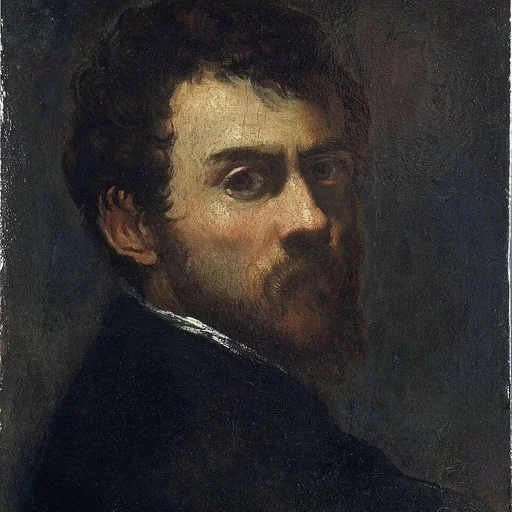
Jacopo Robusti (late September or early October 1518 – 31 May 1594), best known as Tintoretto ( TIN-tə-RET-oh; Italian: ; Venetian: ), was an Italian Renaissance painter of the Venetian school.