Artwork
Portrait of a Girl
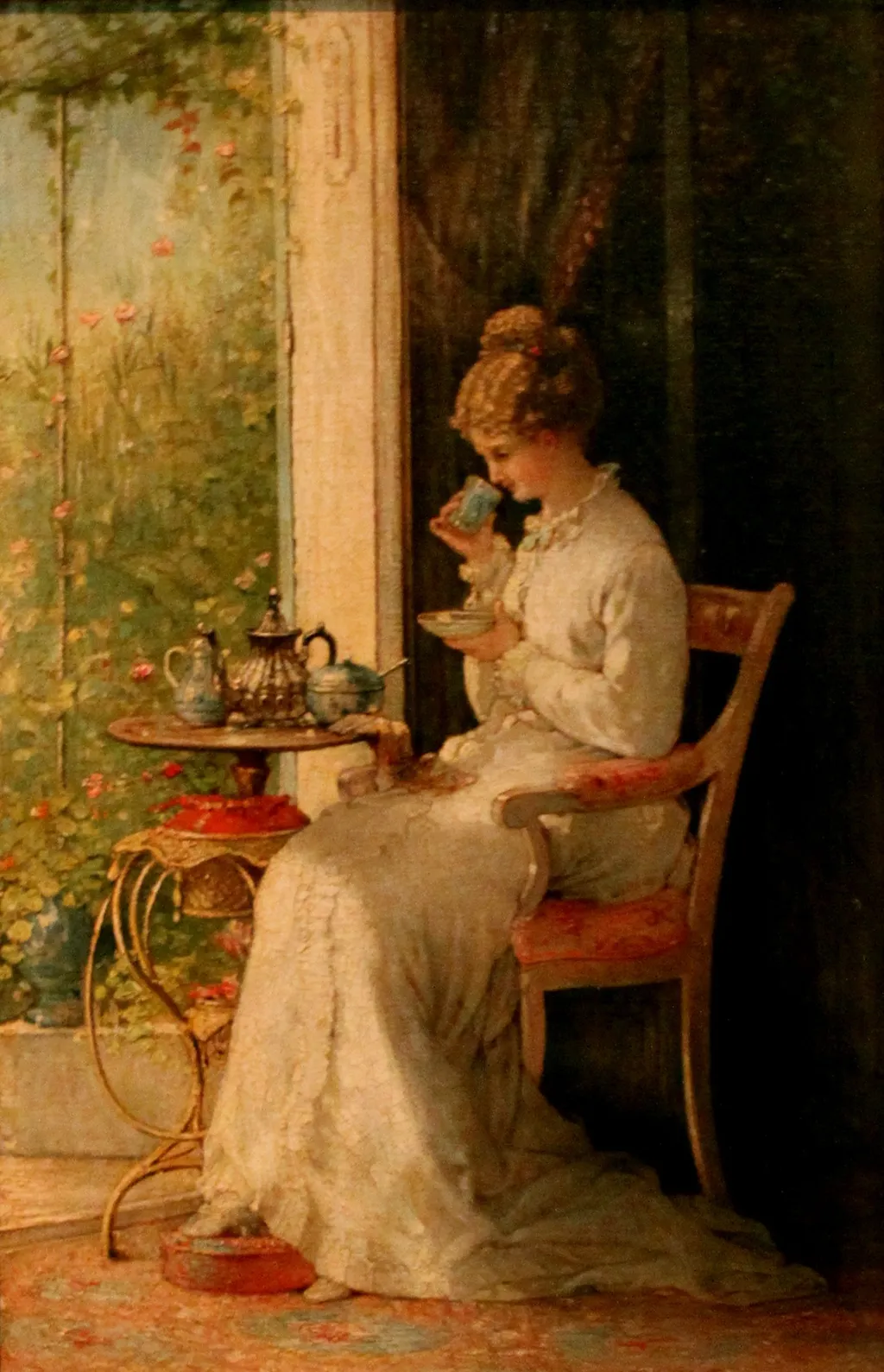
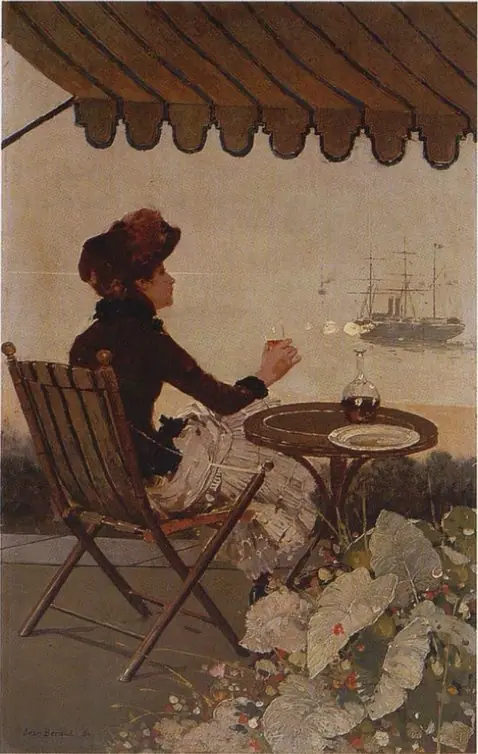
Portrait of a Girl is an unspecified painting by Hein Burgers. It dates from 1876 and is held in the collection of the National Art Museum of Azerbaijan.
About this work
Overview
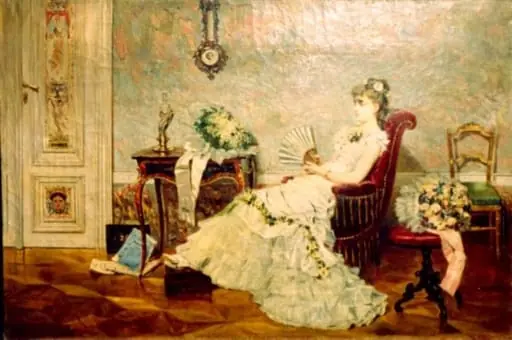
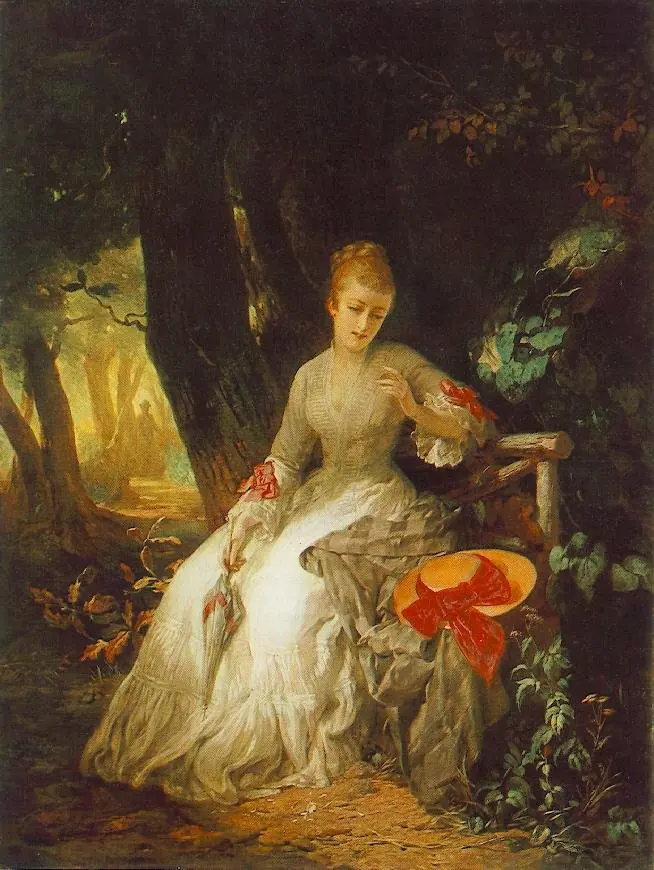
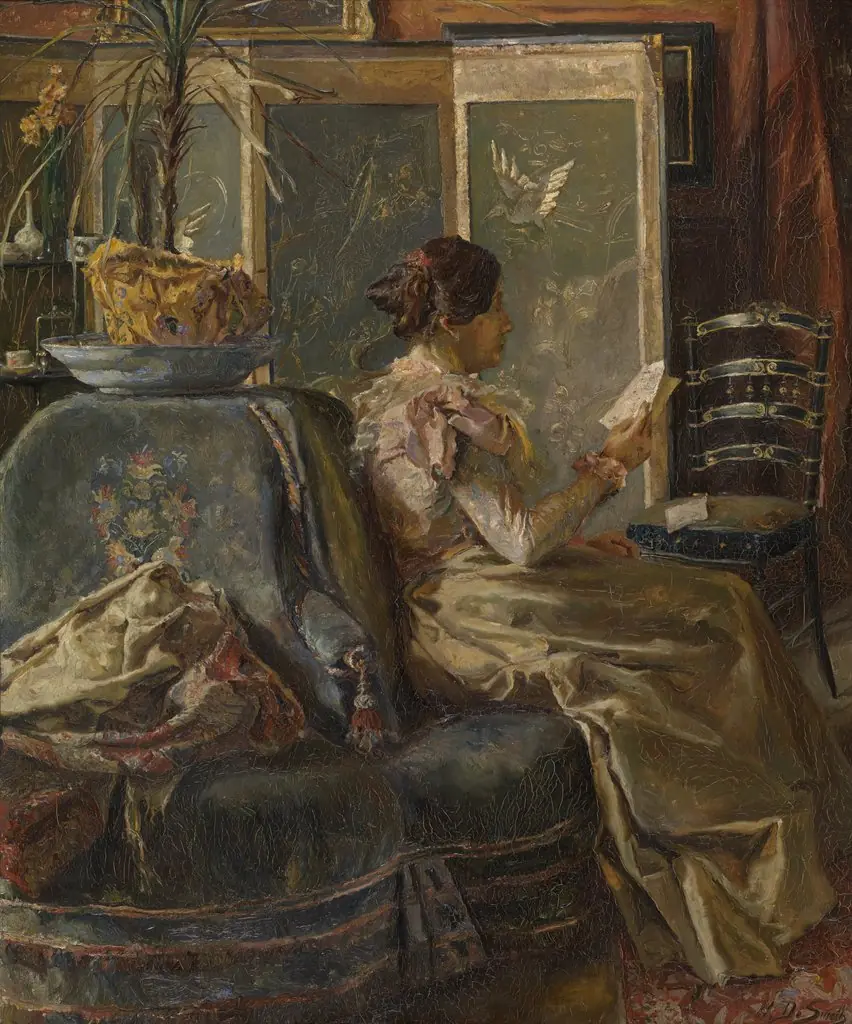
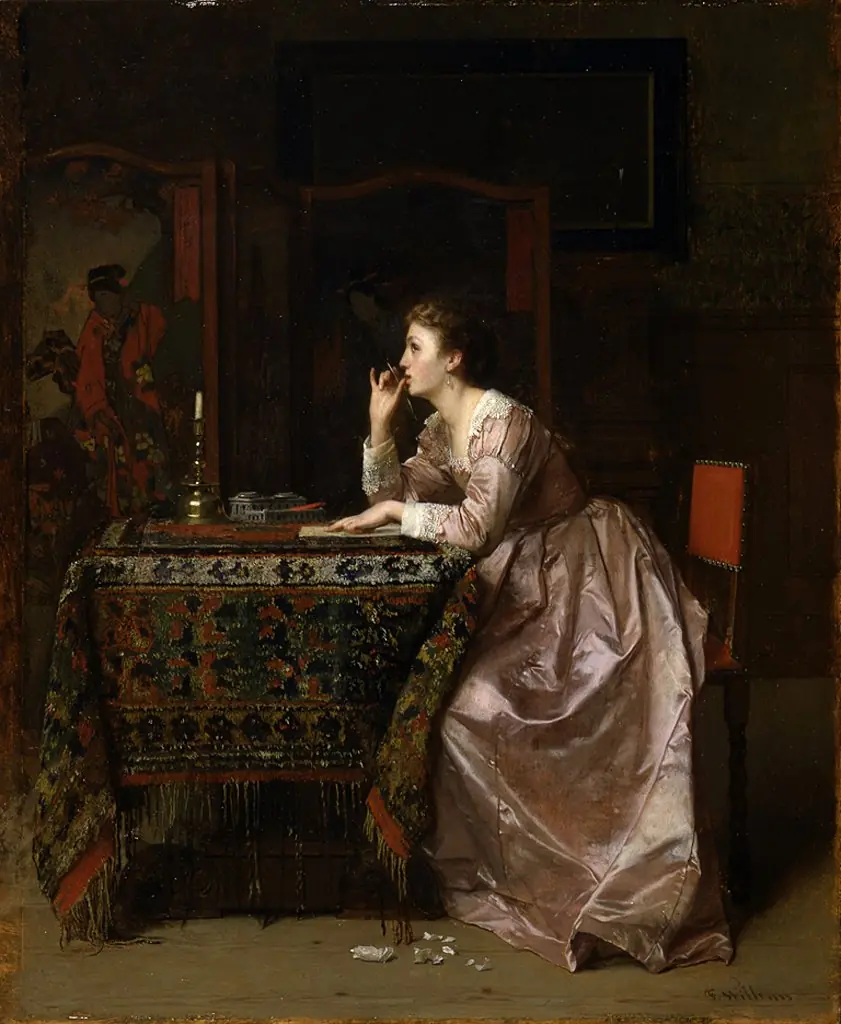
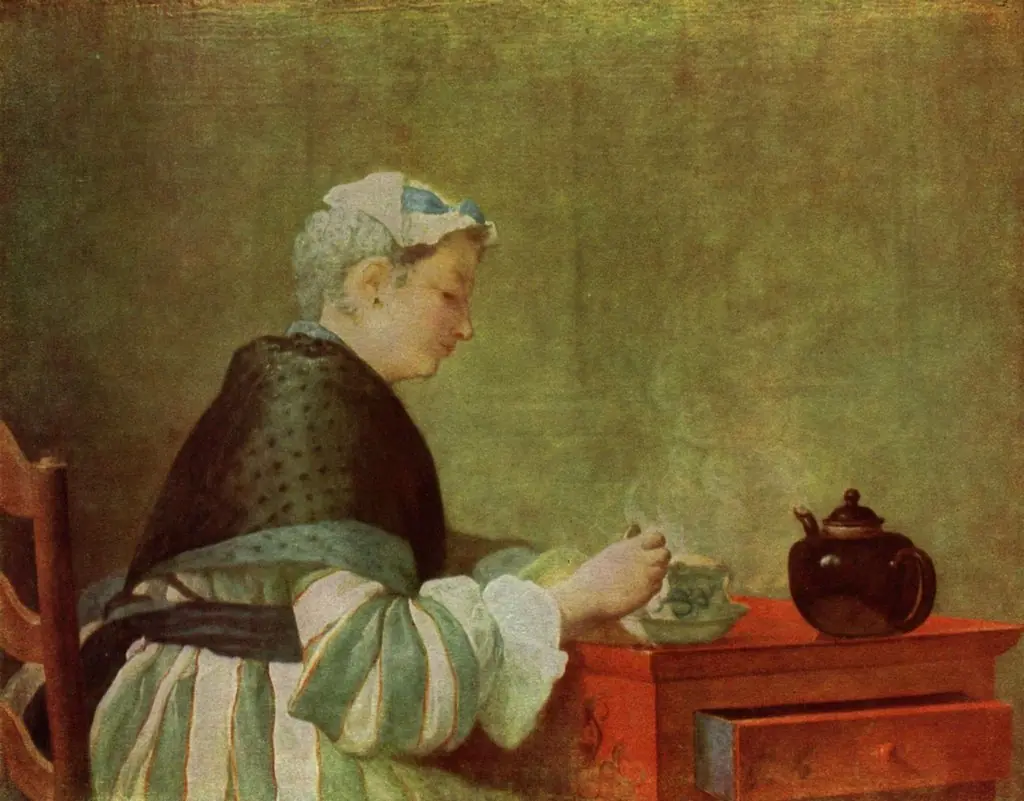
Painted around 1876 by Hein Burgers, this portrait captures a young woman in a quiet domestic moment. The work resides in the National Art Museum of Azerbaijan and exemplifies late 19th-century realist portraiture. Its restrained composition and careful attention to light reflect a focus on everyday intimacy rather than grandeur.
Subject & Meaning
The subject is a woman seated calmly, engaged in the simple act of drinking tea. Her white dress and neatly arranged hair suggest modesty and composure. The presence of the teapot and tableware implies a private, routine moment, evoking stillness and introspection. The scene conveys no narrative drama, instead emphasizing quiet dignity and personal solitude.
Technique & Style
Burgers employs chiaroscuro to model the figure and objects with subtle gradations of light and shadow. The natural light entering from behind the sitter enhances the three-dimensionality of her form and the surfaces around her. Brushwork is precise yet unobtrusive, favoring texture and tone over decorative flourish, aligning with academic realism of the period.
History & Provenance
The painting entered the collection of the National Art Museum of Azerbaijan in the 20th century, though its earlier ownership remains undocumented. Its presence in Baku suggests it may have been acquired through cultural exchanges or private donations during the Russian Empire’s influence in the region. No exhibition history prior to its museum acquisition is publicly recorded.
Context
Created during a time when European portraiture increasingly favored intimate, domestic scenes, Burgers’ work aligns with broader trends in academic art that valued quiet realism. The emphasis on interior life and natural lighting reflects influences from Dutch Golden Age painting and contemporary French salon traditions, adapted within a Caucasus cultural setting.
Legacy
Though not widely reproduced or studied outside Azerbaijan, the portrait remains a significant example of regional engagement with European academic styles. It contributes to the museum’s representation of 19th-century portraiture and offers insight into how global artistic conventions were absorbed and localized in the Caucasus during the late Ottoman and Russian imperial eras.
Artist & collection