Artwork
The Bill of the Dressmaker
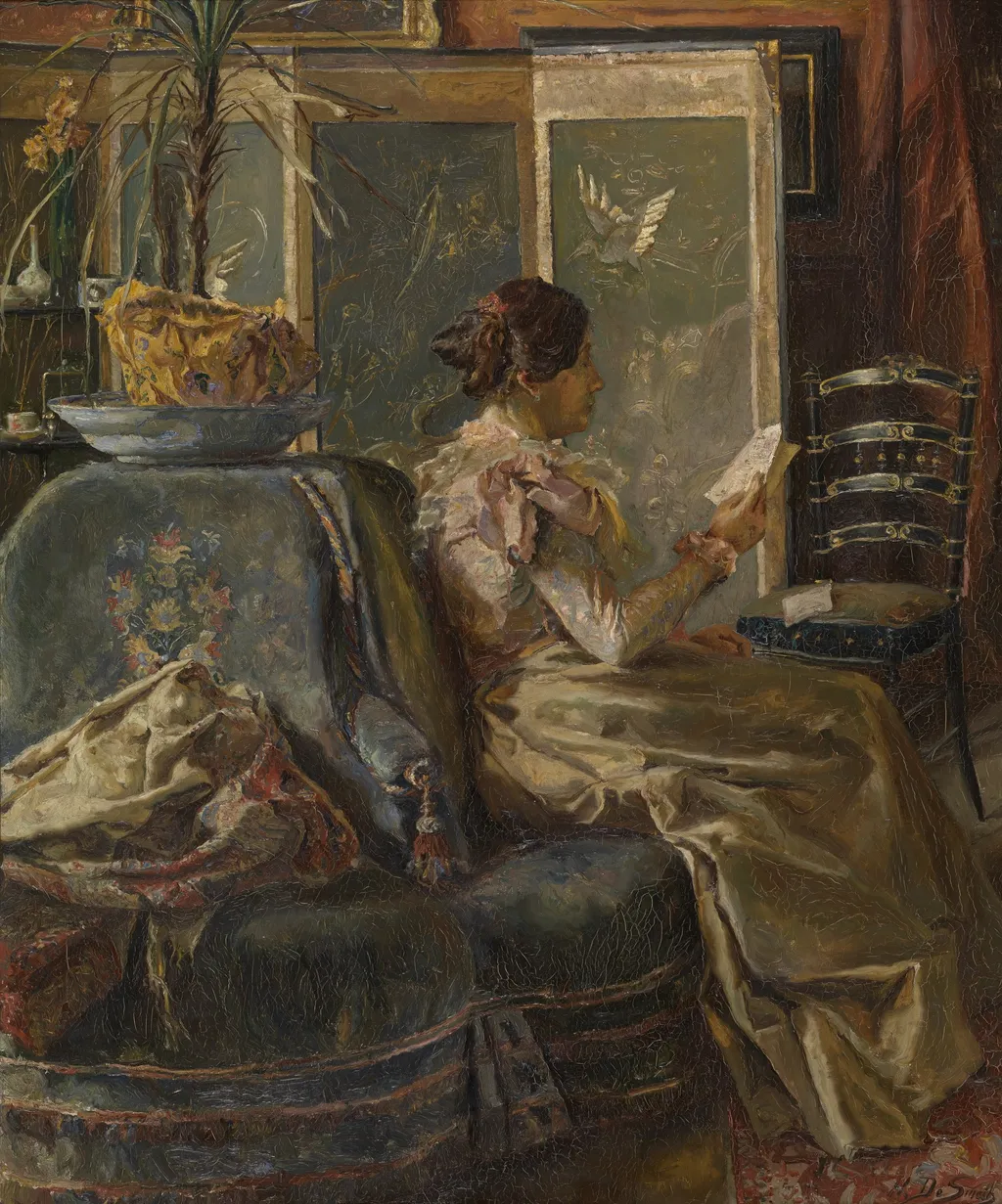
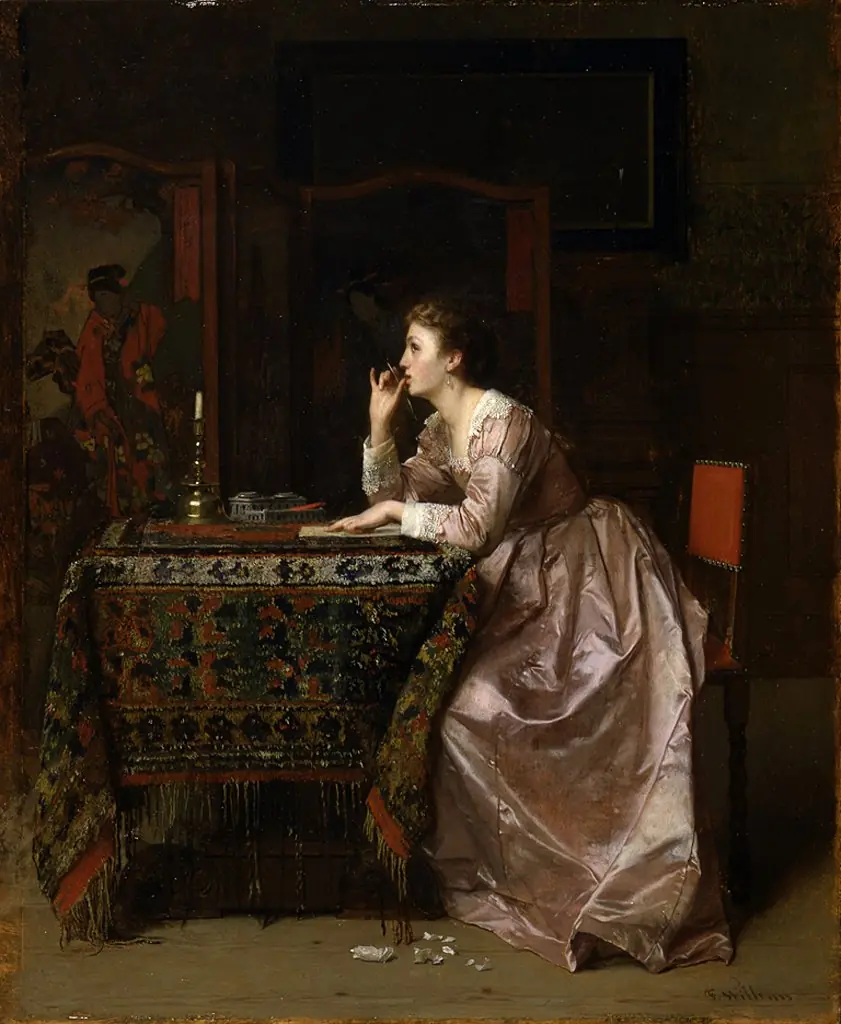
The Bill of the Dressmaker is an oil painting by the Post-Impressionist artist Henri De Smeth. It dates from 1901 and is held in the collection of the Royal Museum of Fine Arts Antwerp.
About this work
Overview
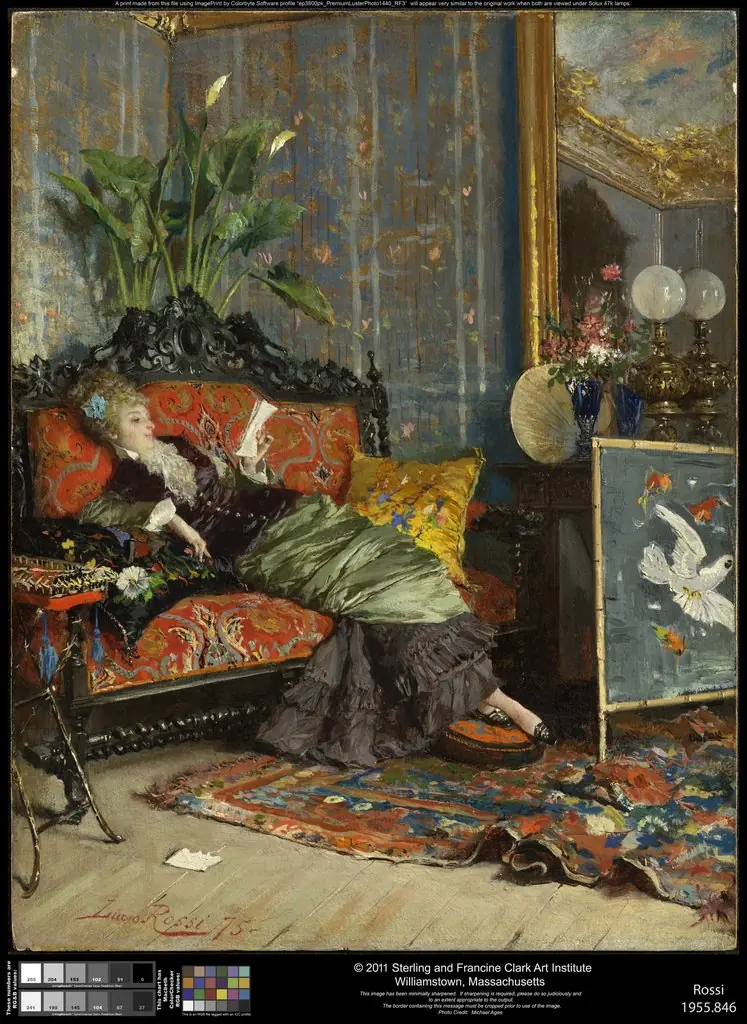
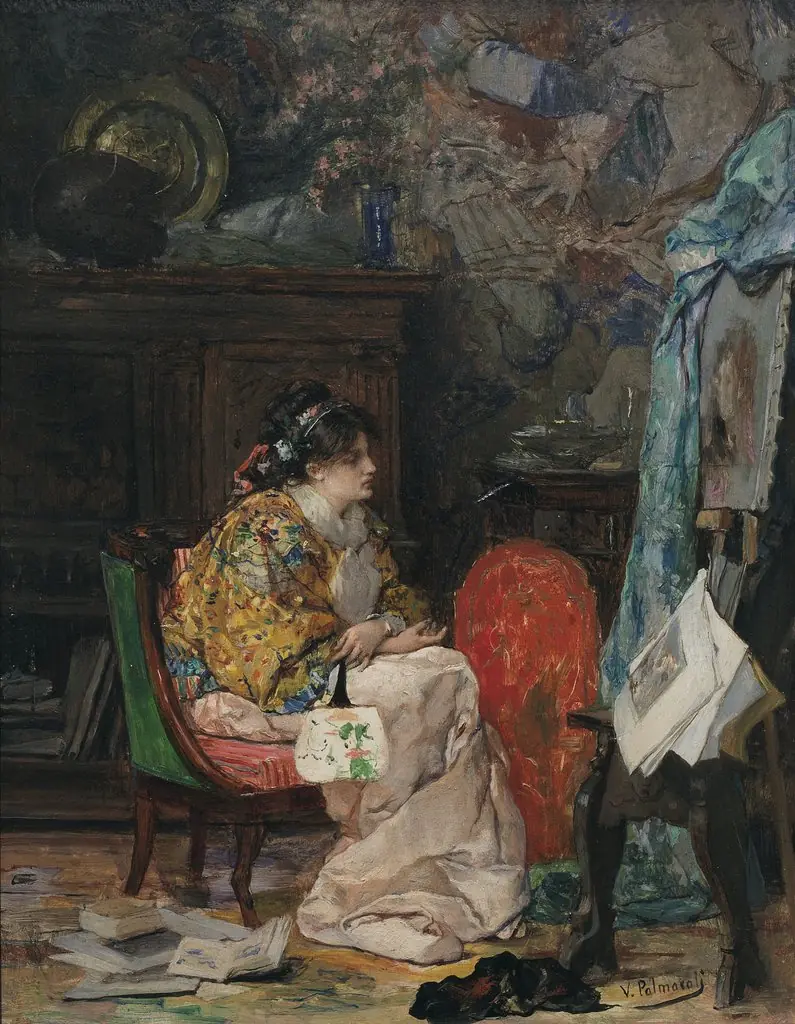
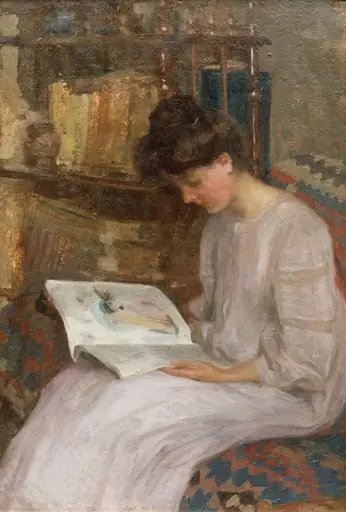
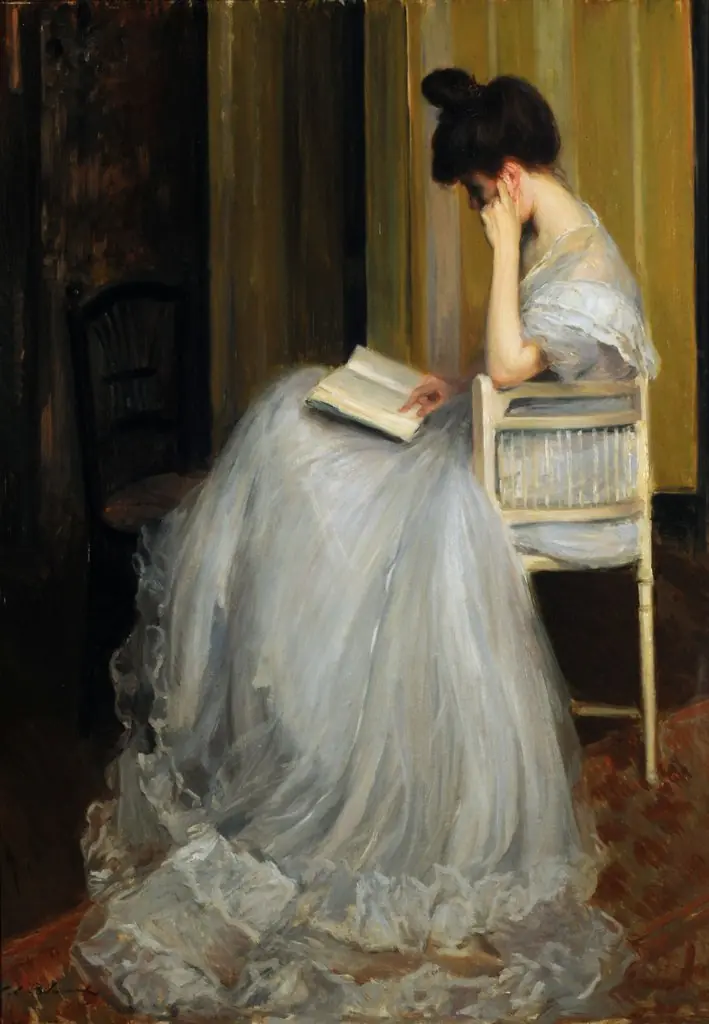
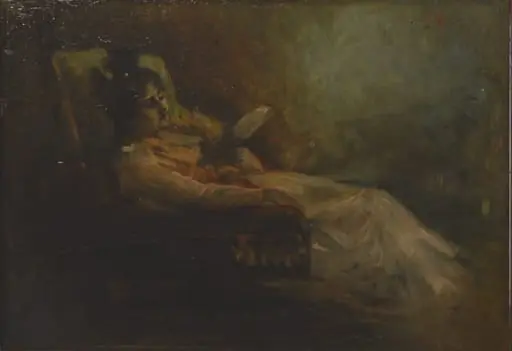
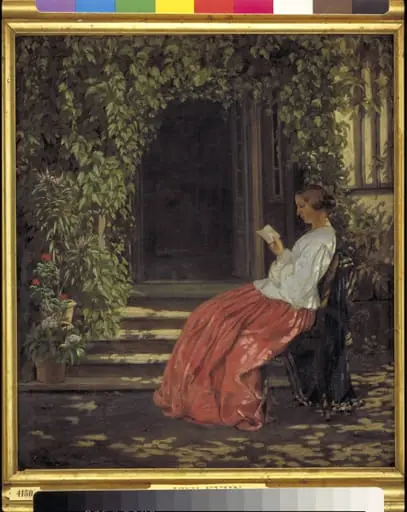
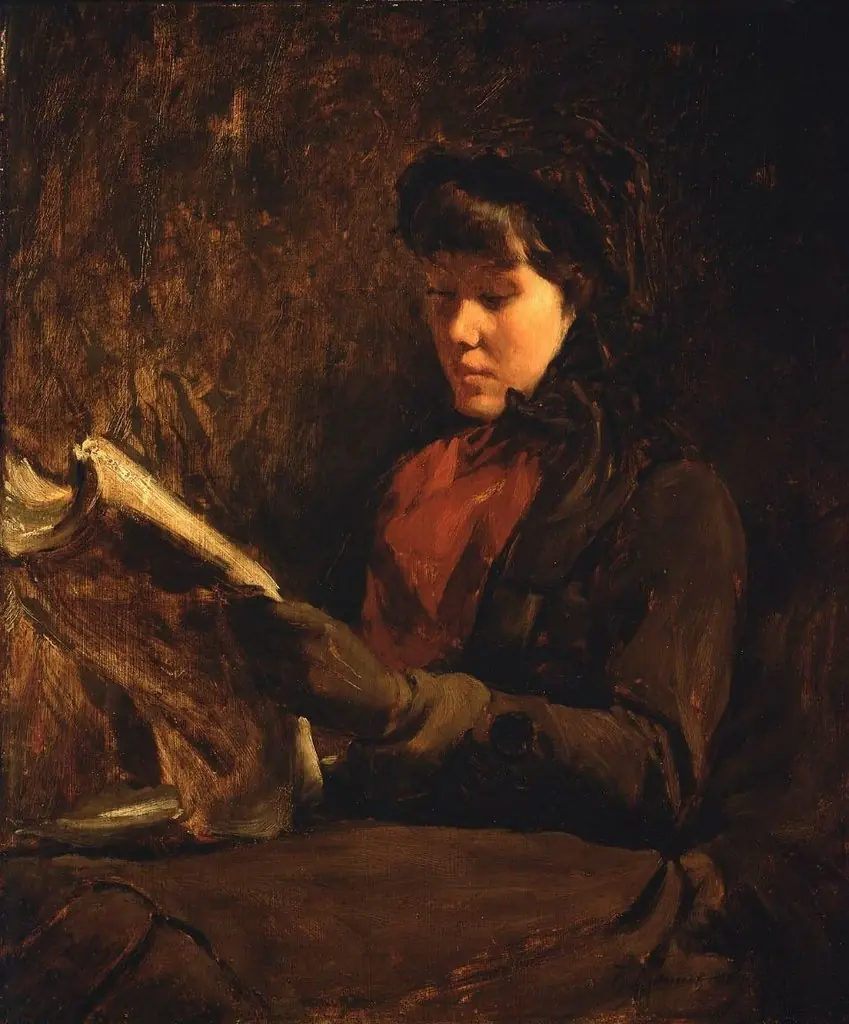
Painted in 1901 by Henri De Smeth, The Bill of the Dressmaker is an oil-on-canvas work currently held in the collection of the Royal Museum of Fine Arts Antwerp. It presents a solitary woman in an interior setting, absorbed in the act of reading. The composition emphasizes stillness and intimacy, with minimal narrative detail, focusing instead on mood and quiet concentration.
Subject & Meaning
The subject is a dressmaker seated in a dim room, engrossed in a document—likely a bill or invoice. Her turned-away posture and stillness suggest a private, unguarded moment, removing her from public view. The act of reading, rather than sewing, shifts focus to introspection, hinting at the administrative burdens behind craft, and the solitude of labor.
Technique & Style
De Smeth employs chiaroscuro to model form and direct attention: a narrow band of light falls across the woman’s hand and the paper, contrasting with the shadowed room. Brushwork is restrained, with soft transitions between tones. The dress’s folds are rendered with subtle gradations, enhancing the sense of volume without overt detail, reinforcing the painting’s subdued tone.
History & Provenance
The painting entered the Royal Museum of Fine Arts Antwerp’s collection shortly after its creation. Little is documented about its early ownership or exhibition history, but its inclusion in the museum’s permanent holdings suggests early recognition within Belgian artistic circles. It has remained in the institution’s care since the early 20th century.
Context
Created during a period when Belgian artists increasingly turned to intimate, domestic scenes, the work aligns with trends in naturalism and psychological realism. While not overtly political, it reflects a broader interest in the quiet dignity of everyday labor, particularly among women, a theme emerging in late 19th- and early 20th-century European painting.
Legacy
The Bill of the Dressmaker remains a quiet example of early 20th-century Belgian genre painting. Though not widely reproduced or studied, it contributes to the understanding of how artists of the time rendered private moments with restraint and emotional nuance, preserving the dignity of ordinary, unseen labor.
Artist & collection