Artwork
Kurfürst Karl Theodor
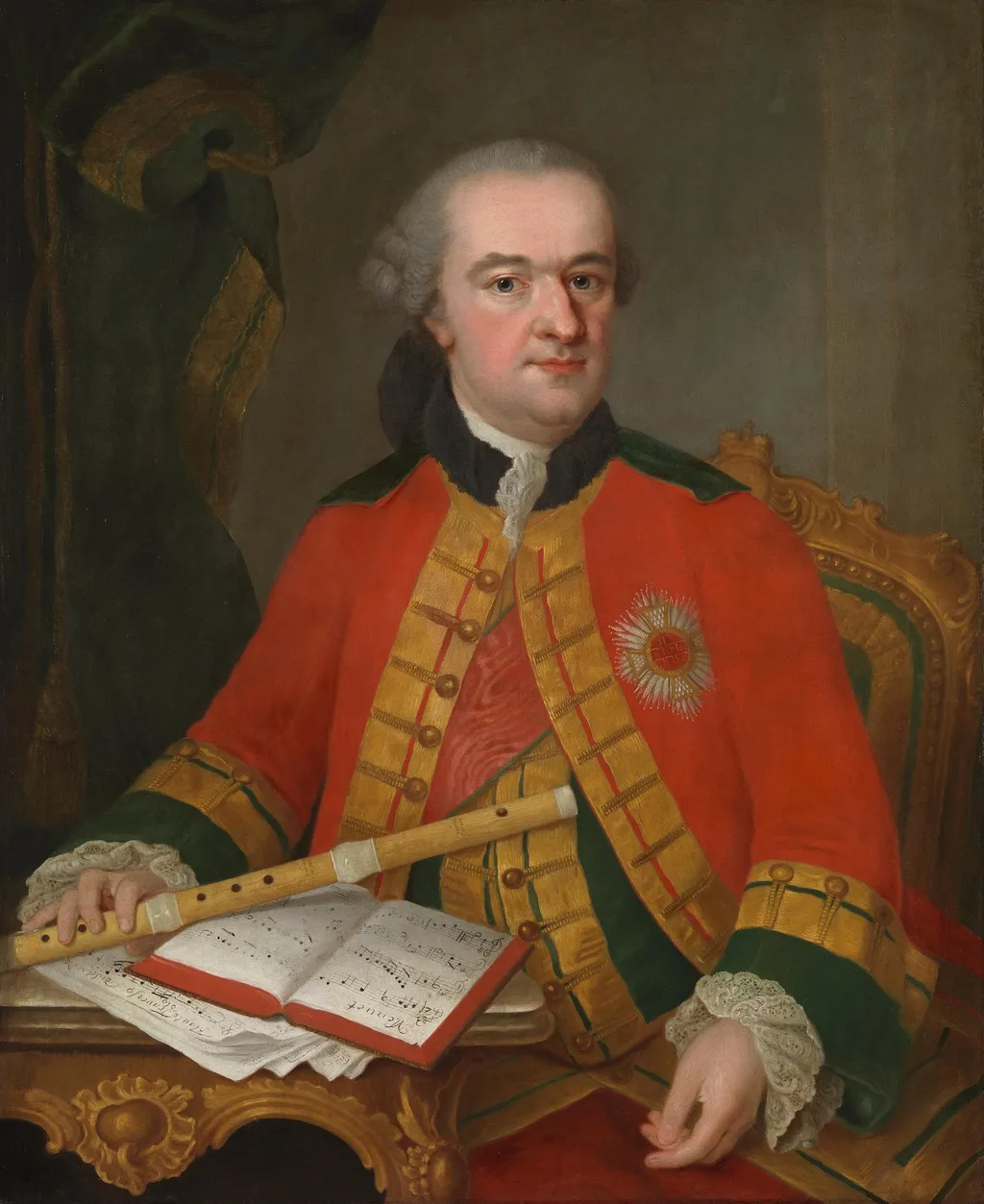
Kurfürst Karl Theodor is an unspecified painting by the Rococo painting artist Heinrich Carl Brandt. It dates from 1762 and is held in the collection of the Bavarian State Painting Collections.
About this work
Overview
Heinrich Carl Brandt, an Austrian‑German painter active in the mid‑18th century, executed this portrait in 1762. The work belongs to the Rococo period and is part of the Alte Pinakothek’s holdings. It presents the Elector Karl Theodor, a leading figure of his era, in a refined, courtly pose.
Subject & Meaning
The sitter, Karl Theodor, is shown seated in an elaborate red coat edged with gold, holding a flute in his right hand while his left rests on a table bearing sheet music. The inclusion of musical elements suggests a personal affinity for the arts or a ceremonial role that linked the ruler to cultural patronage.
Technique & Style
Brandt’s handling reflects Rococo sensibilities: delicate brushwork, a light palette, and an emphasis on elegance over strict realism. The rendering of textures—silk, metal trim, and the polished instrument—demonstrates his skill in portraying material richness while maintaining a graceful overall composition.
History & Provenance
Created for the court of the House of Wittelsbach, the portrait remained in the family’s collection before entering the public domain. It eventually became part of the Alte Pinakothek’s inventory, where it has been displayed as an example of 18th‑century court portraiture.
Context
During the 1760s, the Elector of Bavaria, Karl Theodor, was a prominent patron of the arts, supporting music, theater, and architecture. Brandt, known for painting members of the Wittelsbach dynasty in Mainz, Mannheim, and Munich, captured the elector’s cultivated image in line with contemporary expectations of aristocratic representation.
Artist & collection
Artist
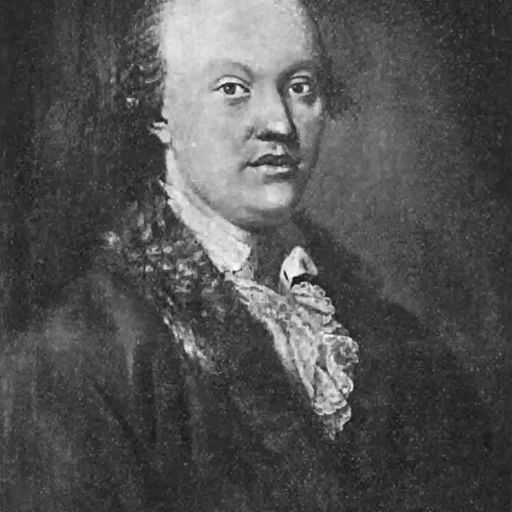
Heinrich Carl Brandt (11 November 1724, in Vienna – 6 May 1787, in Munich) was an Austrian-German court painter.

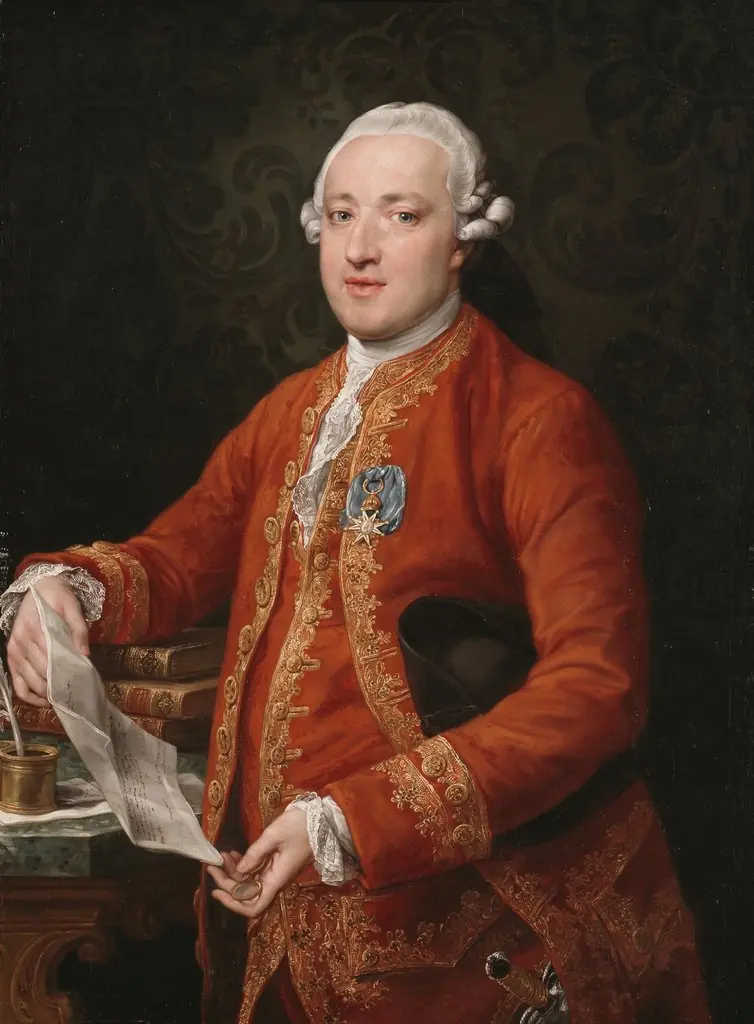 Don José Moñino y Redondo, Conde de Floridablanca
 Don José Moñino y Redondo, Conde de Floridablanca
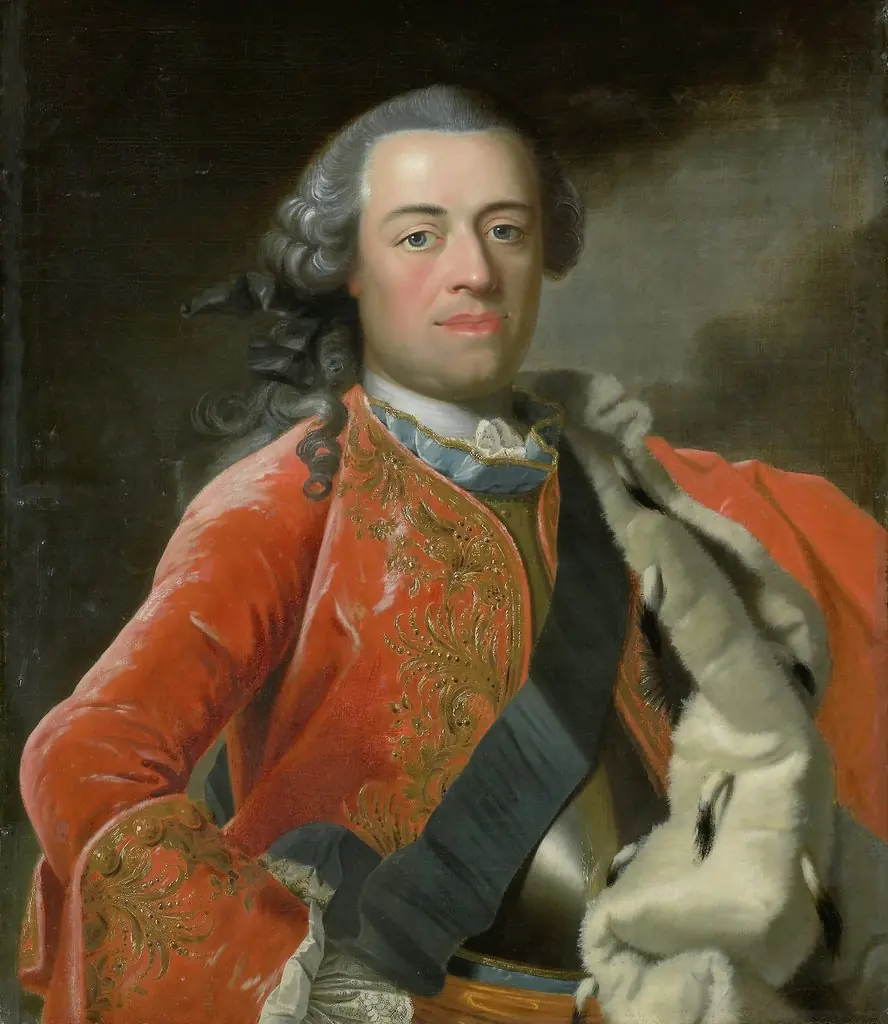 Portrait of Willem IV van Oranje-Nassau (1711-1751)
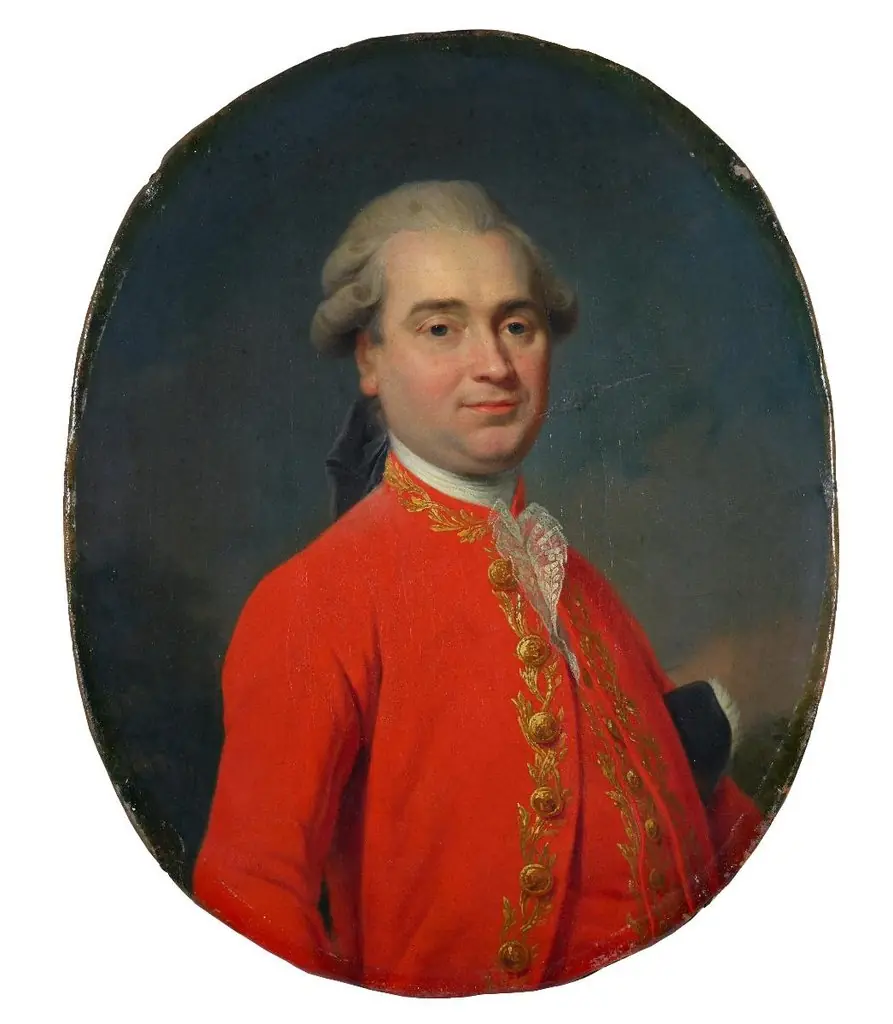 Bildnis eines Herrn im roten Kleid
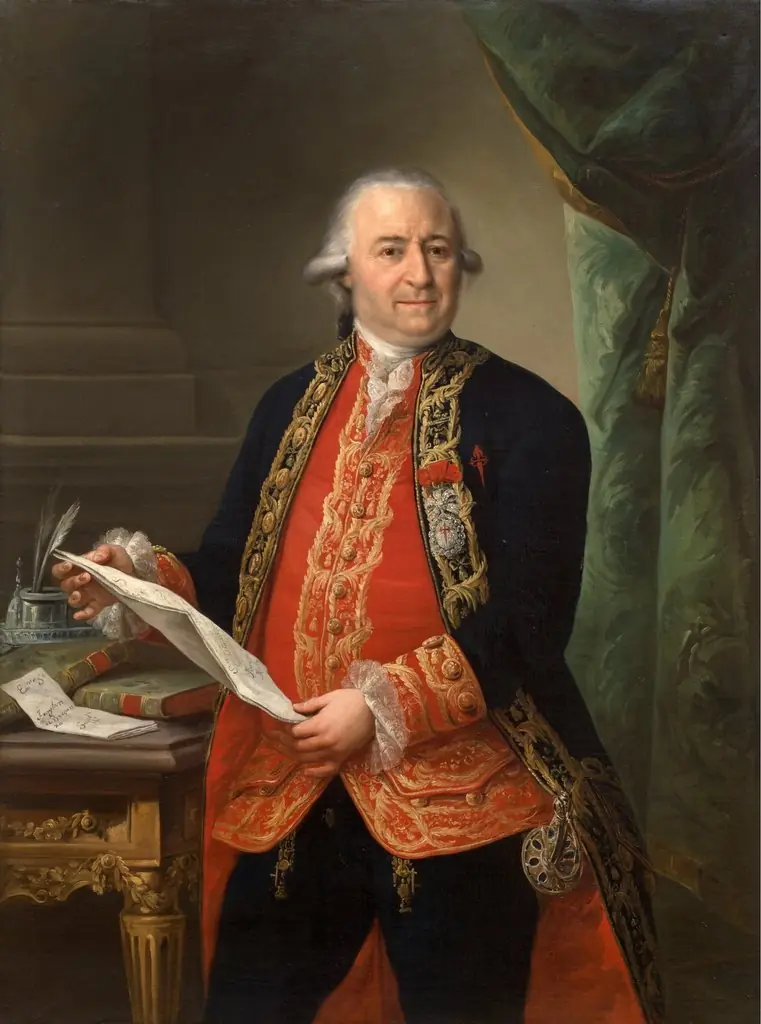 D Pedro López de Lerena, I Count of Lerena
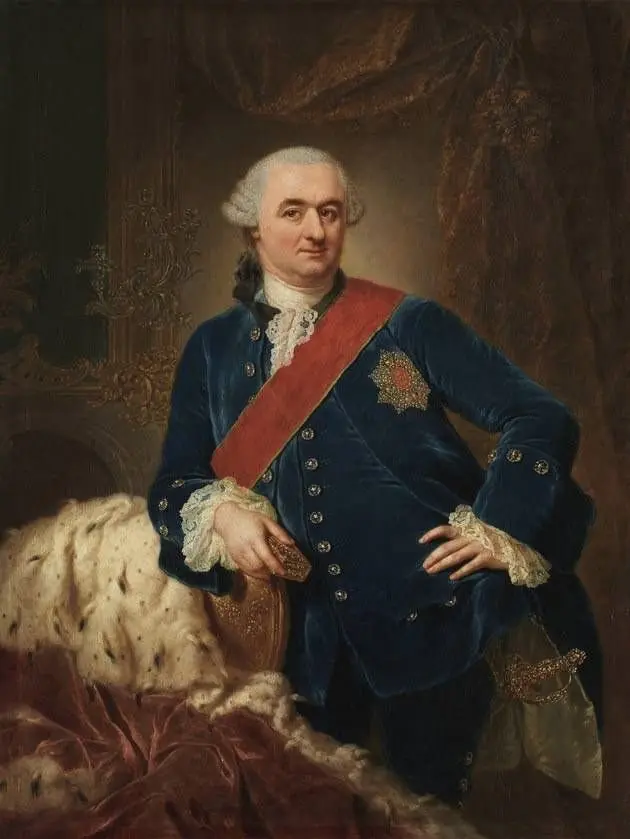 Bildnis des Kurfürsten Karl Theodor von der Pfalz und Bayern (1724-1799) im blauen Samtanzug
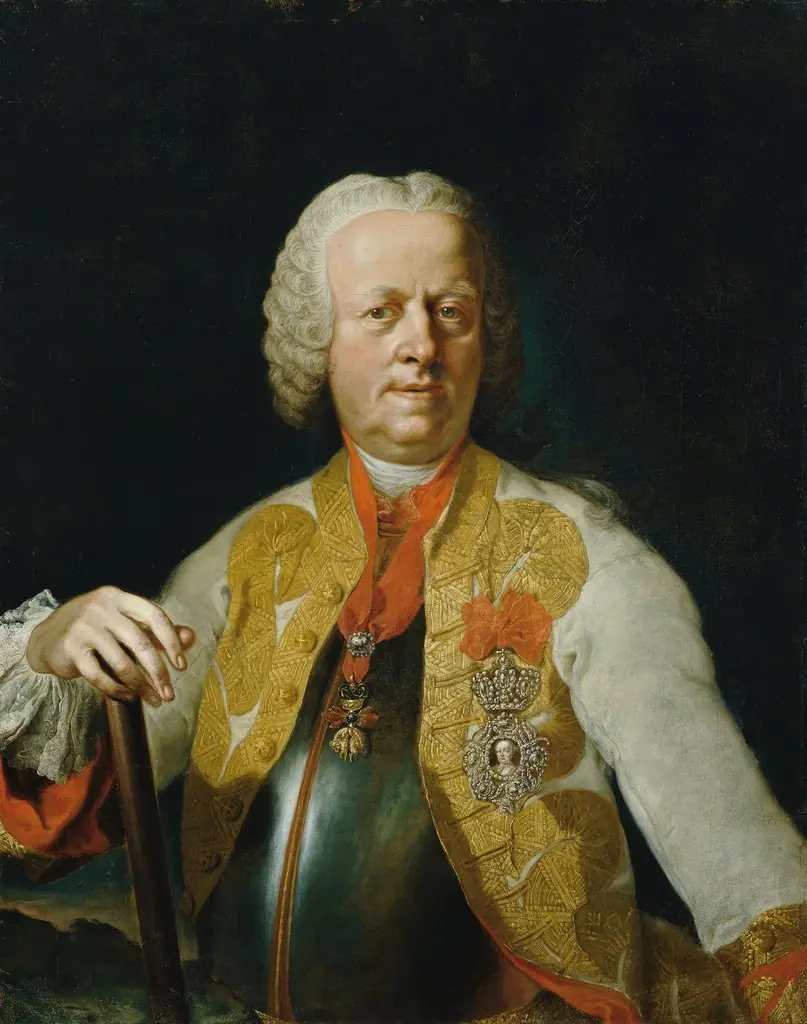 Field Marshal Karl Josef Prince Batthyány
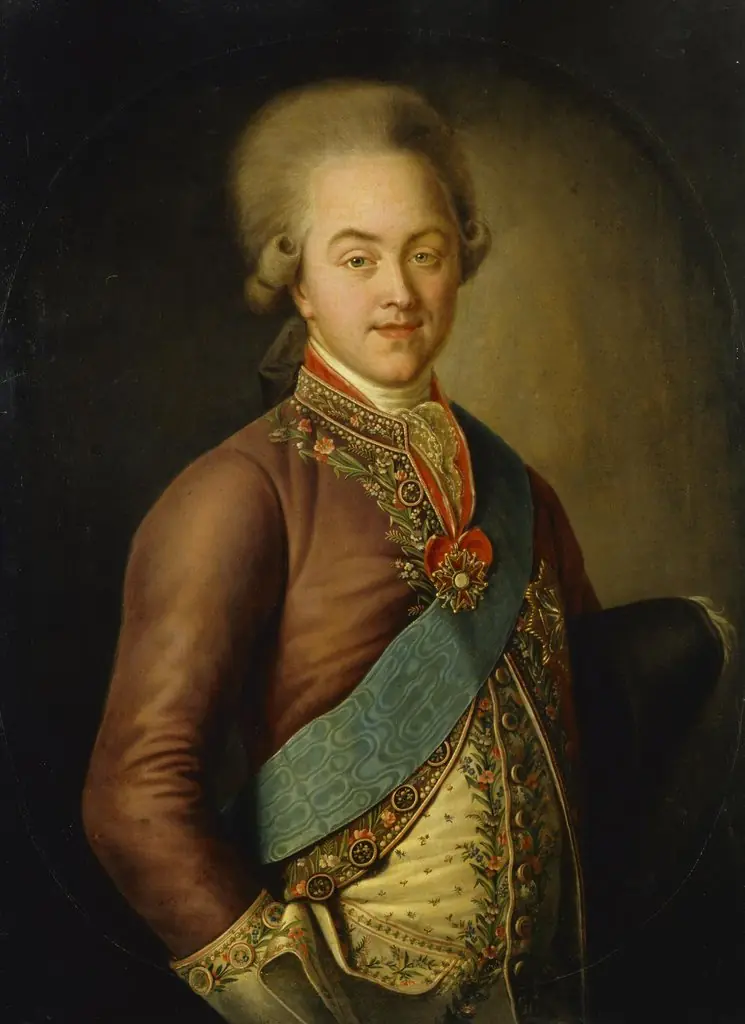 Portrait of Count N.P.Sheremetev
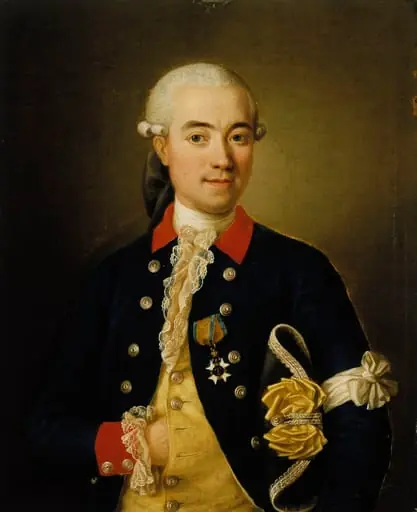 Kapteeni Carl Adolf Möllersvärd
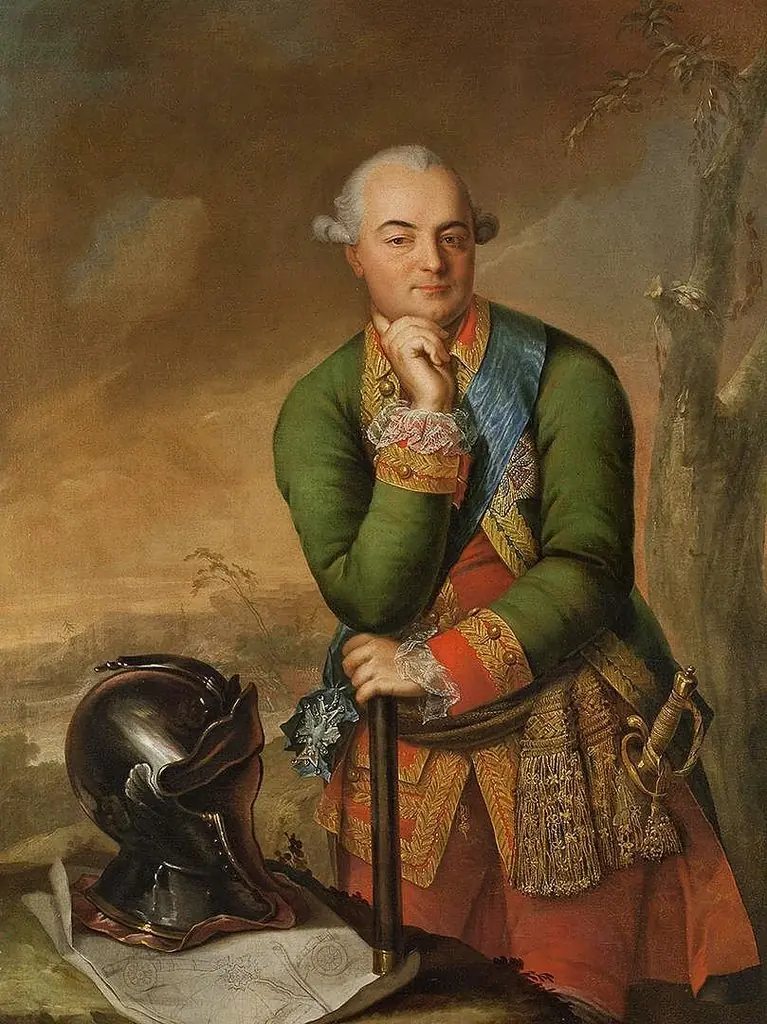 Portrait of Alliksandr I. Bibikov
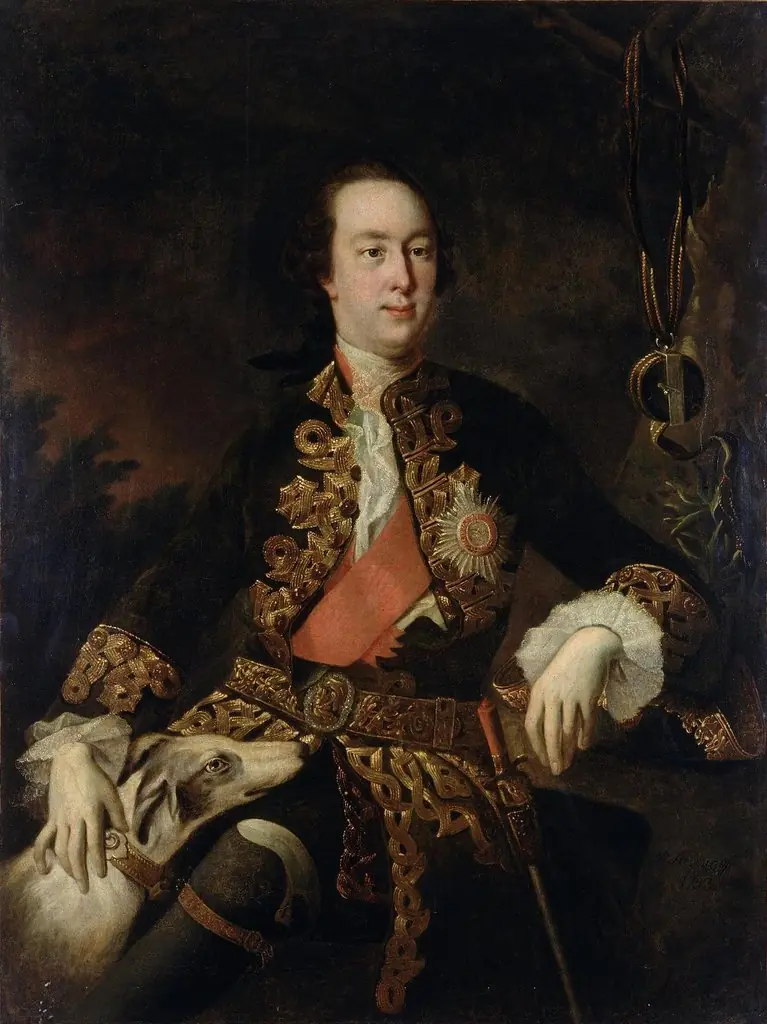 Portrait of P.B. Sheremetev
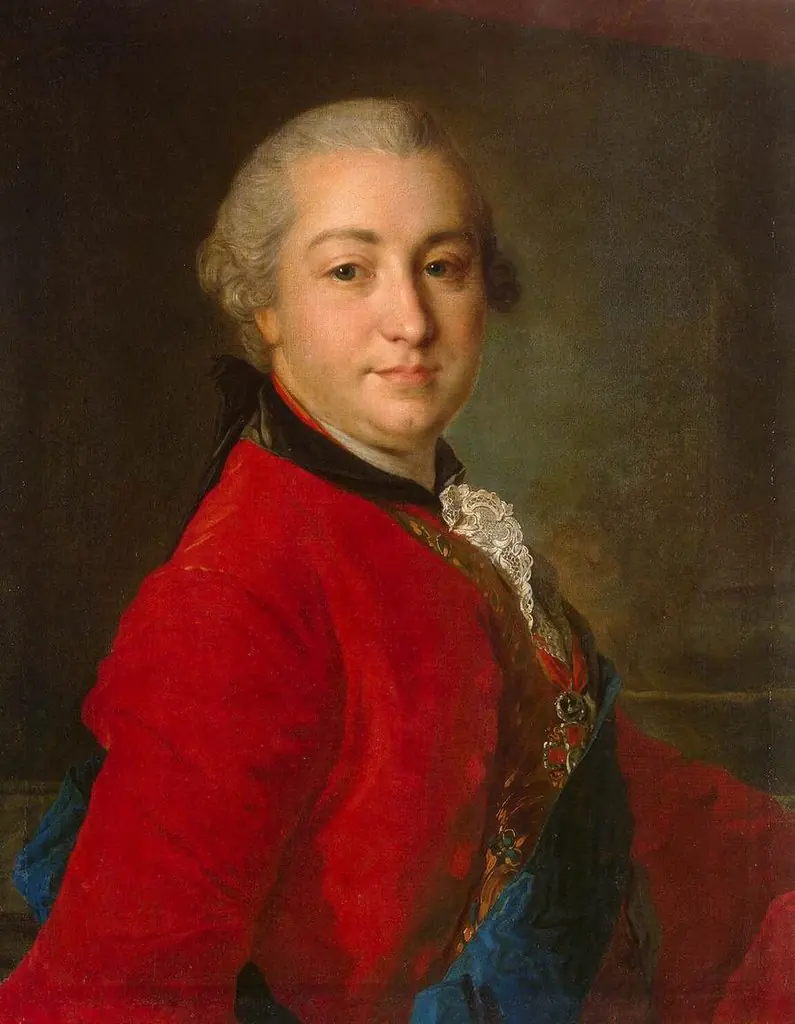 Portrait of Count Ivan Ivanovich Shuvalov