Artwork
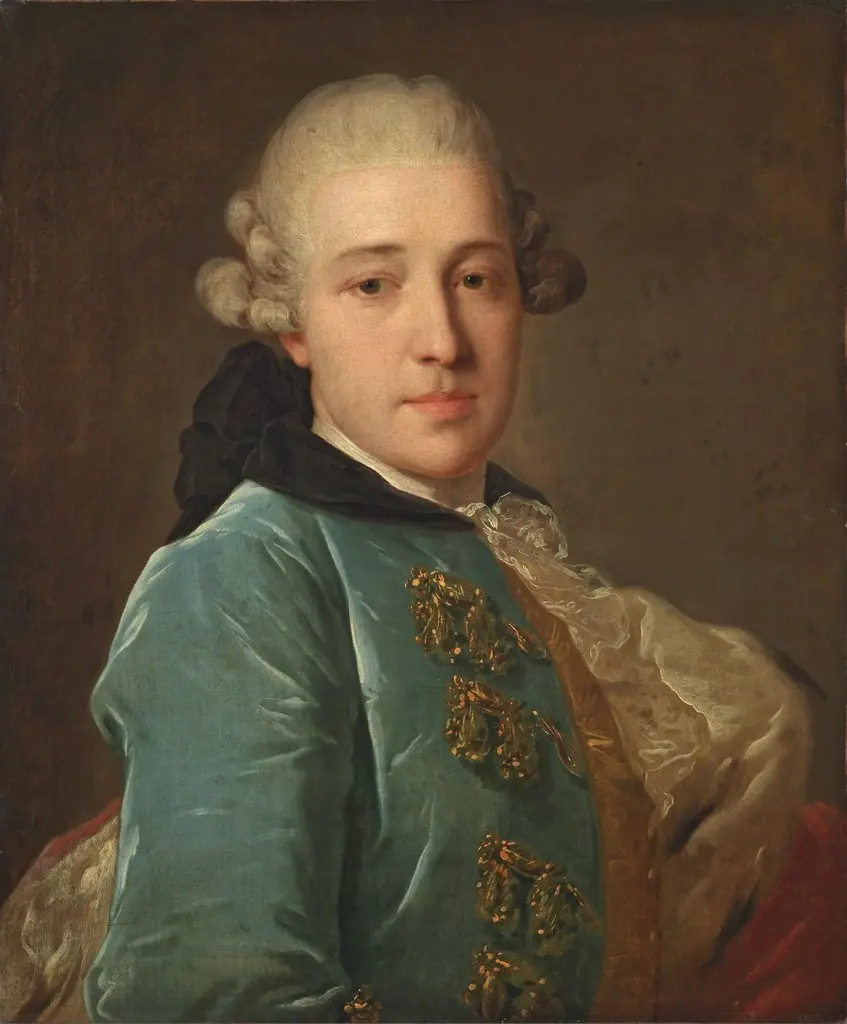
Portrait of Count Ivan Ivanovich Shuvalov
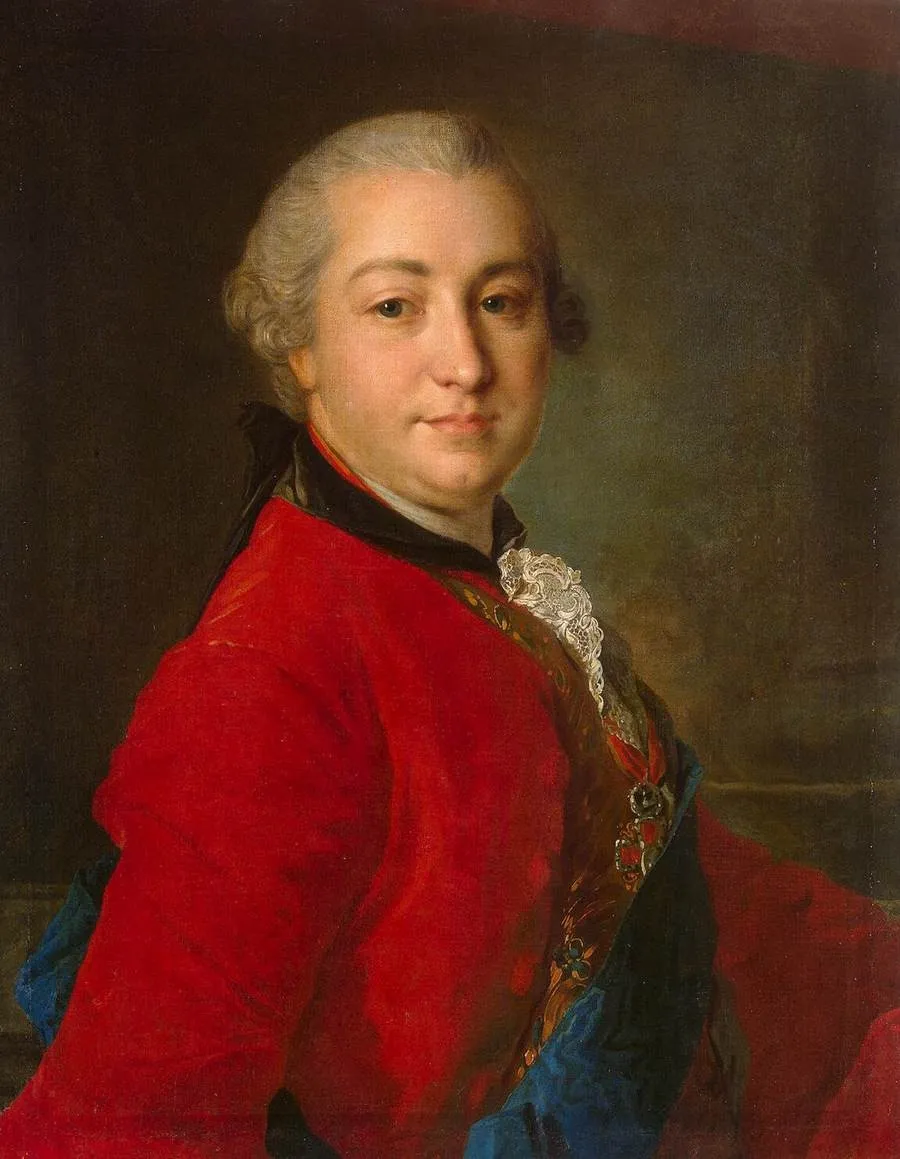
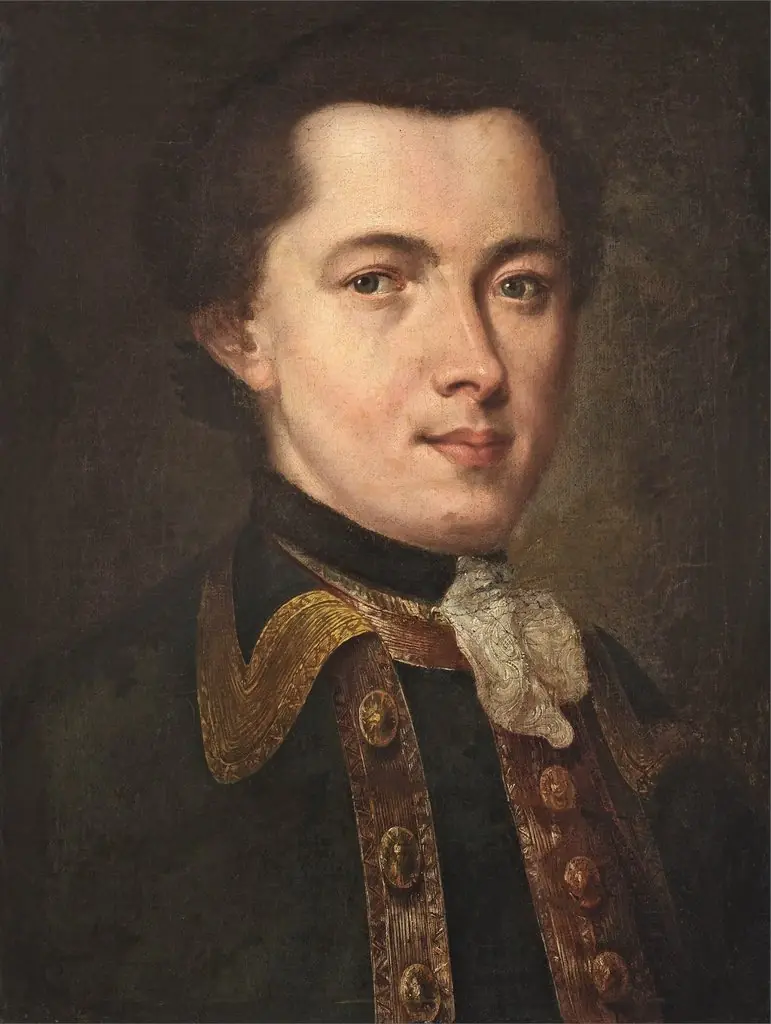
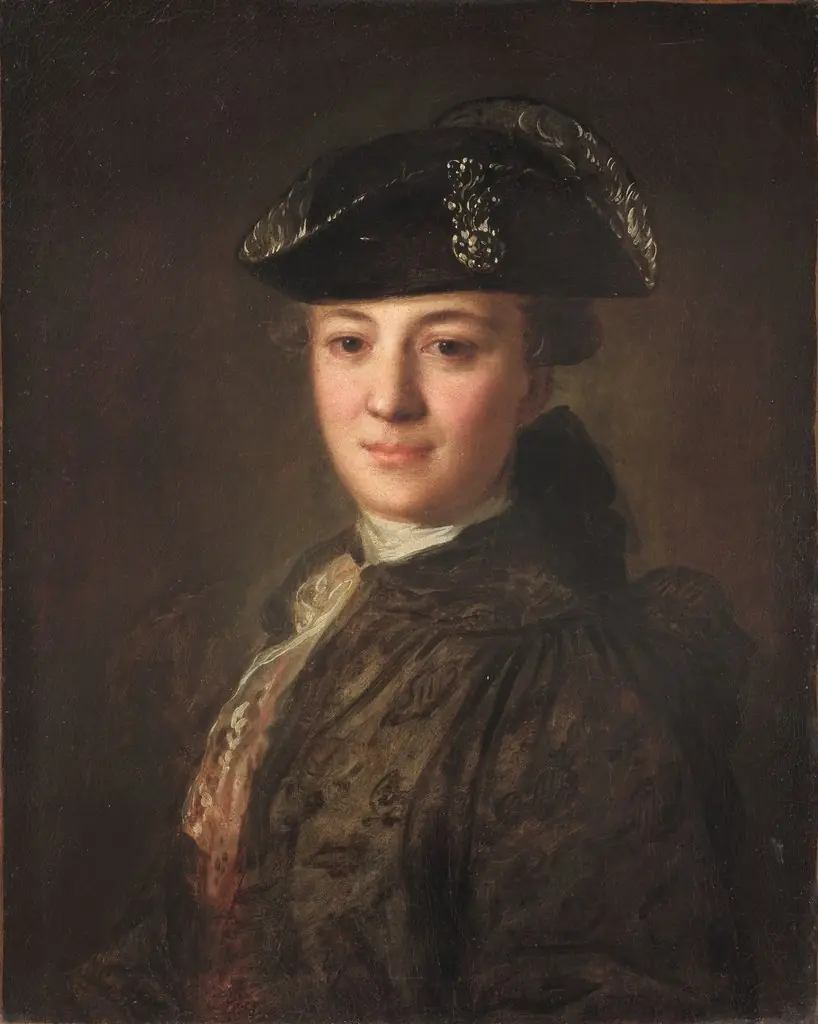
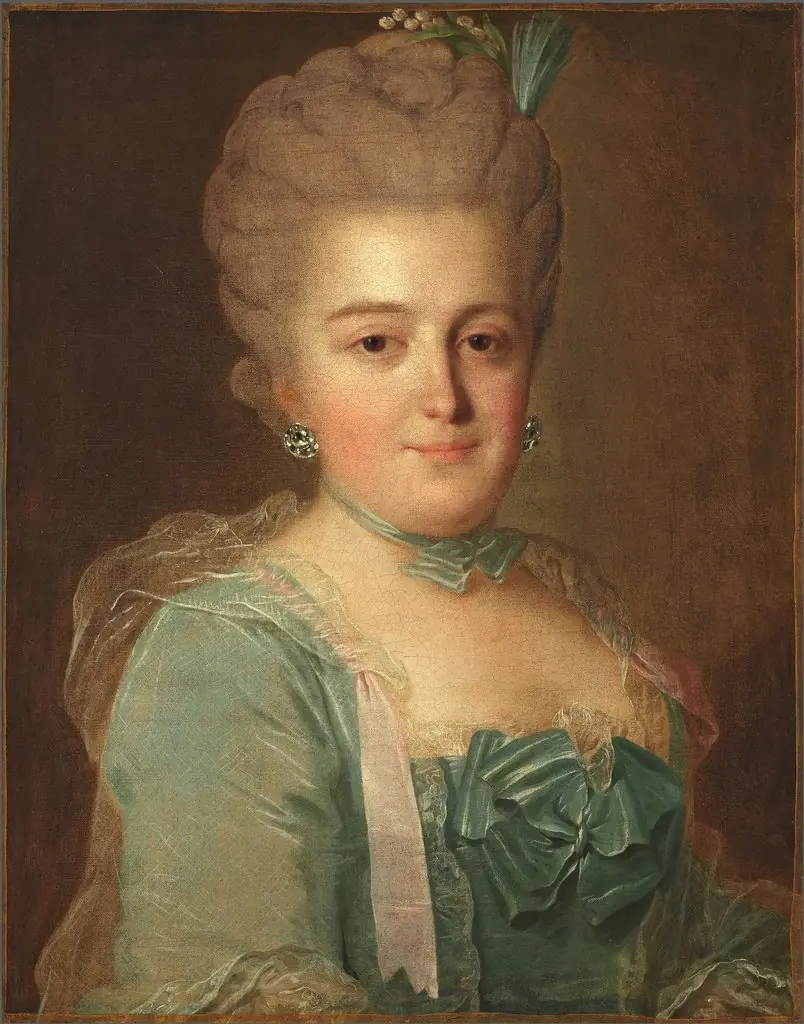
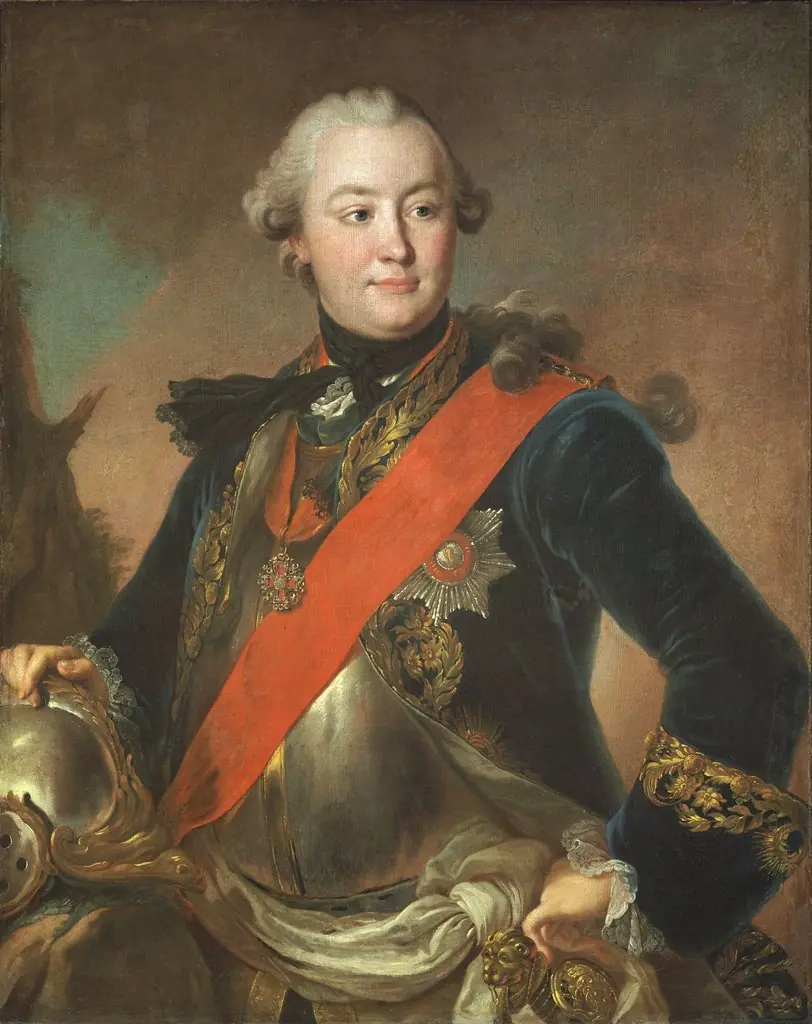
Portrait of Count Ivan Ivanovich Shuvalov is an oil painting by the Rococo painting artist Fyodor Rokotov. It dates from 1760 and is held in the collection of the Hermitage Museum.
About this work
Overview
In 1760 Fyodor Rokotov executed an oil portrait of Count Ivan Ivanovich Shuvalov. The work exemplifies the Russian Rococo phase, presenting the sitter in a composed, refined manner. Today the painting forms part of the State Hermitage Museum’s collection, where it is displayed among other eighteenth‑century portraiture.
Subject & Meaning
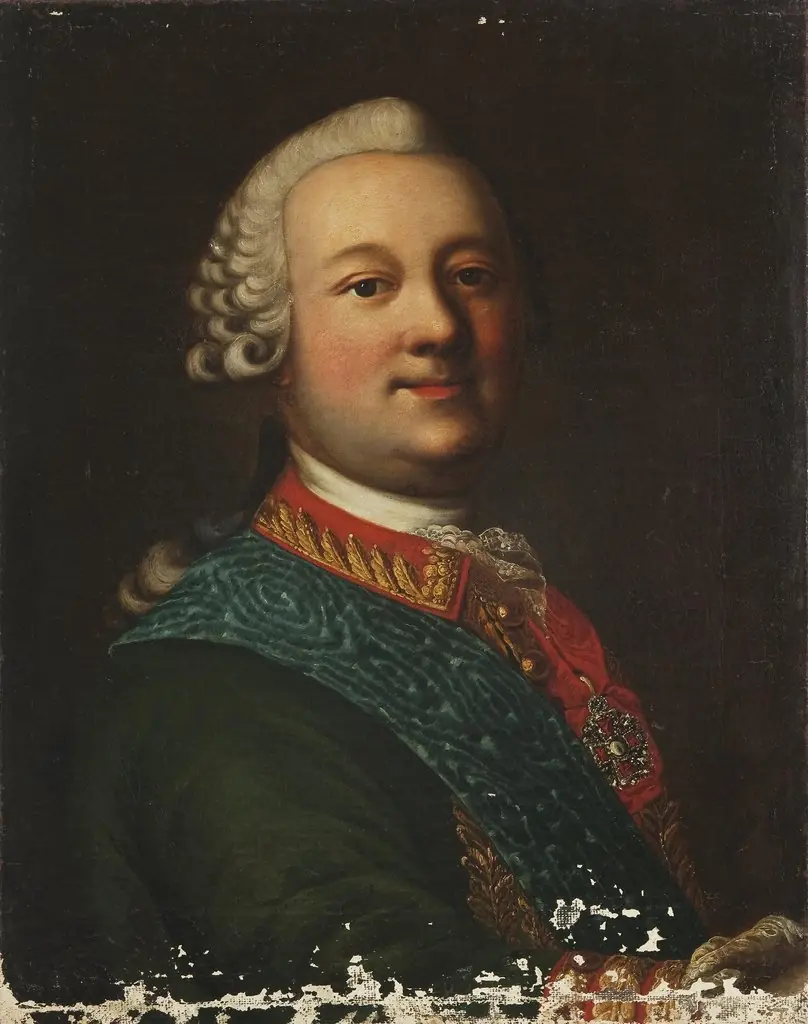
The portrait shows the count with striking white hair, dressed in a red coat trimmed with blue sleeves and a black collar. A lace‑edged white shirt, a prominent brooch, and a blue sash across his left shoulder convey an image of aristocratic elegance and status, while the dark, subtly graded background focuses attention on his face.
Technique & Style
Rokotov employs a delicate palette, balancing the vivid reds and blues of the costume against muted shadows. Fine brushwork renders the lace and brooch with ornamental precision, creating a sense of depth through subtle tonal shifts. The overall effect aligns with Rococo’s preference for graceful lines and polished surface treatment.
History & Provenance
Born a serf in 1736, Rokotov purchased his freedom in the late 1750s and rose to prominence as a leading portraitist. After its creation, the painting entered the imperial collection and eventually was transferred to the State Hermitage Museum, where it remains accessible to the public.
Artist & collection
Artist
Fyodor Stepanovich Rokotov (Fedor Rokotov) (Russian: Фёдор Степа́нович Ро́котов; 1736 – December 24, 1808) was a Russian painter who specialized in portraits.