Artwork
Franz Joseph Graf Saurau
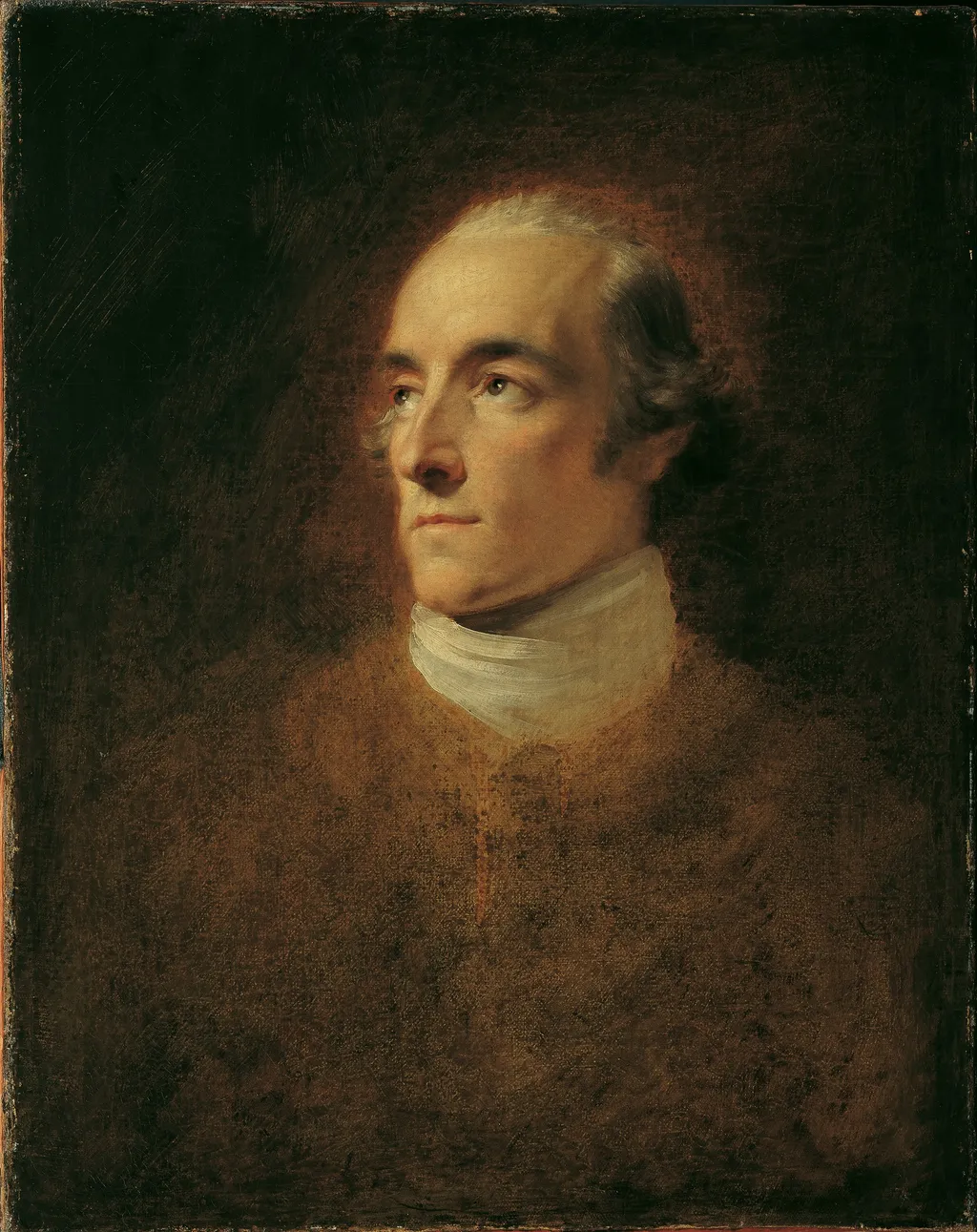
Franz Joseph Graf Saurau is an oil painting by the Biedermeier artist Heinrich Füger. It dates from 1799 and is held in the collection of the Kunsthistorisches Museum.
About this work
Overview
Füger, known for his precise draftsmanship, captures his subject with quiet dignity, avoiding theatricality in favor of psychological presence.
Painted in 1799 by Heinrich Friedrich Füger, this oil portrait depicts Franz Joseph Graf Saurau, an Austrian nobleman. The work is part of the Kunsthistorisches Museum’s collection and reflects the transition from late Enlightenment ideals toward the restrained aesthetics of the Biedermeier period. Füger, known for his precise draftsmanship, captures his subject with quiet dignity, avoiding theatricality in favor of psychological presence.
Subject & Meaning
Franz Joseph Graf Saurau is portrayed with a composed, introspective gaze directed slightly to the left, suggesting contemplation rather than public performance. His dark curls and formal attire—a brown jacket with a white cravat—signal aristocratic status without ostentation. The absence of symbols of power or rank shifts focus to the individual’s demeanor, aligning with Biedermeier values that prioritized private virtue over public display.
Technique & Style
Füger employs chiaroscuro to model the face with soft, directional light against a deep, unbroken shadow. This technique enhances the three-dimensionality of the figure while isolating him from the background, creating intimacy. Brushwork is controlled and smooth, avoiding visible strokes, which reinforces the portrait’s calm, orderly character. The limited palette and muted tones further support the restrained aesthetic of the period.
History & Provenance
Commissioned during the late Habsburg era, the portrait entered the Kunsthistorisches Museum’s collection in the 19th century as part of broader efforts to document Austrian aristocratic culture. Its preservation reflects the museum’s early commitment to collecting works by German-speaking artists active in the Habsburg lands. No significant alterations or reworkings are recorded, and the painting remains in its original state.
Context
Created in 1799, the portrait emerges amid political upheaval in Europe and the waning influence of Baroque grandeur. In Austria, the Biedermeier movement was taking root, favoring domestic tranquility and understated elegance over imperial spectacle. Füger’s approach aligns with this shift, offering a portrait that values inner character over external status, resonating with emerging middle-class sensibilities.
Legacy
Though not widely exhibited outside Austria, the portrait exemplifies the quiet intensity characteristic of early Biedermeier portraiture. Füger’s influence extended through his teaching and his role in shaping Viennese academic standards. This work remains a reference point for understanding how aristocratic identity was reimagined in the early 19th century through subtlety rather than spectacle.
Own this work as a print
Artist & collection
Artist
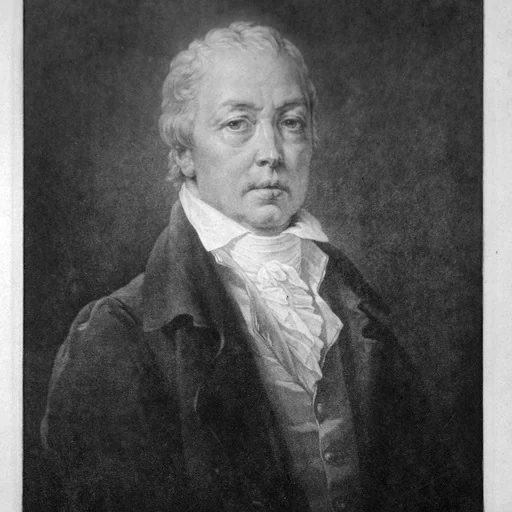
Heinrich Friedrich Füger (8 December 1751 – 5 November 1818) was a German portrait and historical painter and one of the most important German representatives of classicism.

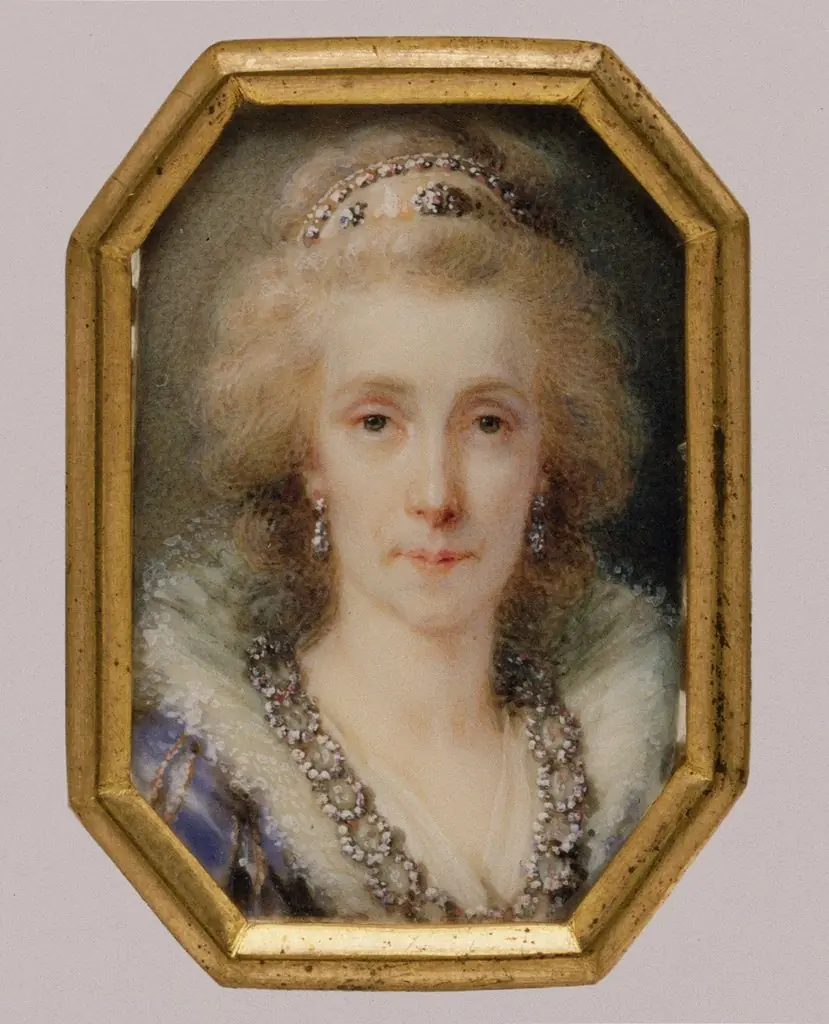 Maria Louisa (1745–1792), Empress of Austria
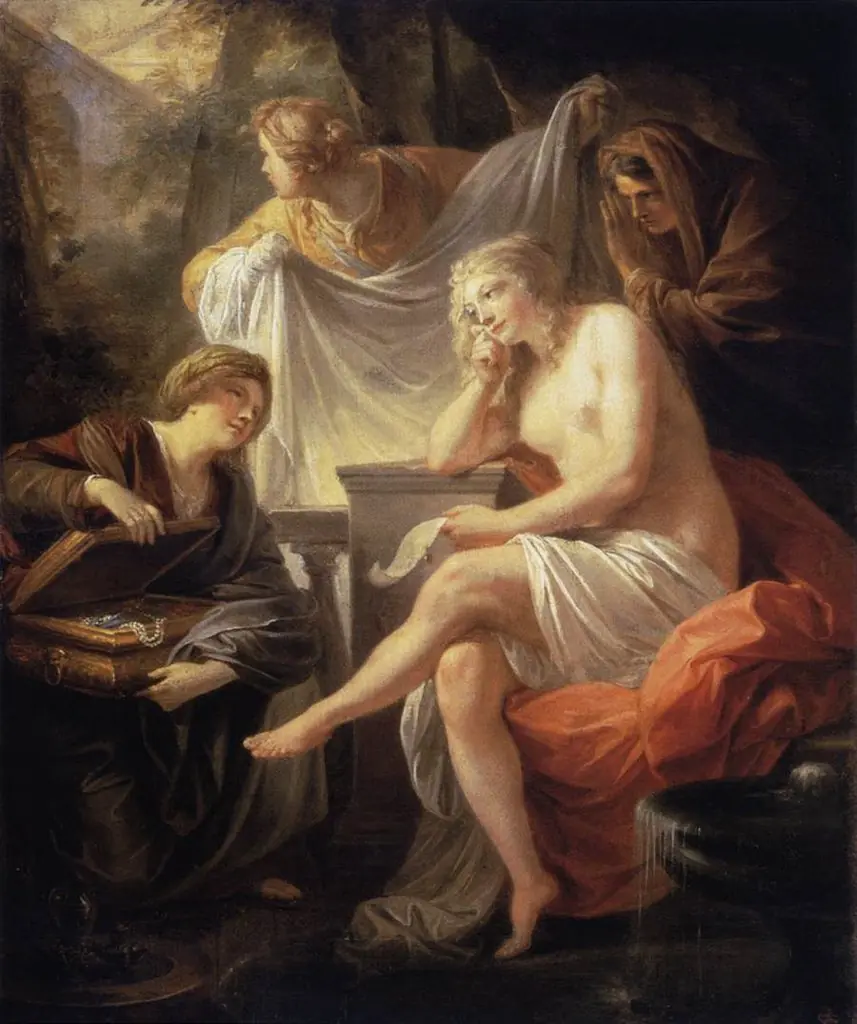 Bathsheba at her bath
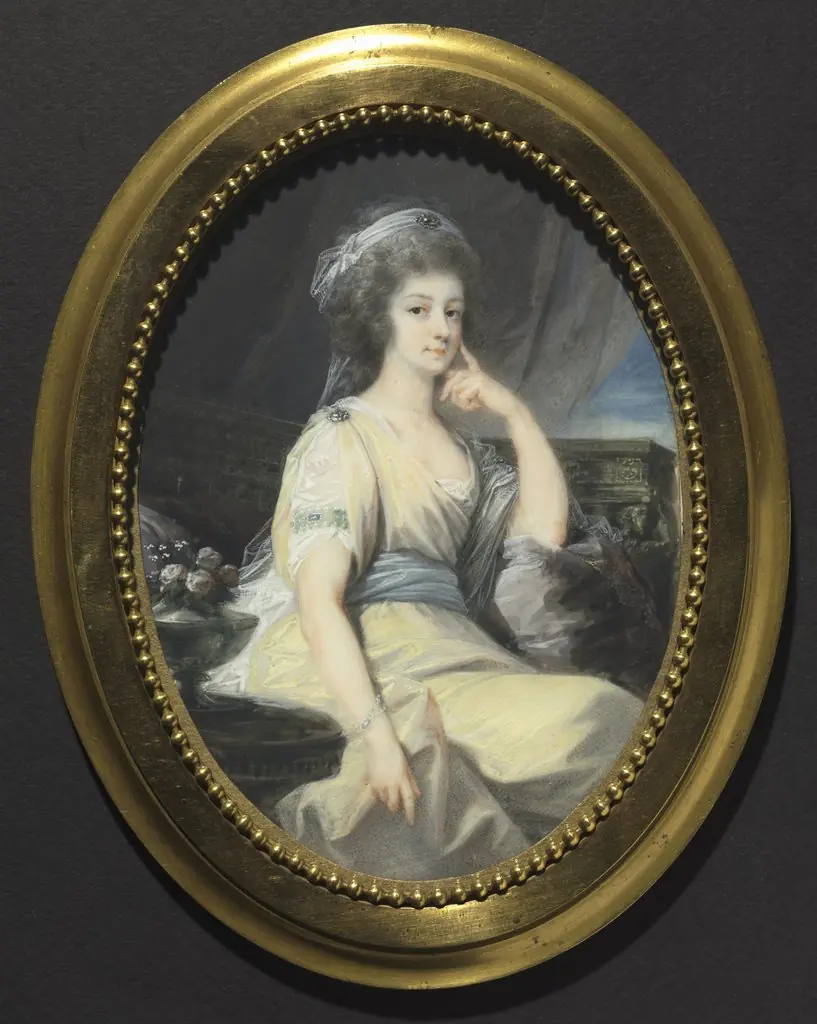 Portrait of Marie Karolina Anna, Countess Thun
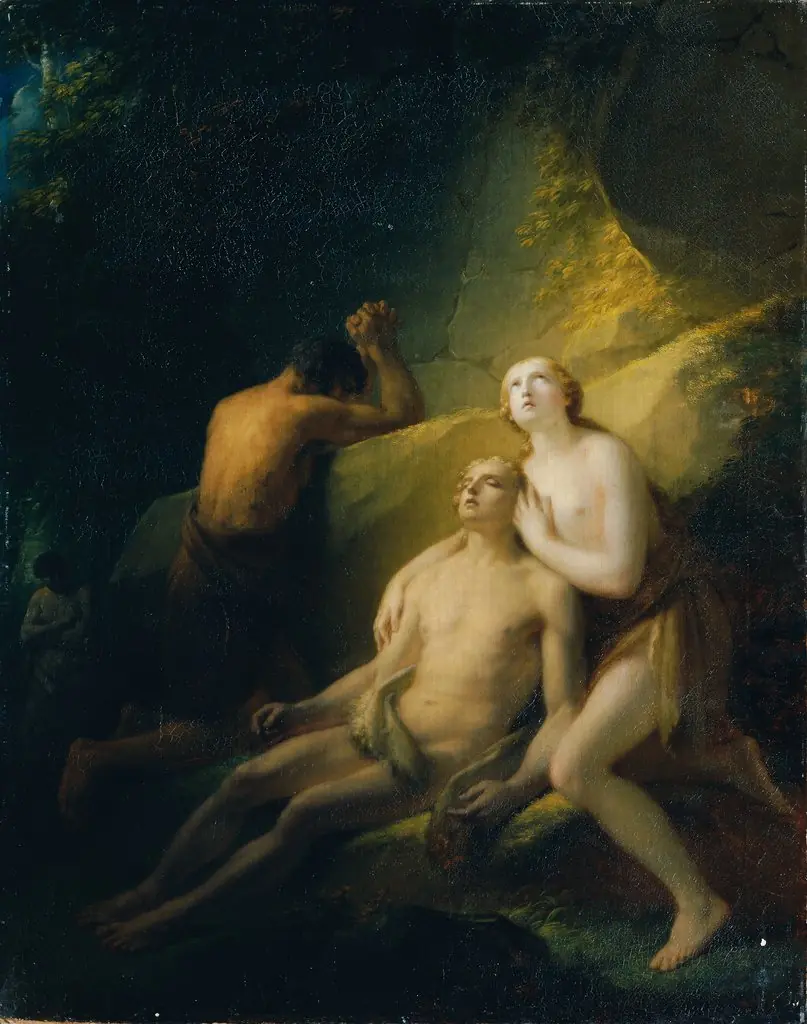 Adam and Eve Mourn the Dead Abel
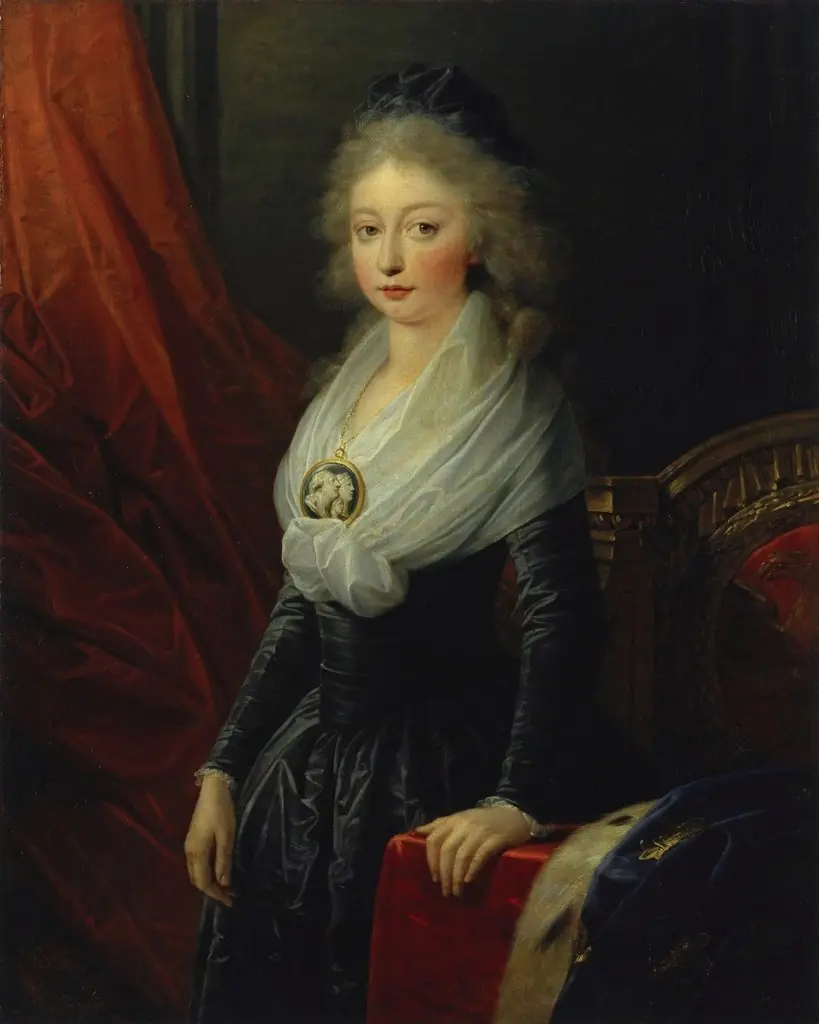 Portrait of Maria Theresia Charlotte of Bourbon
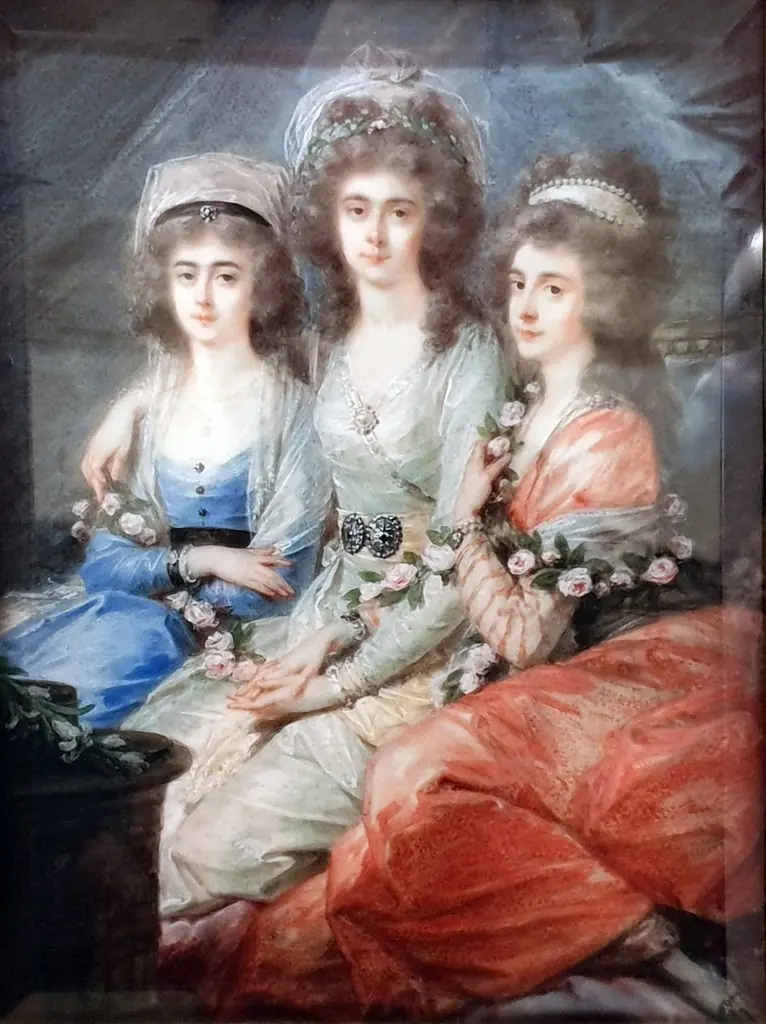 The countesses Elisabeth, Christiane and Marie Karoline Thun-Hohenstein-Klösterle
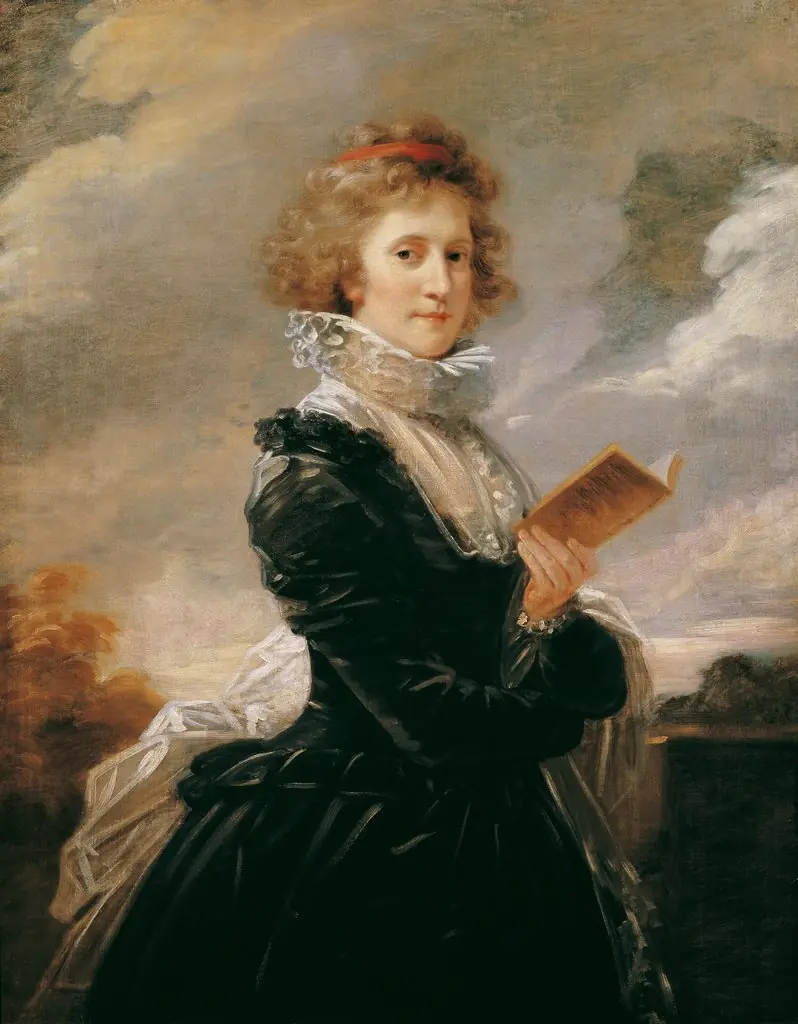 The actress Josefa Hortensia Füger, the wife of the artist
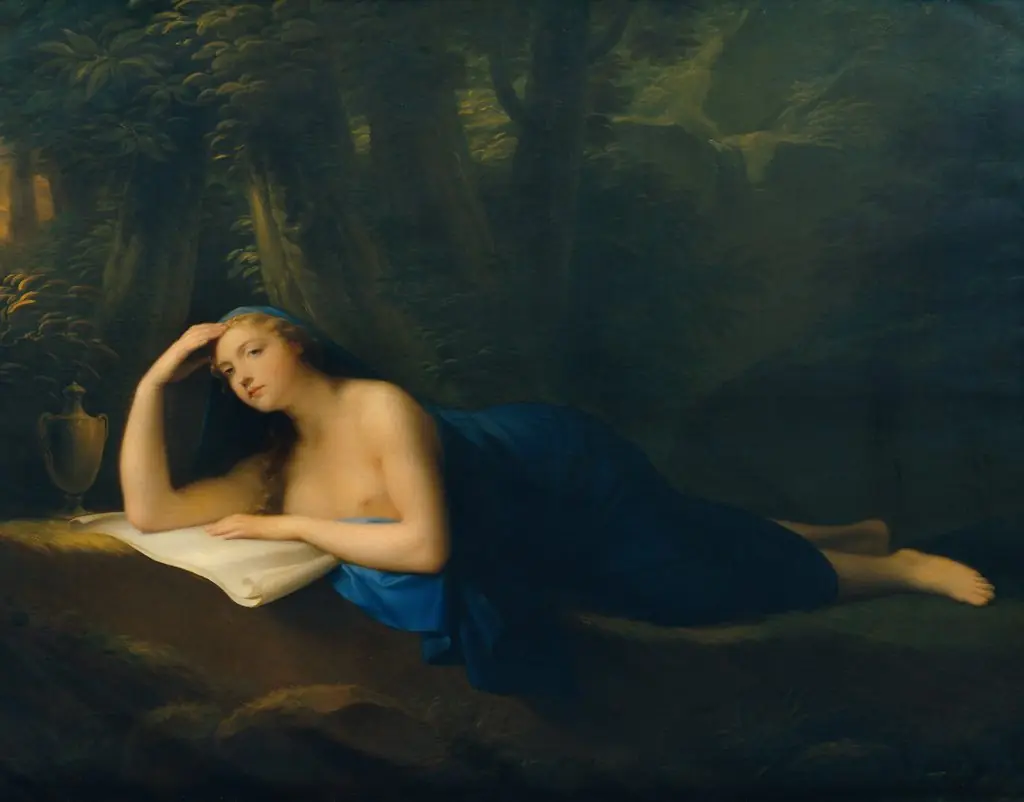 The Penitent Magdalene
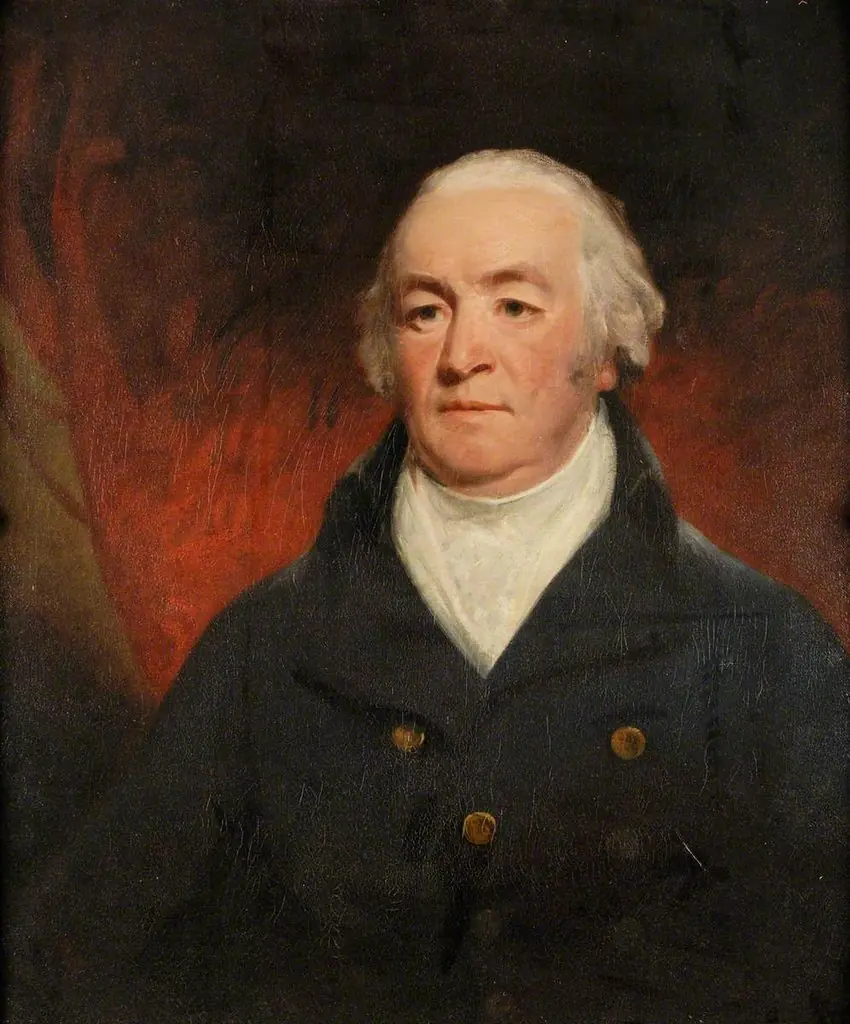 Thomas Williams
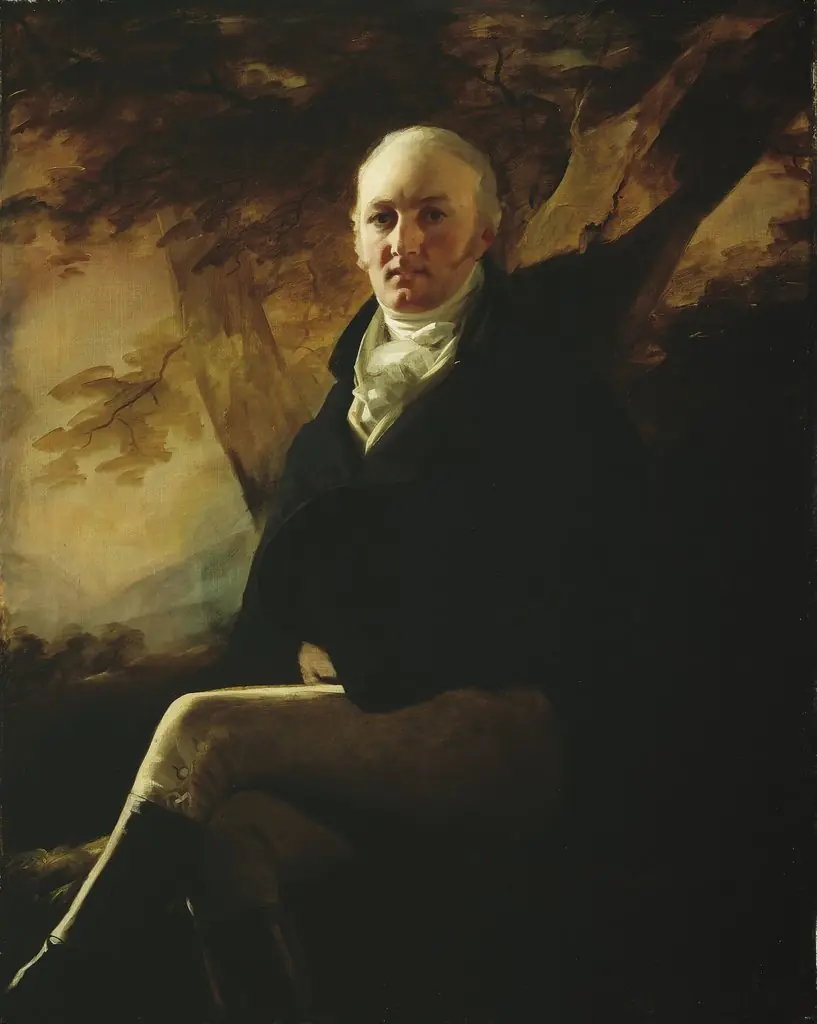 Sir James Montgomery, Second Baronet of Stanhope
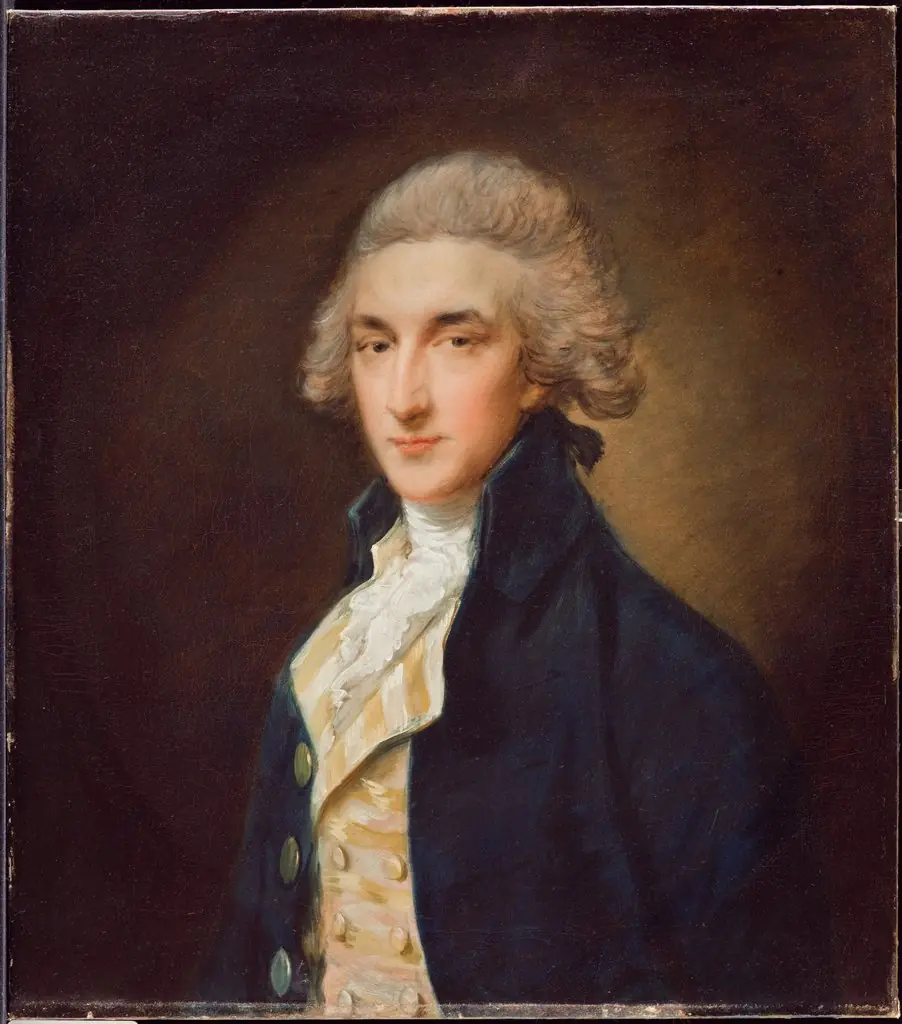 Sir John Edward Swinburne
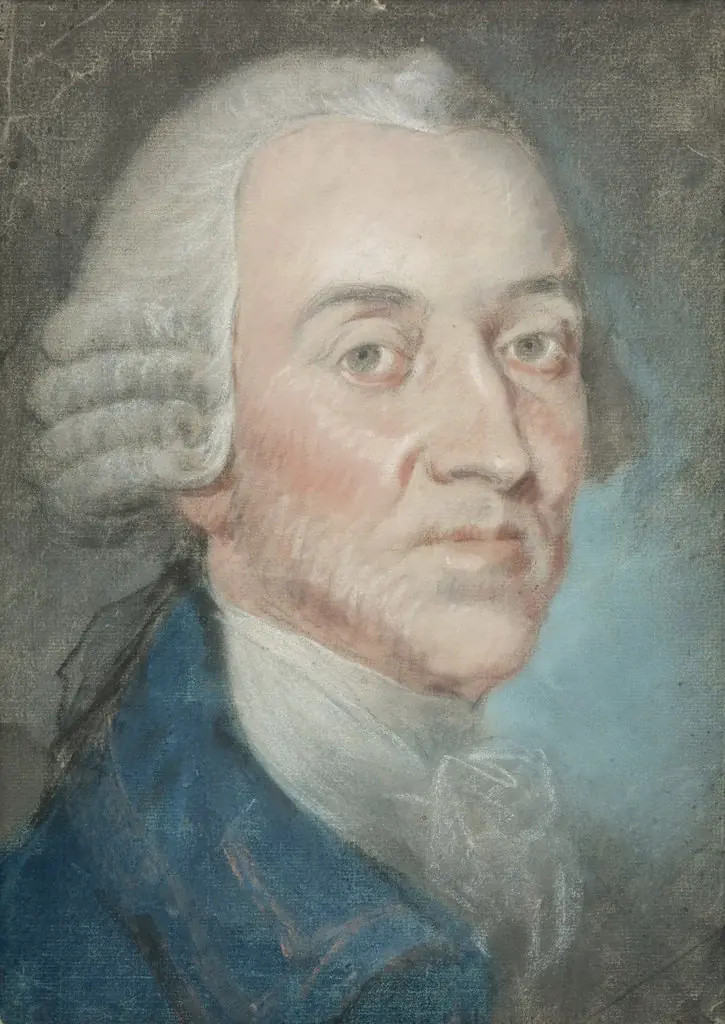 Gentleman
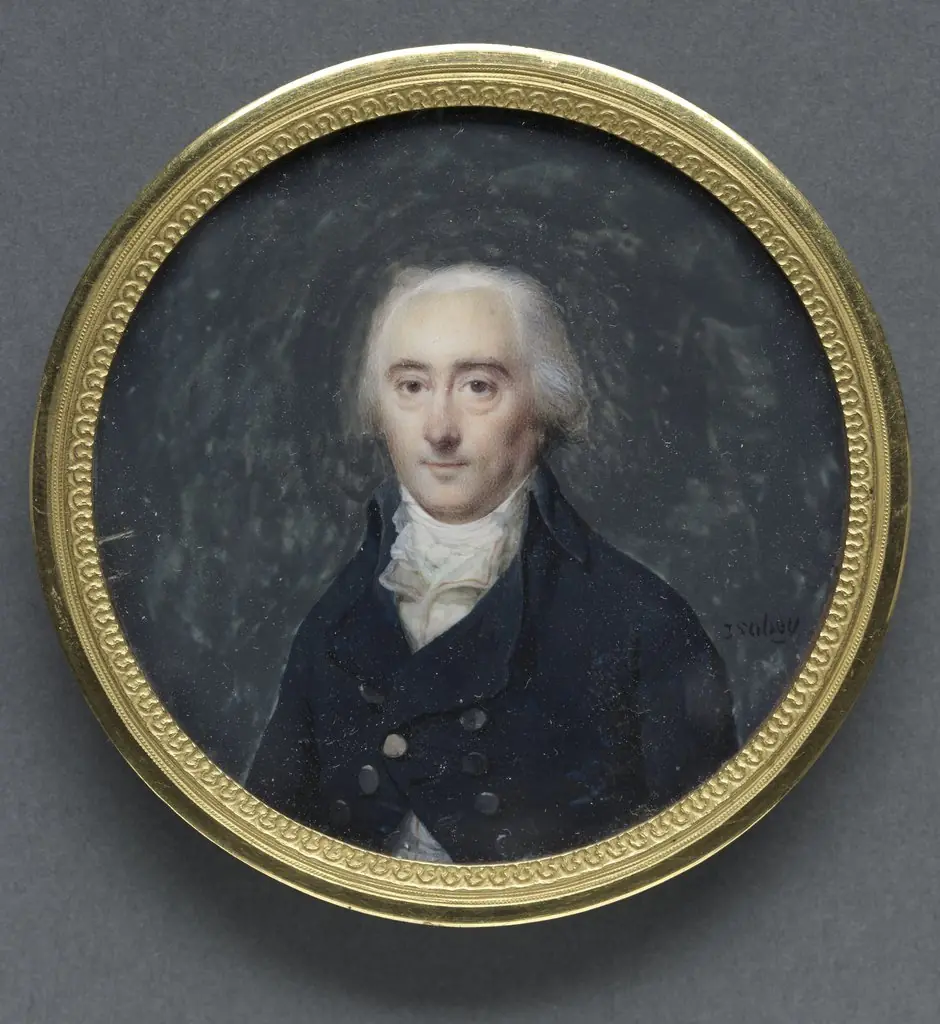 Portrait of a Man
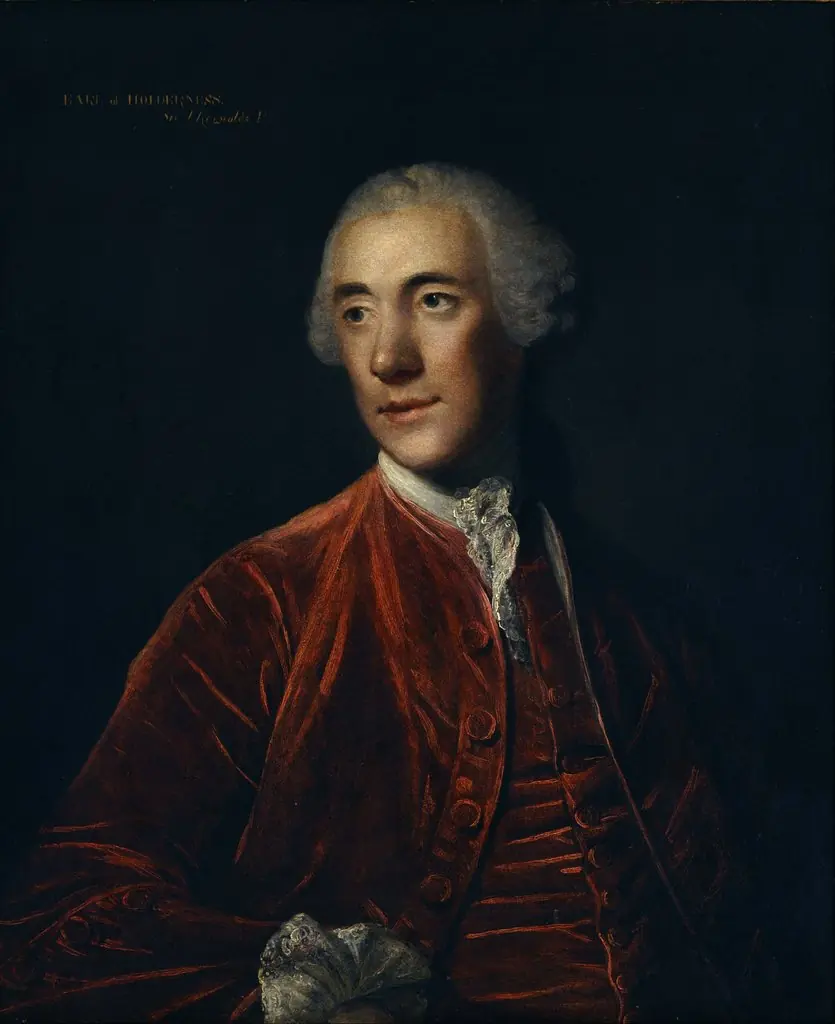 Robert d’Arcy, 4th Earl of Holderness
 William Gunn
 Portrait of Salomon Rendorp, Brewer in Amsterdam
 William Gunn
 William Gunn
 Lawrence Reid Yates
 Porträt eines Mannes (Johann Joachim Winckelmann?)