Artwork
Robert d’Arcy, 4th Earl of Holderness
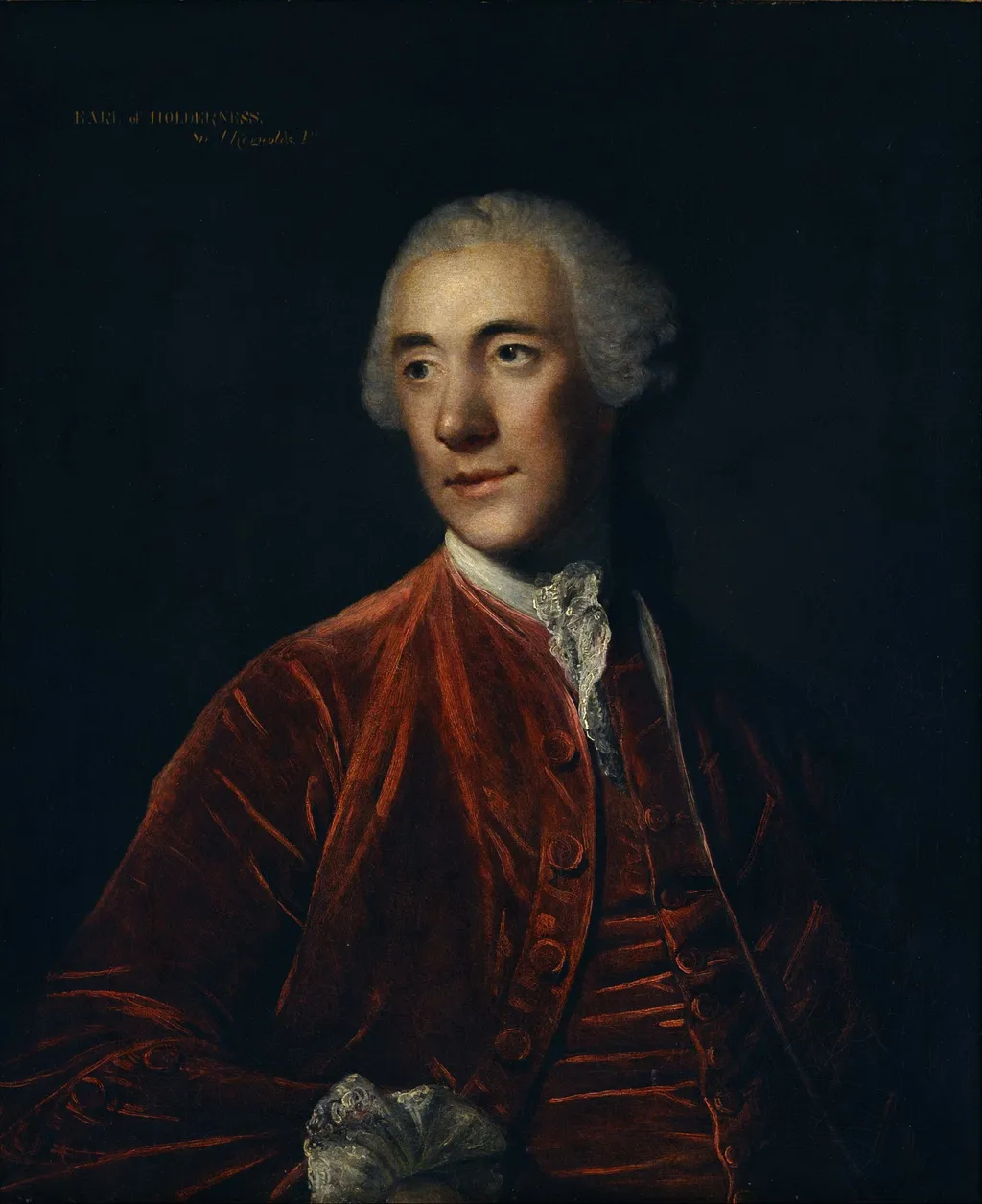
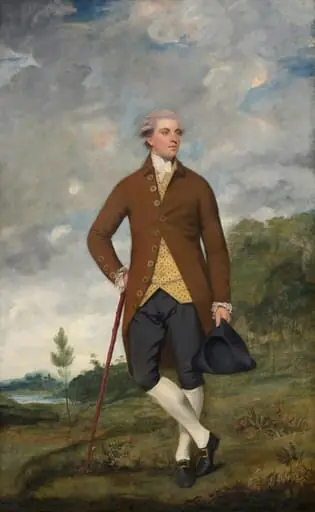
Robert d’Arcy, 4th Earl of Holderness is an oil painting by the Neoclassicist artist Joshua Reynolds. It dates from 1775 and is held in the collection of the National Museum of Western Art.
About this work
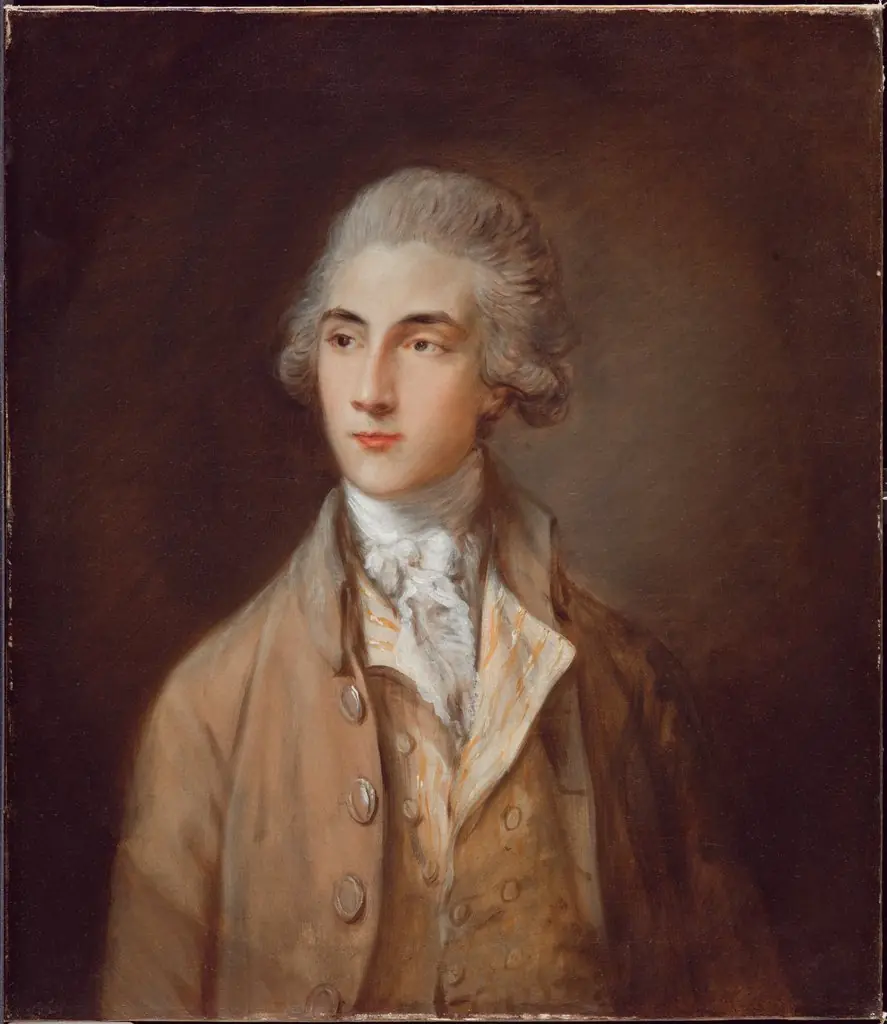
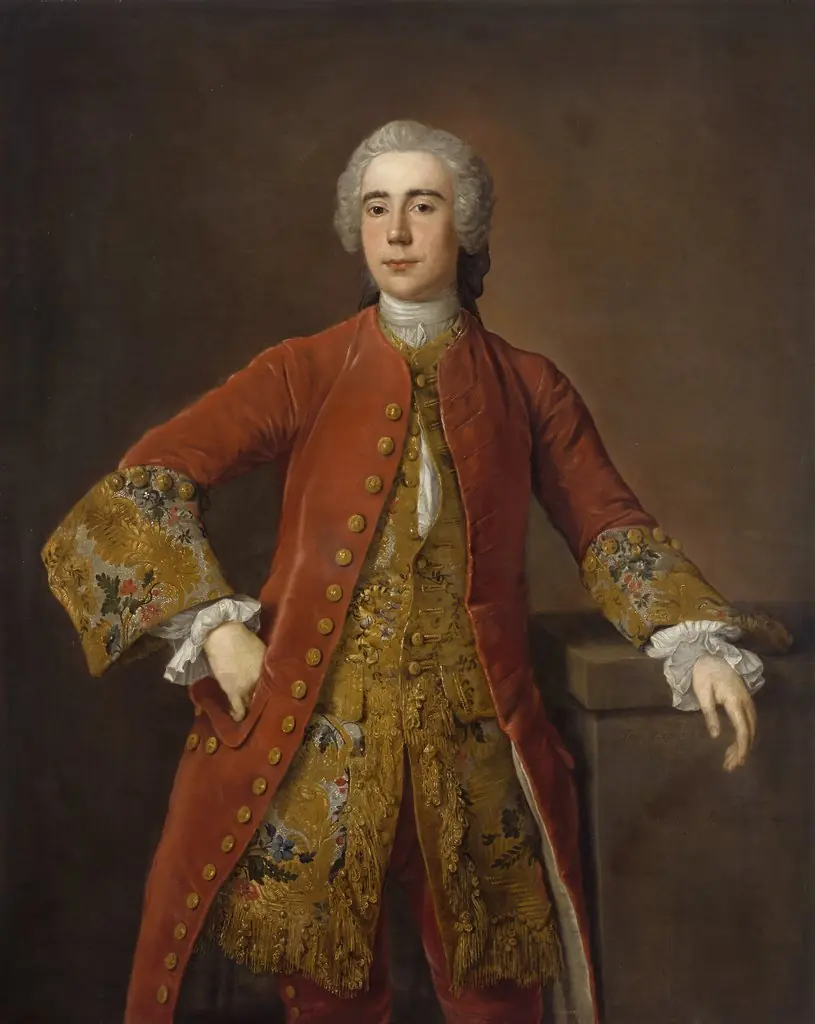
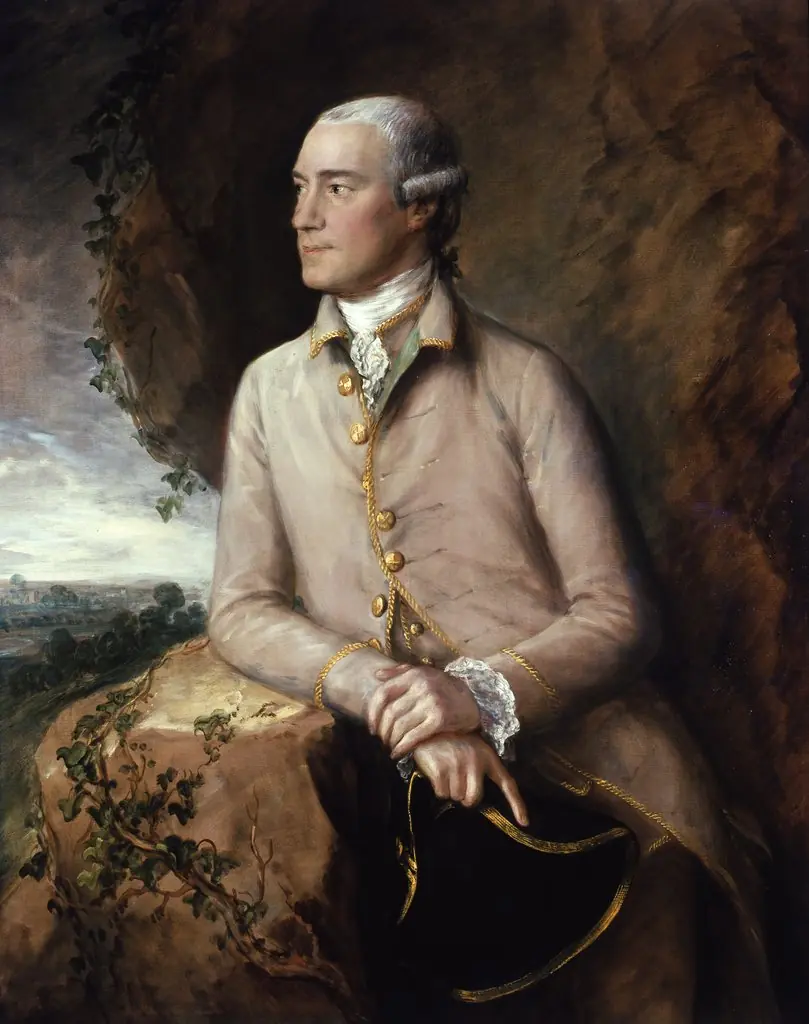
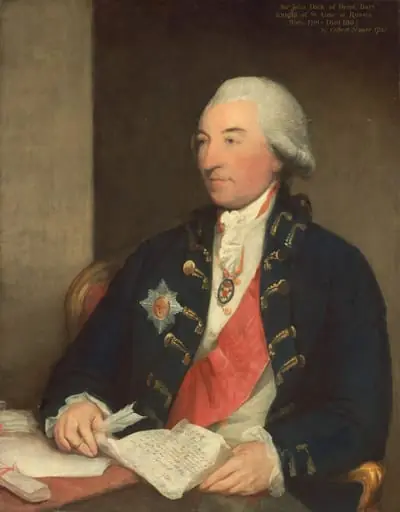
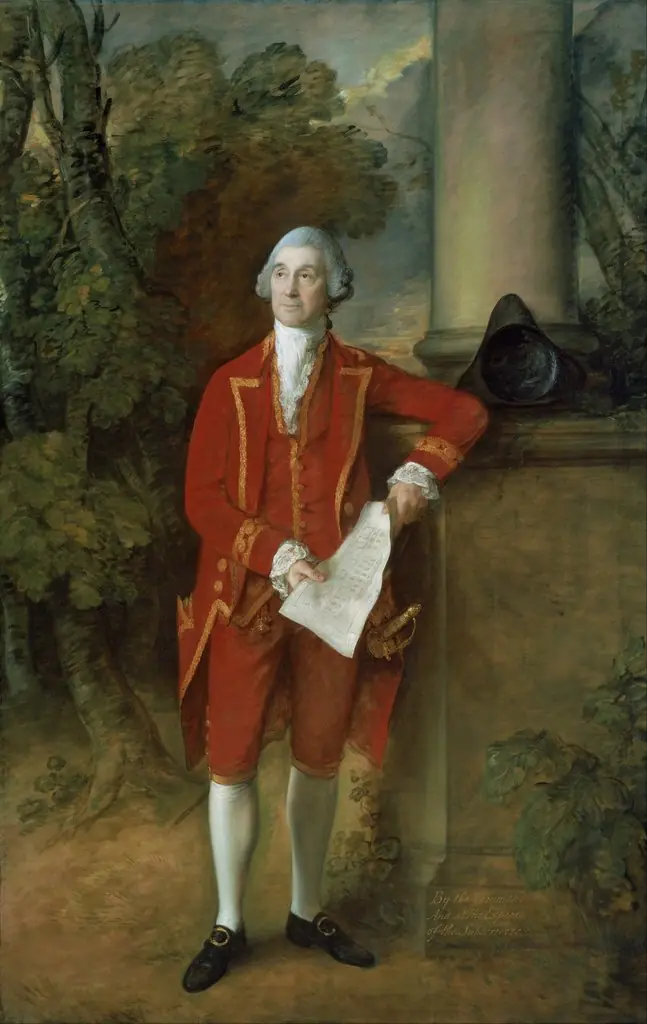
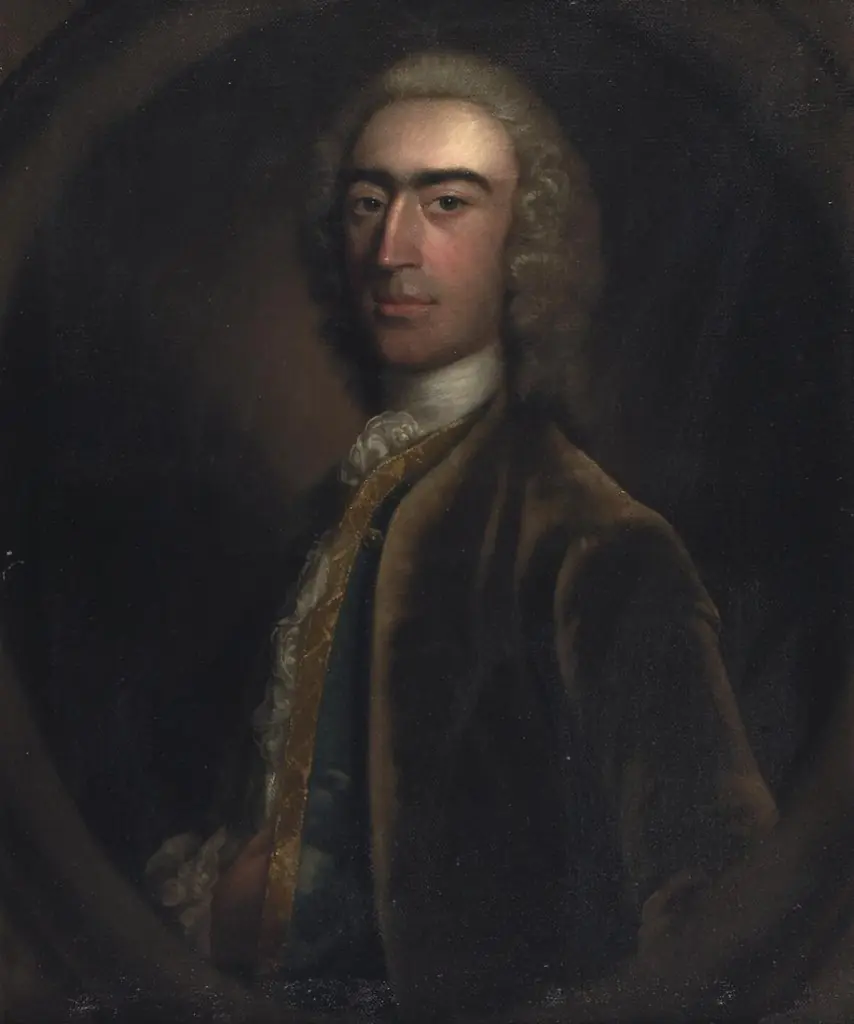
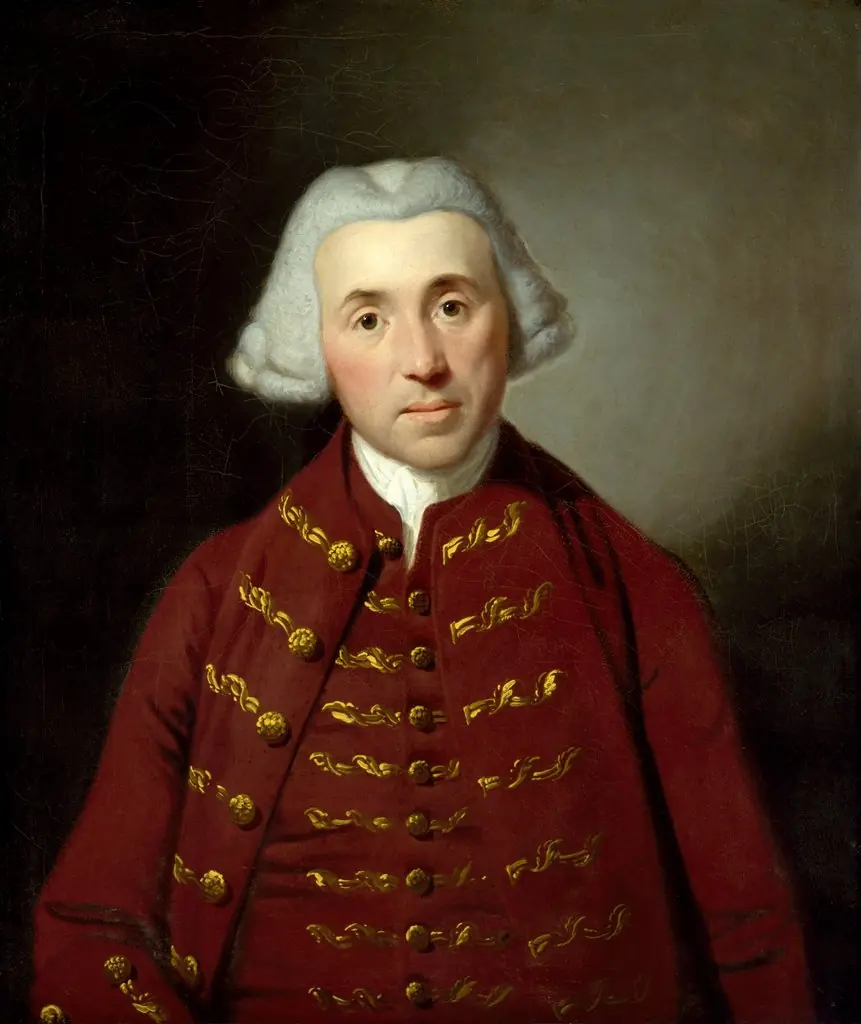
The painting depicts a man with white hair, wearing a red velvet jacket with a white lace collar and cuffs.
The painting depicts a man with white hair, wearing a red velvet jacket with a white lace collar and cuffs. He is facing forward, with his body turned slightly to the right. The background of the painting is dark, which helps to highlight the subject's features.
The man's facial expression is neutral, and his eyes seem to be looking directly at the viewer. His clothing and hairstyle suggest that he is a member of the upper class, possibly from the 18th century. The painting's use of chiaroscuro, a technique that uses strong contrasts between light and dark to create a sense of volume and depth, adds to the overall sense of realism and drama.
The painting is a portrait of Robert d'Arcy, 4th Earl of Holderness, created by Joshua Reynolds in 1775. To learn more about the artist's use of chiaroscuro, explore the technique of chiaroscuro.
Overview
In 1775 Sir Joshua Reynolds executed an oil portrait of Robert d’Arcy, the fourth Earl of Holderness. The canvas presents the aristocrat in a dignified pose, his white hair and red velvet attire contrasting with a dark backdrop. The work resides in the collection of the National Museum of Western Art, exemplifying Reynolds’s prominence in late‑eighteenth‑century British portraiture.
Subject & Meaning
The sitter, Robert d’Arcy, appears as a mature nobleman, his neutral gaze meeting the viewer directly. His attire—a red velvet jacket trimmed with white lace—signals high social rank, while the composed expression conveys the era’s ideals of rationality and restrained authority associated with the aristocracy.
Technique & Style
Reynolds employed a neoclassical approach, using chiaroscuro to model the figure against a deep, muted background. The strong light on the Earl’s face and hands creates a sense of three‑dimensionality, while the subdued palette and smooth brushwork reflect the artist’s mastery of oil as a medium for refined, lifelike representation.
History & Provenance
The portrait was completed shortly after Reynolds received his knighthood from George III in 1769 and during his tenure as the inaugural president of the Royal Academy of Arts. It later entered the holdings of the National Museum of Western Art, where it remains on display as part of the museum’s European painting collection.
Context
Created during a period when British portraiture emphasized moral virtue and classical restraint, the painting aligns with Reynolds’s advocacy of the Grand Style. The work reflects contemporary expectations for aristocratic portraiture to convey both personal status and the broader Enlightenment values of order and decorum.
Own this work as a print
Artist & collection
Artist
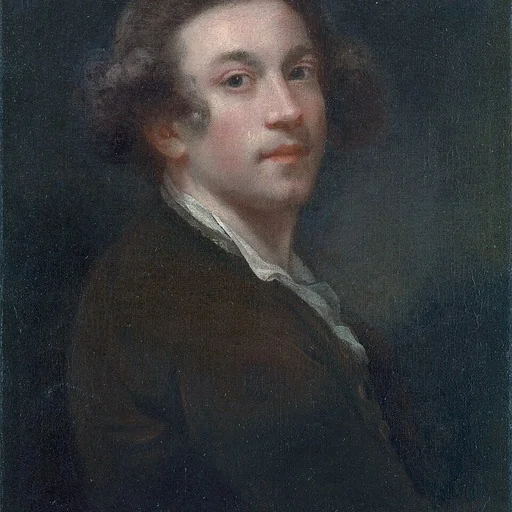
Sir Joshua Reynolds (16 July 1723 – 23 February 1792) was an English painter who specialised in portraits.