Artwork
William Gunn
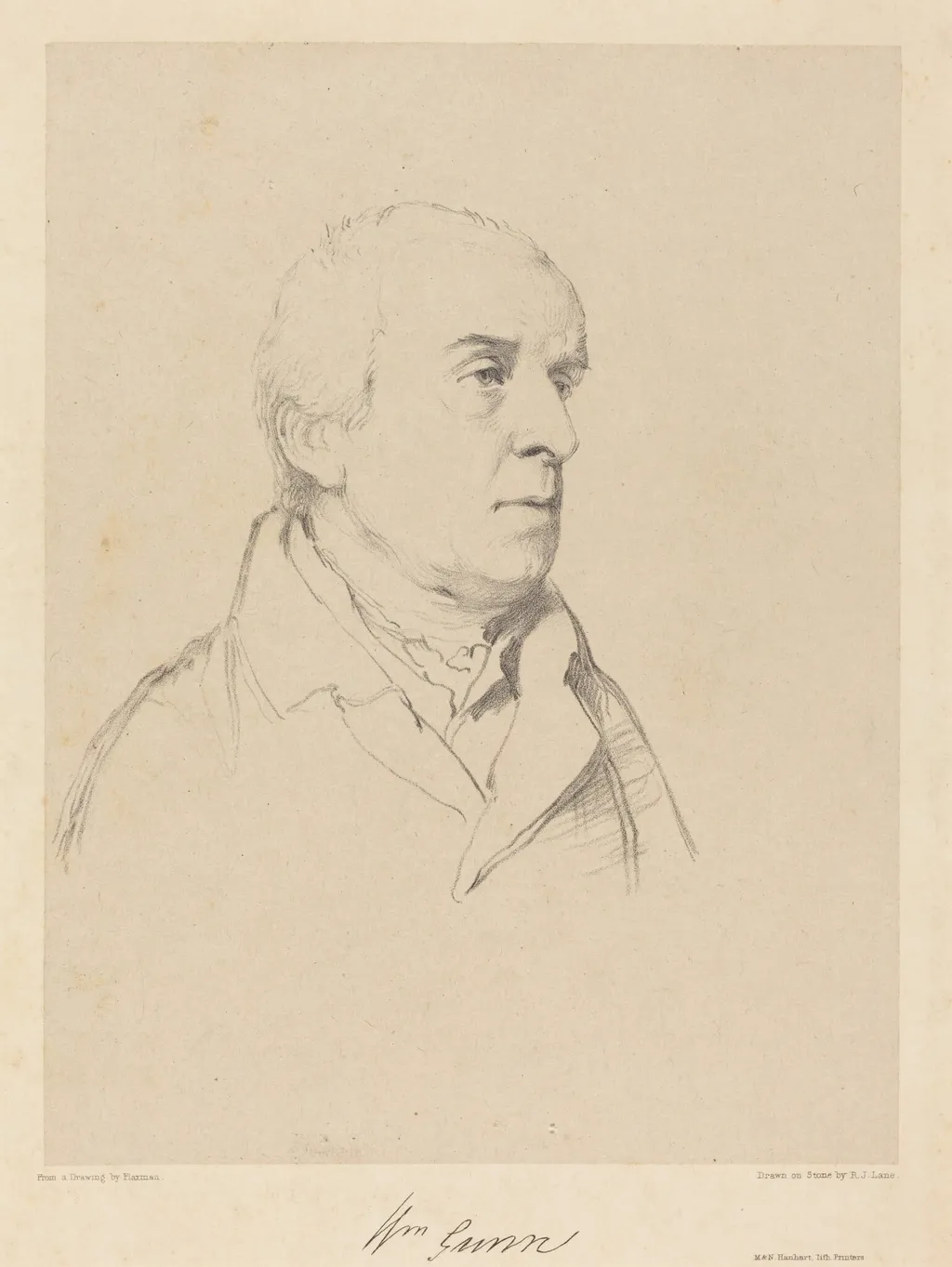
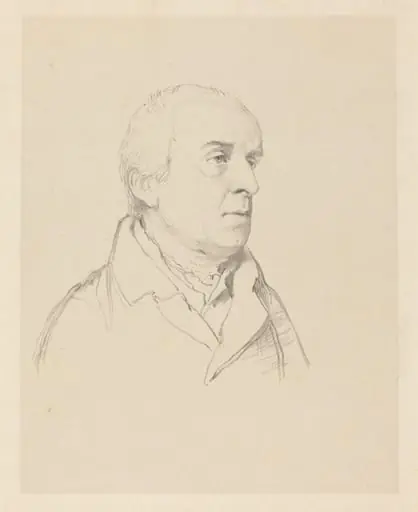
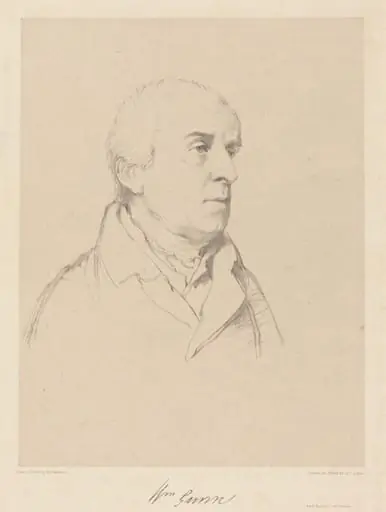
William Gunn is an ink print by the Romanticist artist Richard James Lane. It dates from 1836 and is held in the collection of the National Gallery of Art.
About this work
Overview
The technique allowed for multiple impressions, making it suitable for reproducing portraits with relative efficiency.
Created in 1836 by Richard James Lane, this work is a lithograph on papier collé depicting William Gunn. Unlike a painting, it was produced through a printmaking process that transfers an image drawn on stone to paper. The technique allowed for multiple impressions, making it suitable for reproducing portraits with relative efficiency. Lane signed the work and marked it as drawn on stone, affirming its origin in lithographic practice.
Subject & Meaning
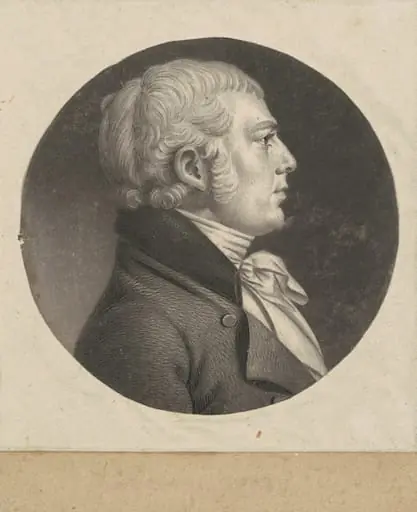
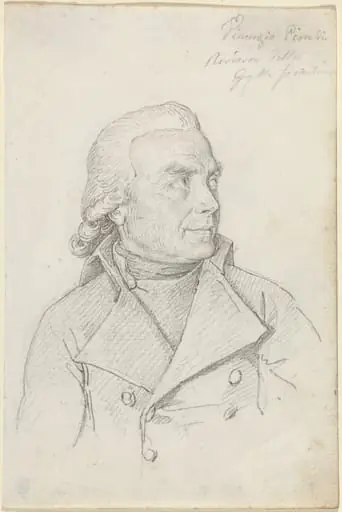
The portrait captures William Gunn, an older man rendered in profile with quiet solemnity. His high-collared coat and neatly tied cravat suggest formal attire, possibly indicating professional or social standing. The absence of overt symbolism or background elements focuses attention on his expression and demeanor, conveying a sense of dignified restraint rather than narrative or allegory.
Technique & Style
Lane employed lithography, a method relying on the repulsion of oil and water, drawing directly onto a limestone surface. The soft, subtle lines of the face reflect the medium’s capacity for tonal nuance. The use of papier collé—paper layered onto a support—adds a tactile, slightly textured surface, enhancing the handcrafted quality of the print and distinguishing it from machine-produced images of the era.
History & Provenance
The work originates from Richard James Lane’s series of lithographic portraits produced in the 1830s, a period when the technique gained popularity for capturing public figures. While specific ownership records are not documented, its preservation suggests it was valued as a representative example of mid-19th-century British portraiture, likely circulated among collectors or institutions interested in contemporary likenesses.
Context
In the 1830s, lithography emerged as a key medium for disseminating portraits beyond elite commissions. Lane, a noted lithographer, contributed to this trend by rendering recognizable figures with precision and economy. This portrait of William Gunn reflects a broader cultural shift toward documenting individuals through accessible printed media, bridging the gap between fine art and public record.
Legacy
Though William Gunn himself is not widely remembered, Lane’s lithograph endures as an example of early Victorian printmaking’s technical refinement. It illustrates how lithography democratized portraiture, allowing for the preservation of ordinary yet respectable figures in a format that could be reproduced and shared. The work remains a quiet testament to the era’s evolving relationship between image and identity.
Artist & collection