Artwork
The Presentation of Christ in the Temple
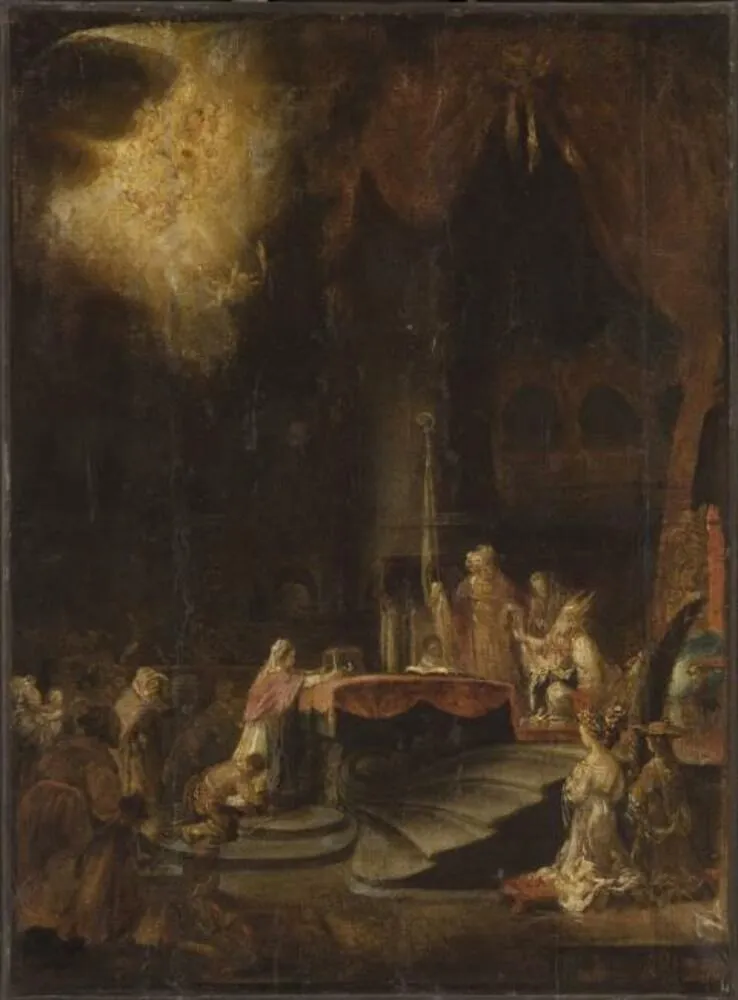
The Presentation of Christ in the Temple is an oil painting by the Dutch Golden Age artist Heinrich Jansen. It dates from 1649 and is held in the collection of the Philadelphia Museum of Art.
About this work
Overview
Painted in 1649 by Heinrich Jansen, this oil on canvas work depicts the biblical scene of Christ’s presentation at the Temple. It resides in the Philadelphia Museum of Art, where it stands as a rare example of Dutch religious painting from the mid-seventeenth century. The composition centers on a quiet, intimate moment rather than grand spectacle, emphasizing stillness and reverence.
Subject & Meaning
The figures are arranged in a tight circle, their gazes fixed on the child, underscoring the sacredness of the moment.
The scene illustrates the ritual presentation of the infant Jesus in the Temple, as described in the Gospel of Luke. Mary and Joseph offer the child to God, while Simeon, the righteous elder, receives him. The figures are arranged in a tight circle, their gazes fixed on the child, underscoring the sacredness of the moment. The absence of overt divine intervention heightens the human dimension of the event.
Technique & Style
Jansen employs chiaroscuro to model forms with subtle gradations of light and shadow, drawing focus to the central figures. The dim interior, pierced by narrow shafts of light, creates a contemplative mood. Clothing and textures are rendered with restrained detail, avoiding theatricality. The palette is muted—browns, grays, and deep reds—reinforcing the solemnity of the occasion.
History & Provenance
The painting was completed in 1649, during Jansen’s active period in the Dutch Republic. It entered the Philadelphia Museum of Art’s collection in the early twentieth century, likely through a private acquisition. Little is documented about its earlier ownership, but its preservation suggests it was valued by collectors interested in Northern European religious art of the period.
Context
In mid-seventeenth-century Holland, religious imagery was less common than in Catholic regions, yet private devotion persisted. Jansen’s work reflects a quiet, Protestant-influenced piety, favoring introspection over spectacle. The painting aligns with a trend among Dutch artists to depict biblical scenes with domestic realism, grounding sacred narratives in recognizable human experience.
Legacy
Though not widely known today, the painting contributes to the understanding of how Dutch artists adapted biblical themes within a culturally Protestant context. Its restrained emotion and controlled lighting offer insight into the visual language of private devotion during a time when public religious art was declining. It remains a quiet testament to spiritual contemplation in early modern art.
Artist & collection

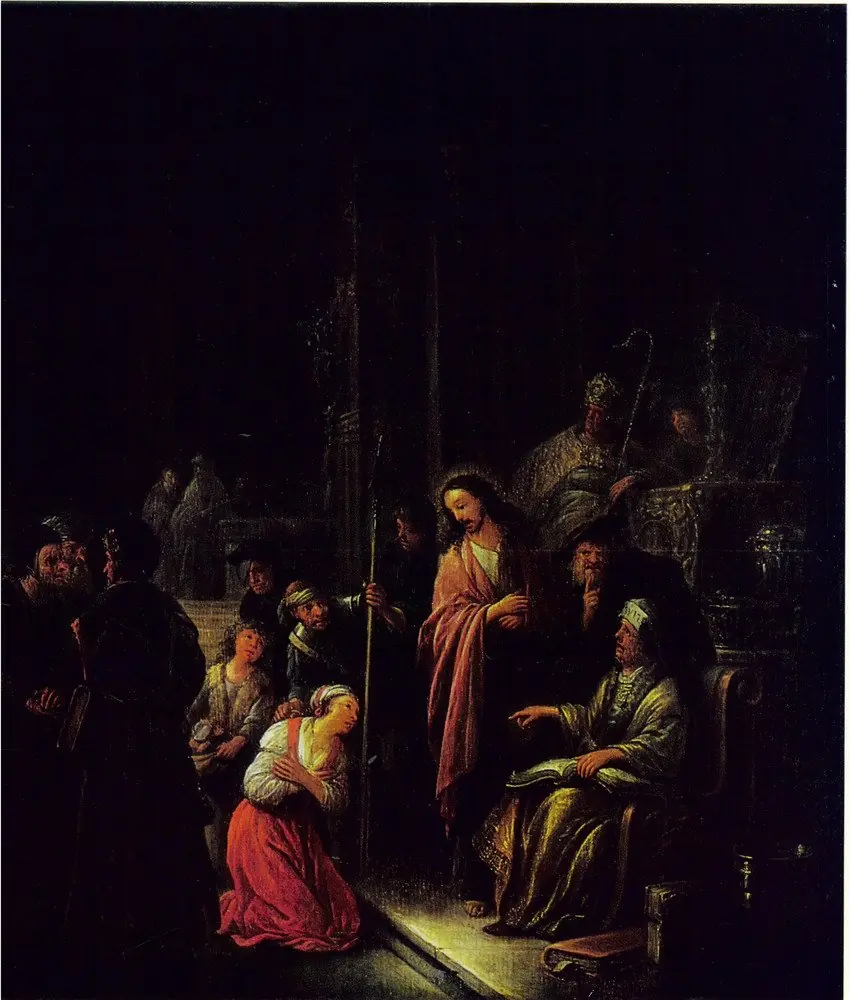 Christ and the Woman Taken in Adultery
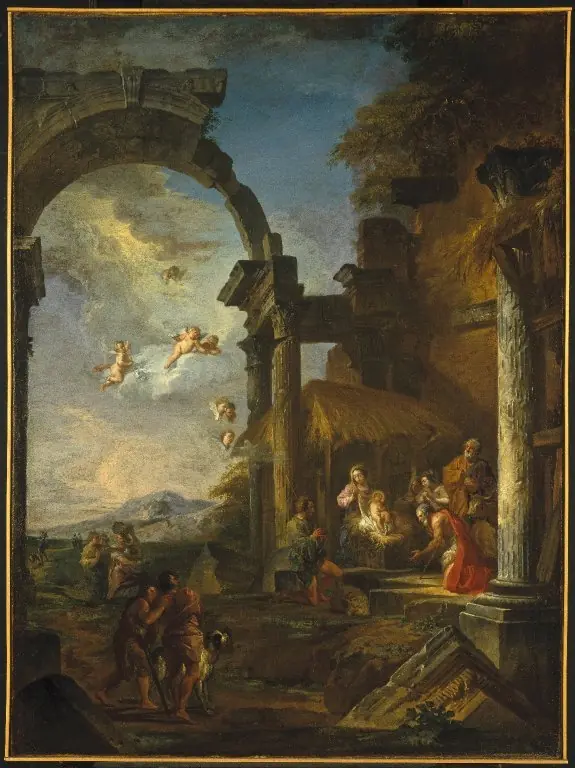 Adoration of the Shepherds
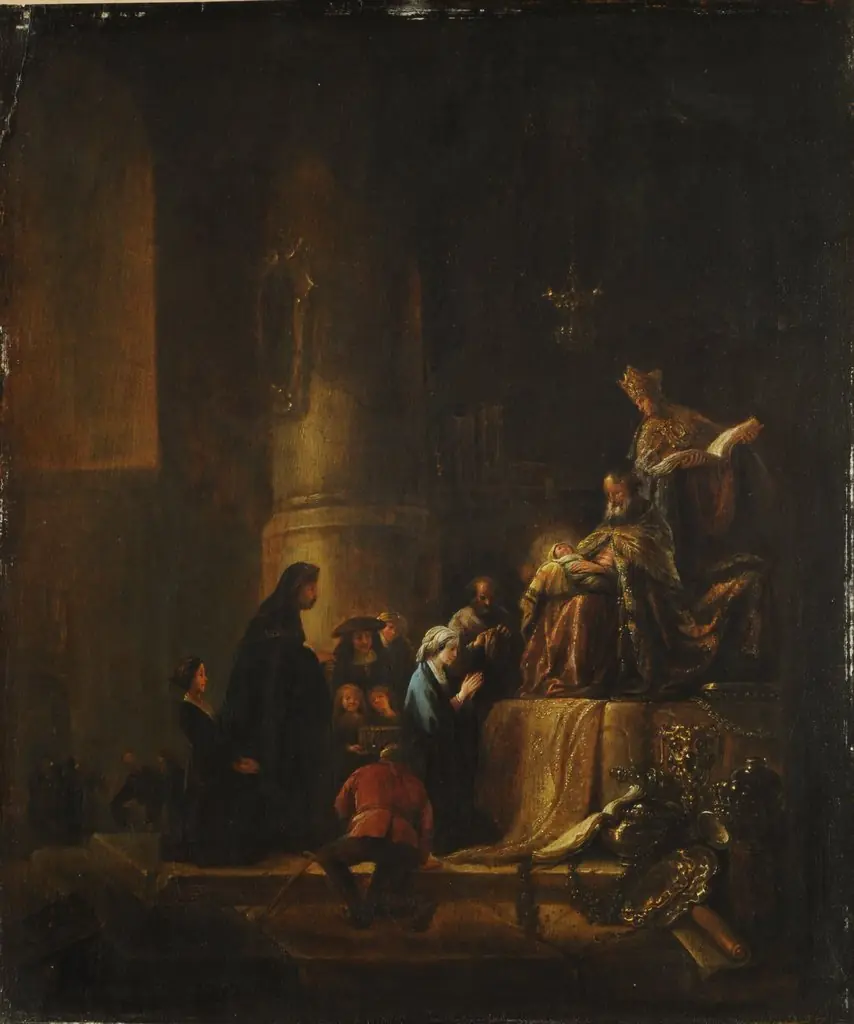 Presentation to the temple
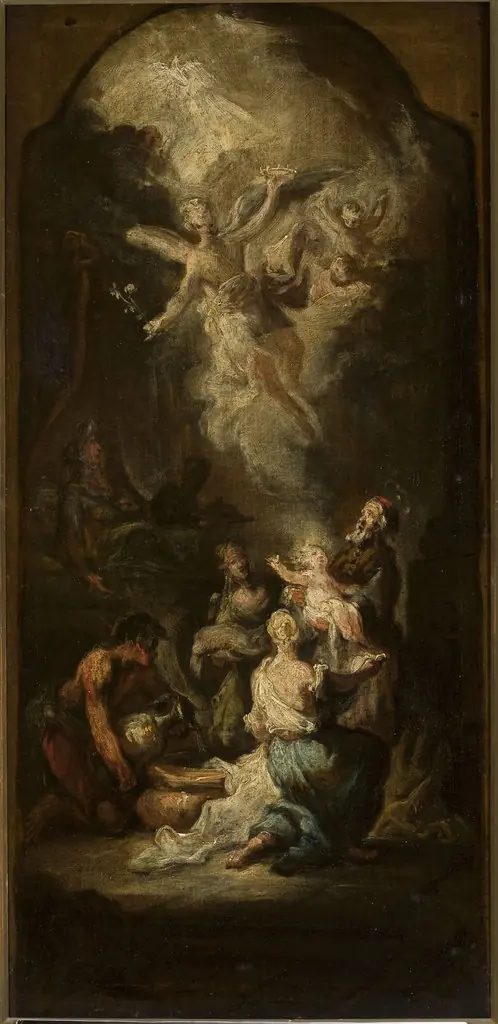 Nativity of St. John
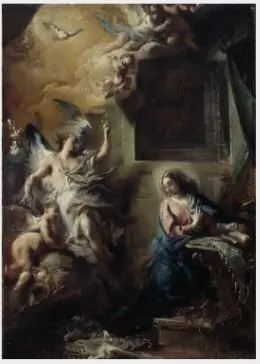 The Annunciation
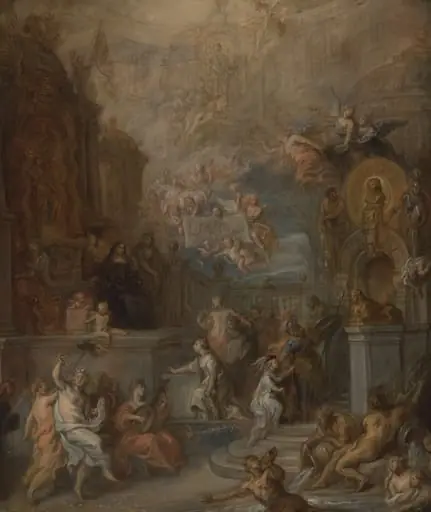 Allegory of the Farewell of William III from Amalia van Solms following the transfer of Regency to the States General
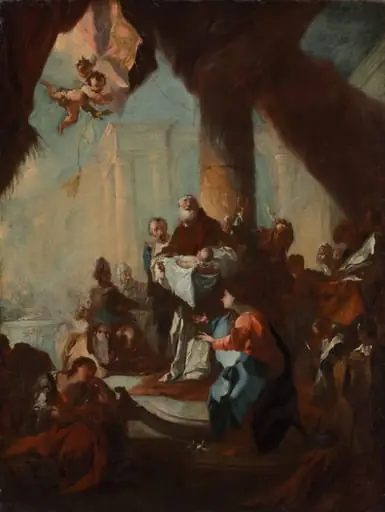 Study for "The Presentation of Christ in the Temple" (for Saint Ulrich, Vienna)
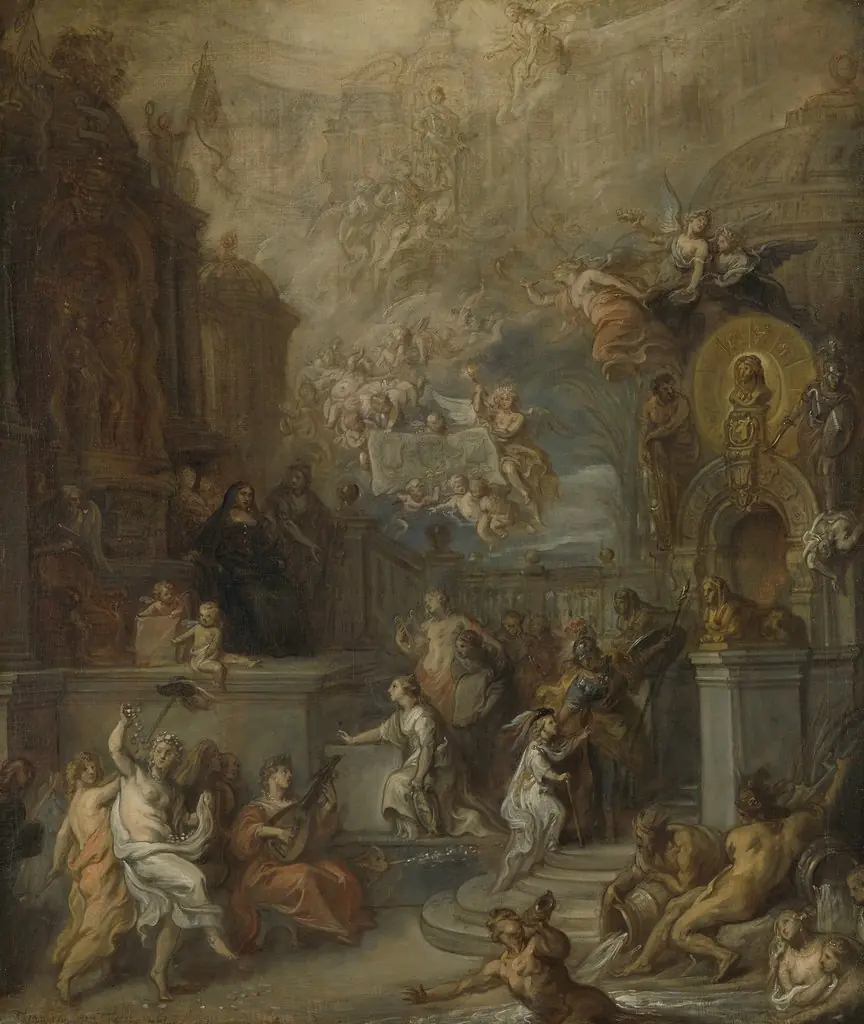 Allegory of William III's leavetaking from Alamia van Solms after the transferral of the regency to the statesgeneral
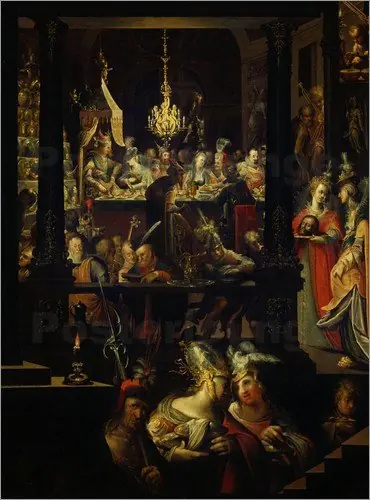 Feast of Herod