Artwork
Nativity of St. John
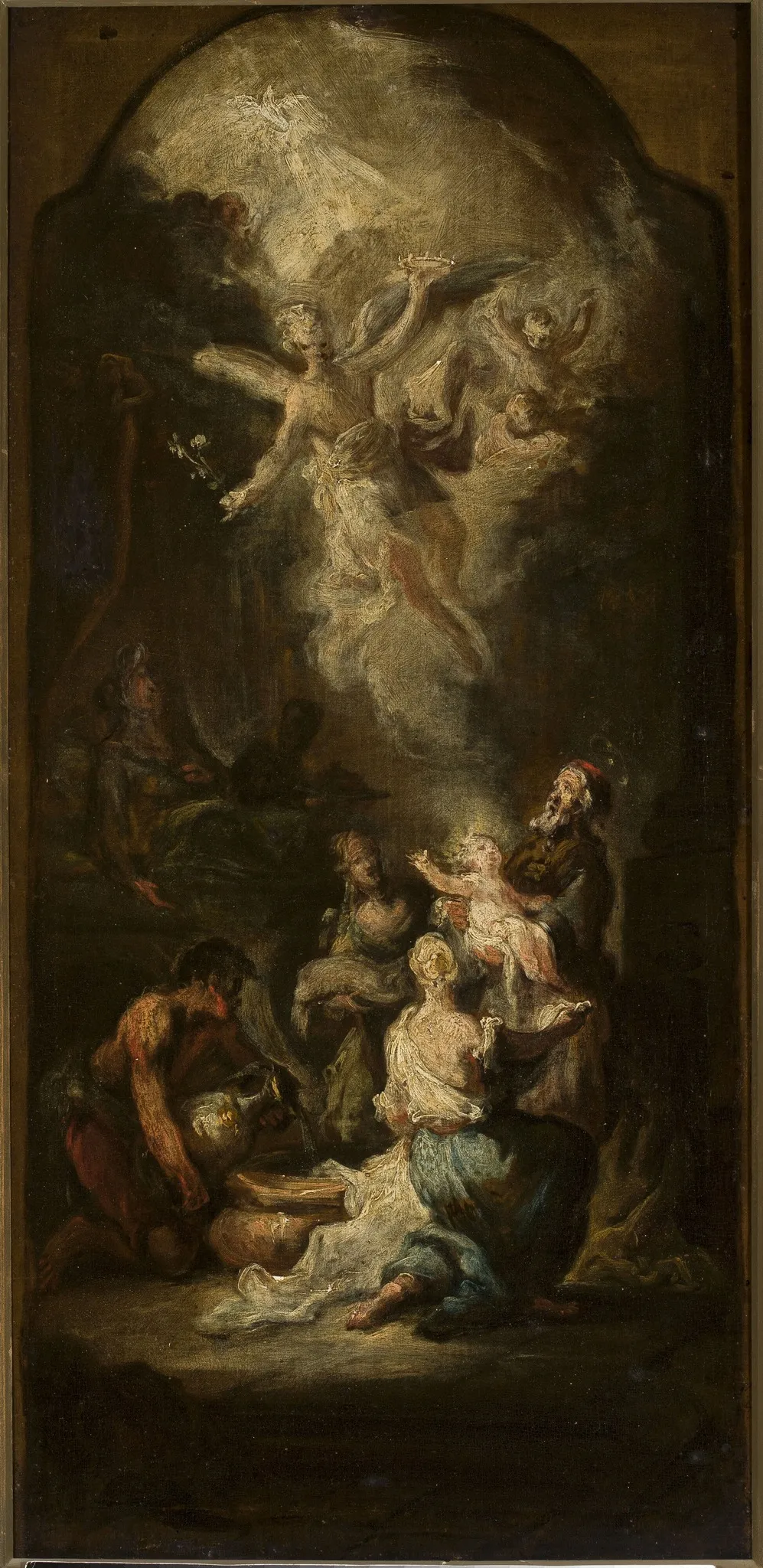
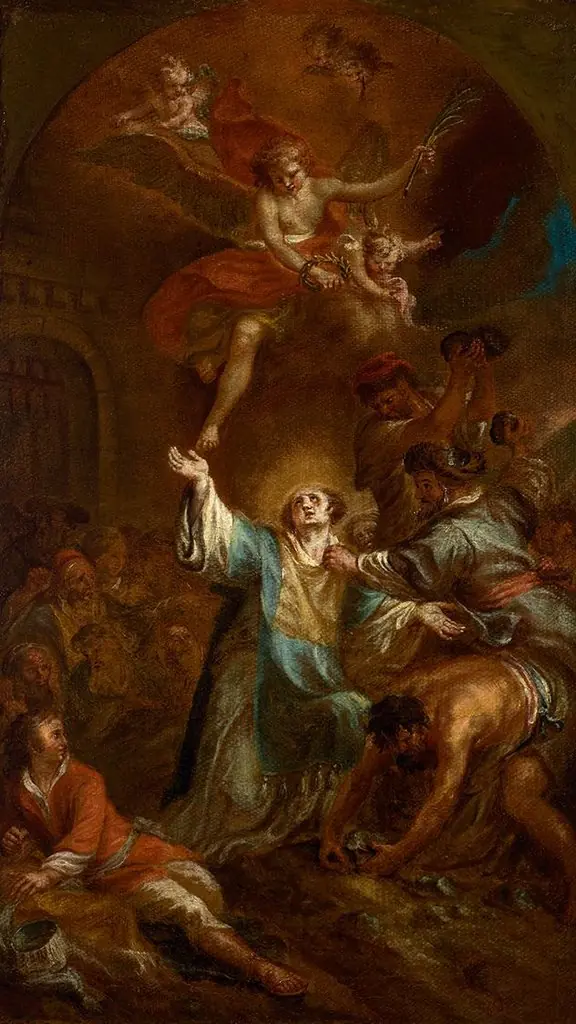
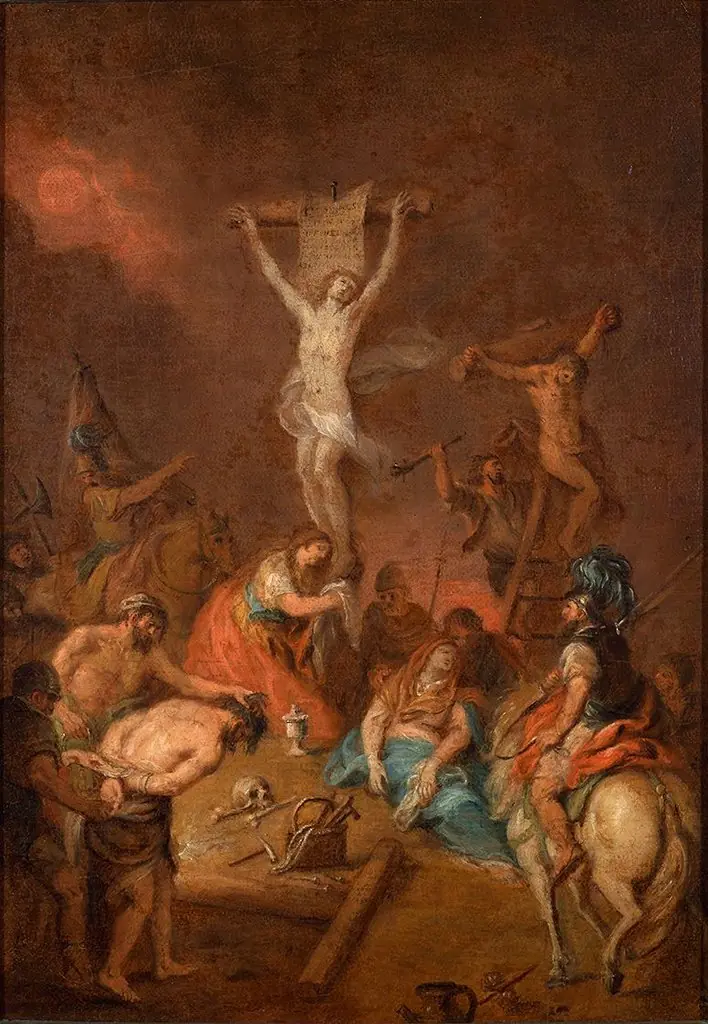
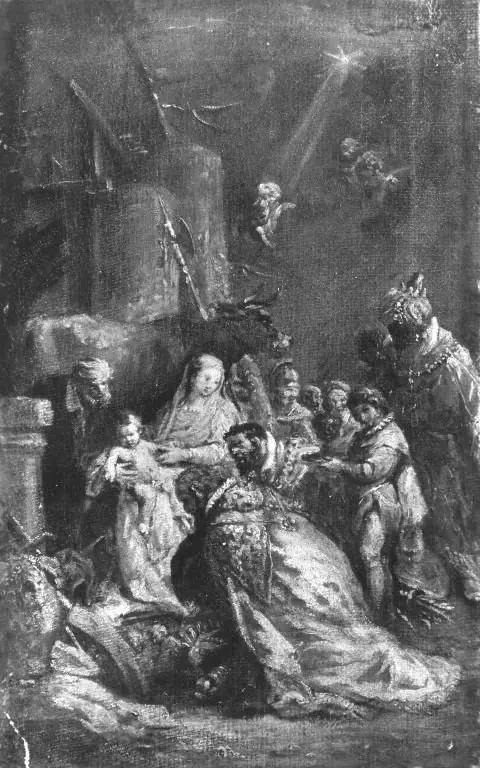
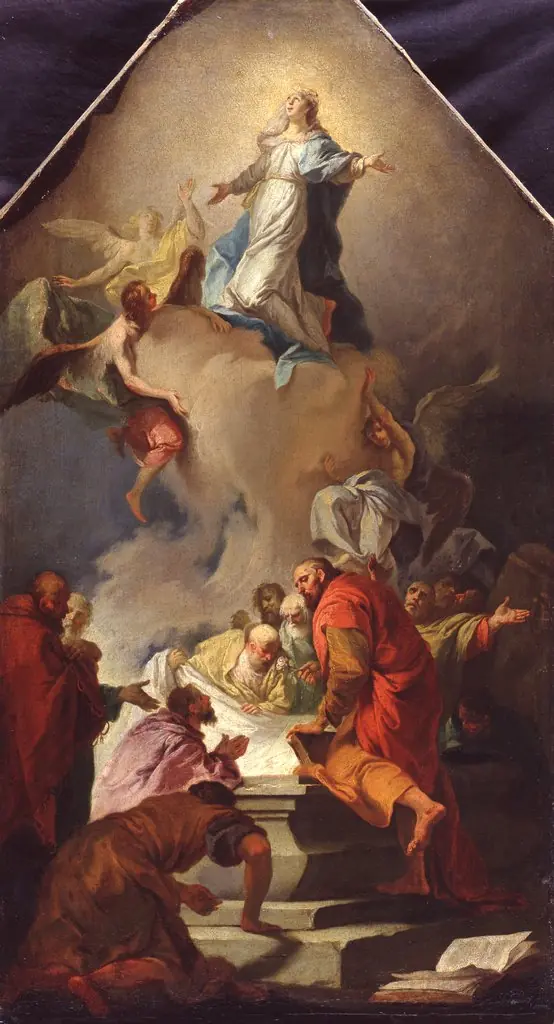
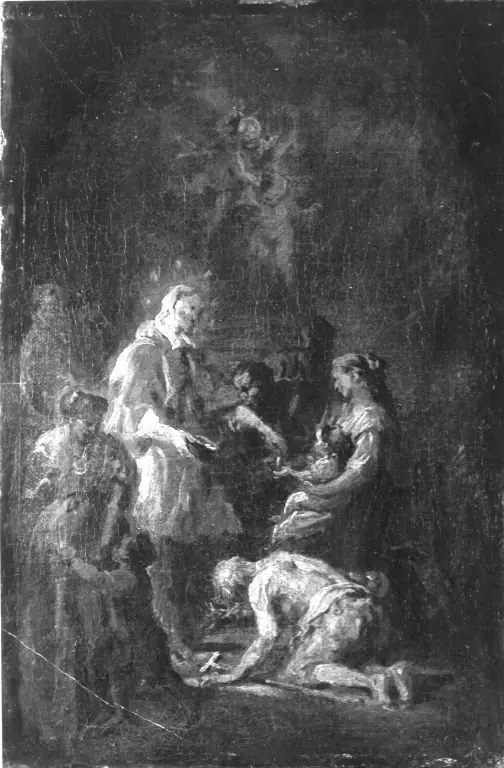
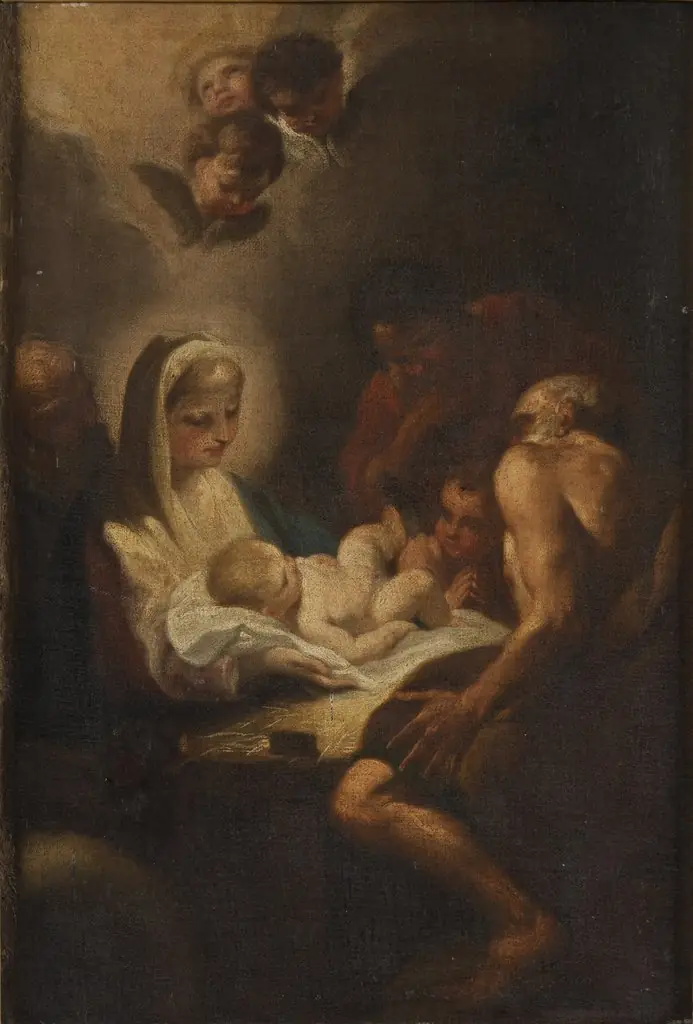
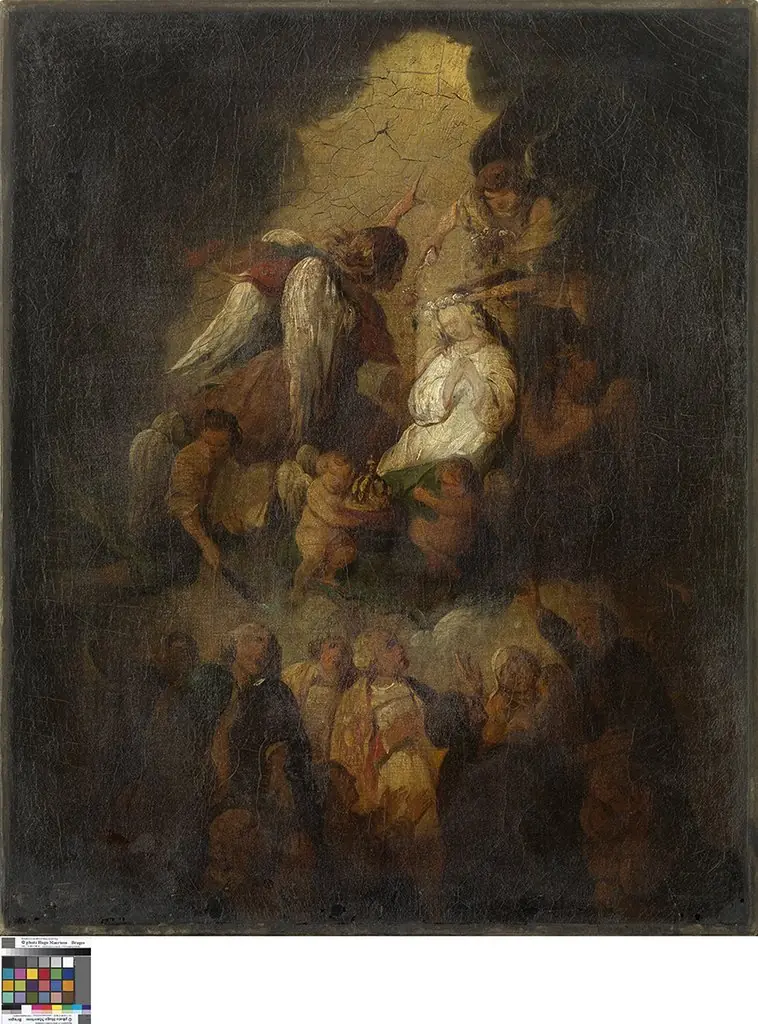
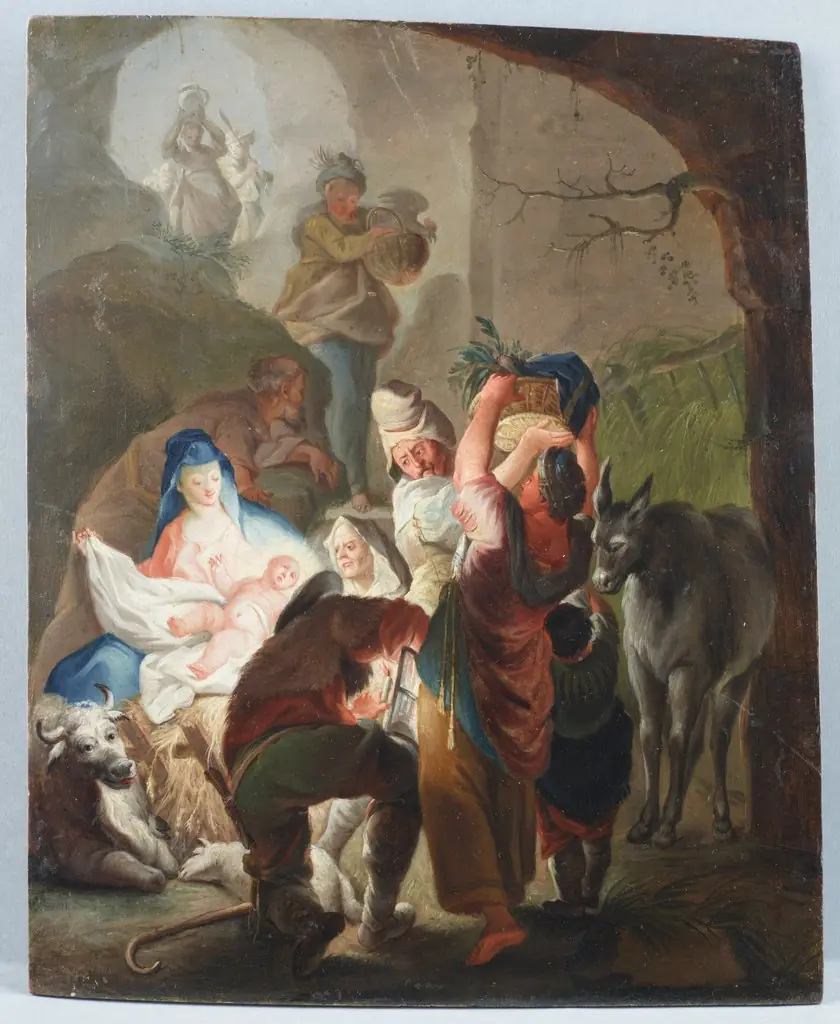
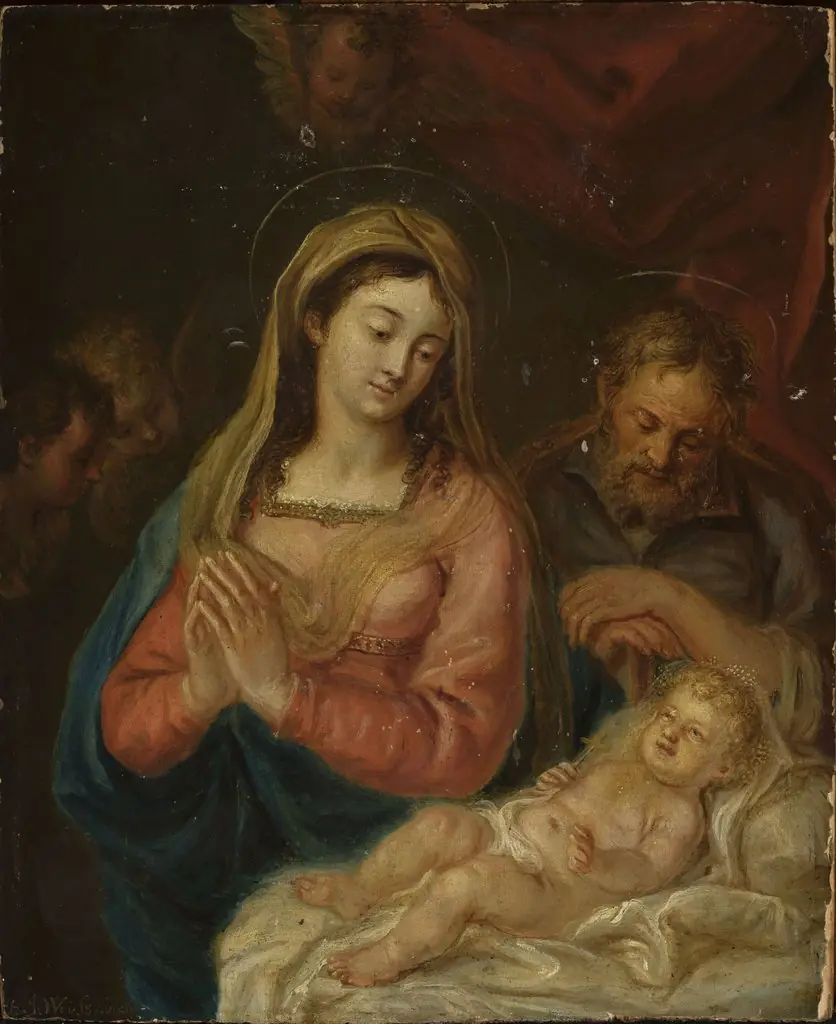
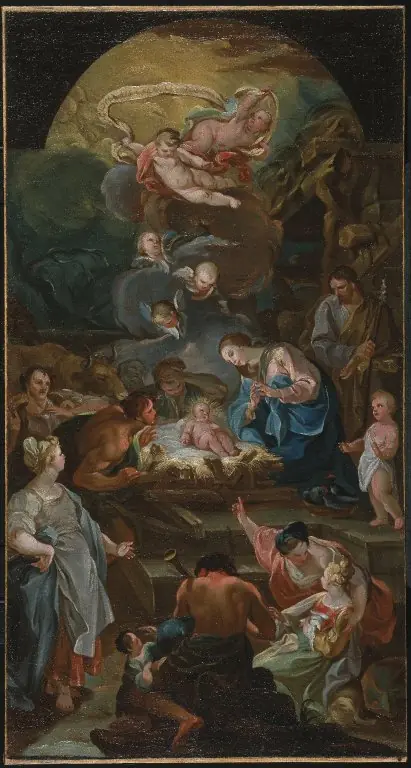
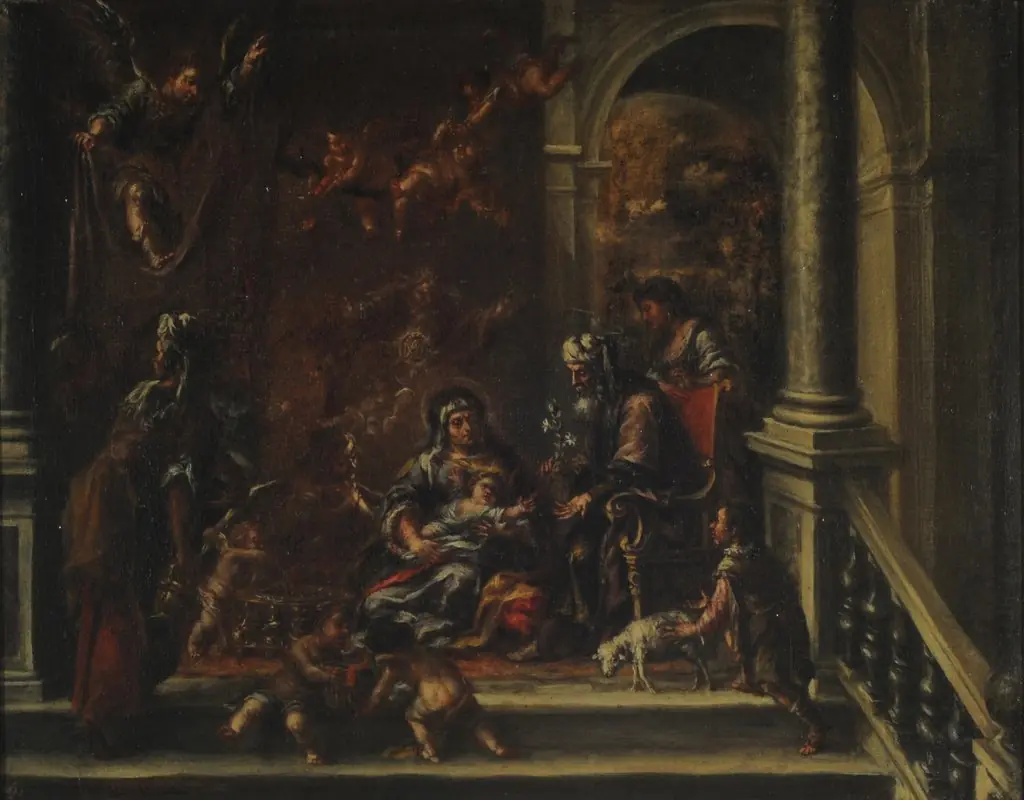
Nativity of St. John is an oil painting by Martin Johann Schmidt. It dates from 1768 and is held in the collection of the National Museum in Warsaw.
About this work
Overview
Painted around 1768 by Martin Johann Schmidt, known as Kremser Schmidt, this oil-on-canvas work portrays the birth of John the Baptist.
Painted around 1768 by Martin Johann Schmidt, known as Kremser Schmidt, this oil-on-canvas work portrays the birth of John the Baptist. A prominent Austrian painter of the late Baroque and Rococo eras, Schmidt was based in Lower Austria and frequently produced devotional imagery for regional religious institutions. The painting now resides in the National Museum in Warsaw, reflecting its journey beyond its original ecclesiastical context.
Subject & Meaning
The scene captures the moment of John the Baptist’s birth, with figures gathered around the newborn, some holding candles, others in prayer or quiet observation. The central mother holds the infant, while a kneeling figure directs spiritual attention upward, suggesting divine significance. The faint stars in the darkened sky subtly allude to prophecy and heavenly sanction, reinforcing the sacred nature of the event without overt symbolism.
Technique & Style
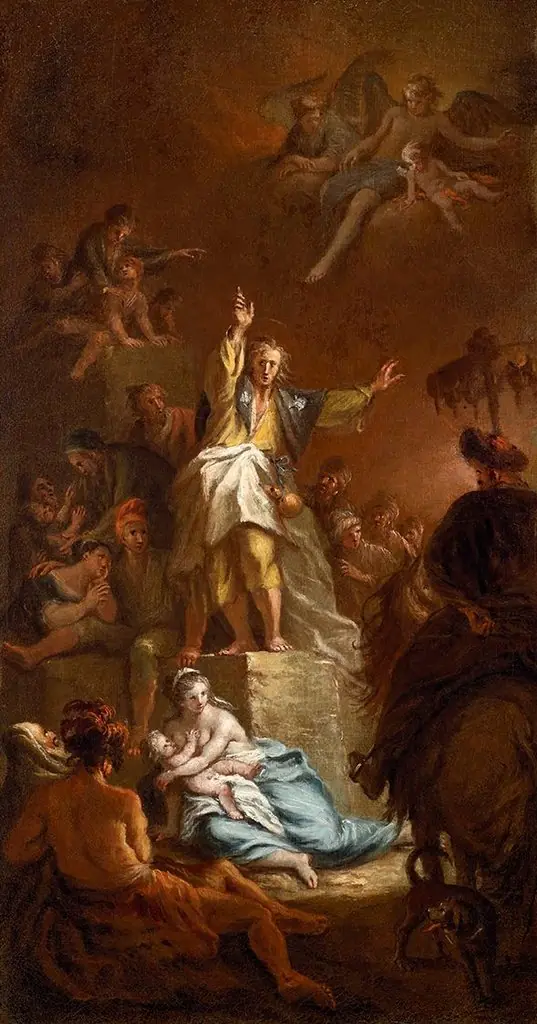
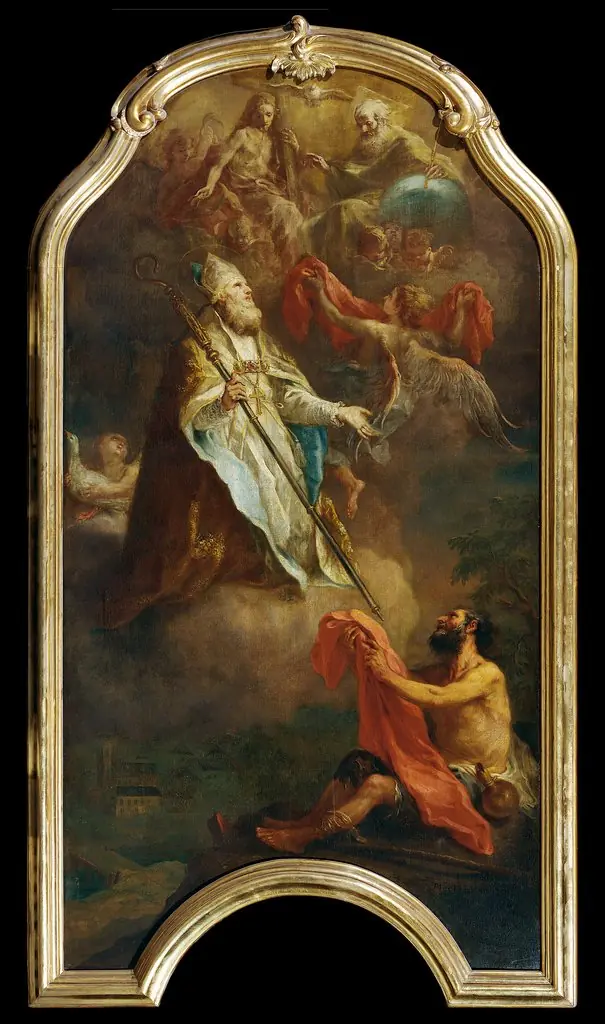
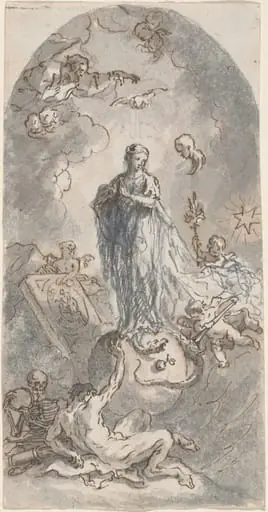
Schmidt employed chiaroscuro to model forms with strong light-dark contrasts, focusing attention on the central group. Impasto adds tactile richness to fabrics and skin, while glazing enhances the luminosity of candlelight and celestial hints. His style, shaped by exposure to northern Italian painting, blends Baroque drama with Rococo delicacy, resulting in a composition that is both intimate and ceremonious.
History & Provenance
Commissioned likely for a church or monastery in Lower Austria, the painting entered the National Museum in Warsaw’s collection at an unknown date, possibly through 19th-century acquisitions or wartime transfers. Its presence in Poland reflects broader patterns of art movement across Central Europe, though its original ecclesiastical setting and patron remain undocumented.
Context
Schmidt operated during a period when Austrian religious art was transitioning from High Baroque grandeur toward more humanized, emotionally resonant scenes. His work responded to local devotional needs while absorbing influences from Venetian and Lombard painters, creating a regional style that balanced spiritual gravity with visual warmth, distinct from the more ornate Rococo of Vienna.
Legacy
Though not widely exhibited outside Central Europe, Schmidt’s religious paintings, including this one, exemplify the quiet sophistication of provincial Austrian art in the 18th century. His ability to merge narrative clarity with technical refinement influenced local workshops and contributed to a distinctive regional aesthetic that endured beyond his lifetime.
Artist & collection
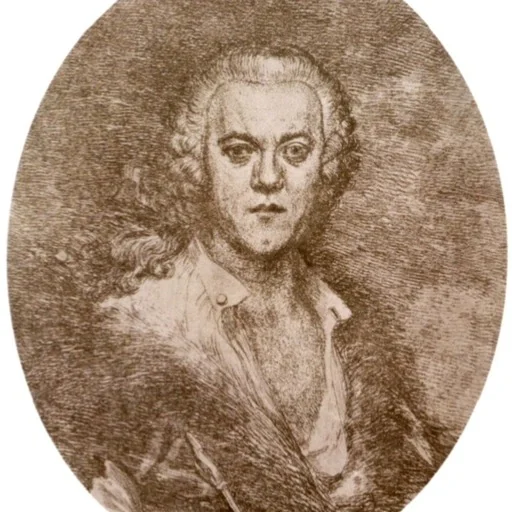
Artist
Martin Johann Schmidt, called Kremser Schmidt or Kremserschmidt, (25 September 1718 – 28 June 1801), was one of the outstanding Austrian painters of the late Baroque/Rococo along with Franz Anton Maulbertsch.