Artwork
My Grandmother
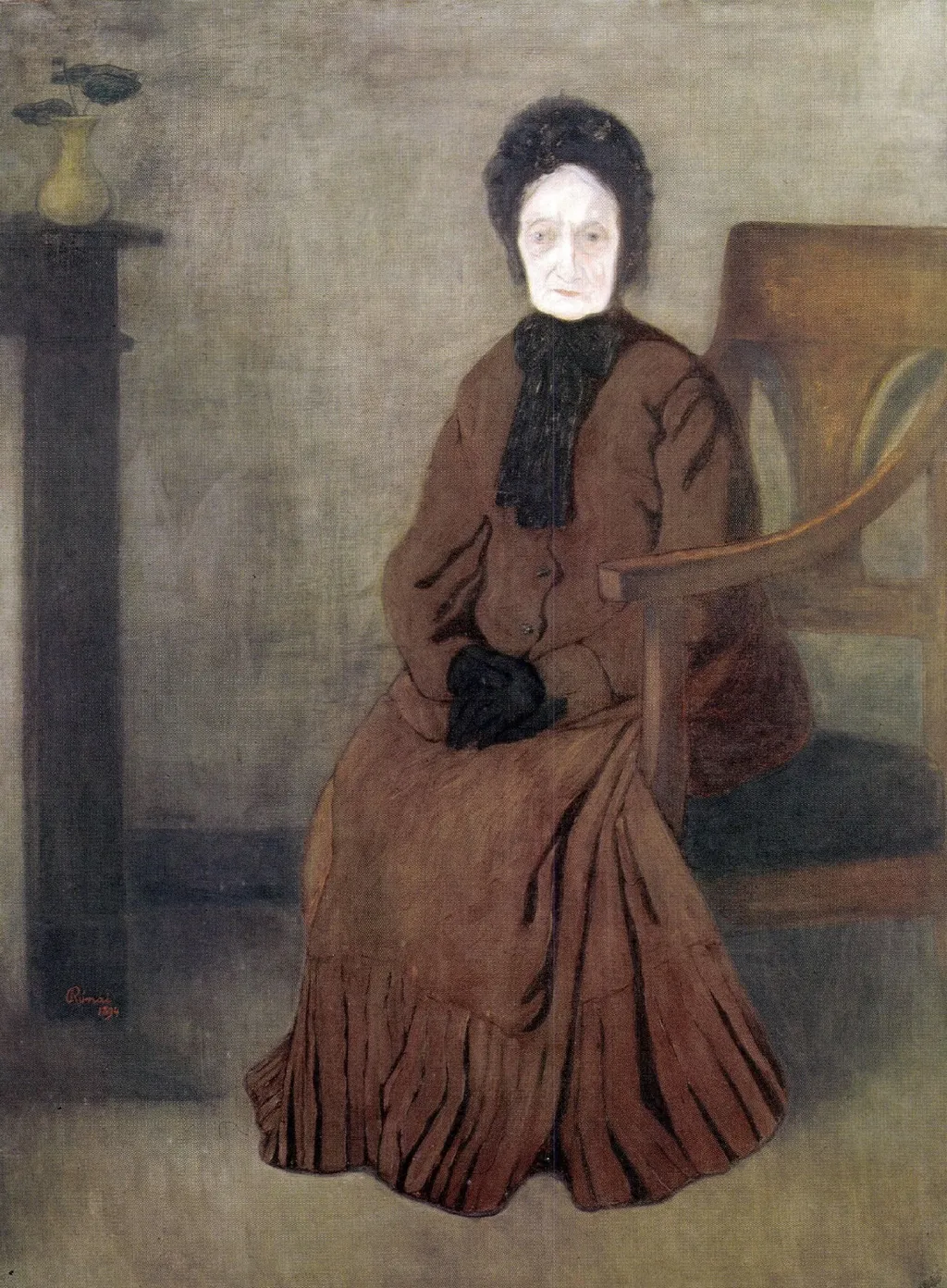
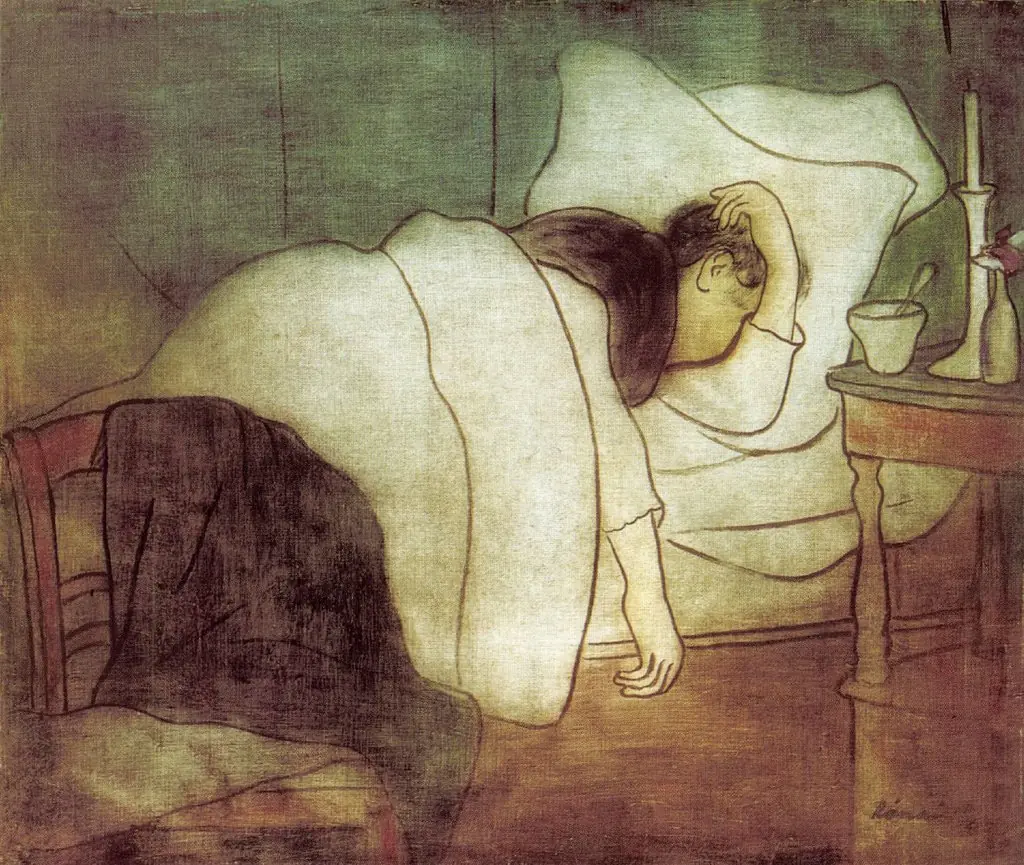
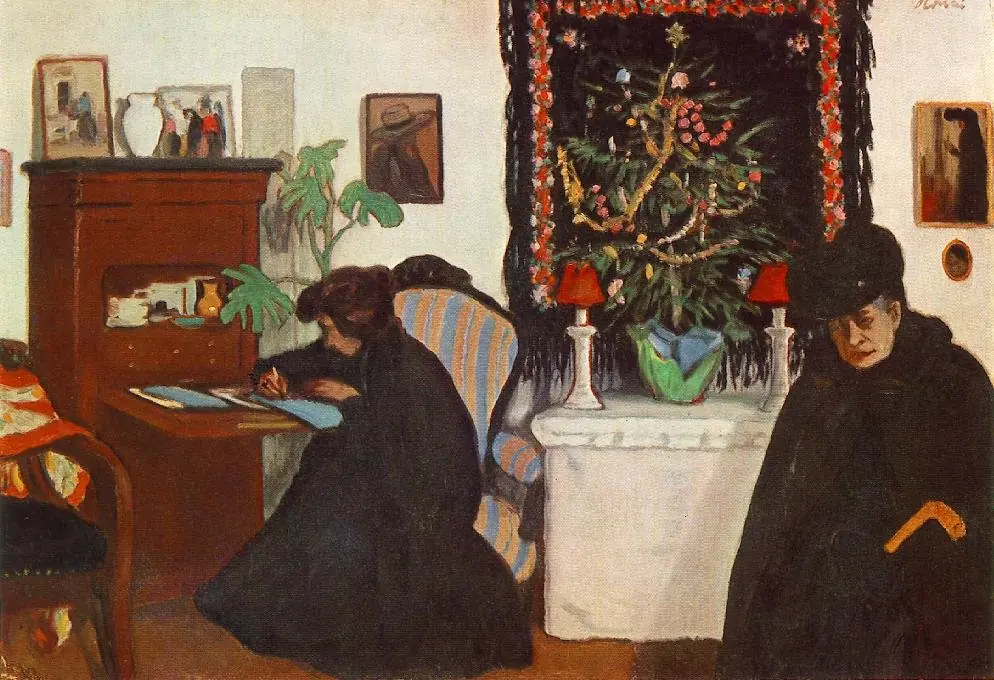
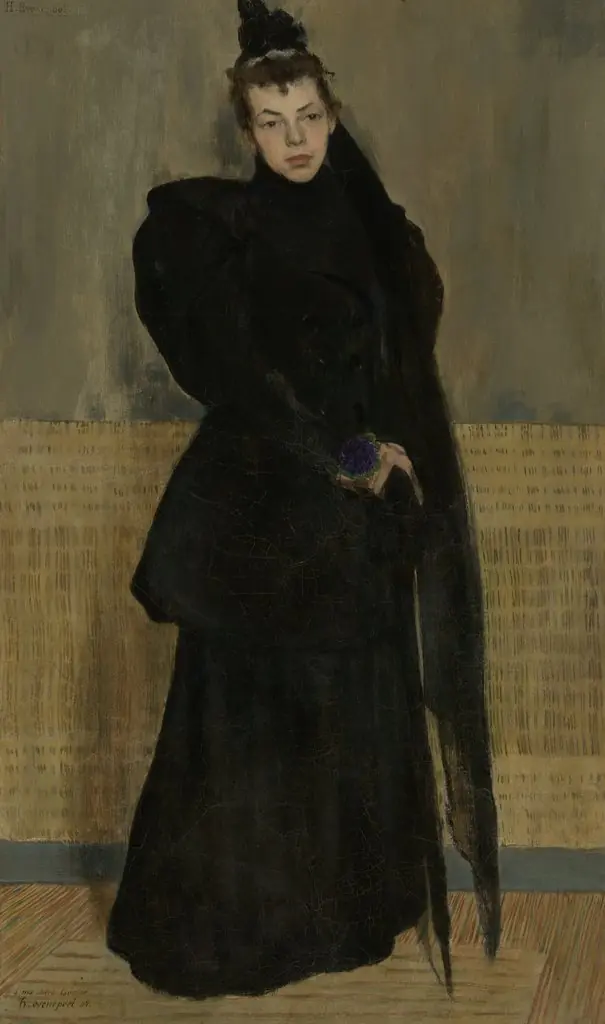
My Grandmother is an oil painting by the Post-Impressionist artist József Rippl-Rónai. It dates from 1898 and is held in the collection of the Hungarian National Gallery.
About this work
Overview
The painting reflects Rippl-Rónai’s alignment with post-impressionist tendencies, emphasizing emotional resonance over naturalistic detail.
Painted in 1898, *My Grandmother* is an oil on canvas work by Hungarian artist József Rippl-Rónai. It captures a quiet, intimate moment with a seated elderly woman, rendered in restrained tones and simplified forms. The painting reflects Rippl-Rónai’s alignment with post-impressionist tendencies, emphasizing emotional resonance over naturalistic detail. It is part of the permanent collection of the Hungarian National Gallery in Budapest.
Subject & Meaning
The subject is the artist’s grandmother, portrayed in a moment of stillness. Her posture and attire—a long brown dress and black scarf—suggest modesty and age. The absence of narrative detail or expressive gesture invites contemplation rather than storytelling. The somber mood conveys a sense of quiet dignity and the passage of time, rooted in personal memory rather than public spectacle.
Technique & Style
Rippl-Rónai employs a muted palette and flattened spatial composition, characteristic of post-impressionist approaches. Facial features are minimized, reducing individuality to evoke universal quietude. Strong contrasts between light and shadow define the figure’s form without relying on traditional modeling. The plain wall and ambiguous dark object on the left anchor the composition, emphasizing isolation and stillness.
History & Provenance
Created during Rippl-Rónai’s formative years after exposure to French modernism, the painting remained within the artist’s circle before entering the Hungarian National Gallery’s collection. Its preservation there reflects its significance as an early example of Hungarian modernist portraiture. No public record of prior ownership or exhibition exists beyond its institutional acquisition.
Context
In late 19th-century Hungary, artists were increasingly engaging with European avant-garde trends. Rippl-Rónai, influenced by Gauguin and the Nabis, moved away from academic realism toward symbolic simplification. *My Grandmother* exemplifies this shift, aligning with broader European efforts to express inner experience through reduced form and emotional tone rather than literal representation.
Legacy
The painting stands as a quiet landmark in Hungarian modernism, illustrating how personal subjects could be transformed through stylized form. While not widely reproduced, it remains a touchstone for understanding Rippl-Rónai’s contribution to national art. Its restrained aesthetic influenced later generations seeking to merge intimacy with modernist abstraction.
Artist & collection
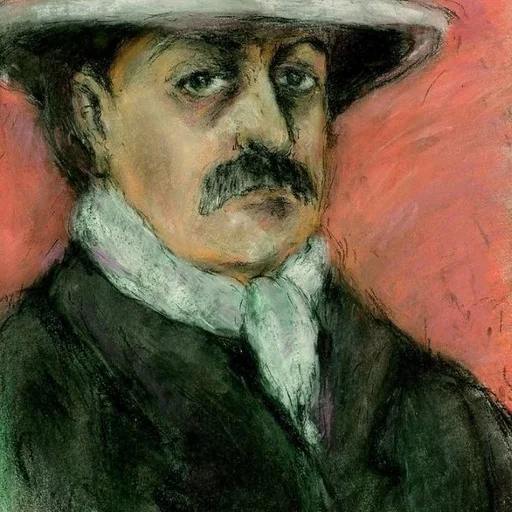
Artist
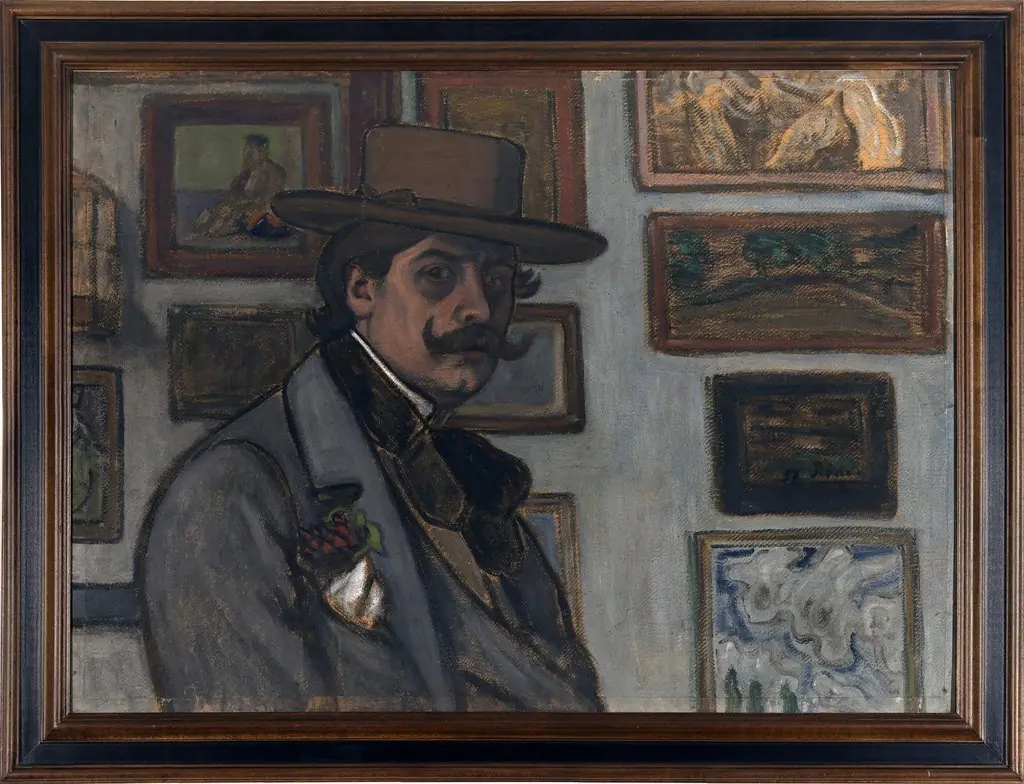
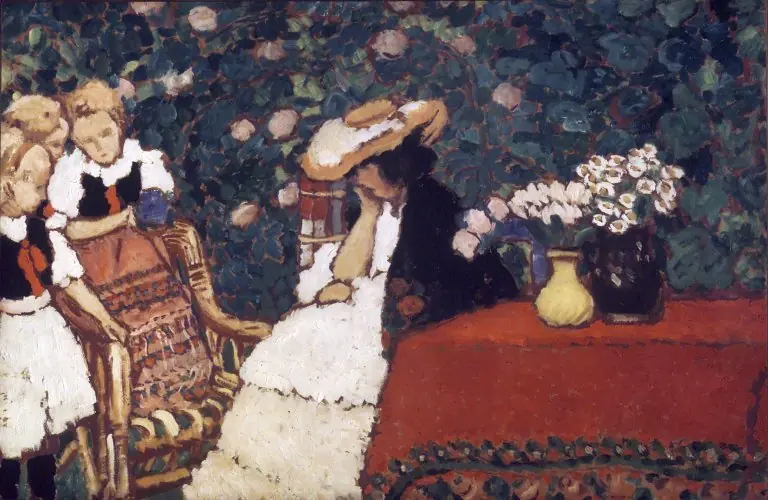
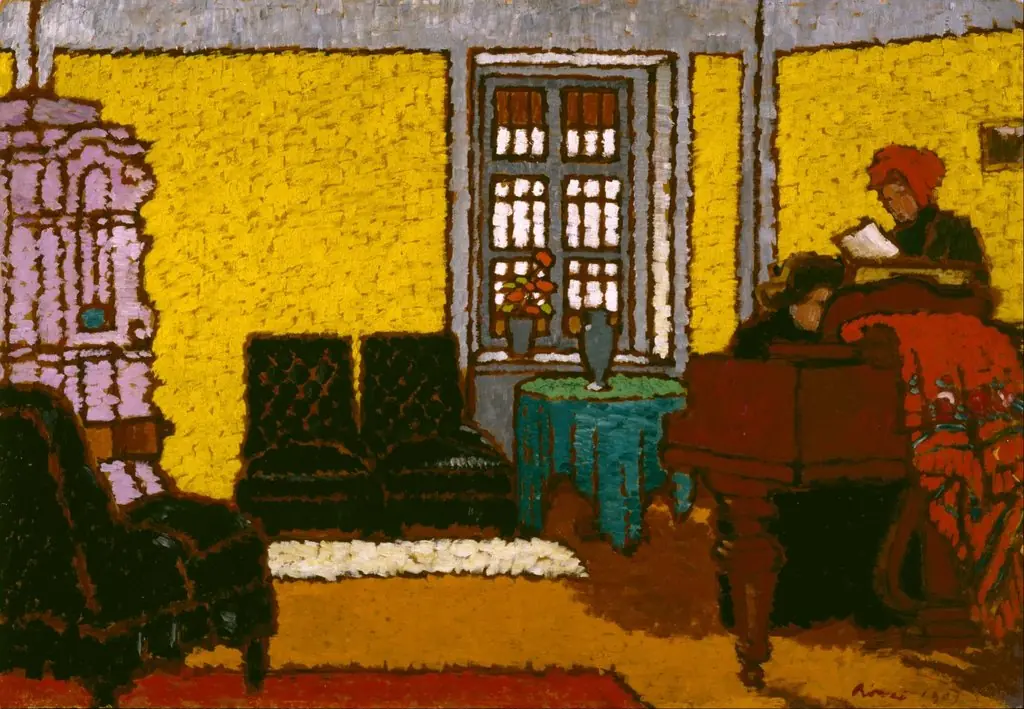
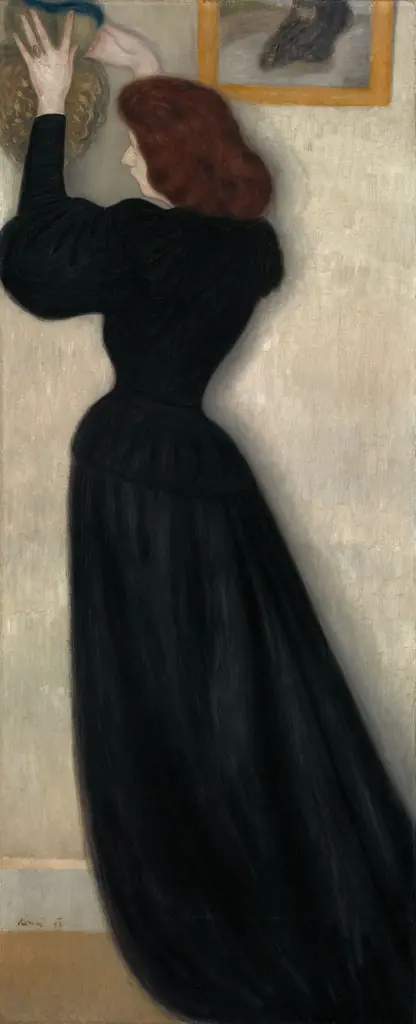
József Rippl-Rónai (23 May 1861 – 25 November 1927) was a Hungarian painter. He was among the first Hungarian exponents of artistic modernism.