Artwork
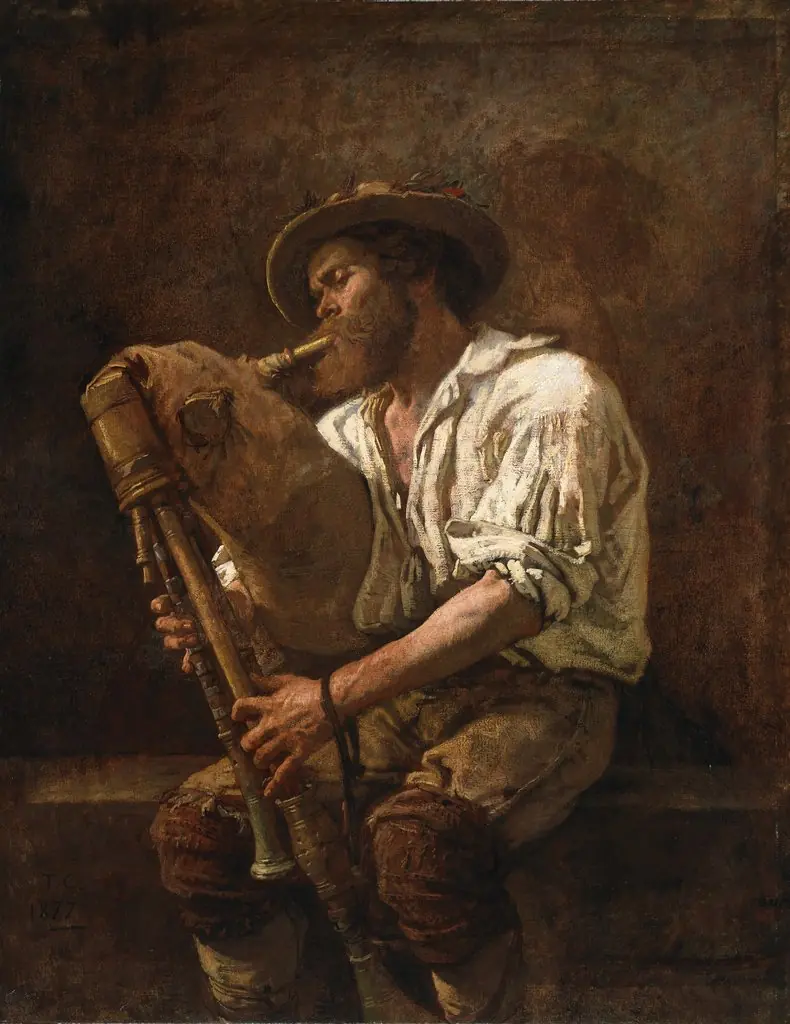
Portrait of a Man playing the Bagpipes
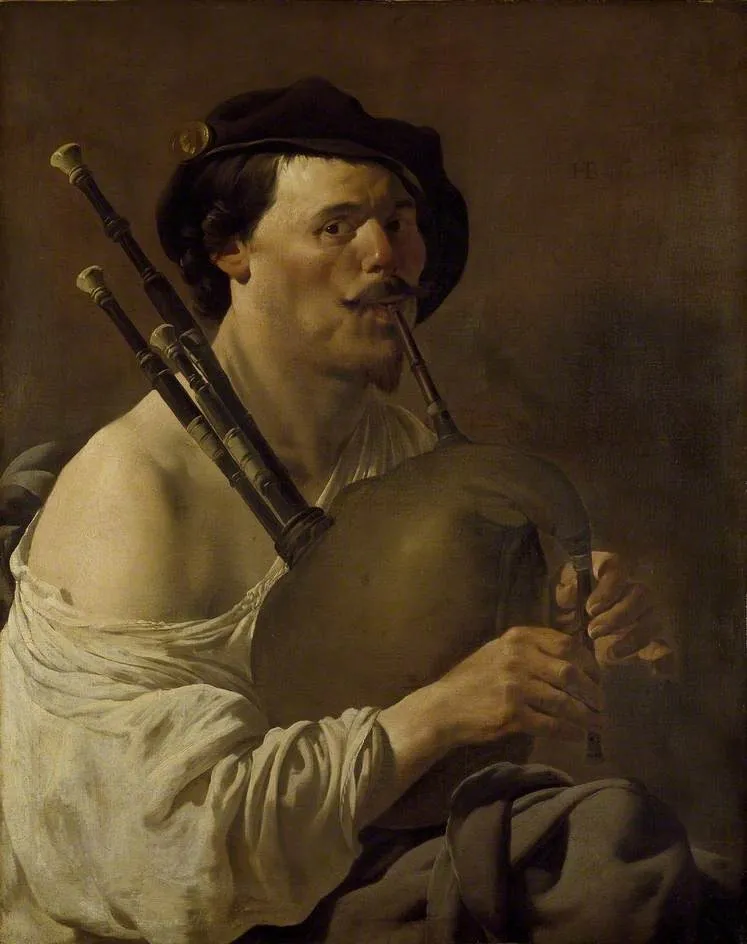
Portrait of a Man playing the Bagpipes is an oil painting by the Dutch Golden Age artist Hendrick ter Brugghen. It dates from 1624 and is held in the collection of the Ashmolean Museum.
About this work
Overview
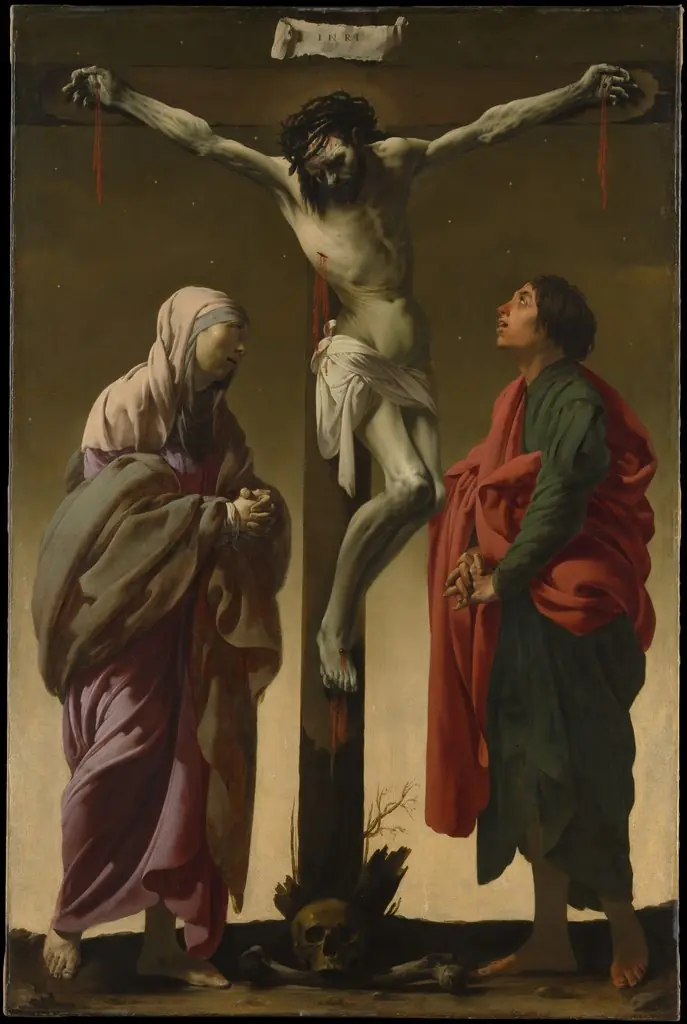
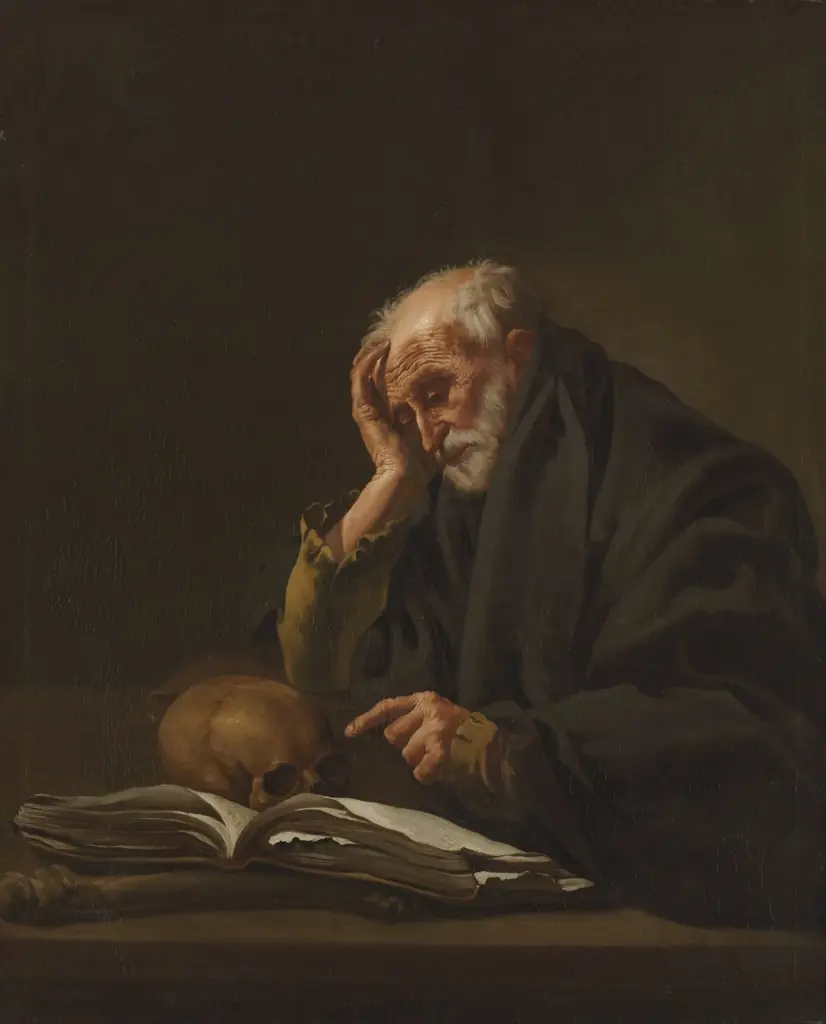
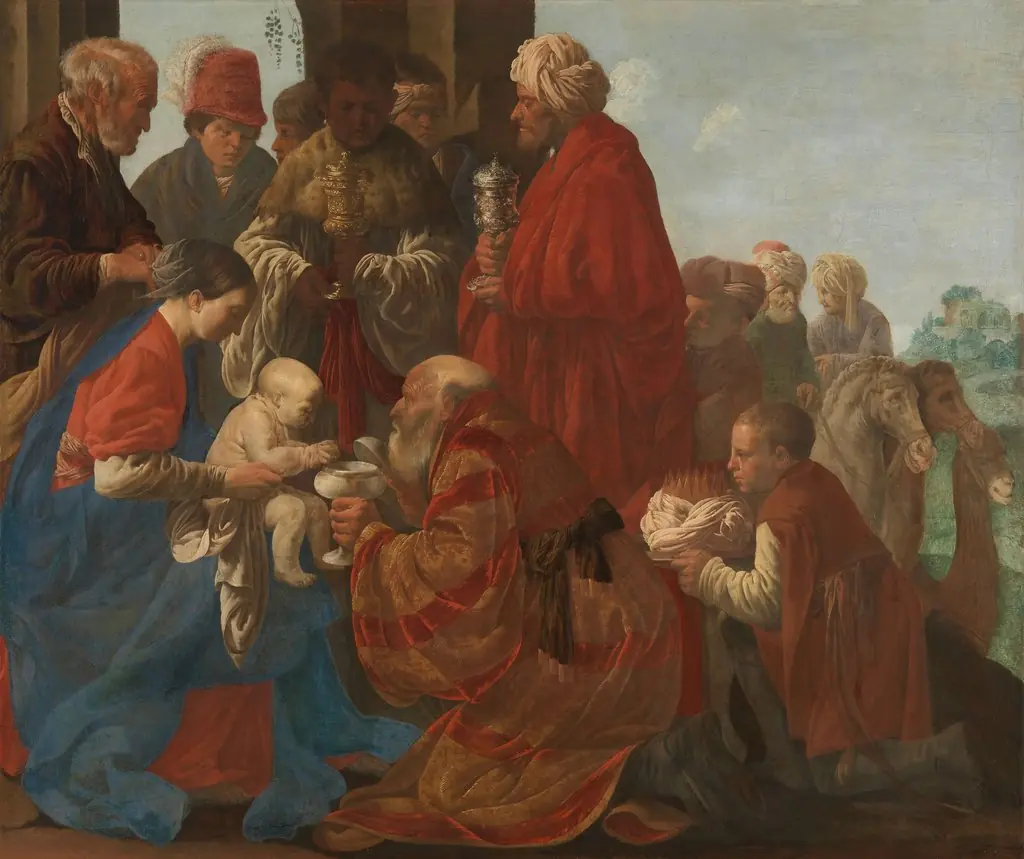
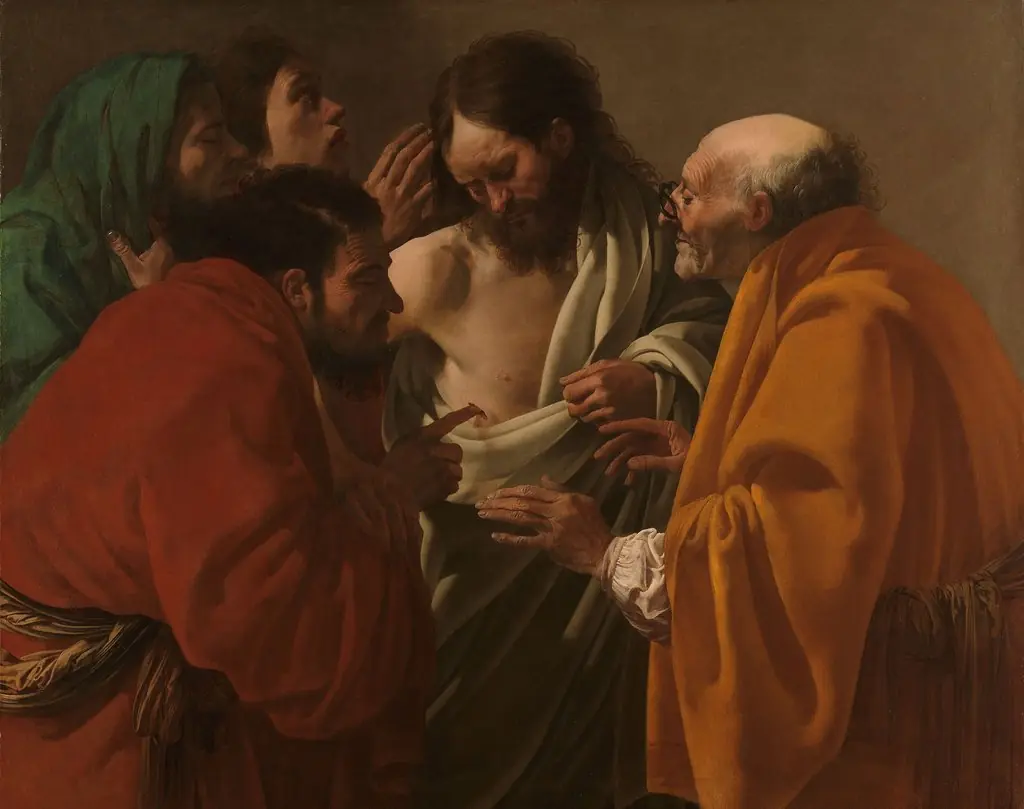
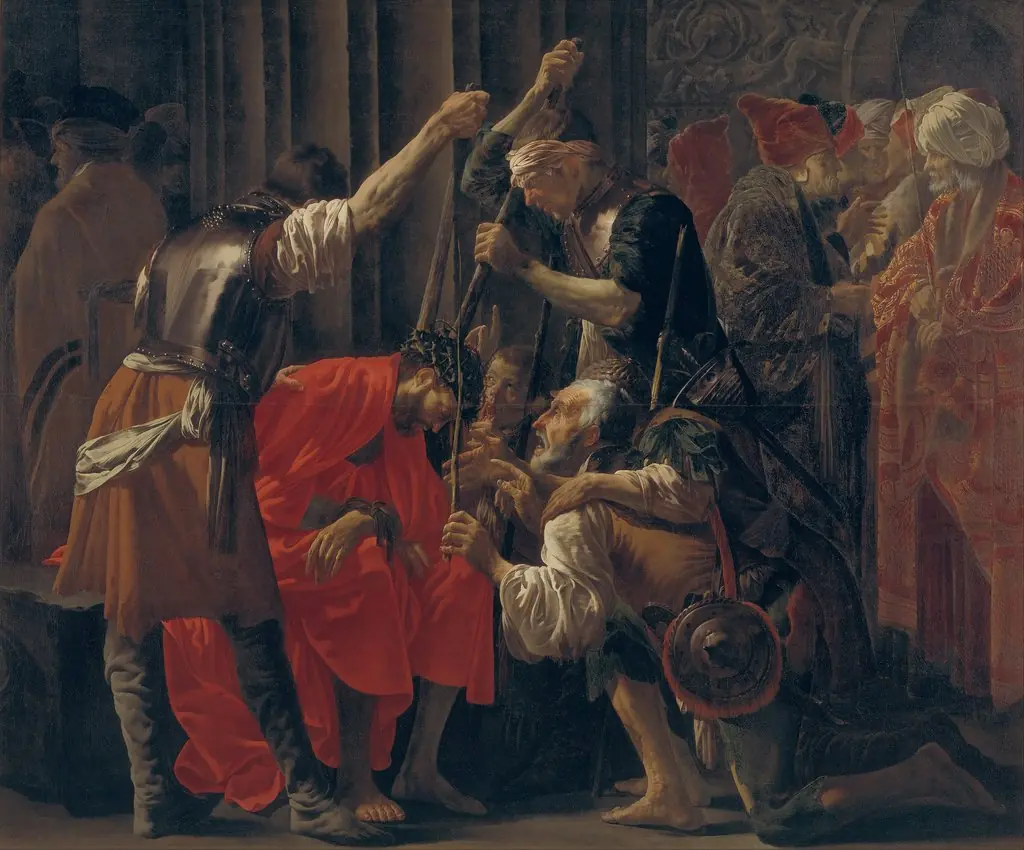
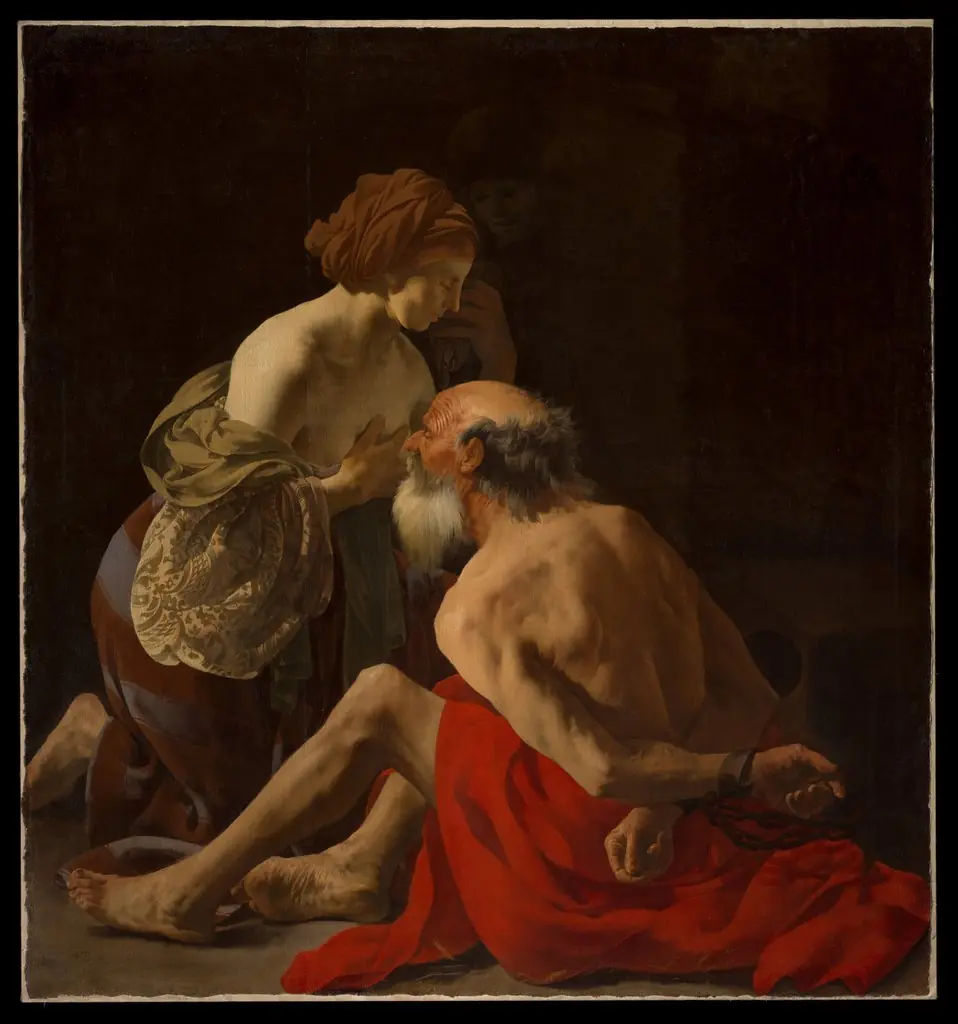
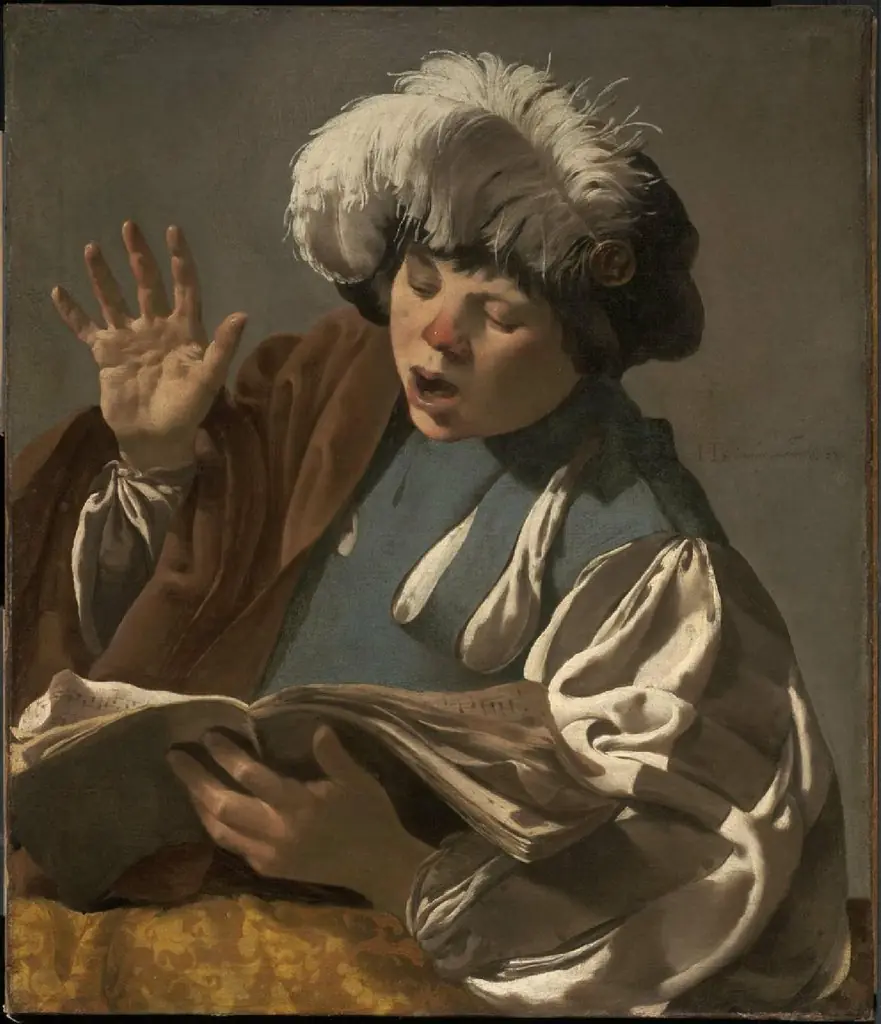
Belonging to the Dutch Golden Age, the work reflects the influence of Caravaggio through its intense chiaroscuro and intimate scale.
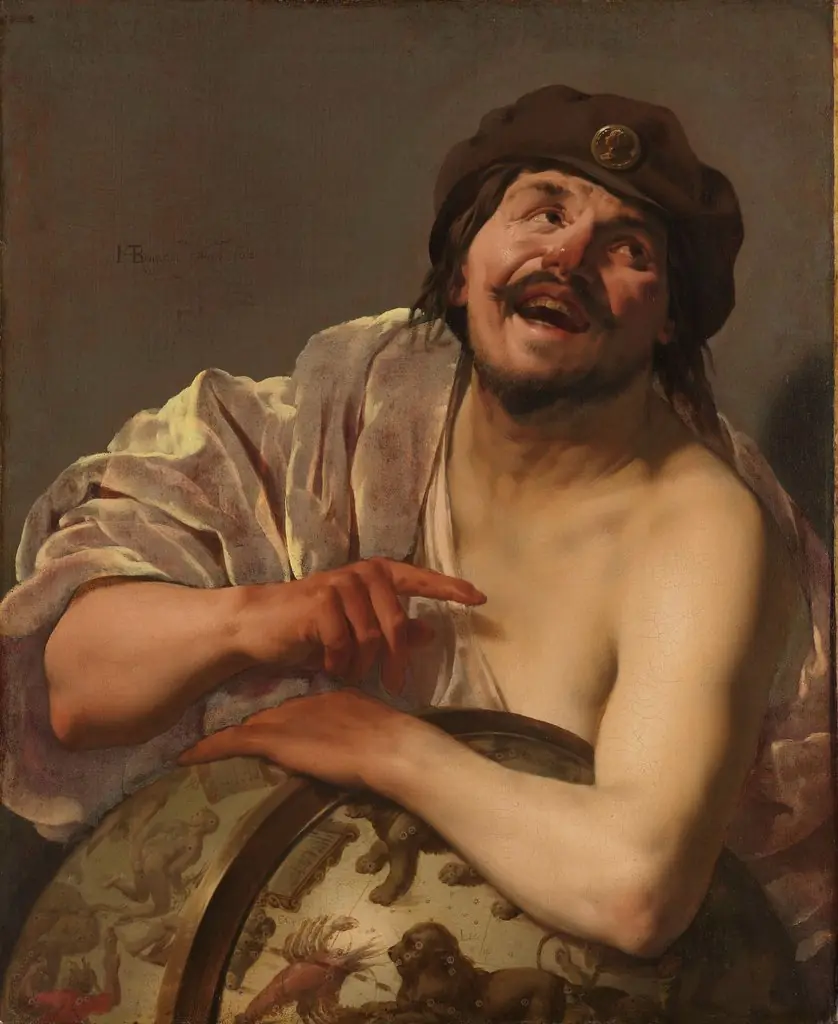
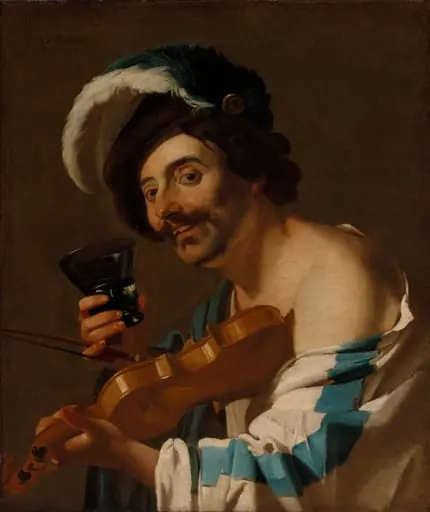
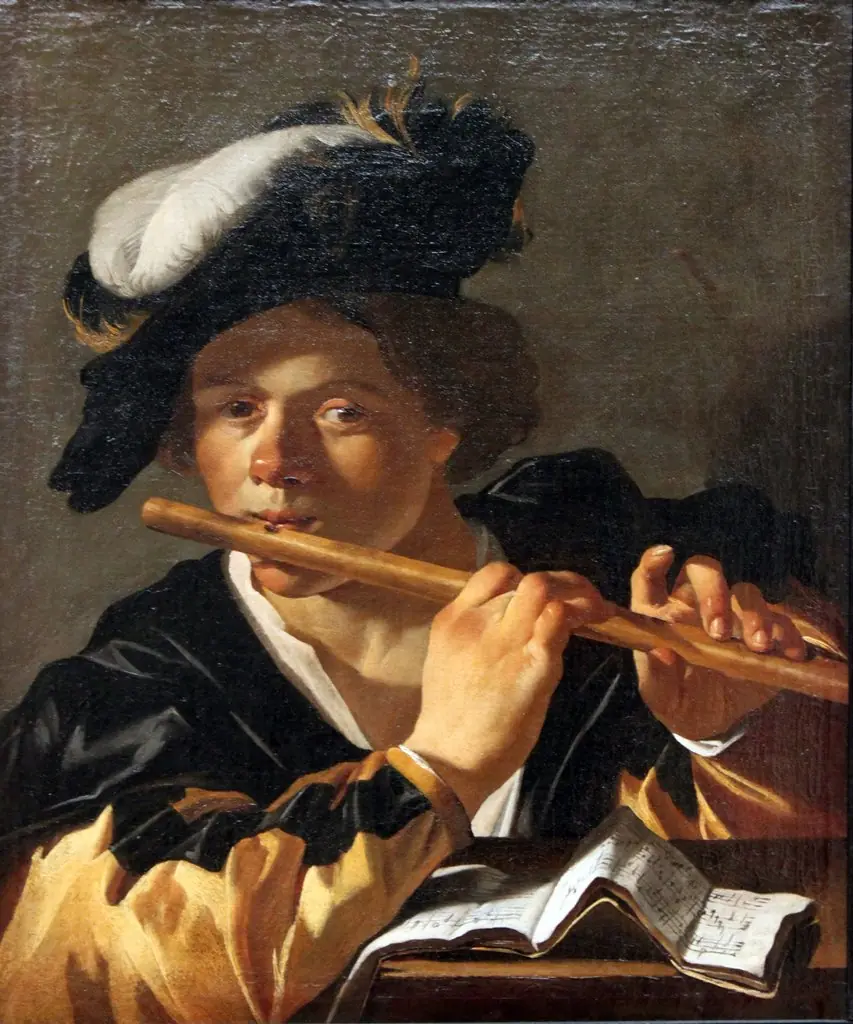
Painted in 1624 by Hendrick ter Brugghen, this oil portrait captures a solitary man playing bagpipes. Belonging to the Dutch Golden Age, the work reflects the influence of Caravaggio through its intense chiaroscuro and intimate scale. Ter Brugghen, a key figure among the Utrecht Caravaggisti, used light to isolate the figure against a deep, unmodulated background, emphasizing quiet concentration over theatricality.
Subject & Meaning
The subject is a man depicted in mid-performance, shirtless and wearing a dark hat with a central button. His neutral gaze and focused posture suggest a moment of personal ritual rather than public display. The bagpipes, often associated with rural or folk traditions, are rendered without irony, inviting contemplation of the individual’s inner world rather than social commentary.
Technique & Style
Ter Brugghen employed thick, tactile brushwork to render skin and fabric, contrasting the softness of the draped cloth with the rigid texture of the bagpipes. Strong lateral lighting carves the figure from the darkness, a hallmark of Caravaggesque technique. The palette is restrained—earthy tones dominate—with the white shoulder cloth serving as the only highlight, drawing attention to the musician’s posture and instrument.
History & Provenance
The painting entered the Ashmolean Museum’s collection in the 19th century, having passed through private hands since its creation. Its attribution to Ter Brugghen has been consistently supported by stylistic analysis and documentary evidence. Unlike many contemporary portraits, it lacks inscriptions or heraldic elements, suggesting it was a private commission or study rather than a formal commission.
Context
In early 17th-century Utrecht, artists like Ter Brugghen returned from Italy with a renewed interest in naturalism and emotional immediacy. While Italian Baroque art often glorified religious or mythological themes, Dutch painters turned to everyday subjects. This portrait reflects a broader cultural shift toward valuing individual experience, even in humble or unconventional settings.
Legacy
Ter Brugghen’s approach influenced later Dutch genre painting by demonstrating how quiet, unadorned moments could carry psychological weight. Though less celebrated than his contemporaries, his integration of Caravaggio’s lighting into Northern subjects helped shape the visual language of Dutch realism. This work remains a quiet testament to the dignity found in ordinary life.
Artist & collection
Artist
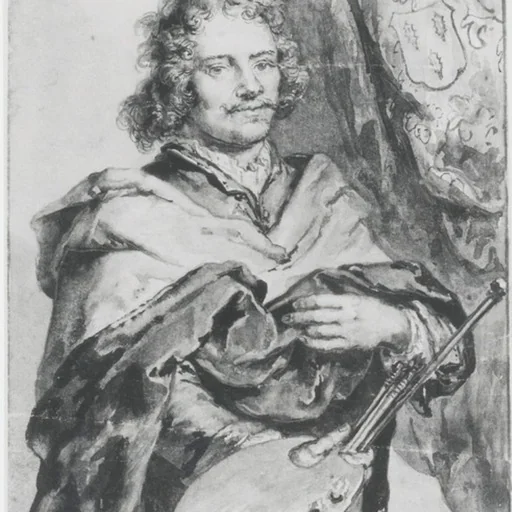
Hendrick Jansz ter Brugghen (or Terbrugghen; 1588 – 1 November 1629) was a Dutch painter of genre scenes and religious subjects.