Artwork
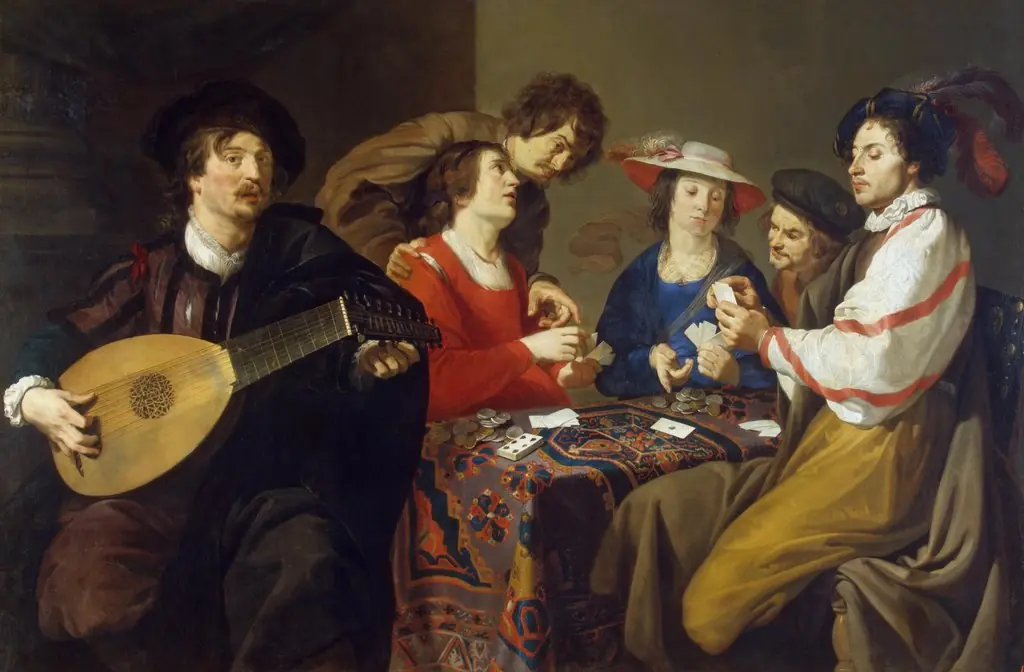
The Lute-Player
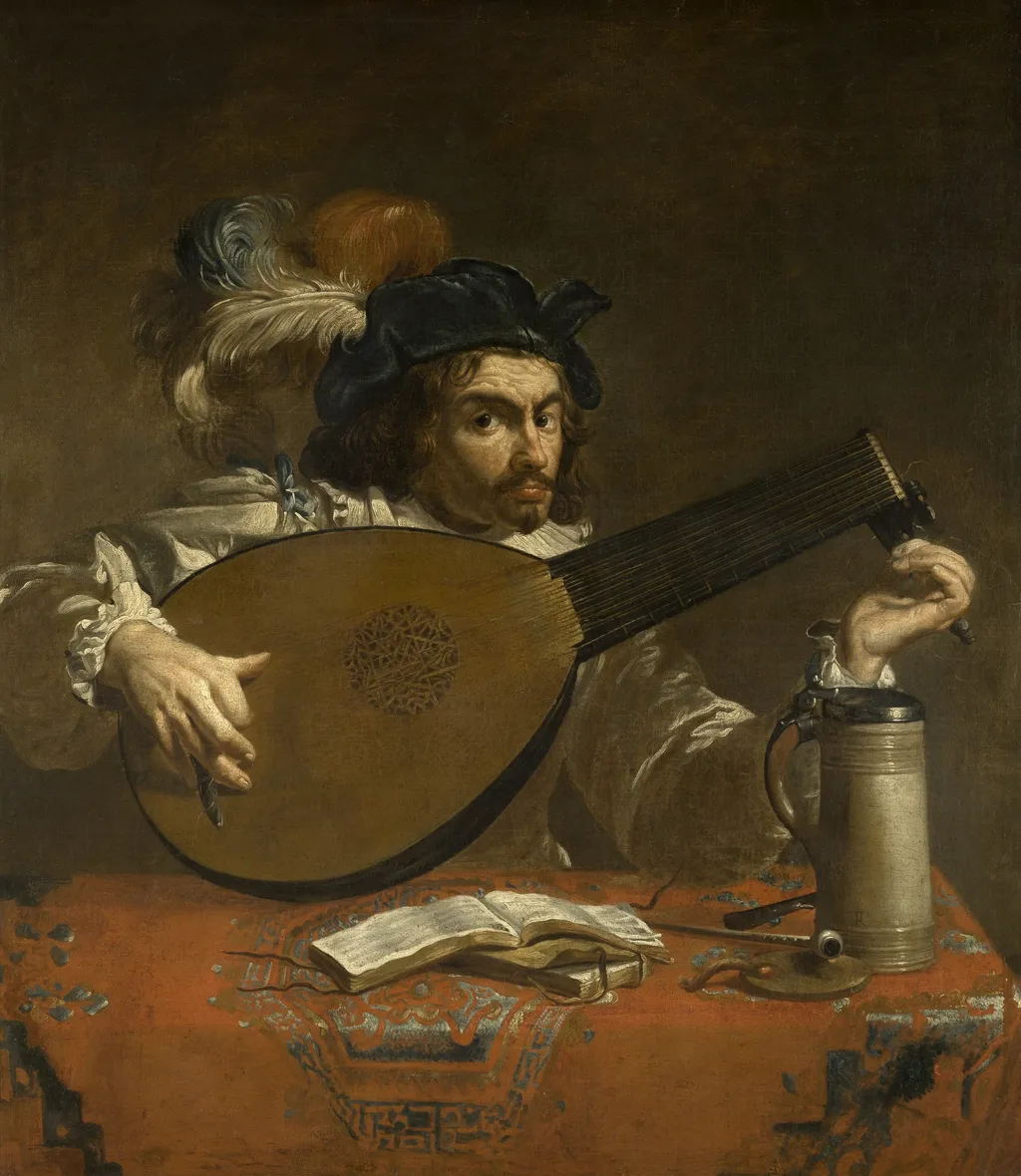
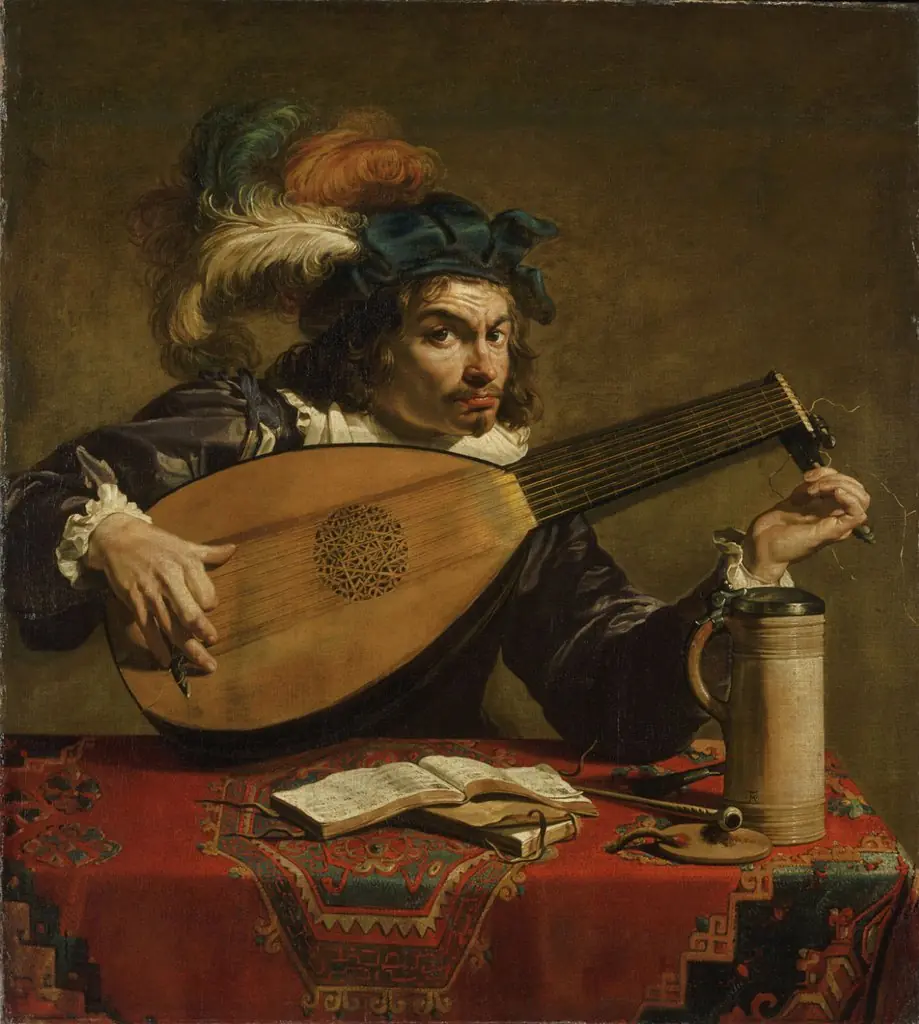
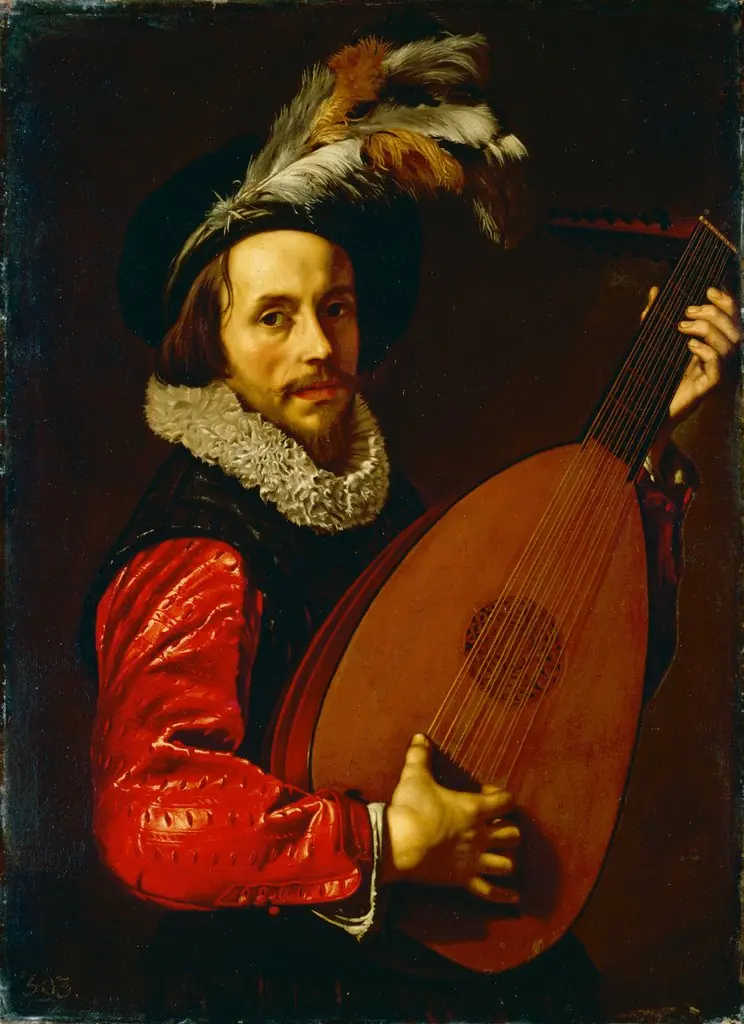
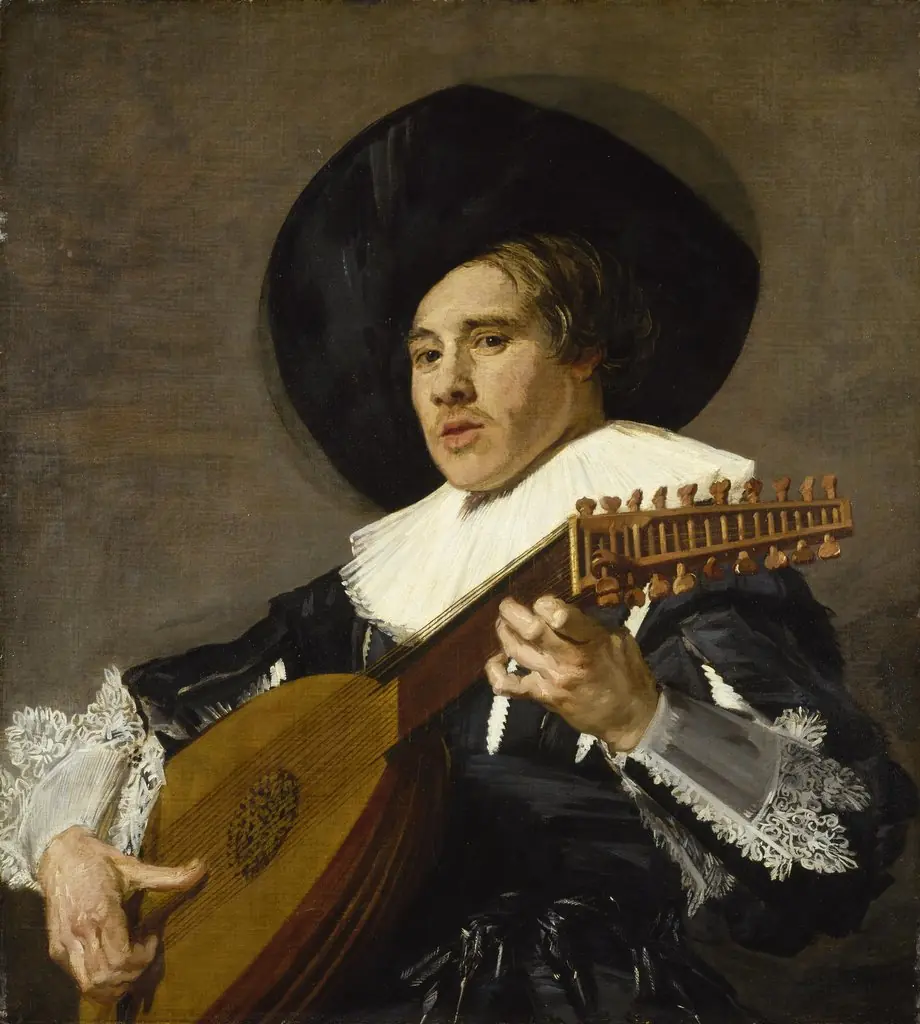
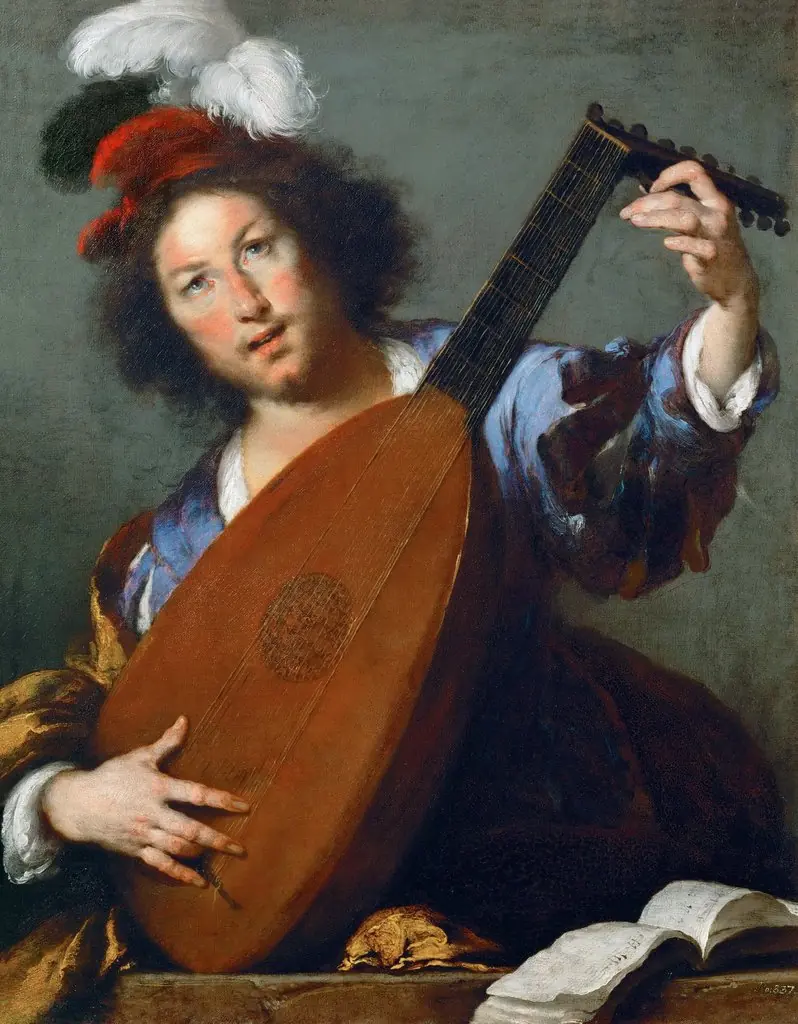
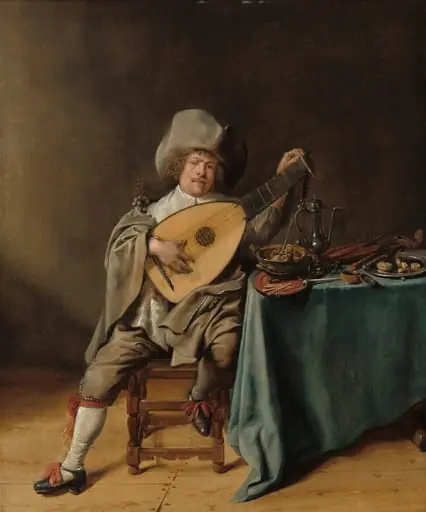
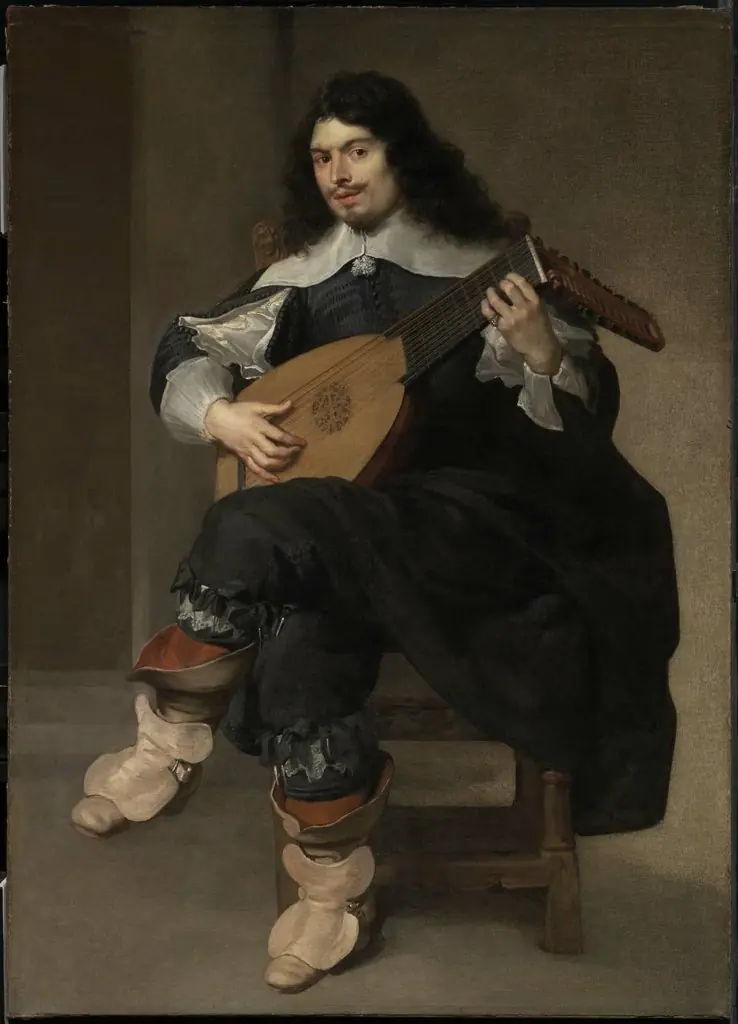
The Lute-Player is an oil painting by the Rococo painting artist Theodoor Rombouts. It is held in the collection of the Royal Museum of Fine Arts Antwerp.
About this work
Overview
The work is part of the Royal Museum of Fine Arts Antwerp’s collection, reflecting early 17th-century Flemish interest in secular, everyday moments.
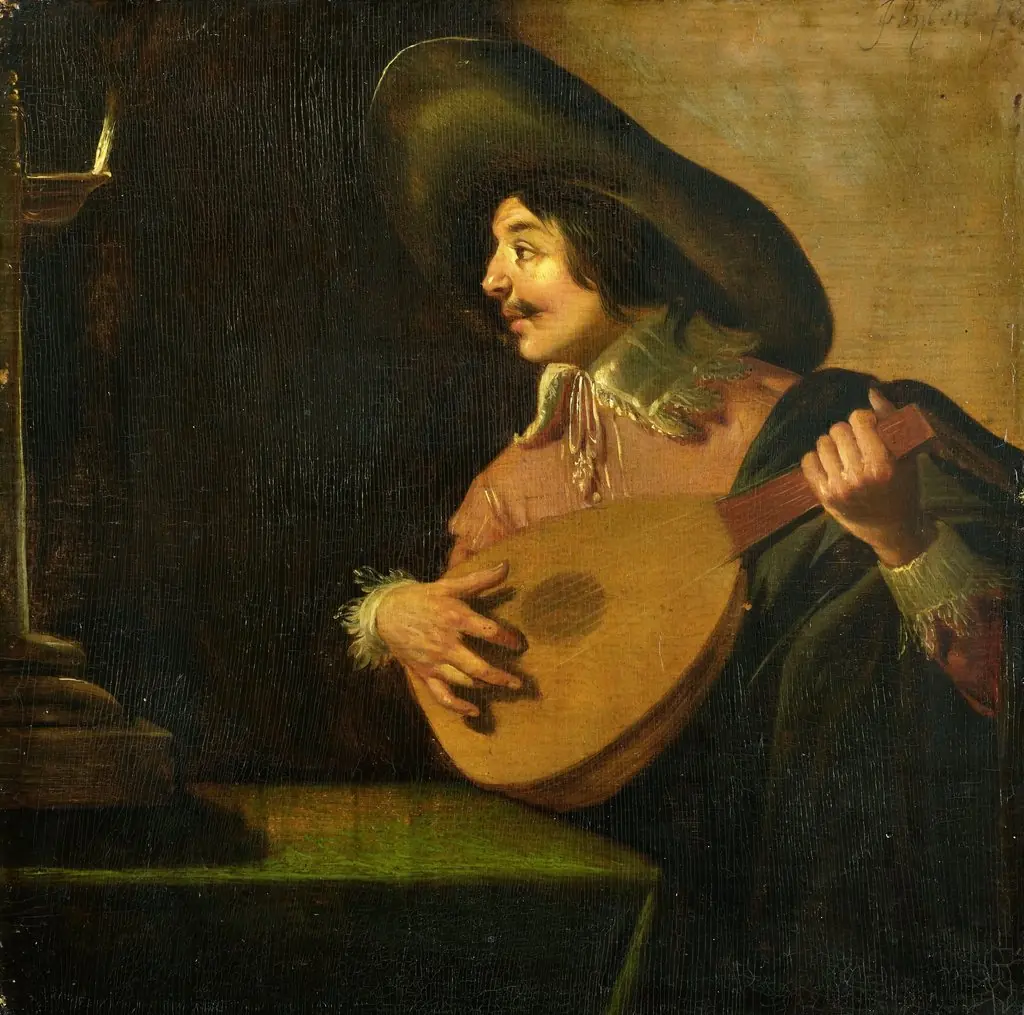
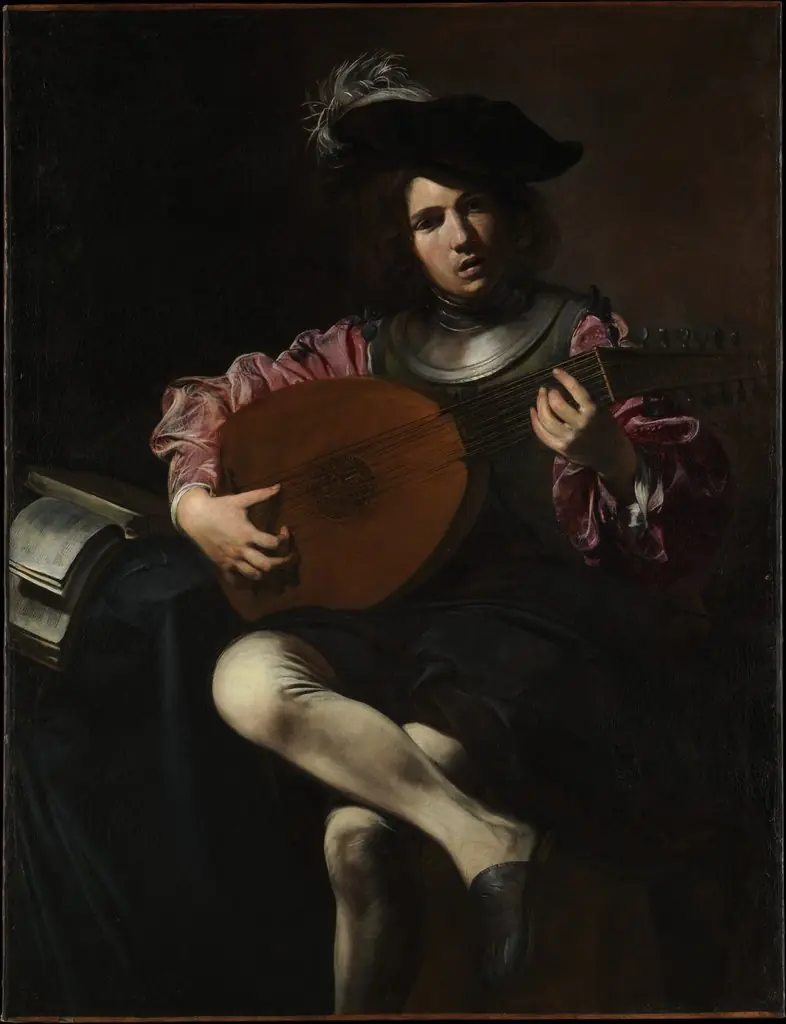
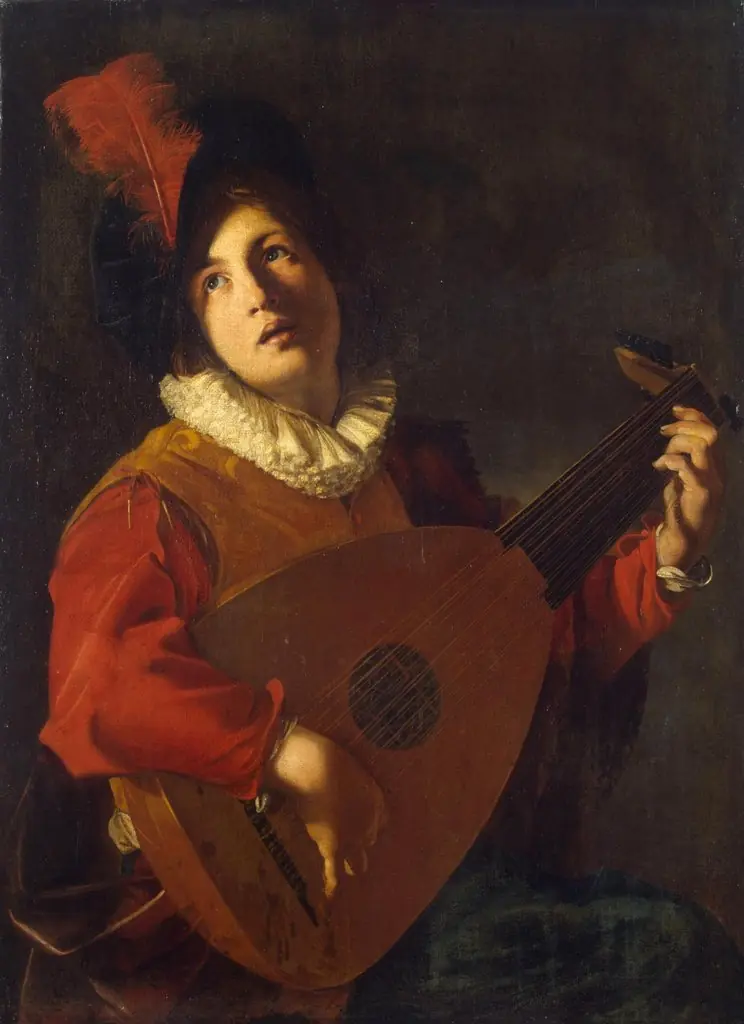
The Lute-Player is an oil painting by Theodoor Rombouts, executed around 1620 rather than 1700. It portrays a solitary musician in a dimly lit interior, rendered with intense contrasts of light and shadow. Rombouts, a Flemish artist influenced by Caravaggio, focused on intimate genre scenes that emphasized emotional presence over narrative drama. The work is part of the Royal Museum of Fine Arts Antwerp’s collection, reflecting early 17th-century Flemish interest in secular, everyday moments.
Subject & Meaning
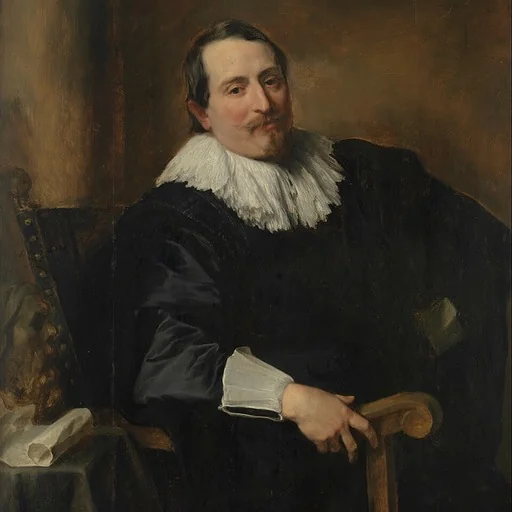
The figure is a man engaged in private musical performance, dressed in contemporary attire with a black hat, white ruffled shirt, and a feather in his cap. The objects on the table—book, pipe, and jug—suggest leisure and contemplation, common motifs in Caravaggesque genre painting. His focused expression and poised hands convey quiet concentration, transforming a mundane act into a moment of introspective stillness, free from overt symbolism or moralizing.
Technique & Style
Rombouts employs strong chiaroscuro to model the figure’s form against a near-black background, enhancing three-dimensionality and directing visual focus. The textures of fabric, wood, and skin are rendered with subtle gradations of light, while the red tablecloth adds a restrained chromatic contrast. Brushwork is precise yet unobtrusive, prioritizing atmospheric cohesion over decorative detail, aligning with the naturalism of Flemish Caravaggism.
History & Provenance
Painted circa 1620, the work emerged during Rombouts’s mature period in Antwerp, when he was deeply engaged with Italianate naturalism. It entered the Royal Museum of Fine Arts Antwerp’s collection in the 19th century, likely through municipal acquisitions or donations from local collectors. Its attribution has remained consistent, with no significant record of ownership changes prior to museum acquisition.
Context
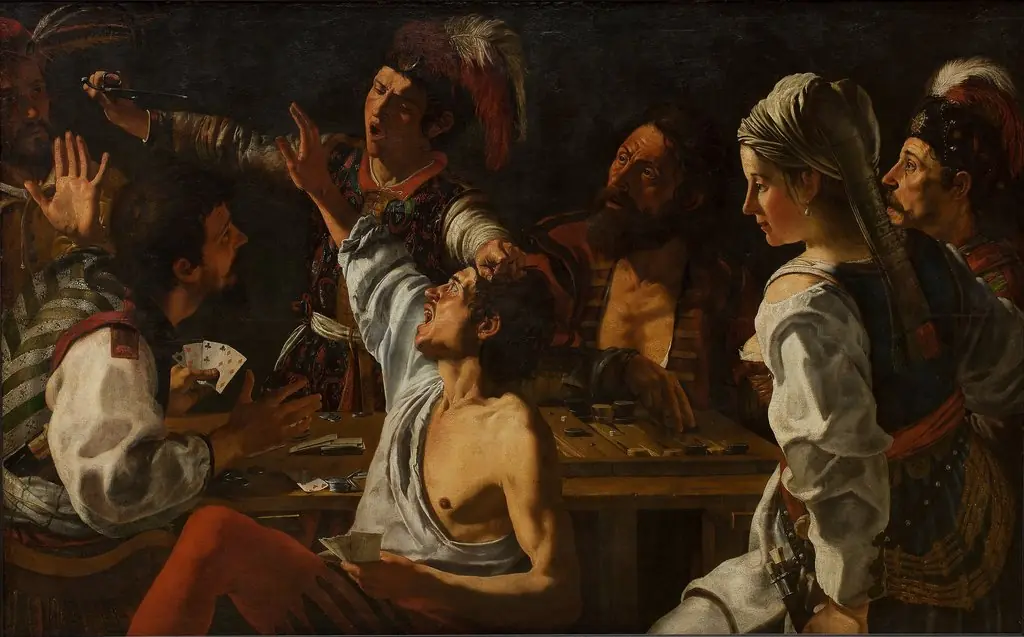
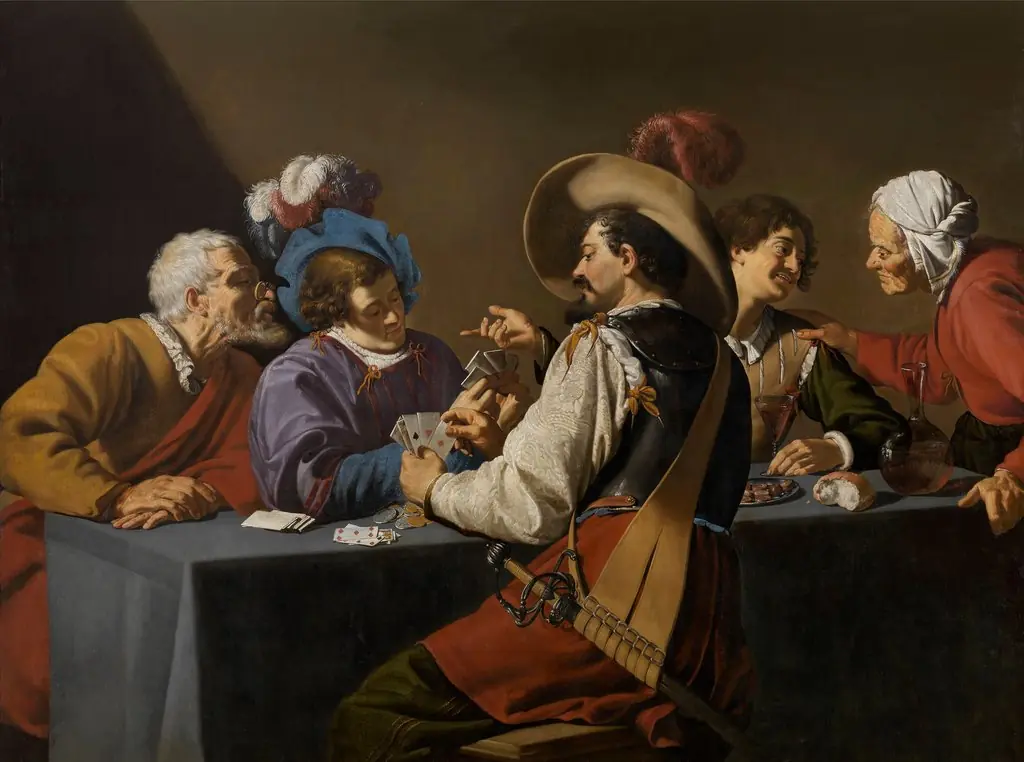
Rombouts worked in a city where Caravaggio’s influence had taken root among local artists seeking emotional realism. While Italian painters often depicted religious subjects, Flemish counterparts like Rombouts turned to secular scenes—musicians, drinkers, card players—as vehicles for psychological depth. The Lute-Player reflects this regional adaptation, merging Italian lighting techniques with Northern European attention to domestic detail.
Legacy
The painting exemplifies how Flemish artists reinterpreted Caravaggio’s innovations for local tastes, avoiding grandeur in favor of quiet intimacy. Though Rombouts is less known than his Italian contemporaries, works like this helped shape the trajectory of genre painting in the Southern Netherlands. Its restrained composition and psychological nuance influenced later Dutch and Flemish painters focused on solitary, contemplative figures.
Own this work as a print
Artist & collection
Artist
Theodoor Rombouts (2 July 1597 – 14 September 1637) was a Flemish painter who is mainly known for his Caravaggesque genre scenes depicting lively dramatic gatherings as well as religiously themed works.