Artwork
Landscape with figures and cattle
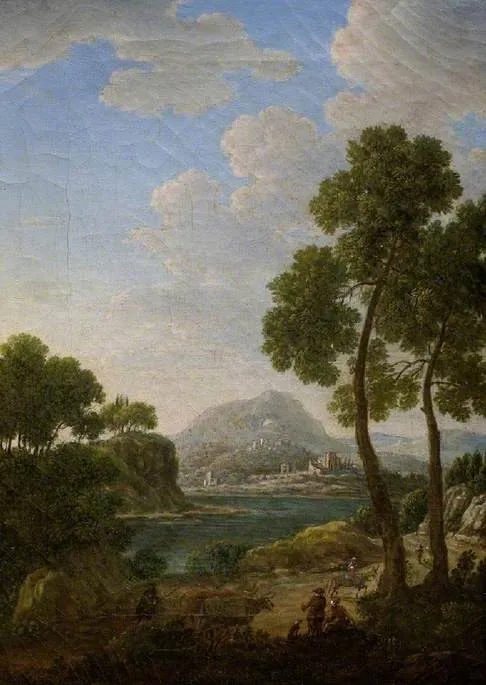
Landscape with figures and cattle is an oil painting by the Rococo painting artist Hendrik Frans van Lint. It dates from 1756 and is held in the collection of the Fitzwilliam Museum.
About this work
Overview
Landscape with figures and cattle is an oil painting created by Hendrik Frans van Lint in 1756, characteristic of the Rococo period. It exemplifies the artist's specialty in landscapes, or vedute, which were highly sought after by his clientele.
Subject & Meaning
The painting portrays a serene rural scene with rolling hills, distant water, and figures accompanied by cattle near the water's edge. This idyllic depiction reflects the artist's focus on capturing peaceful, natural environments.
Technique & Style
Van Lint employed warm, muted tones and skillful manipulation of light and shadow to achieve depth and atmosphere. Visible brushstrokes add a textured quality to the work, enhancing its visual appeal.
History & Provenance
Created during van Lint's prominence in 18th-century Rome, the painting was likely commissioned by either local aristocracy or travelers on the Grand Tour. It is now part of the Fitzwilliam Museum's collection.
Context
As a leading Roman artist of his time, van Lint's work catered to the demand for landscape art among both European nobility and Grand Tourists, reflecting the era's appreciation for Italian scenery.
Legacy
While specific impact of *Landscape with figures and cattle* on later artists is not detailed, van Lint's overall oeuvre contributed to the enduring popularity of Rococo-era landscapes among collectors and museums.
Artist & collection
Artist
Hendrik Frans van Lint (26 January 1684; 24 September 1763) was a Flemish landscape and vedute painter who was part of the group of Flemish and Dutch painters active in Rome.

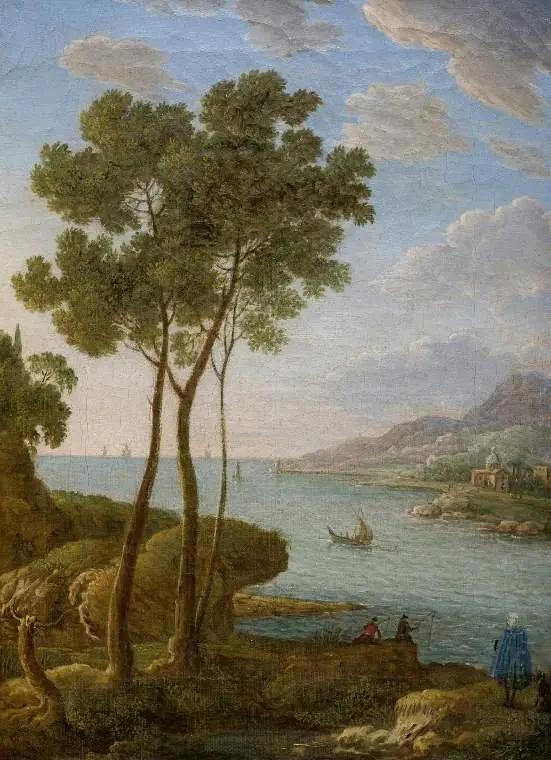
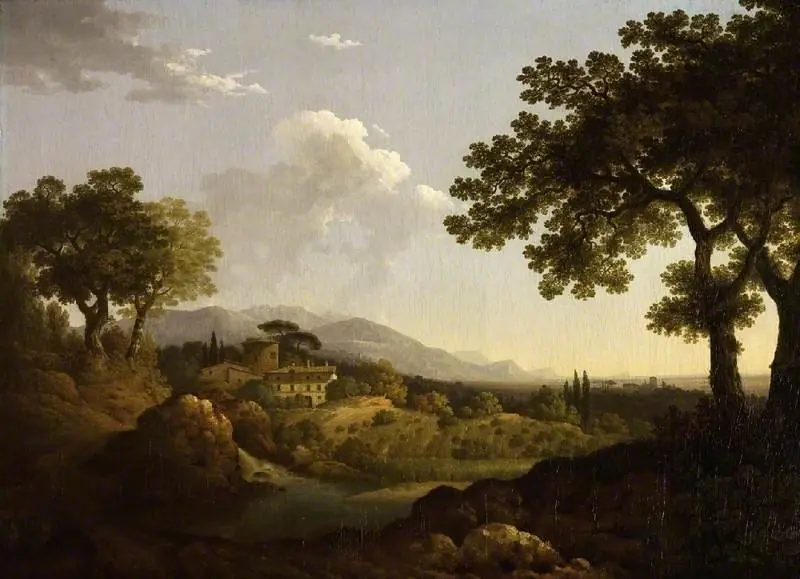 View near Naples
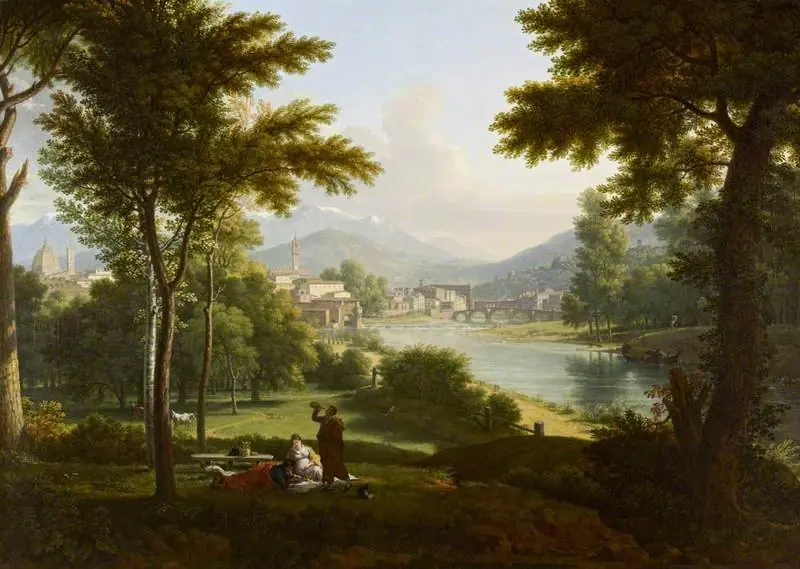 A View of Florence from the North Bank of the Arno
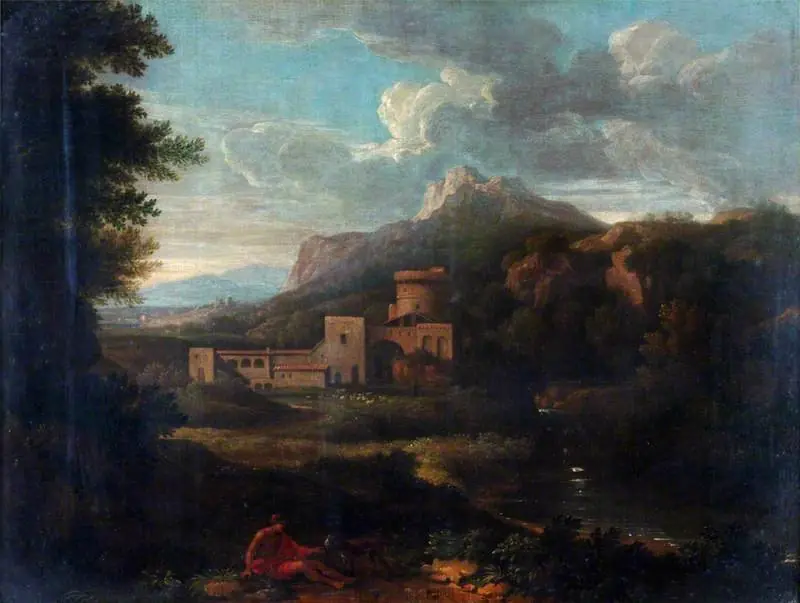 Landscape with a River and a Castle
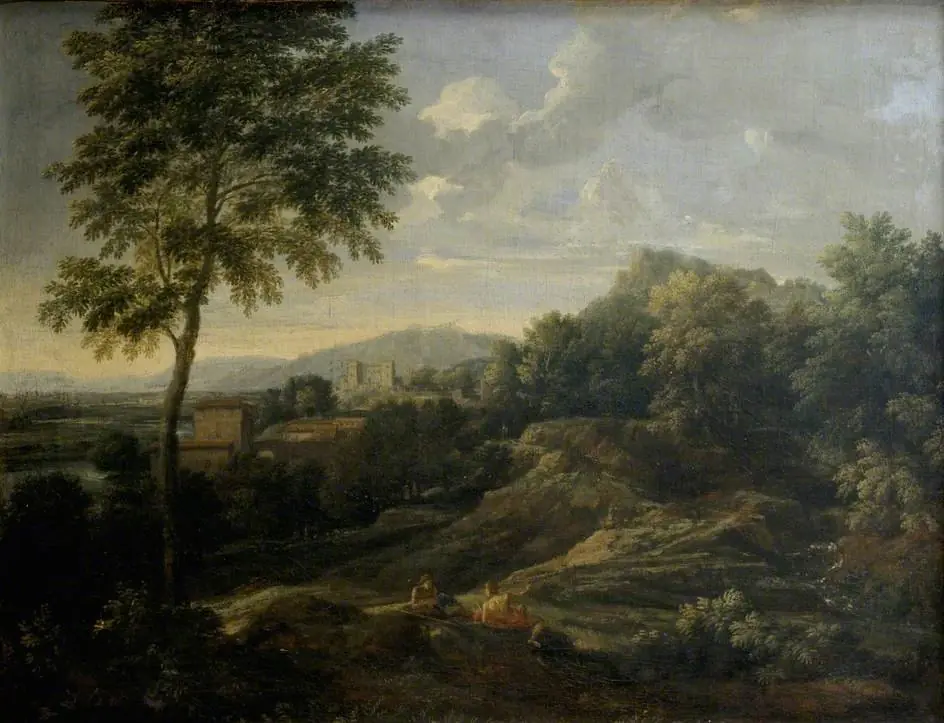 Landscape in the Roman Campagna
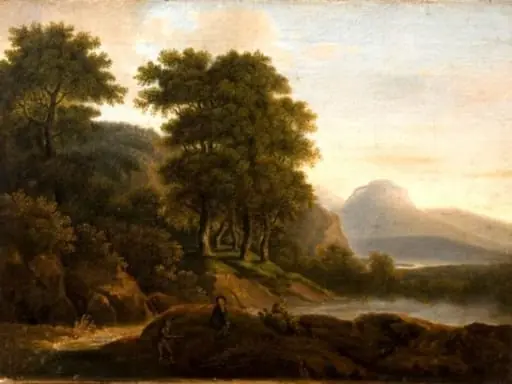 Dimineața
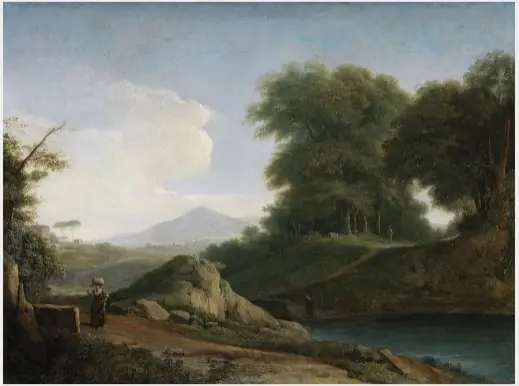 Italianate Landscape
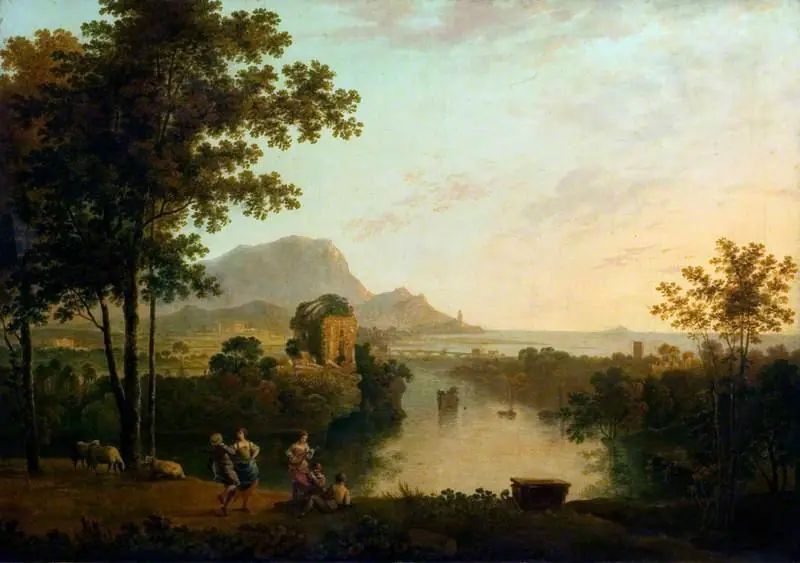 Landscape Composition: River Mouth with Peasants Dancing
 Italian River Landscape with a Hermit
 Rocky Landscape with a Statue, a Broken Column and Figures
 Classical Landscape
 Classical Landscape