Artwork
Portrait of Diederik van Durven, Governor-General of the Dutch East Indies
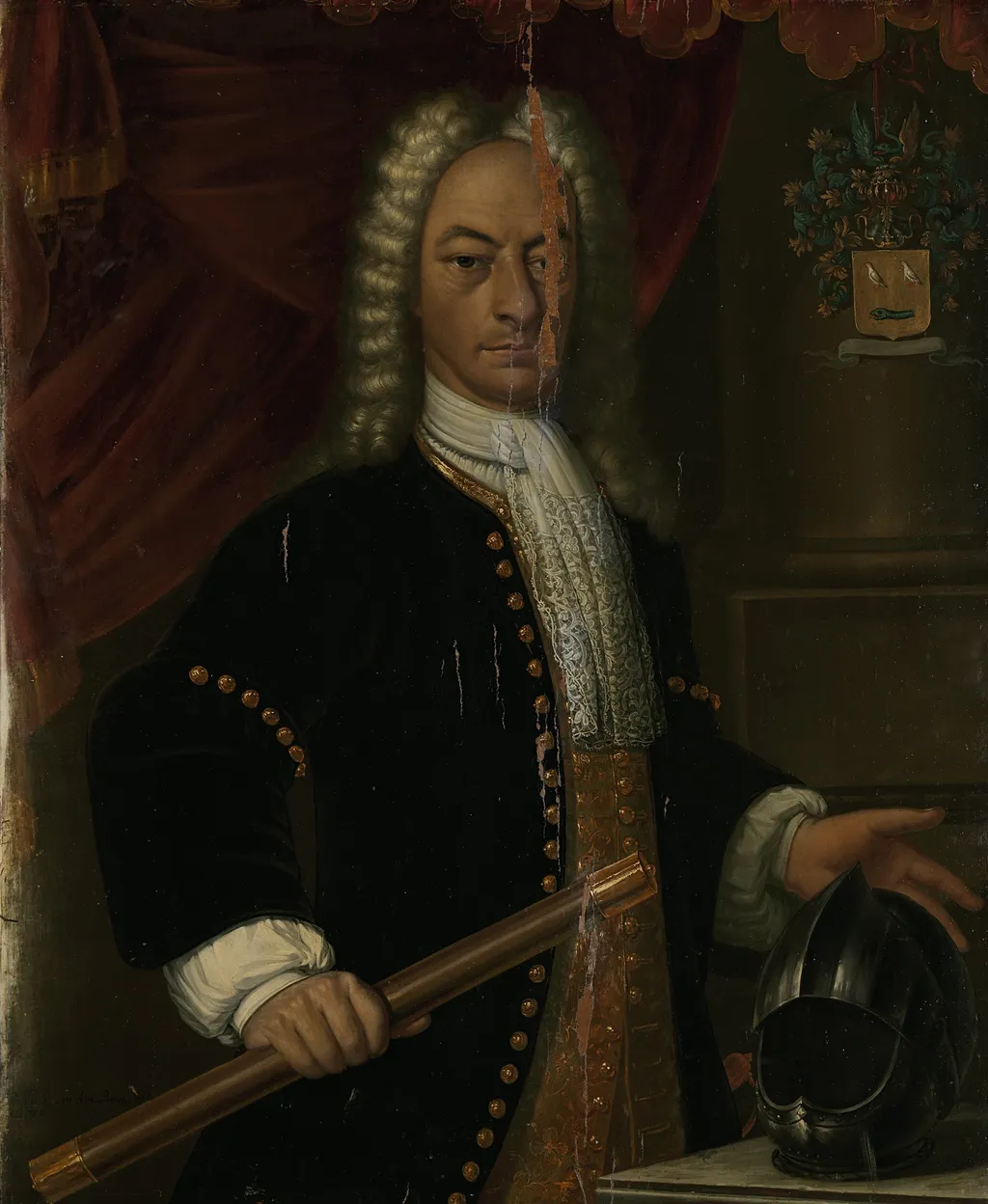
Portrait of Diederik van Durven, Governor-General of the Dutch East Indies is an oil painting by the Rococo painting artist Hendrik van den Bosch. It dates from 1732 and is held in the collection of the Rijksmuseum. This 1732 oil painting depicts Diederik van Durven, who served as Governor-General of the Dutch East Indies.
About this work
Overview
This 1732 oil painting depicts Diederik van Durven, who served as Governor-General of the Dutch East Indies. Executed by Hendrik van den Bosch, it presents a formal portrait typical of European administrative portraiture from the early eighteenth century. The composition emphasizes the subject’s official status through attire, props, and controlled lighting, reflecting conventions of the period.
Subject & Meaning
The portrait captures Van Durven in his capacity as colonial administrator, signaled by his dark, ornate coat and ceremonial staff. A coat of arms displayed behind him reinforces his authority and lineage. His expression and posture convey gravitas, underscoring the seriousness of his role in governing overseas territories on behalf of the Dutch Republic.
Technique & Style
Van den Bosch employs chiaroscuro to model the subject’s features, using strong contrasts between light and shadow to heighten three-dimensionality.
Van den Bosch employs chiaroscuro to model the subject’s features, using strong contrasts between light and shadow to heighten three-dimensionality. The dark background and curtain isolate the figure, directing attention to his face and insignia. Brushwork remains refined, particularly in rendering textiles and metallic details, adhering to the polished realism favored in official portraiture of the time.
History & Provenance
Created in 1732, the painting has been part of the Rijksmuseum’s collection. Its commission likely coincided with Van Durven’s tenure or departure from office, serving as both a personal record and a public assertion of colonial authority. The work’s preservation suggests its continued relevance within institutional narratives of Dutch governance and imperial history.
Context
The portrait emerges from a tradition of depicting high-ranking officials, a practice that reinforced social hierarchies and state power. During the early eighteenth century, the Dutch East Indies Company (VOC) relied on such imagery to project stability and legitimacy across its far-flung operations. The painting thus functions as both a personal likeness and a tool of colonial representation.
Legacy
The work remains a document of Dutch colonial administration, offering insight into the visual culture of governance in the VOC era. Its inclusion in the Rijksmuseum underscores its role in shaping historical memory, while its stylistic elements—particularly the use of chiaroscuro—link it to broader European portrait traditions of the period.
Own this work as a print
Artist & collection
Artist
Hendrik van den Bosch made formal portraits of Dutch East India Company leaders. His brush captured men like Dirk van Cloon and Diederik van Durven, each shown in rich oil on copper, keeping their rank visible in lace…

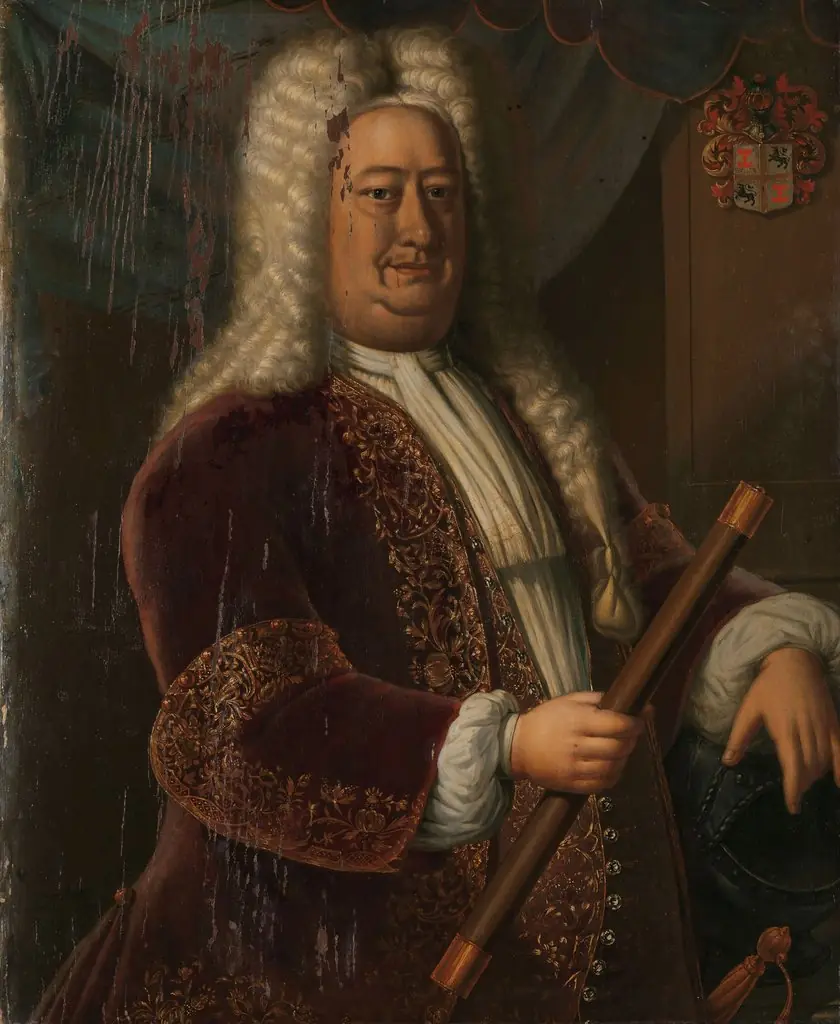 Portrait of Dirk van Cloon, Governor-General of the Dutch East Indies
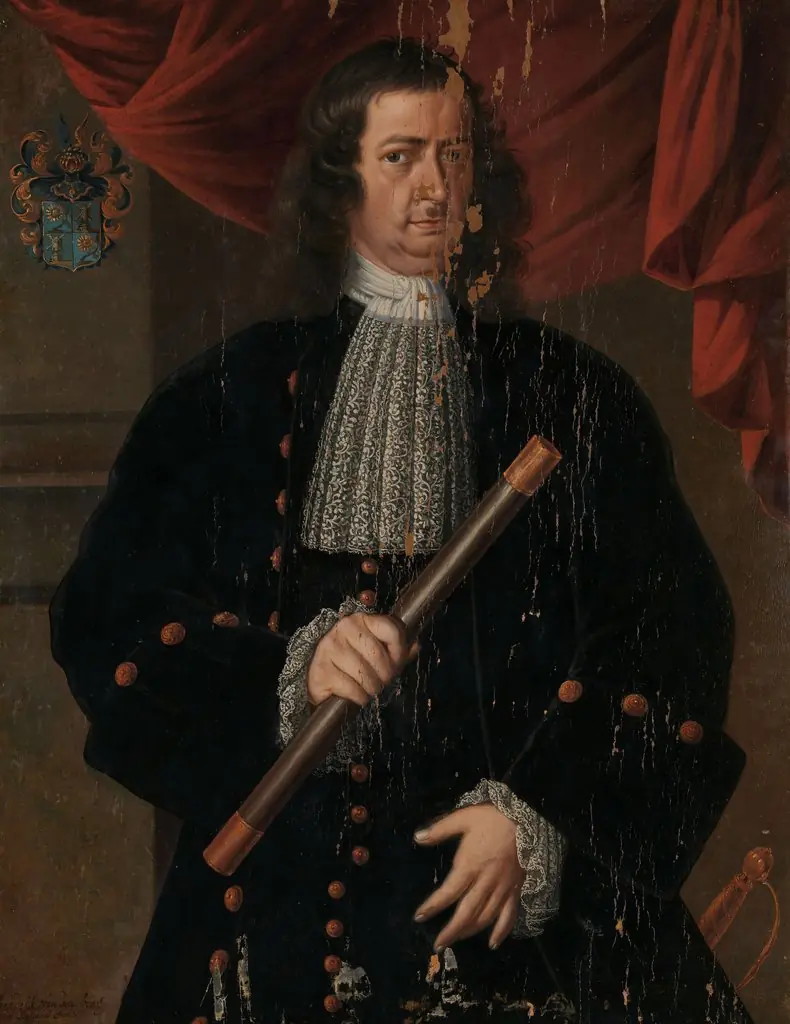 Portrait of Christoffel van Swoll (Swol, Zwol), Governor-General of the Dutch East Indies
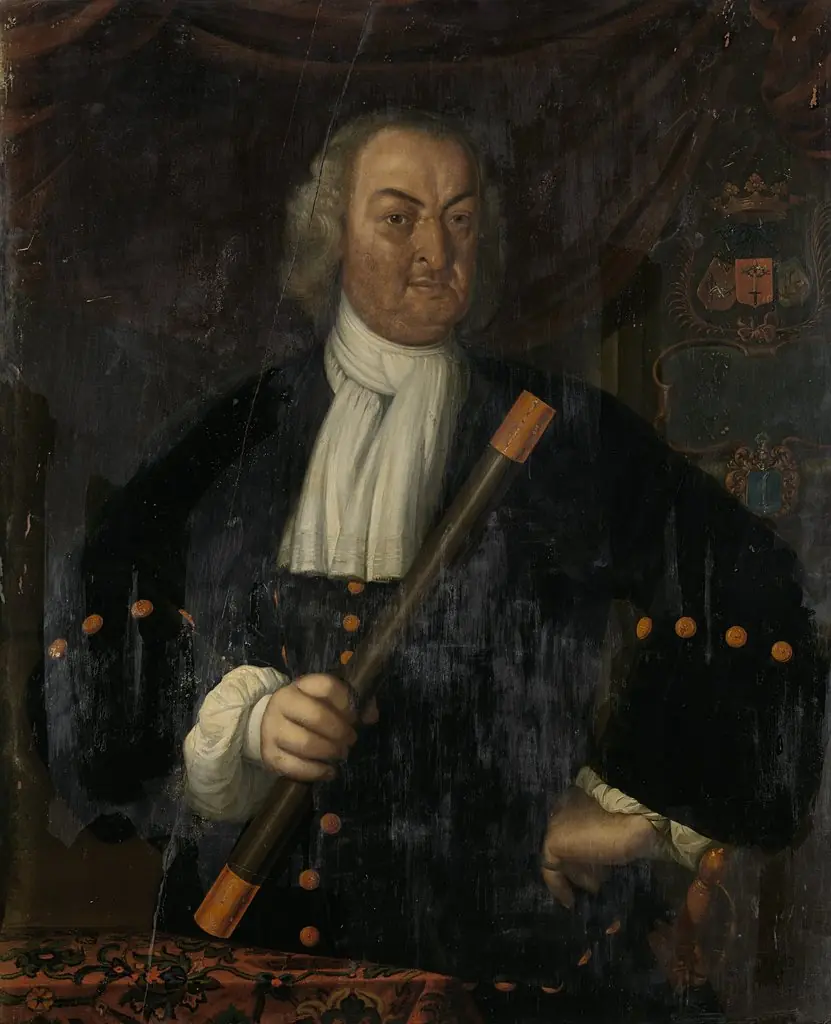 Portrait of Hendrik Swaardecroon (Hendrick Zwaardecroon), Governor General of the Dutch East Indies
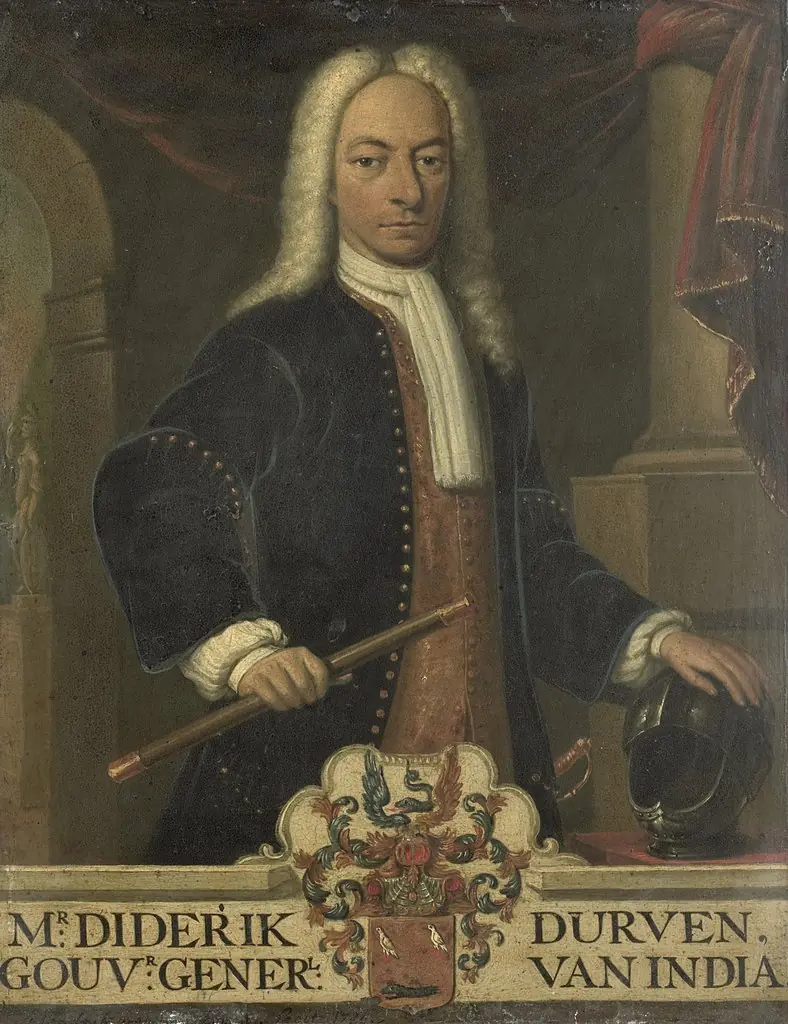 Portrait of Diederik van Durven (1676-1740)
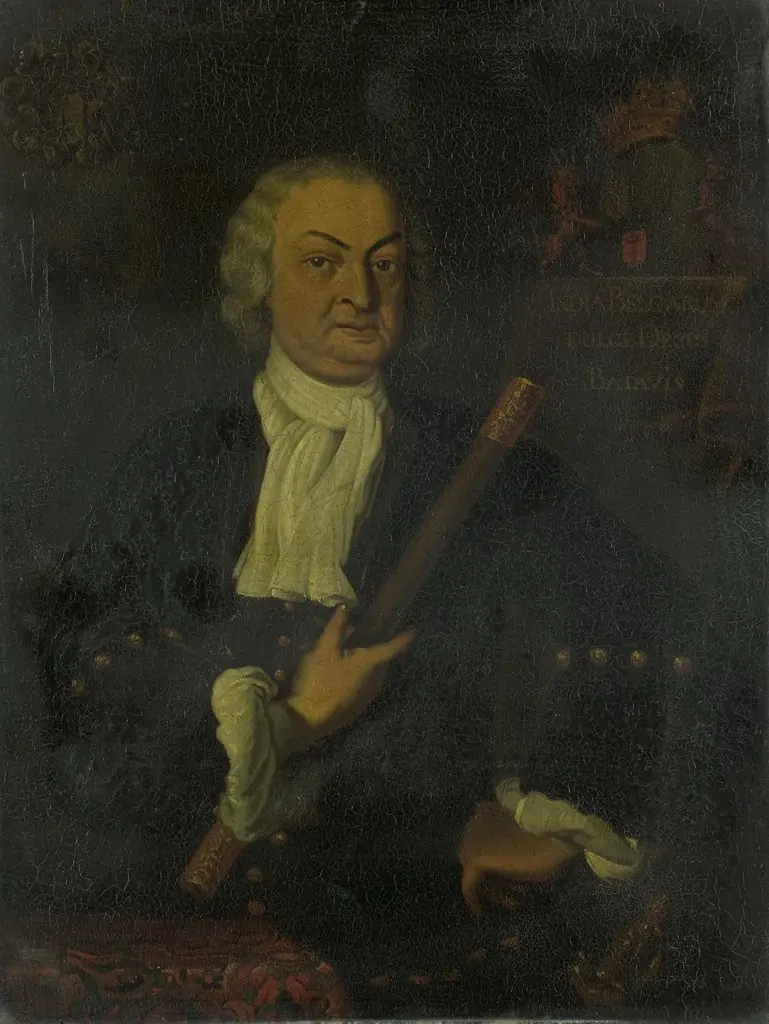 Hendrik Swaardecroon (1667-1728). Gouverneur-generaal (1718-25)
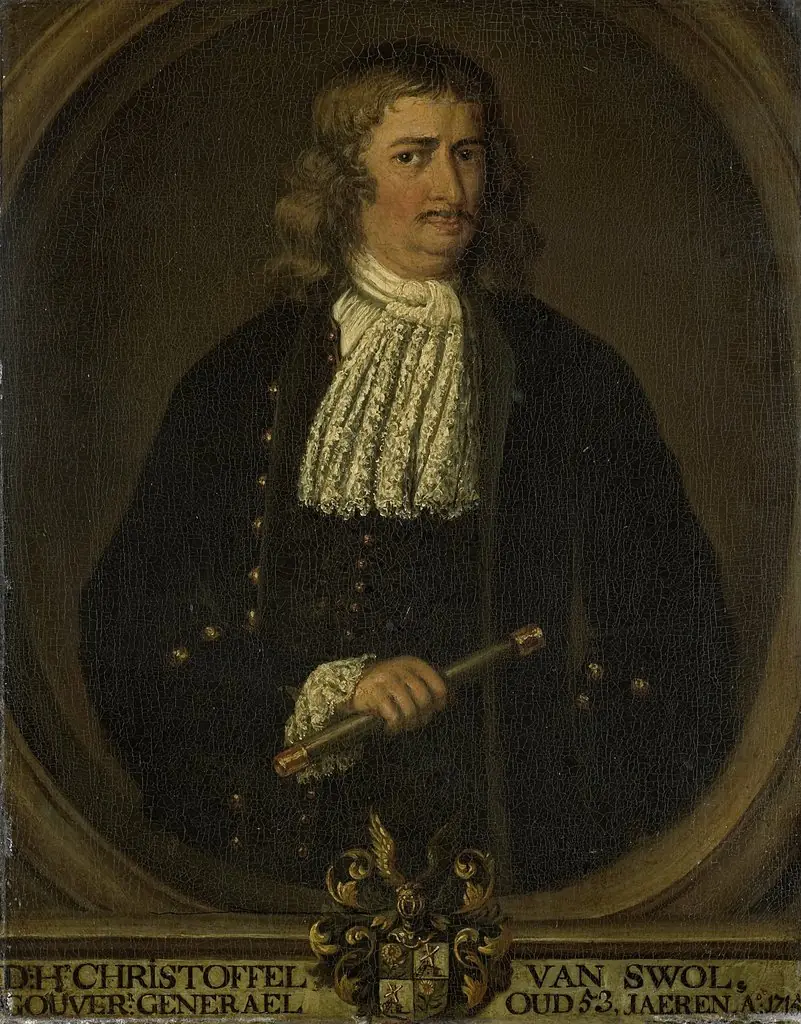 Portrait of Christoffel van Swoll (1662-1718)
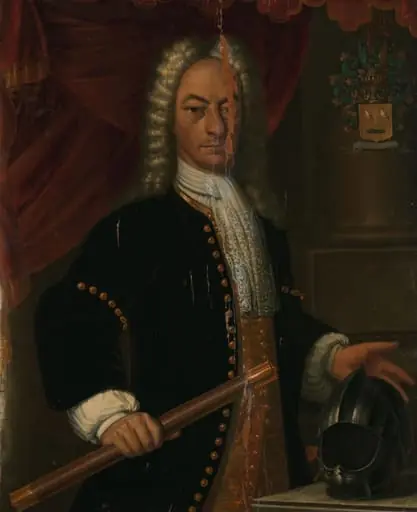 Diederik van Durven (1729-1730)
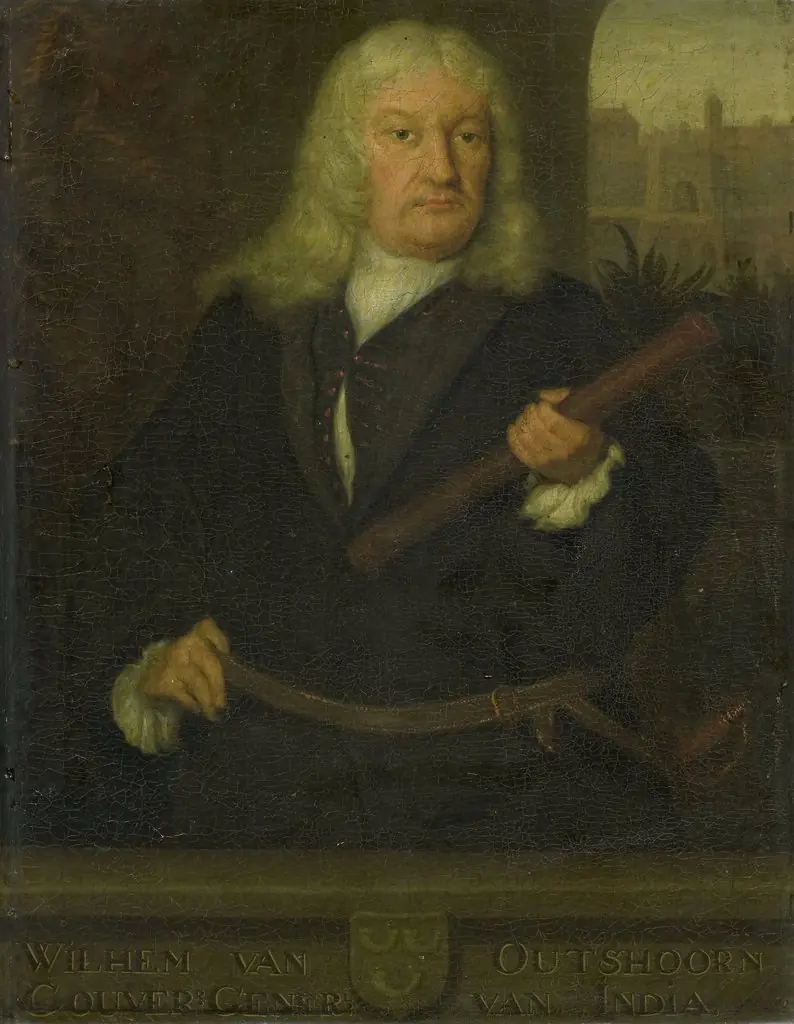 Portrait of Willem van Outhoorn, Governor General of the Dutch East Indies
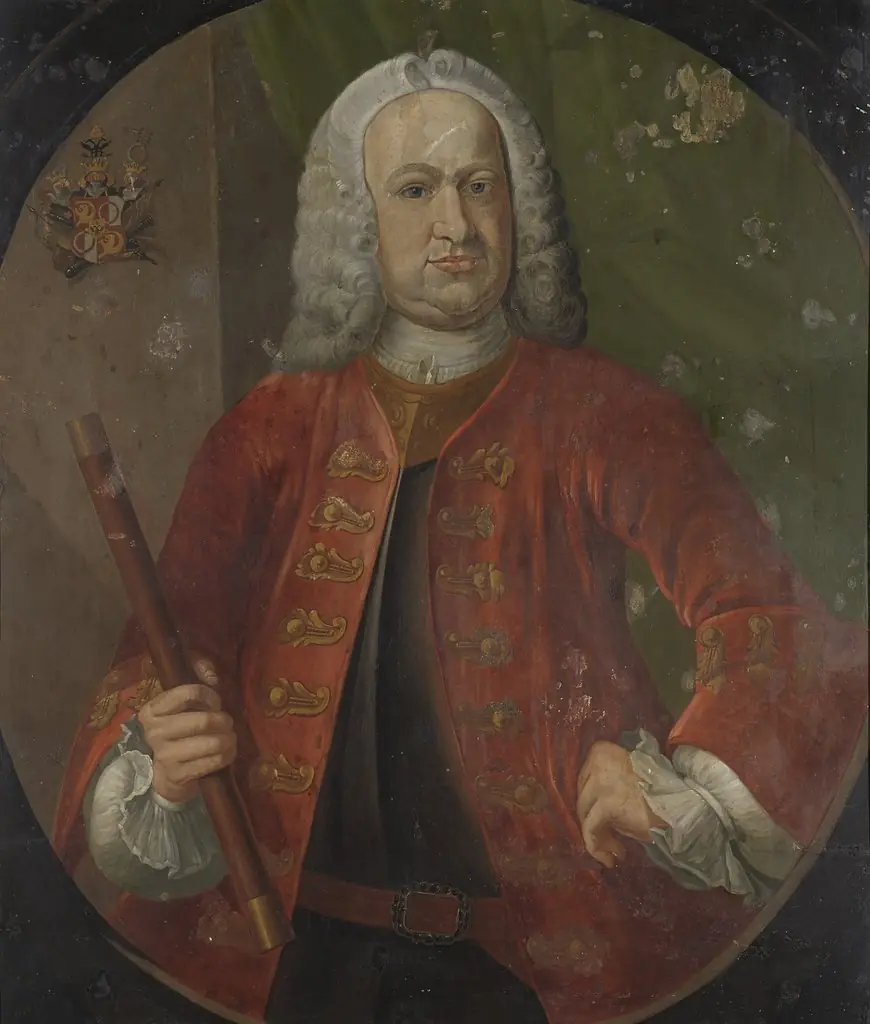 Portrait of Gustaaf Willem, Baron van Imhoff, Governor-General of the Dutch East India Company
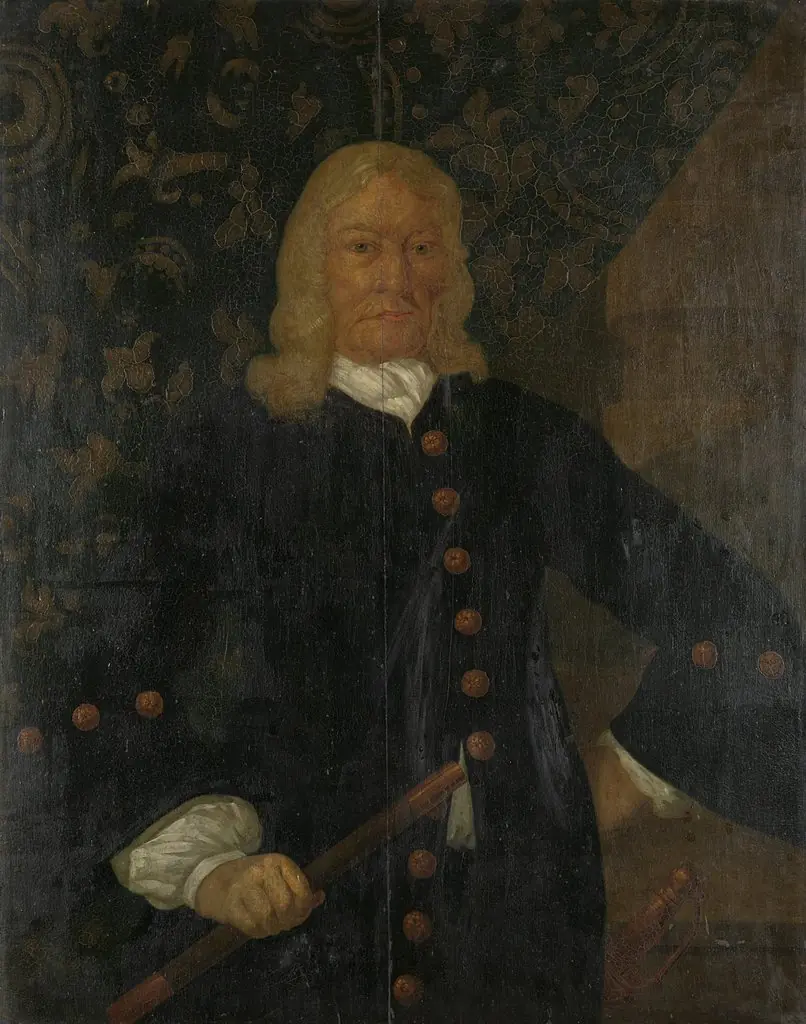 Portrait of Willem van Outhoorn, Governor-General of the Dutch East Indies
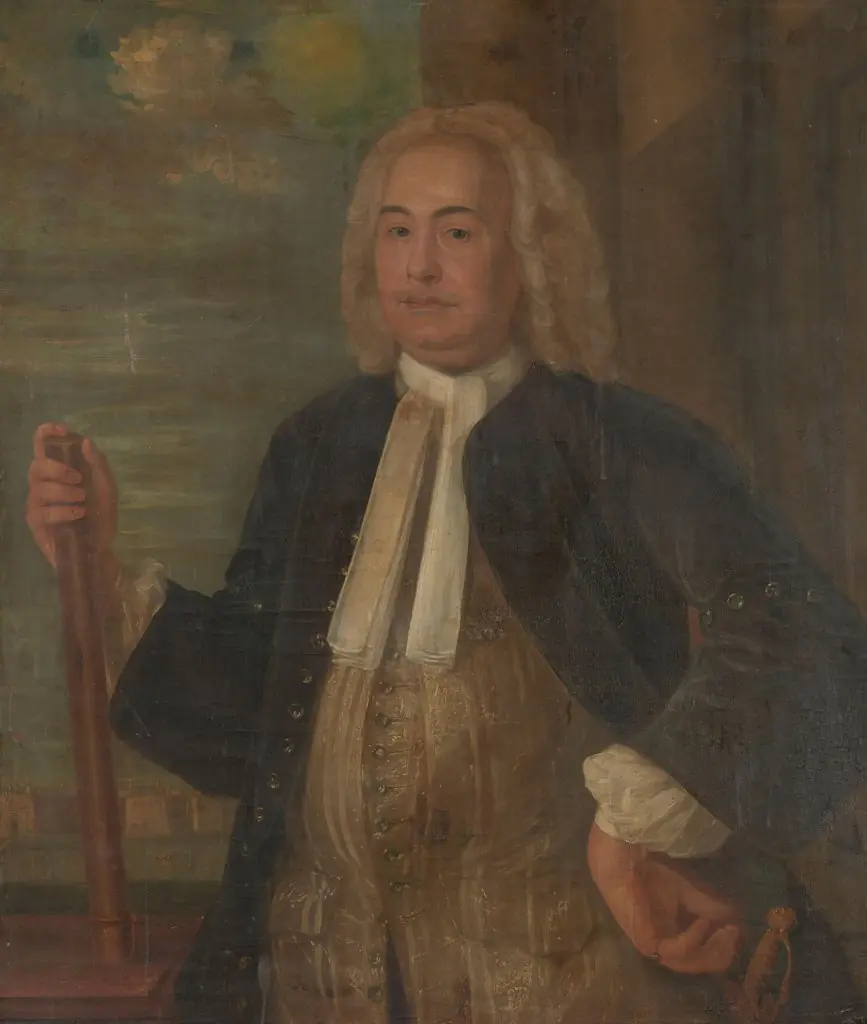 Portrait of Johannes Thedens, Governor-General of the Dutch East India Company
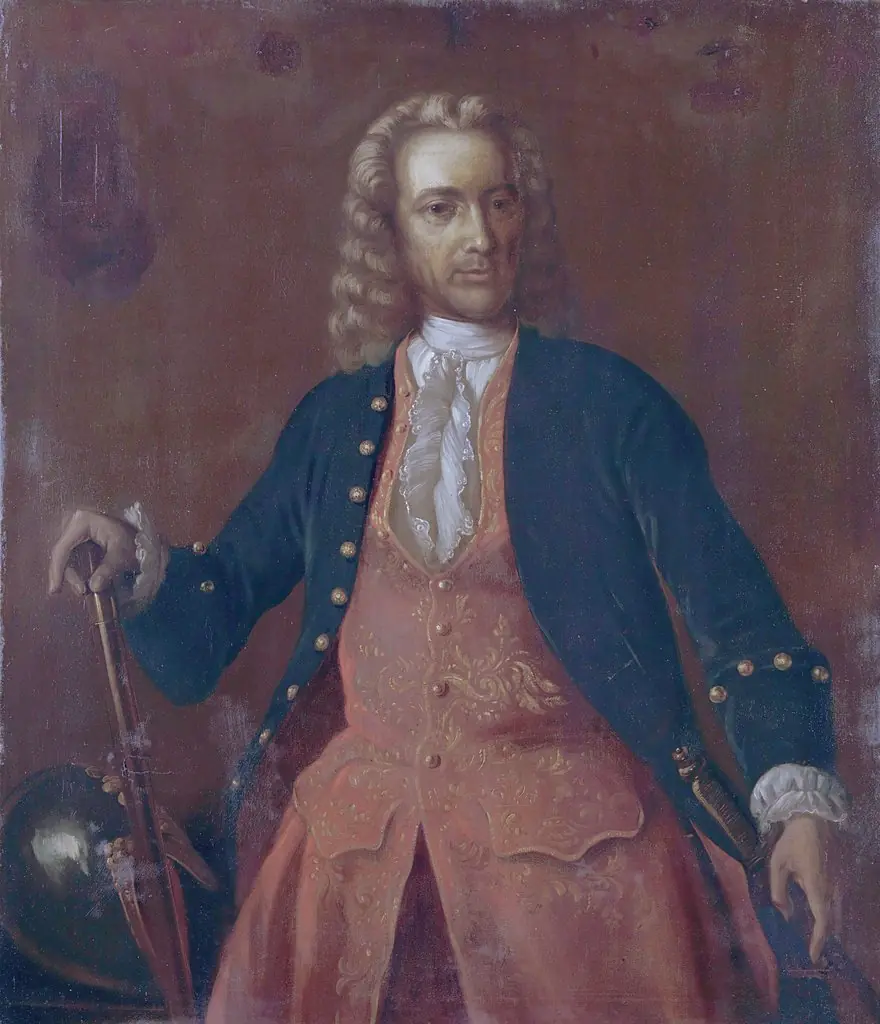 Portrait of Jacob Mossel, Governor-General of the Dutch East India Company
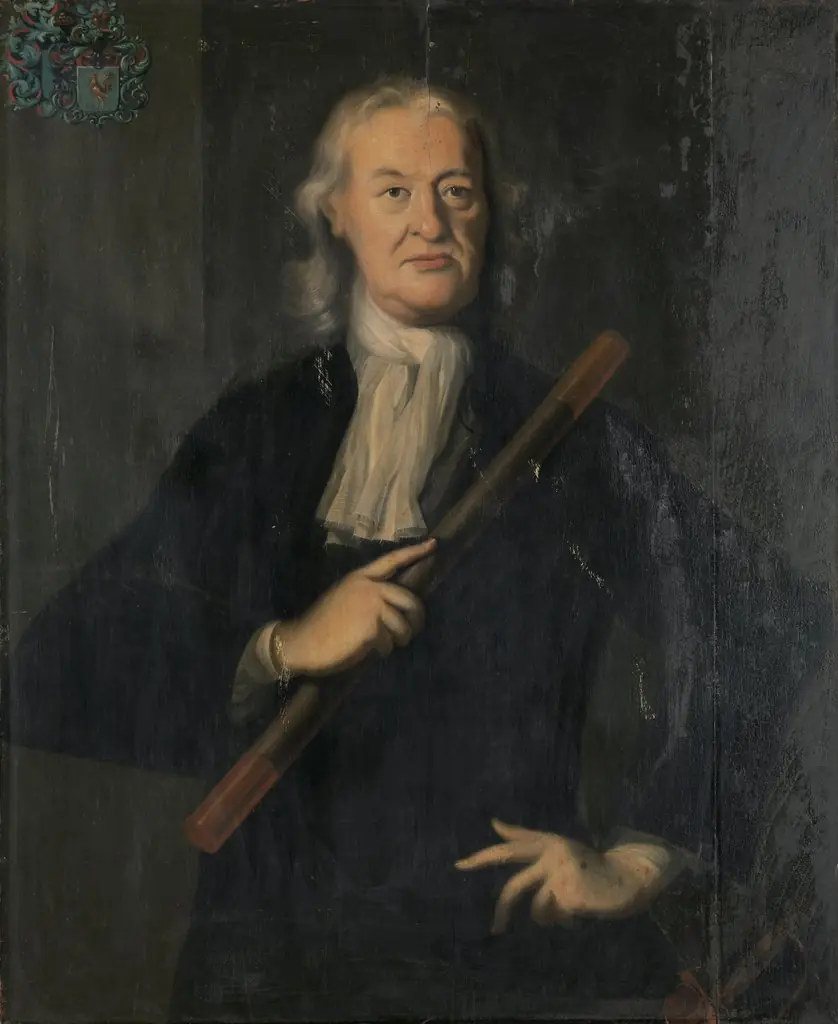 Portrait of Mattheus de Haan, Governor-General of the Dutch East Indies