Artwork
Hunters and Dogs in an Italian Landscape
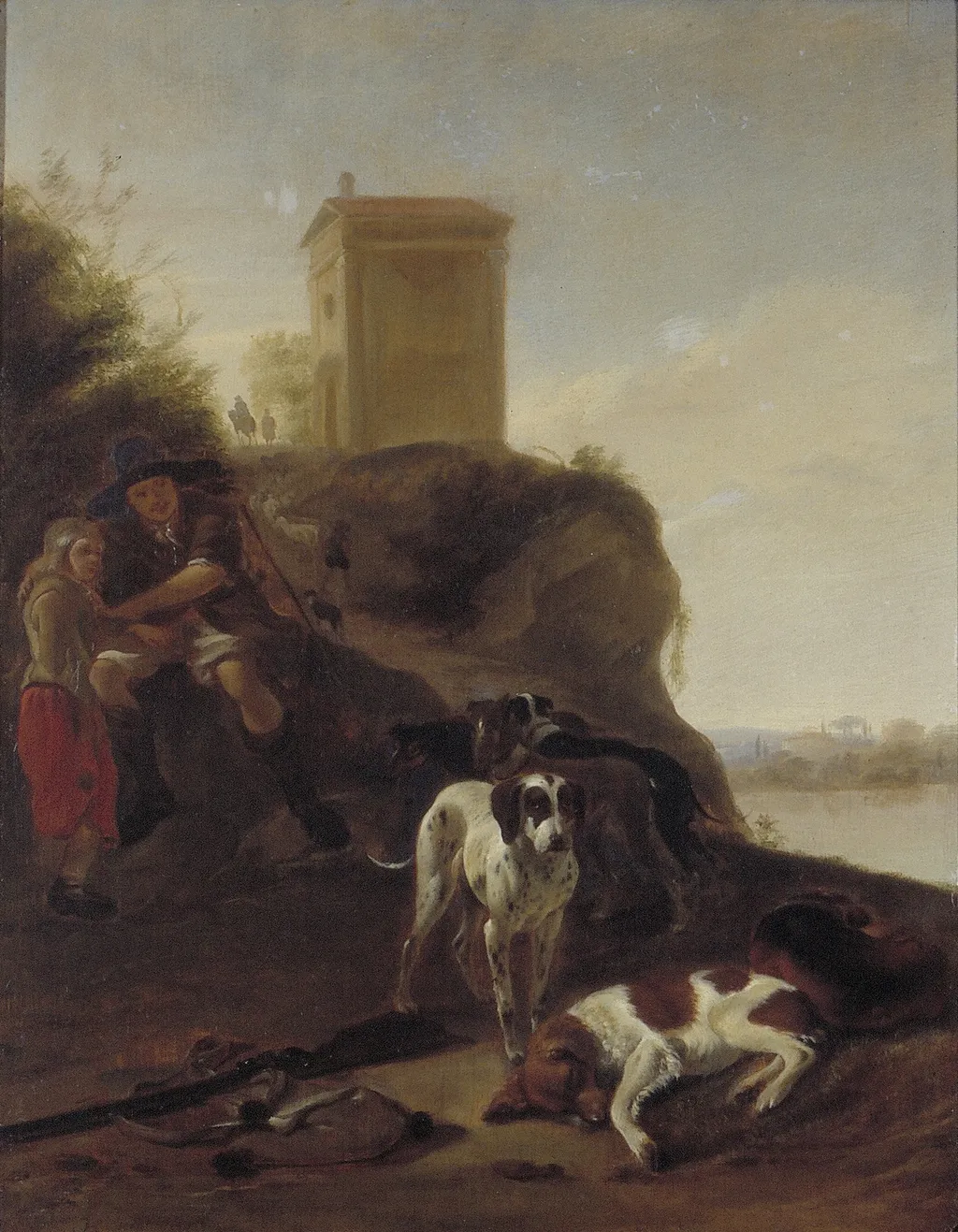
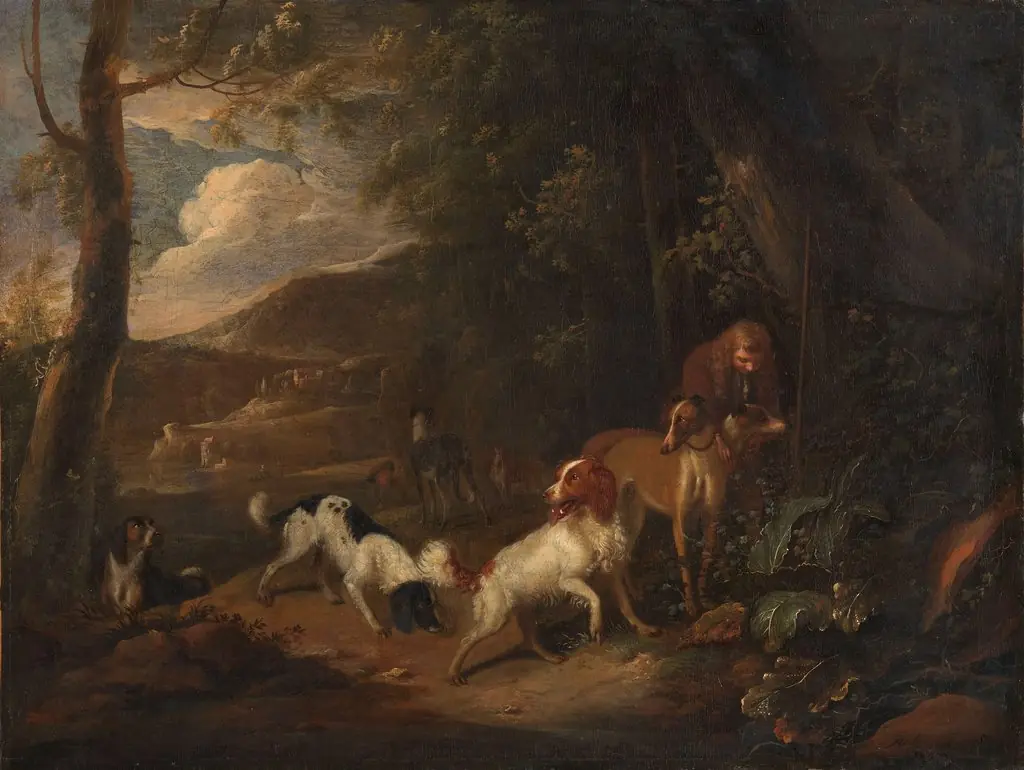
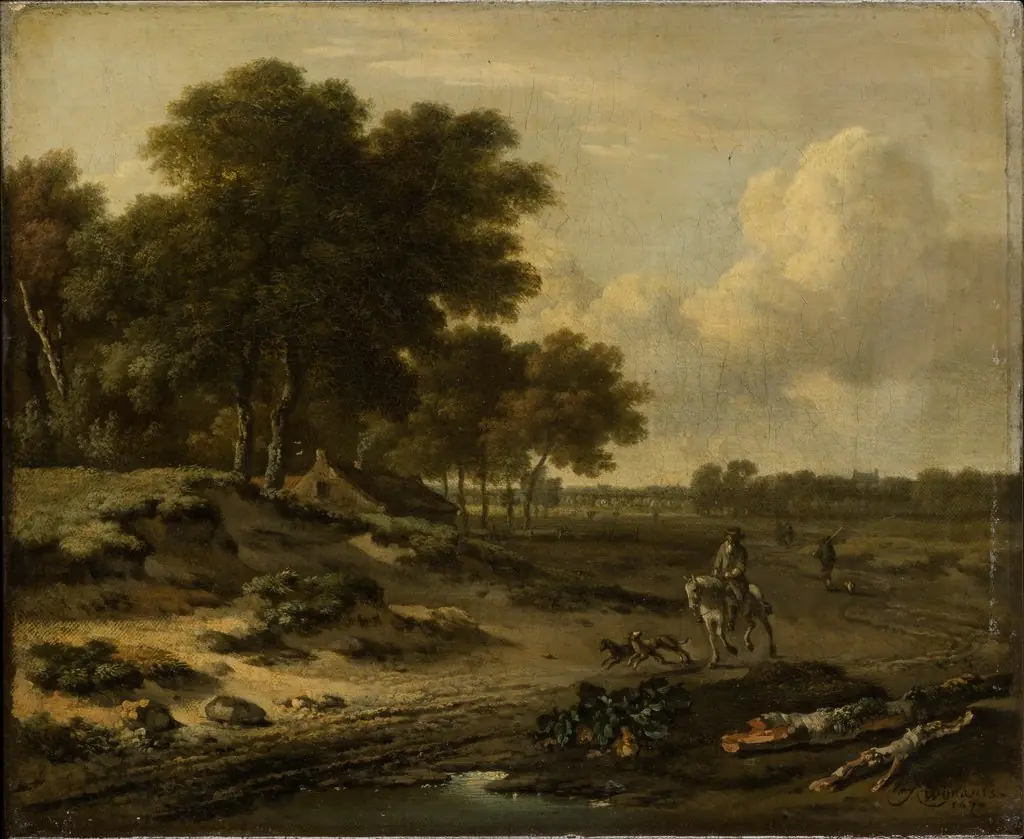
Hunters and Dogs in an Italian Landscape is an oil painting by the Dutch Golden Age artist Hendrik Verschuring. It dates from 1666 and is held in the collection of the Mauritshuis.
About this work
Overview
Though the artist was from Gorinchem, he adopted the popular Dutch convention of placing Northern European figures within imagined Mediterranean landscapes.
Painted in 1666 by Dutch artist Hendrik Verschuring, this oil-on-canvas work presents a quiet rural scene set in an idealized Italian countryside. Though the artist was from Gorinchem, he adopted the popular Dutch convention of placing Northern European figures within imagined Mediterranean landscapes. The painting is part of the Mauritshuis collection in The Hague, where it exemplifies the era’s fascination with foreign scenery rendered through a Northern European lens.
Subject & Meaning
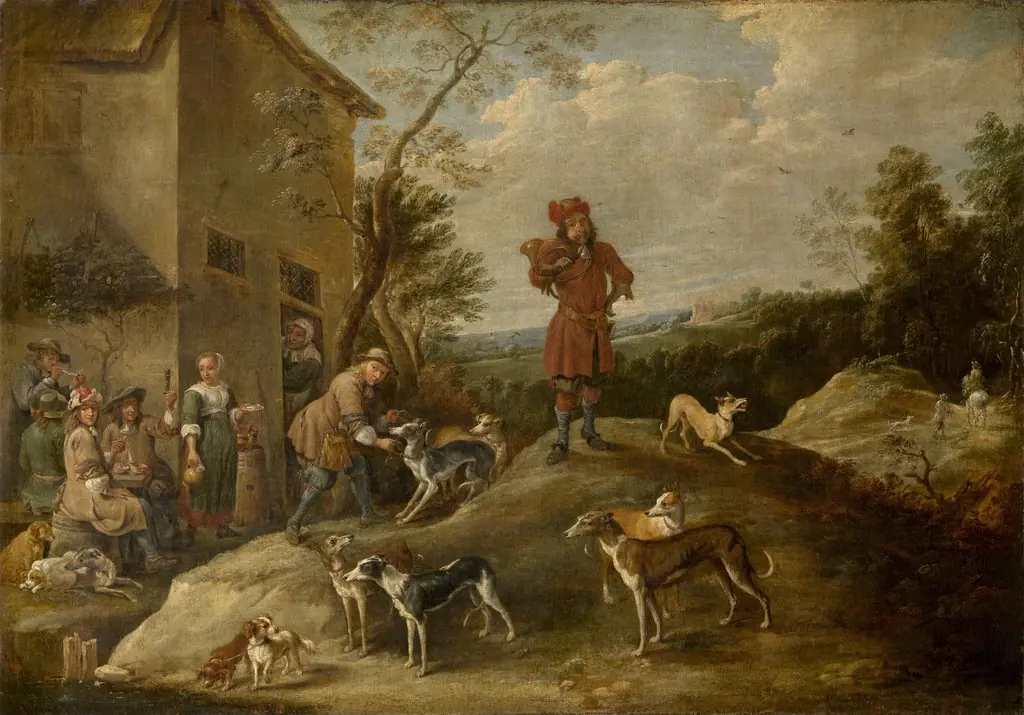
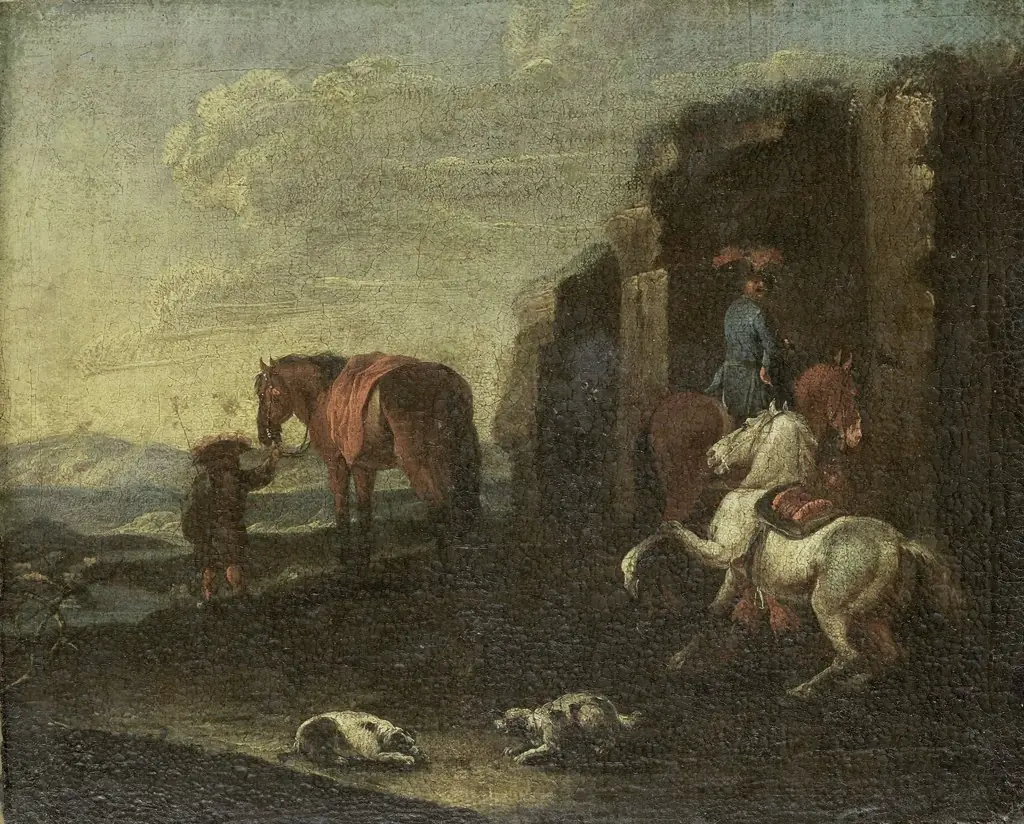
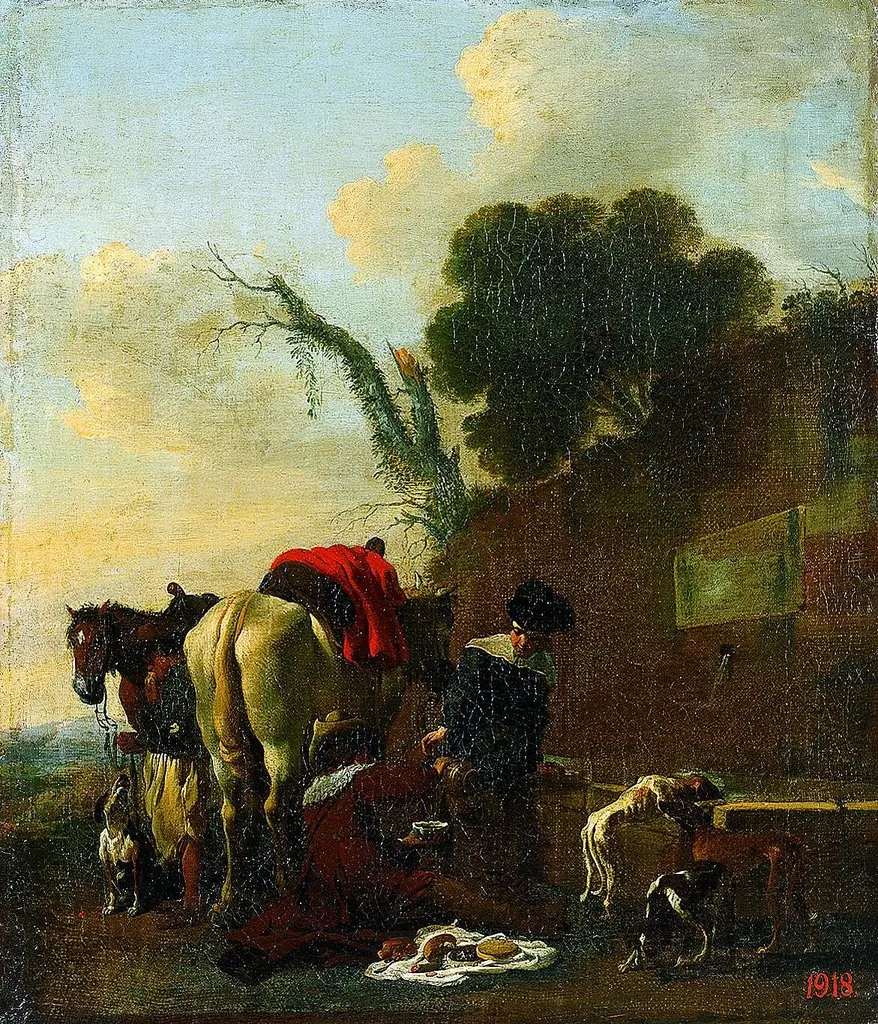
Two hunters, dressed in simple garments, pause with their dogs in a sunlit clearing. The animals—ranging from a large spotted hound to a smaller terrier-like dog—relax beside them, suggesting a moment of rest rather than action. The scene evokes leisure rather than pursuit, reflecting a romanticized view of rural life. The absence of violence or urgency implies an idealized harmony between humans, animals, and nature, typical of Dutch landscape traditions that favored calm over drama.
Technique & Style
Verschuring employed oil paint to build subtle tonal gradations, using chiaroscuro to model forms and suggest atmospheric depth. The light falls softly across the landscape, illuminating the figures and dogs while leaving the distant tower in muted shadow. Brushwork is restrained, favoring smooth transitions over texture, aligning with the Dutch Golden Age’s preference for naturalism. The composition directs the eye from foreground figures to the architectural element in the distance, creating a sense of spatial recession.
History & Provenance
The painting was completed in 1666 during Verschuring’s active period as a landscape artist. It entered the Mauritshuis collection in the 19th century, likely through acquisition from a private Dutch estate. Its attribution has remained consistent, with no evidence of significant alteration or reworking. The work has been exhibited periodically since its acquisition, serving as an example of Dutch artists’ engagement with Italianate themes during the mid-17th century.
Context
In mid-17th-century Holland, landscapes featuring foreign settings were in demand among collectors who admired the classical associations of Italy. Artists like Verschuring, though never traveling south, relied on prints, travel accounts, and studio conventions to construct these imagined vistas. The inclusion of hunters—a common motif in Northern art—within an Italianate backdrop reflects a blend of local subject matter with foreign aesthetic ideals, catering to contemporary tastes for cultured, picturesque scenes.
Legacy
While not among Verschuring’s most widely known works, this painting contributes to the broader understanding of how Dutch artists interpreted and adapted foreign landscapes. It illustrates the genre’s flexibility and the cultural appetite for idealized nature. Today, it remains a quiet example of how Northern European painters used composition and light to evoke tranquility, influencing later landscape traditions without overtly pioneering new styles.
Own this work as a print
Artist & collection
Artist
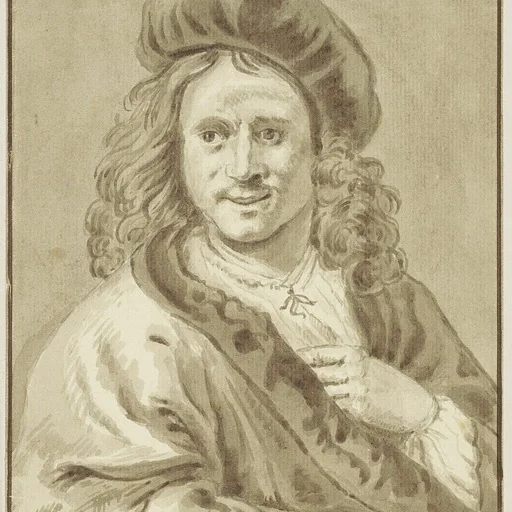
Hendrik Verschuring (1627–1690) was a Dutch Golden Age landscape painter from Gorinchem who often decorated his landscapes with soldiers on horseback.