Artwork
Peace and Patriotism Mourning on the Tomb of Joan-Derk, Baron van der Capellen tot den Pol
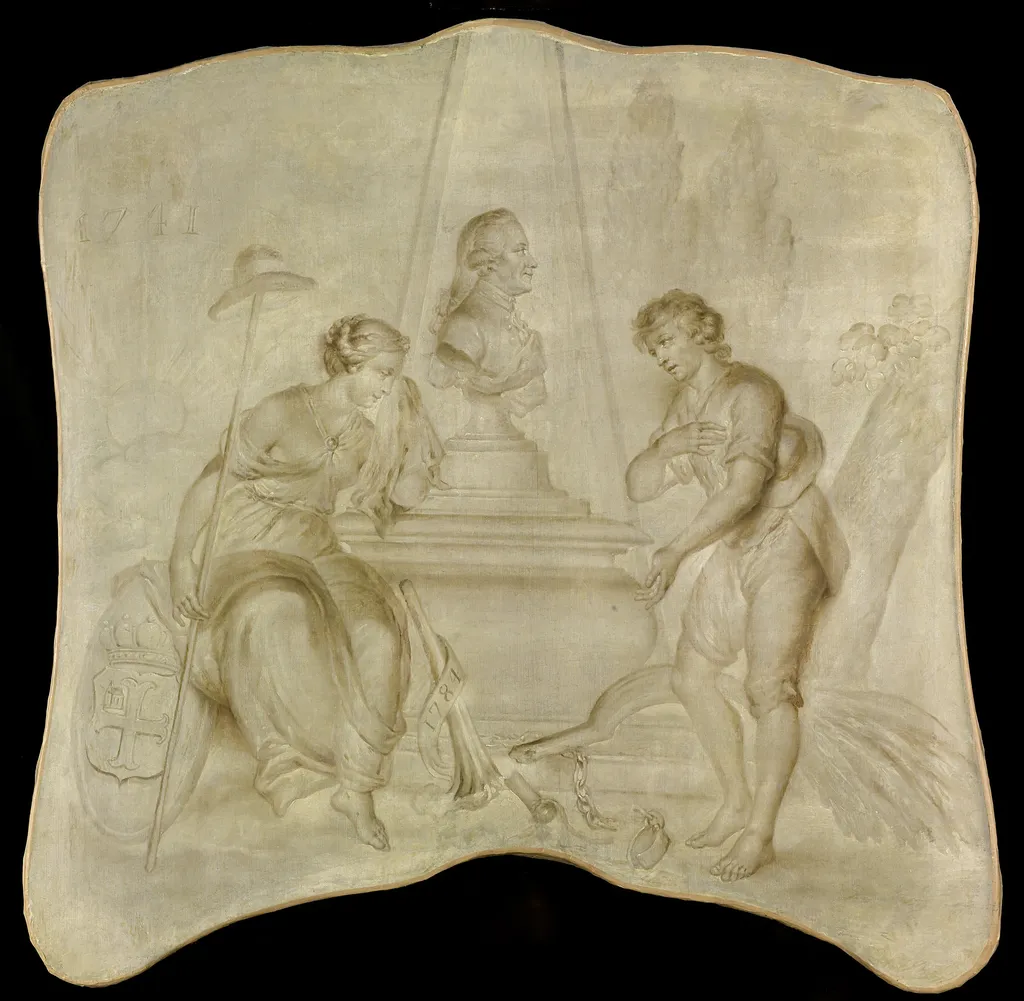
Peace and Patriotism Mourning on the Tomb of Joan-Derk, Baron van der Capellen tot den Pol is an oil painting by the Rococo painting artist Hendrik Willem Schweickhardt. It dates from 1794 and is held in the collection of the Rijksmuseum.
About this work
Overview
The composition balances stillness and emotion, using symbolic gestures to evoke themes of remembrance and national sentiment.
This 1794 oil painting by Hendrik Willem Schweickhardt presents an allegorical scene centered on a funerary monument. The work, part of the Rijksmuseum’s collection, depicts three figures arranged around a sculpted bust of Joan-Derk, Baron van der Capellen tot den Pol, a prominent Dutch political figure. The composition balances stillness and emotion, using symbolic gestures to evoke themes of remembrance and national sentiment.
Subject & Meaning
The painting allegorizes grief and reverence for Joan-Derk, Baron van der Capellen tot den Pol, whose bust occupies the central pedestal. The standing figure, likely representing Peace, rests a hand on the monument while holding a fan—a subtle emblem of restraint. The kneeling woman, embodying Patriotism, clutches what may be a letter or document, suggesting devotion to the baron’s ideals. Together, they mourn a figure associated with progressive political reforms in the late 18th-century Netherlands.
Technique & Style
Schweickhardt employs a restrained palette and precise brushwork to emphasize clarity and symbolic weight. The figures are rendered with smooth, controlled contours, while the bust’s sculptural quality contrasts with the softer drapery of the women’s garments. Subdued background details—a faint suggestion of trees or open space—direct focus toward the central monument, reinforcing the painting’s meditative tone. The composition reflects the neoclassical interest in order and allegory.
History & Provenance
Completed in 1794, the painting entered the Rijksmuseum’s holdings as part of its broader collection of Dutch historical art. Little documentation survives regarding its early ownership, though its subject aligns with the political turbulence of the period. The work likely circulated among patrons sympathetic to the Patriot movement, which van der Capellen had supported. Its inclusion in the Rijksmuseum underscores its role in preserving Dutch cultural memory.
Context
The painting emerged during a period of upheaval in the Dutch Republic, marked by conflict between royalist factions and reformist Patriots. Joan-Derk, Baron van der Capellen tot den Pol, had been a vocal advocate for democratic change before his death in 1784. Schweickhardt’s work reflects the era’s tendency to memorialize political figures through allegory, blending personal mourning with broader national narratives of resistance and idealism.
Legacy
Though not widely reproduced, the painting contributes to the visual record of late 18th-century Dutch political sentiment. Its allegorical approach aligns with contemporaneous works that sought to elevate public figures to symbolic status. Within the Rijksmuseum, it serves as a quiet counterpoint to more overtly propagandistic images, offering a nuanced reflection on the intersection of personal loss and collective identity.
Artist & collection
Artist
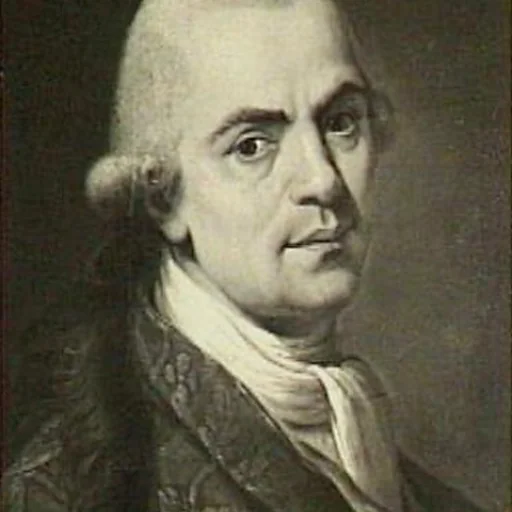
Hendrik Willem Schweickhardt (1747–1797) was an artist, born in Hamm.

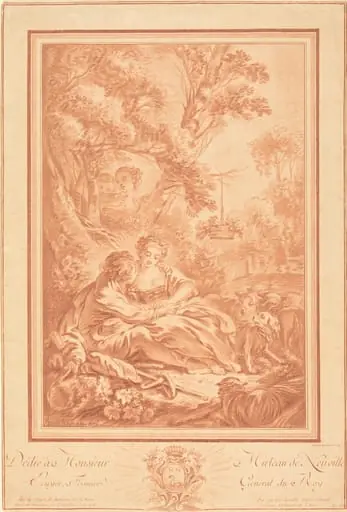 Two Lovers Seated at the Foot of a Large Tree, Surprised by Two Girls
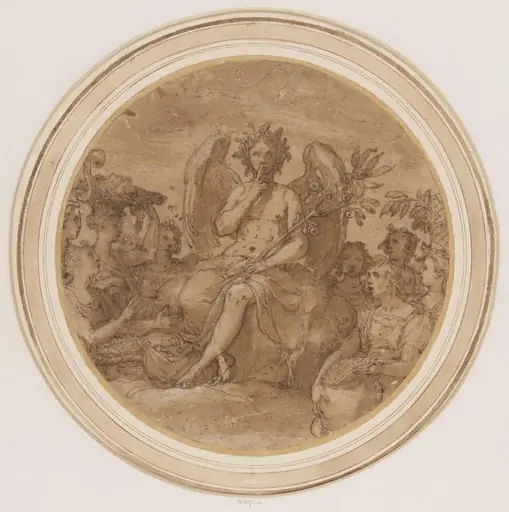 Harpocrates (or Horus), God of Silence
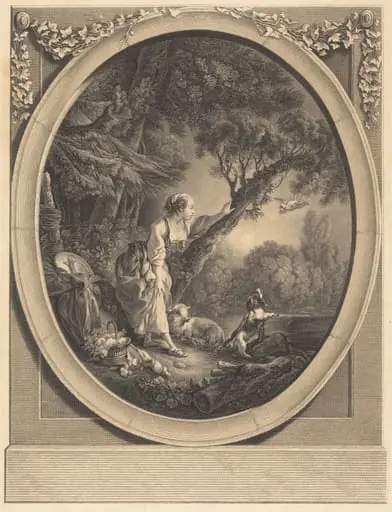 L'Arrivée du Courrier
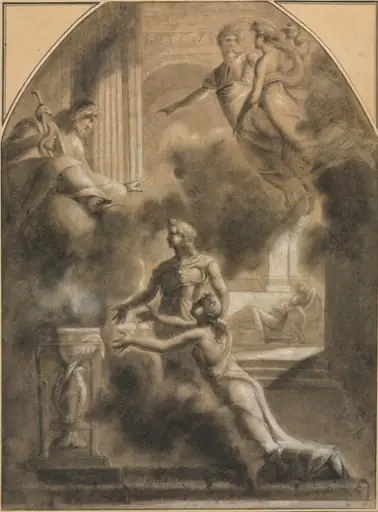 Mythological Scene
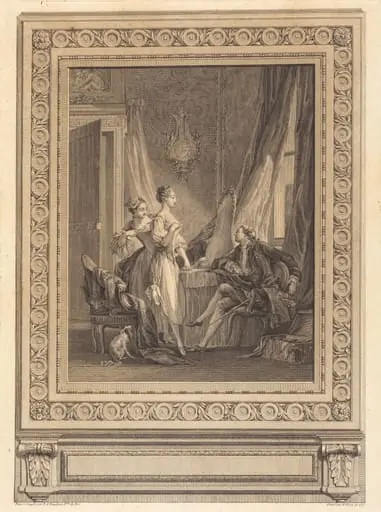 La toilette
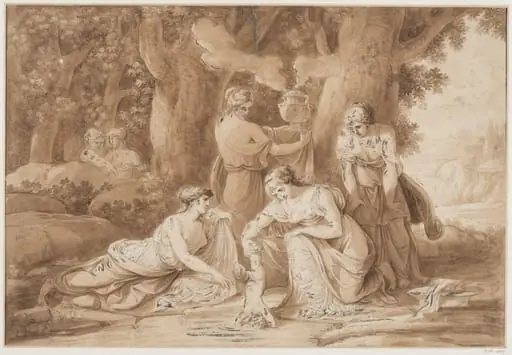 Thetis dipping Achilles
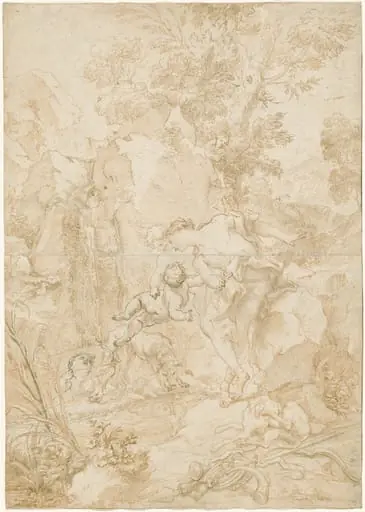 Echo and Narcissus
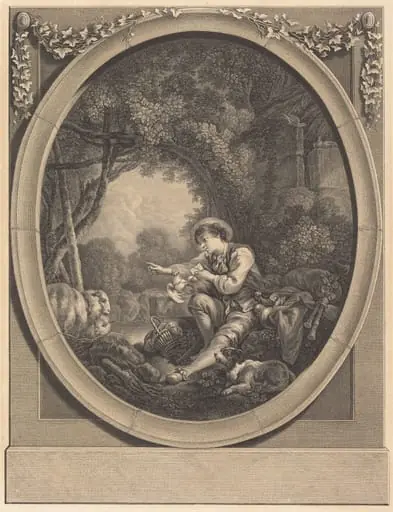 Le Départ du Courrier
 Aeneas hindres af Venus i sin hævn mod Helena, som har søgt tilflugt ved Cybeles alter
 Landscape with a Satyr Family and Classical Sculpture
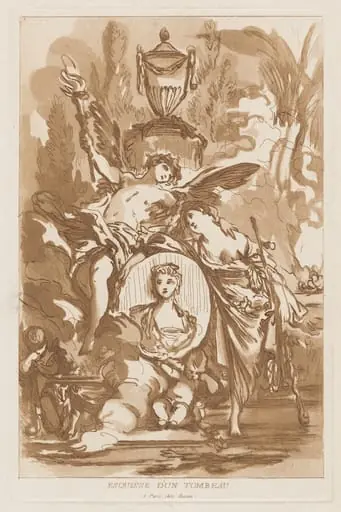 Esquisse d’un tombeau (Sketch for a Tomb)
 A Wooded Landscape with a Shepherd and His Family