Artwork
Esquisse d’un tombeau (Sketch for a Tomb)
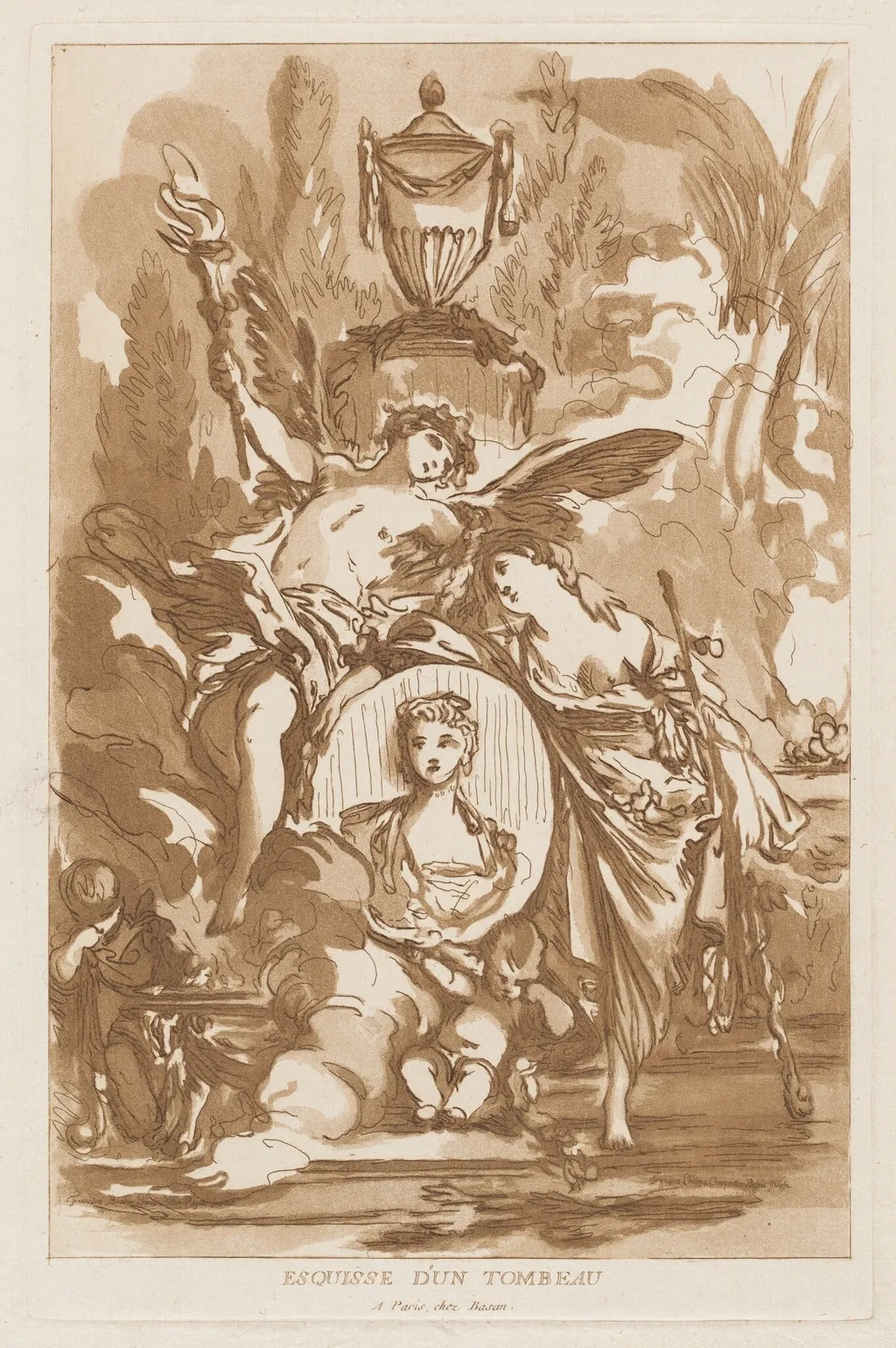
Esquisse d’un tombeau (Sketch for a Tomb) is an ink print by the Romanticist artist François-Philippe Charpentier. It dates from 1766 and is held in the collection of the National Gallery of Art.
About this work
Overview
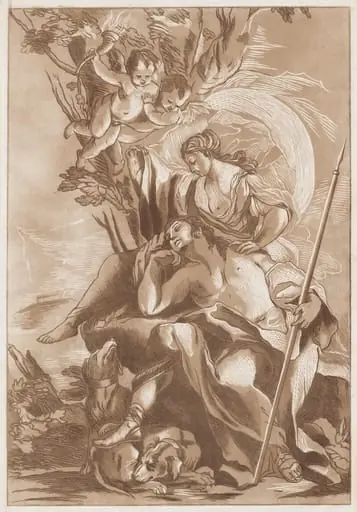
Esquisse d’un tombeau (Sketch for a Tomb), created by French engraver François-Philippe Charpentier in 1766, is a print made using etching and aquatint techniques on laid paper, characterized by a predominantly brown palette.
Subject & Meaning
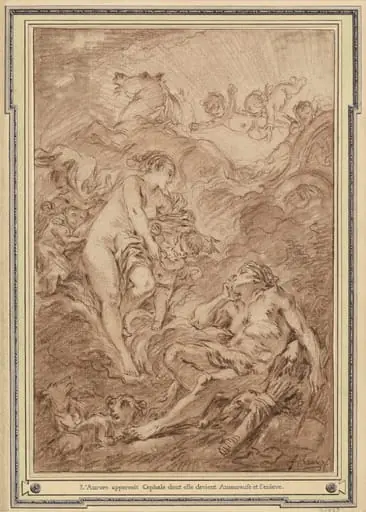
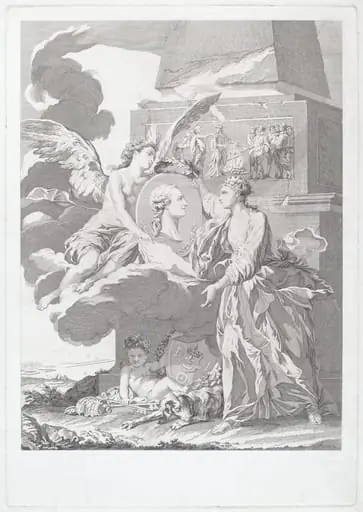
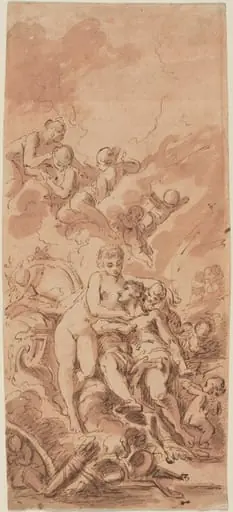
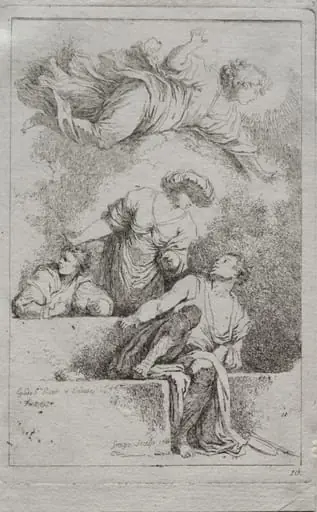
The composition centers on a contemplative woman seated atop a tomb, accompanied by a winged figure and a torch-bearing individual, set amidst a foliage-filled background. The scene conveys a sense of melancholic introspection.
Technique & Style
Charpentier's innovative combination of etching and aquatint achieves nuanced tonal variations, evident in the interplay of dark and light brown shades. The dreamy, ethereal quality and emphasis on emotional depth align with early Romantic sensibilities.
History & Provenance
Charpentier, born in Blois in 1734, trained as a copperplate engraver in Paris before developing a mechanical aquatint process. Financial hardships marked his early career, influencing his professional trajectory.
Context
While the work predates the full bloom of Romanticism, its themes and aesthetic foreshadow the movement's focus on emotion and the sublime, situating it at the cusp of artistic transitions in late 18th-century Europe.
Artist & collection

Artist
François-Philippe Charpentier (b. Blois, 1734; d. there 22 July 1817) was a French engraver and inventor. His father was a bookbinder, a poor man who reportedly made many sacrifices so that his son might attend the…

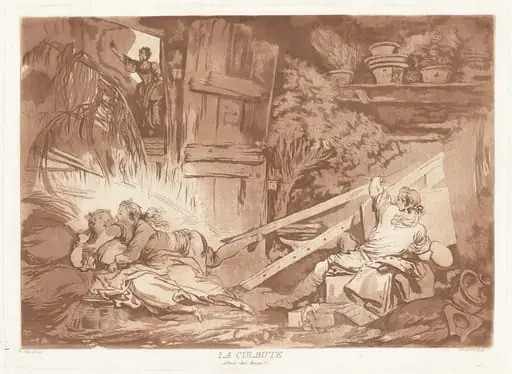 La Culbute (The Tumble)
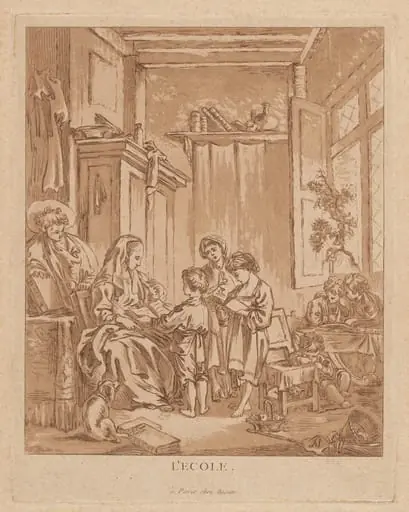 L’École (The School)
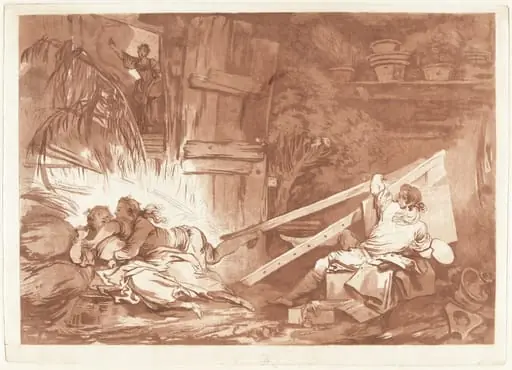 The Tumble
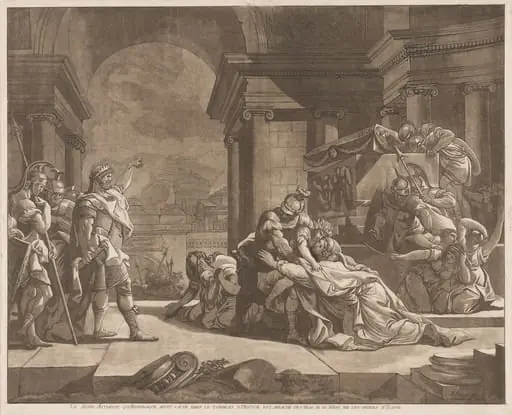 Le Jeune Astianax qu’Andromaque avoit caché dans le tombeau d’Hector est arraché des bras de sa Mere par les ordres d'Ulisse (Young Astianax, who Andromache Hid in Hector's Tomb, is Seized from his Mother's Arms by Ulysses' Orders)
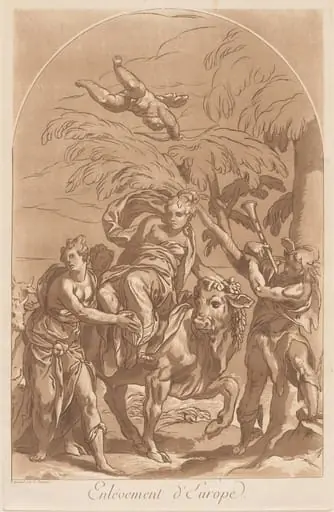 Rape of Europa
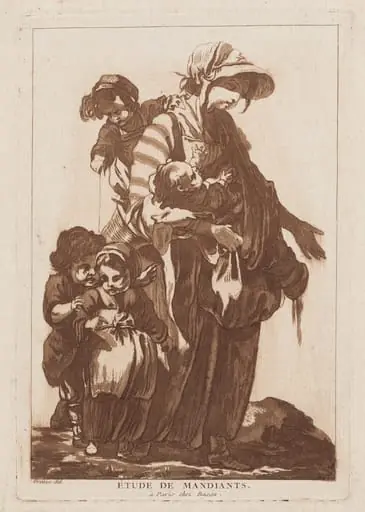 Étude de Mandiants (Study of Beggars)
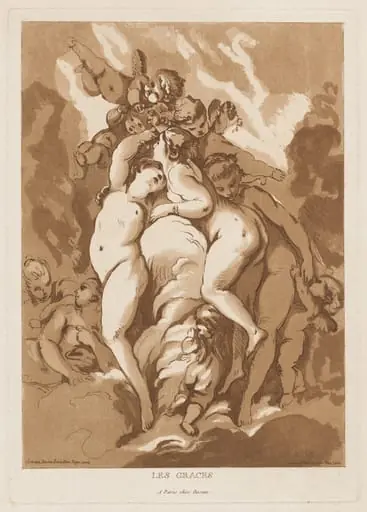 Les Graces (The Graces)
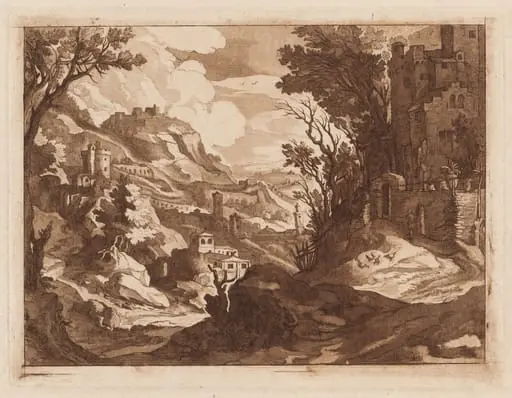 Alpine Landscape