Artwork
Fată citind
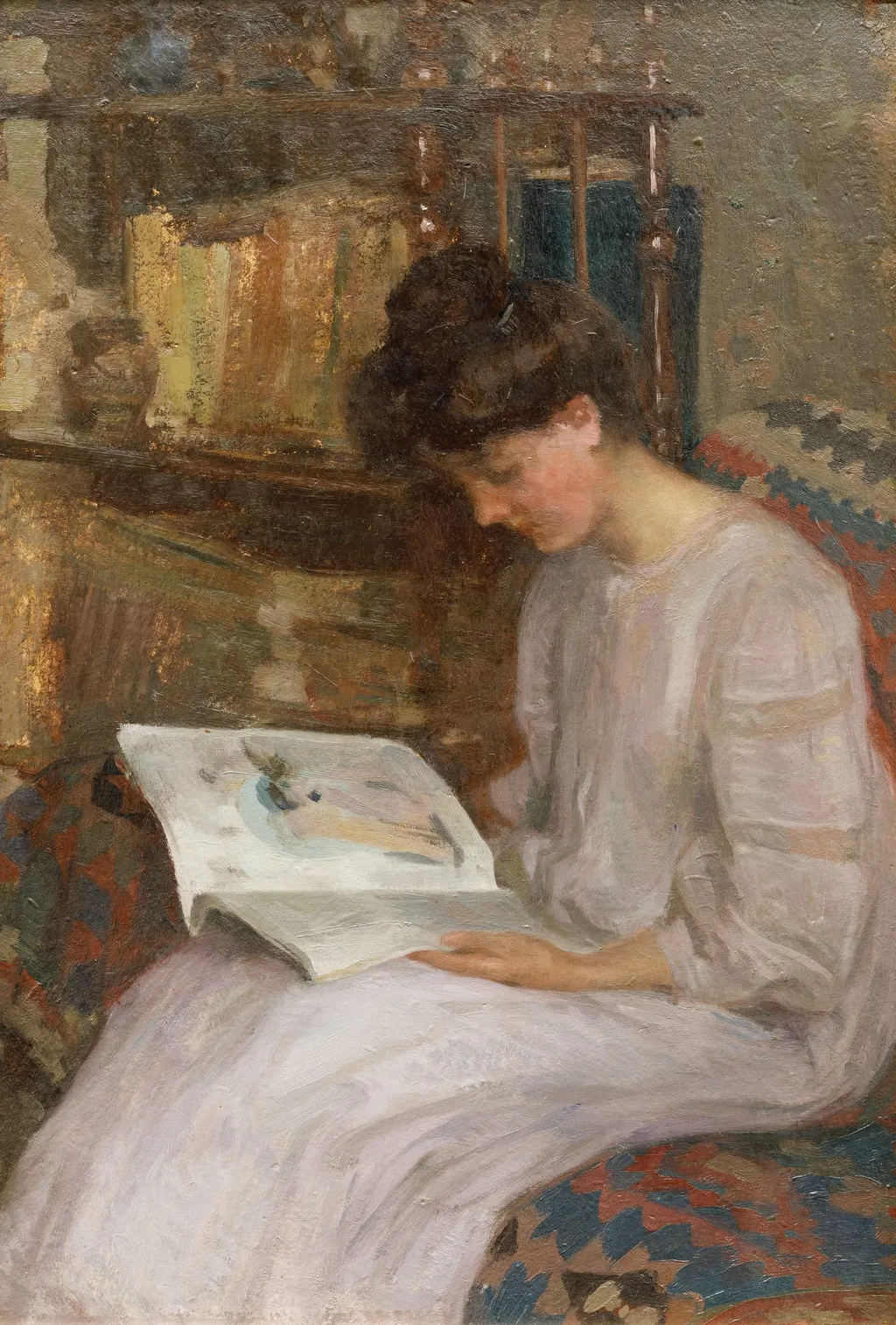
Fată citind is a print by Strâmbu Ipolit. It dates from 1850 and is held in the collection of the National Museum of Art of Romania.
About this work
Overview
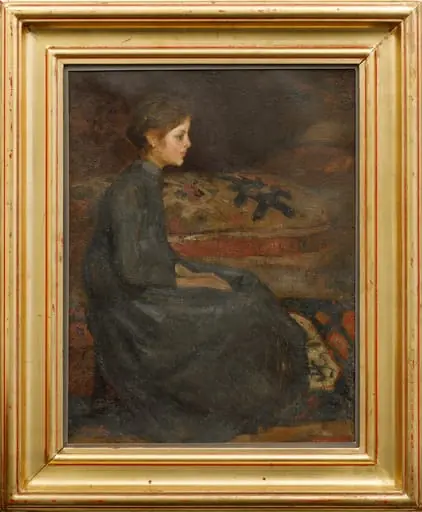
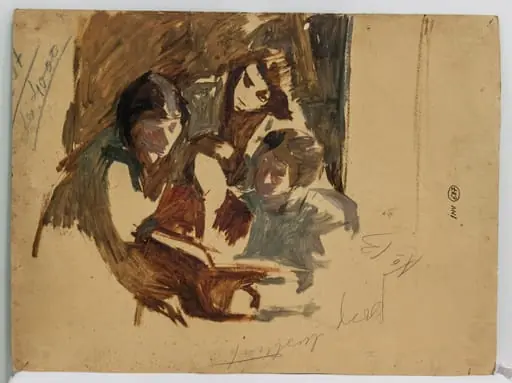
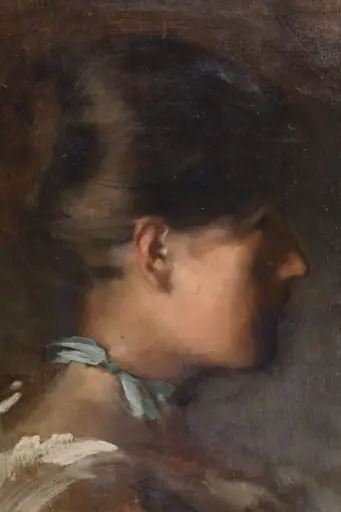
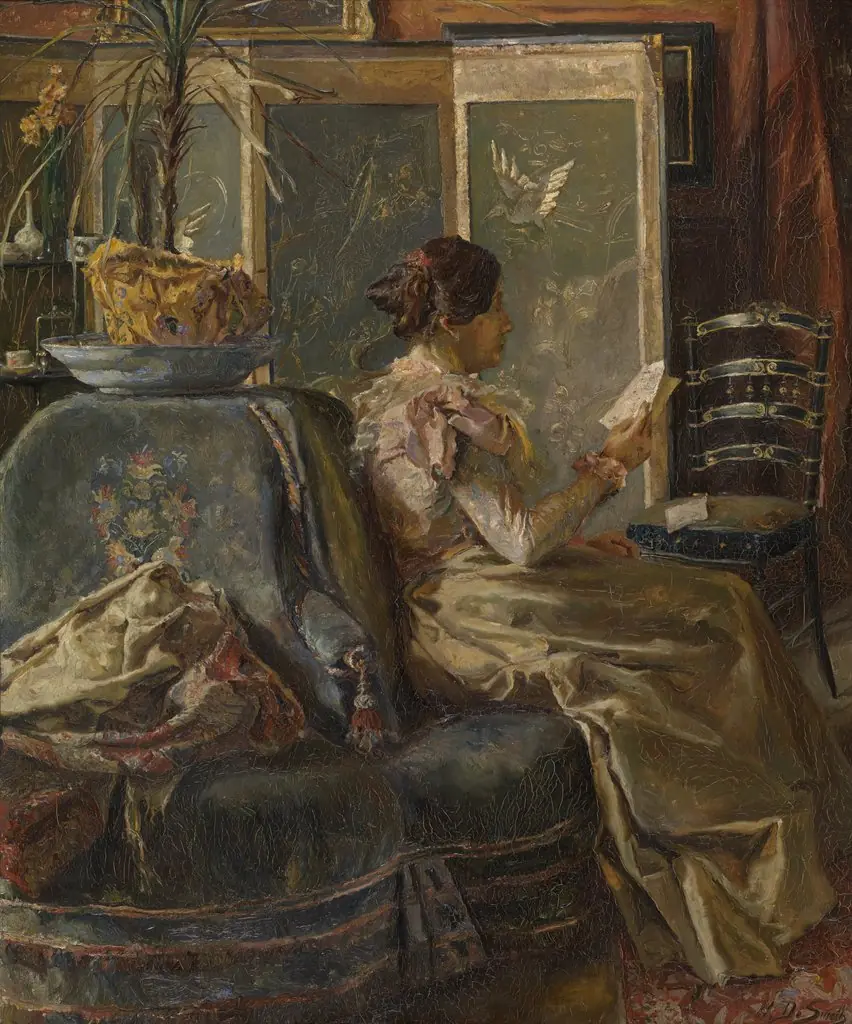
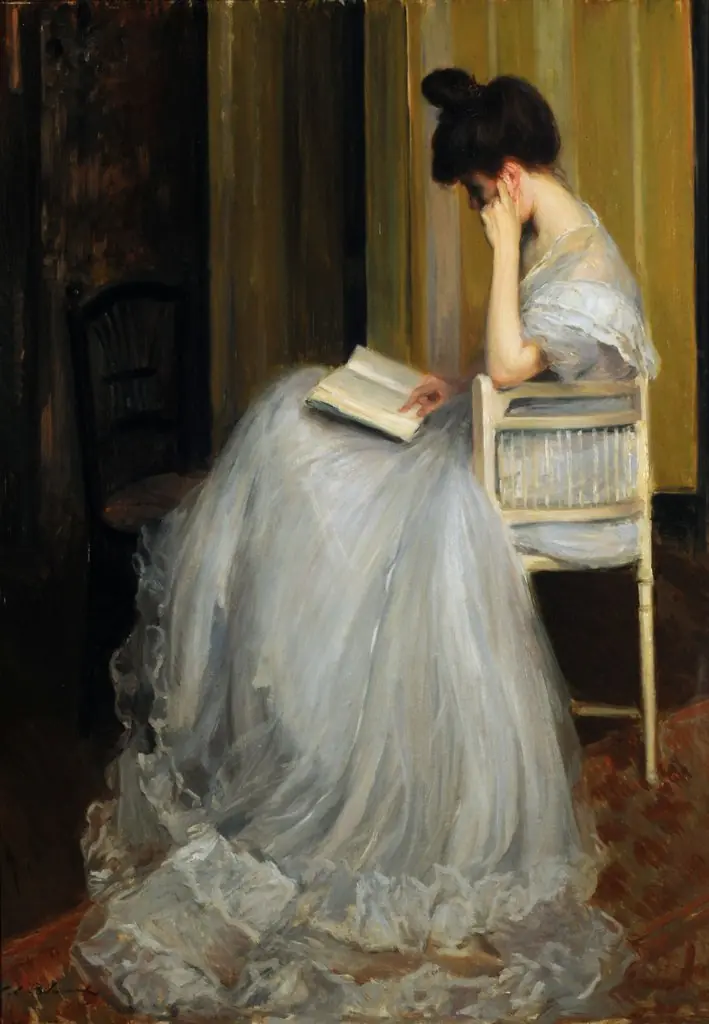
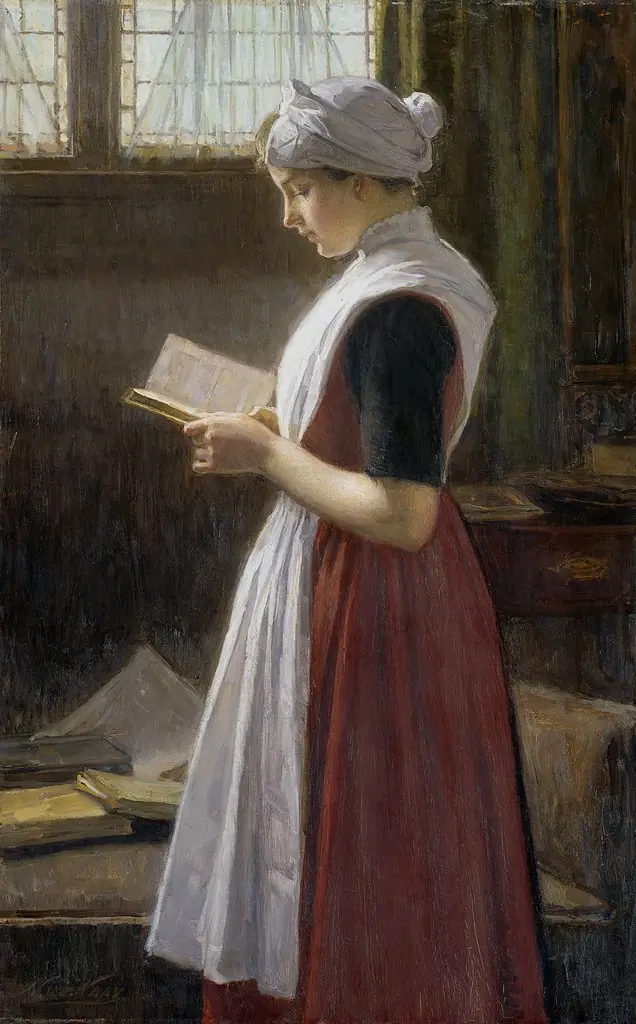
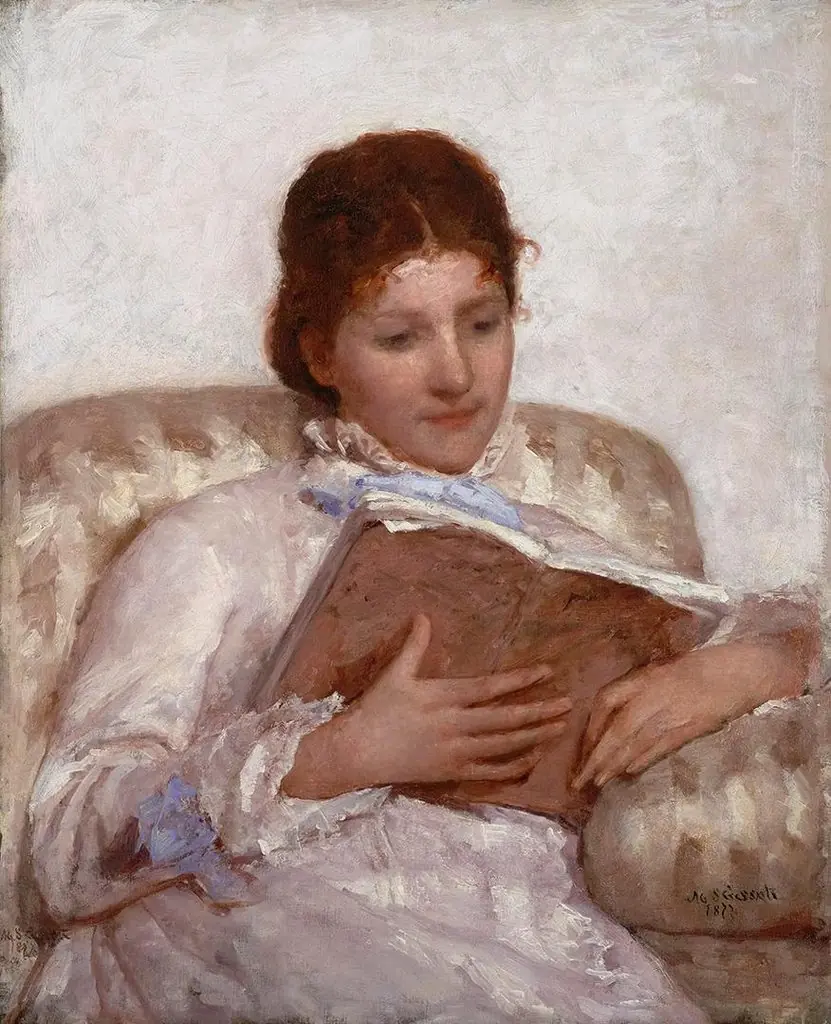
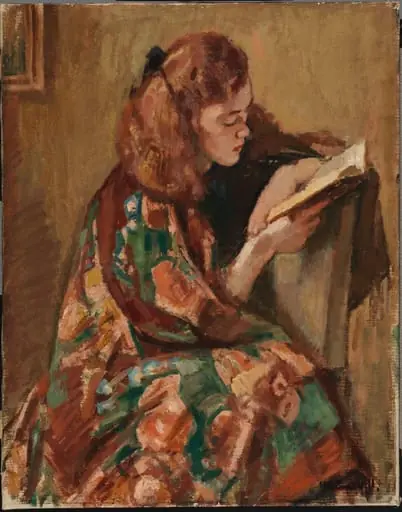
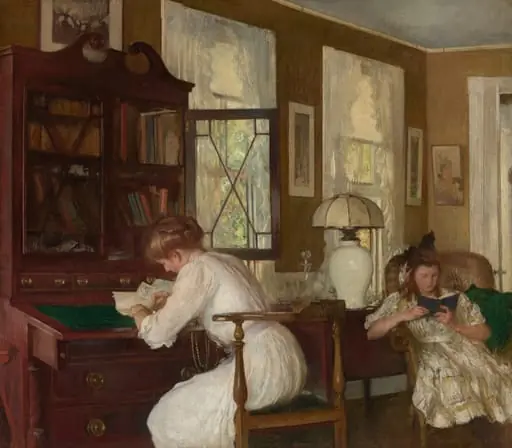
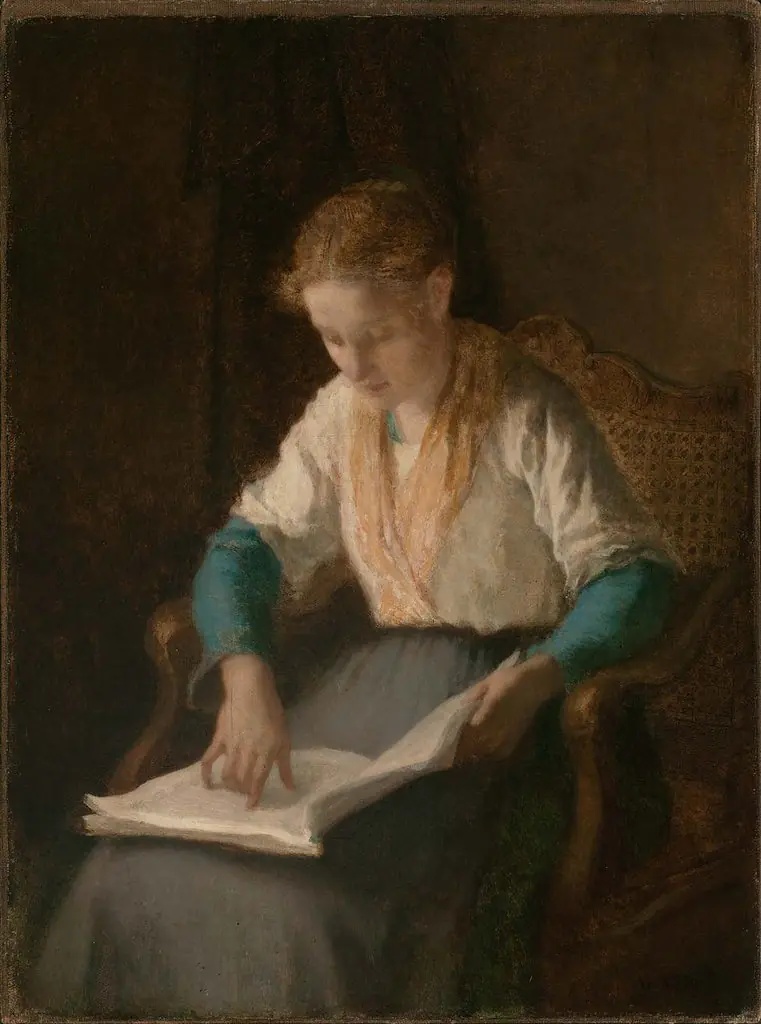
Painted around 1850 by Strâmbu Ipolit, this small-scale work portrays a young girl absorbed in reading. Set against a muted, earth-toned background, the figure is rendered with quiet precision. The composition centers on stillness and focus, avoiding dramatic gestures or elaborate detail. The painting’s intimacy suggests a private moment, one of personal engagement rather than public display.
Subject & Meaning
The absence of identifiers—name, setting, or social markers—allows the figure to stand as a general symbol of youthful intellectual engagement.
The subject is a girl in simple attire, seated with a book held firmly in her hands. Her downward gaze and closed posture convey deep concentration. The act of reading, rendered without ornament or context, implies a quiet valorization of literacy and inner life. The absence of identifiers—name, setting, or social markers—allows the figure to stand as a general symbol of youthful intellectual engagement.
Technique & Style
The artist employs soft modeling and subtle gradations of light to define form, particularly in the girl’s face and hands. Warm, neutral tones in the background recede gently, enhancing the figure’s presence. Brushwork is restrained, favoring smooth transitions over texture or flourish. The lighting is directional but diffuse, creating a sense of naturalism without theatricality, reinforcing the scene’s calm atmosphere.
History & Provenance
The painting’s early history remains undocumented beyond its attribution to Strâmbu Ipolit, a lesser-known 19th-century Romanian artist. It likely originated in a domestic or educational context, given its modest scale and intimate theme. No record of public exhibition or ownership prior to the 20th century has been established, suggesting it remained in private hands for much of its existence.
Context
In mid-19th-century Romania, literacy was expanding among the urban middle class, and images of reading often carried cultural weight as symbols of progress. While grand historical or religious subjects dominated official art, this work reflects a quieter trend: the celebration of individual, domestic intellectual life. It aligns with broader European interests in everyday virtue and private contemplation.
Legacy
Though not widely reproduced or studied, the painting endures as a quiet example of Romanian genre painting from a transitional period. Its restrained aesthetic and focus on an ordinary moment distinguish it from more overtly nationalist or romantic works of the era. It contributes to a growing recognition of domestic scenes as valid subjects in regional art history.
Artist & collection
Artist
Romanian printmaker Strâmbu Ipolit made delicate etchings that feel like quiet snapshots from daily life.