Artwork
Ducarre aux ambassadeurs
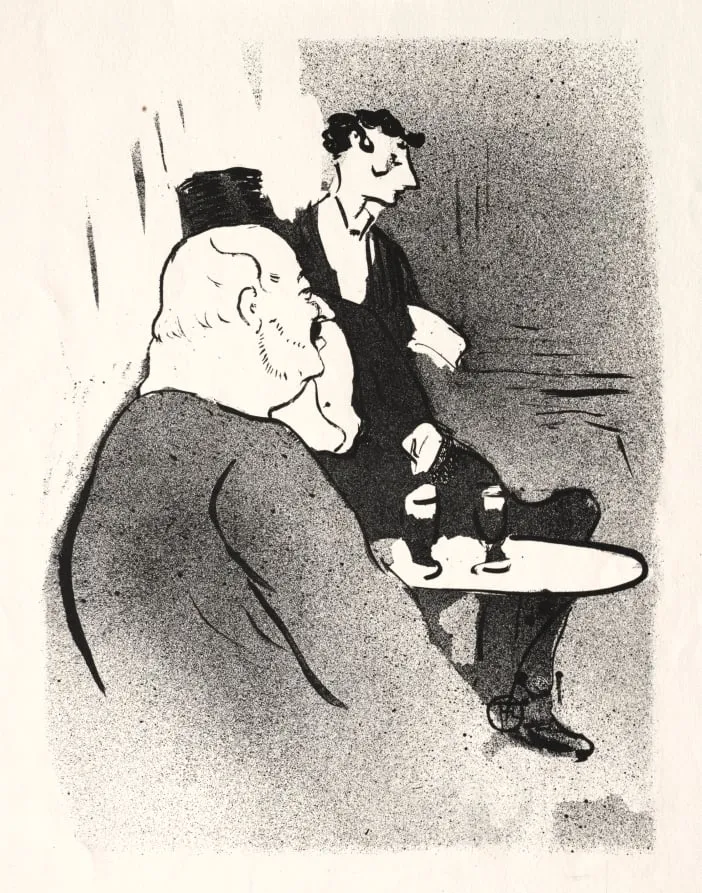
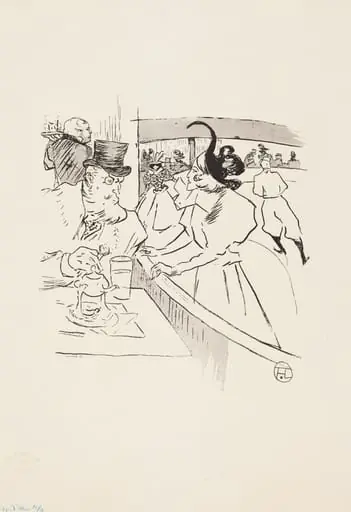
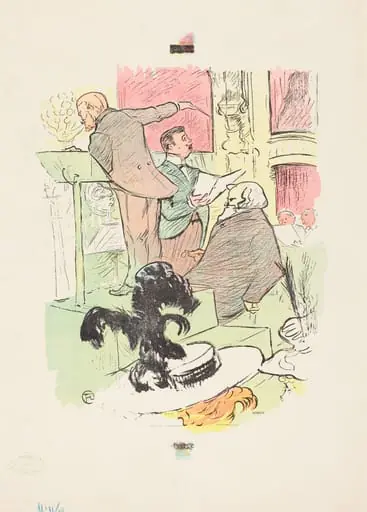
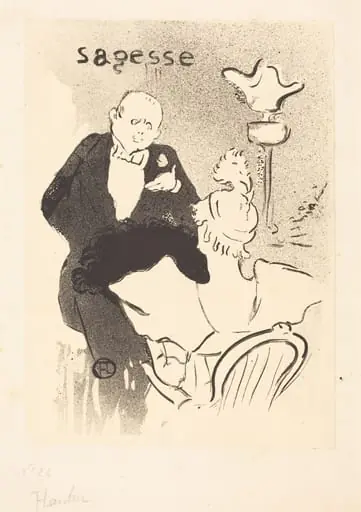
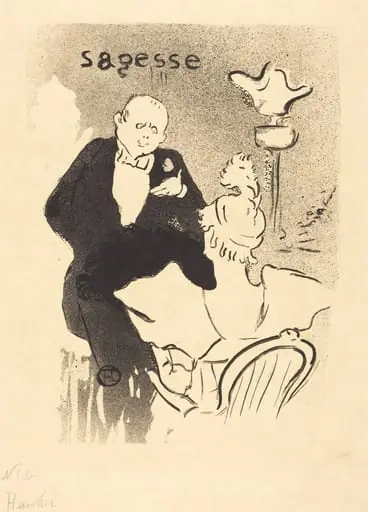
Ducarre aux ambassadeurs is a print by the Impressionist artist Henri de Toulouse-Lautrec. It dates from 1893 and is held in the collection of the Cleveland Museum of Art.
About this work
The artist focused on their faces and posture to show how one man is leaning in to talk—or maybe argue—with the other.
This sketch shows two men sitting close together on a bench. One has a big beard and a wide-brimmed hat, leaning in like he’s listening hard. The other man, smaller and younger, holds a hat in his hands and looks down. The lines are loose and quick, almost like a hurried drawing.
The artist focused on their faces and posture to show how one man is leaning in to talk—or maybe argue—with the other. The background is plain, so all the attention stays on them.
If you like this style, check out Henri de Toulouse-Lautrec (French, 1864–1901) for more sketches like this.
Overview
Created in 1893, *Ducarre aux ambassadeurs* is a pen-and-ink sketch by Henri de Toulouse-Lautrec, capturing a quiet moment between two men in a Parisian setting. Unlike his finished posters, this work is a rapid, intimate study, reflecting his habit of observing patrons and performers in real time. The drawing belongs to a larger body of work documenting the city’s underground social life, rendered with immediacy rather than polish.
Subject & Meaning
The two figures, one bearded and hat-clad, the other younger and subdued, appear locked in a private exchange. The elder man leans forward intently, while the younger avoids eye contact, hands clutching his hat. Their dynamic suggests conversation, perhaps tension or confession, but no narrative is spelled out. Toulouse-Lautrec avoids drama, instead revealing the unspoken rhythms of human interaction in public spaces.
Technique & Style
Toulouse-Lautrec employed swift, confident ink lines to convey form and emotion without detail. The background is left bare, focusing attention entirely on the figures’ postures and facial expressions. His draftsmanship prioritizes gesture over precision, echoing Japanese woodblock prints and the spontaneity of sketchbook studies. The absence of shading or color heightens the sense of immediacy and raw observation.
History & Provenance
The work originated in Toulouse-Lautrec’s personal sketchbooks, where he recorded scenes from cafés, cabarets, and street corners. It was not intended for public display but served as visual research. After his death, such drawings were collected by family and patrons, later entering institutional holdings. Its survival reflects the growing appreciation for his preparatory work as art in its own right.
Context
In the 1890s, Paris’s nightlife—cabarets, brothels, and music halls—became a subject of serious artistic interest. Toulouse-Lautrec, an outsider due to his physical condition and aristocratic background, moved freely among performers and patrons. His sketches like this one document a world often ignored by academic art, offering a candid, non-sensational view of urban marginality.
Legacy
Toulouse-Lautrec’s observational drawings influenced later generations of artists who valued candid realism over idealization. His ability to distill character through minimal lines helped bridge 19th-century illustration and modern graphic art. *Ducarre aux ambassadeurs* exemplifies how fleeting moments, captured with empathy and economy, can hold enduring visual power.
Artist & collection
Artist
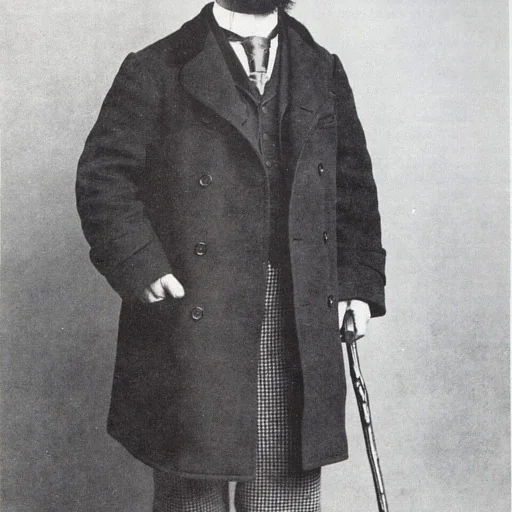
Comte Henri Marie Raymond de Toulouse-Lautrec-Montfa (24 November 1864 – 9 September 1901), known as Toulouse-Lautrec (French: ), was a French painter, printmaker, draughtsman, caricaturist, and illustrator.