Artwork
Elles: Woman In a Corset
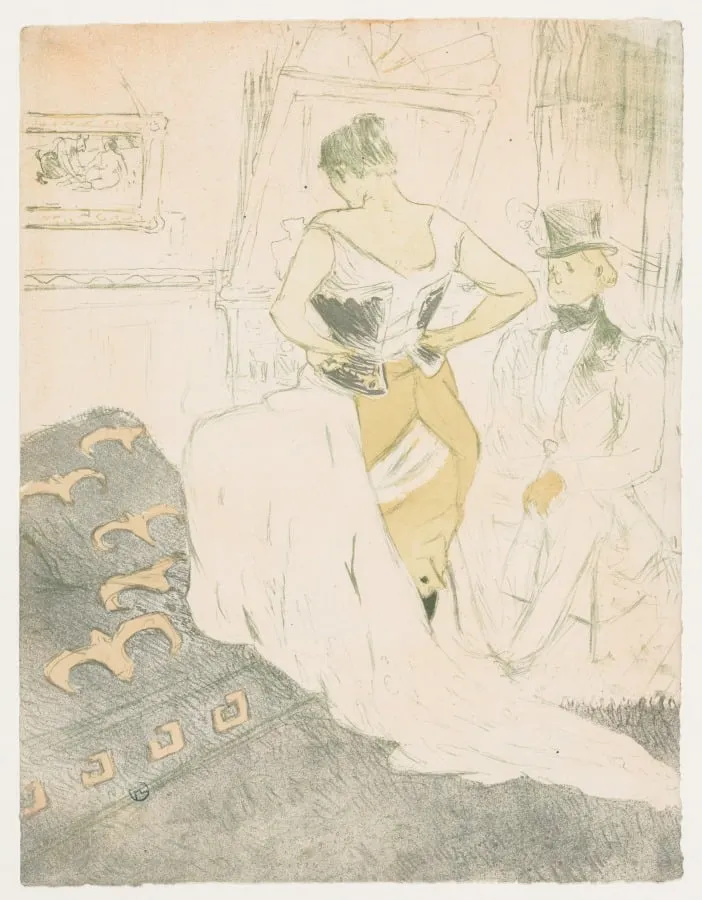
Elles: Woman In a Corset is a print by the Impressionist artist Henri de Toulouse-Lautrec. It dates from 1896 and is held in the collection of the Cleveland Museum of Art.
About this work
If you want to see more of these raw, honest scenes, look up the *subject: france, 19th century*.
A woman in a tight corset sits on a bed, her back to us. The room is dim, lit only by a small lamp.
Toulouse-Lautrec didn’t paint idealized beauty. He showed real women—tired, private moments in Paris brothels. This was part of his *Elles* series, a rare look at lives most artists ignored. The colors are soft but bold, like a quick sketch that feels alive.
If you want to see more of these raw, honest scenes, look up the *subject: france, 19th century*.
Overview
Elles: Woman in a Corset is one of a dozen color lithographs Henri de Toulouse‑Lautrec produced in the late 1800s to document the interior world of Parisian brothels. The image shows a woman seated on a bed, her back turned to the viewer, unfastening a tight corset under the glow of a small lamp, emphasizing a private, unglamorous moment.
Subject & Meaning
The work belongs to a series that focuses on the lives of prostitutes who worked on the rue de Moulins and rue de Richelieu, neighborhoods where the exchange of money for sexual services was openly tolerated. By depicting the woman’s averted gaze and the intimate act of undressing, Toulouse‑Lautrec highlights the humanity and vulnerability of women often reduced to mere objects of pleasure.
Technique & Style
Executed as a color lithograph, the piece combines bold outlines with a limited, muted palette that captures the dim lighting of the interior. The print’s loose, sketch‑like quality conveys immediacy, while the careful handling of texture suggests the stiffness of the corset and the softness of the surrounding fabrics.
History & Provenance
Created in the 1890s, the lithograph was part of a limited run of twelve prints that Toulouse‑Lautrec released as the series Elles. The series circulated among collectors interested in his candid portrayals of contemporary Parisian life, and the individual prints have since entered museum and private collections focused on fin‑de‑siècle French art.
Context
During the Belle Époque, the legal status of prostitution in Paris allowed a visible, regulated industry that attracted both wealthy patrons and artists. While many contemporaries avoided such subjects, Toulouse‑Lautrec’s work aligns with a broader realist tendency to depict everyday urban experiences, echoing the social observations of writers like Émile Zola.
Artist & collection
Artist
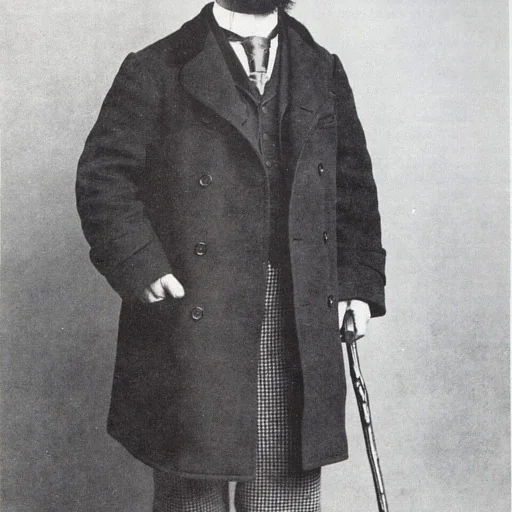
Comte Henri Marie Raymond de Toulouse-Lautrec-Montfa (24 November 1864 – 9 September 1901), known as Toulouse-Lautrec (French: ), was a French painter, printmaker, draughtsman, caricaturist, and illustrator.

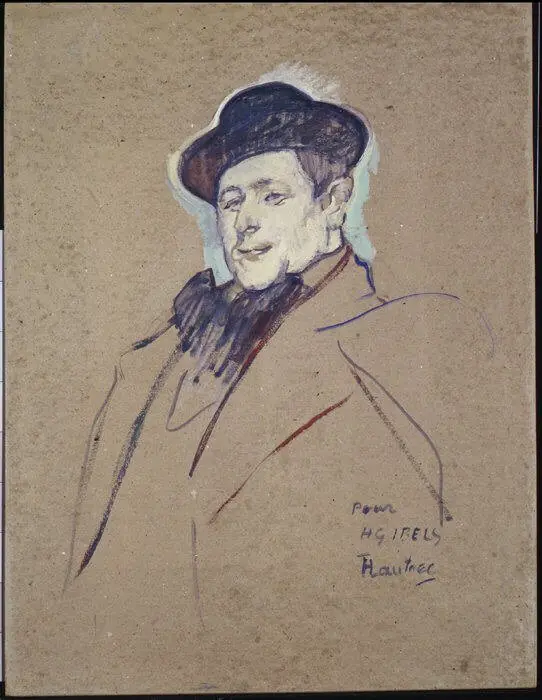
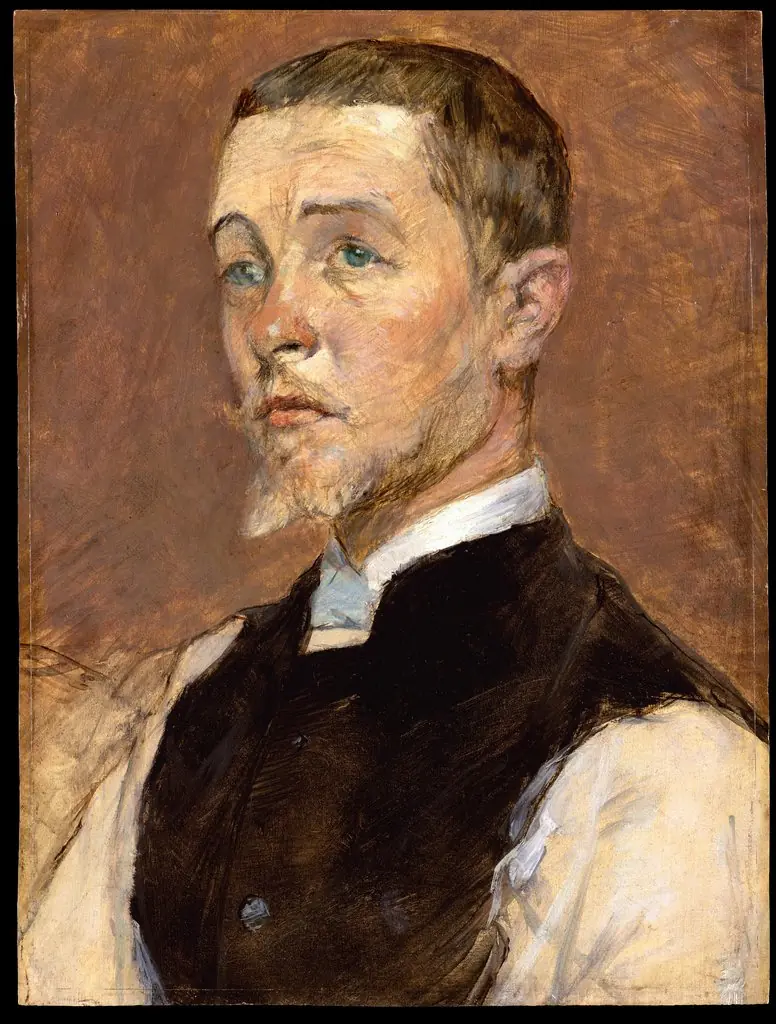
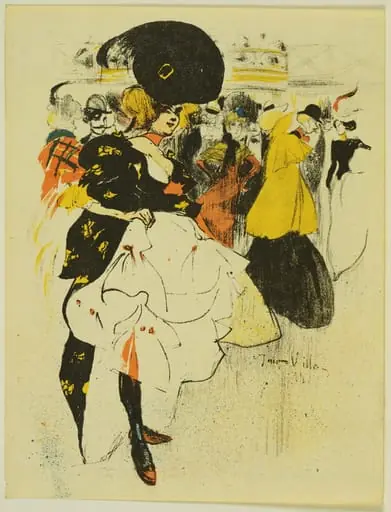 Untitled
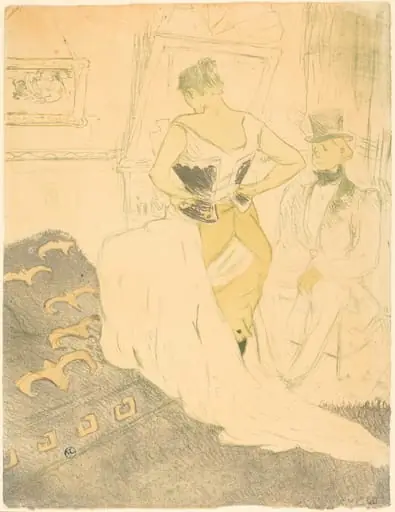 Woman in Corset (Femme en corset)
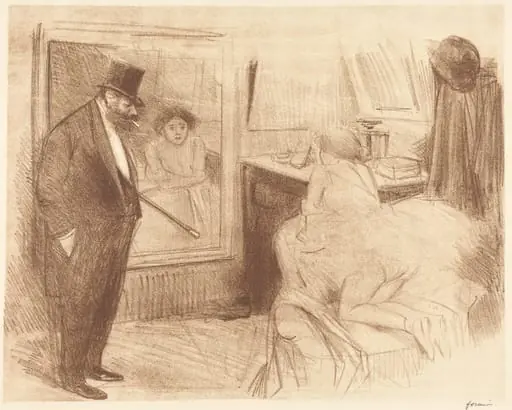 La loge de la danseuse (2e planche) (The Dancer's Dressing Room) (second plate)
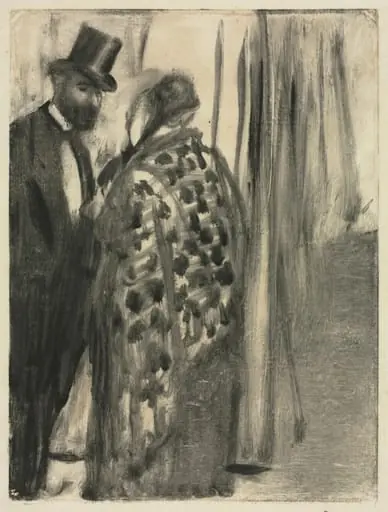 Conversation: Ludovic Halévy and Madame Cardinal (The Conversation) for "La Famille Cardinal" by Ludovic Halévy
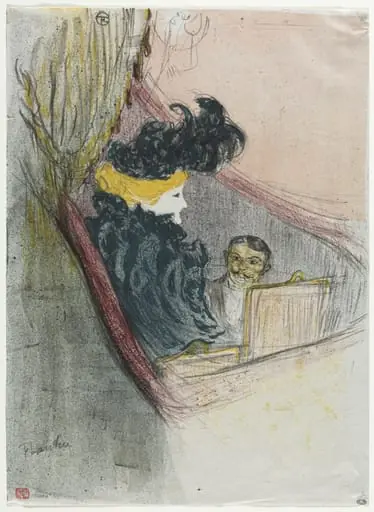 A Princely Idyl, Clara Ward
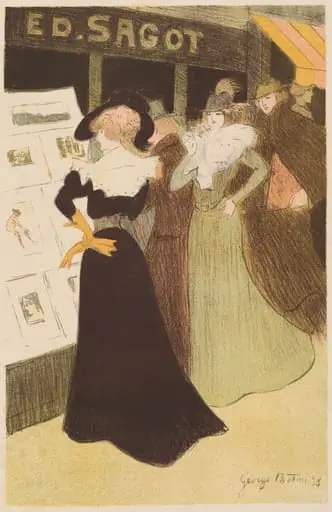 The Sagot Address
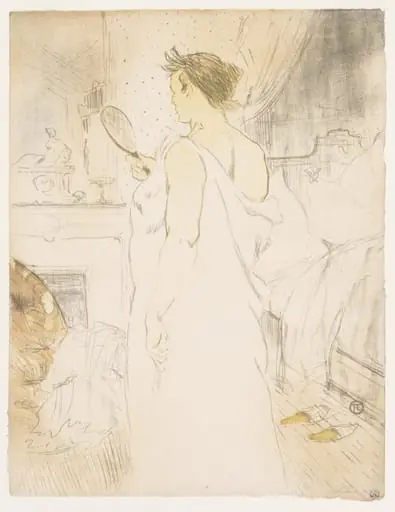 Elles: Woman with a Hand Mirror
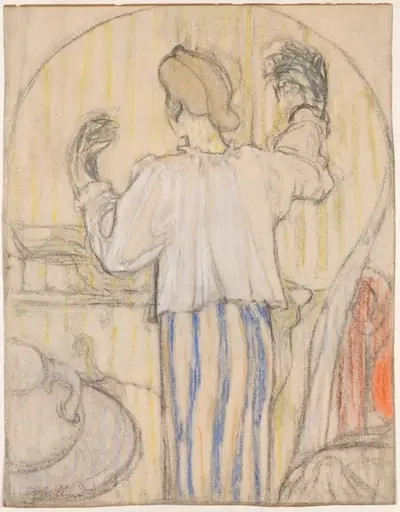 In Front of the Mirror (recto)