Artwork
The Sagot Address
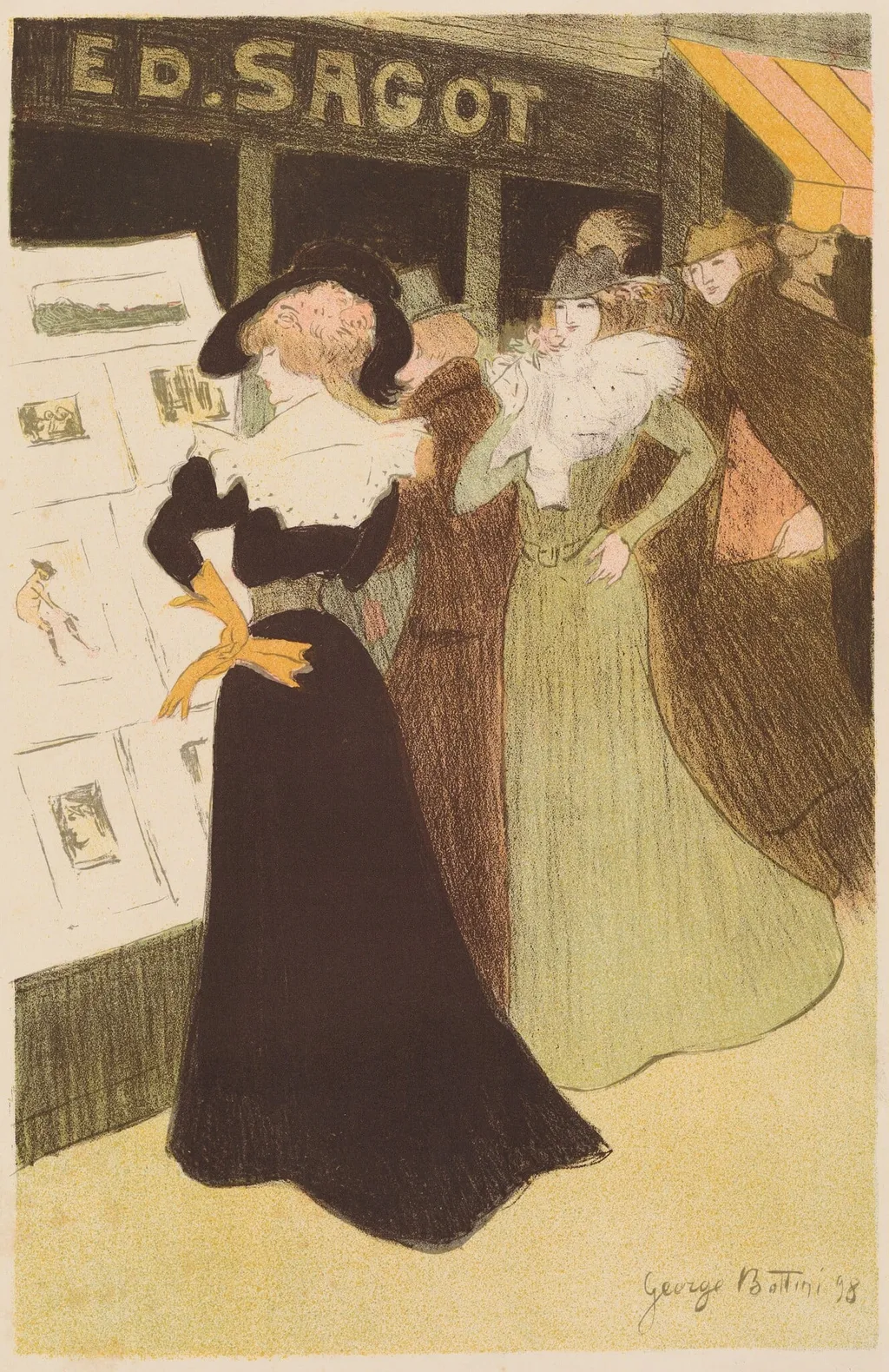
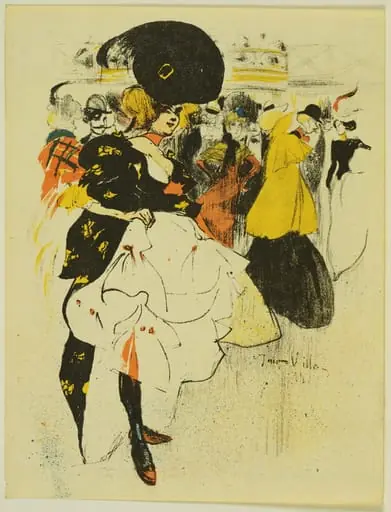
The Sagot Address is an ink print by the Impressionist artist Georges Bottini. It dates from 1898 and is held in the collection of the National Gallery of Art.
About this work
Overview
Georges Bottini’s 1898 colored lithograph titled The Sagot Address captures a modest street scene. A small crowd gathers before a storefront bearing the prominent lettering “ED. SAGOT,” while the figures, dressed in long, period attire and hats, engage with each other and glance toward modest pictures displayed on the wall.
Subject & Meaning
The work depicts everyday urban life, focusing on ordinary citizens pausing outside a commercial premises. Their interaction with the displayed images suggests a moment of communal curiosity or discussion, highlighting the social rhythms of late‑19th‑century city dwellers.
Technique & Style
Executed as a colored lithograph, the piece combines the loose, light‑filled handling typical of Impressionism with a faithful rendering of detail characteristic of Realism. Bottini’s use of color and line conveys atmospheric ambience while preserving recognizable forms.
History & Provenance
Created in 1898, The Sagot Address was produced during a period when lithography served both artistic and commercial purposes. The print’s provenance traces back to Bottini’s workshop, though specific ownership records after its initial release remain limited.
Context
The lithograph emerges from the waning years of the 19th century, when Parisian streets were frequent subjects for artists exploring modern life. Bottini’s choice of a storefront scene aligns with contemporary interests in documenting the evolving urban environment.
Legacy
While not widely reproduced, the work exemplifies the intersection of Impressionist atmosphere and Realist observation in print media, offering insight into the visual culture of its era and the role of lithography in disseminating such scenes.
Own this work as a print
Artist & collection


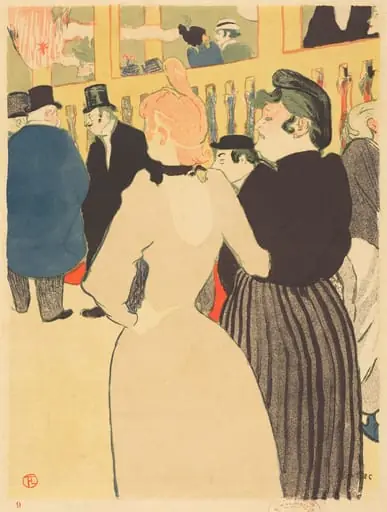 At the Moulin Rouge, la Goulue and Her Sister (Au Moulin Rouge, la Goulue et sa soeur))
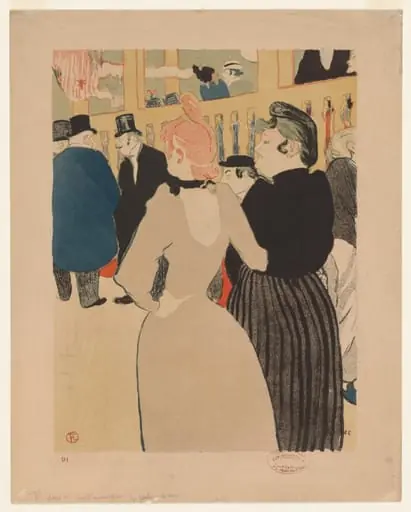 At the Moulin Rouge: La Goulue and Her Sister
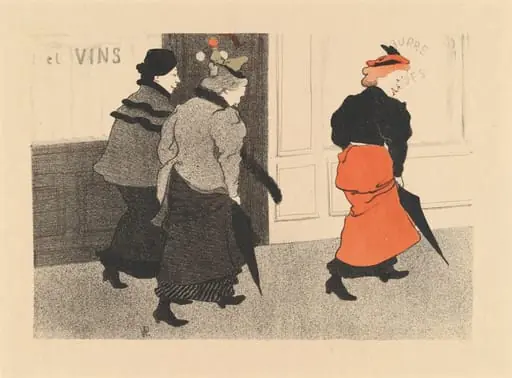 Milliners (Modistes)
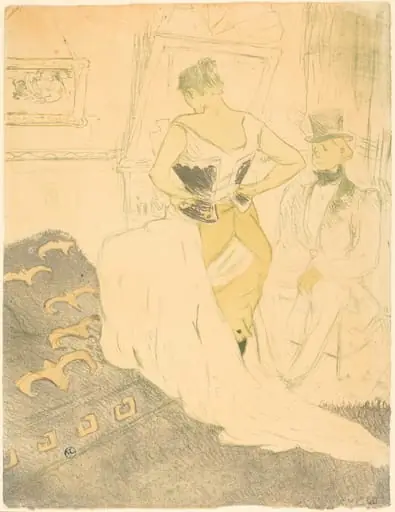 Woman in Corset (Femme en corset)
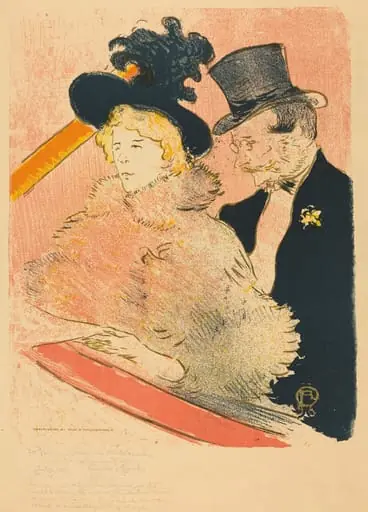 At the Concert (Au concert)
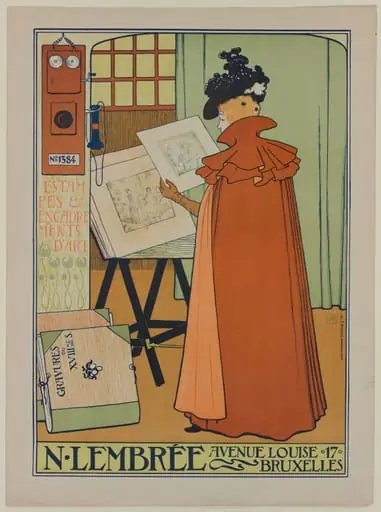 Poster for the Lembrée Gallery
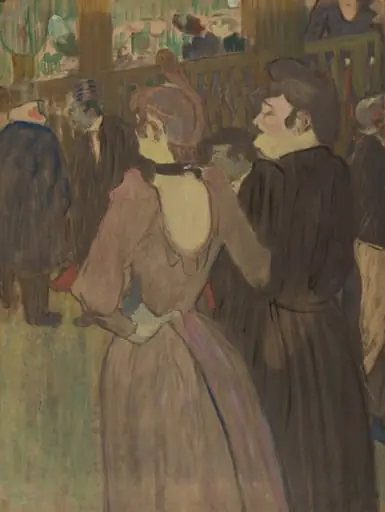 La Goulue and Her Sister
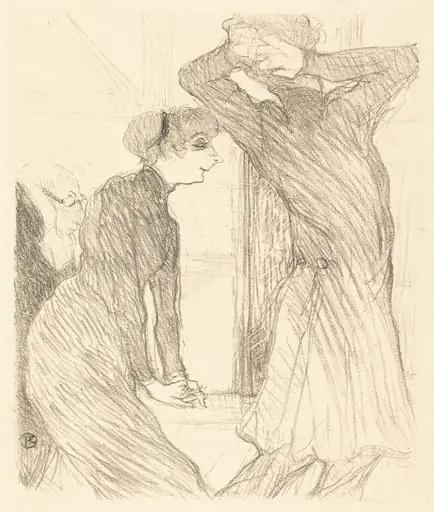 Lugne Poe and Baldy in "Au-dessus des forces humaines" (Lugne Poe et Baldy dans "Au-desses des forces humaines")
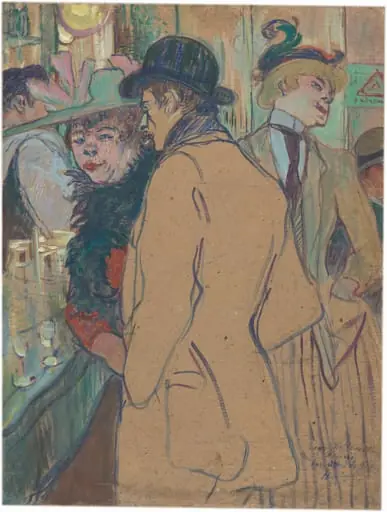 Alfred la Guigne
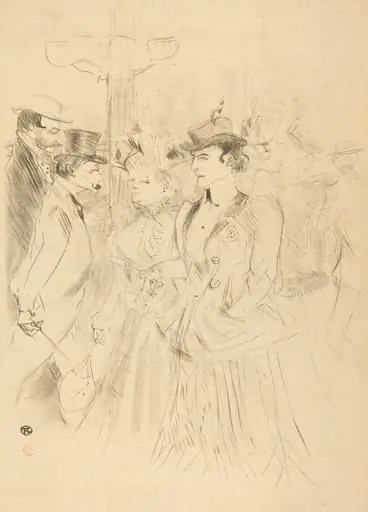 Promenade (Promenoir)
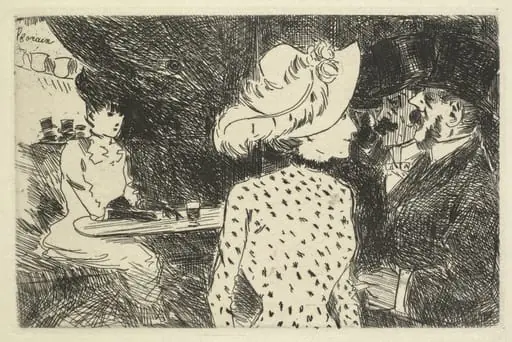 Cafe Scene (descriptive)
 Untitled