Artwork
Lender and Baron
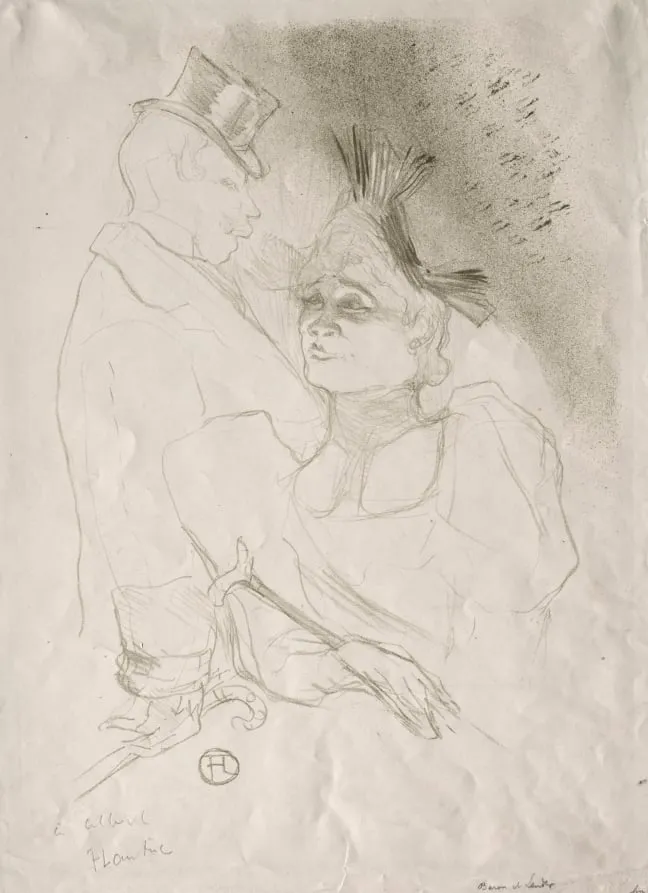
Lender and Baron is a print by the Impressionist artist Henri de Toulouse-Lautrec. It dates from 1893 and is held in the collection of the Cleveland Museum of Art.
About this work
Overview
Created in 1893, *Lender and Baron* is a pencil drawing by Henri de Toulouse-Lautrec that captures two individuals in a refined urban setting.
Created in 1893, *Lender and Baron* is a pencil drawing by Henri de Toulouse-Lautrec that captures two individuals in a refined urban setting. Though often associated with oil paintings and posters, this work reflects his skill in graphic media. The drawing belongs to a series of intimate observations from Parisian nightlife, rendered with precision and psychological nuance. It is part of the Cleveland Museum of Art’s permanent collection.
Subject & Meaning
The figures—a man in a formal coat and hat, and a woman adorned with a feathered headpiece—suggest attendees of a high-society gathering, possibly a cabaret or salon. Toulouse-Lautrec, familiar with both aristocratic circles and the fringes of urban life, portrays them with detached observation rather than satire. Their postures and attire imply performance, hinting at the constructed identities common in Parisian social rituals of the time.
Technique & Style
Executed in pencil, the drawing employs varied line weight and subtle tonal shading to suggest volume and texture. The background is minimally defined, directing focus to the figures’ silhouettes and clothing. Toulouse-Lautrec’s draftsmanship reveals his training in academic drawing, yet his loose, confident strokes align with the immediacy of modernist sketching. The work balances realism with expressive economy.
History & Provenance
The drawing was made during a prolific period in Toulouse-Lautrec’s career, following his move away from traditional academic painting toward scenes of contemporary life. It entered the Cleveland Museum of Art’s collection in the 20th century, likely through a private donation or acquisition from a European dealer. Its preservation reflects early institutional interest in his graphic works beyond his famous posters.
Context
In the 1890s, Paris was a hub of cultural experimentation, where artists like Toulouse-Lautrec documented the intersections of class, gender, and spectacle. While often linked to Montmartre’s nightlife, his drawings also recorded quieter moments among the bourgeoisie. *Lender and Baron* exemplifies his interest in social performance, whether in brothels or salons, revealing the artifice beneath surface decorum.
Legacy
This drawing contributes to the broader recognition of Toulouse-Lautrec as a keen observer of modern life, not merely a chronicler of vice. His pencil studies, like this one, influenced later generations of illustrators and graphic artists who valued directness and psychological insight. Though less celebrated than his posters, such works underscore his mastery of line and his unflinching gaze at social rituals.
Artist & collection
Artist
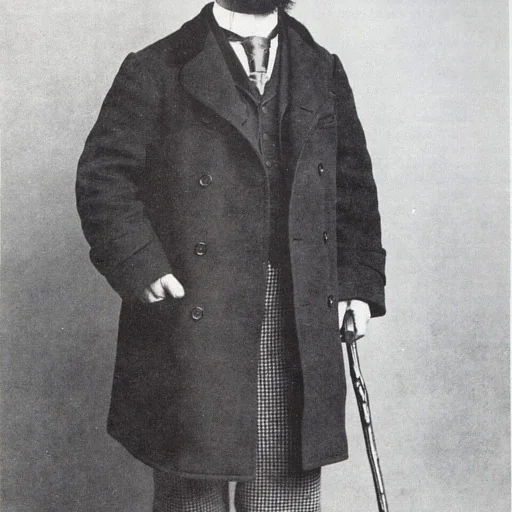
Comte Henri Marie Raymond de Toulouse-Lautrec-Montfa (24 November 1864 – 9 September 1901), known as Toulouse-Lautrec (French: ), was a French painter, printmaker, draughtsman, caricaturist, and illustrator.

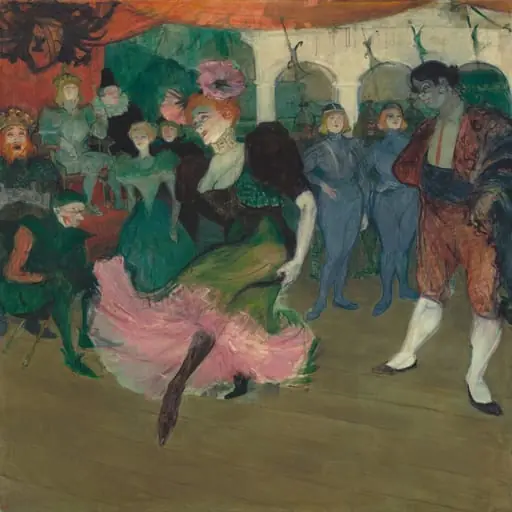
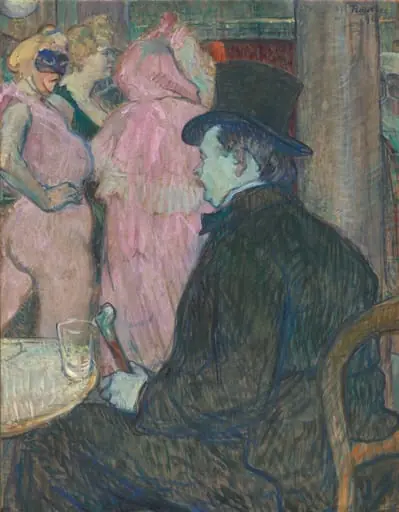
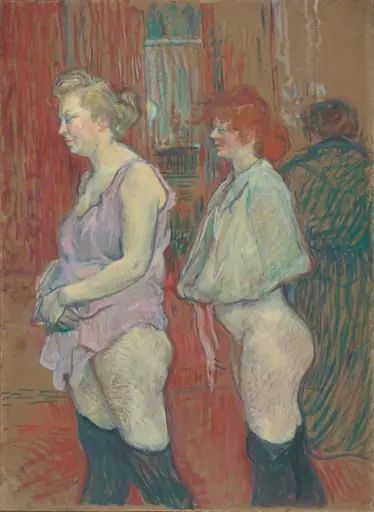
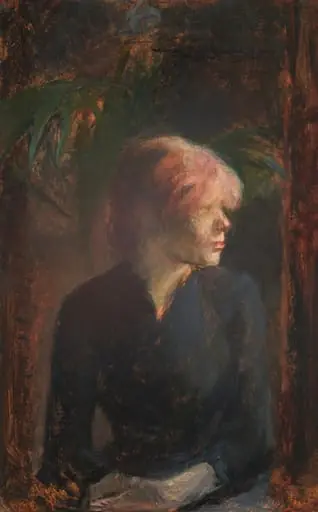
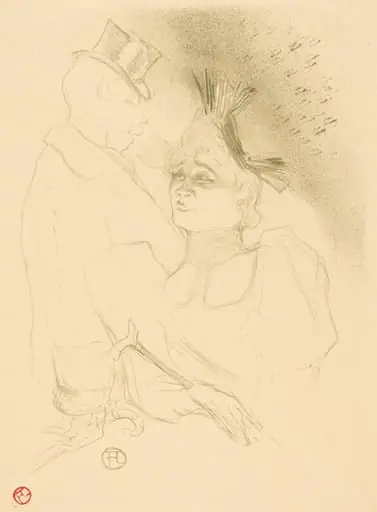 Mlle. Lender and Baron (Mlle. Lender et Baron)
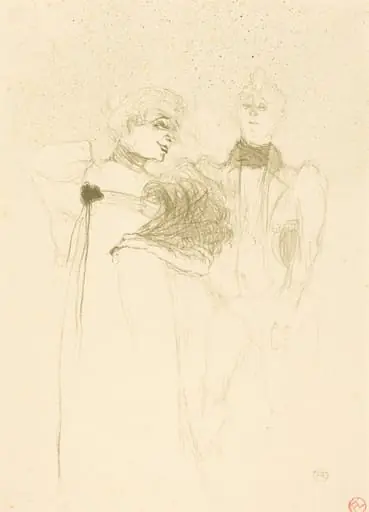 Mlle. Lender in "Madame Satan" (Mlle. Lender dans "Madame Satan")
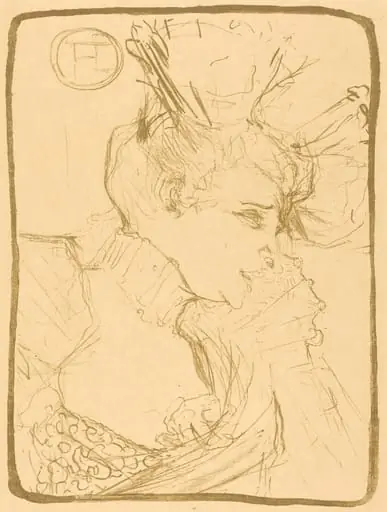 Bust of Mademoiselle Marcelle Lender (Mademoiselle Marcelle Lender, en buste)
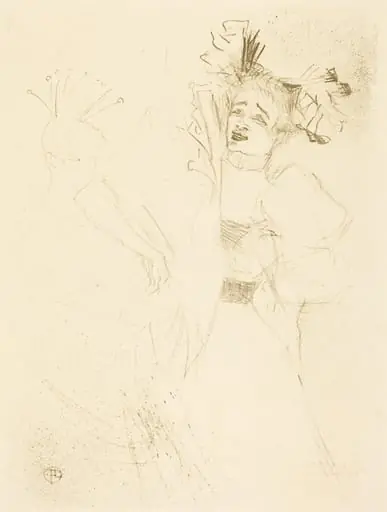 Lender Full Face in "Chilperic" (Lender de face dans "Chilpéric")
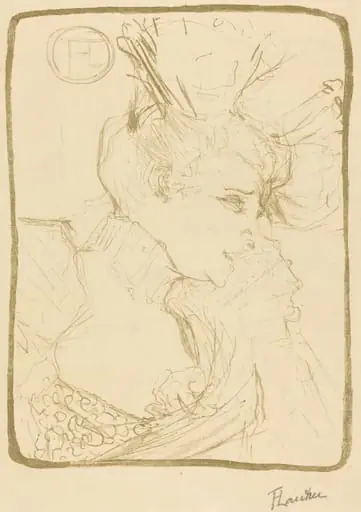 Bust of Mademoiselle Marcelle Lender (Mademoiselle Marcelle Lender, en buste)
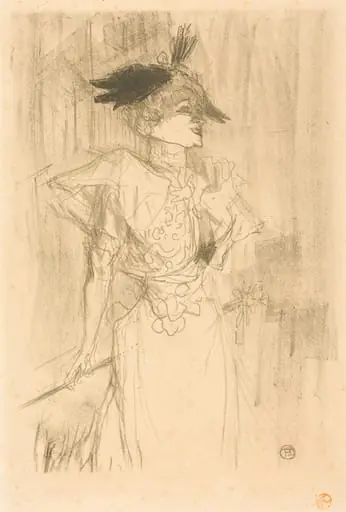 Mlle. Marcelle Lender, Standing (Mlle. Marcelle Lender, debout)