Artwork
Yvette Guilbert
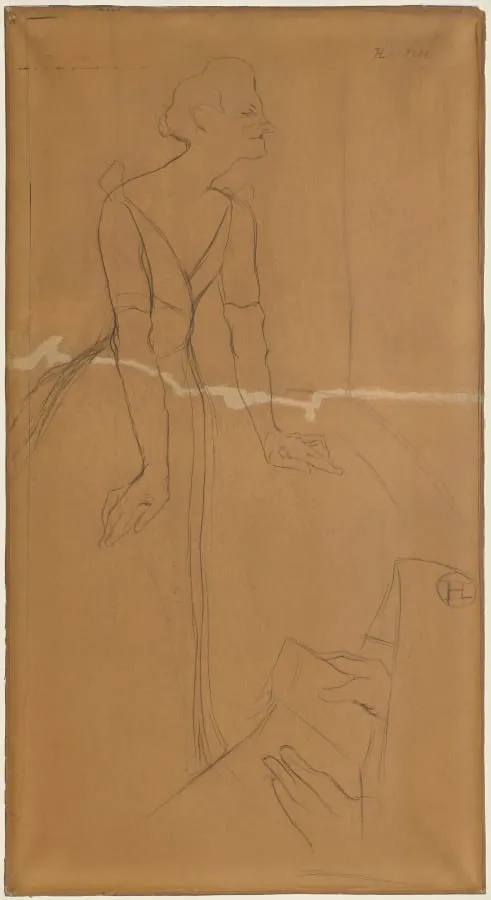
Yvette Guilbert is a drawing by the Impressionist artist Henri de Toulouse-Lautrec. It dates from 1894 and is held in the collection of the Cleveland Museum of Art.
About this work
To see more of Lautrec’s nightlife scenes, look up Henri de Toulouse-Lautrec (French, 1864–1901).
You see a woman in a long black dress and gloves, leaning forward with her hands clasped. Her face is pale, her lips bright red, and her hair pulled back tight.
This is Yvette Guilbert, a famous singer in 1890s Paris. Lautrec drew her many times—this sketch was practice for a poster she never used. Look at how he suggests her stage presence with just a few quick lines.
To see more of Lautrec’s nightlife scenes, look up Henri de Toulouse-Lautrec (French, 1864–1901).
Overview
This pencil drawing by Henri de Toulouse-Lautrec captures Yvette Guilbert, a celebrated cabaret singer of 1890s Paris, in a preparatory study for a commissioned poster. Though intended to advertise her season at Les Ambassadeurs, the final poster was never produced after Guilbert deemed the portrayal unflattering. The sketch reveals Lautrec’s process of refining form and posture, using minimal strokes to convey presence rather than detail.
Subject & Meaning
Yvette Guilbert was known for her distinctive stage persona—pale complexion, vivid lips, and tightly pulled-back hair—qualities Lautrec emphasized to evoke her theatrical intensity. Rather than idealizing her, he focused on the stark, almost austere energy of her performance style. The drawing reflects her reputation as a performer who commanded attention through restraint and expression rather than spectacle.
Technique & Style
Lautrec employed swift, confident pencil lines to define Guilbert’s silhouette and posture, suggesting movement and tension with economy. The contrast between the dark dress and the sharp red of her lips, rendered with minimal shading, heightens the figure’s dramatic presence. His approach prioritizes essence over realism, aligning with his broader interest in capturing the psychological rhythm of nightlife figures.
History & Provenance
The drawing originated as a study for a poster commissioned by Guilbert in 1893. Though the final poster was rejected, a more developed version of this composition survives in the Musée Toulouse-Lautrec in Albi. The sketch’s survival underscores its value as a document of artistic negotiation—revealing how even celebrated artists faced creative disagreement with their patrons.
Context
In 1890s Paris, cabaret performers like Guilbert were central to the city’s bohemian culture, and artists such as Lautrec frequently depicted them. Posters were vital promotional tools, and Lautrec’s designs helped redefine visual advertising. His sketches for Guilbert reflect a broader trend: the blurring of fine art and commercial work, where the line between documentation and promotion became intentionally porous.
Legacy
Though the poster was never printed, this drawing remains a key example of Lautrec’s ability to distill character through gesture and line. It illustrates how his preparatory work often held more expressive power than the final commercial product. The sketch continues to inform understanding of his process and the collaborative, sometimes contentious, relationship between artist and subject in fin-de-siècle Paris.
Artist & collection
Artist
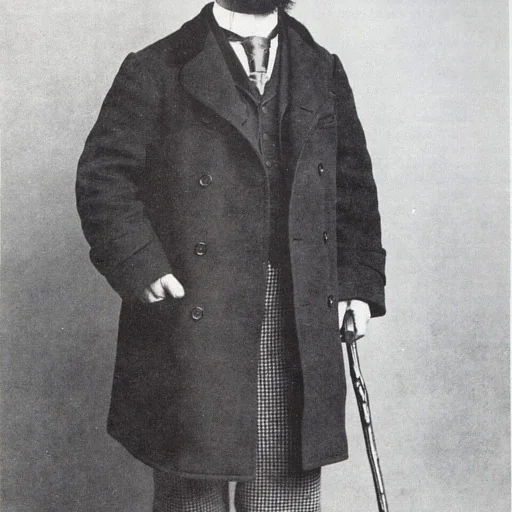
Comte Henri Marie Raymond de Toulouse-Lautrec-Montfa (24 November 1864 – 9 September 1901), known as Toulouse-Lautrec (French: ), was a French painter, printmaker, draughtsman, caricaturist, and illustrator.

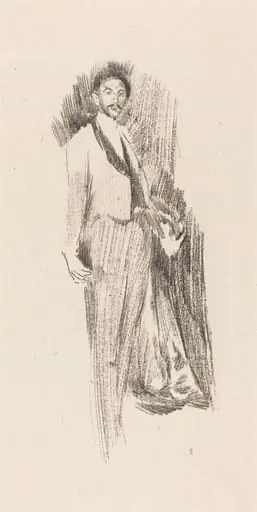 Count Robert de Montesquiou
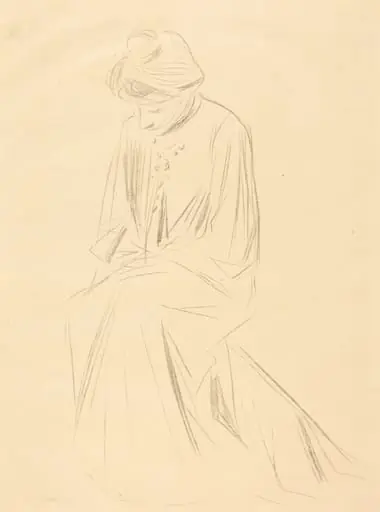 Etude de femme assise (Study of a Seated Woman)
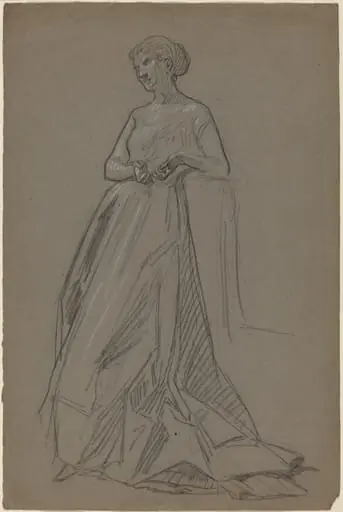 Standing Woman Leaning on Her Elbow
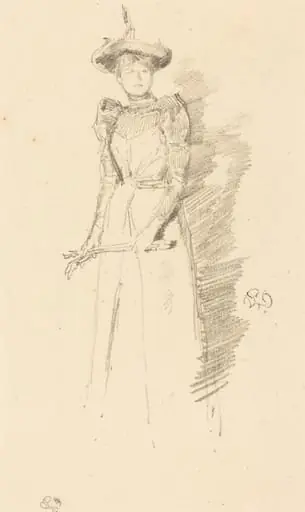 Gants de Suède
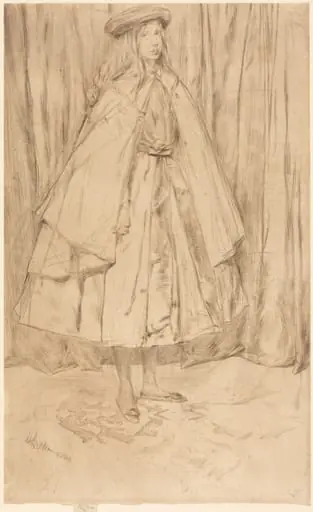 Annie Haden
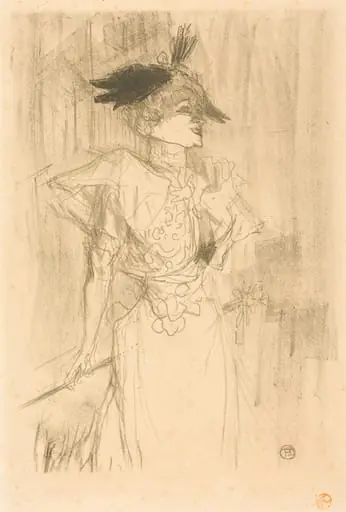 Mlle. Marcelle Lender, Standing (Mlle. Marcelle Lender, debout)
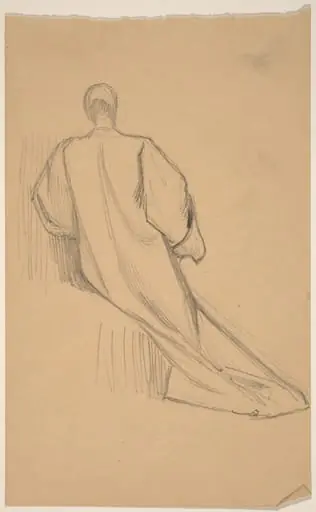 Study of a Figure from Behind
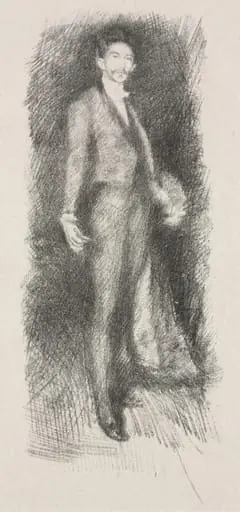 Portrait of Count Robert de Montesquiou
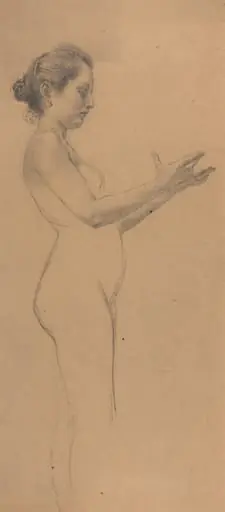 Female Nude with a Platter
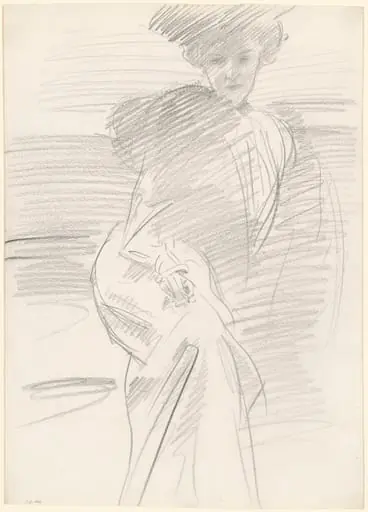 Seated Woman