Artwork
Count Aymer de la Chevalerie
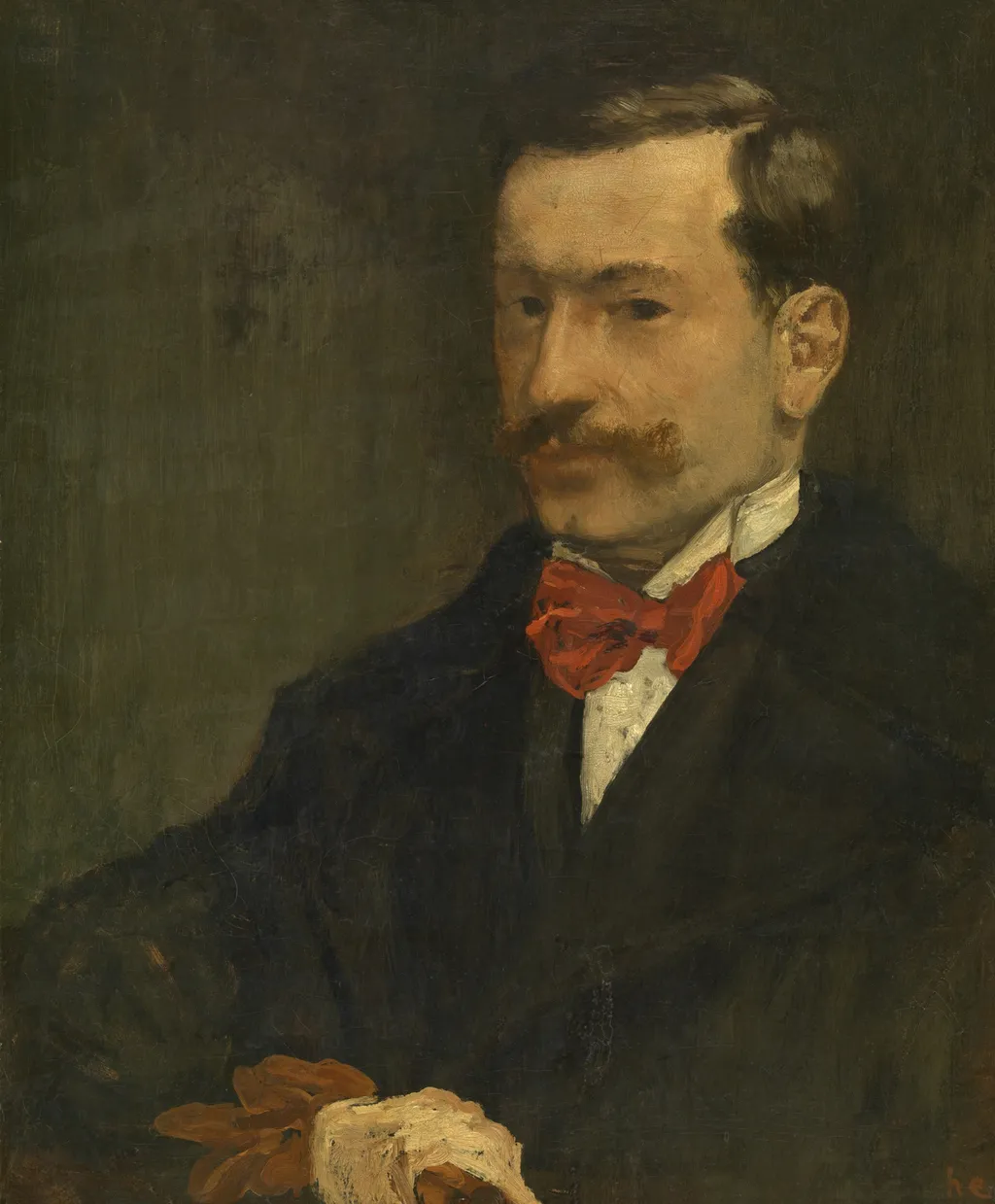
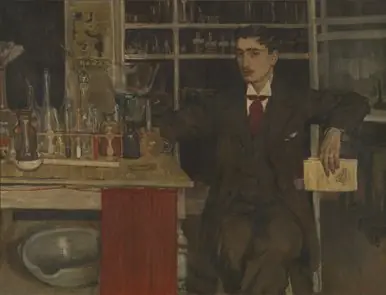
Count Aymer de la Chevalerie is an oil painting by the Post-Impressionist artist Henri Evenepoel. It dates from 1898 and is held in the collection of the Royal Museum of Fine Arts Antwerp.
About this work
Overview
Though the artist died young at twenty-seven, his work bridged late 19th-century realism and emerging modernist tendencies.
Henri Evenepoel completed this oil-on-canvas portrait in 1898, depicting Count Aymer de la Chevalerie in formal attire. Though the artist died young at twenty-seven, his work bridged late 19th-century realism and emerging modernist tendencies. The painting resides in the Royal Museum of Fine Arts Antwerp, where it stands as one of his most recognized portraits, reflecting his evolving approach to color and form before the rise of Fauvism.
Subject & Meaning
The subject, Count Aymer de la Chevalerie, is portrayed seated, dressed in a dark jacket and white shirt, with a red bow tie and mustache. His gaze is lowered, and he holds a white cloth or paper in his right hand, suggesting quiet contemplation or formal protocol. The composition avoids narrative detail, focusing instead on presence and dignity, aligning with the aristocratic identity of the sitter without overt symbolism.
Technique & Style
Evenepoel employs bold, flat areas of color and strong contrasts to define form, particularly in the red bow tie against the dark jacket and the pale skin against the muted background. Brushwork is deliberate but not overly detailed, favoring simplified contours and tonal shifts over realistic rendering. The dark background enhances the figure’s presence through chiaroscuro, directing focus to the face and attire without atmospheric depth.
History & Provenance
Painted in 1898, the portrait entered the collection of the Royal Museum of Fine Arts Antwerp shortly after its completion. Evenepoel, a French-born artist who lived and worked in Belgium, produced few major works before his early death in 1899. This portrait remains one of the few surviving examples of his mature style, preserved through institutional acquisition rather than private ownership.
Context
Created just before the emergence of Fauvism, the painting reflects Evenepoel’s experimentation with expressive color and structural simplification, influenced by Post-Impressionist trends. While not yet fully aligned with the movement’s radical palette, it anticipates its departure from naturalism. The portrait’s restrained mood contrasts with the more exuberant works of his contemporaries, situating it within a transitional phase in Belgian modern art.
Legacy
Evenepoel’s brief career left a modest but significant body of work, with this portrait serving as a key example of his stylistic direction. Though overshadowed by later Fauvist figures, his use of color and form influenced younger Belgian artists. The painting endures as a quiet testament to his ability to merge aristocratic subject matter with modernist sensibilities, bridging tradition and innovation in early 20th-century portraiture.
Own this work as a print
Artist & collection
Artist
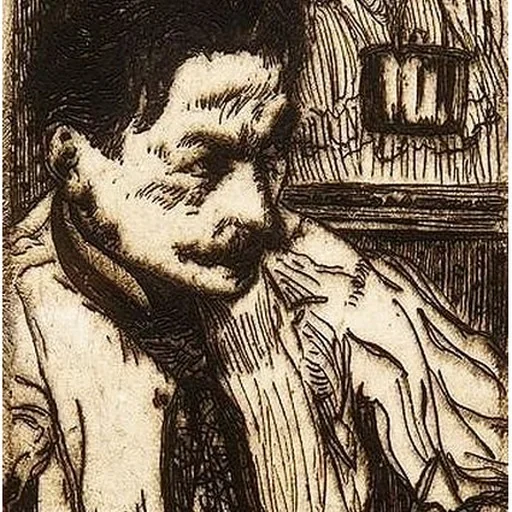
Henri-Jacques-Edouard Evenepoel (3 October 1872 – 27 December 1899) was a French-born Belgian artist whose most important works are associated with Fauvism.

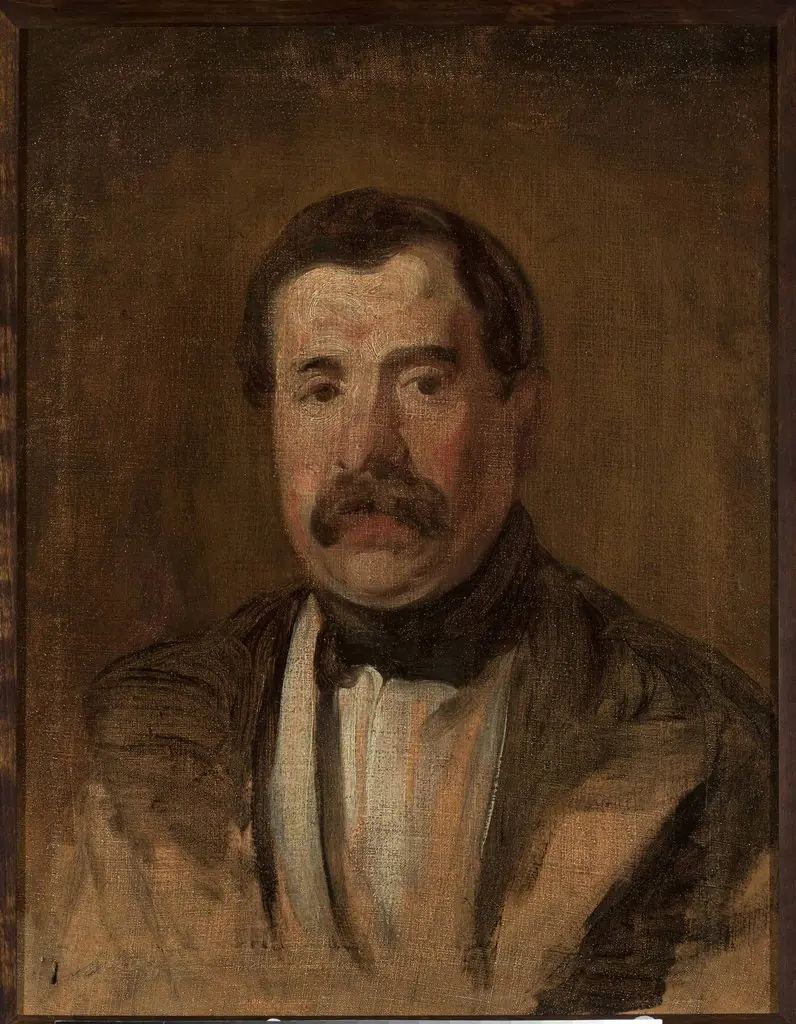 Portrait of Maksymilian Oborski
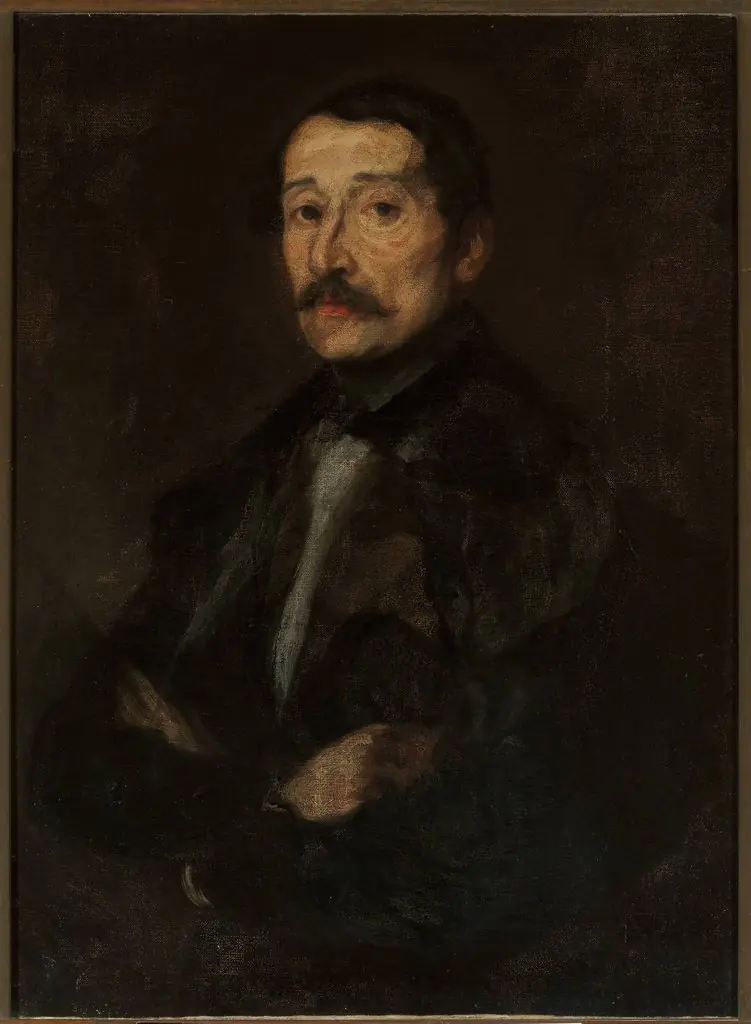 Portrait of Eustachy Wąsowicz
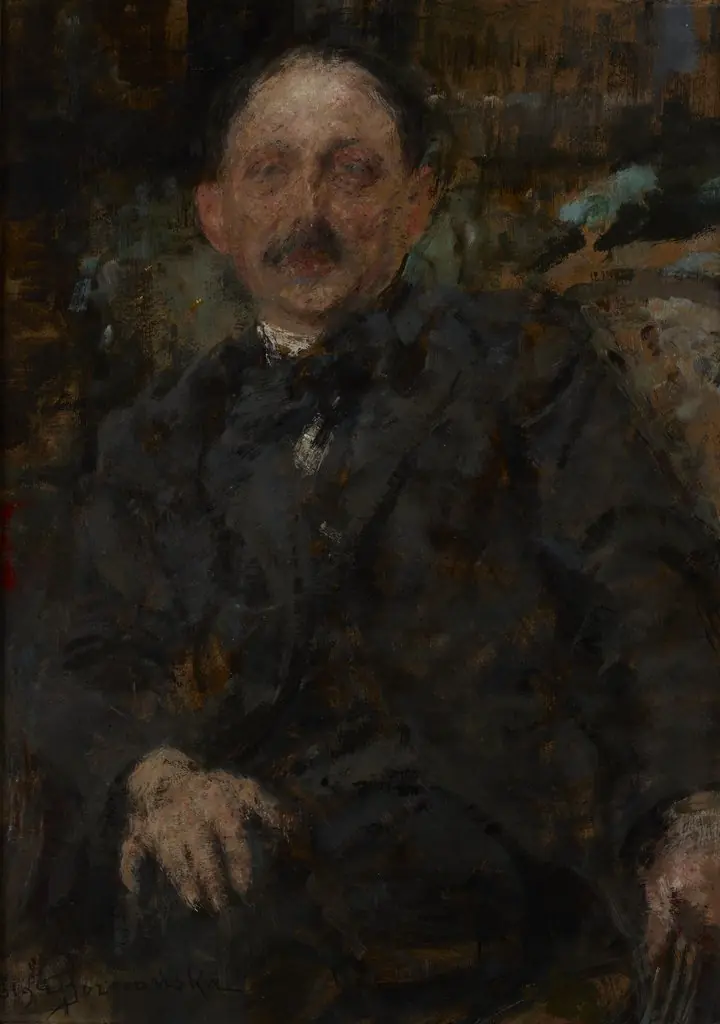 Portrait of Painter Marcin Samlicki
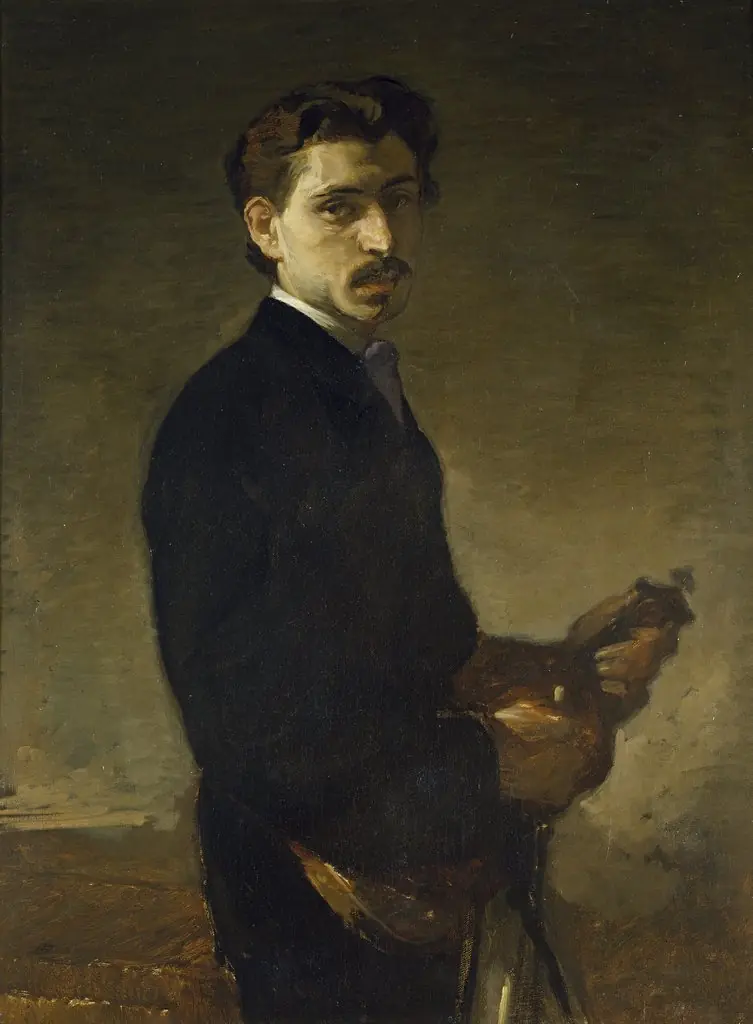 Ettore Pinelli, the Violinist
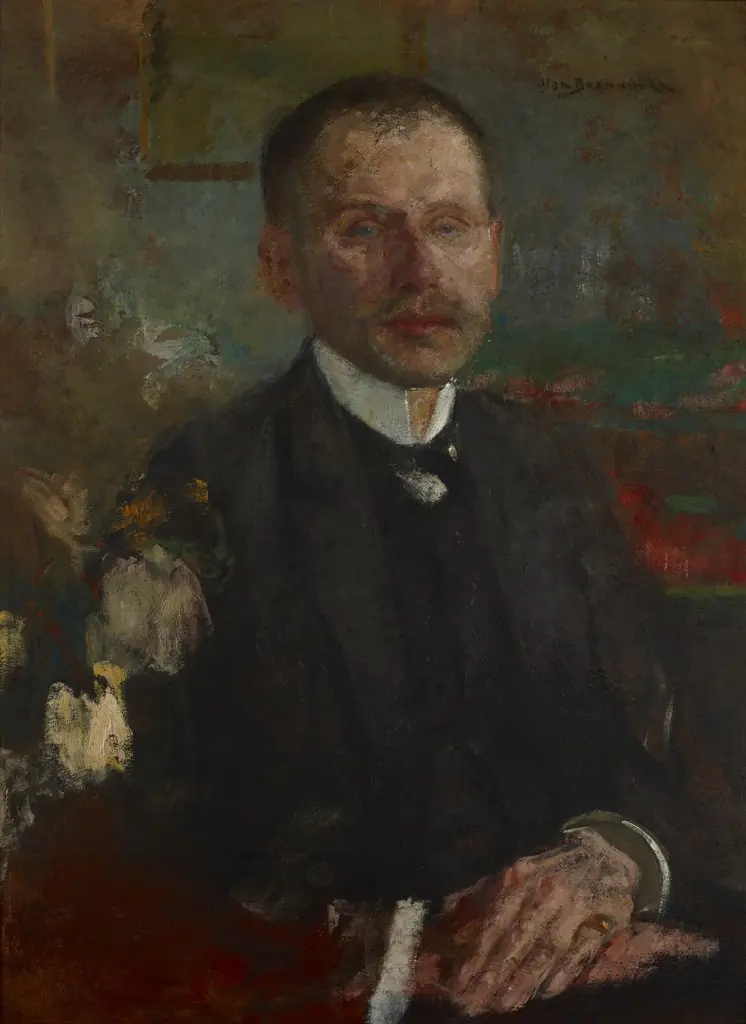 Portrait of Bogdan Faleński – two-sided painting
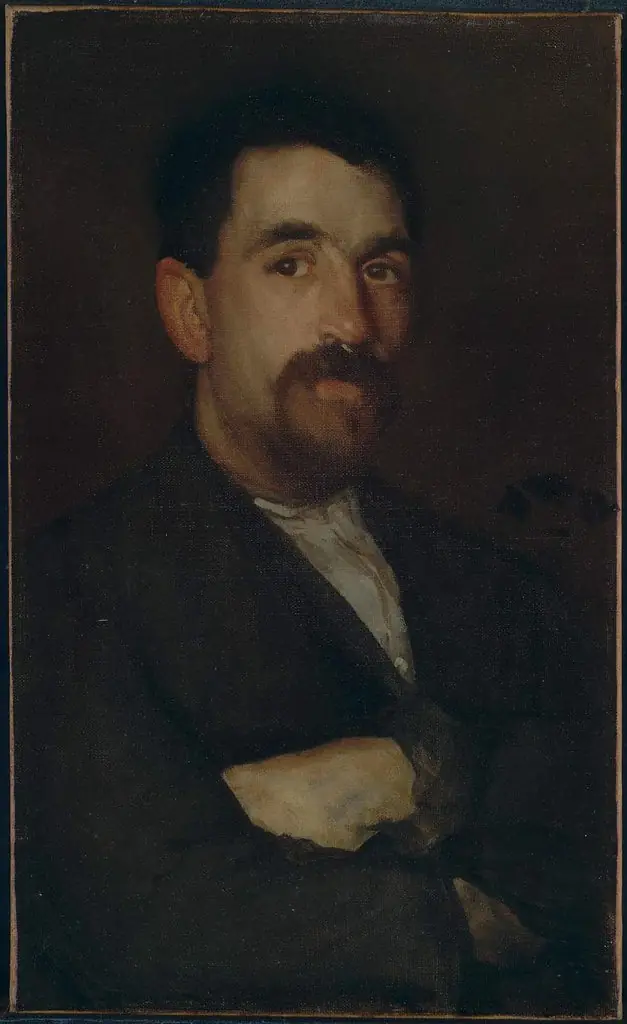 The Master Smith of Lyme Regis
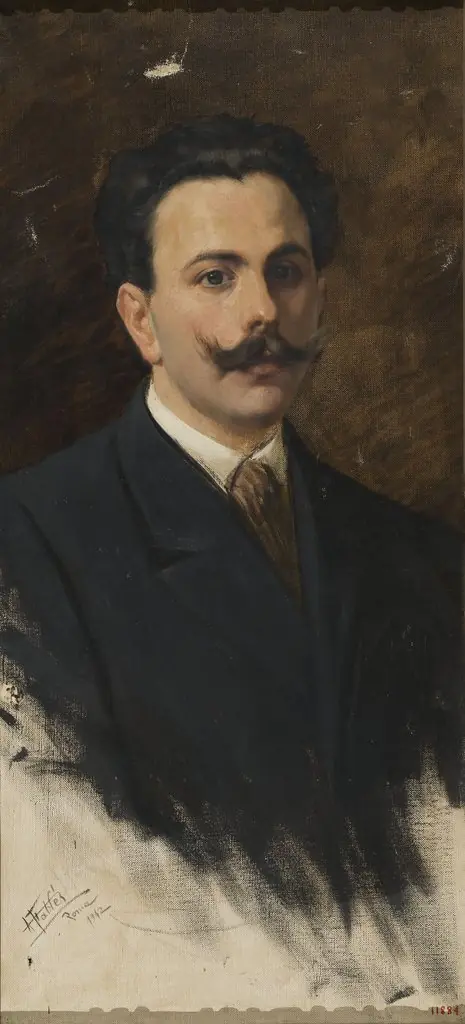 Gentleman portrait
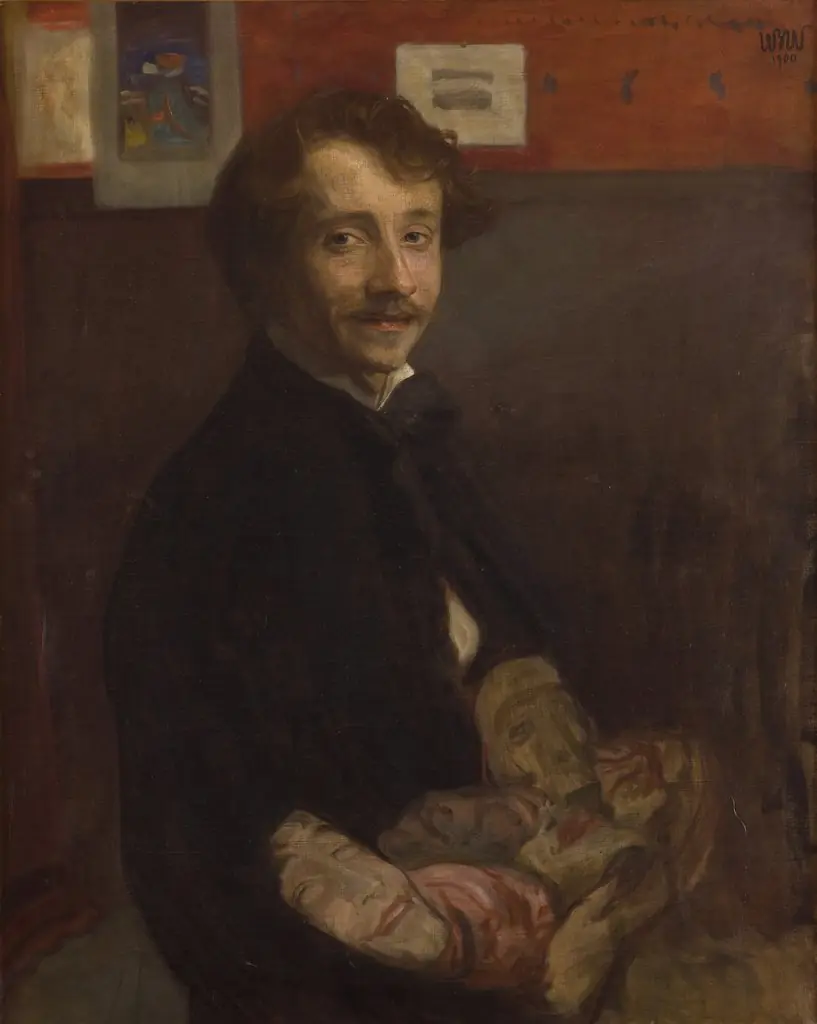 Self-Portrait with Masks
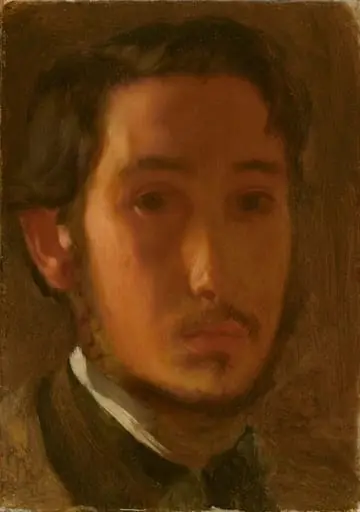 Self-Portrait with White Collar
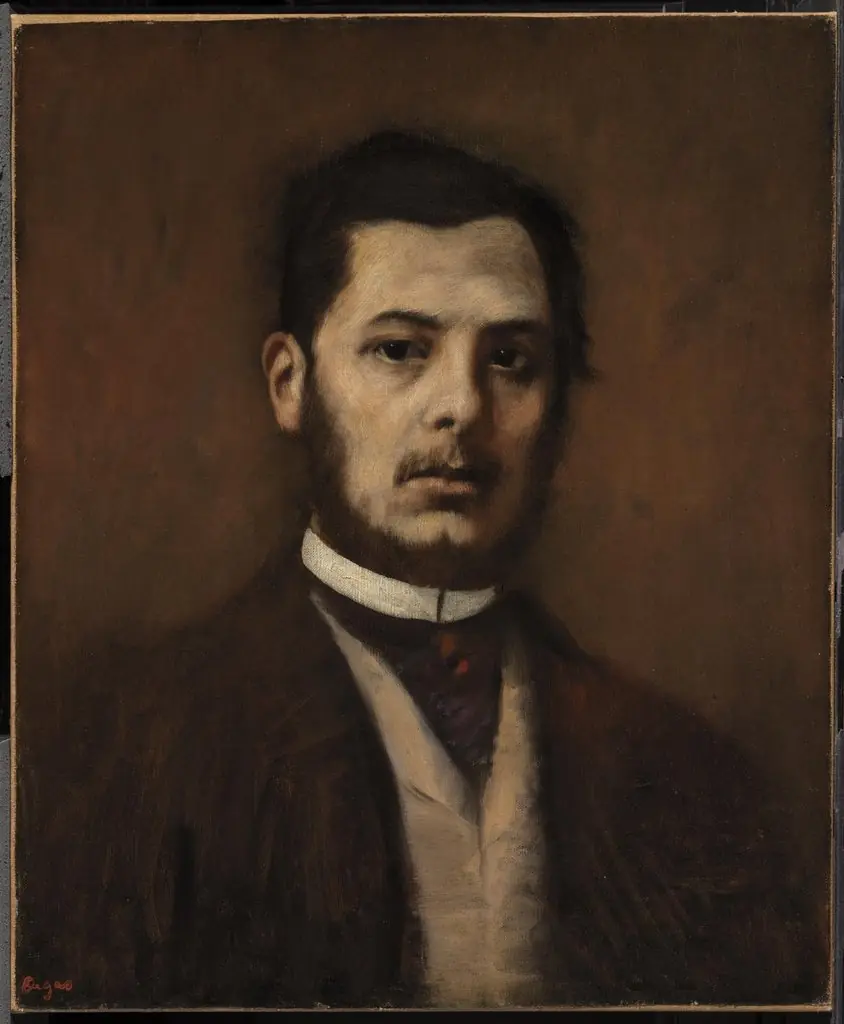 Portrait of a Man
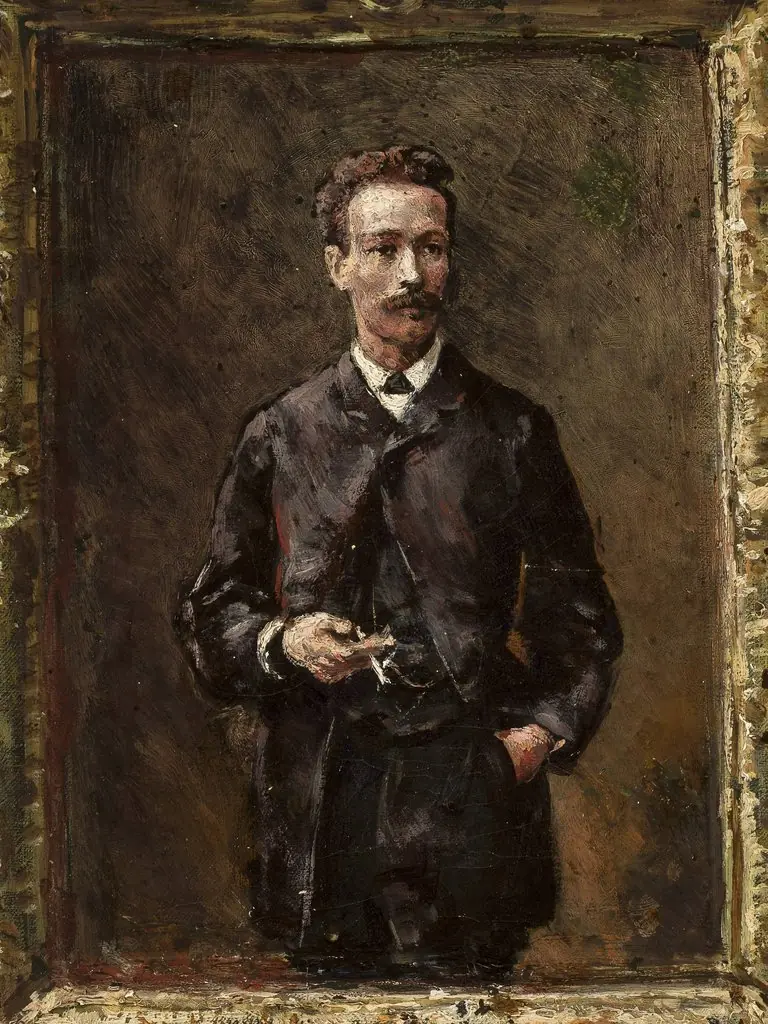 Portrait of Artur Gruszecki, sketch
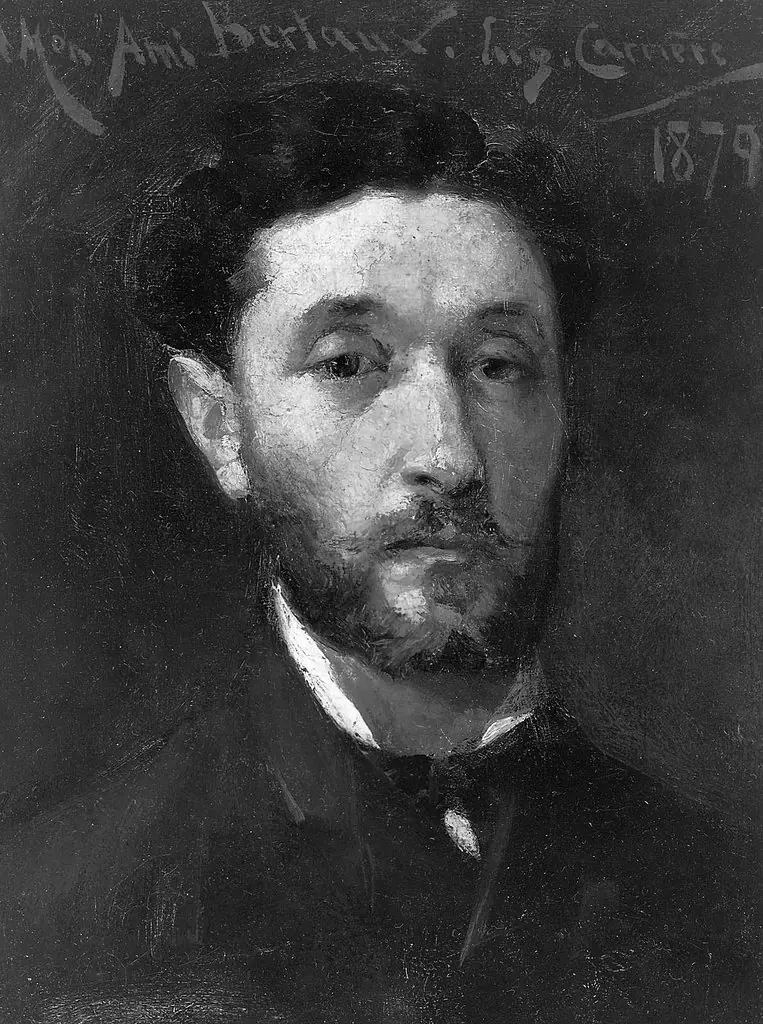 Portrait of a Man