Artwork
The running girl
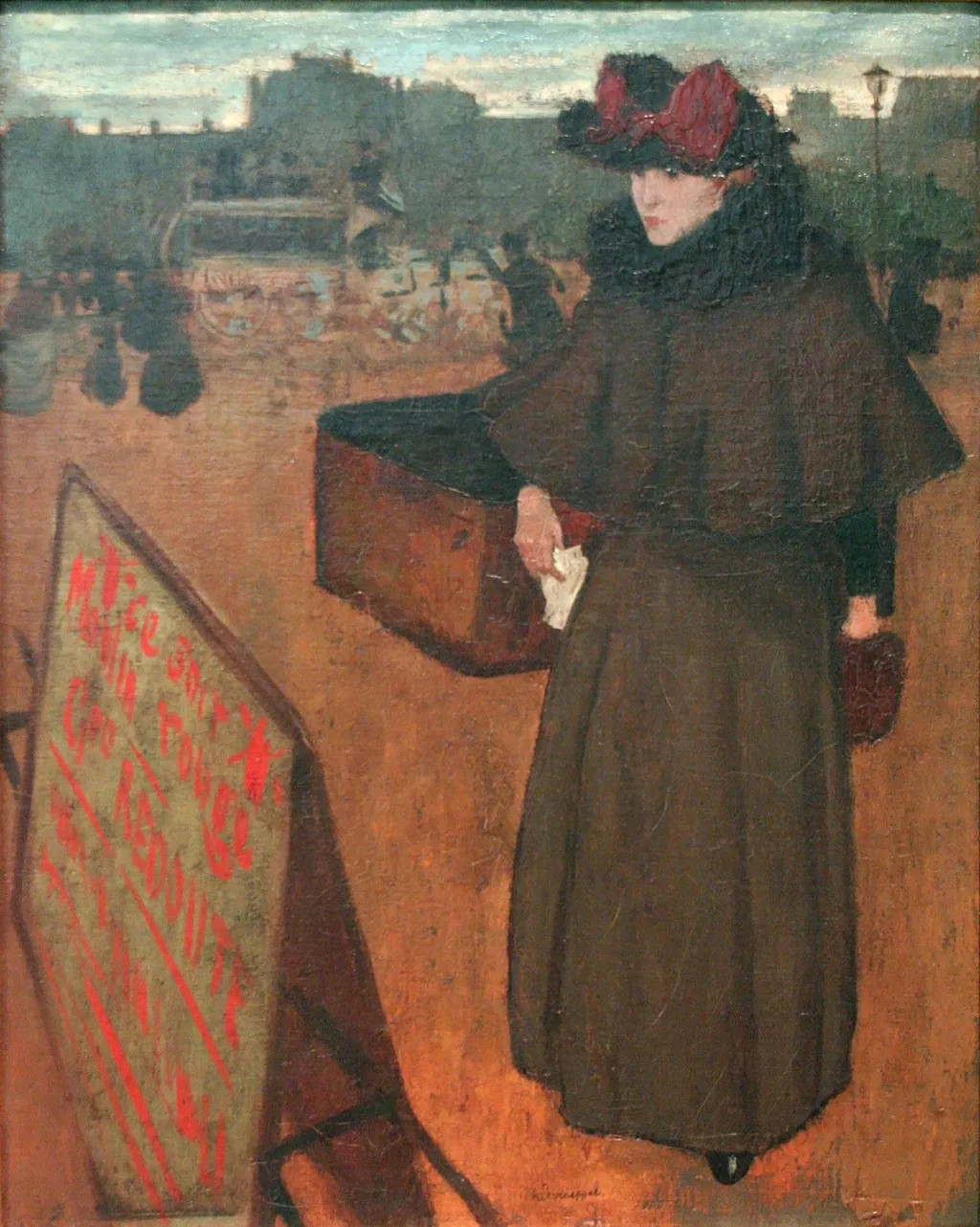
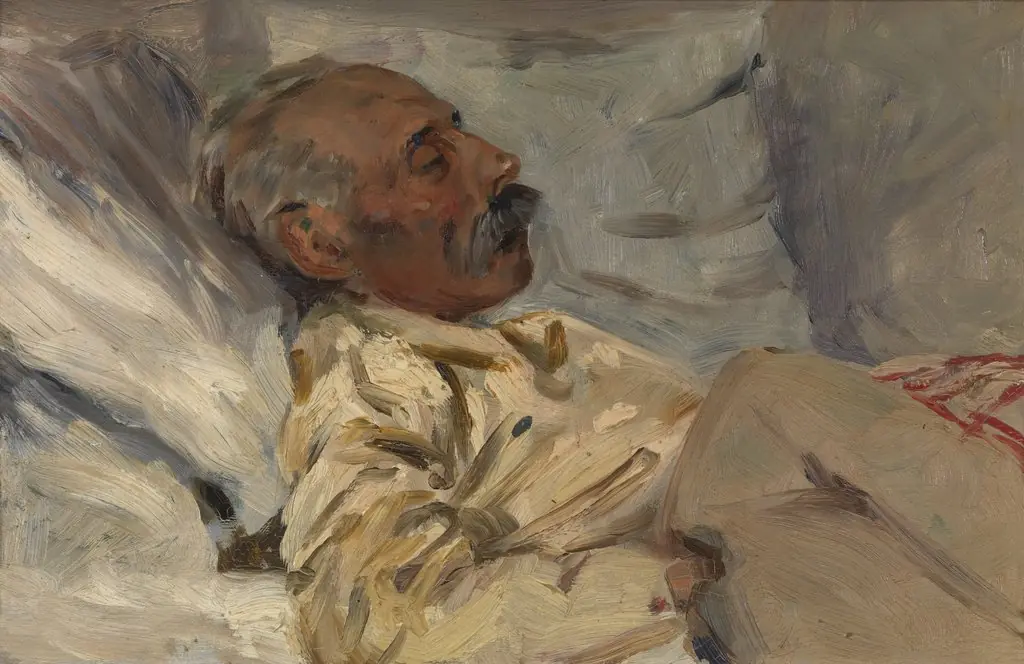
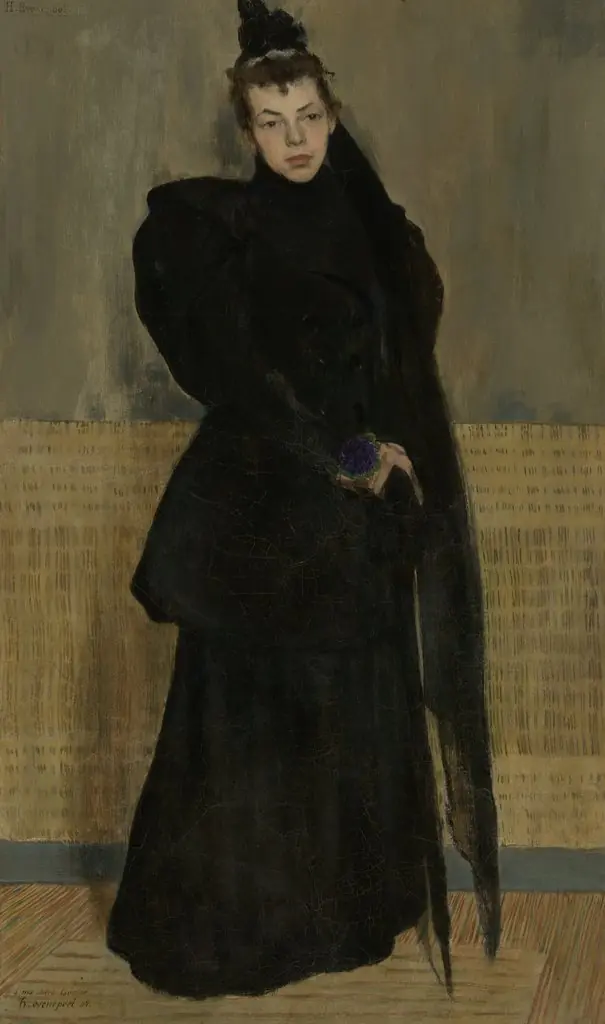
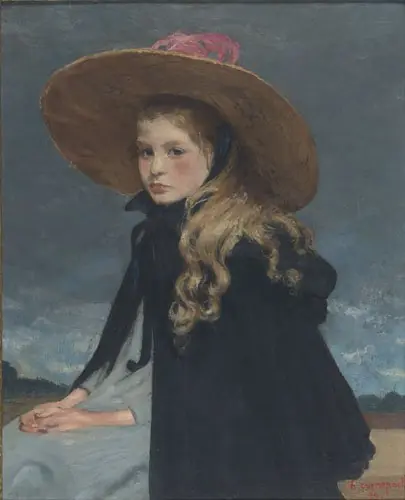
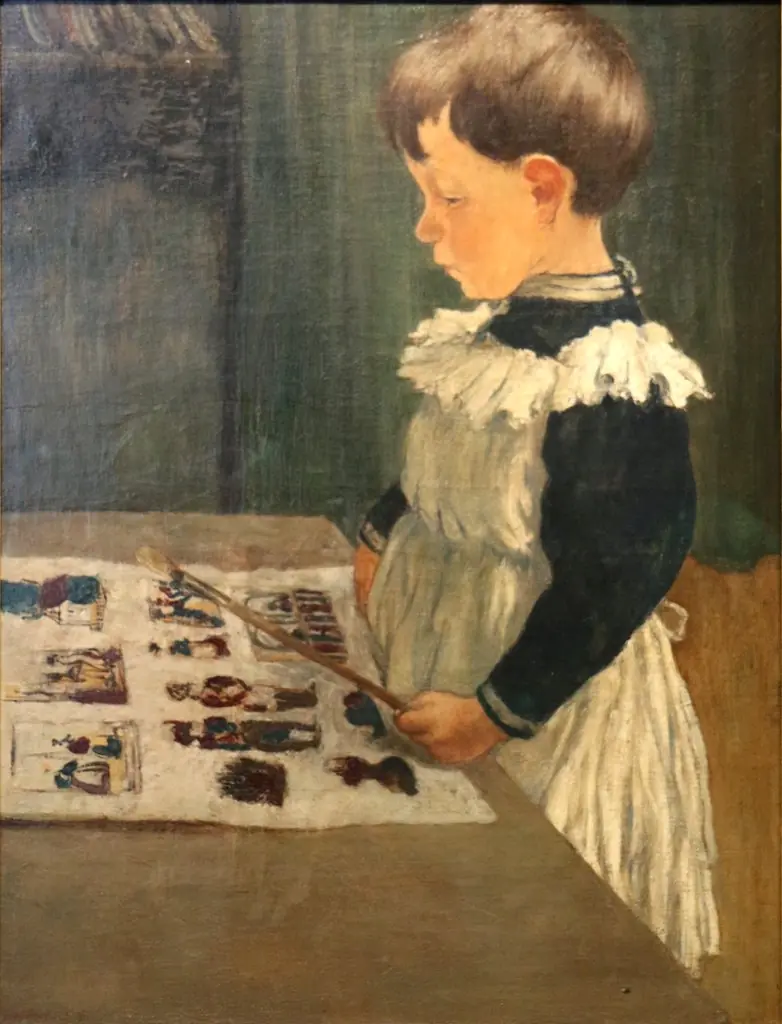
The running girl is an oil painting by the Post-Impressionist artist Henri Evenepoel. It dates from 1898 and is held in the collection of the Royal Museum of Fine Arts Antwerp.
About this work
Overview
Painted in 1898 by Henri Evenepoel, *The Running Girl* is an oil-on-canvas work that captures a fleeting moment of motion. Evenepoel, a French-born artist who lived and worked in Belgium, created this piece near the end of his short career, just a year before his death. It resides today in the Royal Museum of Fine Arts Antwerp, among the key examples of late 19th-century Belgian painting.
Subject & Meaning
The absence of narrative detail invites interpretation: she may be returning from errands, fleeing a moment, or simply moving through daily life.
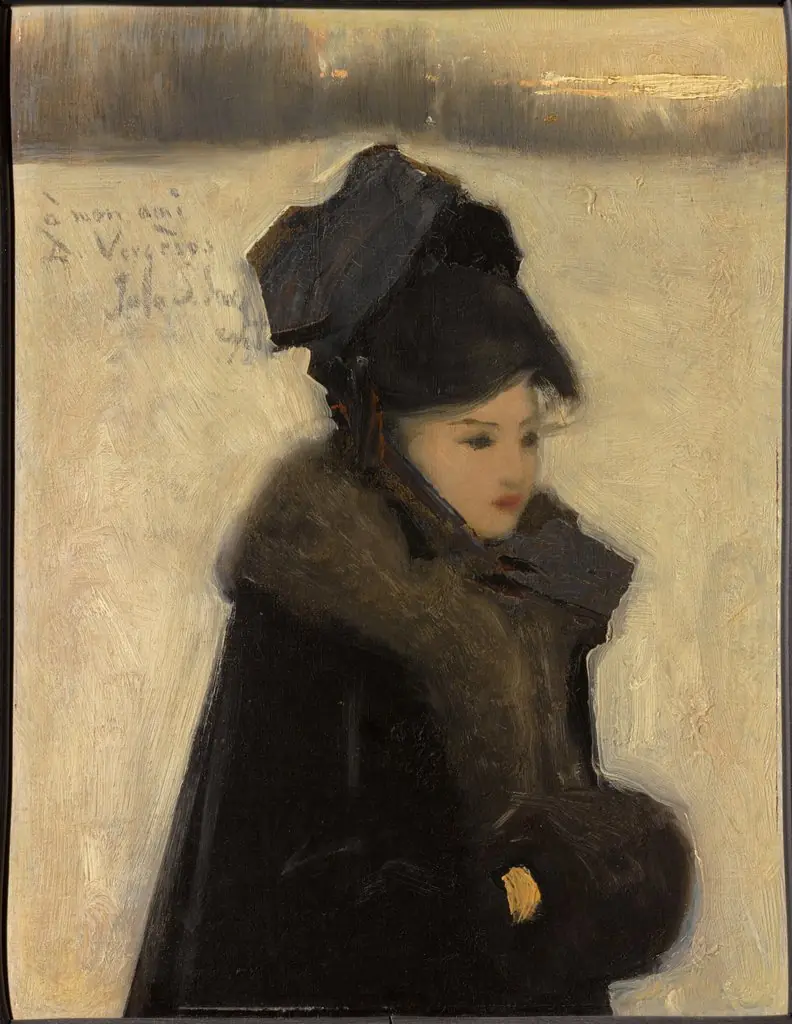
The painting portrays a young girl in mid-stride, her figure dynamically composed against a softly rendered urban backdrop. Her face is indistinct, emphasizing movement over identity. The absence of narrative detail invites interpretation: she may be returning from errands, fleeing a moment, or simply moving through daily life. The work suggests an interest in ordinary, unposed moments, aligning with broader modernist tendencies of the era.
Technique & Style
Evenepoel employs loose, expressive brushwork and a restrained palette to convey motion. Dark tones in the girl’s dress and hat contrast with the muted, luminous background, enhancing her forward thrust. The blurred facial features and fluid outlines reflect an interest in capturing transient effects, akin to Impressionist concerns, though with a more structured composition. Chiaroscuro is subtly used to model form without heavy shadowing.
History & Provenance
Created in 1898, the painting entered the collection of the Royal Museum of Fine Arts Antwerp shortly after Evenepoel’s death in 1899. It remained relatively obscure outside Belgium until later 20th-century reassessments of Post-Impressionist figures. Its preservation within a major national institution reflects its recognized significance in Belgian art history, though it was never widely exhibited abroad during the artist’s lifetime.
Context
Evenepoel worked during a period when Belgian artists were engaging with French modernism while developing distinct local sensibilities. *The Running Girl* reflects influences from Impressionism and early Post-Impressionism, yet avoids overt symbolism or idealization. It aligns with contemporaneous efforts to depict urban life with immediacy, paralleling works by artists like Degas and Vuillard, though with a quieter, more intimate tone.
Legacy
Though Evenepoel’s career was brief, *The Running Girl* endures as one of his most recognized works. It exemplifies his ability to merge psychological subtlety with visual dynamism. The painting contributes to scholarly discussions on the evolution of modern Belgian painting and remains a touchstone for understanding how everyday motion was rendered in the transition from Impressionism to modernism.
Artist & collection
Artist
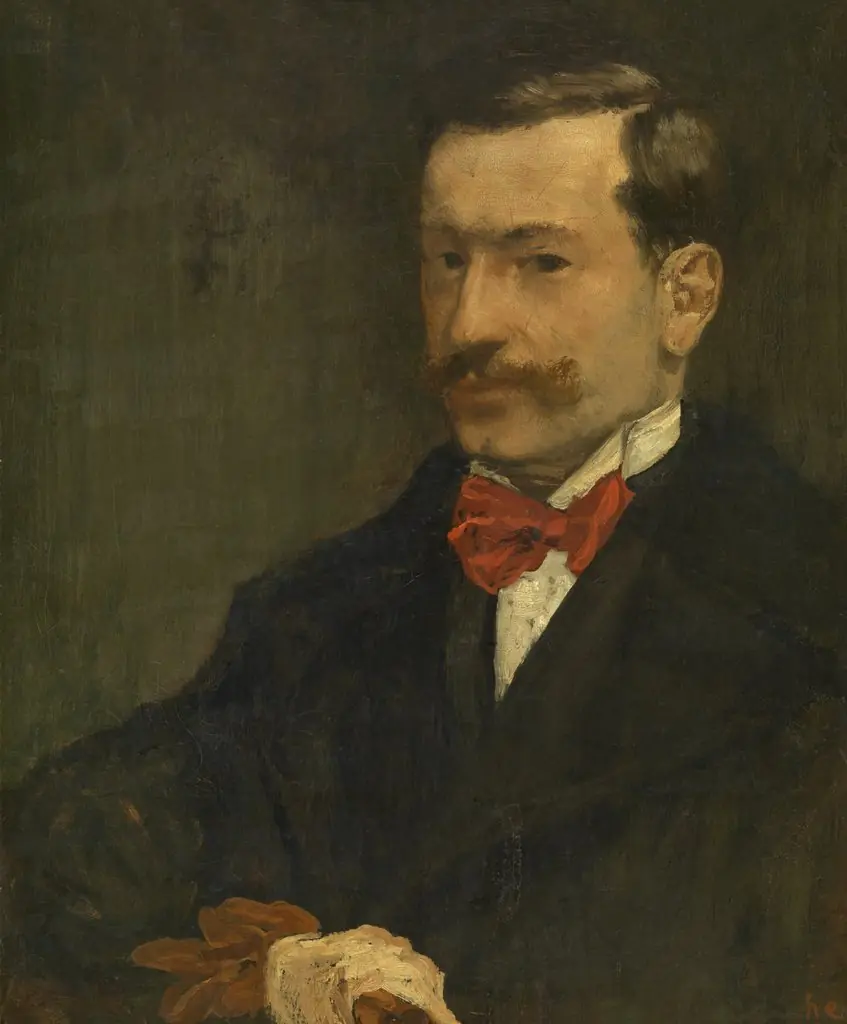
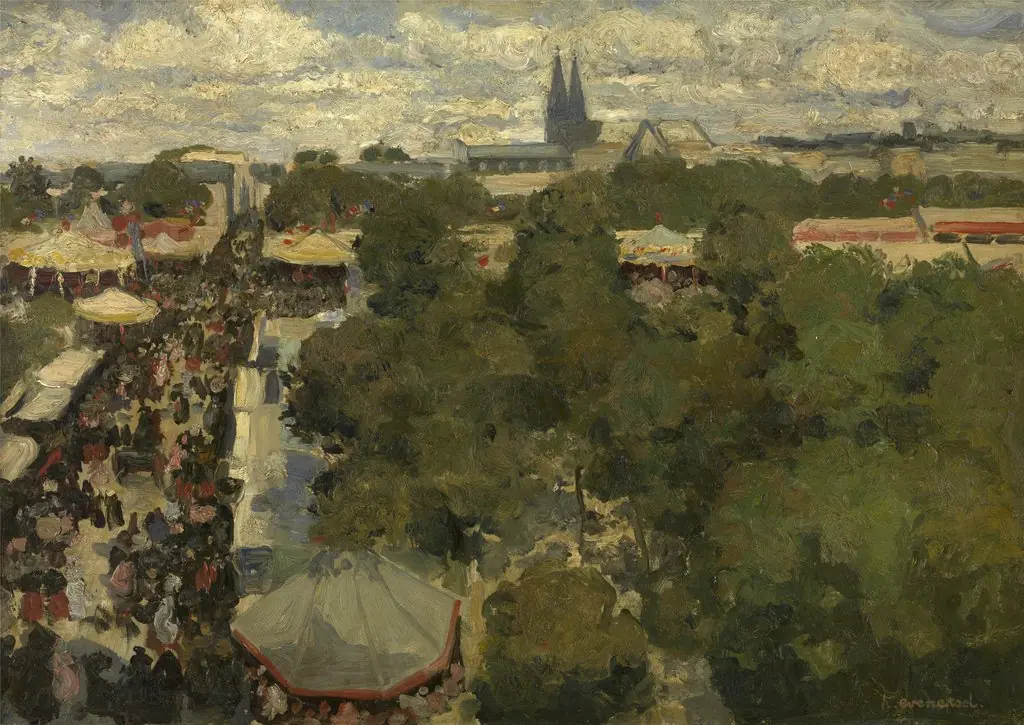
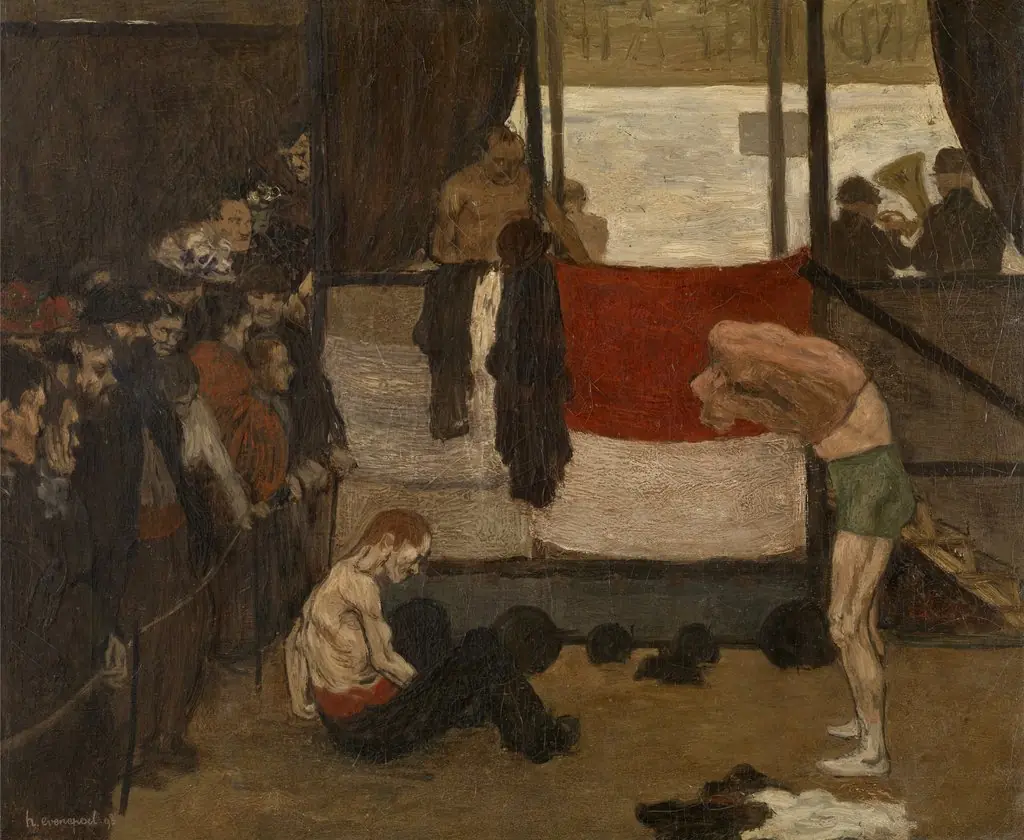
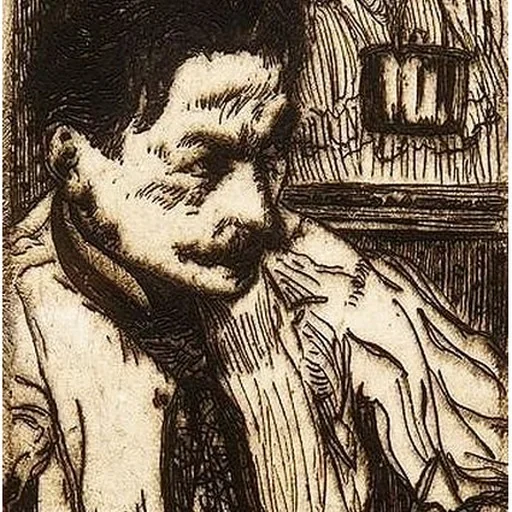
Henri-Jacques-Edouard Evenepoel (3 October 1872 – 27 December 1899) was a French-born Belgian artist whose most important works are associated with Fauvism.