Artwork
Last Theme of Robert Schumann
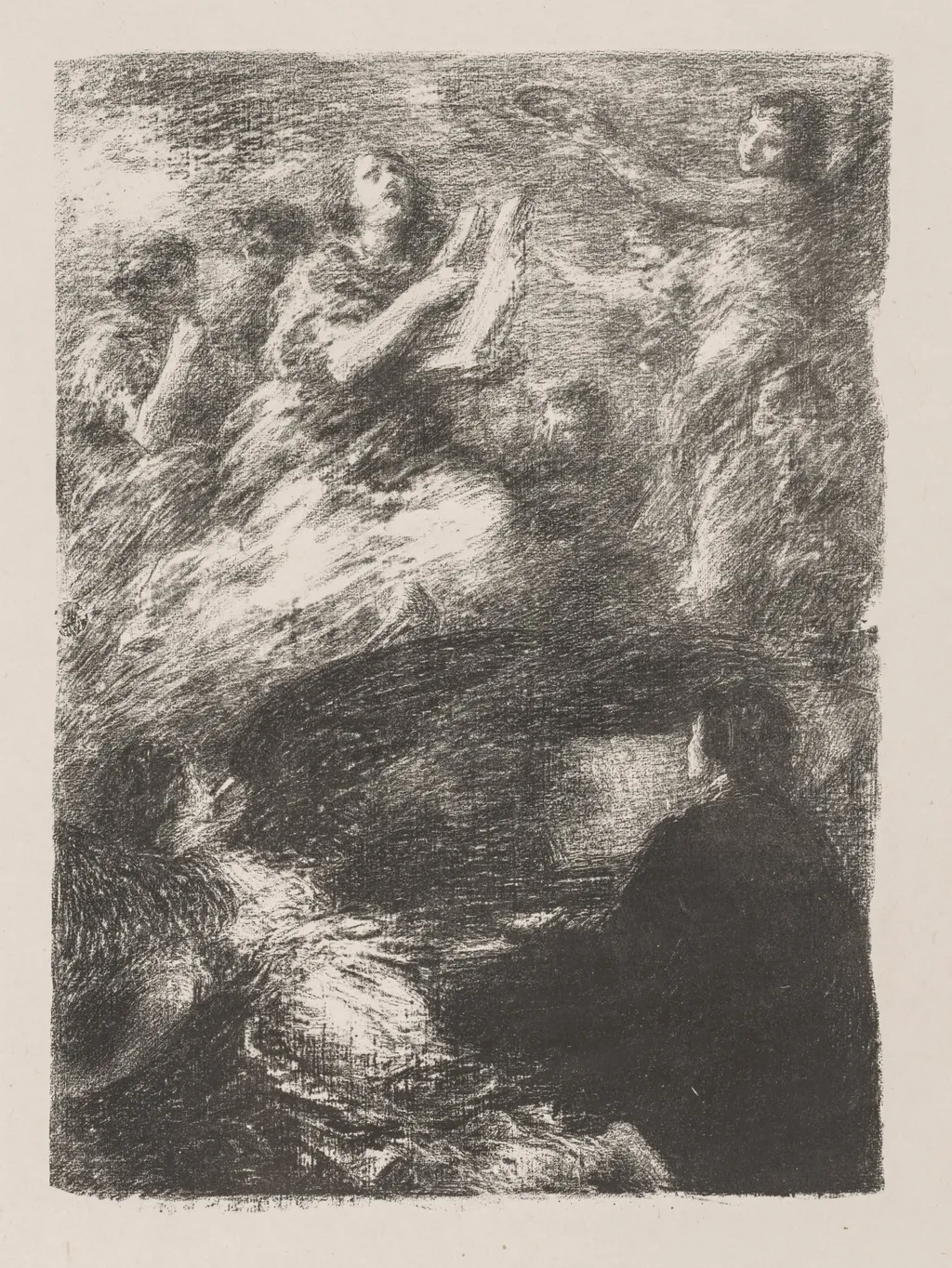
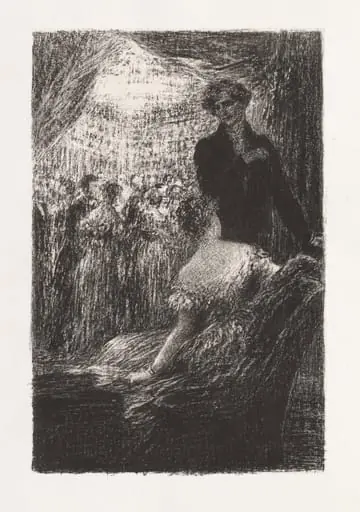
Last Theme of Robert Schumann is a print by the Impressionist artist Henri Fantin-Latour. It dates from 1895 and is held in the collection of the Cleveland Museum of Art.
About this work
Overview
Executed near the end of his career, it captures a quiet, ambiguous moment between two figures, rendered with minimal detail and expressive, hurried strokes.
Painted in 1895, this work by Henri Fantin-Latour is a late, intimate sketch that departs from his more polished group portraits and still lifes. Executed near the end of his career, it captures a quiet, ambiguous moment between two figures, rendered with minimal detail and expressive, hurried strokes. The piece resides in The Cleveland Museum of Art’s collection, reflecting the artist’s enduring interest in music and its emotional resonance.
Subject & Meaning
The two figures, their identities obscured, suggest a private, possibly mourning communion. Though not explicitly labeled, the title references Robert Schumann, the German composer who died in 1856. The proximity of the figures and the somber tone imply a memorial gesture, evoking the lingering presence of music and loss rather than depicting a specific historical scene.
Technique & Style
Fantin-Latour employed loose, almost provisional brushwork, favoring rough, uneven lines over refined finish. The faces and forms are blurred, emerging from a dark, indistinct background with only faint outlines. This raw, sketchlike approach conveys immediacy and emotional weight, contrasting with the precision of his earlier works and emphasizing introspection over clarity.
History & Provenance
Created in 1895, the work belongs to Fantin-Latour’s final decades, when he increasingly turned to personal, subdued themes. It entered The Cleveland Museum of Art’s collection through established acquisition channels, though its specific provenance prior to museum ownership is not widely documented. Its modest scale and unfinished character suggest it was not intended for public display at the time of creation.
Context
Fantin-Latour frequently engaged with musical figures, having painted composers like Wagner and Berlioz in earlier group portraits. By 1895, the Romantic era’s cultural figures were fading from living memory, and this sketch may reflect a quieter, more personal tribute. The work aligns with his later tendency to favor emotional suggestion over narrative detail, moving away from the social realism of his youth.
Legacy
This sketch stands as a quiet testament to Fantin-Latour’s evolving artistic priorities. While less known than his formal portraits, it reveals his capacity for emotional economy and his deep, lifelong connection to music. Its rawness invites contemplation rather than spectacle, offering a glimpse into the artist’s private reflections on memory and artistic legacy.
Artist & collection
Artist
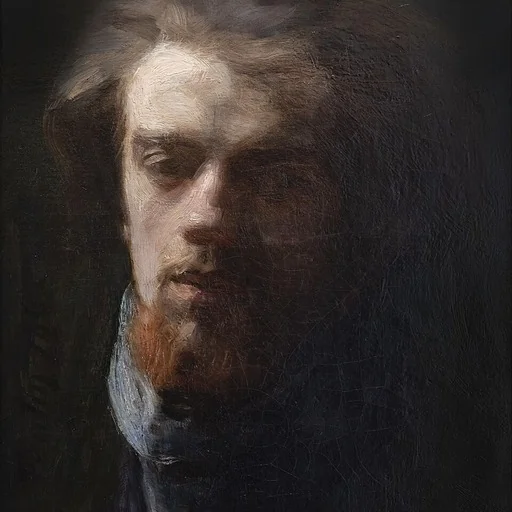
Ignace Henri Jean Theodore Fantin-Latour (French pronunciation: ; 14 January 1836 – 25 August 1904) was a French painter and lithographer best known for his flower paintings and group portraits of Parisian artists and writers.

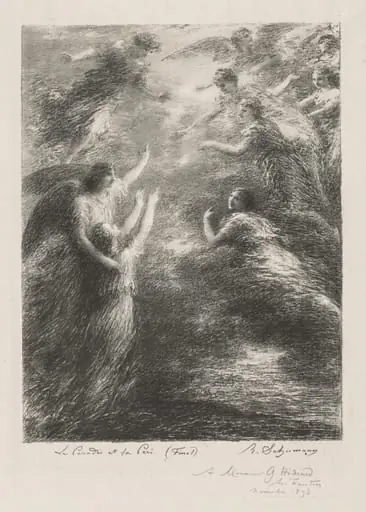 Le Paradis et la Peri
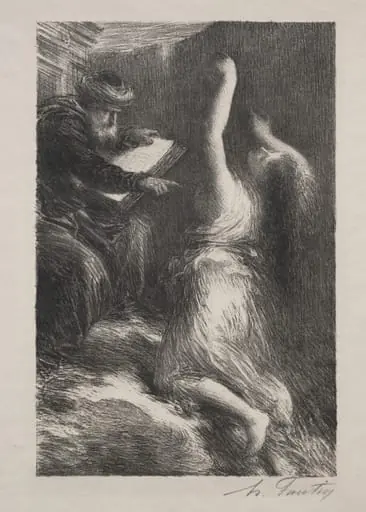 Parsifal, Act II: Evocation of Kundry
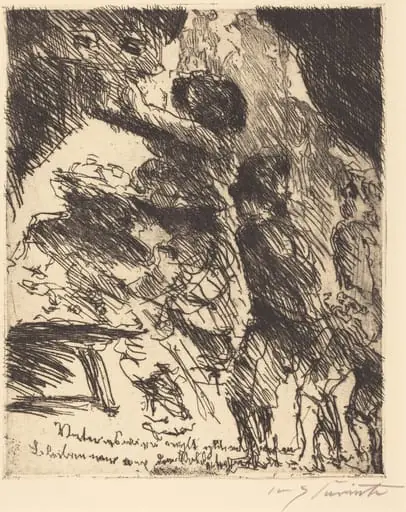 "Vater, es wird nicht gut ablaufen, bleiben wir von dem soldatenhaufen" ("Father, This Won't Turn Out Well, We should stay away from the gang of soldiers")
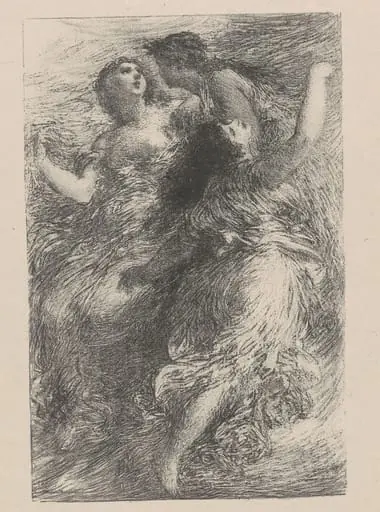 L'Or du Rhin -- Les Filles du Rhin
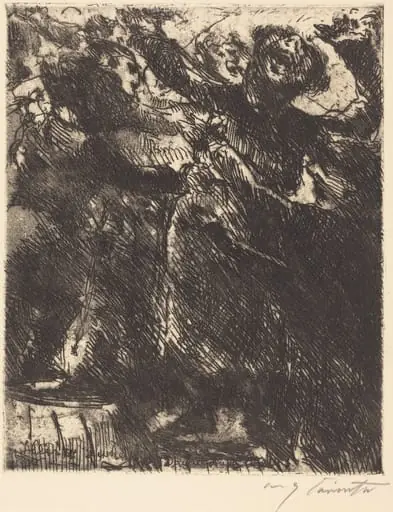 Kapuzinerpredigt—"Hetzt sich lieber herum mit der Dirn'" (The Capuchin's Sermon—"He Prefers to Run Around with a Girl")
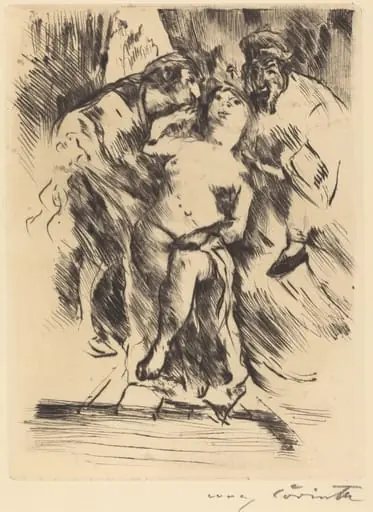 Susanna im Bade (Susanna in the Bath)
 Fantastic Symphony: A Ball