Artwork
Studies of Female Nudes
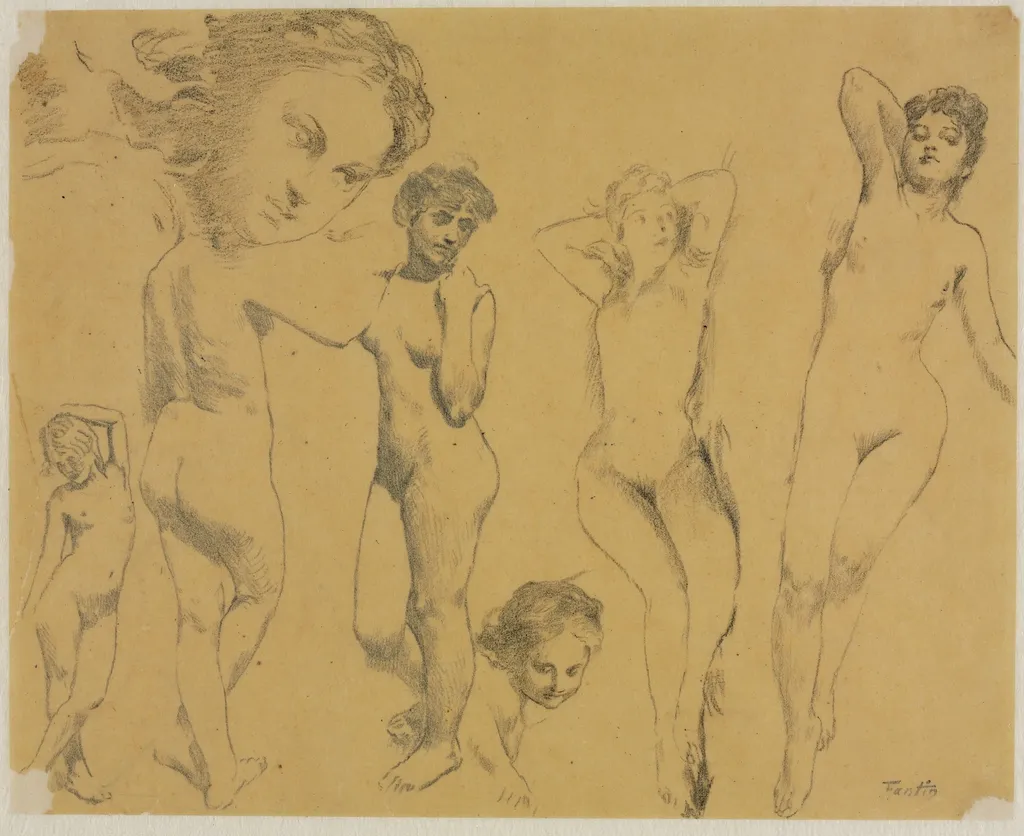
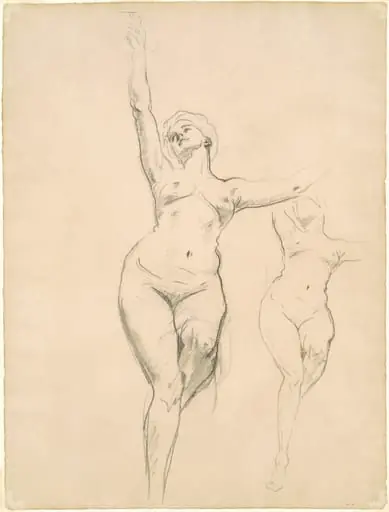
Studies of Female Nudes is a drawing by the Impressionist artist Henri Fantin-Latour. It dates from 1895 and is held in the collection of the Cleveland Museum of Art.
About this work
Overview
The work resides in the collection of The Cleveland Museum of Art and represents a series of rapid, observational sketches rather than a finished composition.
Created around 1895, *Studies of Female Nudes* is a charcoal drawing by Henri Fantin-Latour, a French artist more widely recognized for his still lifes and group portraits. The work resides in the collection of The Cleveland Museum of Art and represents a series of rapid, observational sketches rather than a finished composition. Its informal nature suggests it was made as preparatory work, reflecting the artist’s ongoing engagement with the human form.
Subject & Meaning
The drawing depicts five female figures in varied poses—standing, crouching, leaning—without narrative context or environmental detail. The absence of facial specificity and the emphasis on posture and volume indicate an interest in anatomical study rather than individual identity. These figures serve as exercises in movement and balance, revealing the artist’s focus on the physical presence of the body in space.
Technique & Style
Fantin-Latour employed loose, energetic charcoal strokes to suggest form without definition. The lines are unrefined, with no shading or background to anchor the figures, allowing the viewer to concentrate on gesture and silhouette. This method prioritizes immediacy over polish, aligning with the tradition of academic life drawing, where speed and observation were valued over finish.
History & Provenance
The drawing entered the collection of The Cleveland Museum of Art as part of its broader acquisition of 19th-century European works. While its exact provenance prior to museum acquisition is not widely documented, its existence within Fantin-Latour’s oeuvre reflects his consistent practice of sketching from life, a habit maintained even as his public reputation centered on more formal compositions.
Context
In the late 19th century, artists across Europe increasingly turned to direct observation of the nude as a foundation for artistic training. Fantin-Latour’s sketches align with this academic tradition, though his approach diverges from the idealized forms favored by academic painters. His sketches reflect a quieter, more personal engagement with the model, distinct from the theatricality of contemporaries like Degas.
Legacy
Though not exhibited publicly during his lifetime, these studies offer insight into Fantin-Latour’s working process and his commitment to drawing as a discipline. They stand as quiet counterpoints to his polished portraits and floral works, revealing a more spontaneous side of his practice. Today, they are valued for their honesty and directness within the context of late 19th-century figure study.
Artist & collection
Artist
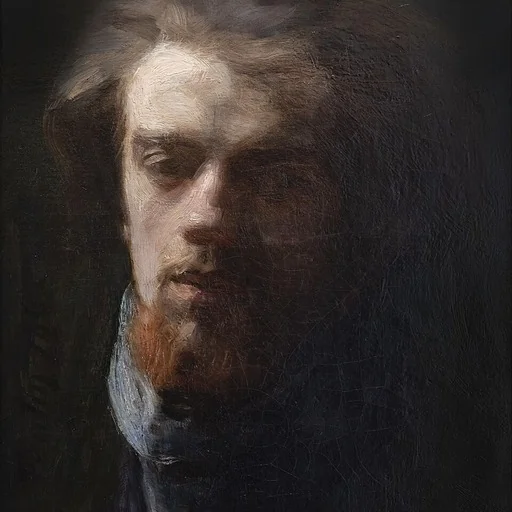
Ignace Henri Jean Theodore Fantin-Latour (French pronunciation: ; 14 January 1836 – 25 August 1904) was a French painter and lithographer best known for his flower paintings and group portraits of Parisian artists and writers.

 October
 Studies of Victory for "Death and Victory"
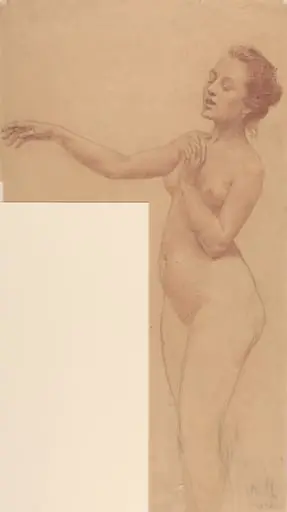 Female Nude with Outstretched Arm
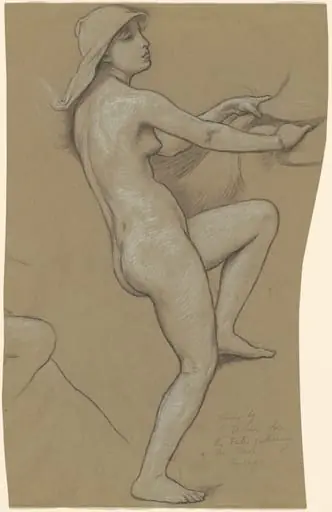 Study for "The Fates Gathering in the Stars"
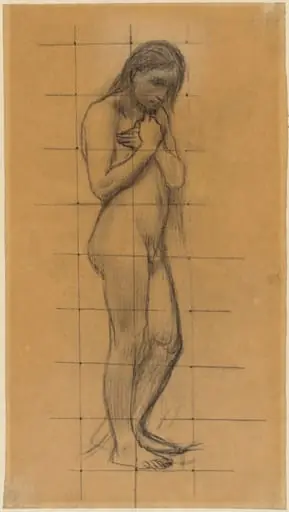 A Standing Male Nude
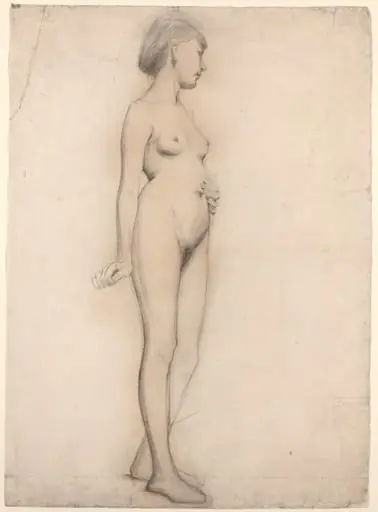 Standing Nude Girl
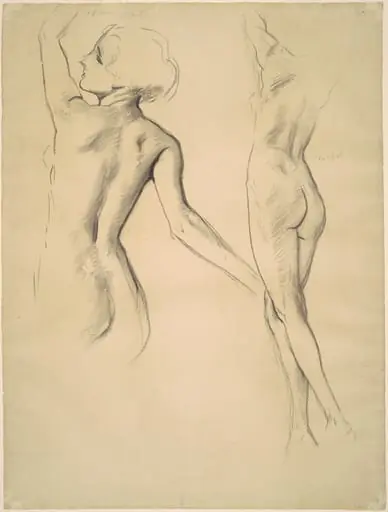 Studies for "Dancing Figures"
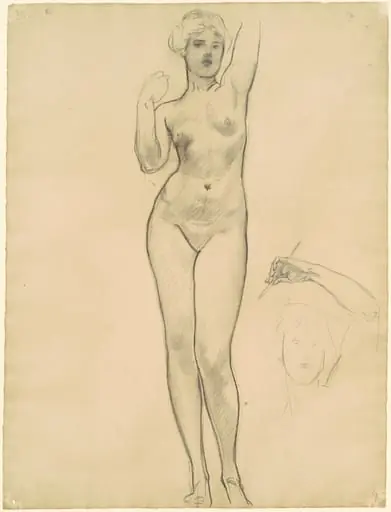 Studies of Aphrodite for "Aphrodite and Eros"
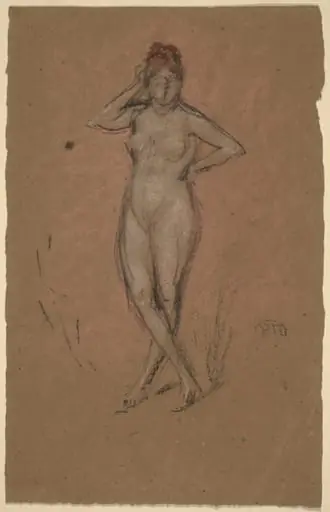 Nude Standing with Legs Crossed
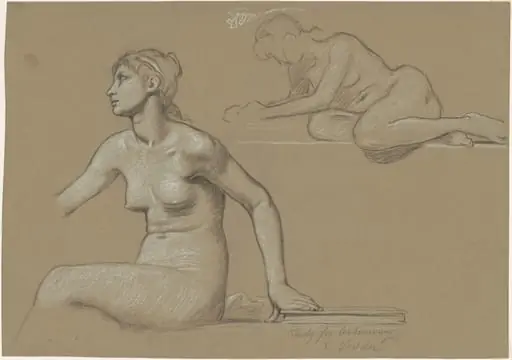 Study for "Astronomy"
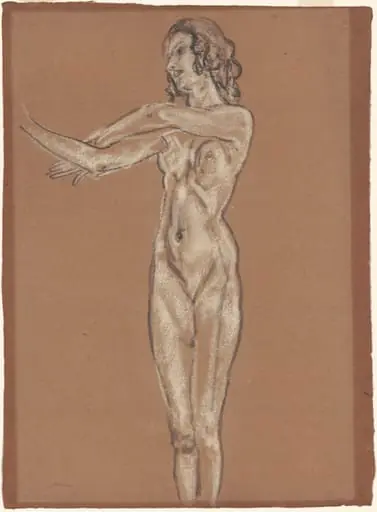 Female Nude
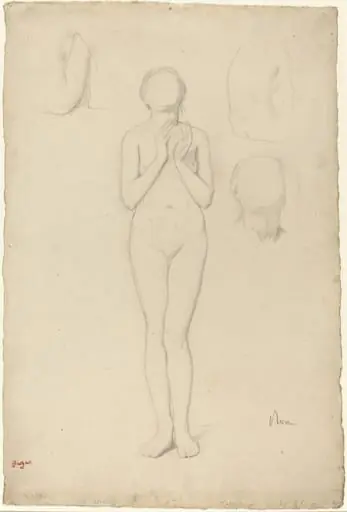 Study of a Female Nude