Artwork
Tannhäuser on the Venusberg
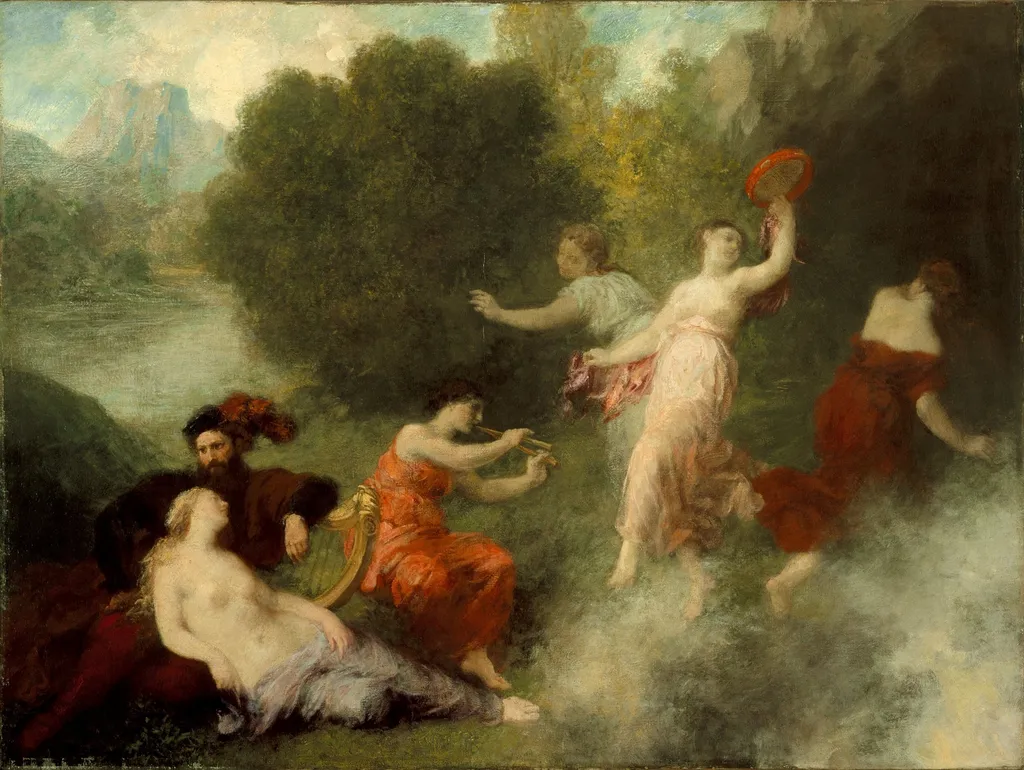
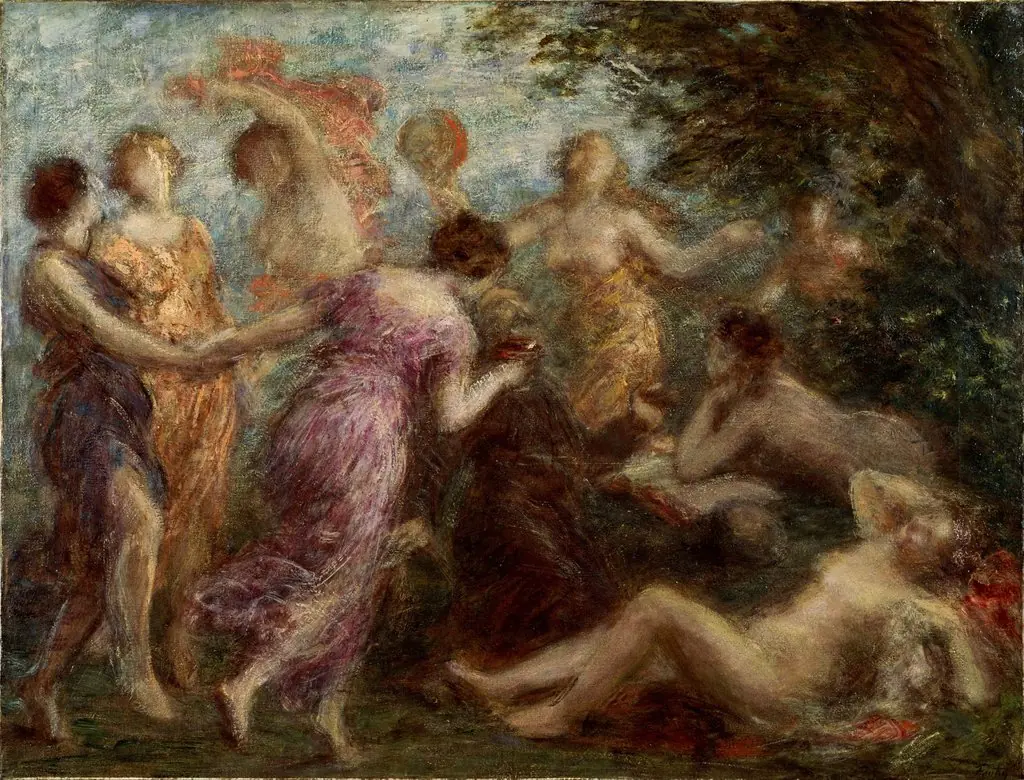
Tannhäuser on the Venusberg is an unspecified painting by the Realist artist Henri Fantin-Latour. It dates from 1864 and is held in the collection of the Los Angeles County Museum of Art.
About this work
Overview
Henri Fantin-Latour painted *Tannhäuser on the Venusberg* in 1864, a rare departure from his usual subjects of flowers and literary portraits. Though associated with Realism, this work engages with mythological and literary themes drawn from Wagner’s opera. It is held in the collection of the Los Angeles County Museum of Art, where it stands as an atypical example of the artist’s broader output.
Subject & Meaning
Fantin-Latour captures a moment of moral suspension, reflecting the opera’s tension between sensual indulgence and penitence.
The painting depicts the medieval minnesinger Tannhäuser, torn between earthly desire and spiritual redemption, as he reclines amid the seductive, dreamlike realm of Venus’s mountain. Fantin-Latour captures a moment of moral suspension, reflecting the opera’s tension between sensual indulgence and penitence. The figures around him are passive, their presence amplifying the isolation of the central figure.
Technique & Style
Fantin-Latour employs a subdued palette and precise draftsmanship, characteristic of his Realist training. The figures are rendered with quiet clarity, avoiding theatricality despite the mythological subject. Soft modeling and muted tones create an atmosphere of introspection, contrasting with the lush, otherworldly setting. His handling of texture and light suggests a deliberate restraint, distancing the scene from Romantic excess.
History & Provenance
Completed in 1864, the painting was likely influenced by Fantin-Latour’s interest in contemporary music and literature, particularly Wagner’s *Tannhäuser*, which premiered in Paris that year. It remained in private hands until entering LACMA’s collection, where it has been exhibited as a significant, if unusual, work in the artist’s oeuvre.
Context
In mid-19th-century Paris, Wagner’s operas stirred debate among artists and intellectuals. Fantin-Latour, though not a radical, engaged with these cultural currents. His choice to depict Tannhäuser reflects a broader fascination with mythic narratives among painters seeking to reconcile classical themes with modern sensibilities, even as Realism dominated the official salons.
Legacy
Though overshadowed by his still lifes and portraits, *Tannhäuser on the Venusberg* remains a key indicator of Fantin-Latour’s intellectual range. It illustrates how even artists associated with quiet observation could respond to the dramatic currents of their time. The painting continues to be studied for its nuanced synthesis of literary reference and painterly discipline.
Own this work as a print
Artist & collection
Artist
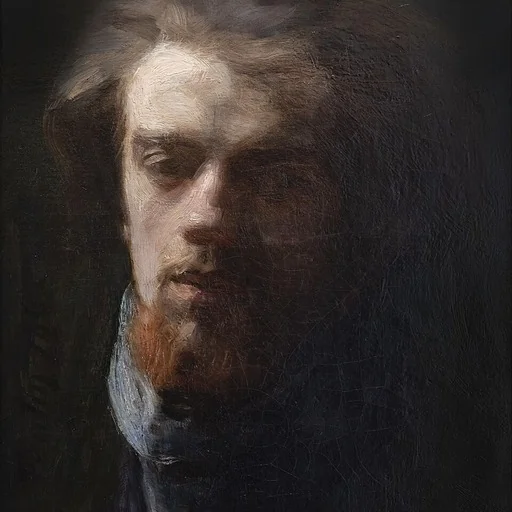
Ignace Henri Jean Theodore Fantin-Latour (French pronunciation: ; 14 January 1836 – 25 August 1904) was a French painter and lithographer best known for his flower paintings and group portraits of Parisian artists and writers.

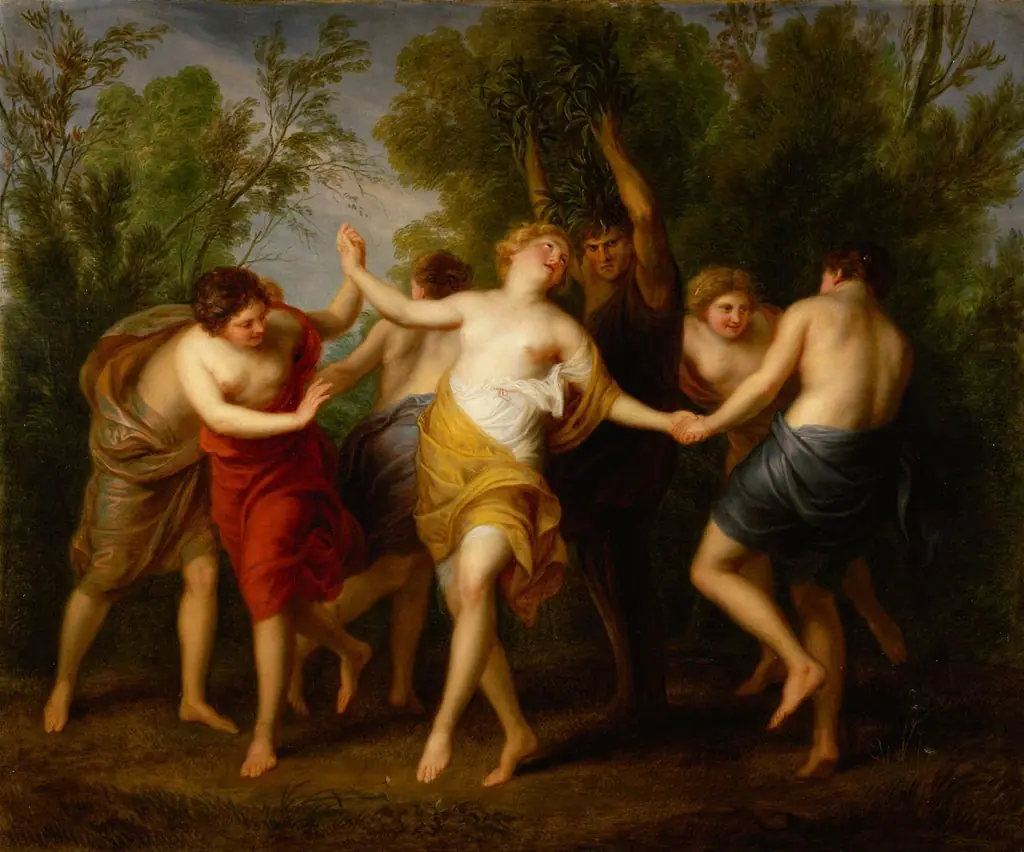 Verwandlung des Apulus in einen Ölbaum
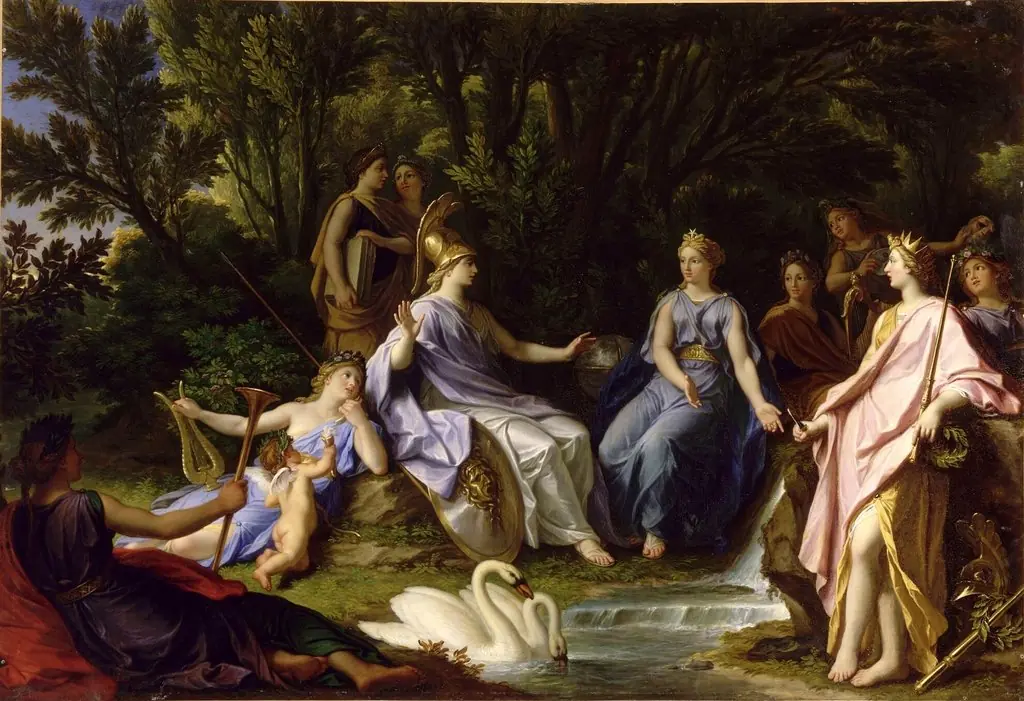 Story of Minerva - The Muses Showing Minerva Hippocrene Waters of the River that Brings Out Pegasus
 The Temptation of St. Anthony
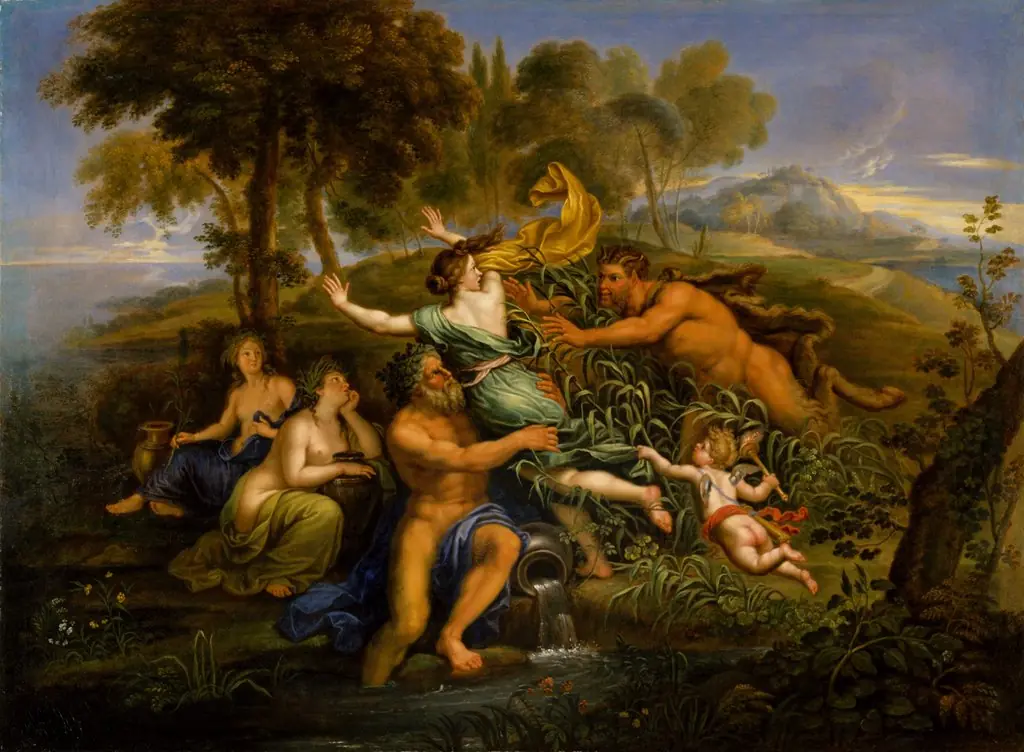 Pan and Syrinx
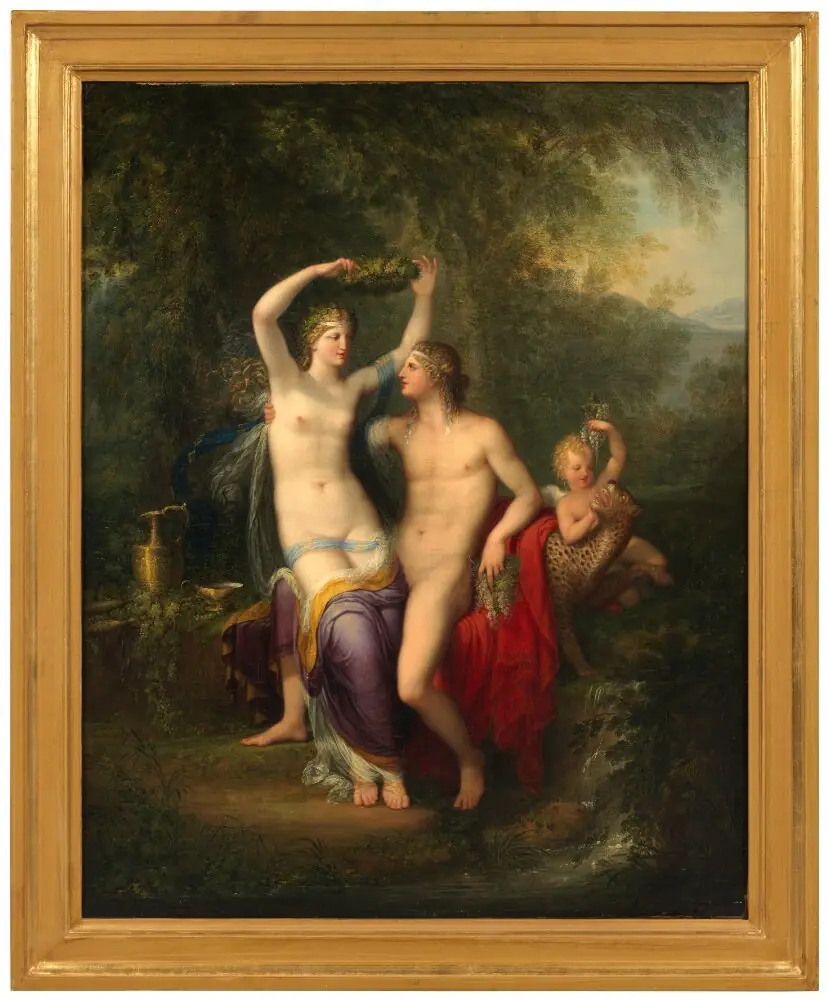 Dionysos (Bacchus) and Ariadne
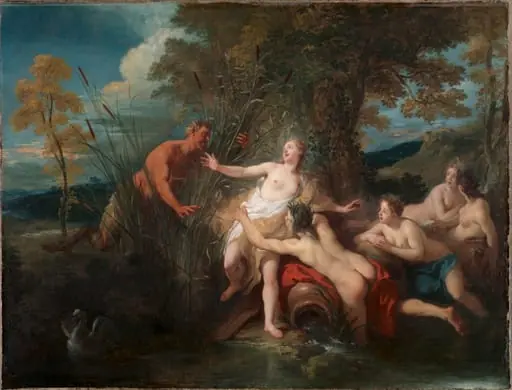 Pan and Syrinx
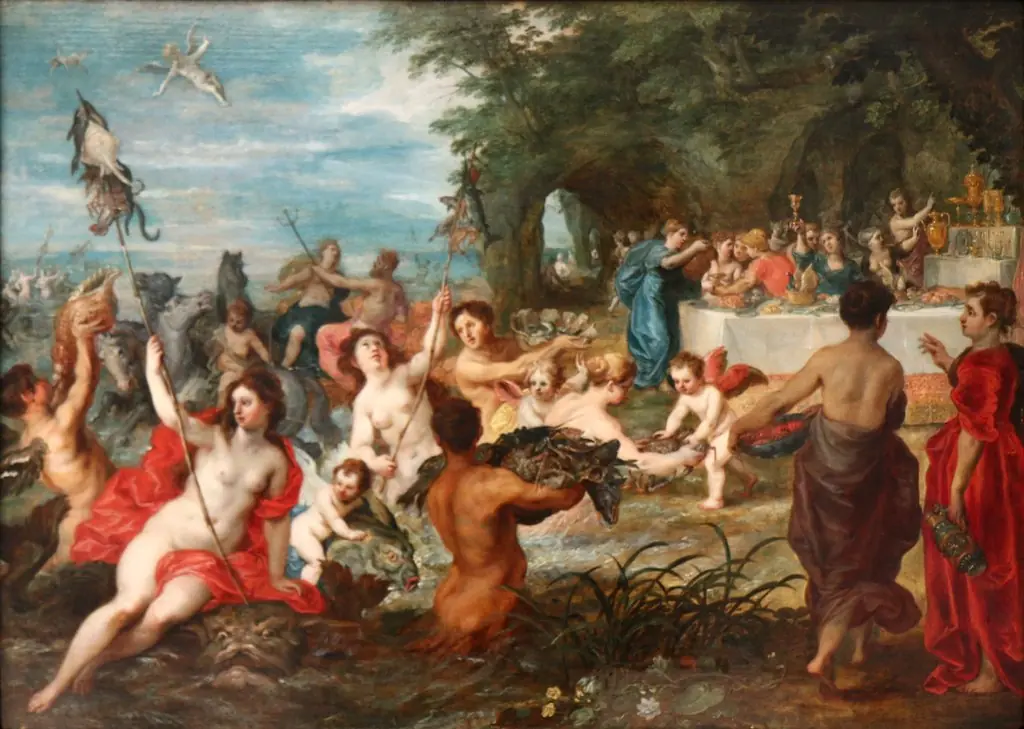 The wedding of Thetis and Peleus
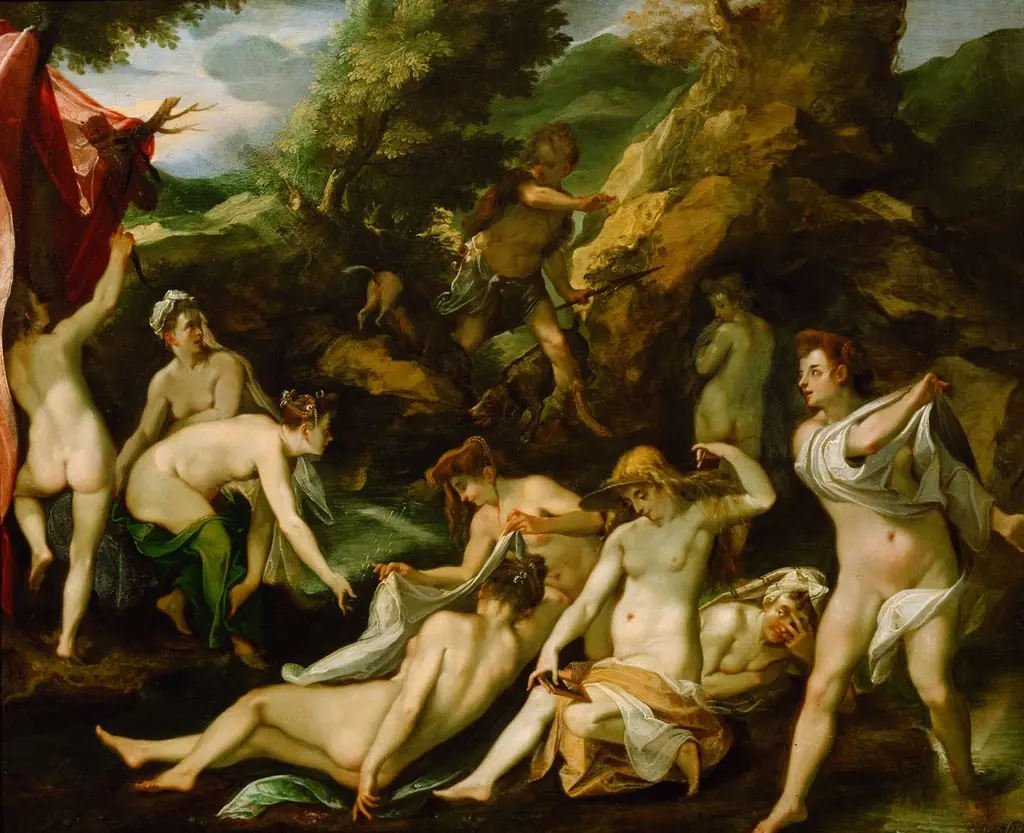 Diana and Actaeon
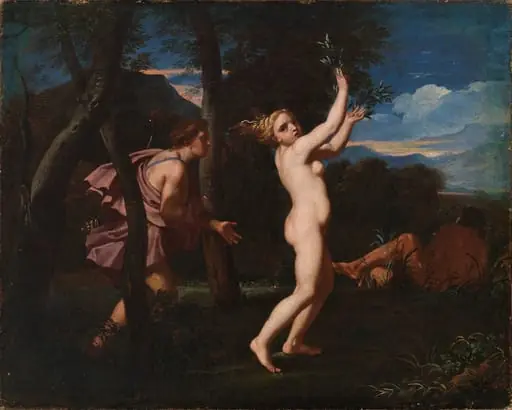 Apollo ja Dafne
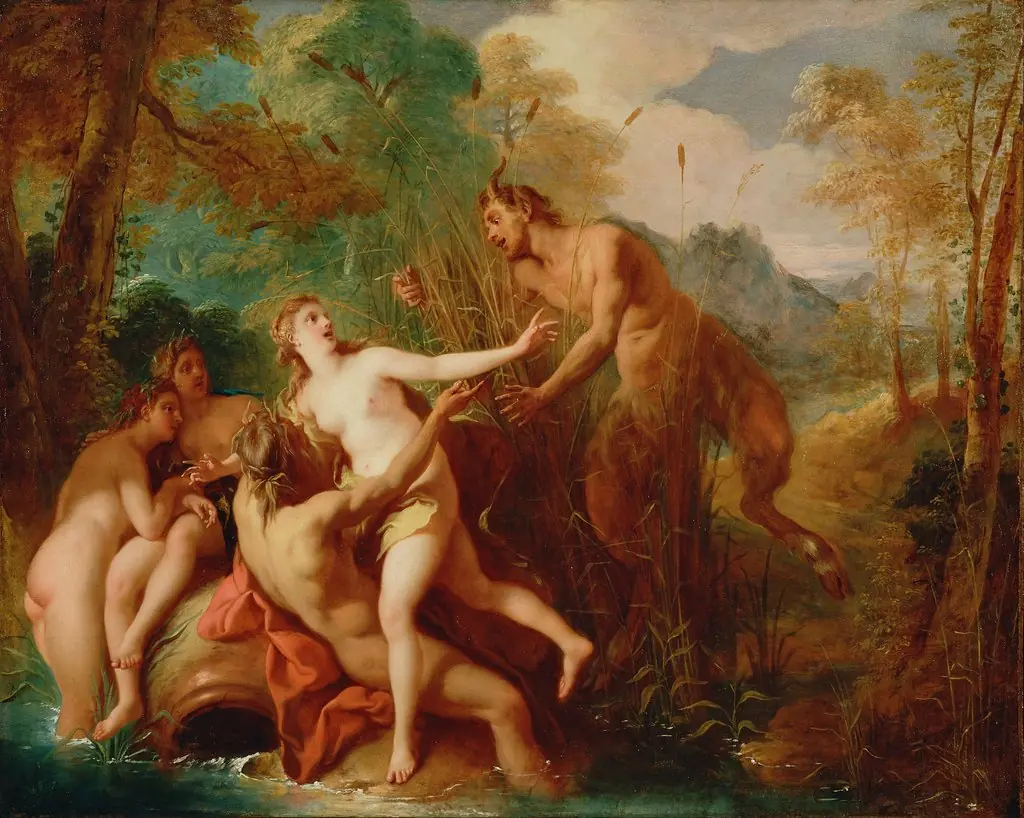 Pan and Syrinx