Artwork
Pan and Syrinx
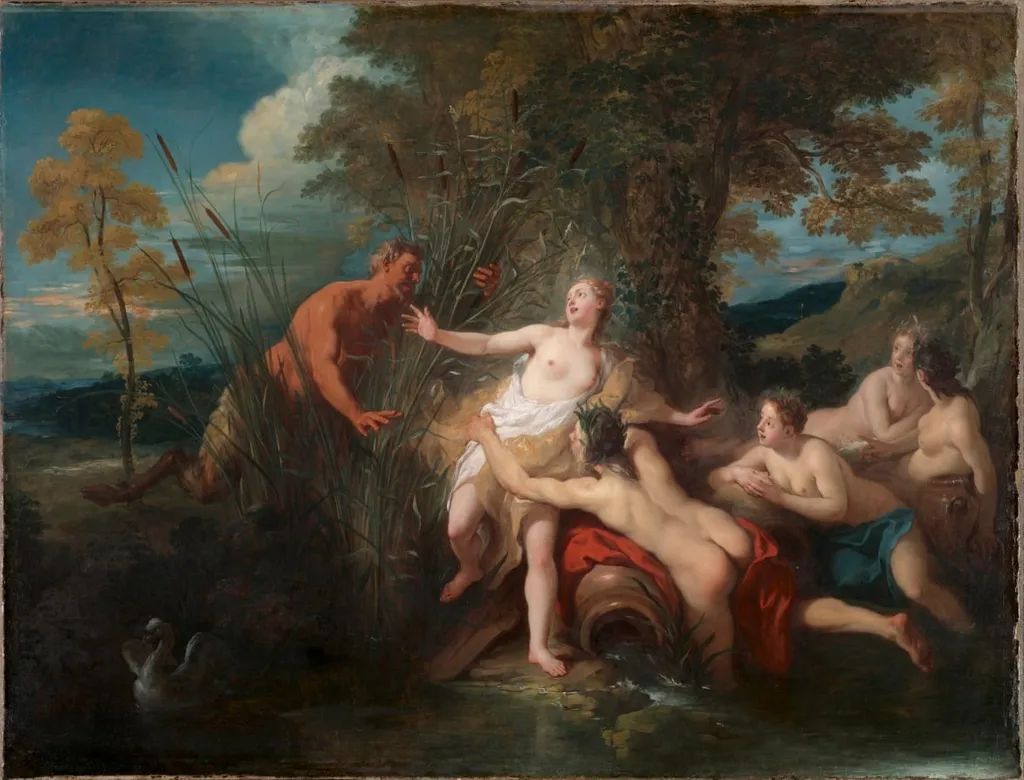
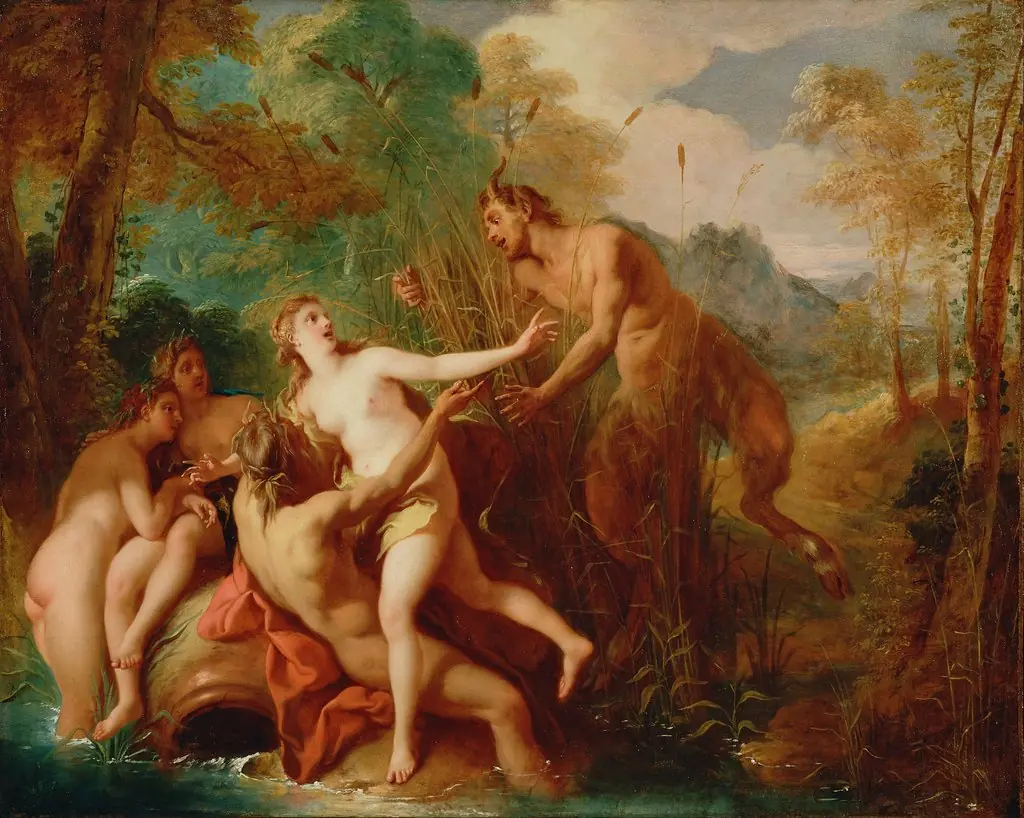
Pan and Syrinx is an unspecified painting by the Baroque artist Jean-François de Troy. It dates from 1720 and is held in the collection of the Cleveland Museum of Art.
About this work
Overview
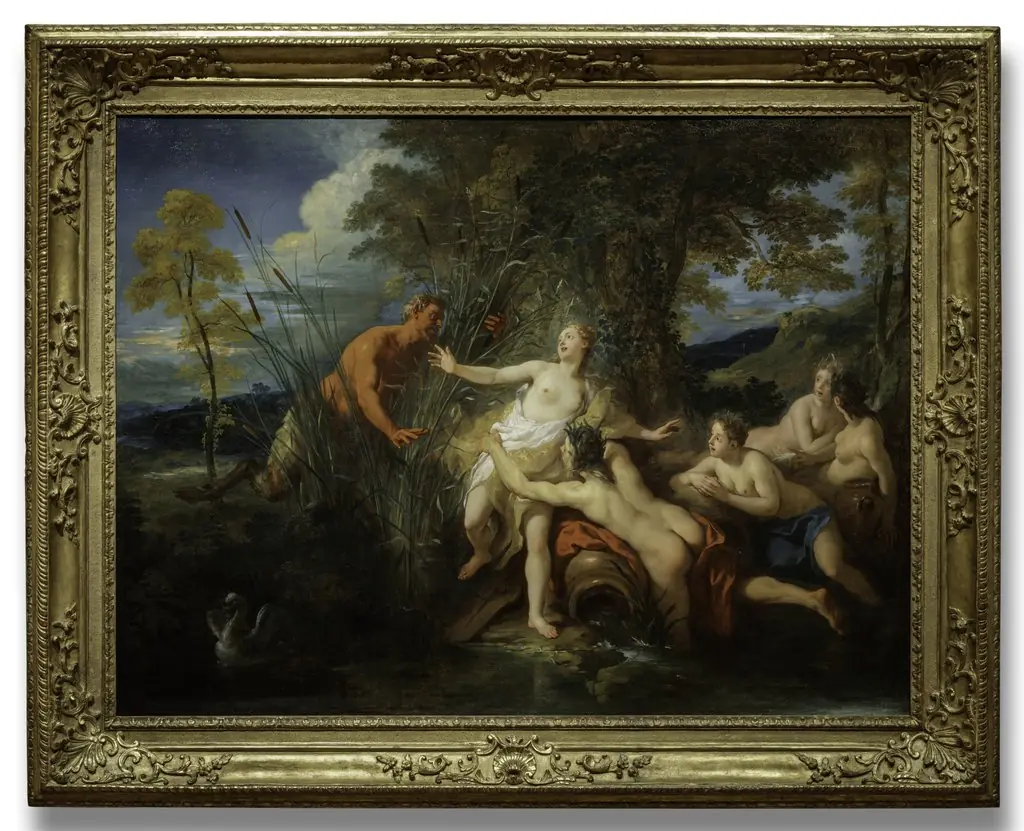
Jean François de Troy’s canvas portrays the myth of Pan and Syrinx, drawing on Ovid’s Metamorphoses. The composition places the half‑goat god in pursuit of the fleeing nymph amid a verdant woodland, her garment caught on a shrub as she tries to escape.
Subject & Meaning
The narrative illustrates Syrinx’s desperate plea for refuge from Pan’s unwanted advances, culminating in her transformation into reeds—a metamorphosis that explains the origin of Pan’s signature instrument, the panpipes.
Technique & Style
De Troy employs a sumptuous palette and robust modeling of flesh, rendering the figures with a sensuous fullness characteristic of his work for aristocratic patrons. The painting is executed in opaque, impasto oil, emphasizing the tactile quality of skin and drapery.
History & Provenance
Created for a private collector who favored mythological scenes of love and desire, the work reflects the early‑18th‑century French taste for classical subjects rendered with decorative elegance. Its later ownership records trace it through European collections before entering a public museum.
Context
Mythological subjects demanded both anatomical skill and familiarity with ancient literature, a combination that de Troy supplied for elite clientele. The painting aligns with contemporary trends that celebrated classical narratives as vehicles for displaying refined technique and fashionable taste.
Artist & collection
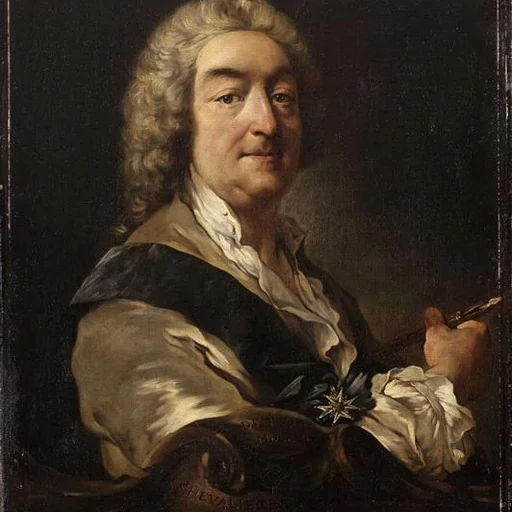
Artist
Jean-François de Troy (27 January 1679, Paris – 26 January 1752, Rome) was a French Rococo easel and fresco painter, draughtsman and tapestry designer.