Artwork
Portrait of P.P. Lachinov
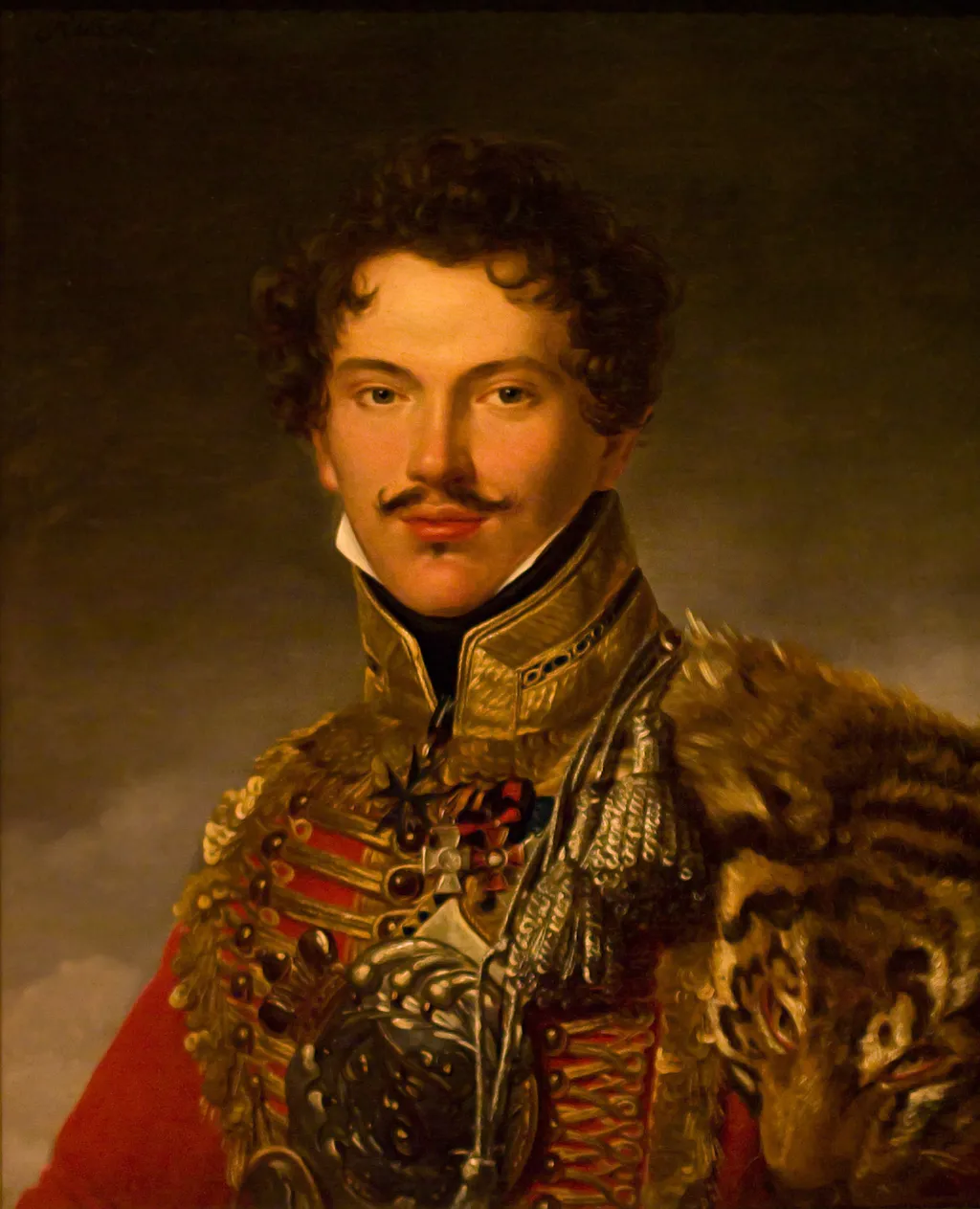
Portrait of P.P. Lachinov is an oil painting by the Neoclassicist artist Henri-François Riesener. It dates from 1821 and is held in the collection of the Hermitage Museum.
About this work
Overview
The work resides in the State Hermitage Museum, reflecting its historical significance within imperial Russian and French artistic circles.
Painted in 1821 by Henri-François Riesener, this oil portrait captures P.P. Lachinov, a Russian military officer, in formal attire. Riesener, known for his refined portraiture and lineage as the son of a renowned cabinet-maker, employed the precision of neoclassical technique to render a dignified civilian likeness. The work resides in the State Hermitage Museum, reflecting its historical significance within imperial Russian and French artistic circles.
Subject & Meaning
The subject, P.P. Lachinov, is depicted in a richly adorned military uniform, suggesting rank and state service. The absence of contextual elements emphasizes his personal presence rather than a narrative setting. The formal pose and elaborate regalia convey authority and social standing, typical of elite portraiture in early 19th-century Europe, where attire functioned as a visual language of power and identity.
Technique & Style
Riesener applied oil paint with subtle gradations to highlight the texture of gold embroidery and the smoothness of skin. Soft, directional lighting creates a gentle chiaroscuro, drawing attention to the uniform’s metallic details and the sitter’s facial features. The dark, neutral background isolates the figure, reinforcing the neoclassical preference for clarity and restraint over ornate surroundings.
History & Provenance
Commissioned during Riesener’s active years in Russia, the portrait entered the Hermitage collection in the 19th century, likely through imperial acquisition. Riesener, though French, worked extensively for Russian aristocracy, bridging cultural aesthetics. His son Léon would later shift toward Romanticism, making this portrait a point of contrast in the family’s artistic evolution.
Context
In the 1820s, Russian elites frequently commissioned French-trained artists to portray their status through Western conventions. Riesener’s work reflects this transnational trend, blending French technical polish with Russian military symbolism. The portrait aligns with broader European practices where uniformed portraiture served both personal commemoration and political assertion.
Legacy
The portrait endures as an example of early 19th-century cross-cultural patronage and refined portraiture. While Riesener is less widely known than his son, this work illustrates his skill in capturing aristocratic presence with quiet precision. Its preservation in the Hermitage ensures continued study of how European artistic styles were adapted within imperial Russian contexts.
Own this work as a print
Artist & collection
Artist
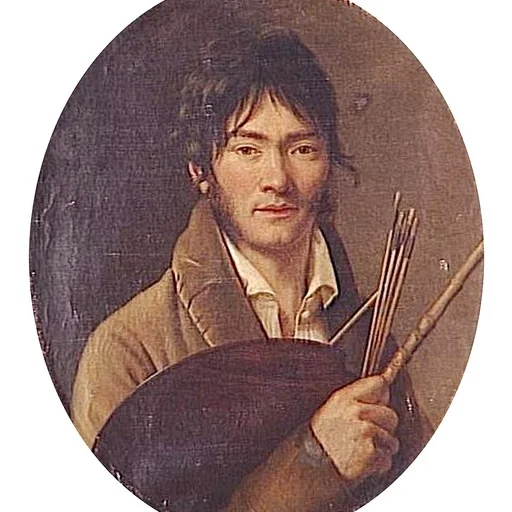
Henri-François Riesener (19 October 1767 – 7 February 1828) was a French portrait painter and miniaturist.

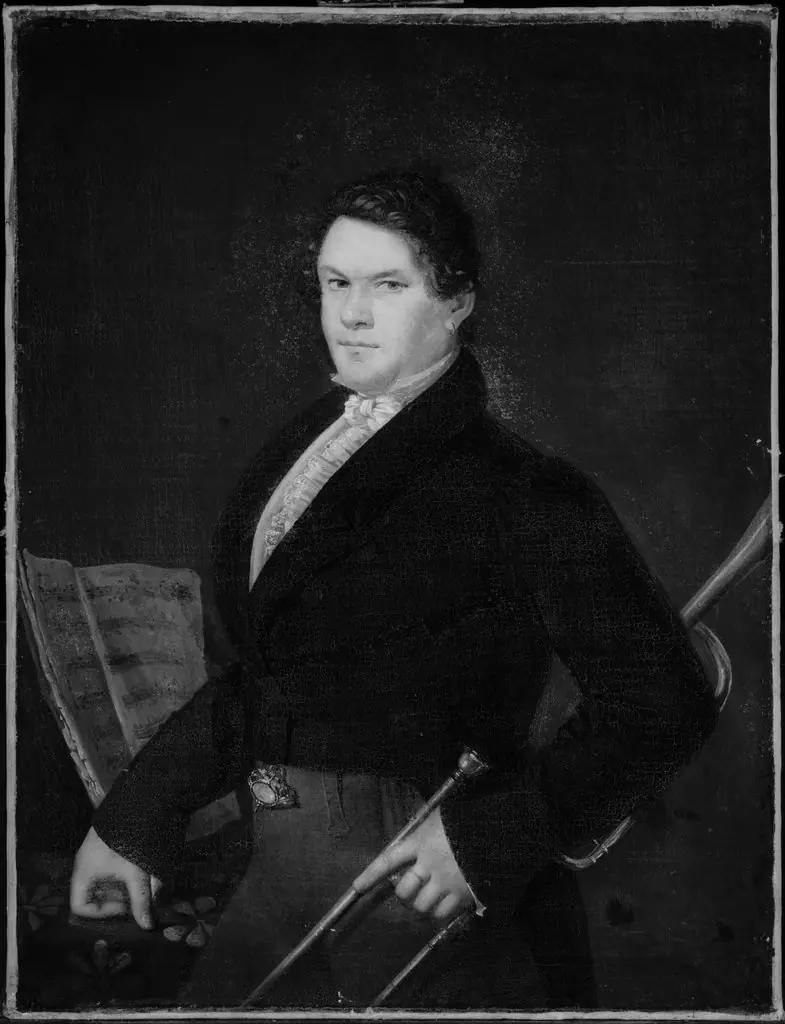 A Trombonist
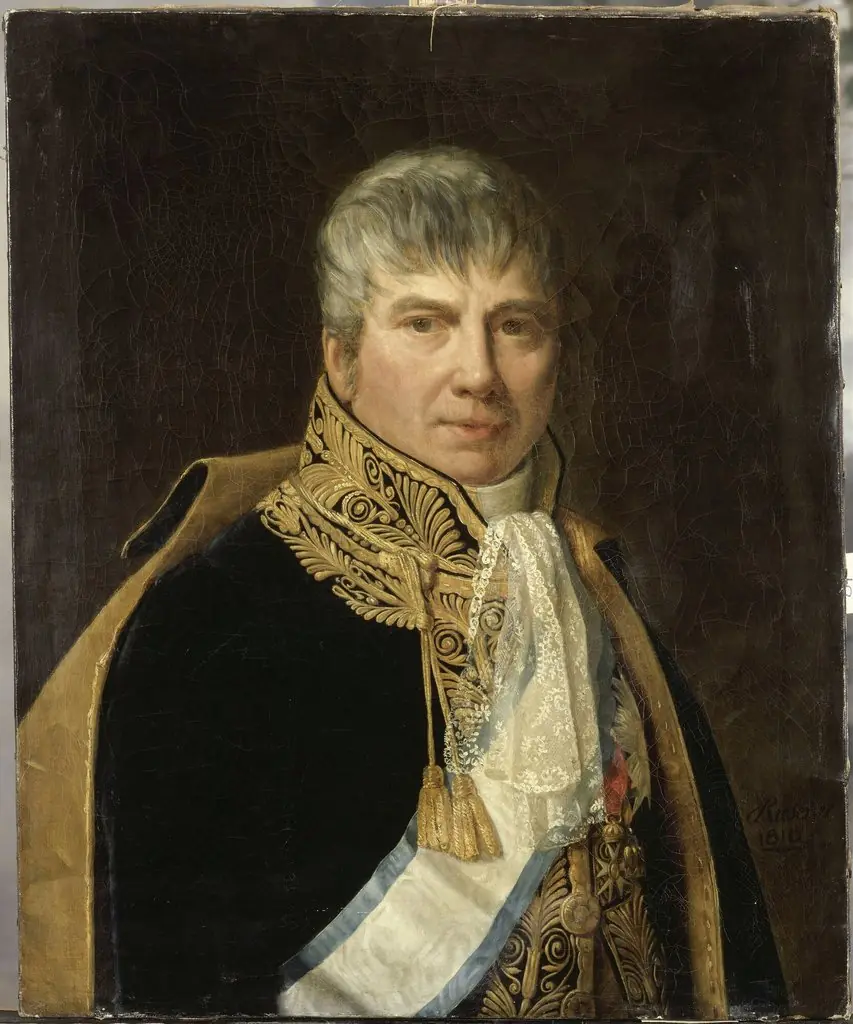
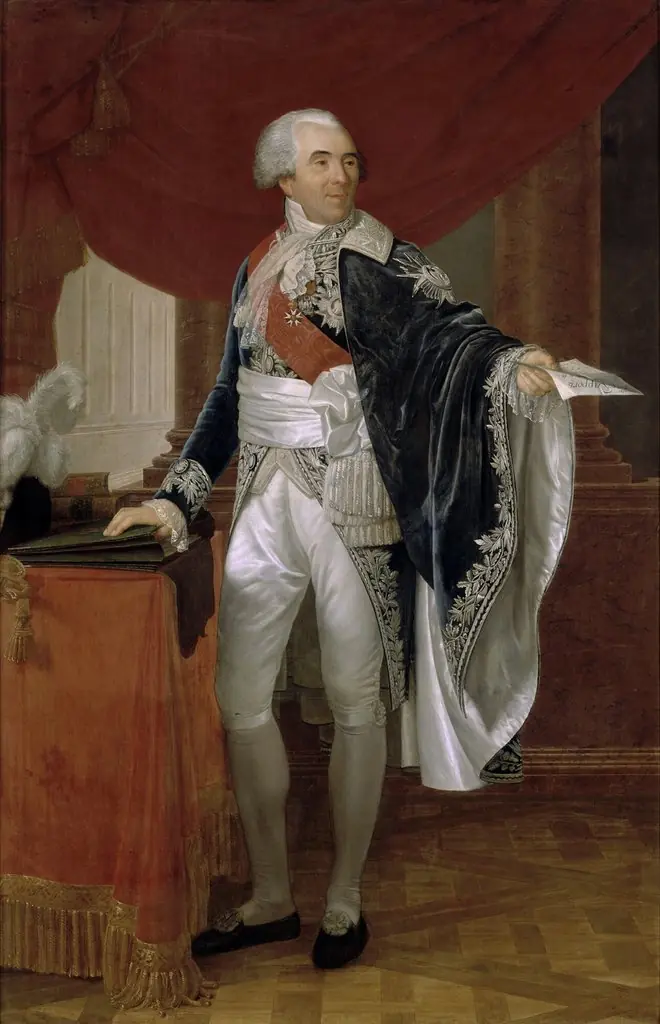 Jean-Gérard Lacués, count of Cessac (1752-1841)
 Michel, count Ordener, general (1755-1811)
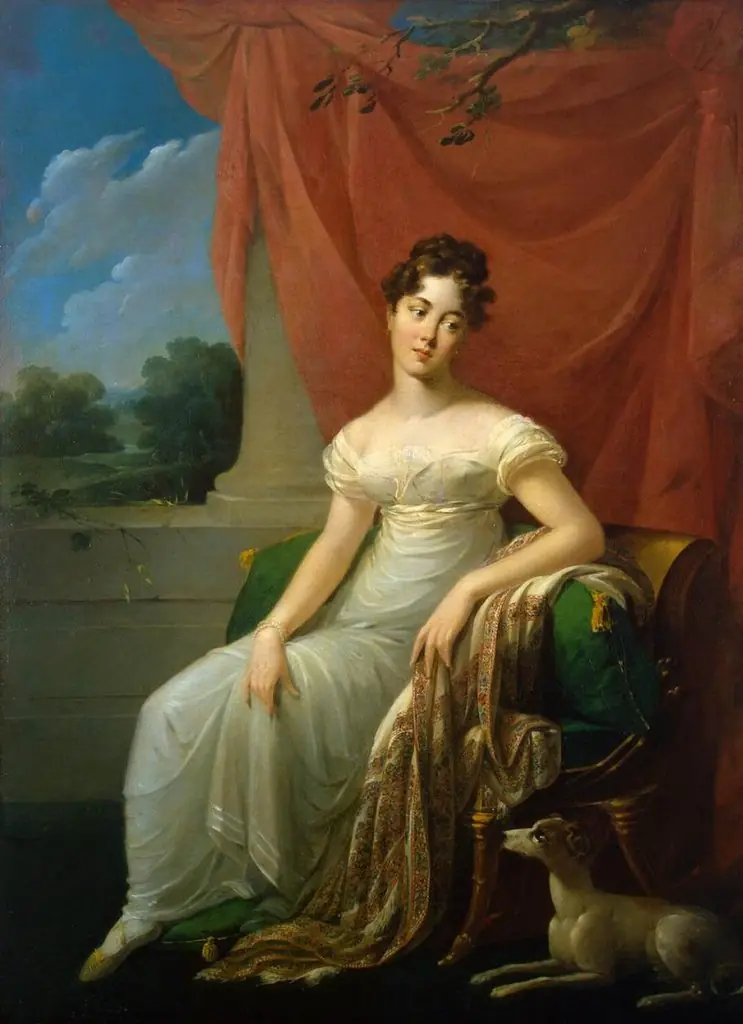 Portrait of Sofia Apraxina
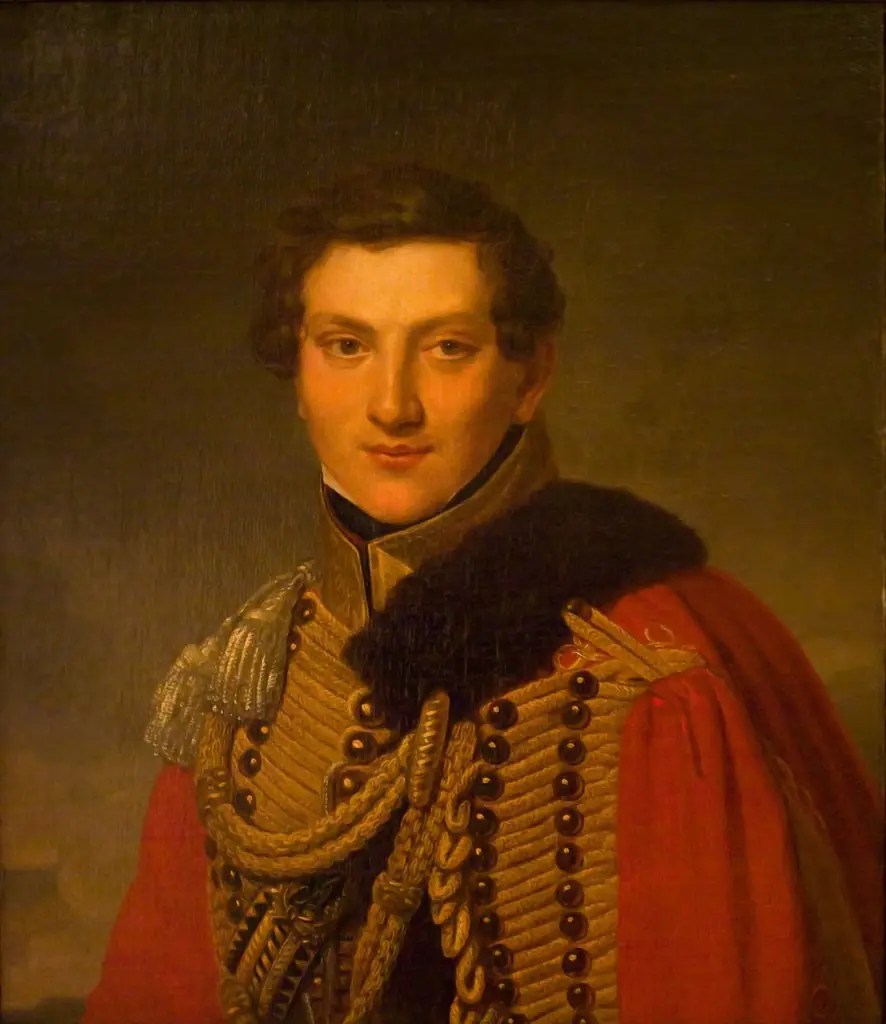 Portrait of V. Lanskoy
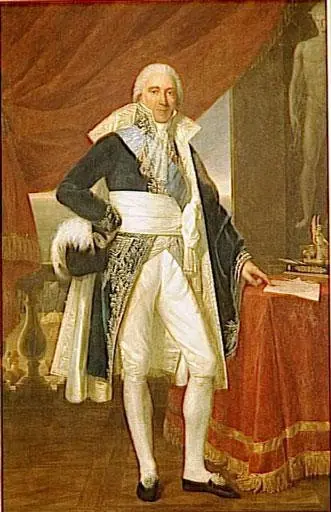 Jean-Baptiste Collin, comte de Sussy (1750-1826)
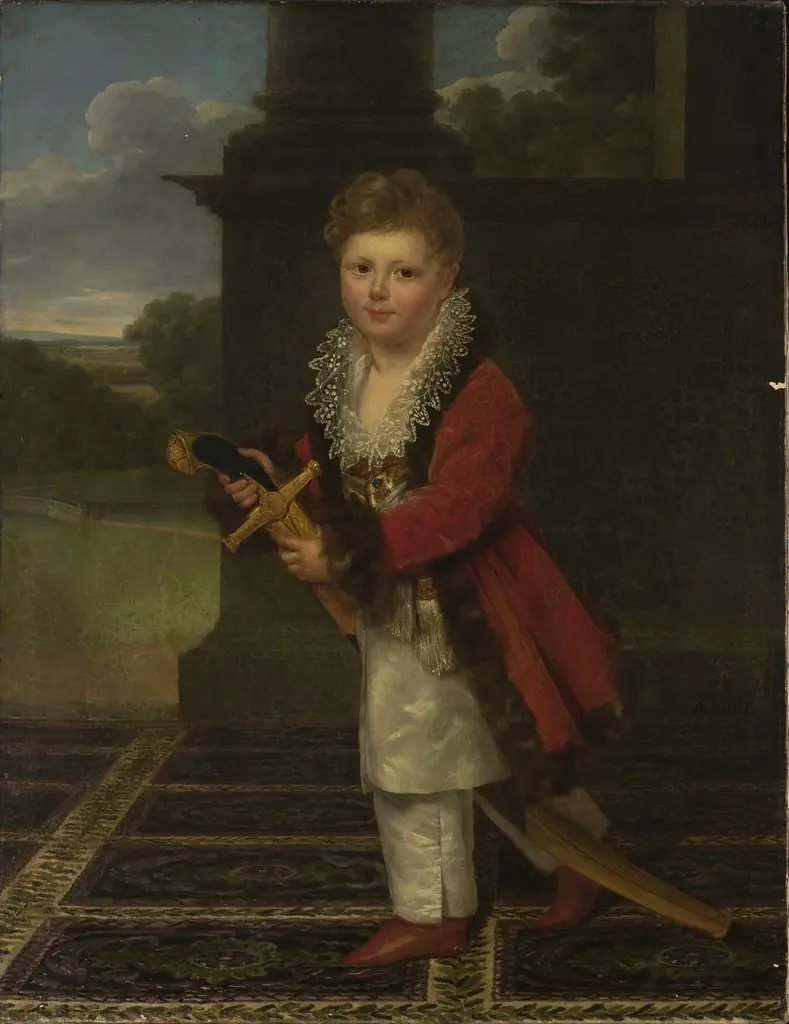 Childhood portrait of Zygmunt Krasiński (1812–1859) in the Polish costume with his father’s sword
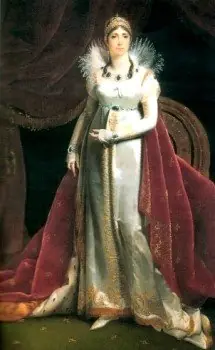 Porträt der Joséphine de Beauharnais (1763-1814)
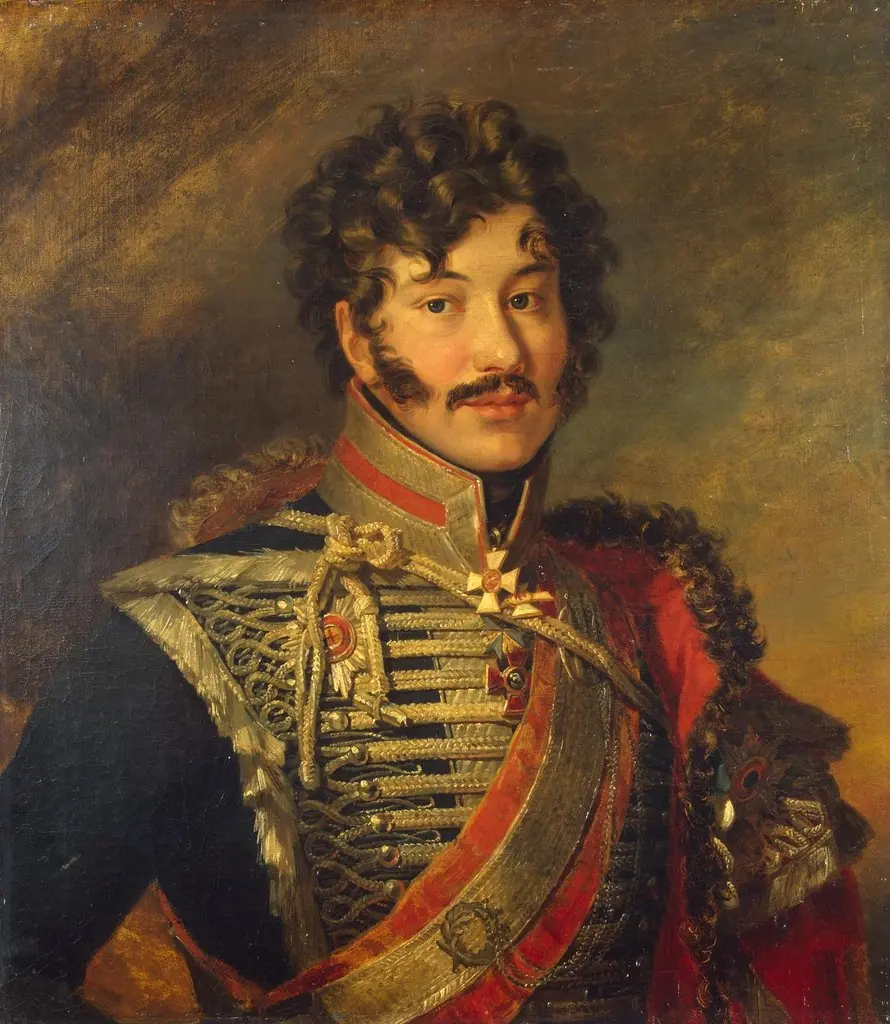 Portrait of Sergey N. Lanskoy (1774-1814)
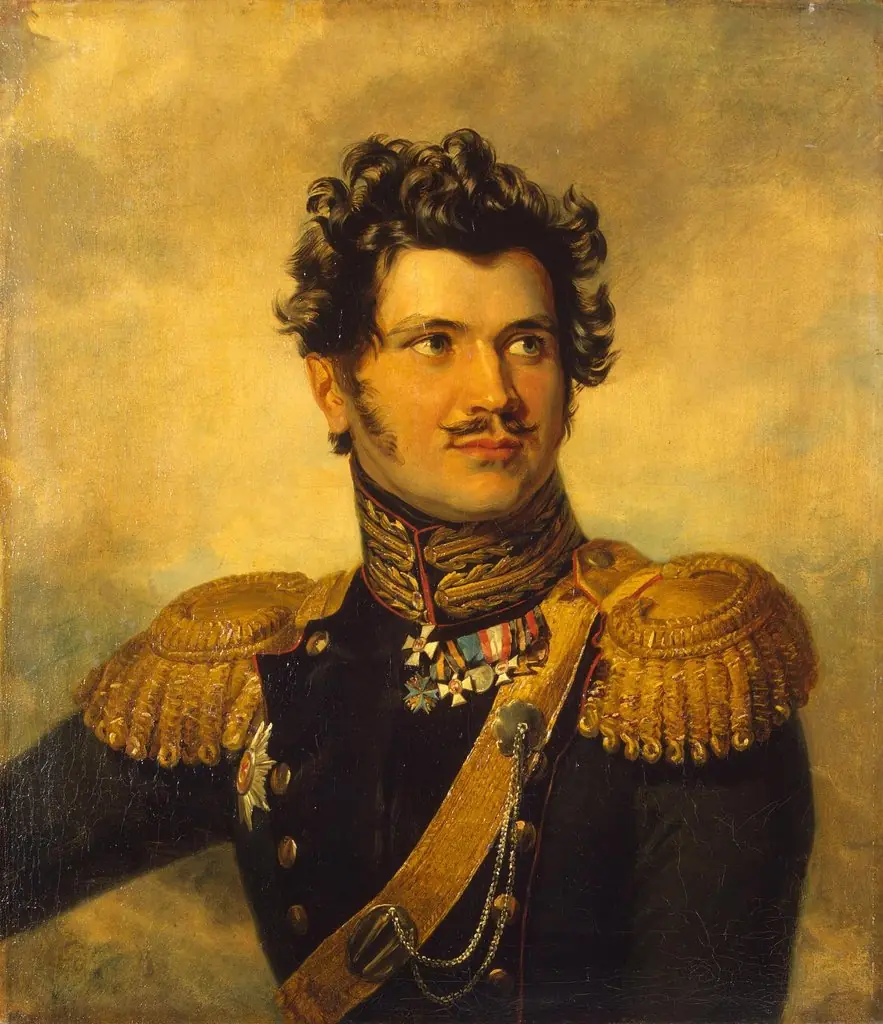 Portrait of Ivan O. Sukhozanet (1788-1861)
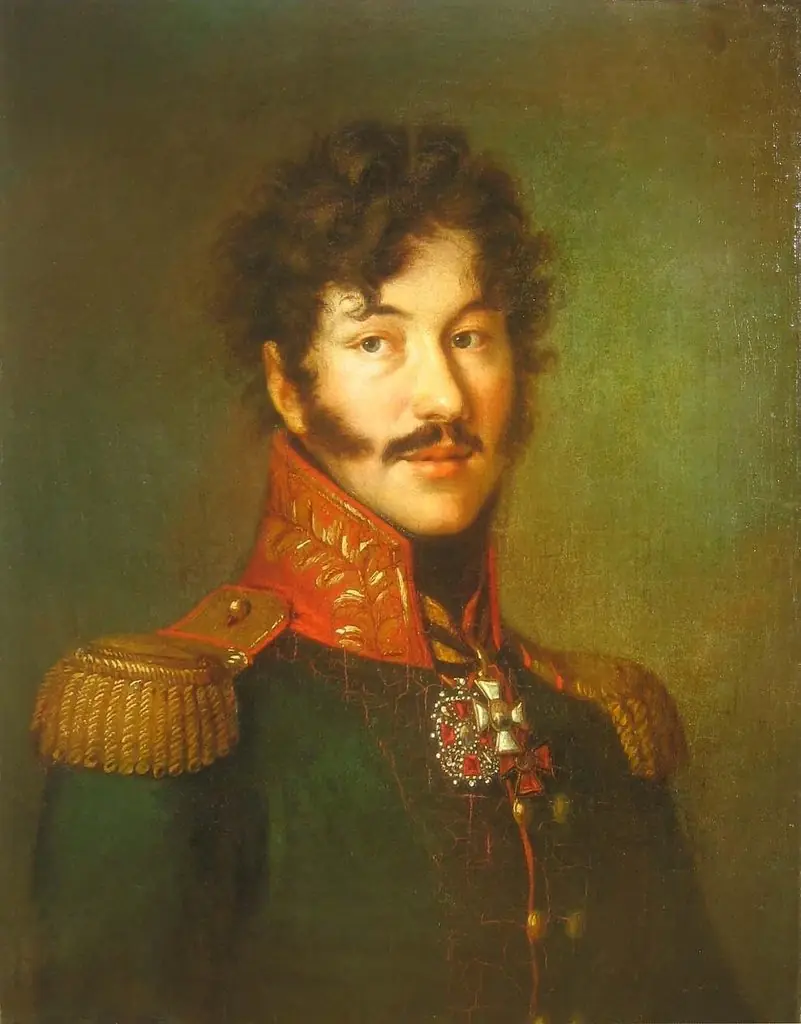 Portrait of S.N.Lanskoy
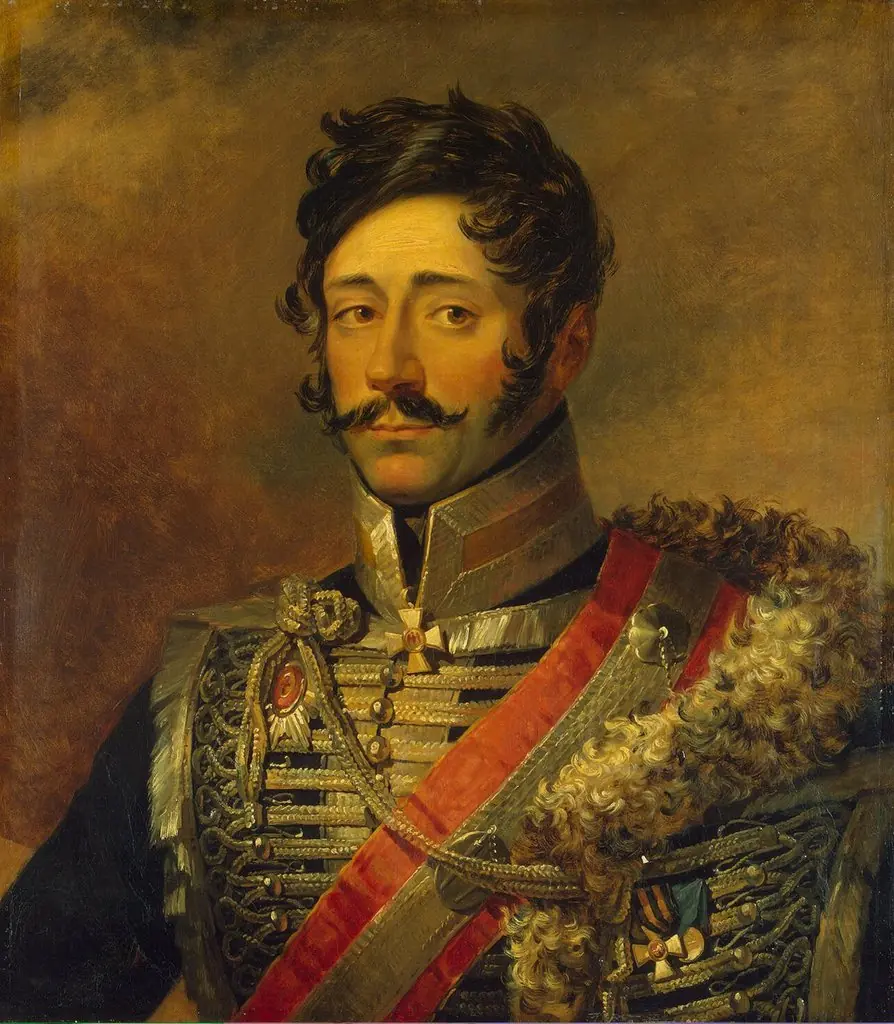 Portrait of Alexey P. Melissino (1759-1813)
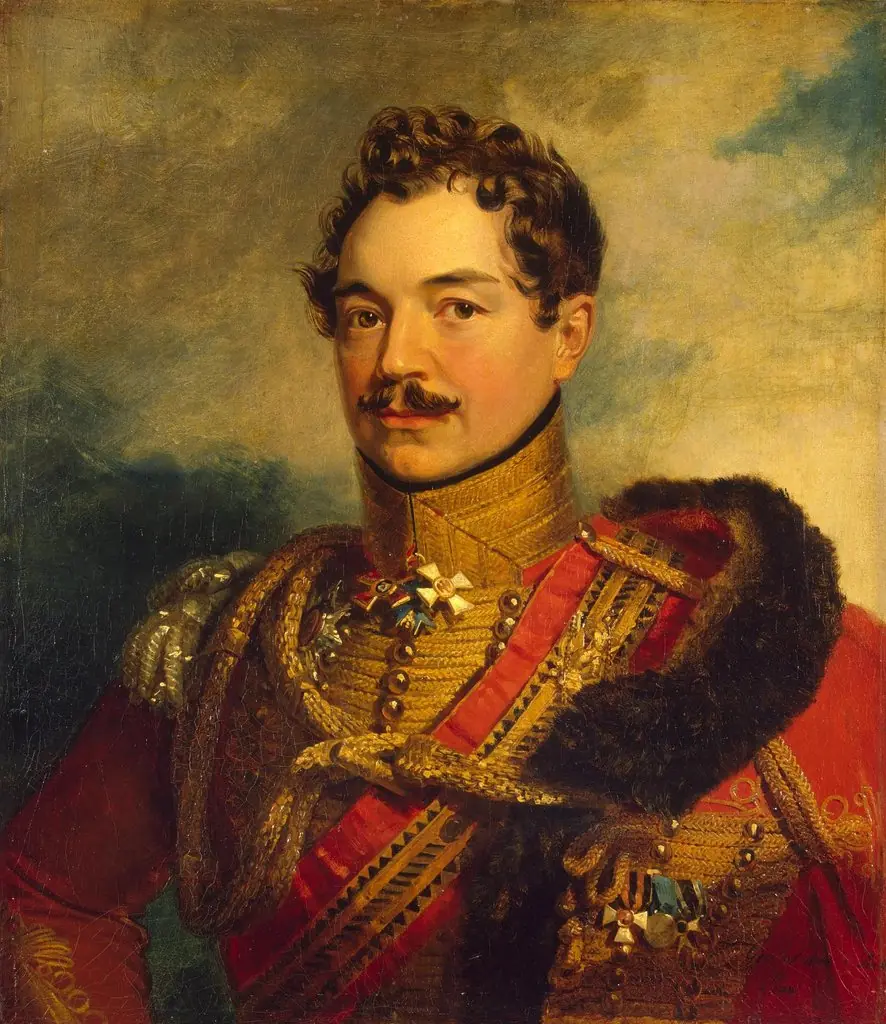 Portrait of Vasily V. Levashov (1783-1848)
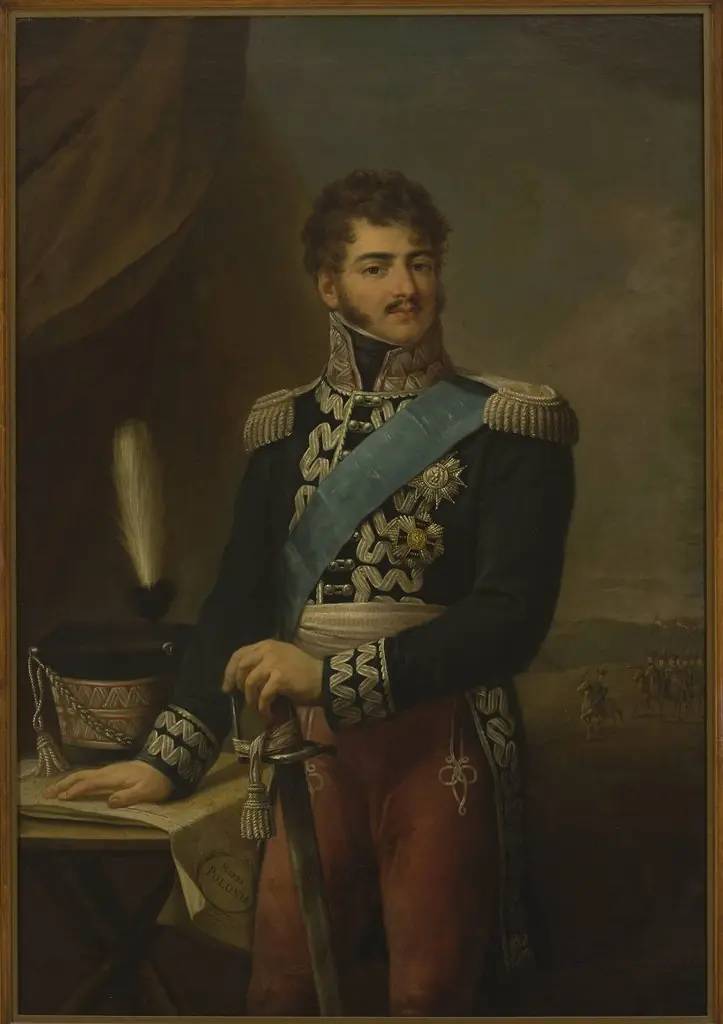 Portrait of Prince Józef Poniatowski
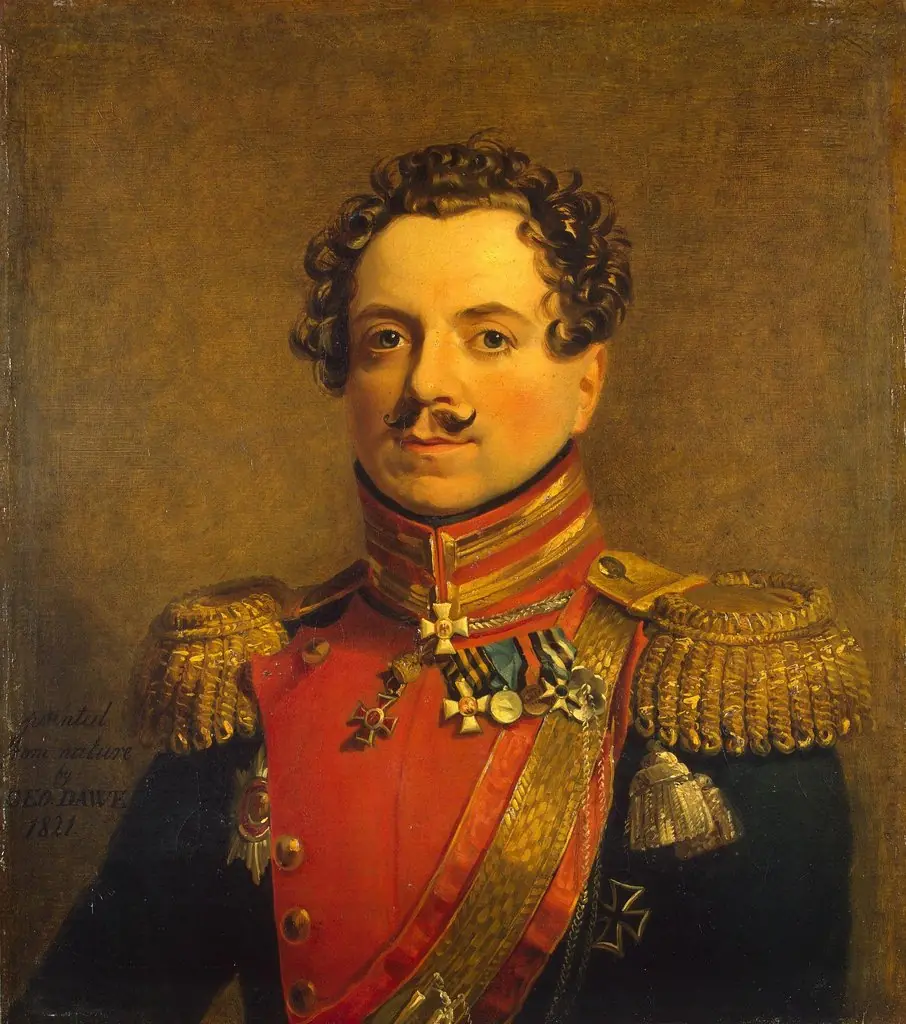 Portrait of Stepan S. Andreyevsky (1782-1842)
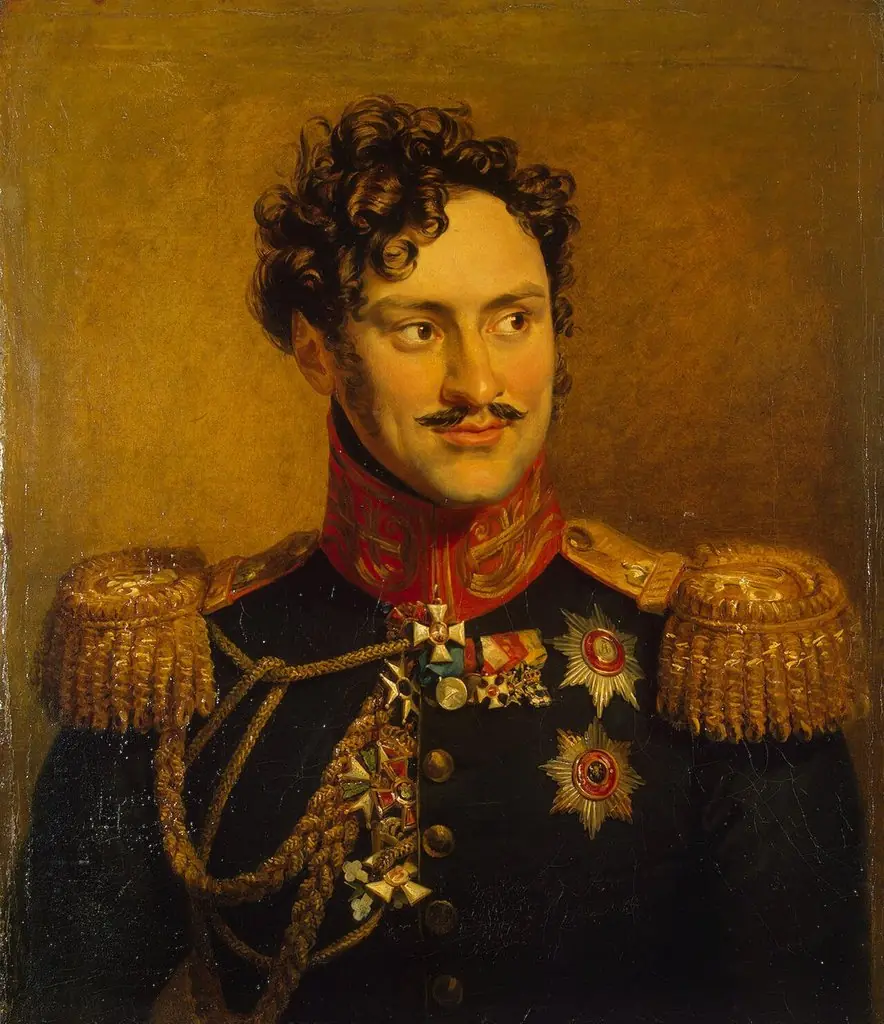 Portrait of Alexander I. Chernyshov (1785/86-1857)
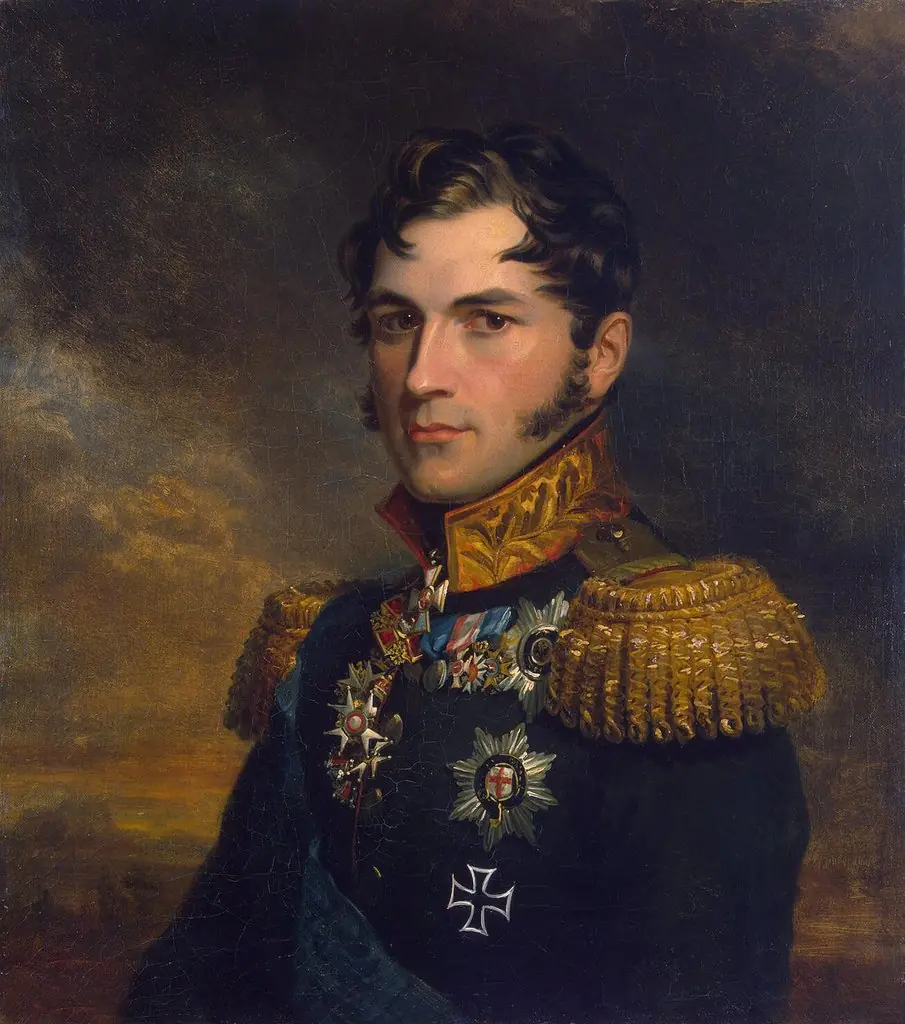 Portrait of Leopold, Prince of Saxe-Coburg (1790-1865)