Artwork
Portrait of Vasily V. Levashov (1783-1848)
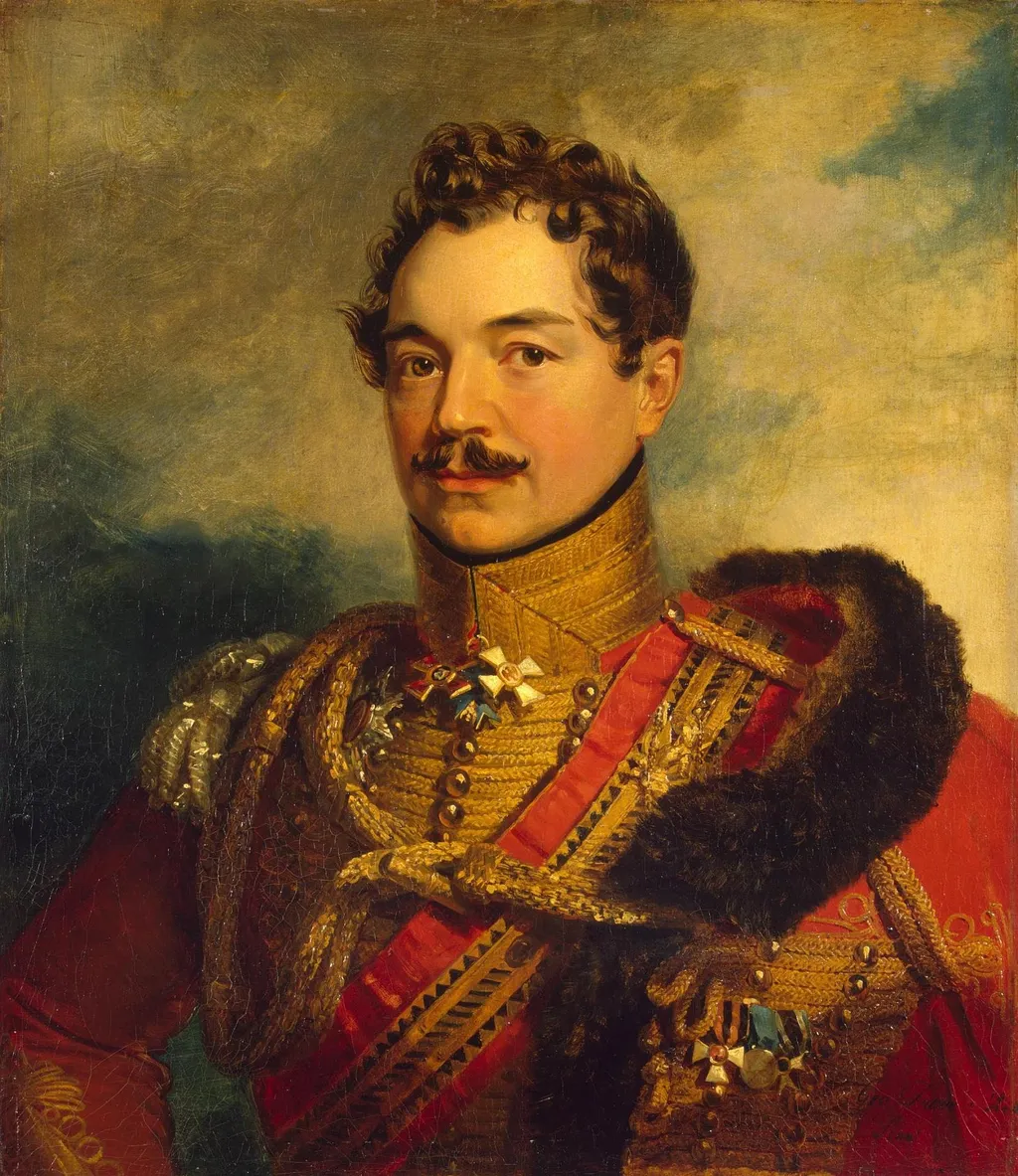
Portrait of Vasily V. Levashov (1783-1848) is an oil painting by George Dawe. It dates from 1822 and is held in the collection of the Hermitage Museum.
About this work
Overview
The work is held in the State Hermitage Museum, where it forms part of a larger series of military portraits commissioned for the Winter Palace.
Painted in 1822 by the English artist George Dawe, this oil portrait depicts Vasily V. Levashov, a Russian military officer who served during the Napoleonic Wars. Dawe, who relocated to Saint Petersburg in 1819, was commissioned to document key figures of the Russian army. The work is held in the State Hermitage Museum, where it forms part of a larger series of military portraits commissioned for the Winter Palace.
Subject & Meaning
Levashov is portrayed in full ceremonial uniform, adorned with medals and gold embroidery, signaling his distinguished service and high rank. The fur collar and precise grooming convey formality and authority. His stern gaze and still posture reflect the gravity expected of military leadership. The absence of narrative elements focuses attention on his identity as a decorated officer, emphasizing status over personal narrative.
Technique & Style
Dawe employed a restrained, precise style typical of early 19th-century portraiture. Light is carefully modulated to define the texture of fabric, metal, and fur, with subtle chiaroscuro enhancing the three-dimensionality of the figure. The background is neutral, eliminating distraction and reinforcing the subject’s prominence. Brushwork is controlled, favoring clarity and detail over expressive flourish.
History & Provenance
Commissioned as part of the Military Gallery project at the Winter Palace, the portrait was created to honor Russian commanders of the Napoleonic campaigns. Dawe painted over 300 such portraits between 1820 and 1835. Levashov’s likeness was included in this official collection, ensuring its preservation within state institutions. The painting has remained in the Hermitage’s holdings since its completion.
Context
In post-Napoleonic Russia, the state sought to consolidate national identity through visual commemoration of military heroes. Dawe, an outsider, was chosen for his technical skill and neutrality. His portraits served as state propaganda, reinforcing loyalty and hierarchy. Levashov’s inclusion reflects his role in the campaigns, though his specific deeds are not detailed in the image itself.
Legacy
Dawe’s series of military portraits remains one of the most extensive visual records of Russian officers from the era. While his style was later overshadowed by more expressive movements, his work preserved the appearance and protocol of the imperial military elite. The portrait of Levashov continues to serve as a historical document, offering insight into the visual language of rank and service in early 19th-century Russia.
Own this work as a print
Artist & collection
Artist
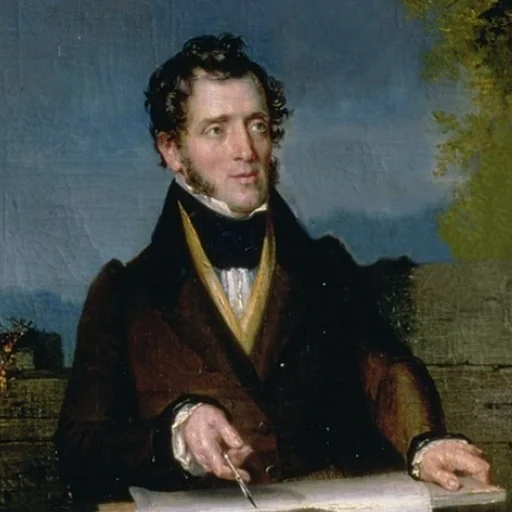
George Dawe (6 February 1781 – 15 October 1829) was an English portraitist who painted 329 portraits of Russian generals active during Napoleon's invasion of Russia for the Military Gallery of the Winter Palace.

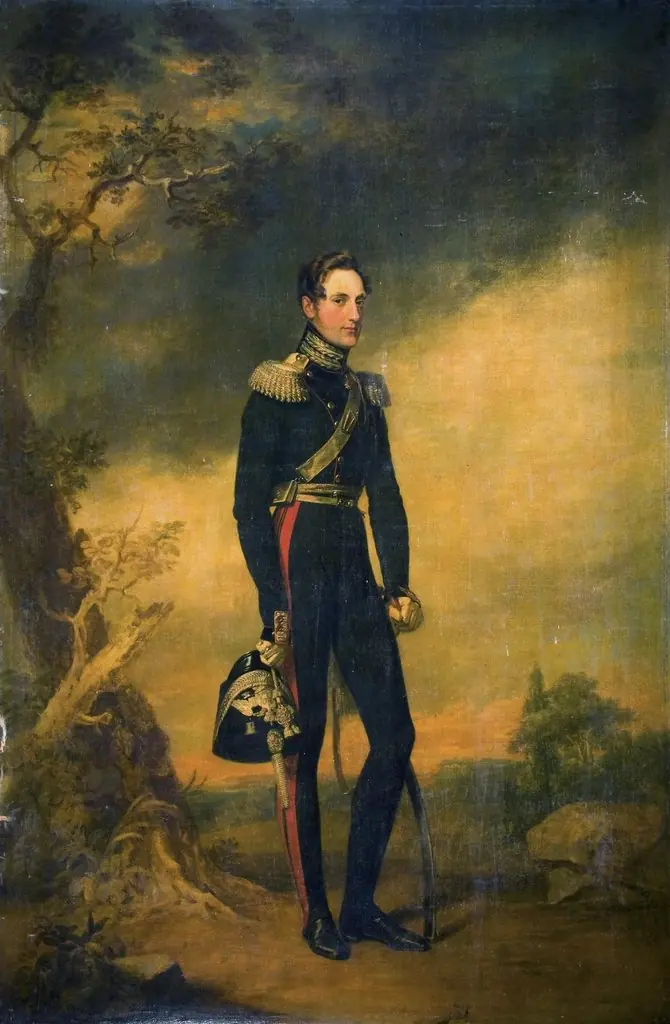 Portrait of Grand Duke Nikolai Pavlovich
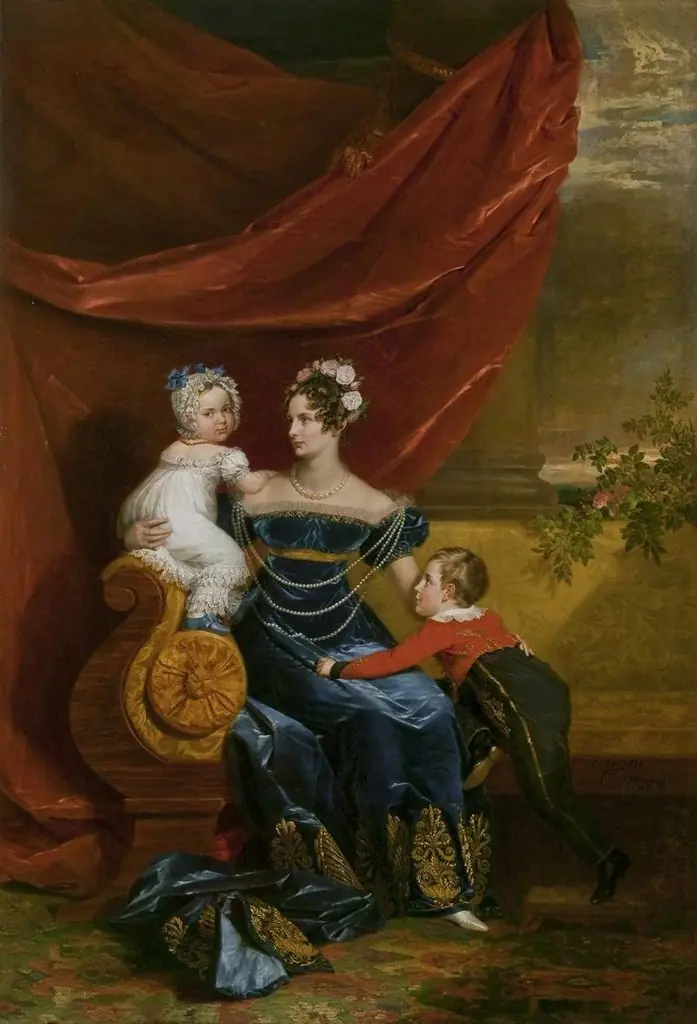 Portrait of Grand Duchess Alexandra Fiodorovna with Children
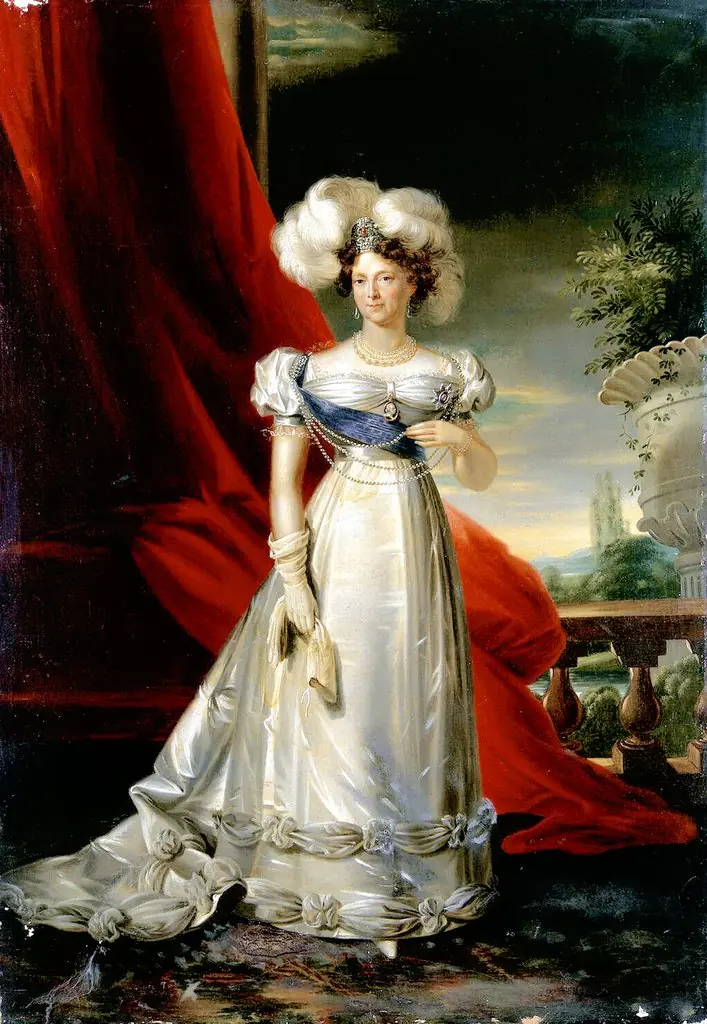 Portrait of the Empress Dowager Maria Feodorovna
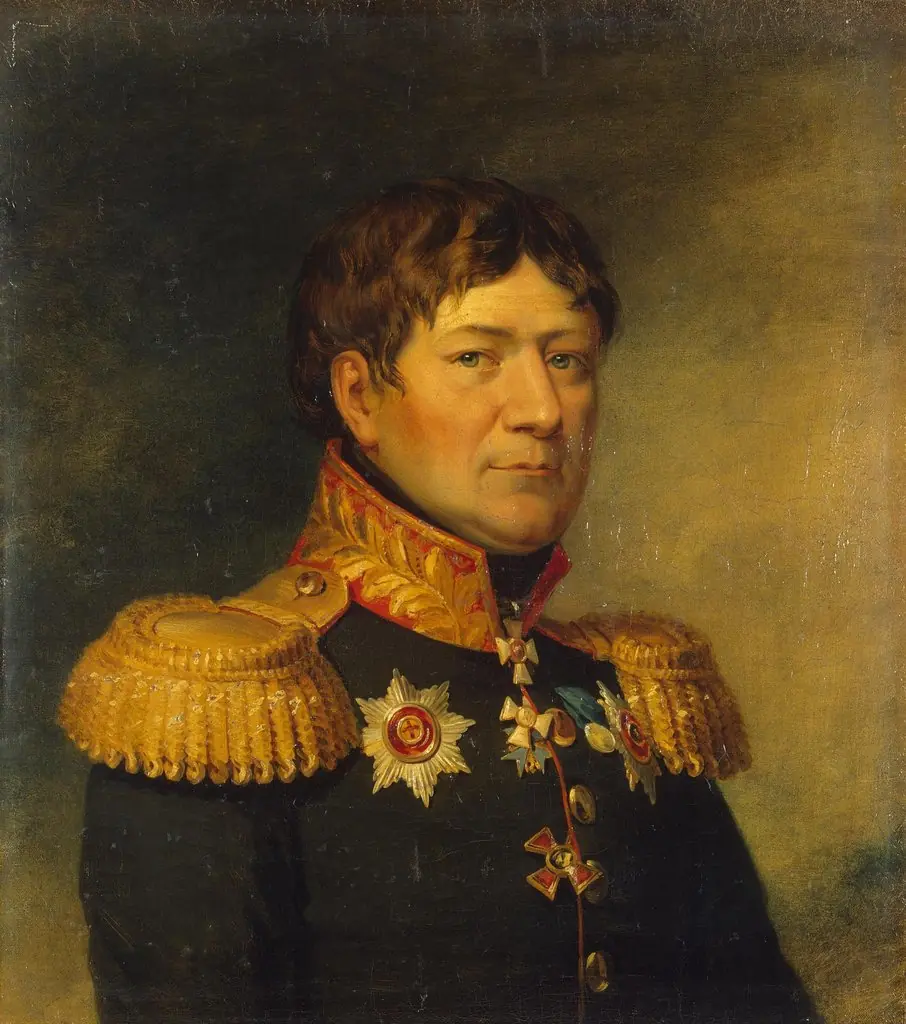 Portrait of Yegor M. Pillar (1767-1830)
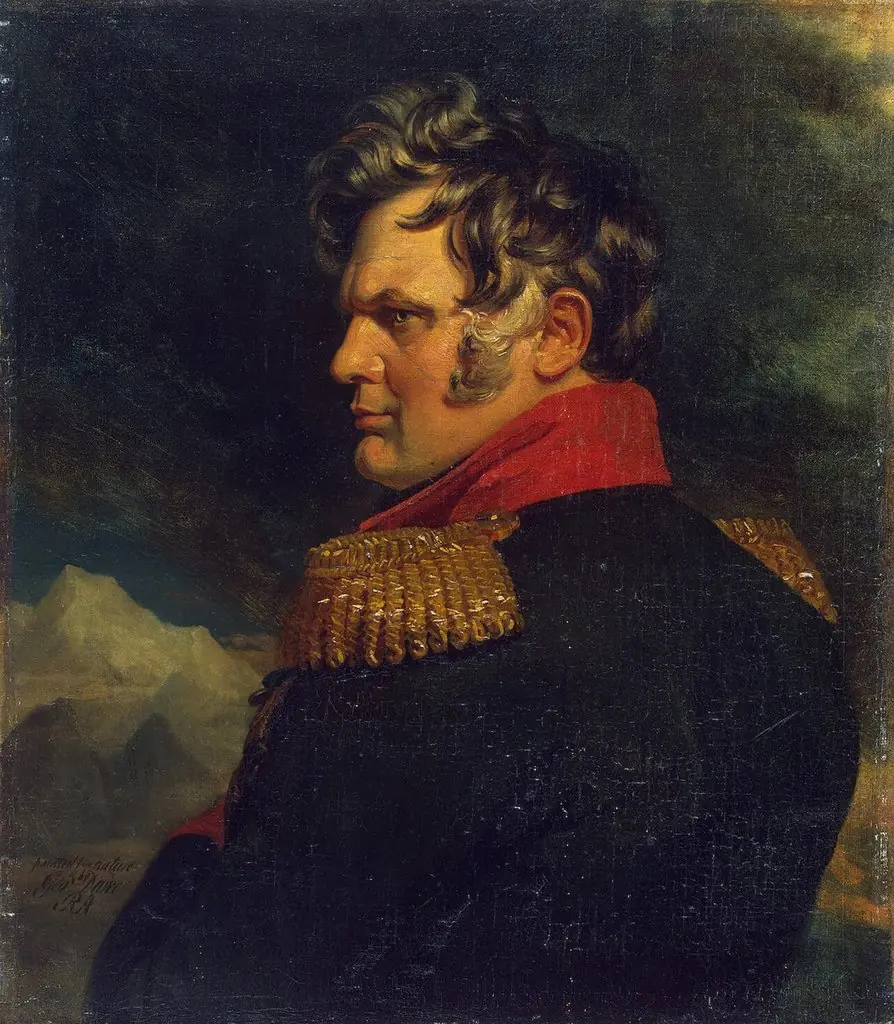 Portrait of Alexei P. Yermolov (1772/77-1861)
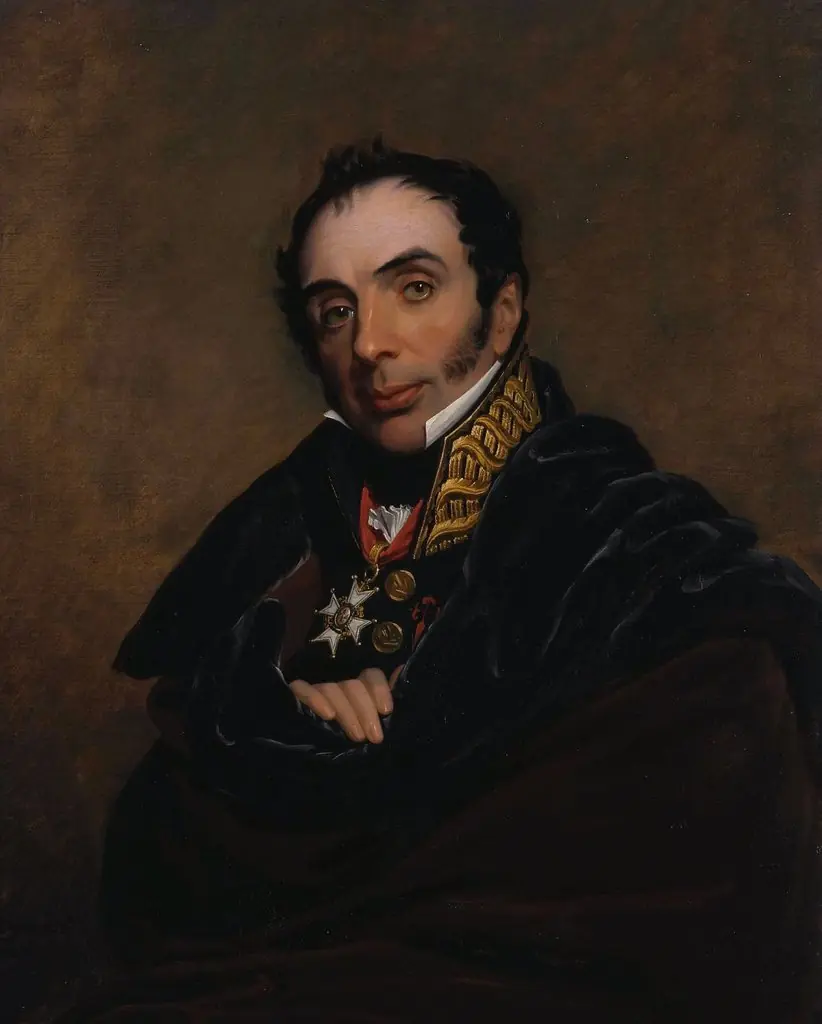 Portrait of Miguel Ricardo de Alava
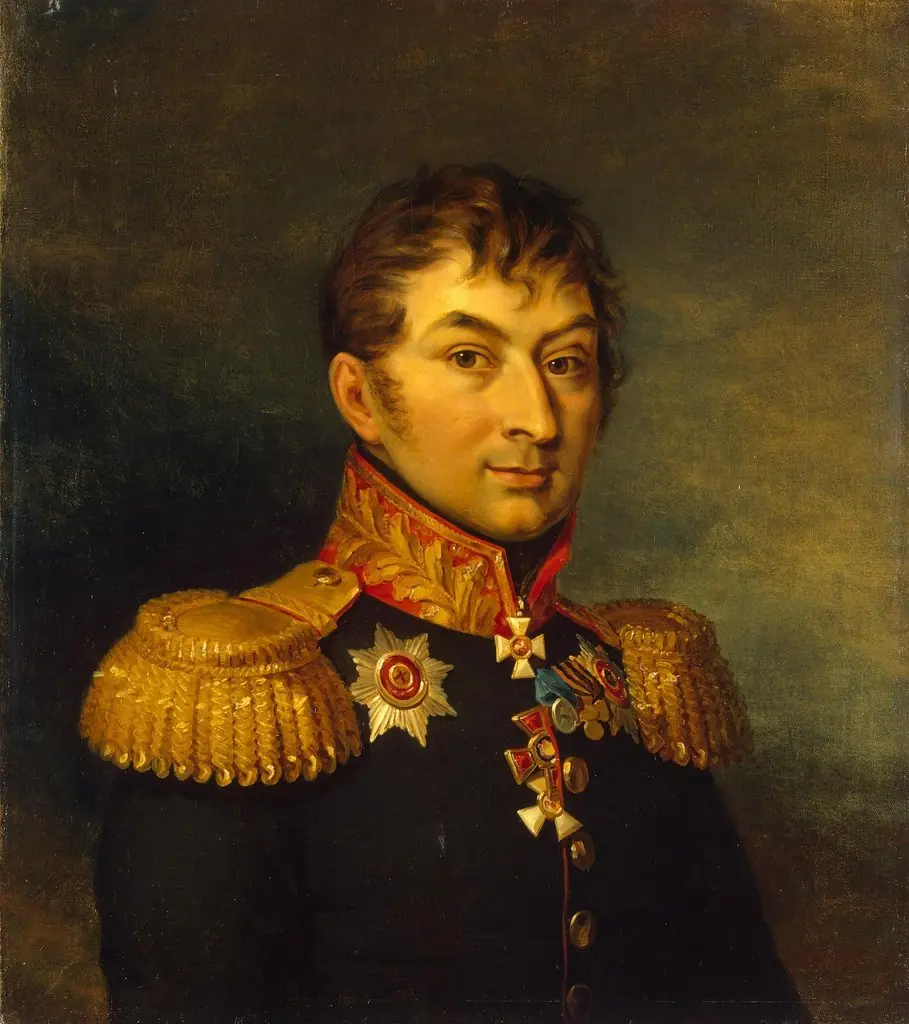 Portrait of Ivan D. Panchulidzev (1759-1815) (1st)
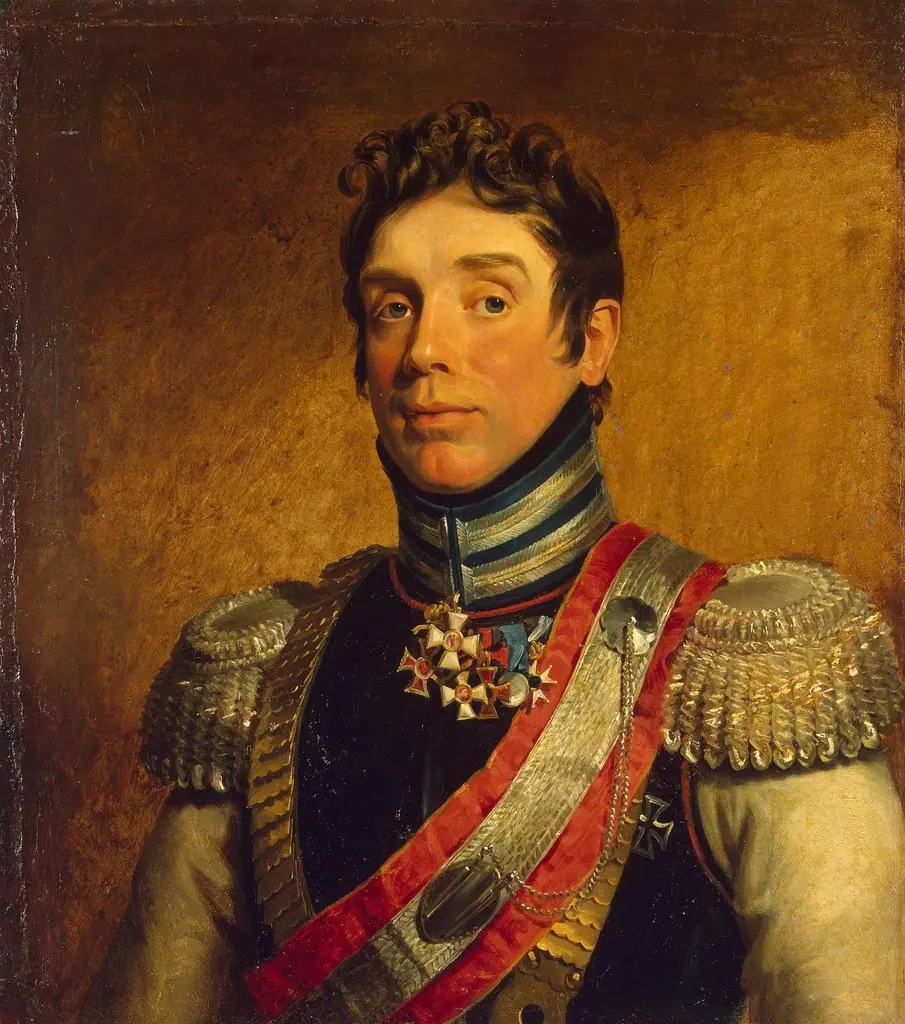 Portrait of Karl V. Budberg (1774-1829)
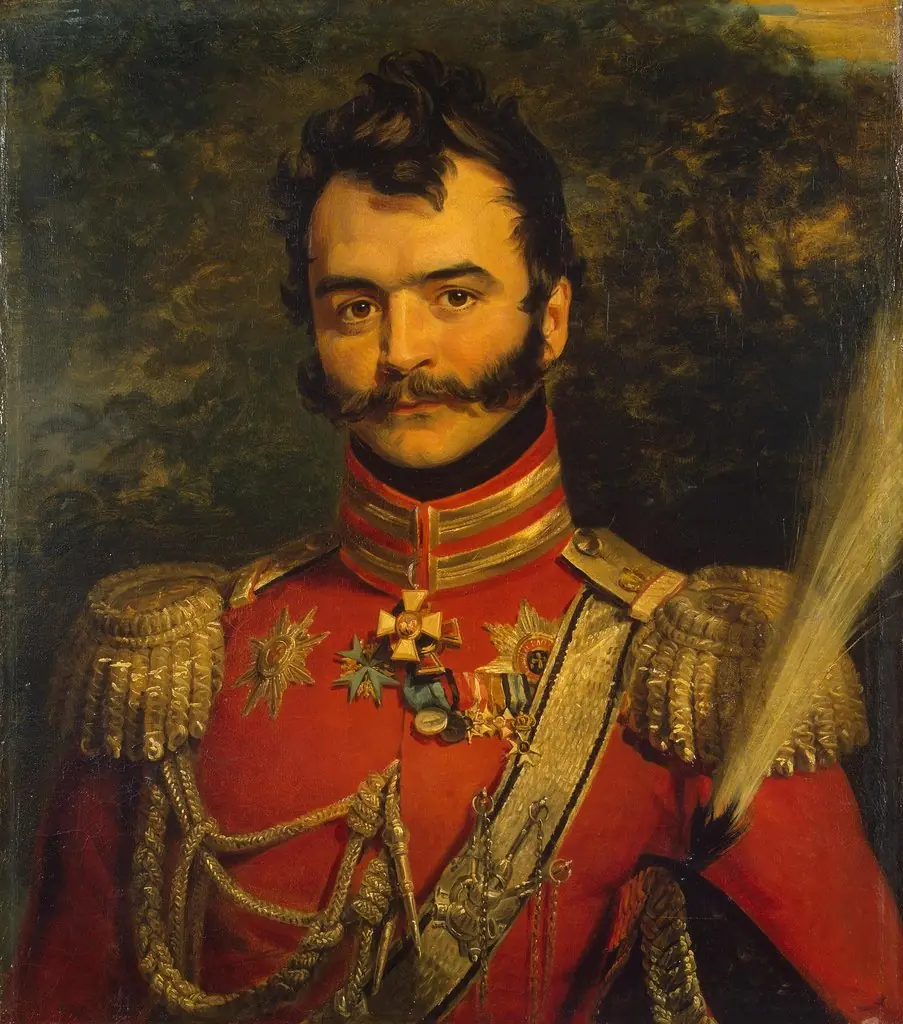 Portrait of Vasily V. Orlov-Denisov (1775-1843)
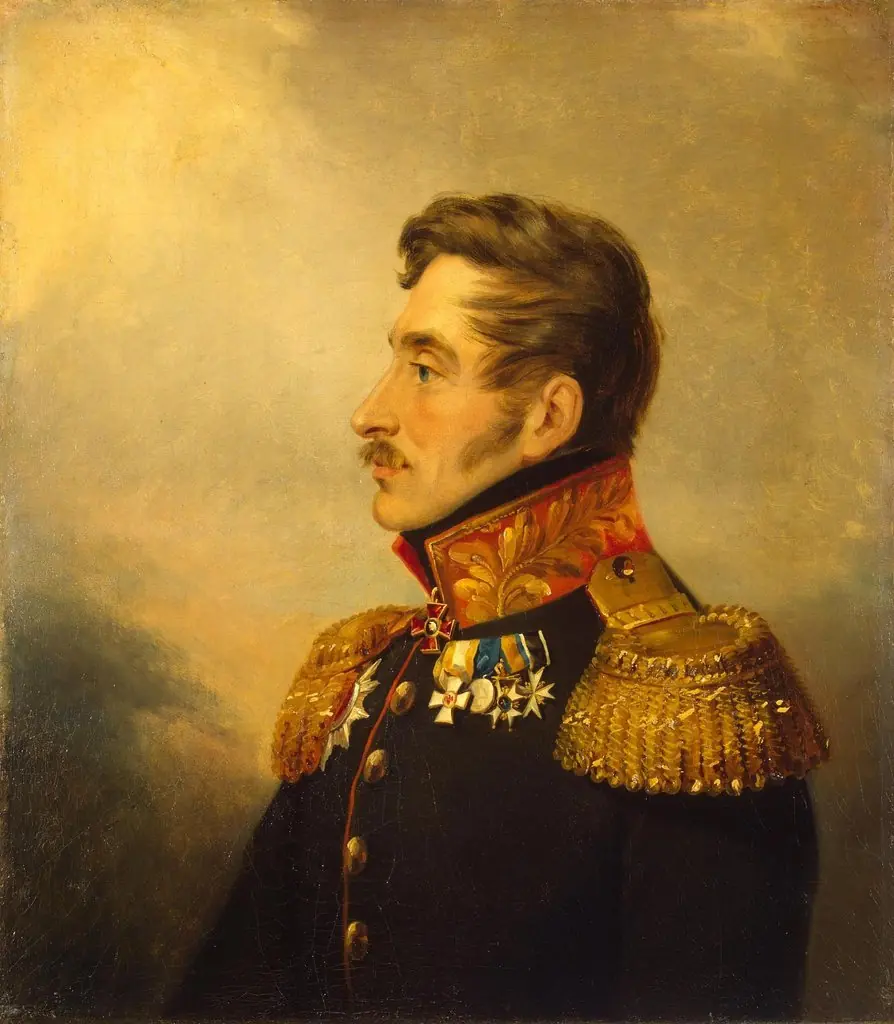 Portrait of Vasily P. Obolensky (1780-1834)
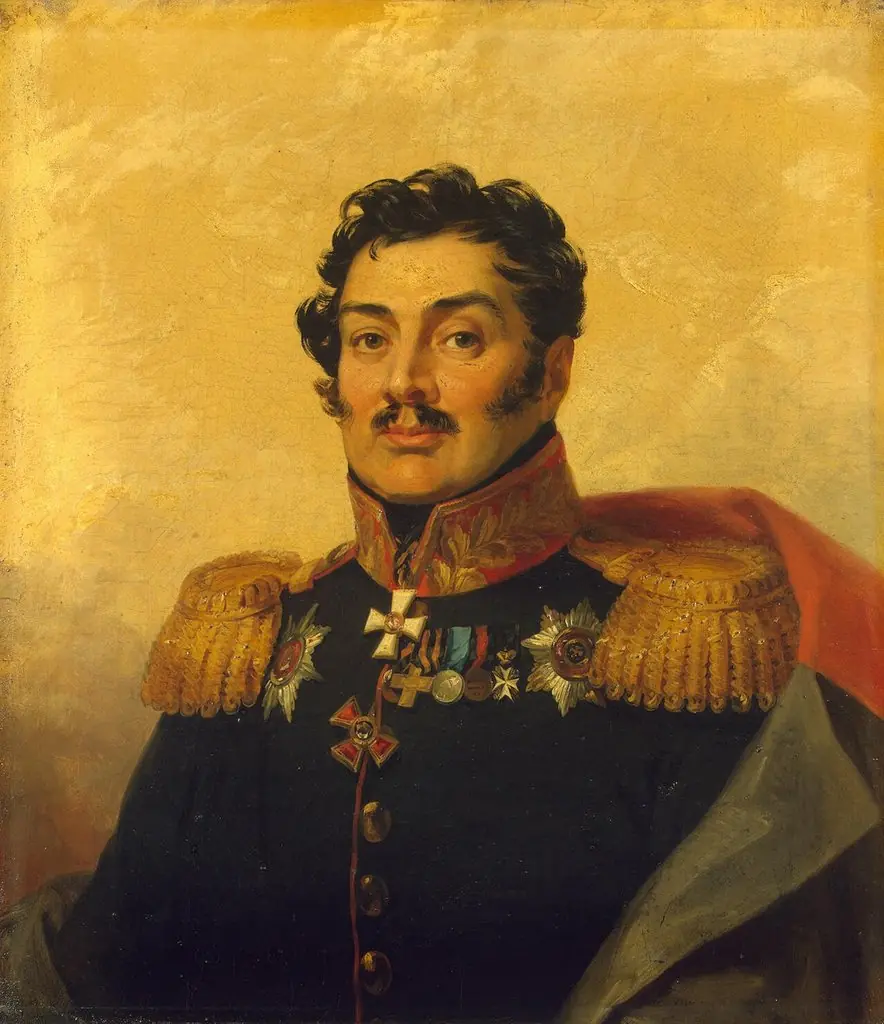 Portrait of Dmitry D. Shepelev (1771-1841)
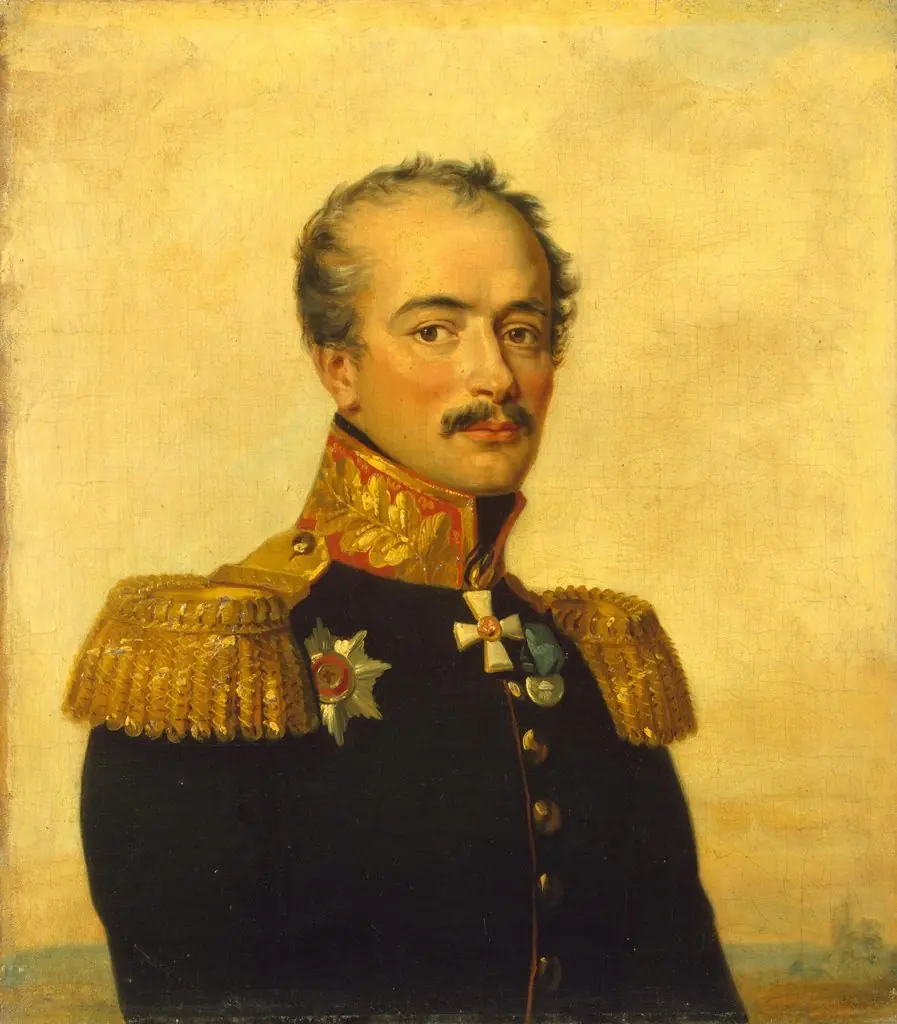 Portrait of Ivan M. Vadbolsky (1781-1861)
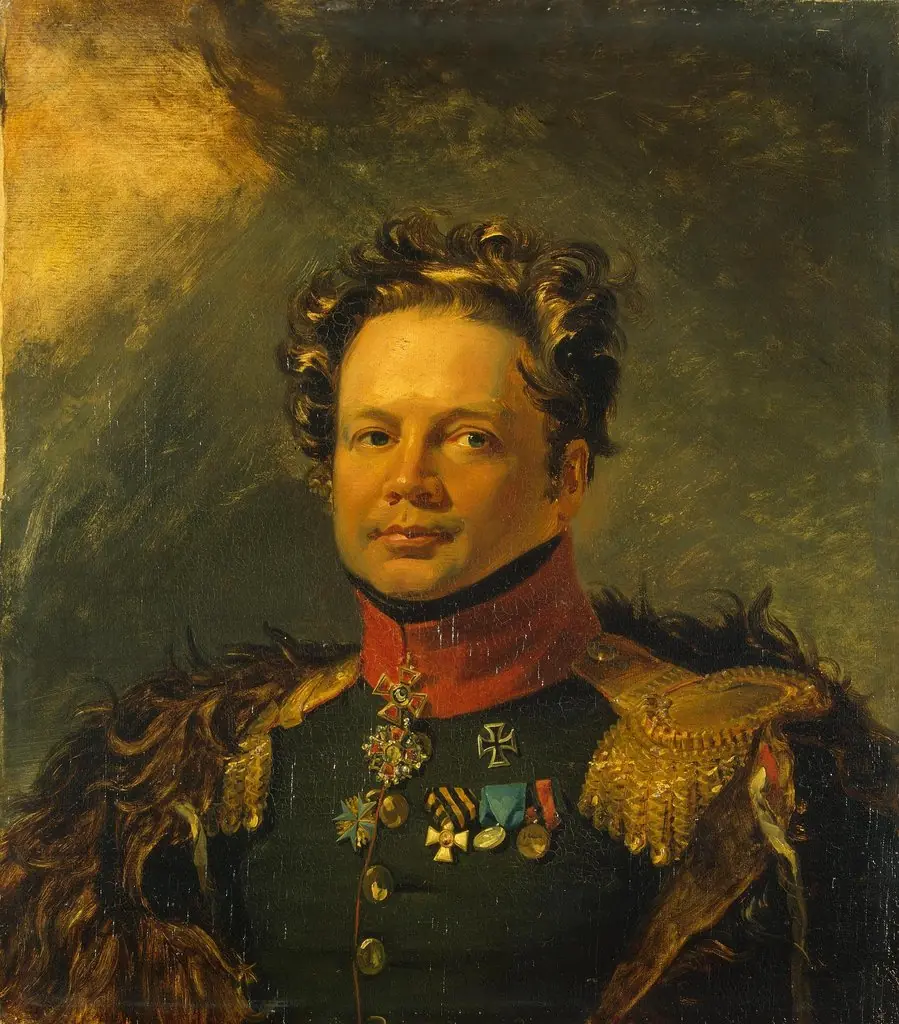 Portrait of Ivan Z. Yershov (1777/78-1852)
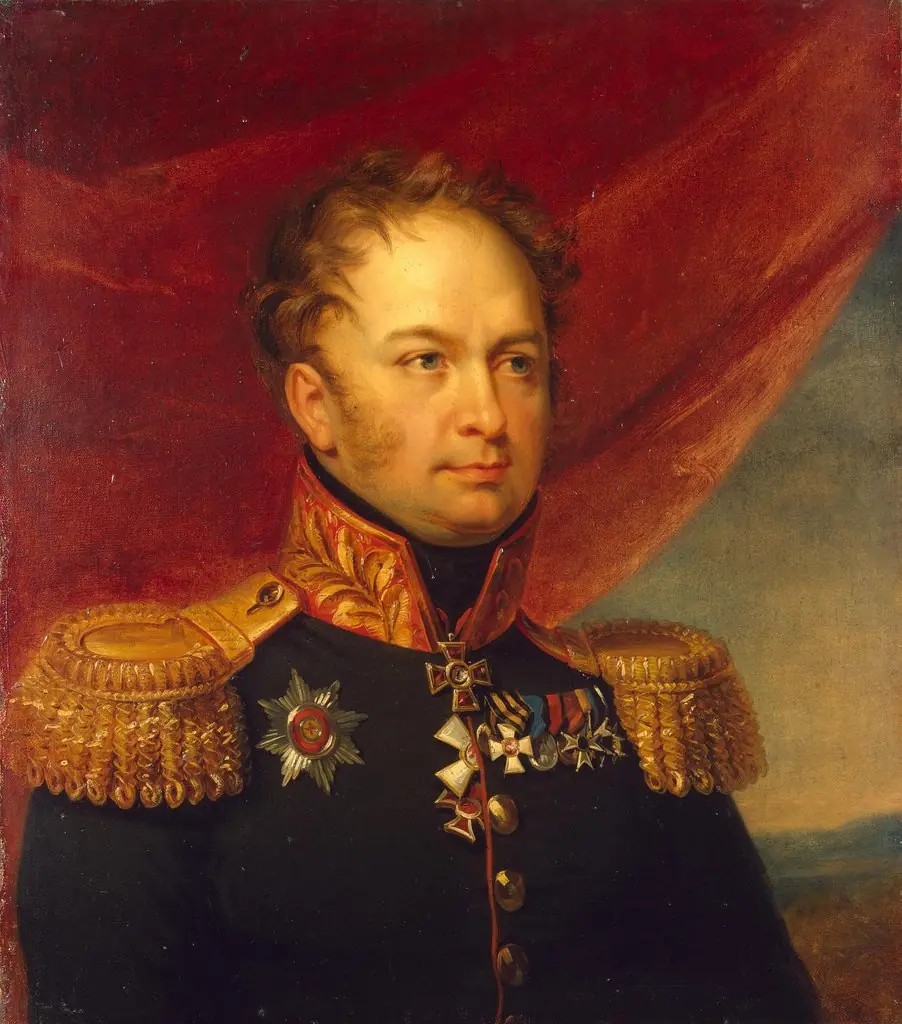 Portrait of Mikhail F. Vlodek (1780-1849)
 Portrait of Illarion V. Vasilchikov (1775/76-1847) (1st)
 Portrait of Lev A. Naryshkin (1785-1846)